The Charity Foundation “Stabilization Support Services” is currently implementing a range of humanitarian projects. Each of these projects strengthens the resilience of those affected by the war. Some projects are planned in advance and implemented over a longer period, while others arise in response to unexpected challenges or crises and require swift execution — hence the term “rapid response projects.” We discussed the experience of implementing such projects with Anna Borysova, Director for Humanitarian Response.
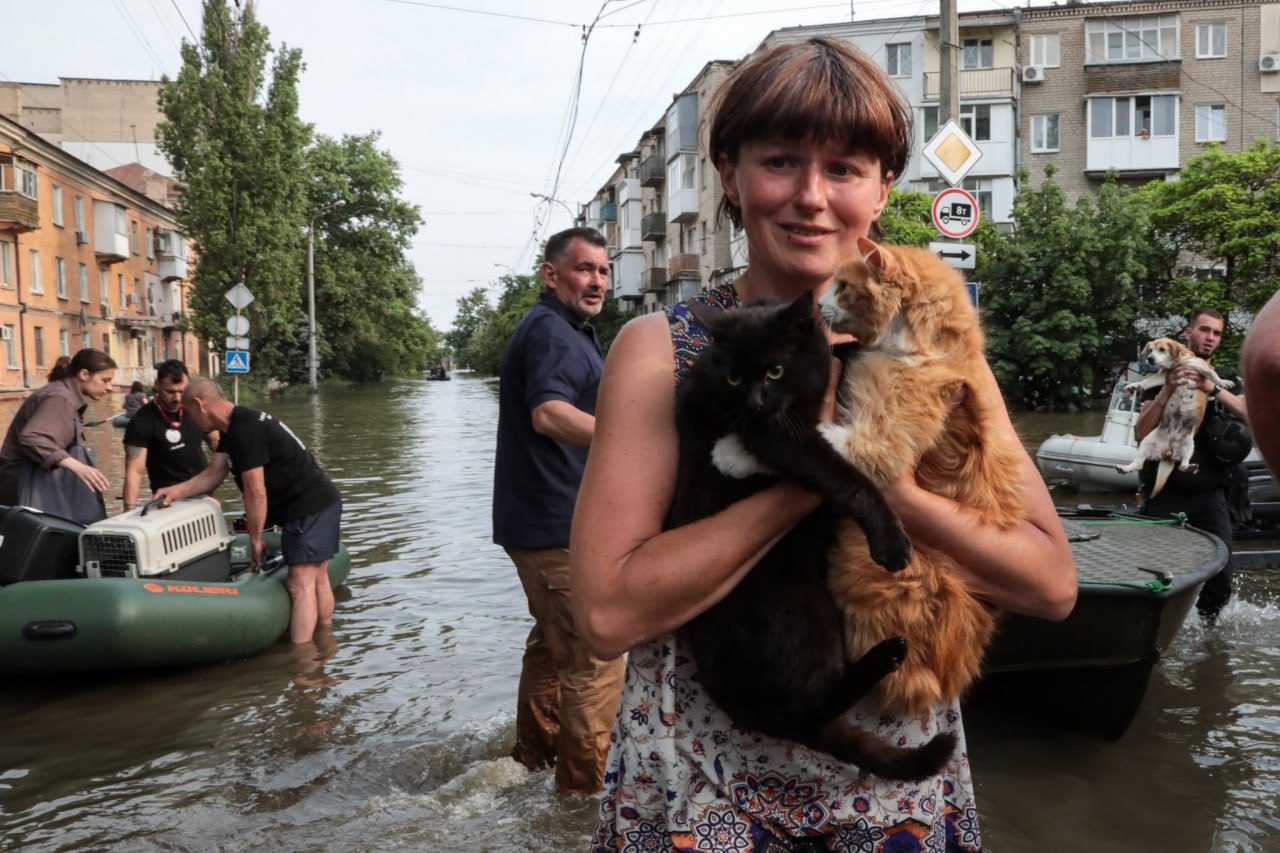
“There are humanitarian projects focused on medium- or long-term solutions, and then there are rapid response projects. In rapid response projects, much less time passes from the onset of the crisis to providing assistance to those affected — because help is needed here and now. These projects aim to address the consequences of specific crises and usually last up to six months. Thanks to one such rapid response project, we were able to quickly start helping those affected by the destruction of the Kakhovka Dam,” explained Anna Borysova.
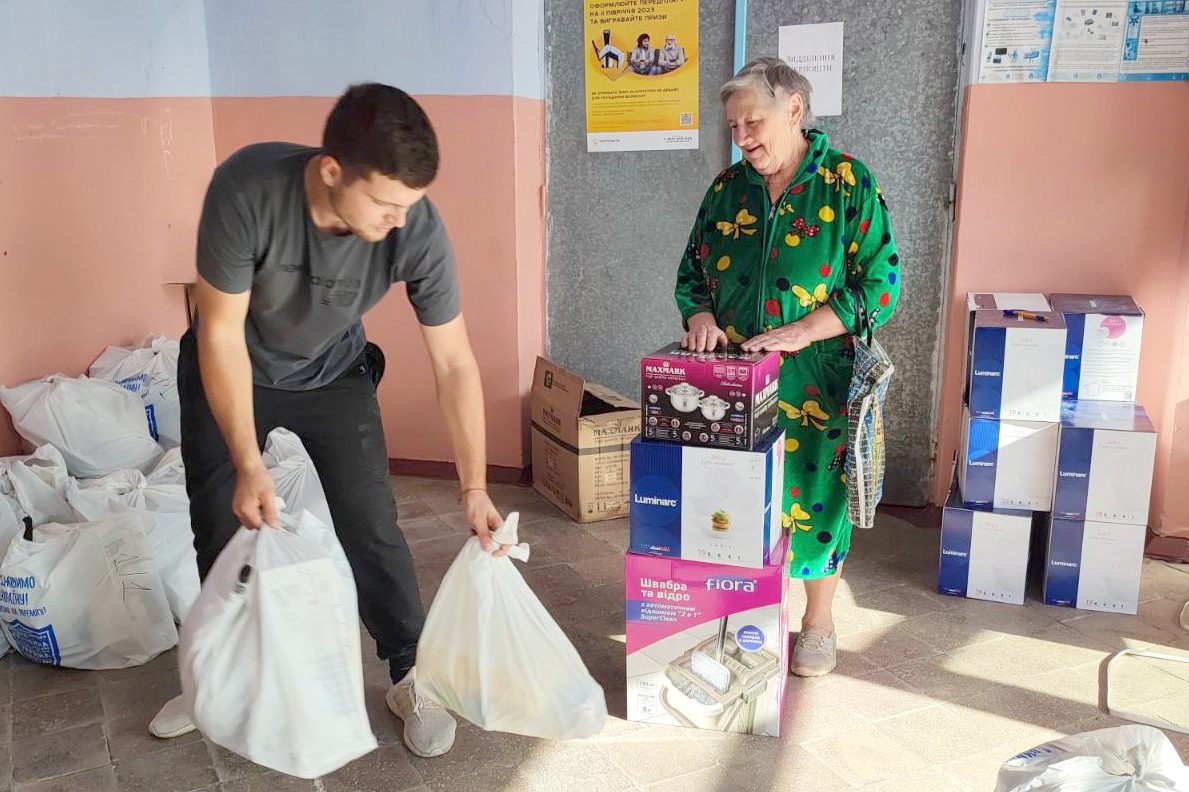
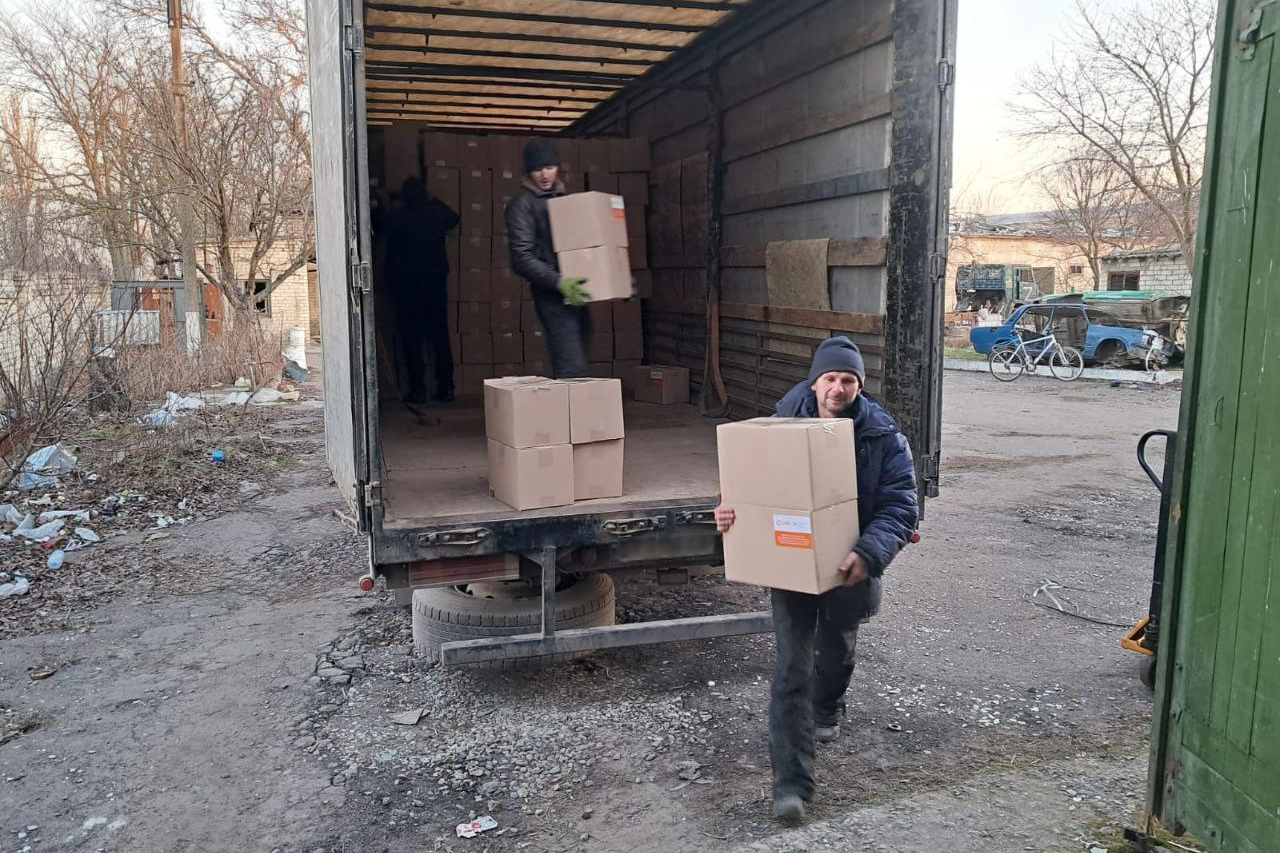
Since rapid response projects cannot be planned in detail, they are more flexible, as the needs of those affected constantly change. Providing an example, Anna Borysova recalled that after the flooding caused by the destruction of the Kakhovka Dam, the immediate need was for water pumps, dehumidifiers, boats, and waterproof clothing (all of which were quickly procured). Then there was a need for non-food kits, as most of the residents’ belongings had been destroyed by the water. The Foundation’s staff quickly purchased and distributed clothing, dishes, and basic living equipment. The need for dehumidifiers persisted because, although the water had receded, moisture remained in the walls of the homes.
“The stages of implementing medium-term or rapid response projects are mostly the same: first, we assess the needs, for example, by communicating with local authorities. Then, we choose a solution to meet those needs and implement the project. Naturally, in rapid response projects, all the stages (including procurement processes) take much less time,” said Ms. Borysova.
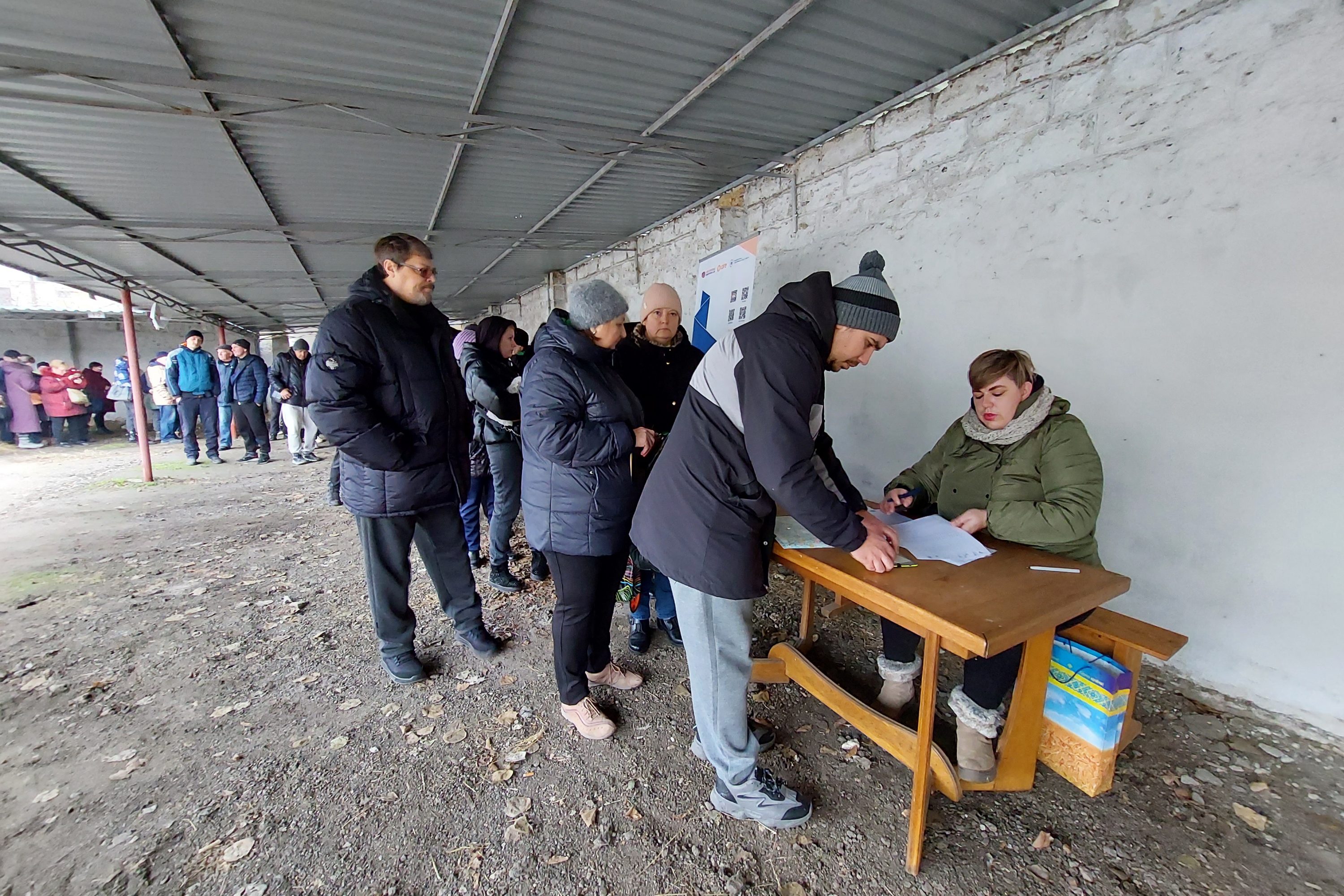
The process of forming a list of recipients also differs. According to Anna Borysova, when the Foundation distributes aid as part of a rapid response project, online registration is not required. People simply arrive, quickly receive their aid package, register, sign the paperwork, and return home. However, when the situation is less critical, recipients are registered. Registration makes aid more efficient, helps prevent duplication, and ensures that as many people as possible can receive support.
When asked about the Foundation’s future involvement in rapid response projects, Anna Borysova emphasized that they remain a priority. CF SSS participates in convoys organized by international organizations, travels to communities, and simultaneously continues to work on longer-term projects, such as those aimed at restoring housing damaged by the war.
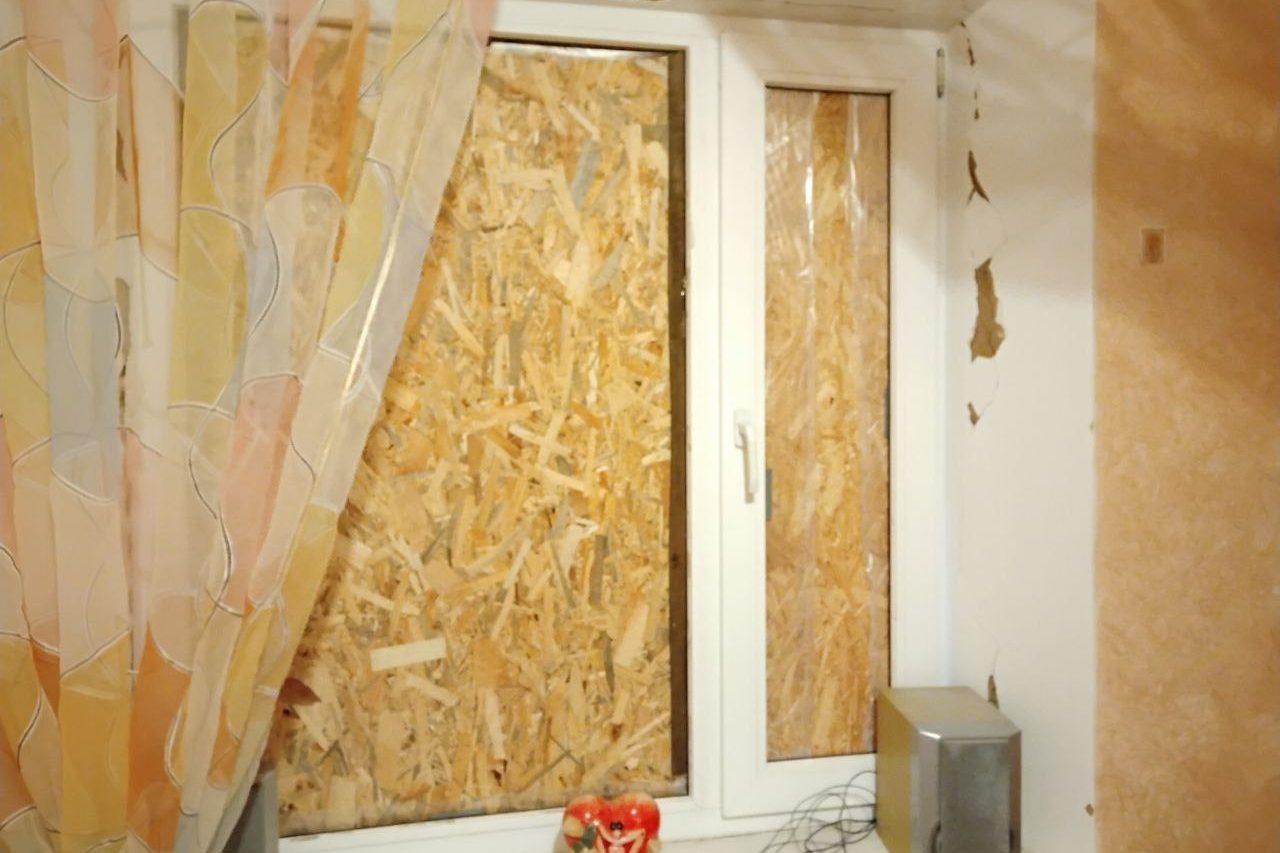
“After shelling, people often board up their windows with plywood and live in darkness for years. This has led to a serious problem — vision deterioration — for those who have lived like this for a year. Replacing windows is one of their greatest needs, and it has become a priority for us as well,” said Ms. Borysova.
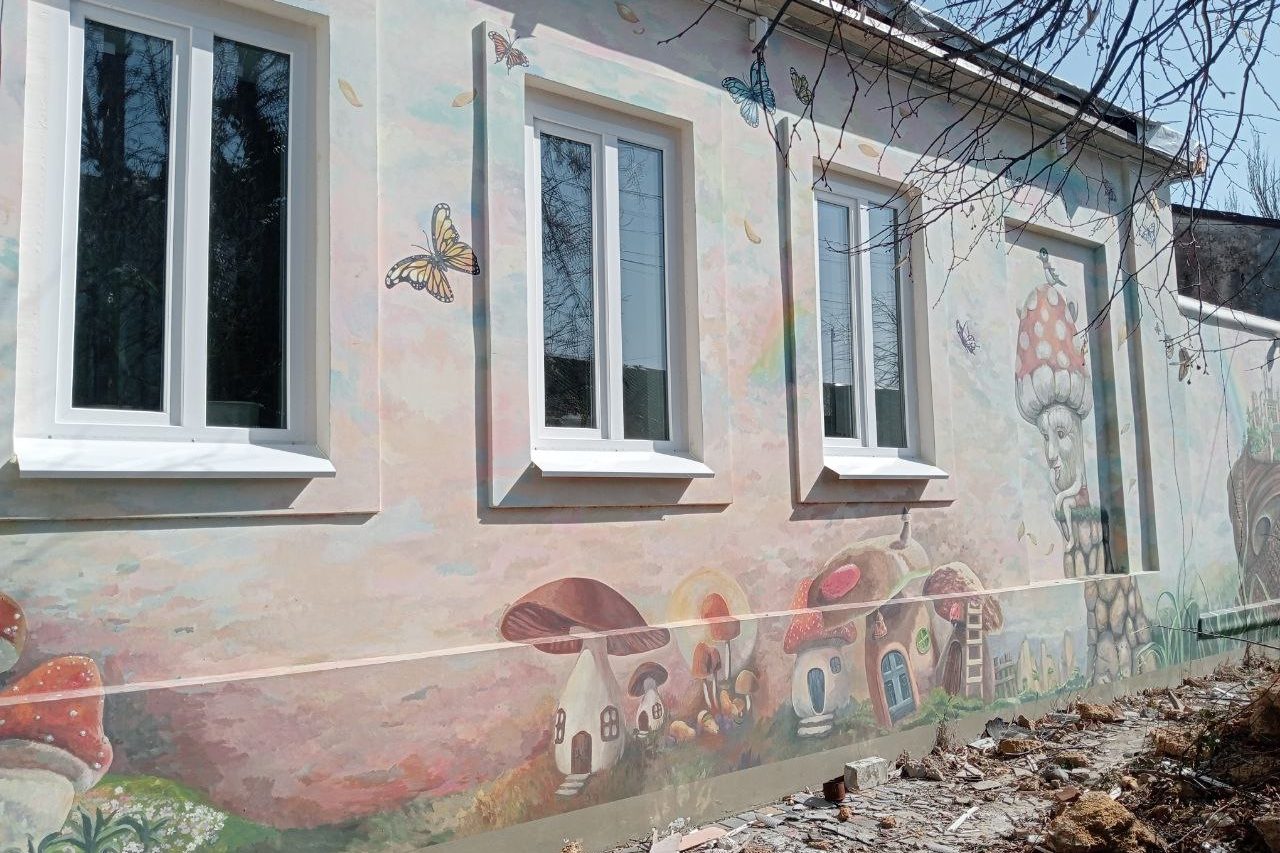
Window, door, and roof repairs are the main tasks of the Lifesaving Shelter, MPCA, SRH, and Protection Assistance for Conflict-Affected Communities in Rural Hromadas in Mykolaivska and Khersonska Oblasts project.
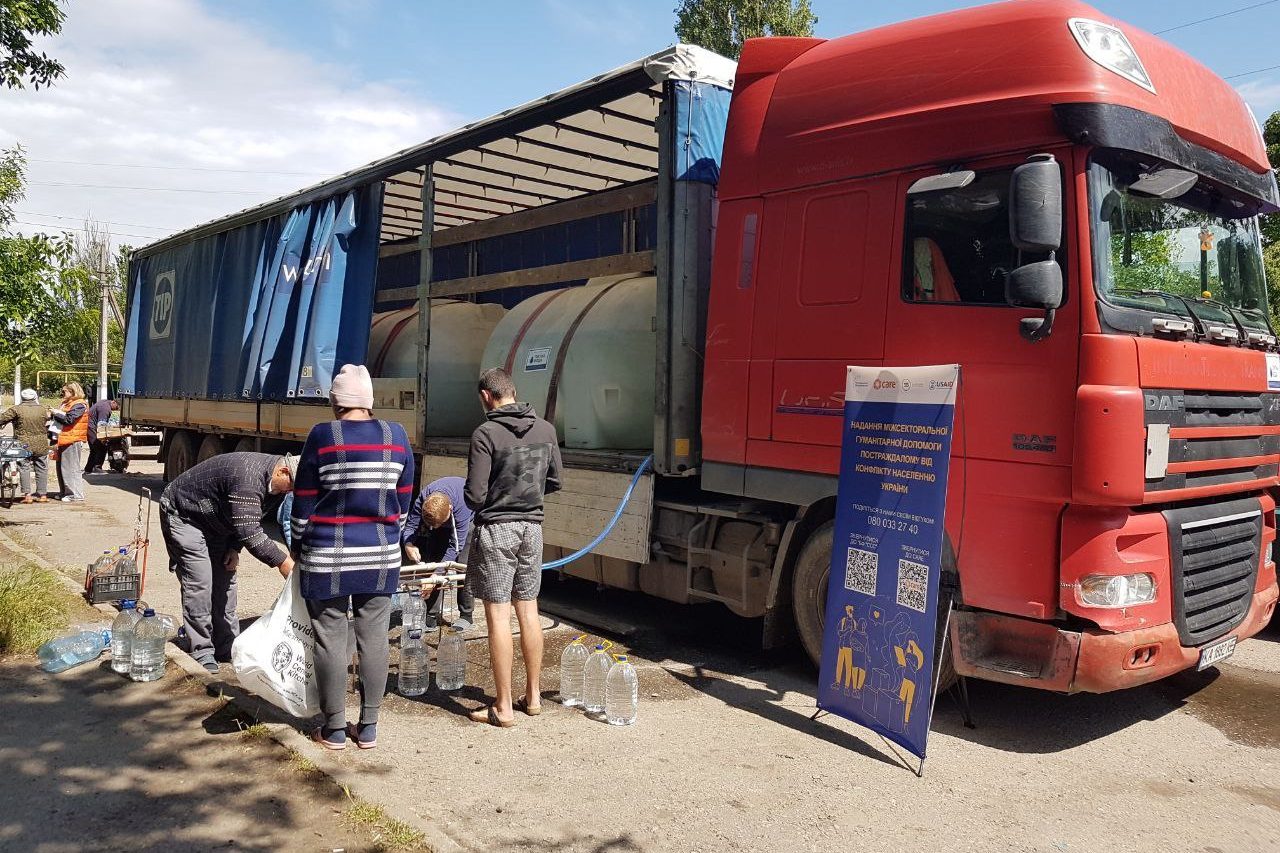
Anna Borysova also highlighted another crucial area of the Foundation’s work in southern Ukraine — ensuring access to drinking water for people who lack it due to damage to central water supply systems, water towers, and wells. In such communities, CF SSS collects water from water utilities and delivers it to settlements. While this is a temporary solution, the team seeks ways to restore water systems so that community residents can lead normal lives again. This can only be achieved through long-term projects.
“Some forms of assistance lose their relevance over time, while others do not. Various kits or multipurpose cash assistance will always be relevant. Cash assistance allows families to buy exactly what they need at the moment and helps to support the local economy and businesses, as people spend the money in local stores, returning it to their communities. Of course, we cannot help everyone, but we can support the most vulnerable and those who have been overlooked by other organizations,” emphasized Anna Borysova.
The Lifesaving Shelter, MPCA, SRH, and Protection Assistance for Conflict-Affected Communities in Rural Hromadas in Mykolaivska and Khersonska Oblasts project is being implemented by the CF SSS in collaboration with the international humanitarian organization CARE, with the support of the Ukraine Humanitarian Fund.