
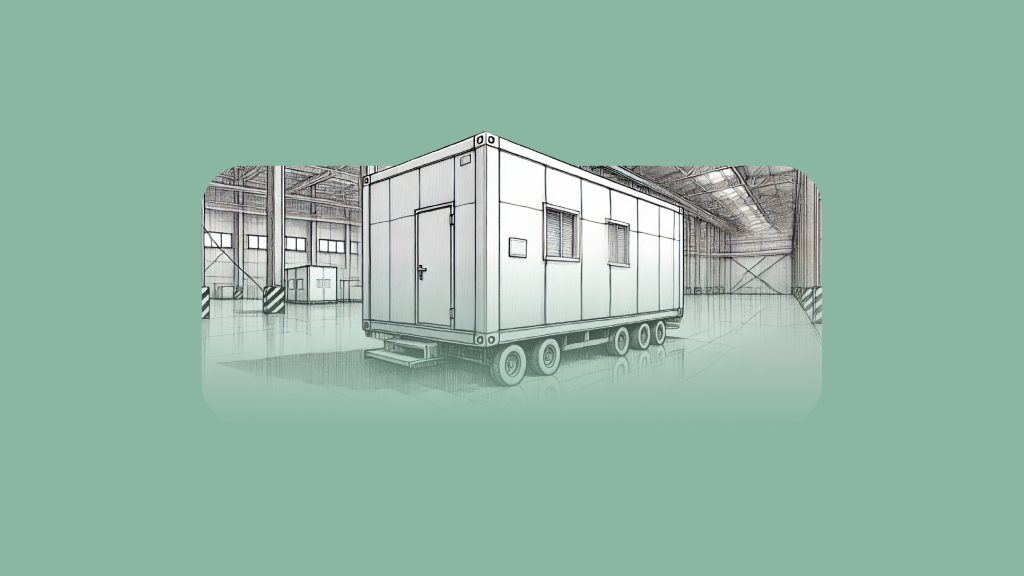
The mobile laundry and bathing complex (MLBC) was created to provide hygiene in remote areas where there are no fixed communications. This invention is widely used in various fields: from military operations to humanitarian missions and camping.
Mobile baths are considered to be the prototype of the MPLK. In ancient times, nomadic tribes and armies were looking for ways to keep their bodies clean. They used a variety of devices: heated stones covered with skins, or temporary structures made of improvised materials.
As early as the 19th century, the first documented references to mobile baths appeared. In France, in 1822, a bath on a cart with the ability to heat water was patented.
In the 20th century, with the development of technology, more complex designs appeared that combined the functions of a bath and a laundry. Such complexes were actively used during the Second World War. It was during this period that the first large-scale implementation of such complexes took place.
Mobile laundry and bathing complexes consisted of simple water heating devices, water storage tanks, laundry rooms and showers. They could be easily transported and installed in different environments. Later, these complexes were used in civilian life. For example, for rescue operations during emergencies or to serve workers in remote regions where there is no access to stationary laundry facilities.
Today, the MLCs are sophisticated engineering structures that can be equipped with the necessary things for comfortable showering, laundry, and even cooking. This is made possible by portable generators, compact water heating systems, and lightweight construction materials.
Modern complexes are usually equipped with:
Water supply and sewage systems that ensure uninterrupted water supply and wastewater disposal.
Heating systems to maintain a comfortable temperature inside the complex.
Washing machines and dryers for fast and efficient washing and drying of clothes and linen.
Generators to provide electricity.
Ventilation and air purification systems.
Such complexes are now being actively used in humanitarian missions, camping, tourism, construction, military, etc.
The Stabilization Support Services Charitable Foundation, together with the German humanitarian organization Sign of Hope (SoH), with the financial support of the German Federal Foreign Office (GFFO), is implementing mobile laundry and bathing complexes in Mykolaiv and Kherson regions as part of the project “Comprehensive assistance to internally displaced persons, non-displaced persons affected by the war, and those who have returned to Ukraine through the provision of protection, psychosocial and financial assistance, housing and WASH services”.