
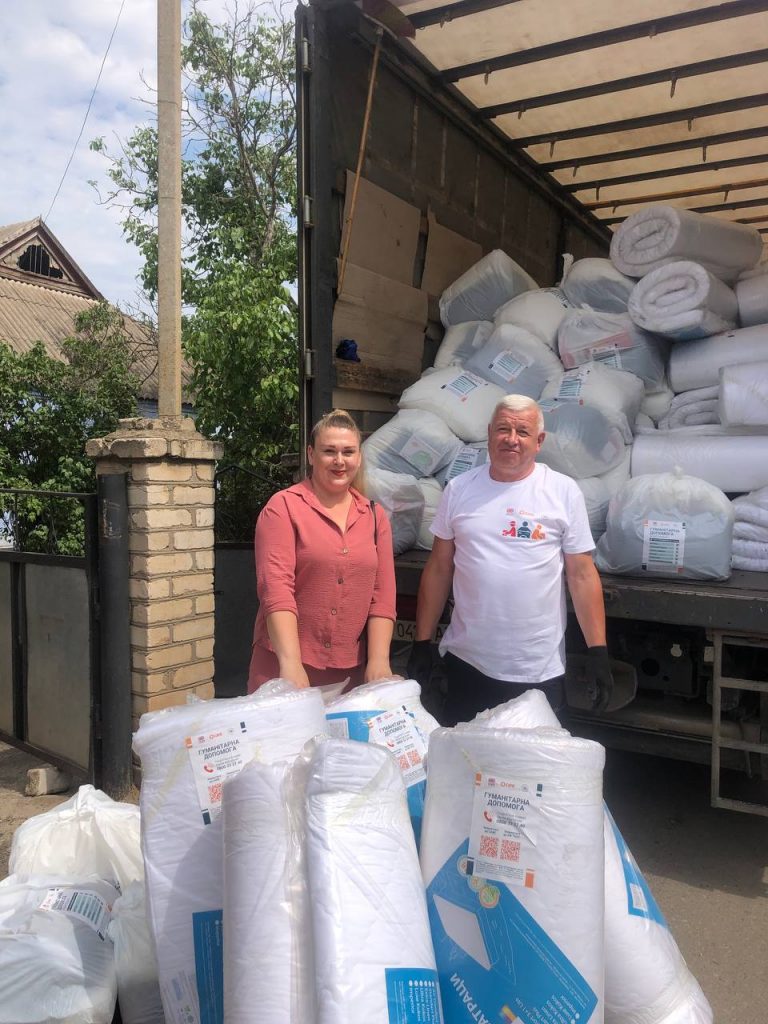
Two years ago, Darina and her son moved to Kherson. Her hometown had come under occupation, and staying there became too dangerous. She packed whatever she could in a hurry — documents, a few belongings, her child — thinking it would be just for a week or two. But temporary displacement turned into a long-term reality.
Today, Darina and her son live in a rented apartment. Still, she says, it doesn’t feel like home:
“We’re always living out of suitcases. We constantly have to save money, cut corners — especially when it comes to basic comforts.”
Darina raises her child on her own. She works when she can — sometimes there’s temporary work, sometimes there’s nothing. But despite the challenges, she doesn’t give up. Her main goal is to provide at least some stability for her son — so he can study, eat well, and not absorb the constant anxiety she feels.
“Kids sense everything. If a mother is quietly pacing around the house, worrying about how to pay the utilities, the child knows. That’s why I try to smile. To hide it. Children need to feel that something good lies ahead. Otherwise, everything loses meaning,” she shares.
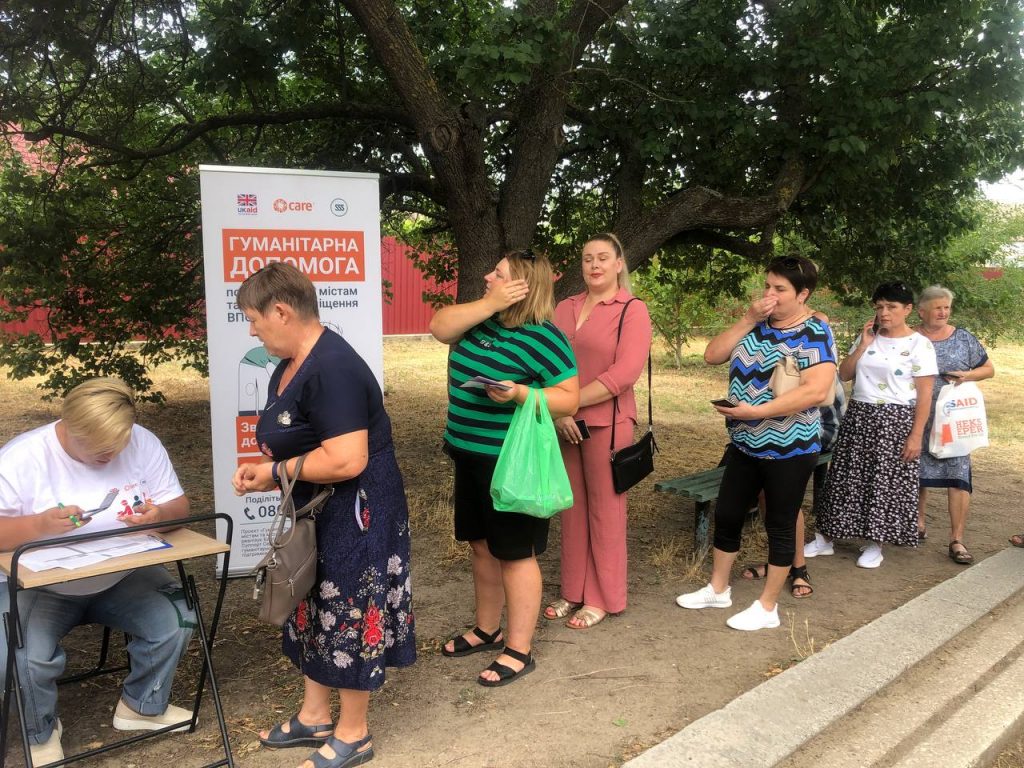
Darina received humanitarian aid at a particularly difficult time — a moment when, as she puts it, “her hands were ready to give up.” The support package helped her resolve long-standing issues — a worn-out mattress, an old blanket, lack of heat and electricity.
“We were sleeping on an old mattress someone left behind in the apartment. It was completely flattened, with torn fabric. But we couldn’t afford a new one. Same with the blanket. I didn’t expect anyone to care about us. When I received the aid package, I was a bit overwhelmed. I’m not used to asking for help. But honestly, it made a big difference. We started sleeping better, and it brought light into our lives — both literally and figuratively.”
Despite the fatigue and uncertainty, Darina finds the strength to smile — and has taught her son to do the same. She believes that change is possible and does everything she can to help her child believe it too.
“What matters to me is that he grows up with an inner sense of support. That he knows — even when things are tough, there are people who will lend a shoulder. And that better days will come. Because otherwise — what’s the point of it all?”
The “Humanitarian Aid for Affected Cities and Places of Displacement in Ukraine” project is implemented by the Stabilization Support Services Charitable Foundation (Stabilization Support Services) in partnership with the international humanitarian organization CARE, with financial support from the Disasters Emergency Committee (UK) and the people of the United Kingdom (UKAID).