Increasing the capacity of IDP Councils is one of our team’s tasks this year. Specifically, we are helping the Councils analyze local social protection policies and targeted programs to ensure that they consider the needs of IDPs and develop amendments they need.
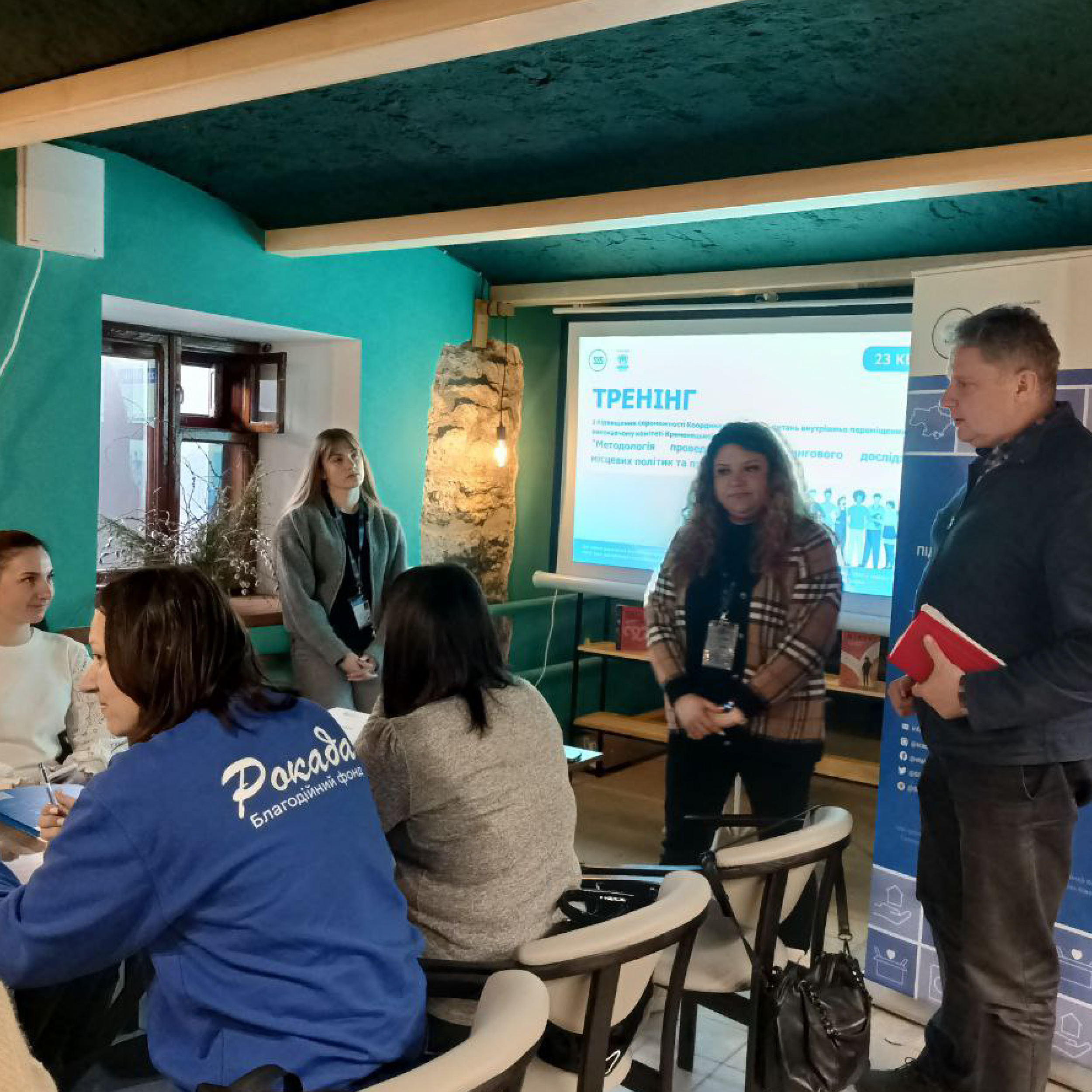
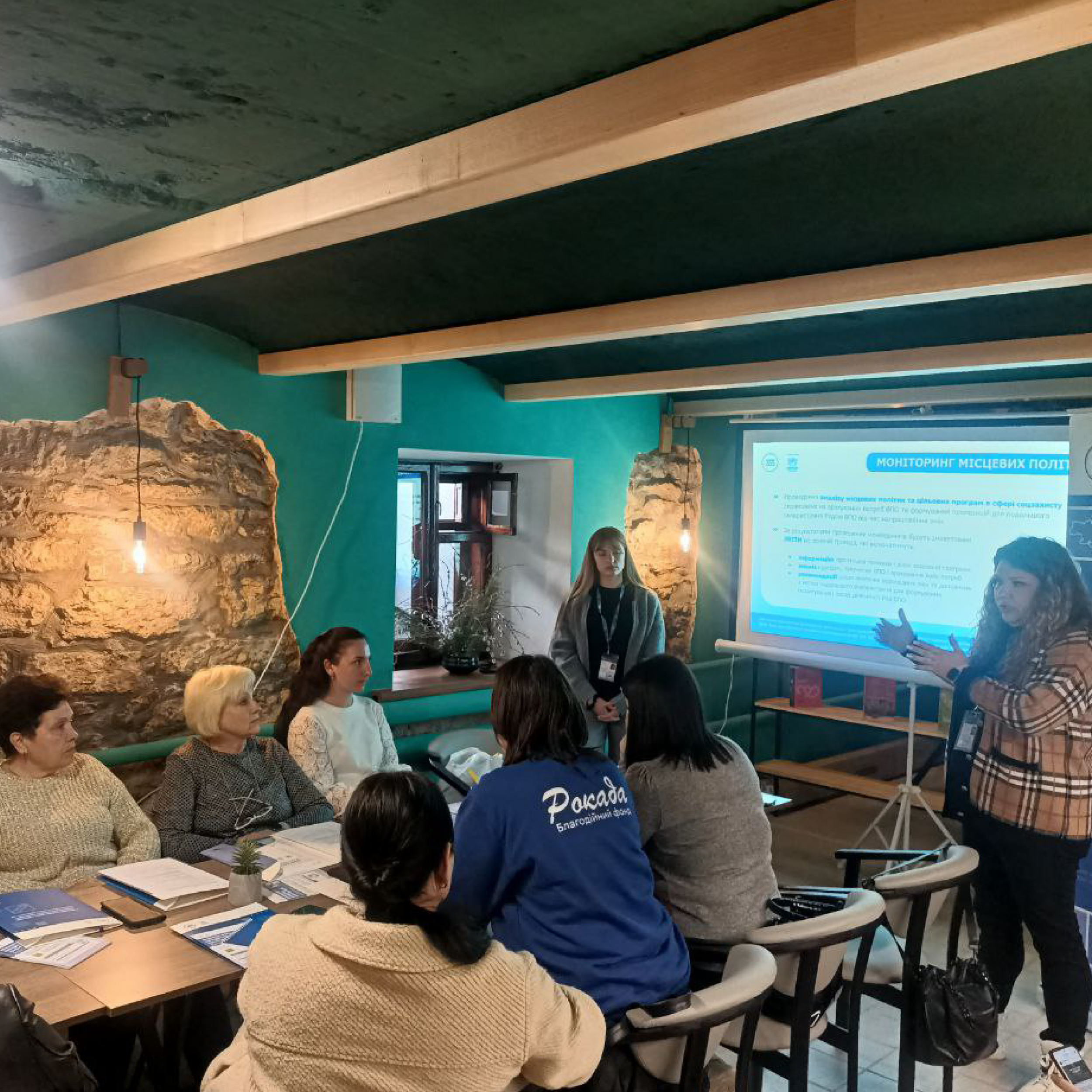
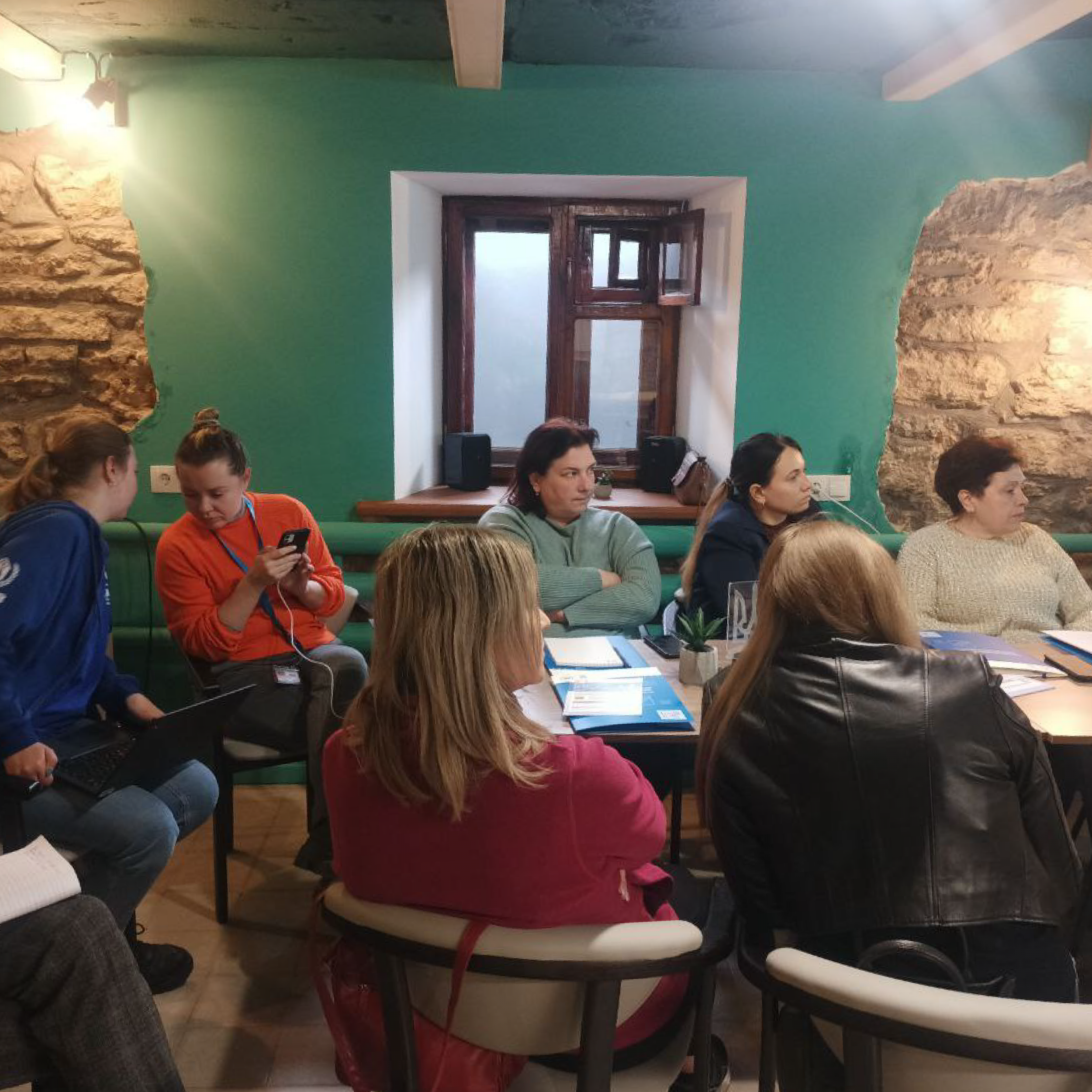
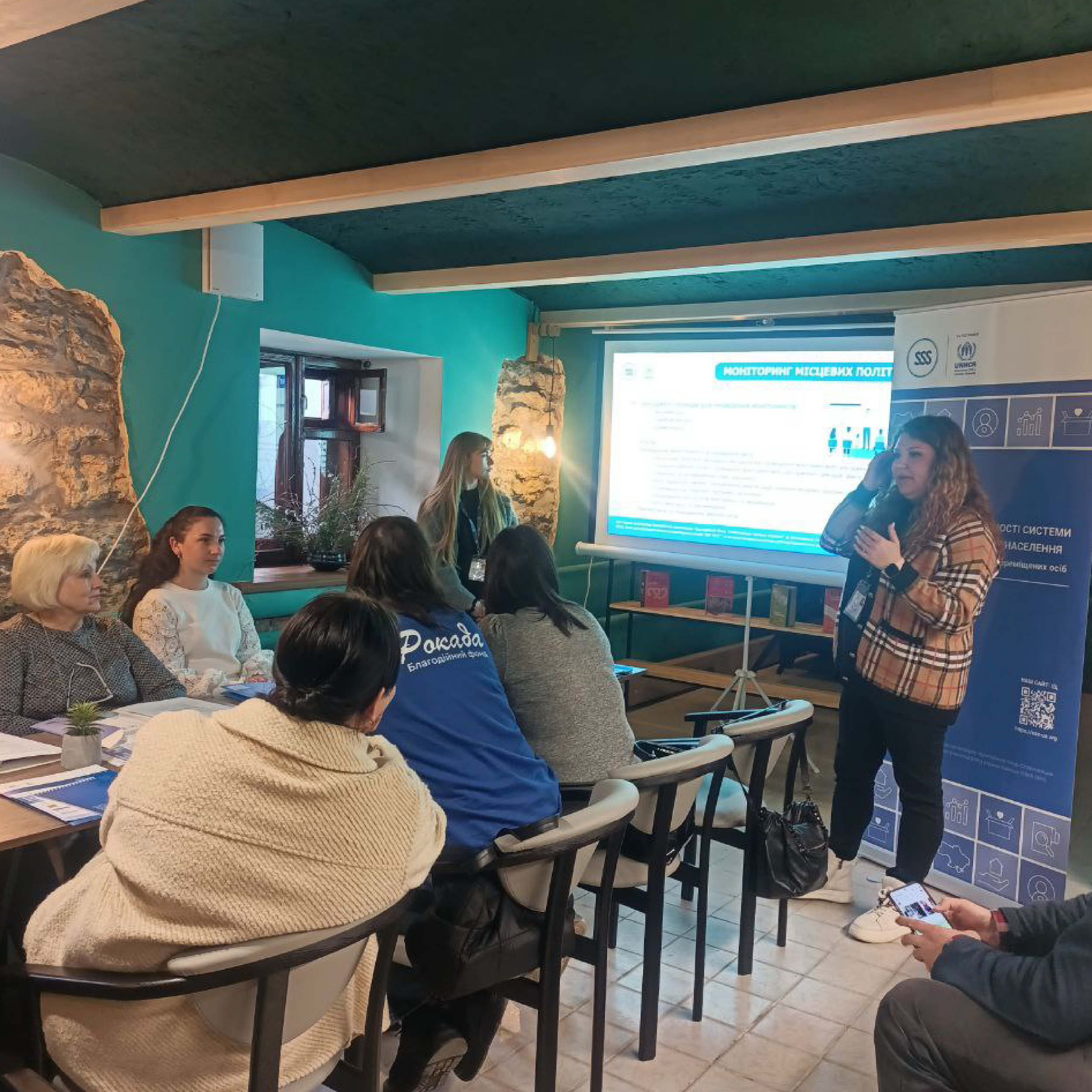
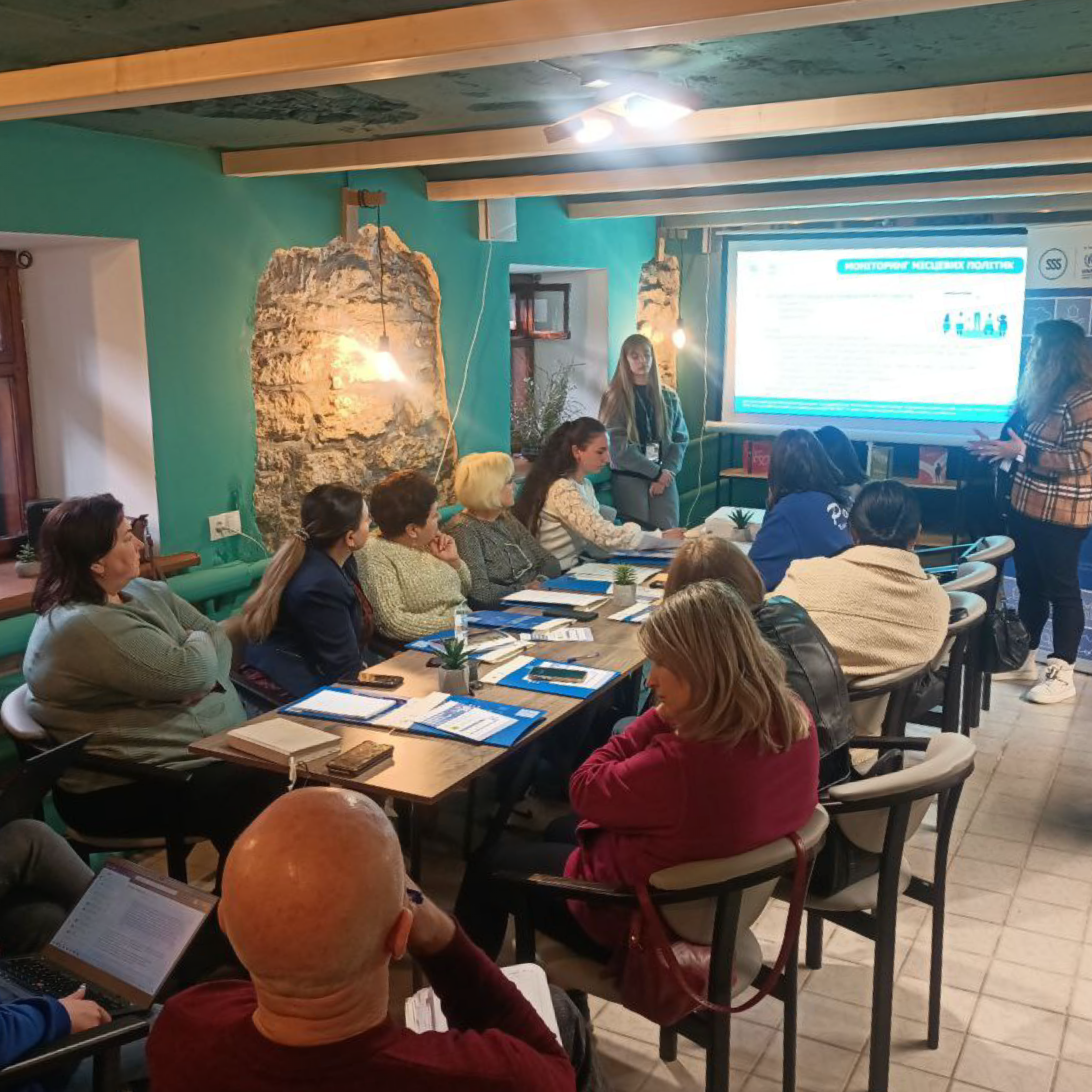
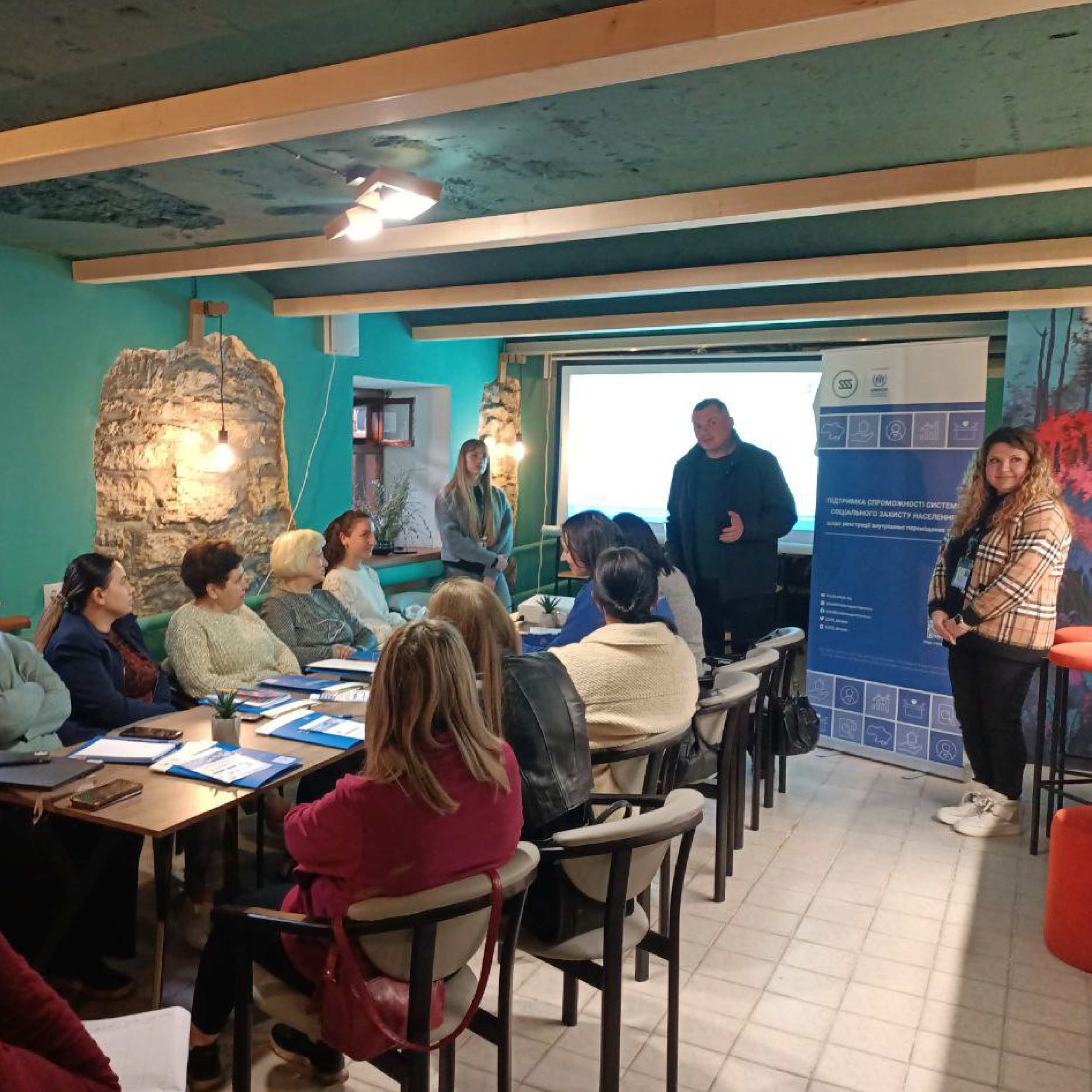
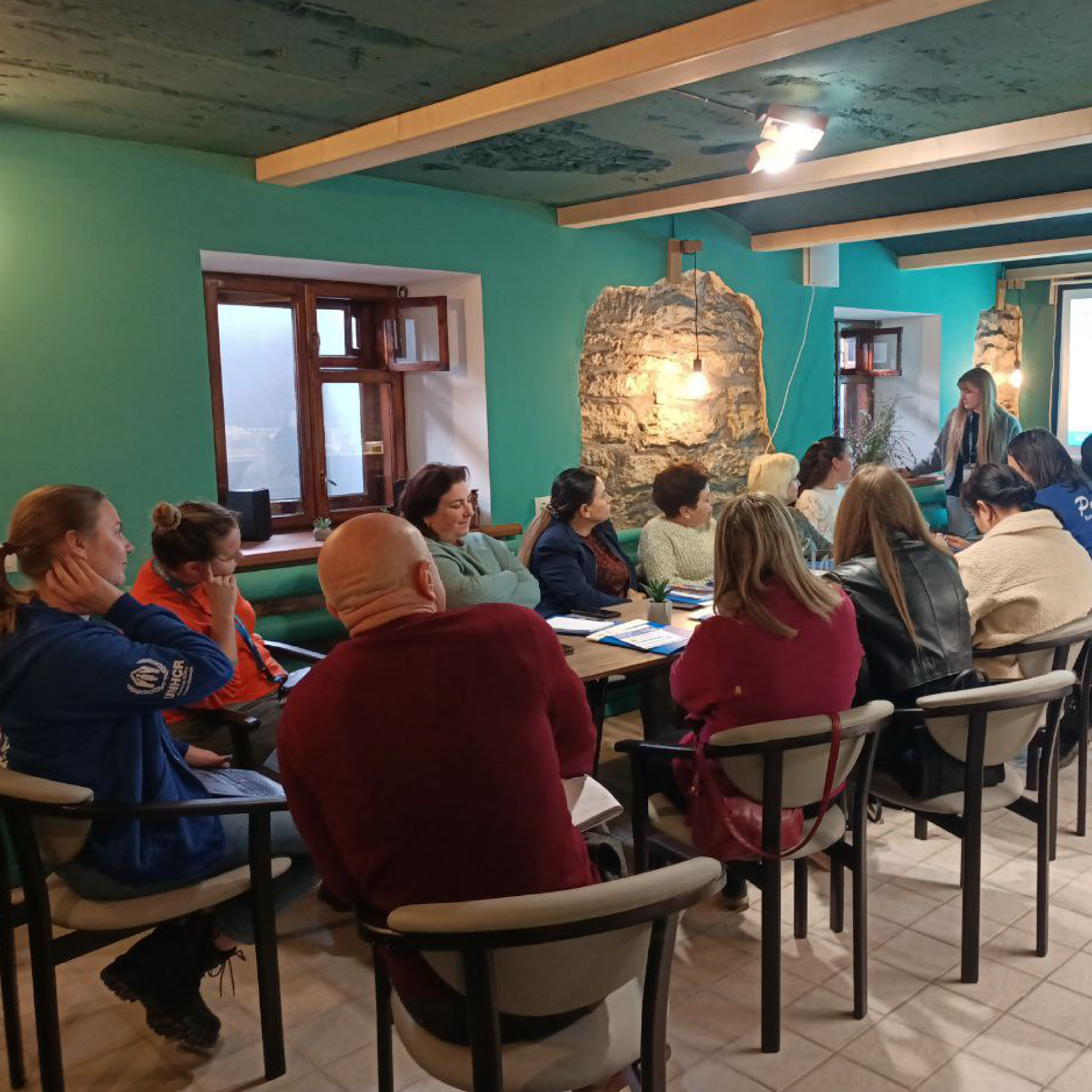
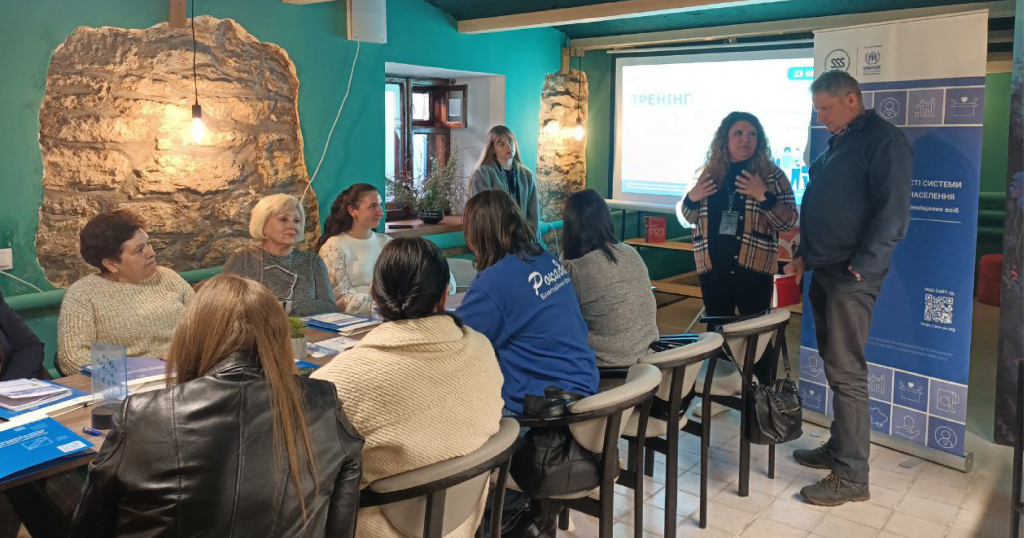
On April 23, we visited the Kremenetska community in Ternopilska Oblast, home to nearly 3,000 IDPs. A year ago, they established an IDP Coordination Council under the executive committee of the Kremenets City Council. We held a workshop for its members to explain the main steps in monitoring local policies and programs. Moreover, our regional lawyer, Yana Sovyk, explained to the Council the procedure for access to public information and the procedure for appealing against decisions, actions, or inaction of information holders.
“The workshop was lively and friendly. The audience was eager not only to learn but also to apply their knowledge in practice. As a result, the information was well received despite the complexity of the topic. We invited the Council members to discuss real-life examples and successful cases. They were particularly interested in learning about the communities where such monitoring was carried out and the results of advocacy based on these studies.
Based on the knowledge gained, the Council is ready to conduct monitoring and has outlined the shortcomings of the already familiar programs. We have preliminarily identified the areas that, in the Council’s opinion, need to be addressed,” says Yuliya Alekseyenko, regional social specialist of the project in Ternopilska Oblast.
Why are such studies important? Monitoring allows assessing the availability, accessibility and effectiveness of targeted programs and local policies in the field of social protection of IDPs, identifying positive practices and directions of development. This contributes to the productive work of the IDP Council and lays the groundwork for advocating for change.
“During the workshop, we emphasized that the IDP Council is an advisory body. However, in order to provide meaningful consultations and recommendations, it needs to study in detail the existing local regulations that underpin the algorithm for implementing IDP rights and guarantees.
The IDP Council should be a source of verified, up-to-date, relevant information that can help IDPs exercise their rights. At the same time, it should be a driver that pushes for changes or initiatives that can improve the lives of IDPs on the ground,” adds Yana Shkuratova, regional coordinator of the project.
We conduct educational events for IDP Councils within the framework of the Supporting the Capacity of the Social Protection System to Register Internally Displaced Persons project funded by the UN Refugee Agency in Ukraine.