From presentations of new activities in communities and monitoring of local policies to mentoring IDP Councils and providing legal advice, we share the key results of our project to support the social protection system achieved in March.
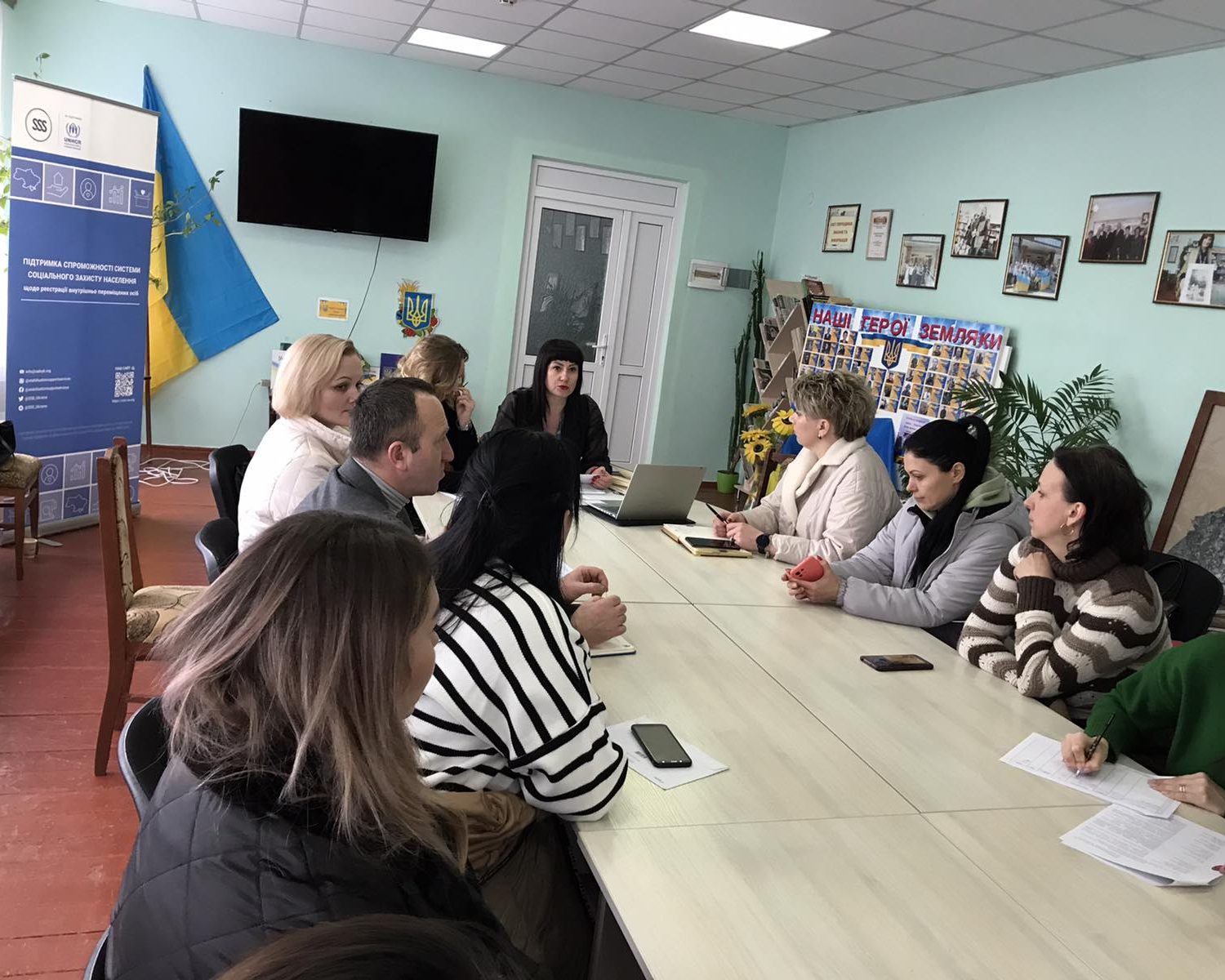
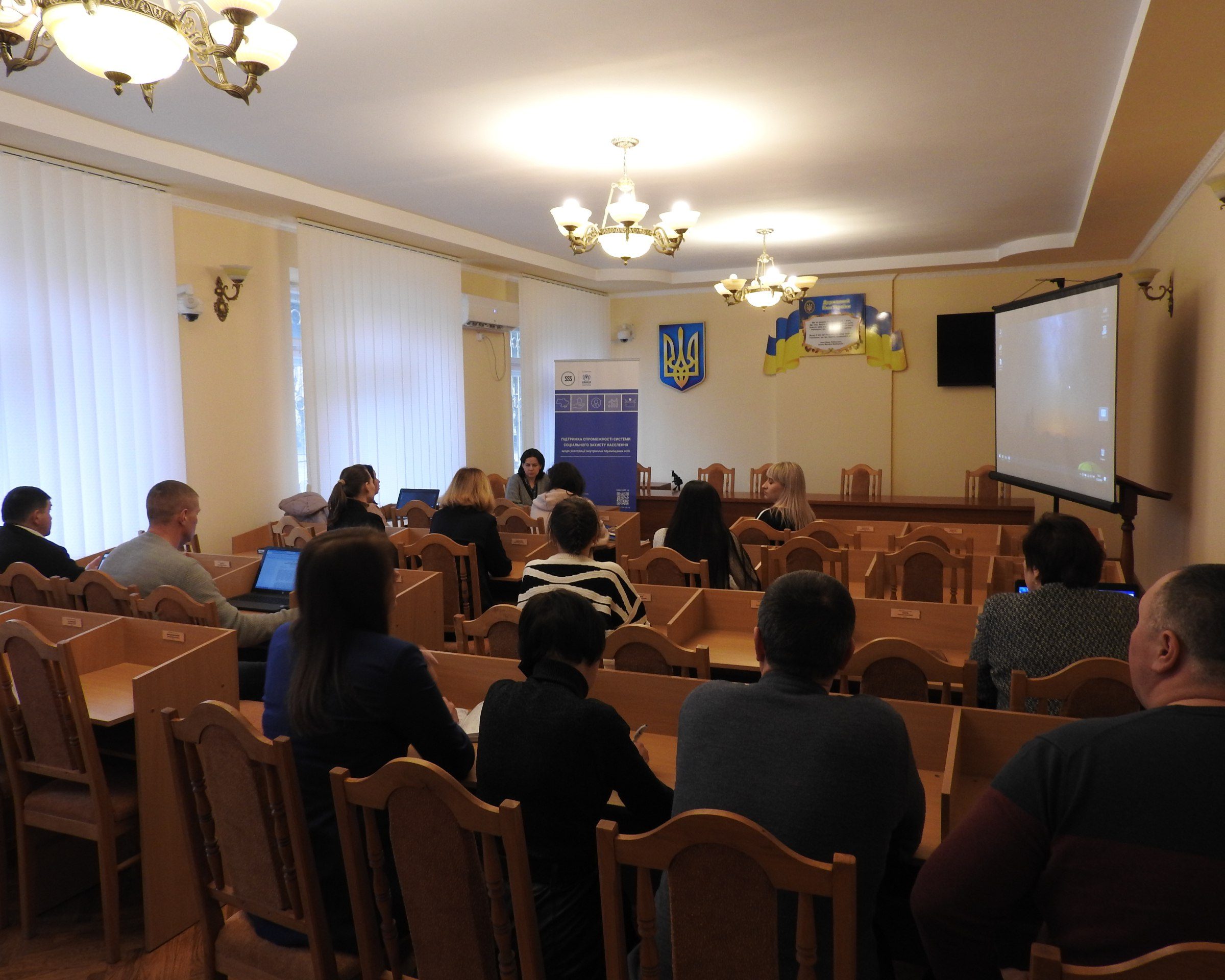
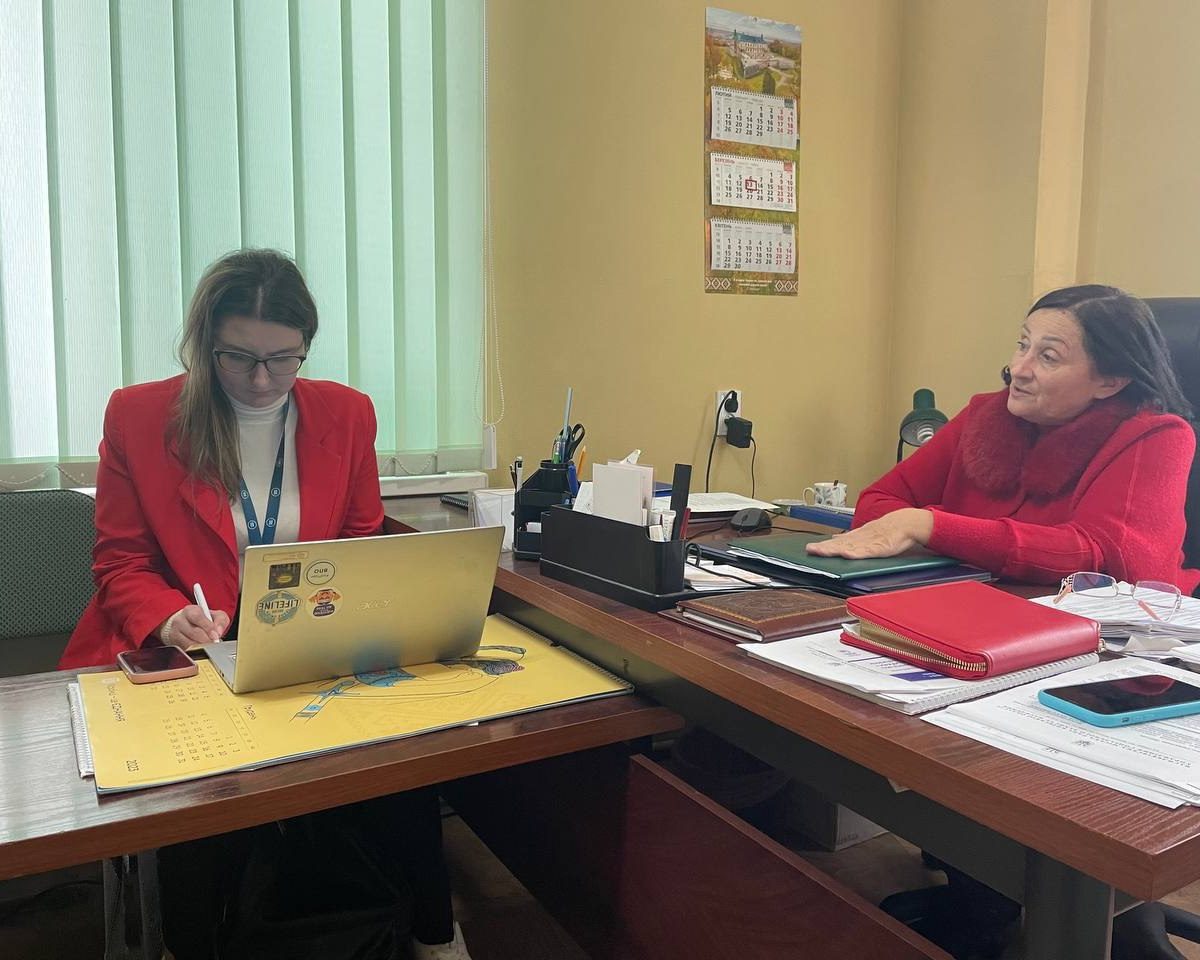
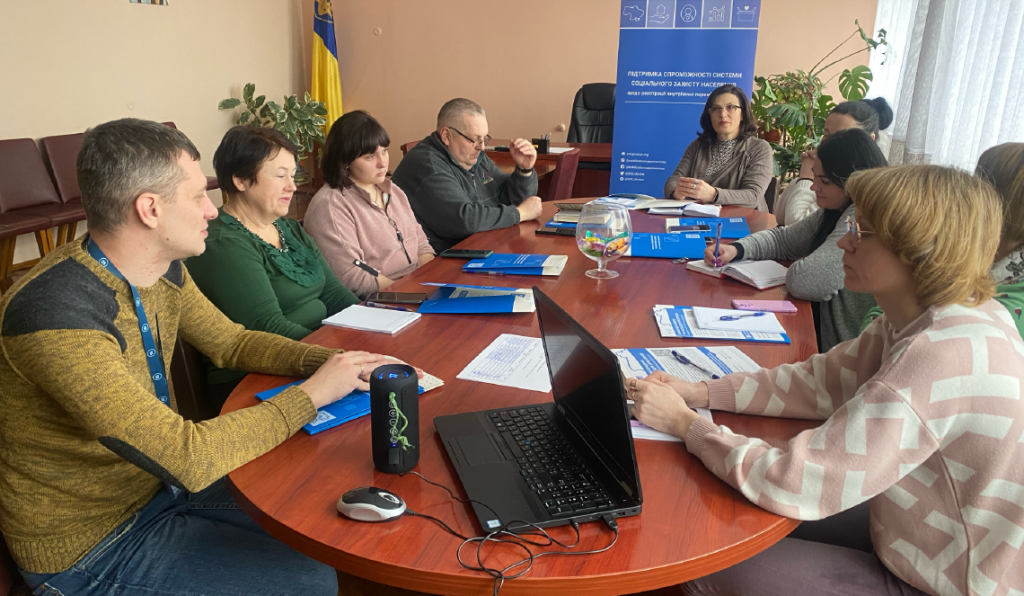
33 coordination meetings with the management of social protection institutions
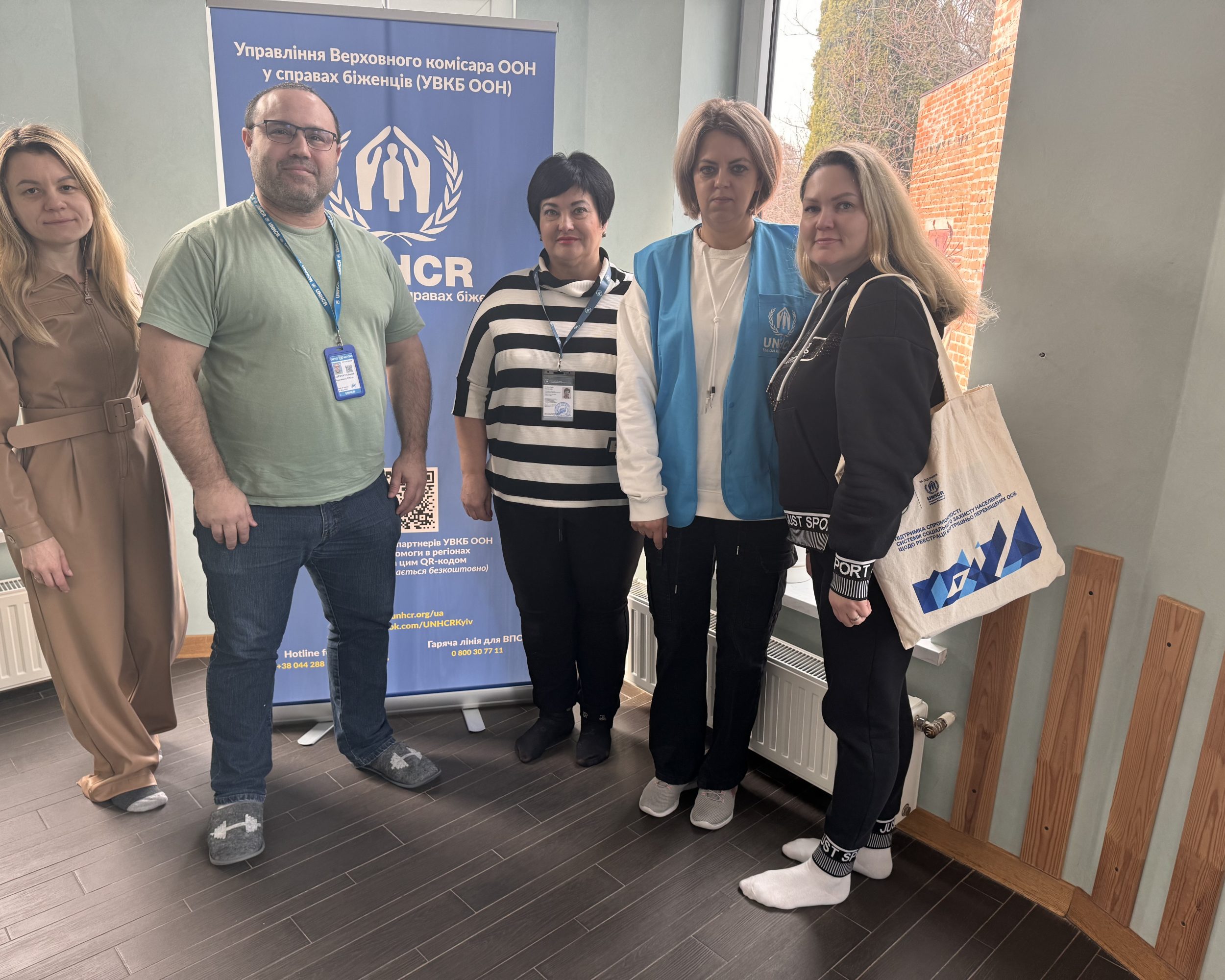
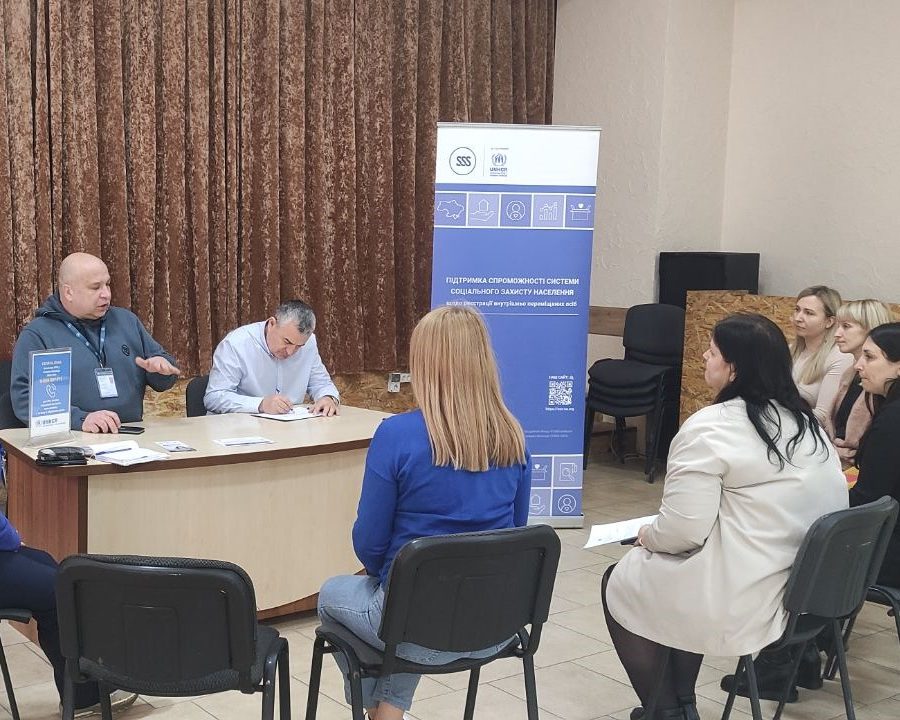
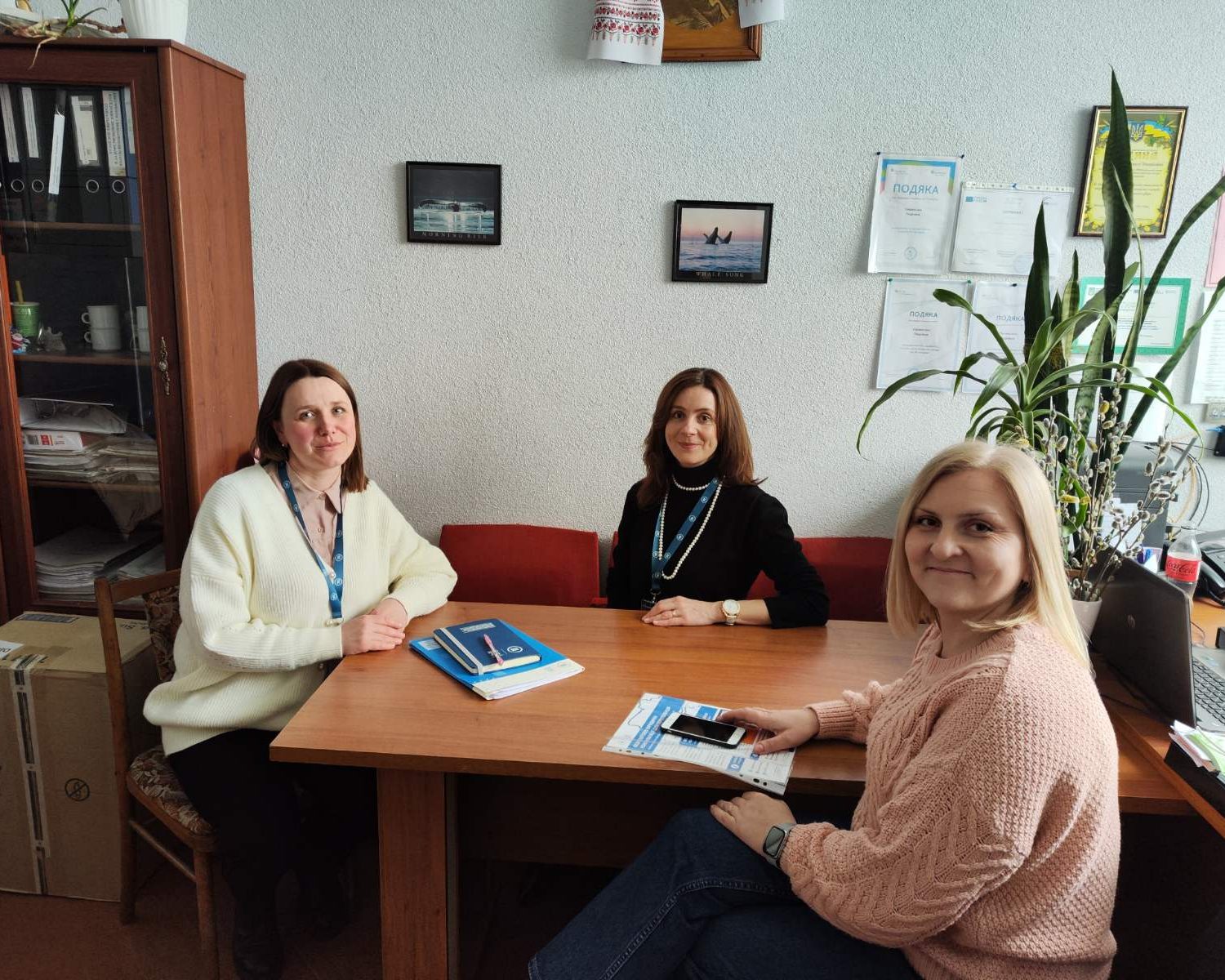
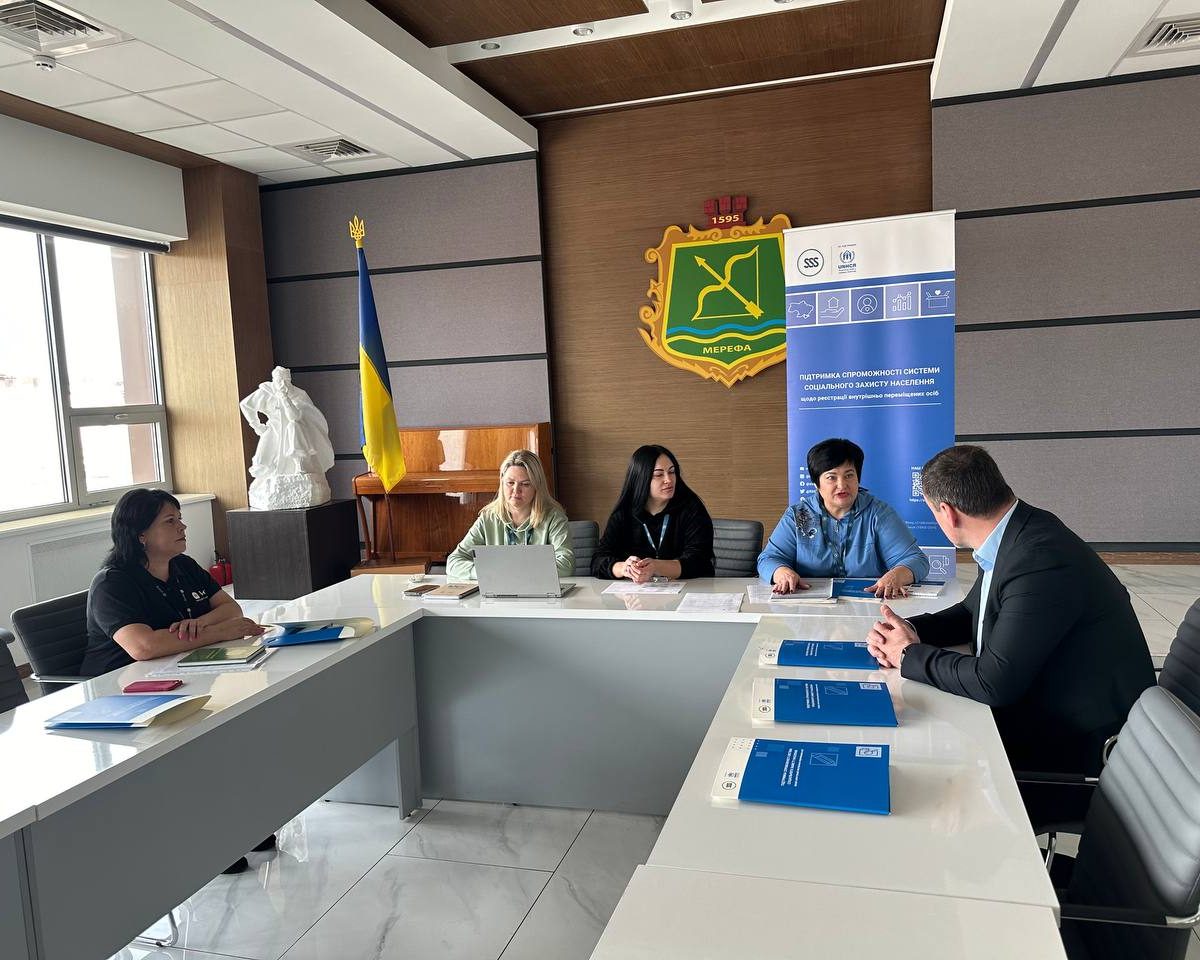
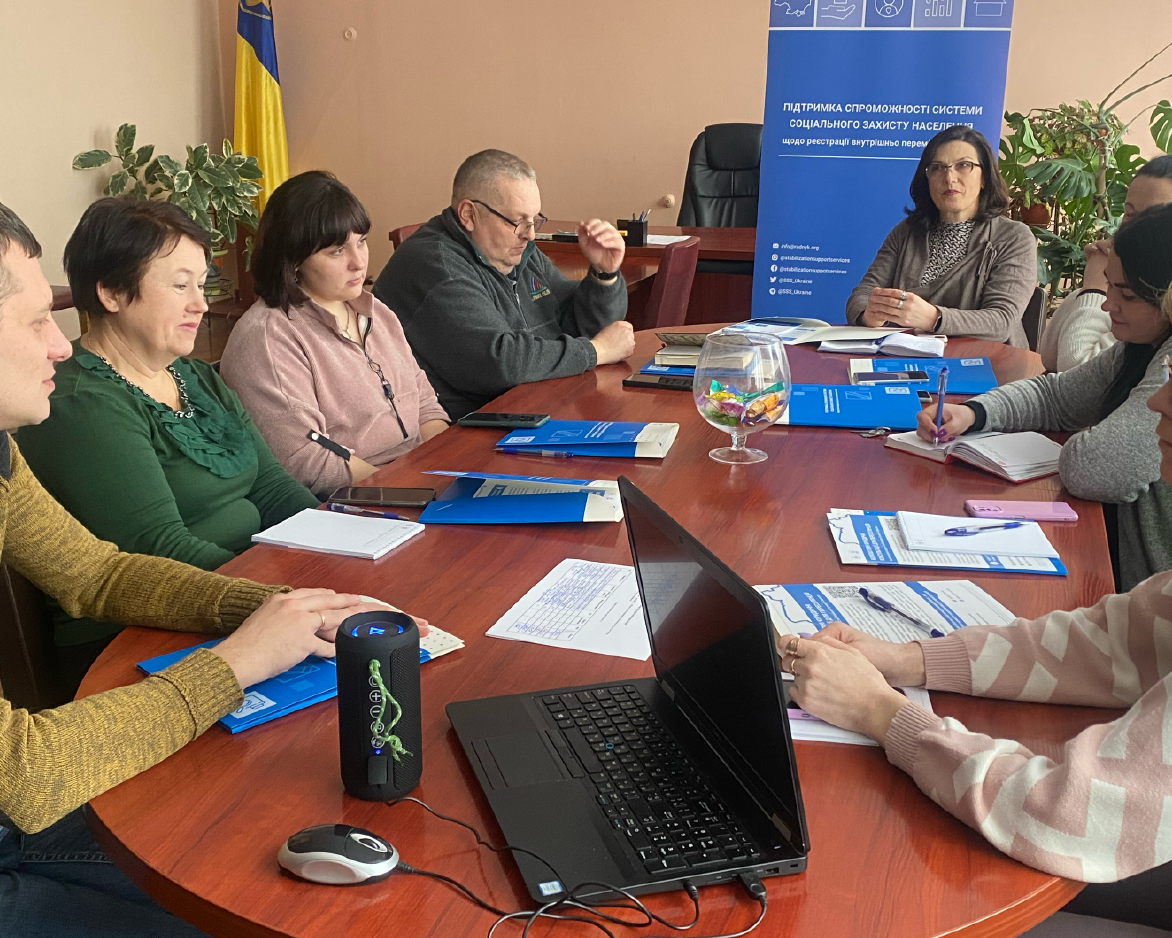
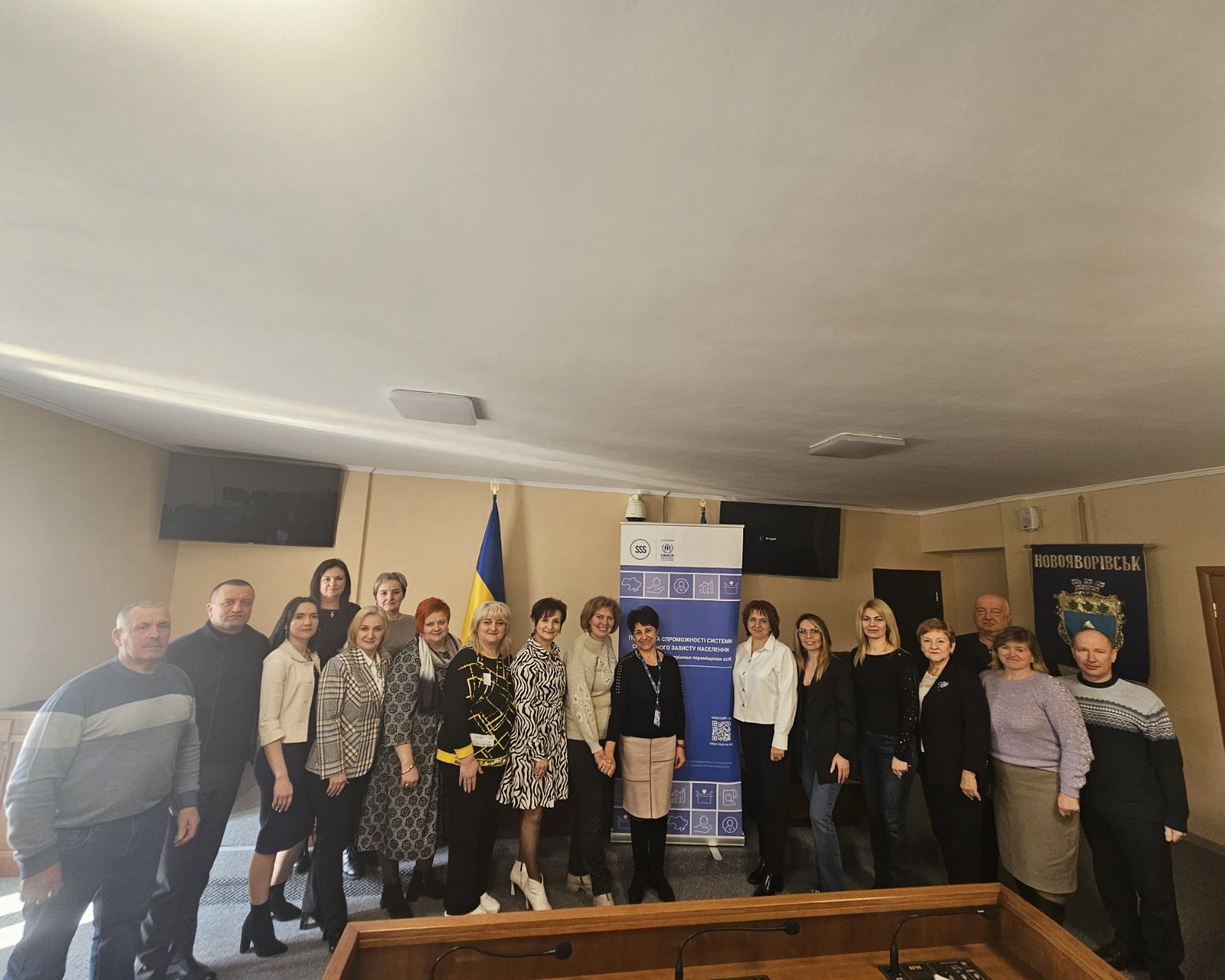
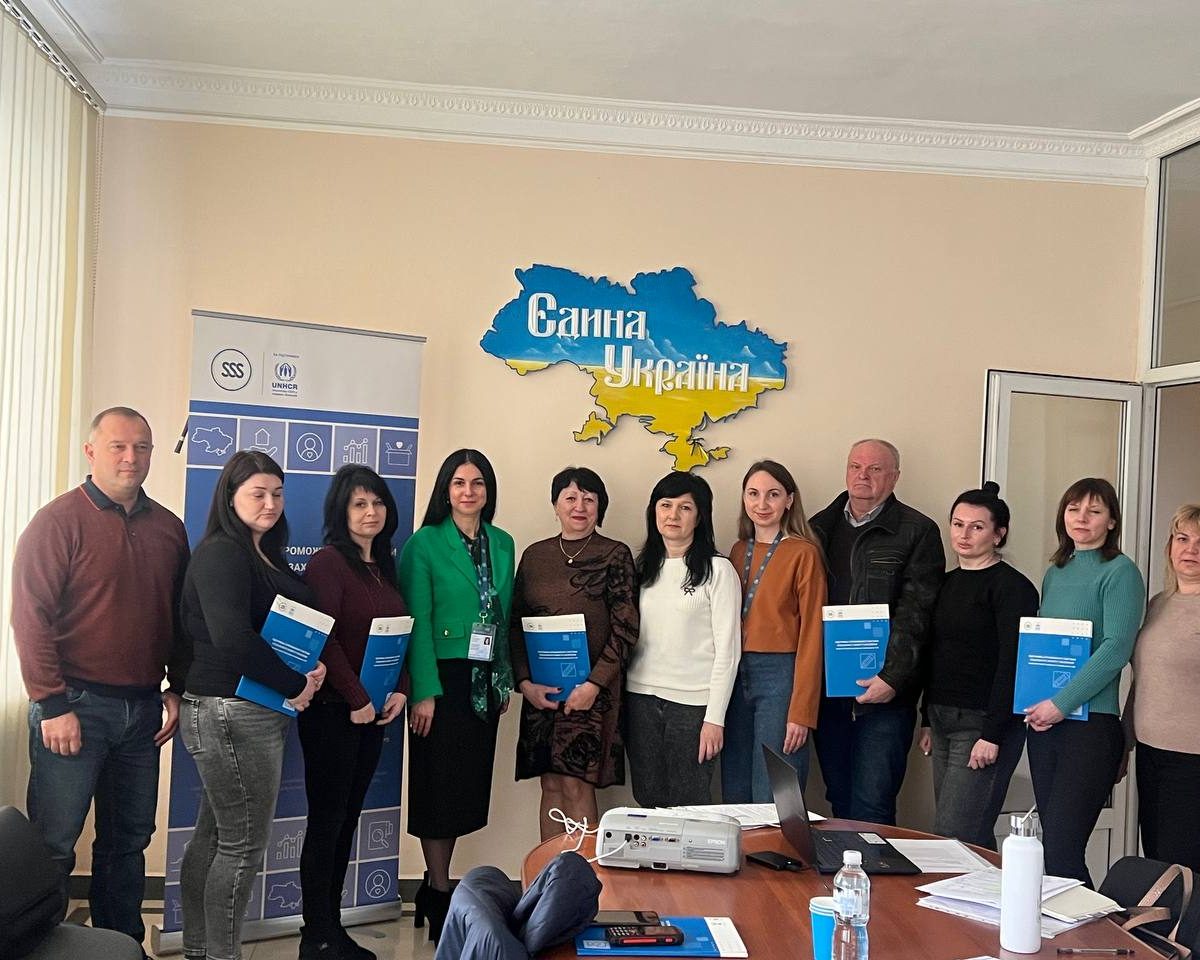
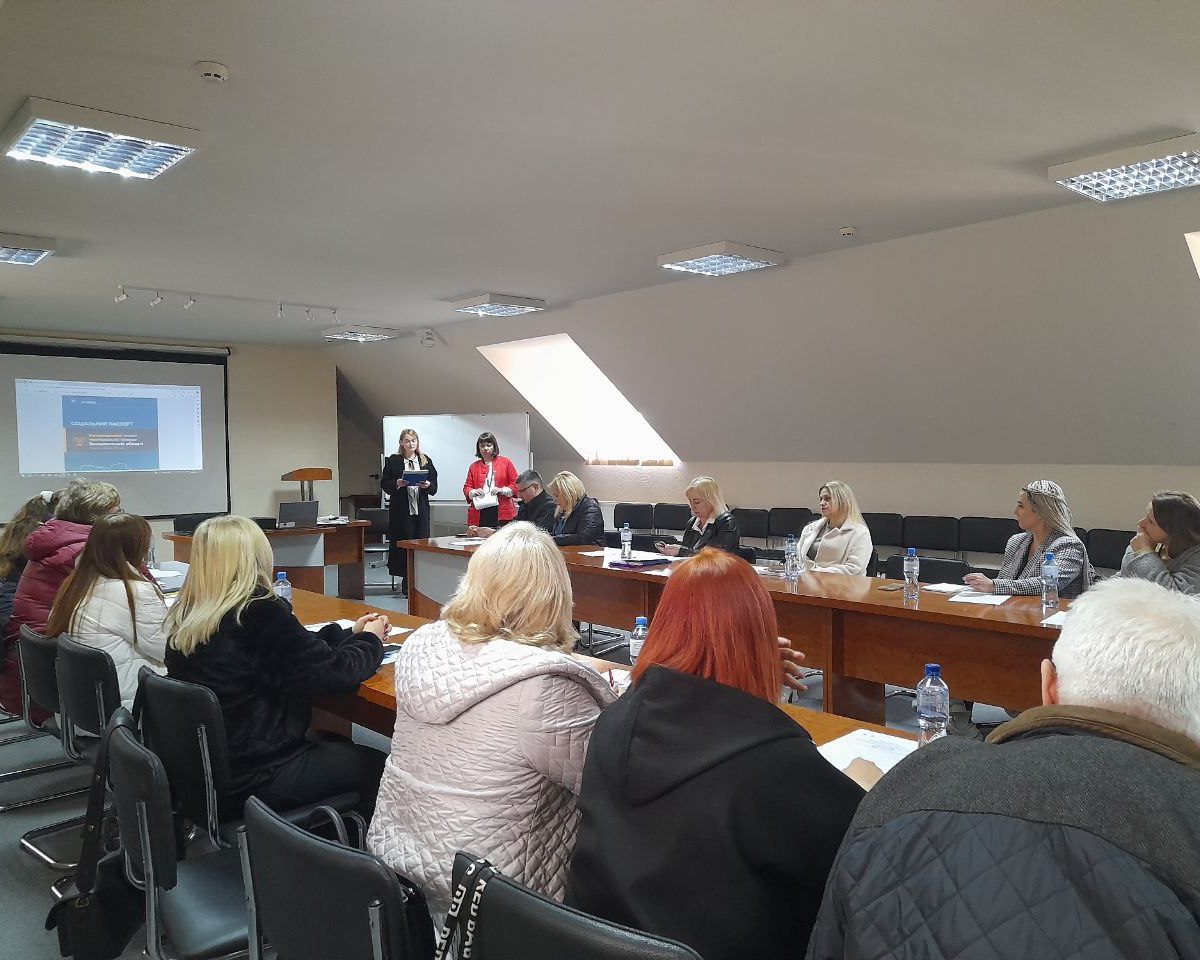
Events like these are primarily about presenting the project, discussing which of our programs are most relevant in the community, and learning about the current situation regarding the launched initiatives. Last month, we met with the management of social protection institutions in 12 oblasts. In particular, in Kyivska Oblast, we visited the respective departments in Vasylkivska, Borodianska, Obukhivska, and Boyarska communities.
“The most relevant areas of cooperation for the Kyivska Oblast are support in the development of social passports and medium-term work plans, as well as the establishment of IDP Councils. As a result of the meetings, we agreed to help the Vasylkivska, Borodianska, and Obukhivska communities create working groups to identify the population’s needs, develop social passports, and conduct specialized training sessions.
In all communities, the departments were interested in receiving training on the changes to Resolution No. 332 and on combating professional burnout, and they plan to organize such events throughout the year.
In addition, the Borodianska and Boyarska communities agreed to start monitoring local policies. As part of our support for the IDP Councils, we agreed to conduct workshops on advocacy for IDP rights, writing and submitting requests for public information, and team building ahead of the strategic session,” said Olha Dzerzhynska, regional coordinator of the project in Kyivska Oblast.
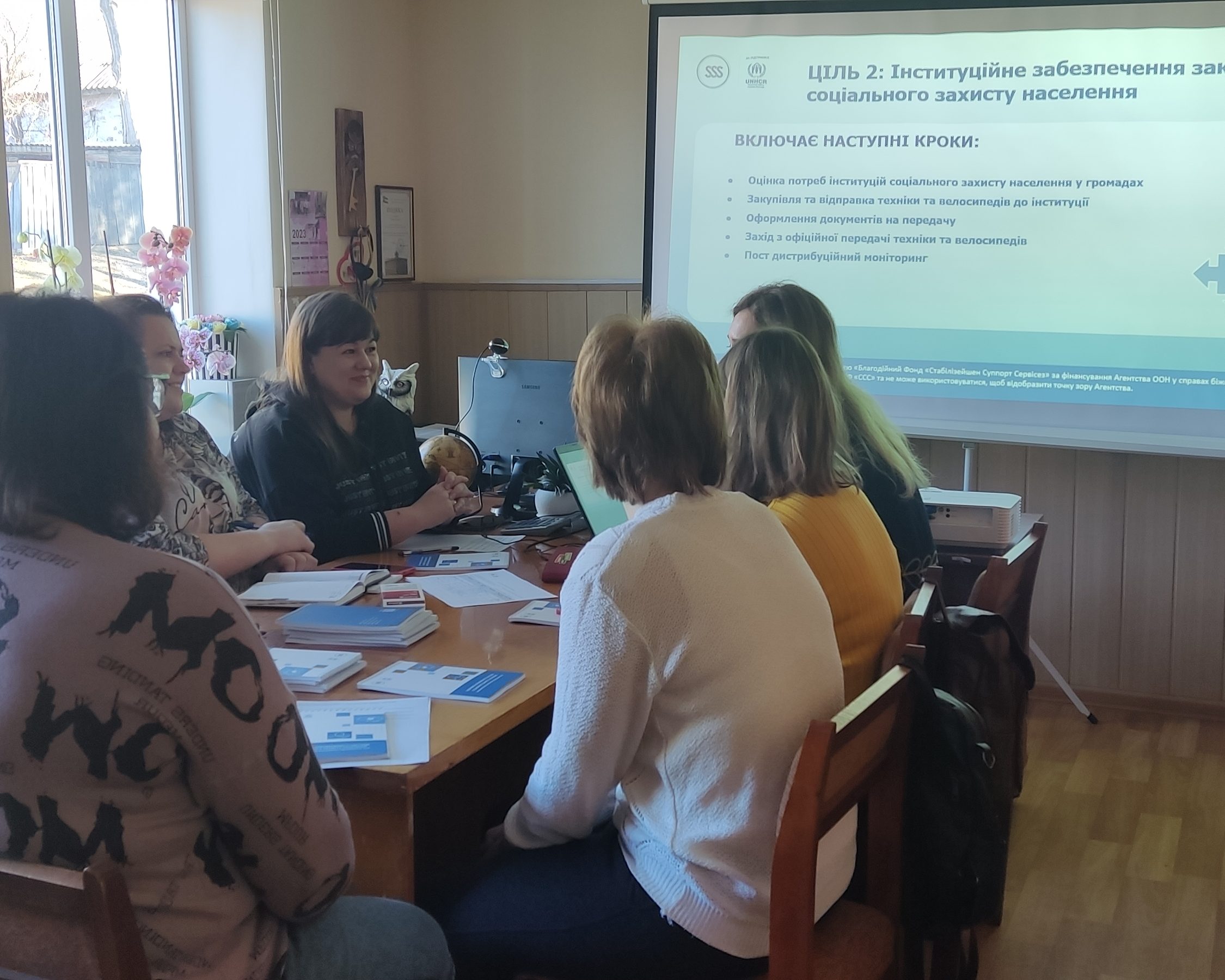
10 seminars for employees of social protection institutions
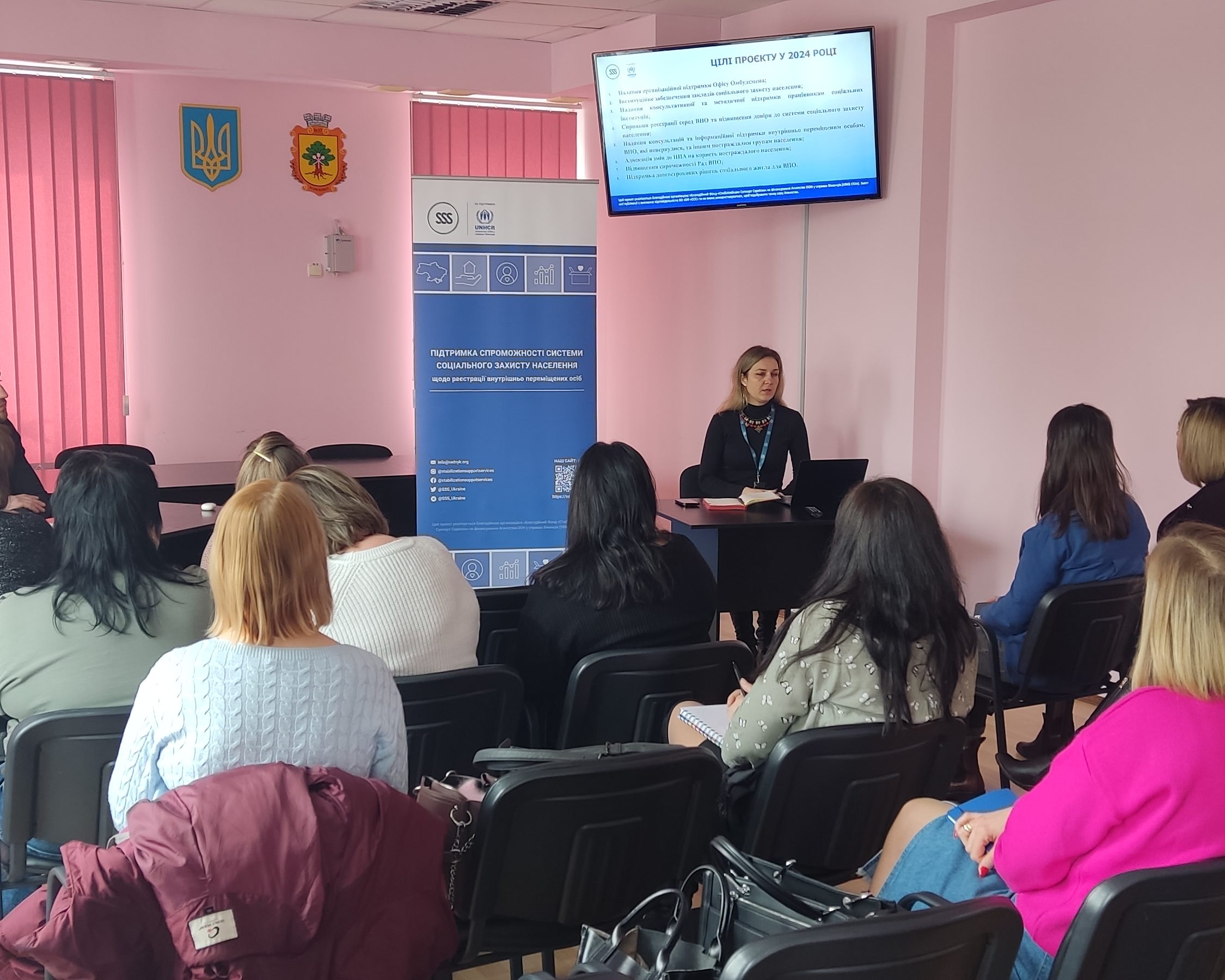
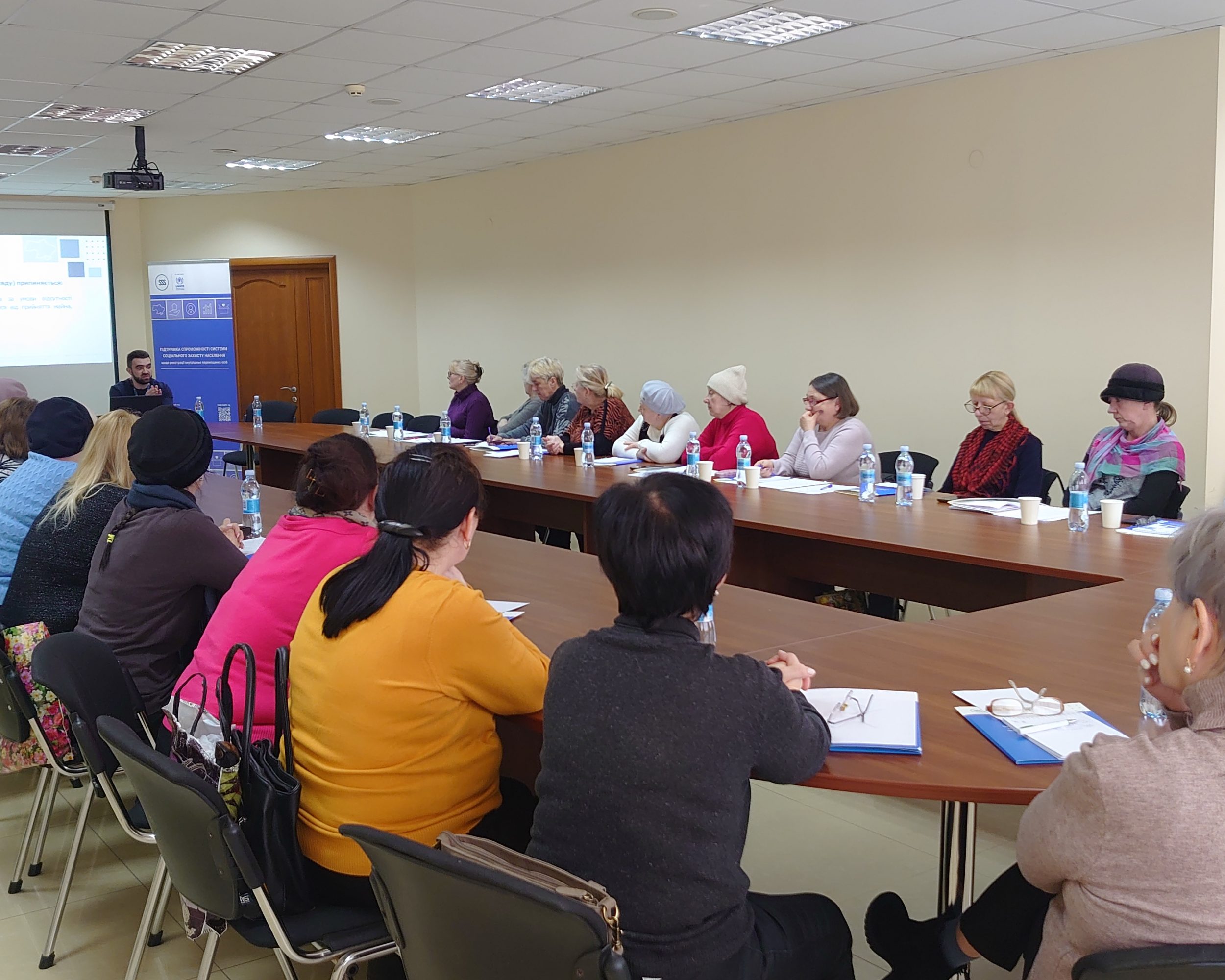
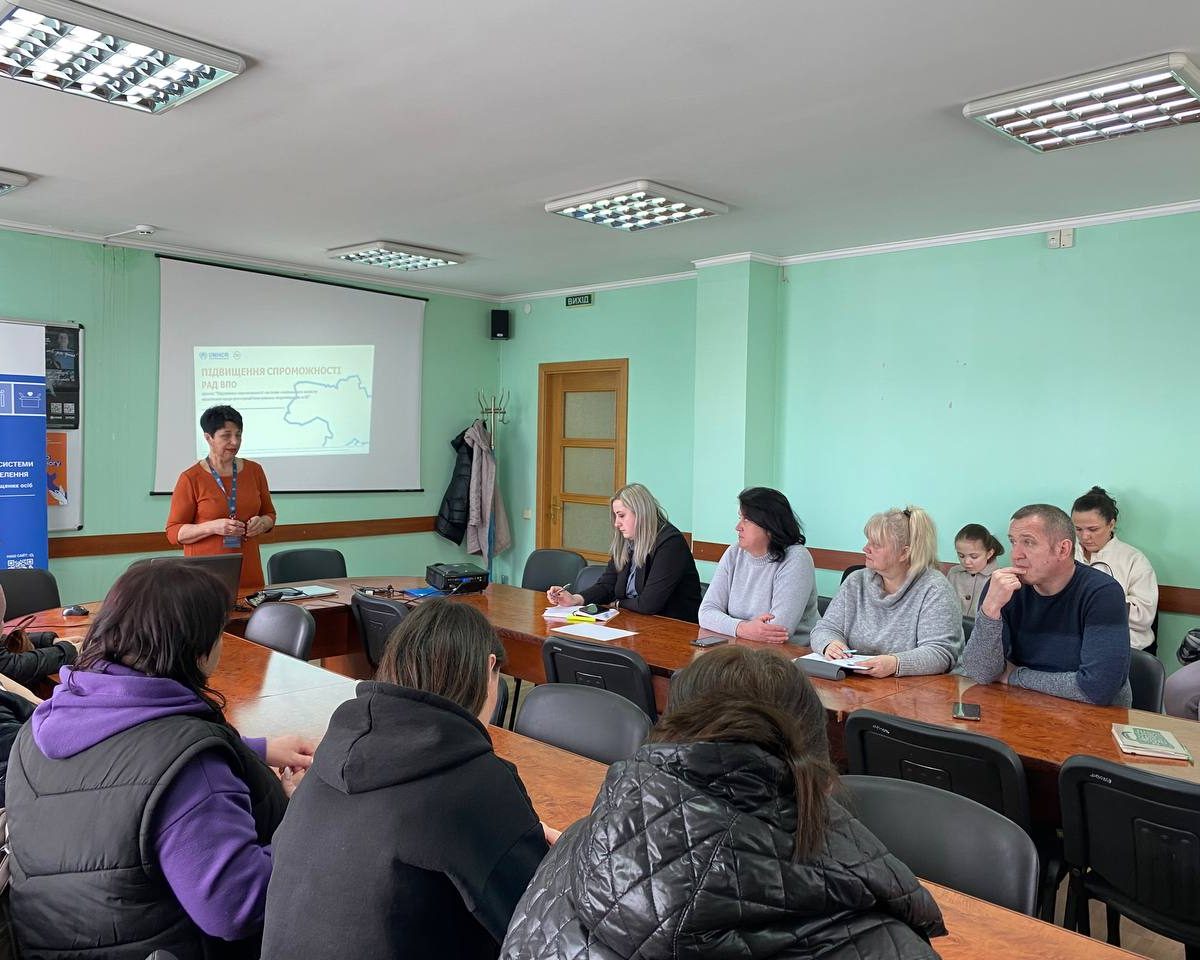
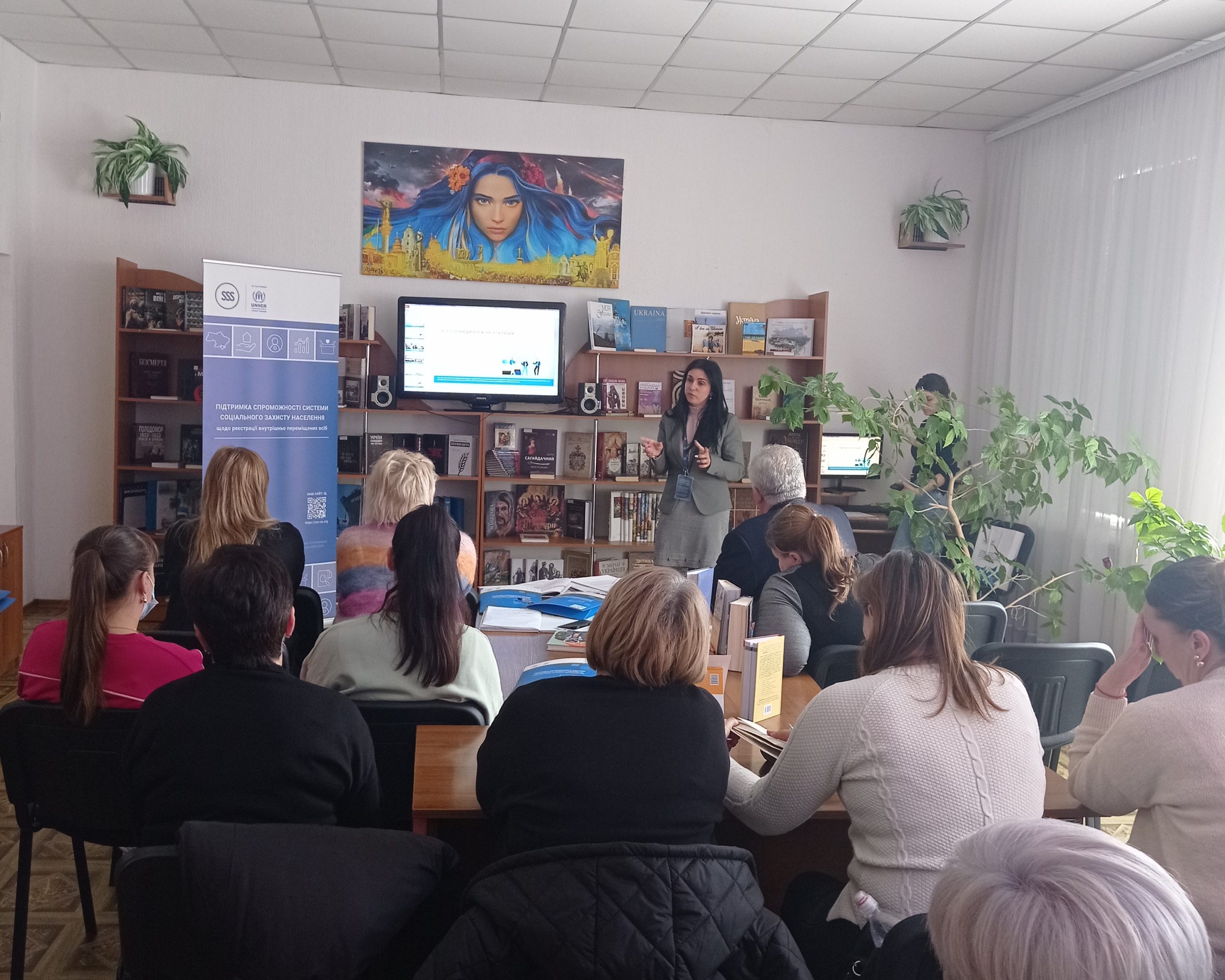
We also discussed new changes in social protection legislation. Among the most popular topics of the meetings were payments of living allowances to IDPs, policy in the field of housing rights of IDPs, and compensation for damaged housing. A seminar was held for employees of the Ivano-Frankivsk Territorial Center for Social Services (provision of social services) on concluding a life care contract in the context of ensuring the rights of IDPs.
12 educational and integration activities for IDPs
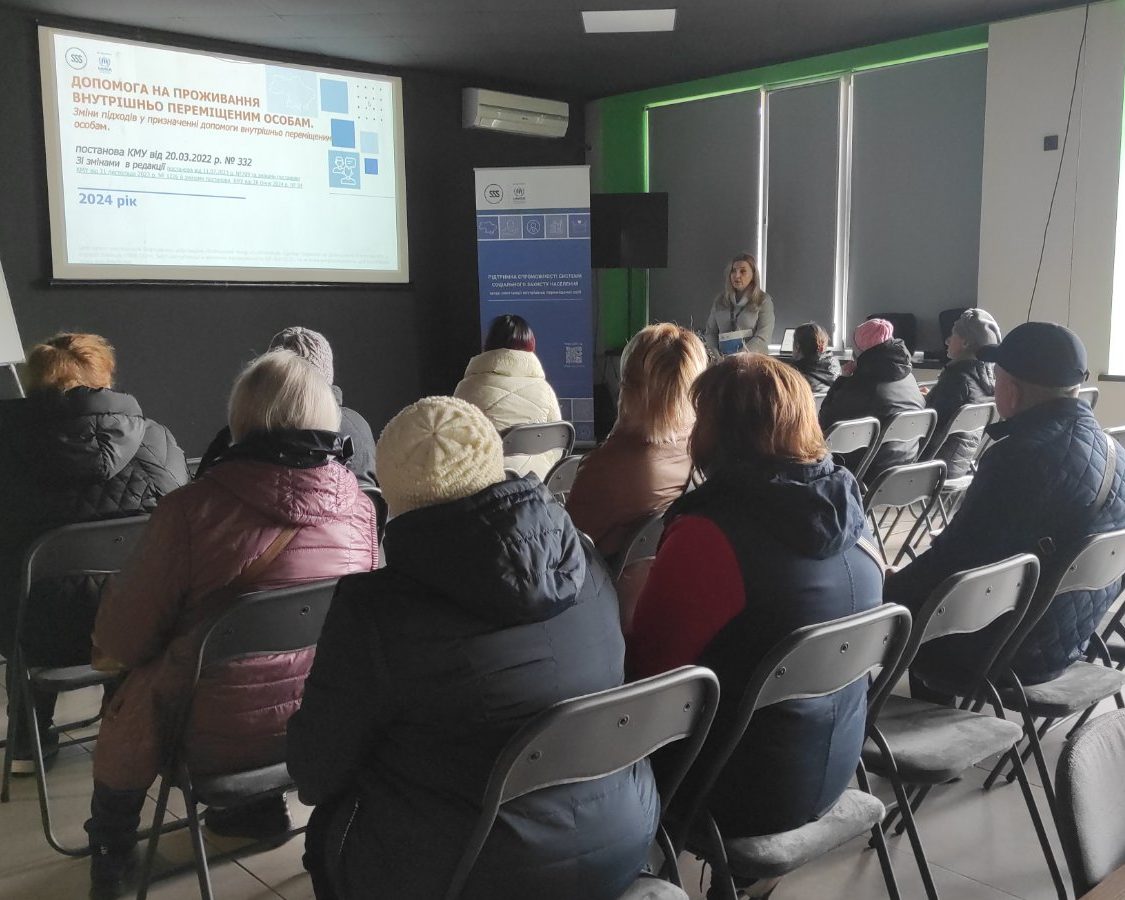
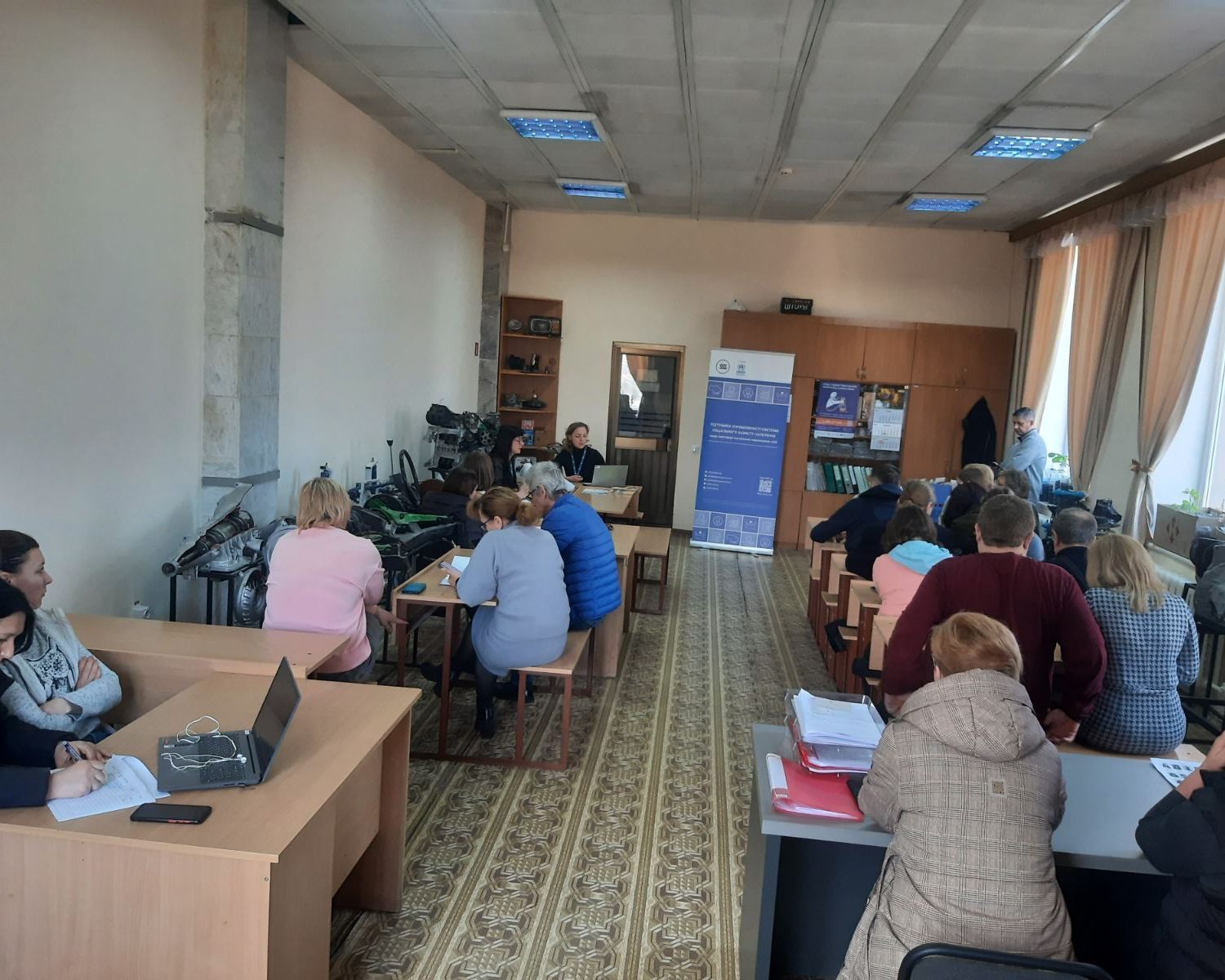
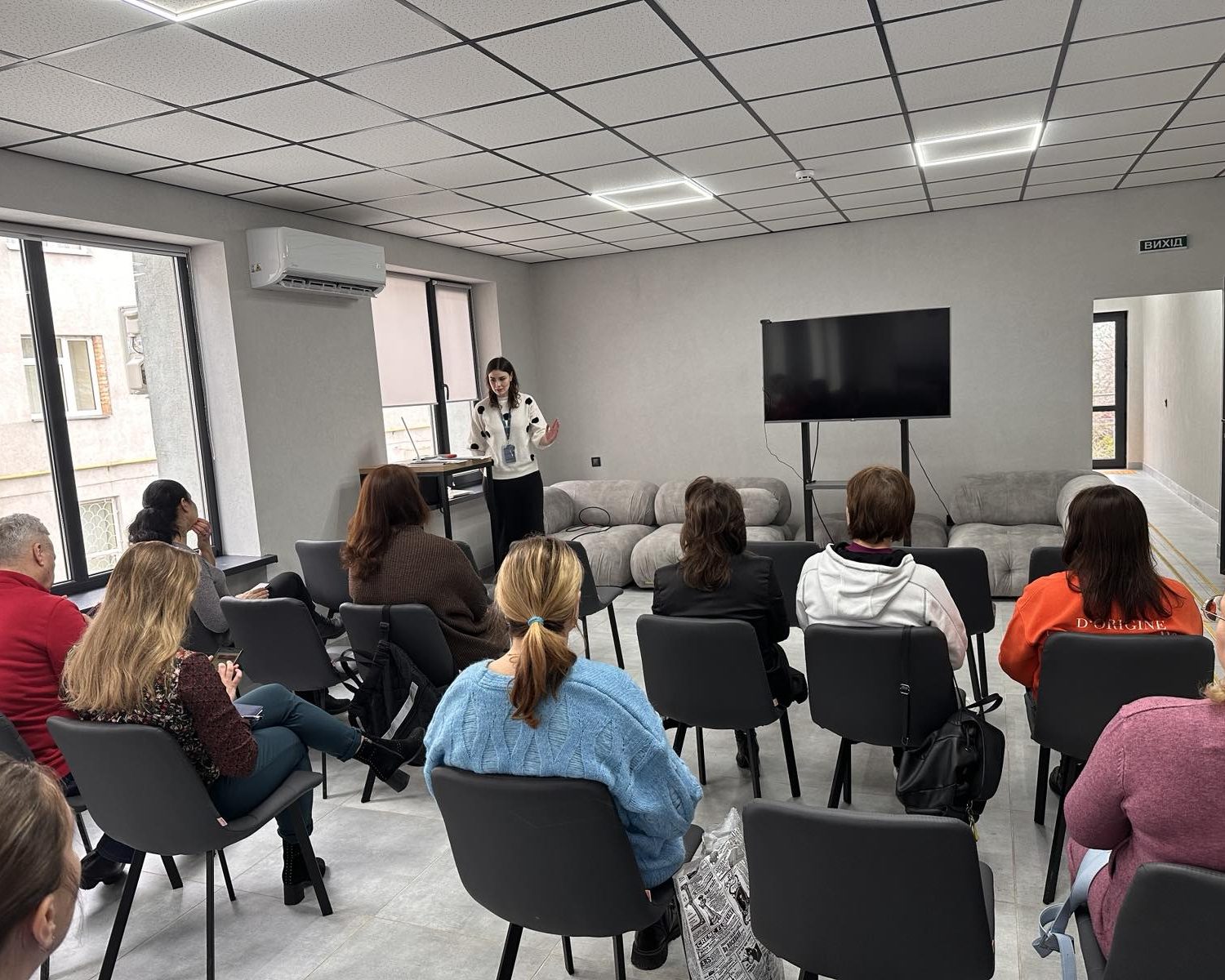
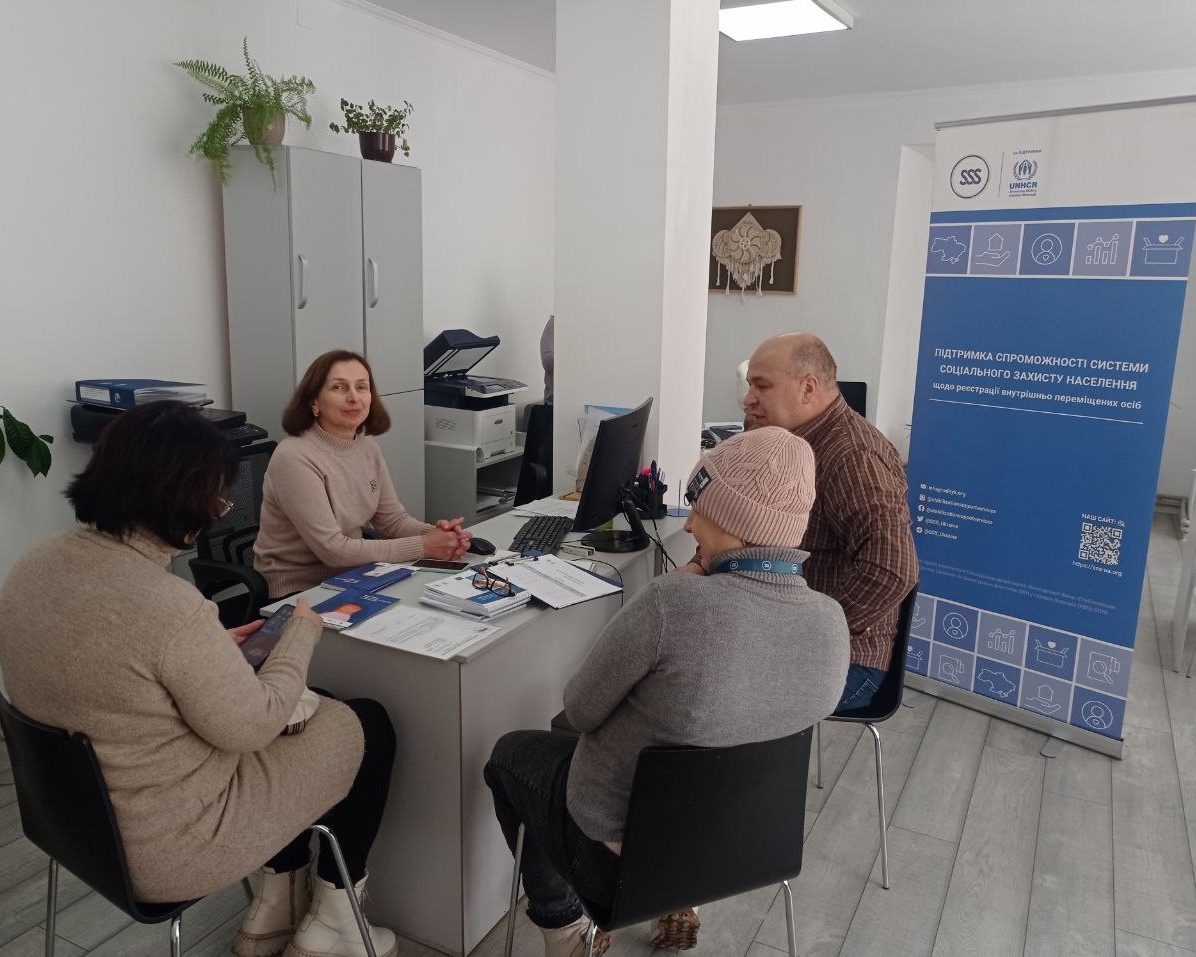
Compensation for destroyed housing, use of housing certificates, provision of social services to IDPs, and living allowance are the most popular topics among IDPs and displaced persons who want to be aware of their rights and freedoms. One such event was held in Zaporizhzhia.
Yana Romanova, a regional social specialist in Zaporizka Oblast, said, “After every change in legislation, people need explanations, so we hold several such meetings monthly. This time, we discussed changes to Resolution No. 331, particularly the issue of extending payments to IDPs aged 50 and over. After the full-scale invasion, some of the IDPs suffered from illnesses that made it impossible for them to work at full capacity. People with work experience but under retirement age do not understand how to survive. They have not been granted a pension, and the payment of benefits has stopped. Mostly, they were counting on this money to pay their rent. Today, they are faced with the question: either to return to the places they left or to go abroad.
We advise them to find a job. In Zaporizhzhia, you can find a job through the employment center, get a voucher for education, or apply for community service. People hear this and then ask, ‘If we do this, will our payments be renewed?’ The answer is that it depends on the category of vulnerability (a person with a disability, a pensioner, etc.) in accordance with CMU Order No. 332. This document is quite difficult to understand. At meetings, we try to explain that if IDPs belong to this category, it does not guarantee they will continue receiving payments. People often do not consider that their income is also taken into account in this case.”
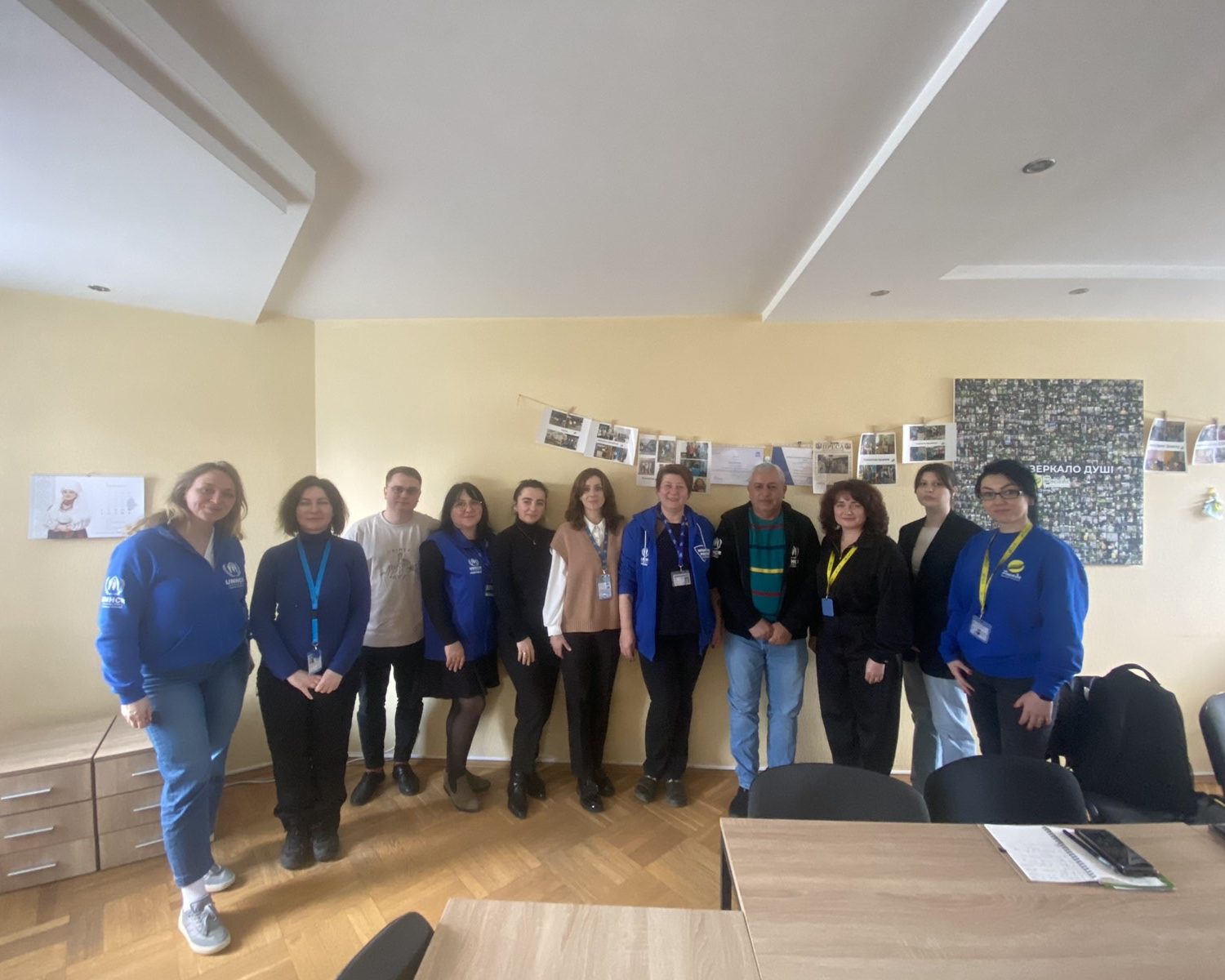
30 meetings with initiative groups and newly established IDP Councils
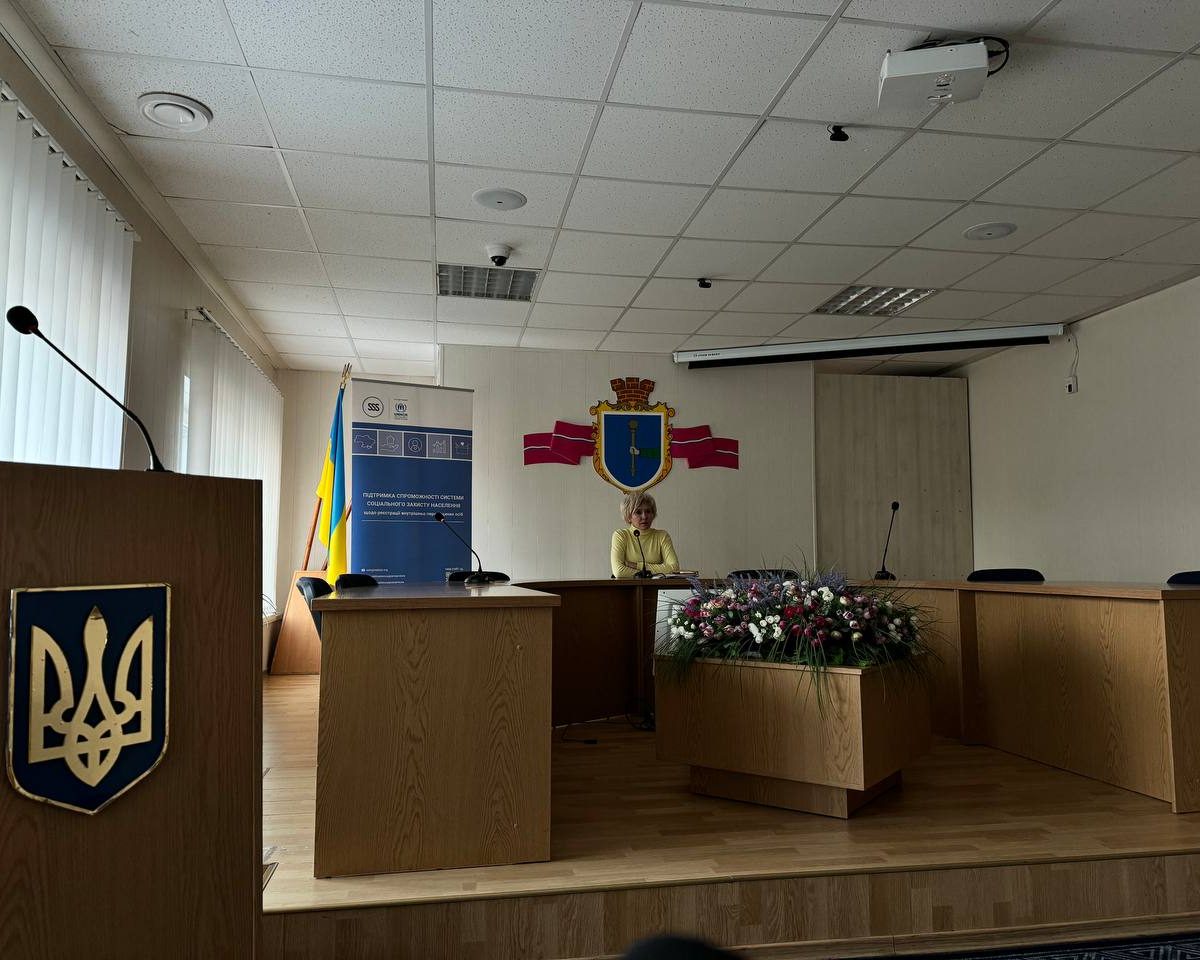
Today, IDP Councils operate in almost 1,000 communities. Our regional teams provide coordination and mentoring support to initiative groups and members of the Councils in holding meetings, implementing projects aimed at supporting IDPs and communicating with community administrations. They also advise on the activities and establishment of IDP Councils. In particular, in March, our Foundation helped organize an open IDP Council meeting at the Kyiv City Military Administration.
We also visited the IDP Council of the Zolochivska community in Lvivska Oblast to observe how it implements its strategic and operational plans.
Nadiya Tverdokhlib, member of the IDP Council, shared the team’s achievements, “To actively attract sponsor funding, we have created a non-governmental organization and have already been trained in writing grant applications. And this was done within the framework of the IDP Council’s activities.”
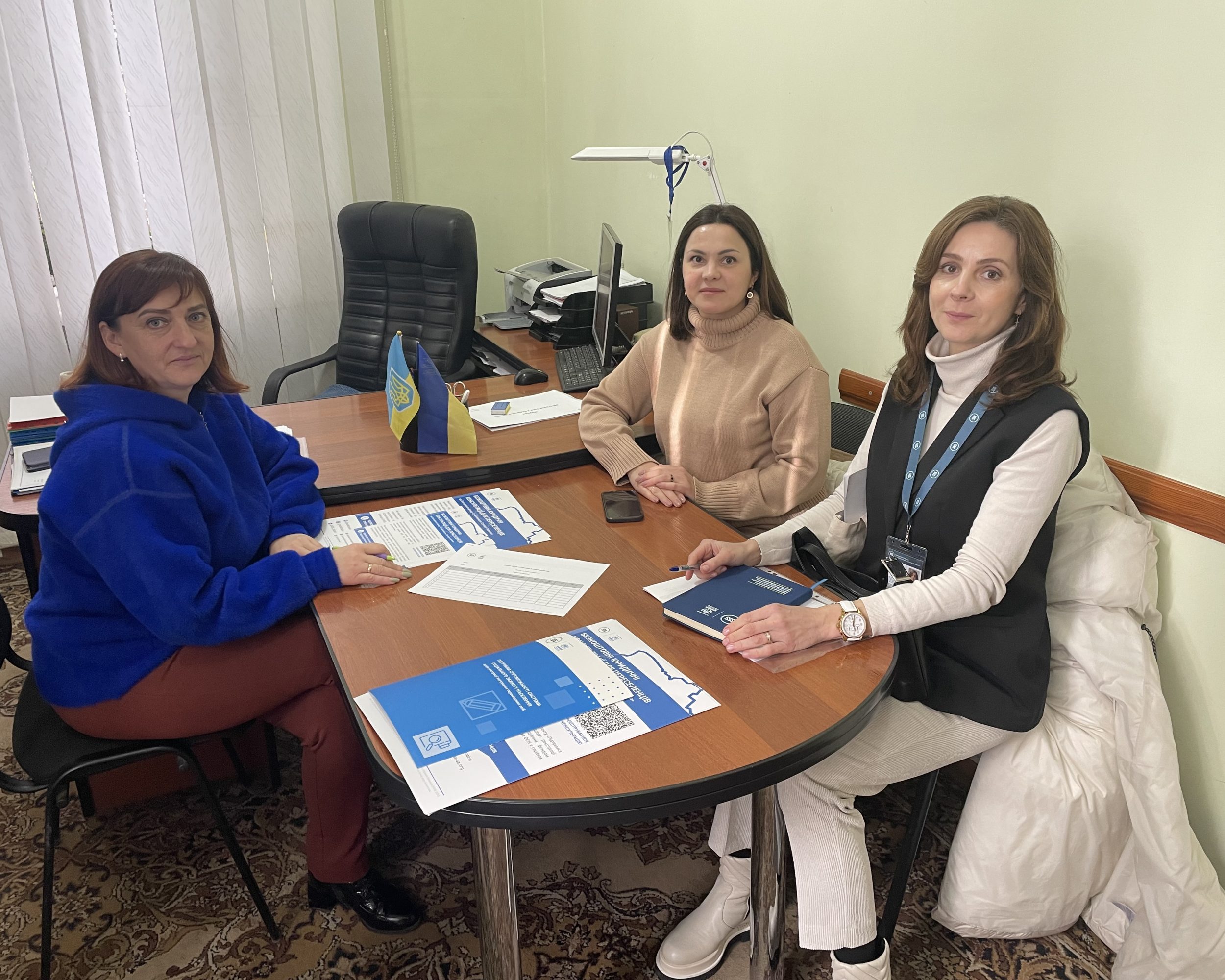
2,207 legal consultations
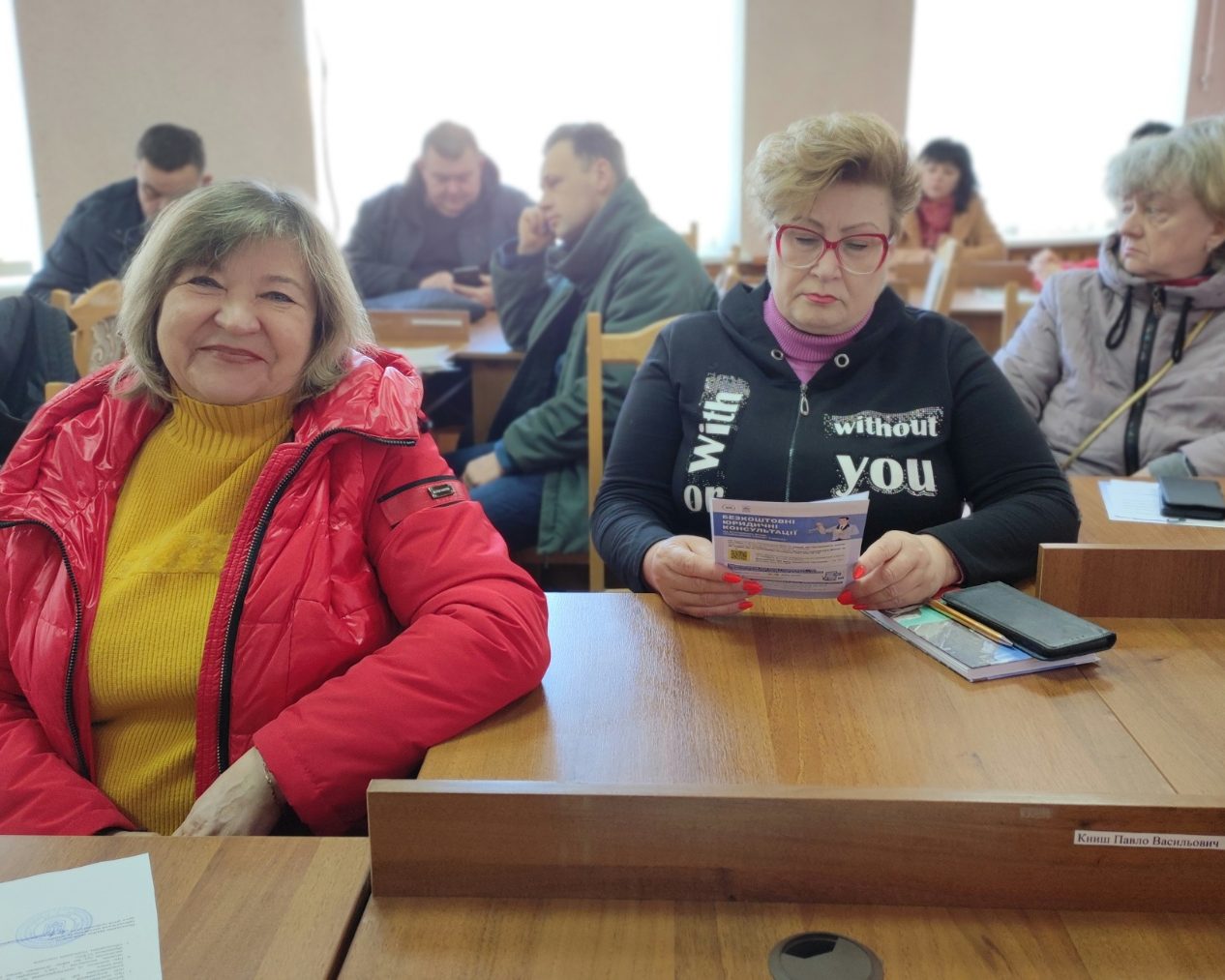
Our legal team provided 1,750 consultations to internally displaced persons and affected people and 457 consultations to employees of social protection institutions. The largest number of requests concerned housing issues and living allowances.
In March, we also held:
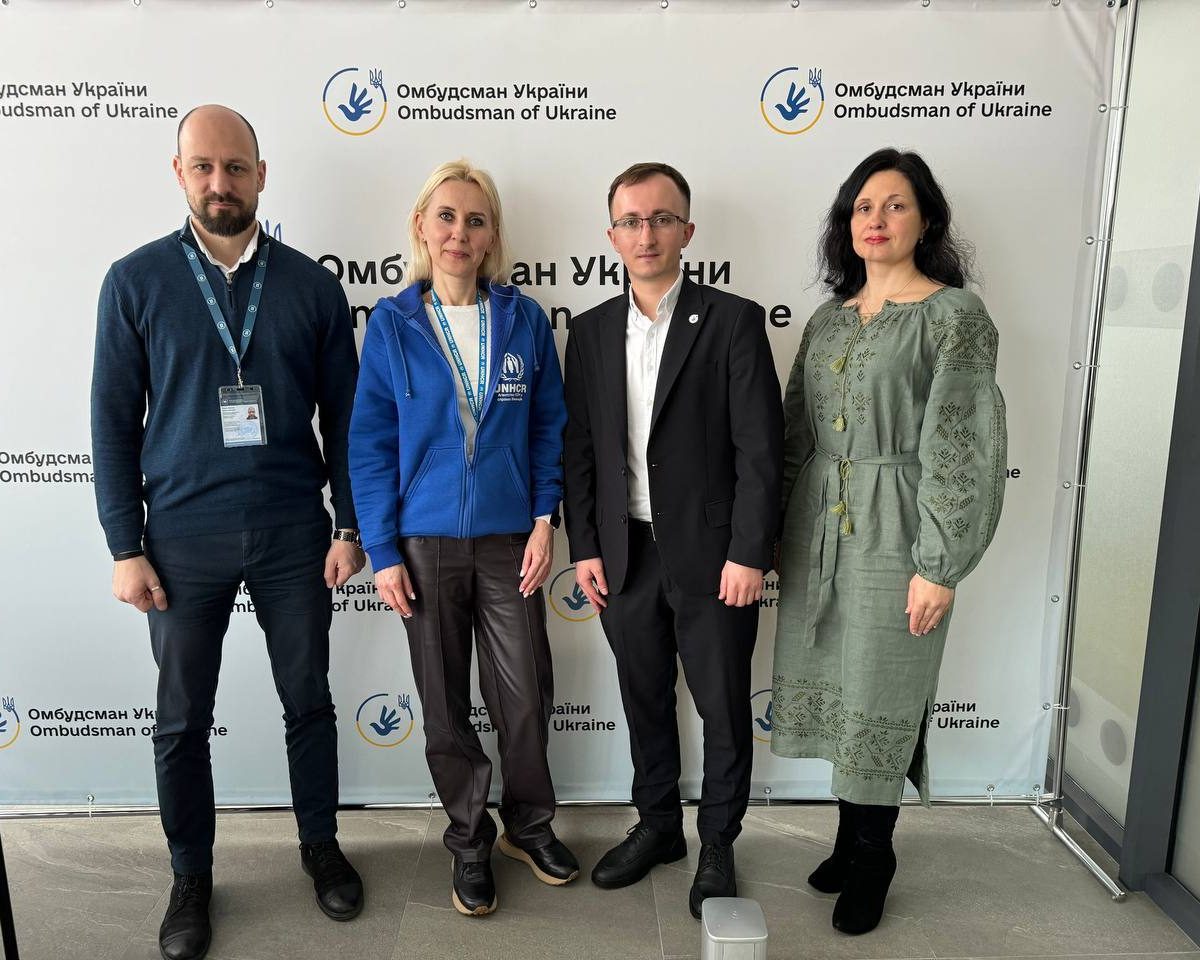
- 31 coordination meetings with partners, in particular, representatives of UNHCR field offices and regional offices of the Ukrainian Parliament Commissioner for Human Rights;
- 4 public presentations of reports and development plans for the medium term (1 in Zakarpatska and 3 in Lvivska oblasts);
- 6 meetings for communities that needed advice and advocacy in implementing plans for the development of the social protection system.
We will continue to help improve the functioning of the social protection system in the target communities. We are implementing these initiatives within the framework of the Supporting the Capacity of the Social Protection System to Register Internally Displaced Persons project funded by the UN Refugee Agency in Ukraine.