
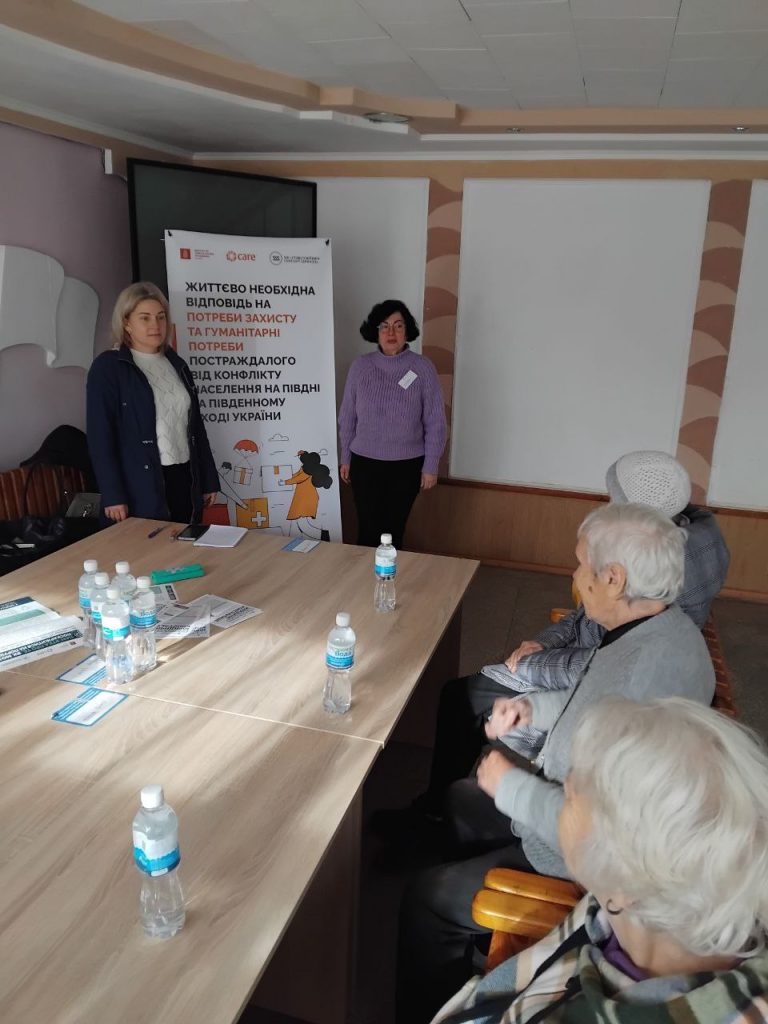
As part of the project “Vital response to the protection and humanitarian needs of the conflict-affected population in southern and southeastern Ukraine,” our mobile teams have been visiting settlements in Zaporizhzhia, Mykolaiv, and Kherson regions for over a month. For residents of frontline areas, psychologists from the Charitable Foundation conduct group sessions on psychosocial support, and lawyers provide free legal advice to people affected by the war.
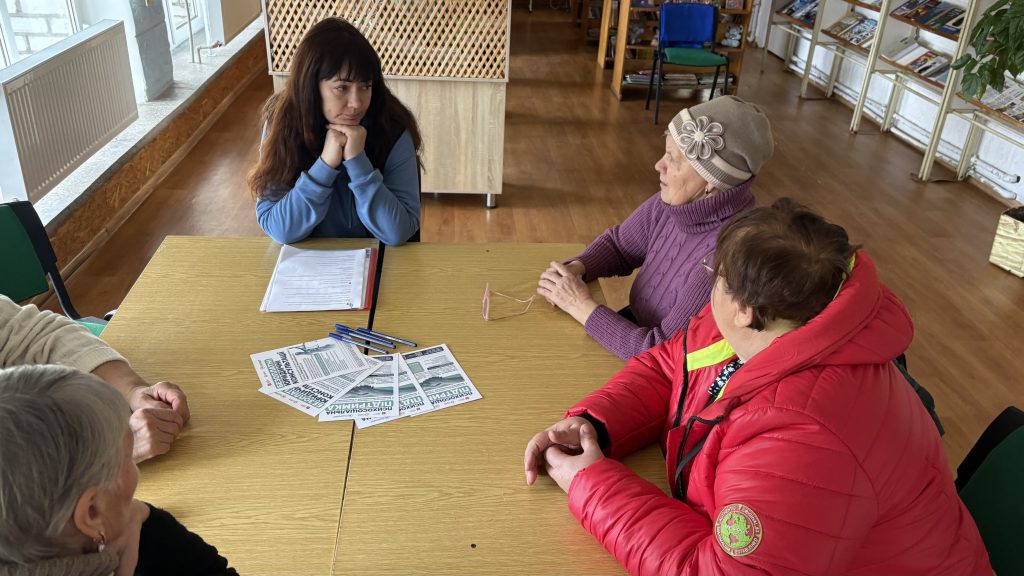
According to lawyer Karina Golovachova, due to constant shelling and the large number of destroyed and damaged homes, many residents of the Zaporizhzhia region need legal advice during the mobile teams’ visits.
“In just the first month of our mobile team’s visits, 32 people received free legal advice. Among the issues that people most often ask about are: submitting an application to the international register of damages; reporting damaged/destroyed property; pension recalculation; restoration of title documents; confirmation of ownership in court, the procedure for entering information into the State Register of Real Rights to Immovable Property, and the resumption of IDP payments. People also asked about the termination of employment if their employer remained in the temporarily occupied territory,” — notes Karina Golovachova.
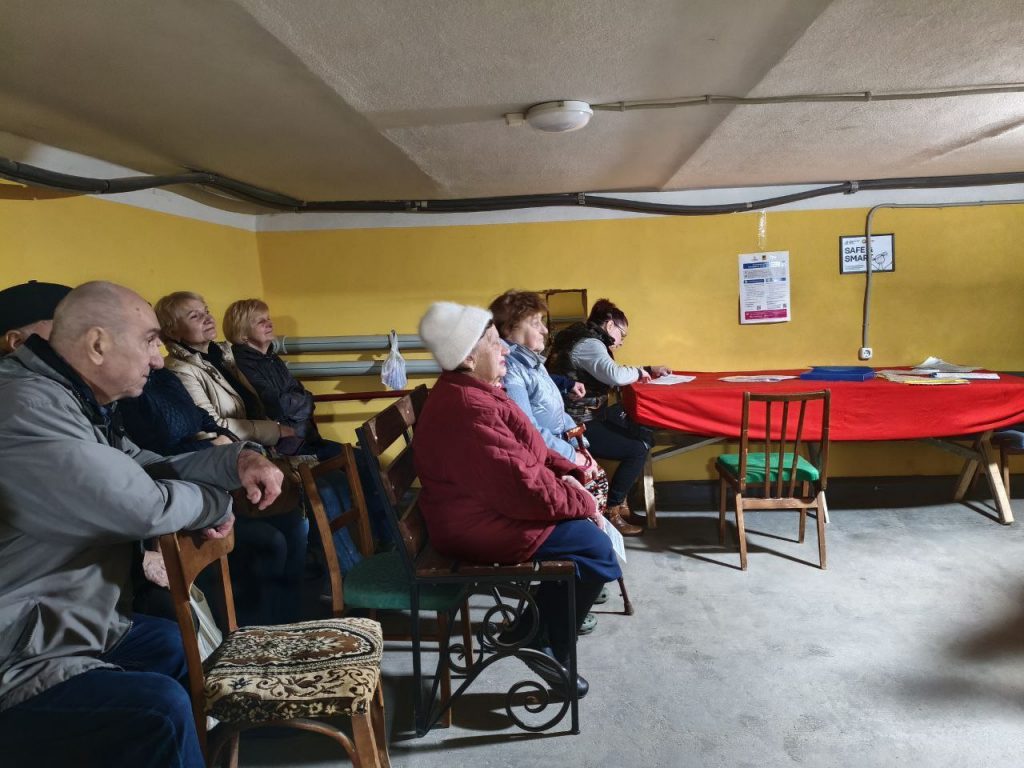
There is also significant demand for legal advice in the Kherson region, where shelling continues unabated. According to Natalia Yurchenko, a lawyer with the mobile team in the Kherson region, residents of the region have many questions about concluding gift agreements and certifying wills. People seek advice when planning the future disposal of their property.
Free legal advice is provided both offline and online. For example, Valentina from Zaporizhzhia (name changed for security reasons) was able to write a statement about damaged property and submit documents to the International Register of Damage.
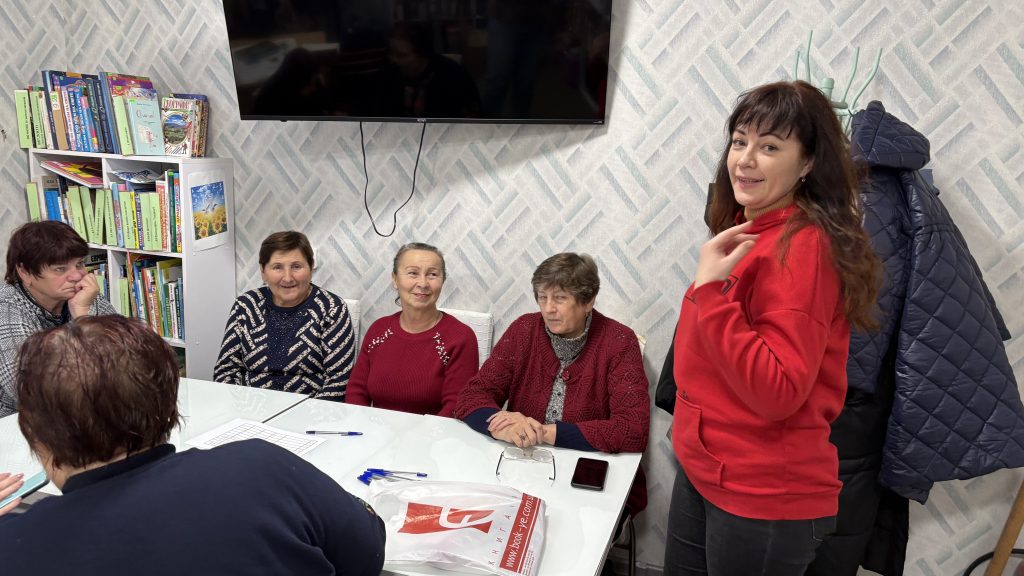
“During one of the recent ‘flyovers’ of the city, the windows in my house were broken and the house itself was slightly damaged. We have boarded up the windows for now, but we cannot afford to replace them. A friend advised me to contact the lawyers at your Foundation, as she herself had received legal assistance on several occasions. They helped me file a claim for reparations with the Damage Registry and report the damage to my home. My lawyer and I were in contact by phone for two days and got everything done. I am very satisfied,” — says Valentina.
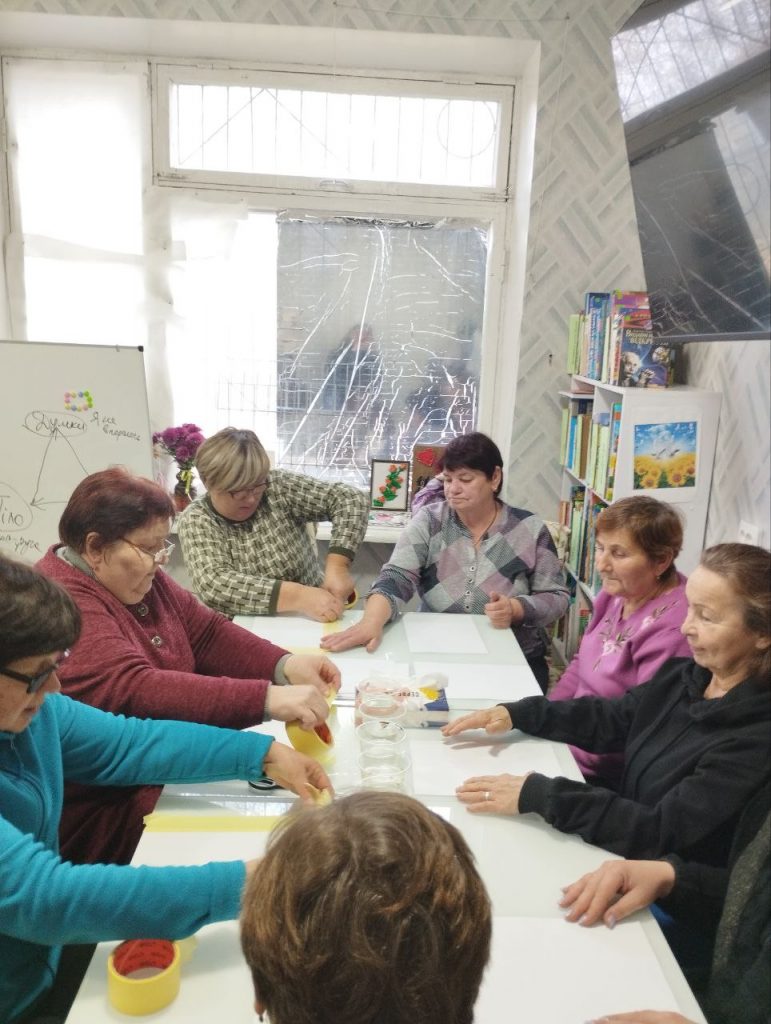
In addition to lawyers, each mobile group has two psychologists. They conduct group sessions and individual psychological consultations for the affected population.
According to Inna Moroz, a psychologist with the mobile team in the Kherson region, group sessions for project participants are designed so that new people who join the meetings do not feel that they have missed anything.
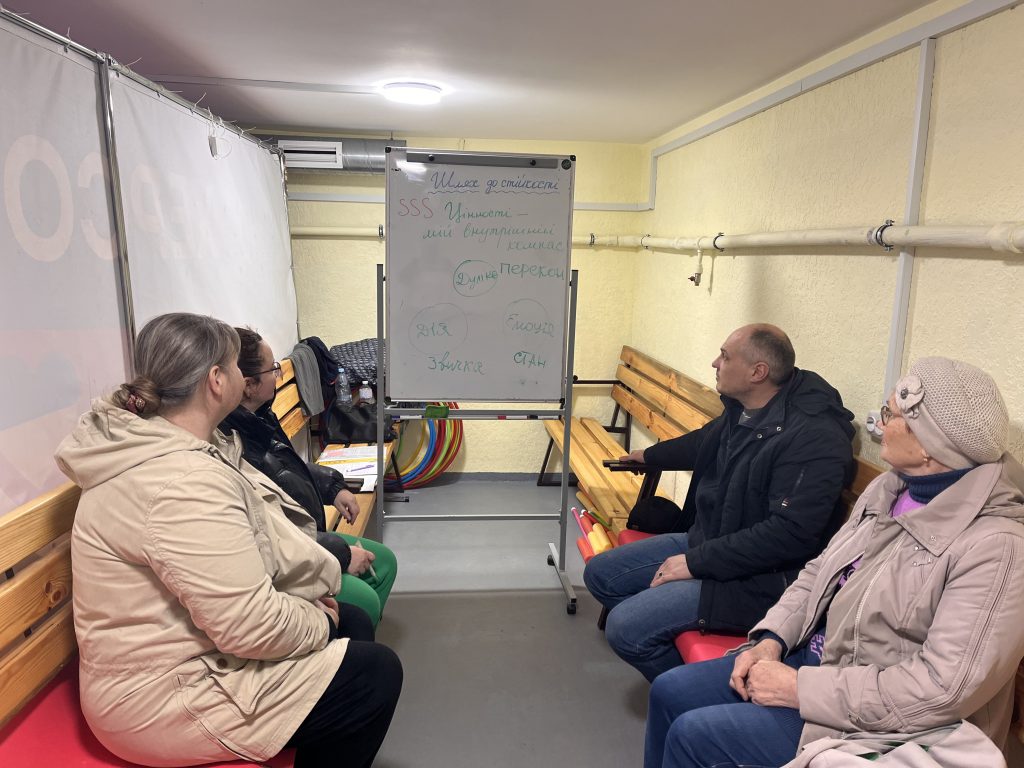
“Group sessions take place once a week and last up to two hours on average. They include not only theoretical material but also practical tasks. For example, we drew a tree with apples on it, representing desires. And people faced the problem that they did not know how to desire something for themselves. They were used to desiring more general things—for the war to end, for peace to come, to return home. But they cannot wish for something specifically for themselves. Starting to think about themselves and their desires is a huge leap for them, a lot of work on themselves. Only after 3-5 sessions do people begin to open up and share personal things,” — notes the psychologist.
Ms. Nadiya (name changed for security reasons) is not attending group sessions for the first time. The woman has a son who is currently defending Ukraine. She does not want to leave Zaporizhzhia despite the shelling and constant feeling of anxiety.
“This is my city, I have lived here most of my life. I know that this city needs me, and I need it. When the war started, I had to take my daughter and my little grandson, who was less than a year old at the time, away. We went abroad, where we lived for almost six months, but I couldn’t stay there for long. Now I live at home, go to work, and try to stay strong. I decided to try group sessions with psychologists. Many of those present talk and share their experiences and pain, but I’m not ready to open up yet. There is so much pain. You don’t even know where to start, but I believe that they will help me cope with it,” — emphasizes Ms. Nadiya.
The project “Lifesaving response to protection concerns and humanitarian needs of conflict affected people in the South and South-East of Ukraine” is implemented by the Stabilization Support Services Charitable Foundation in partnership with the international humanitarian organization CARE, with financial support from the Danish Ministry of Foreign Affairs.