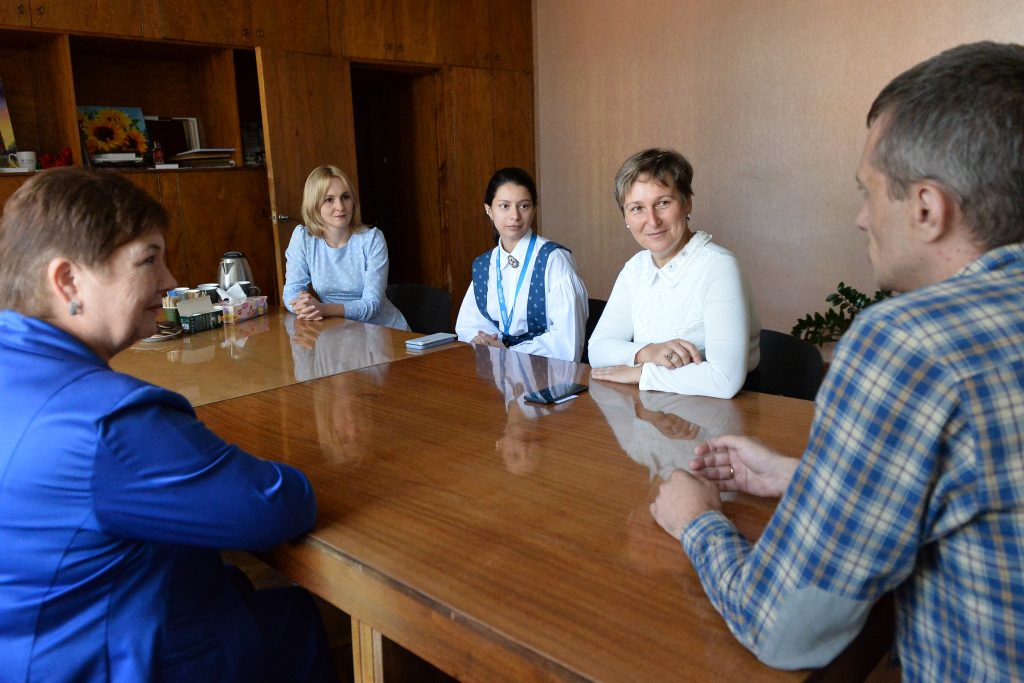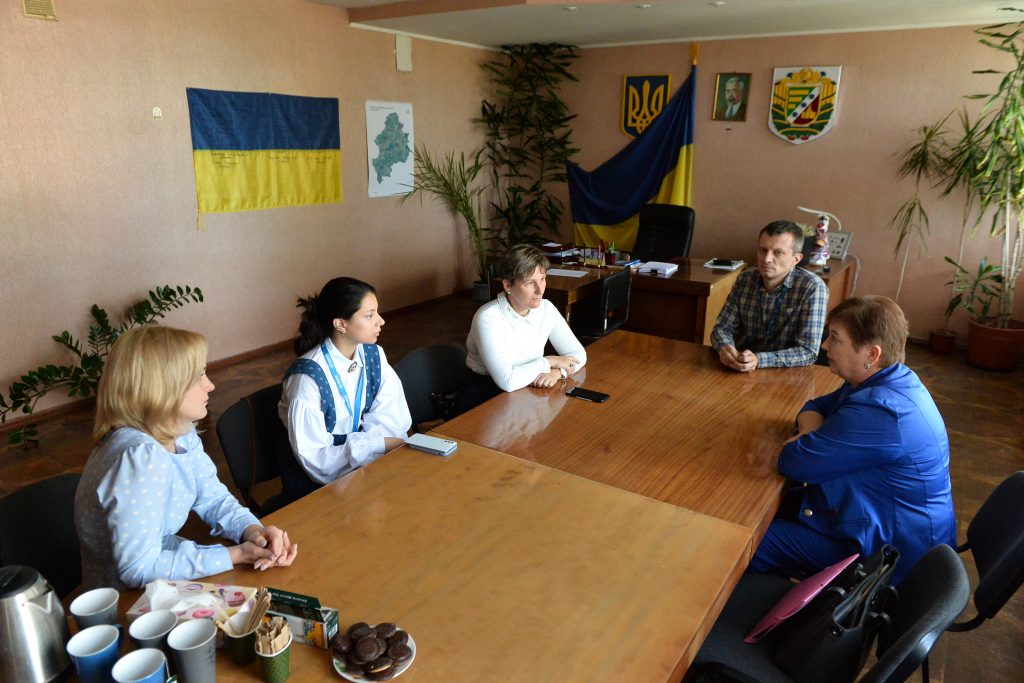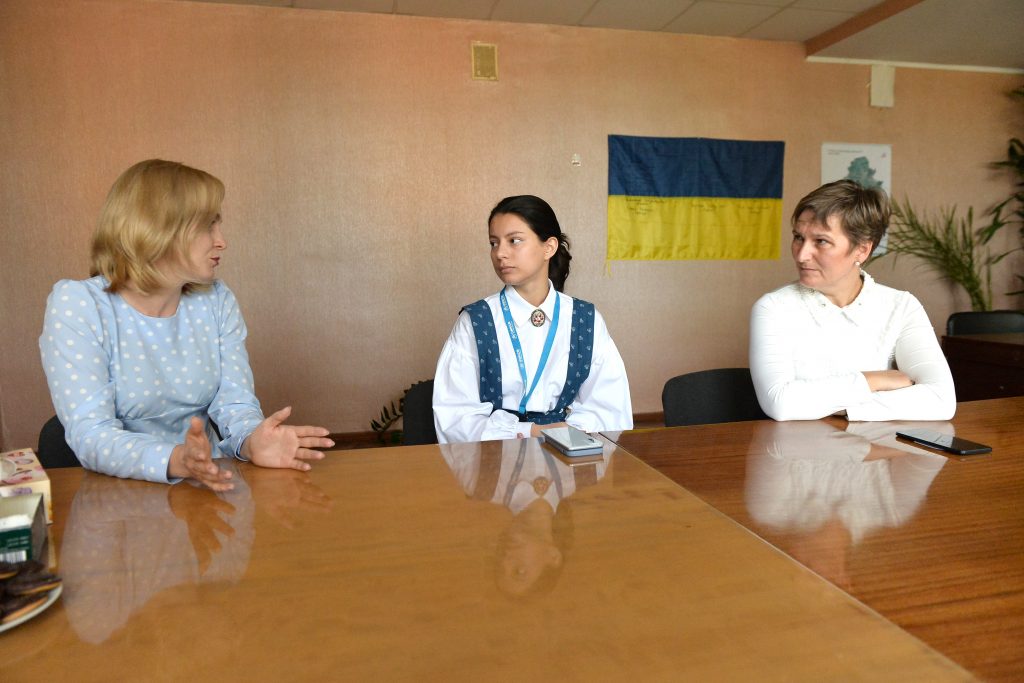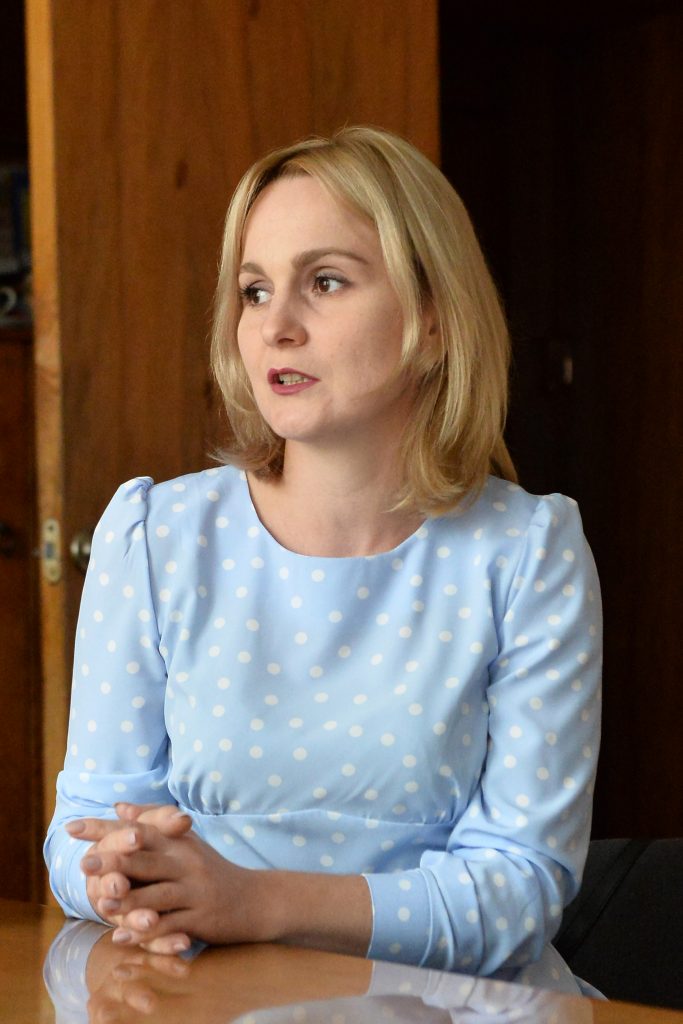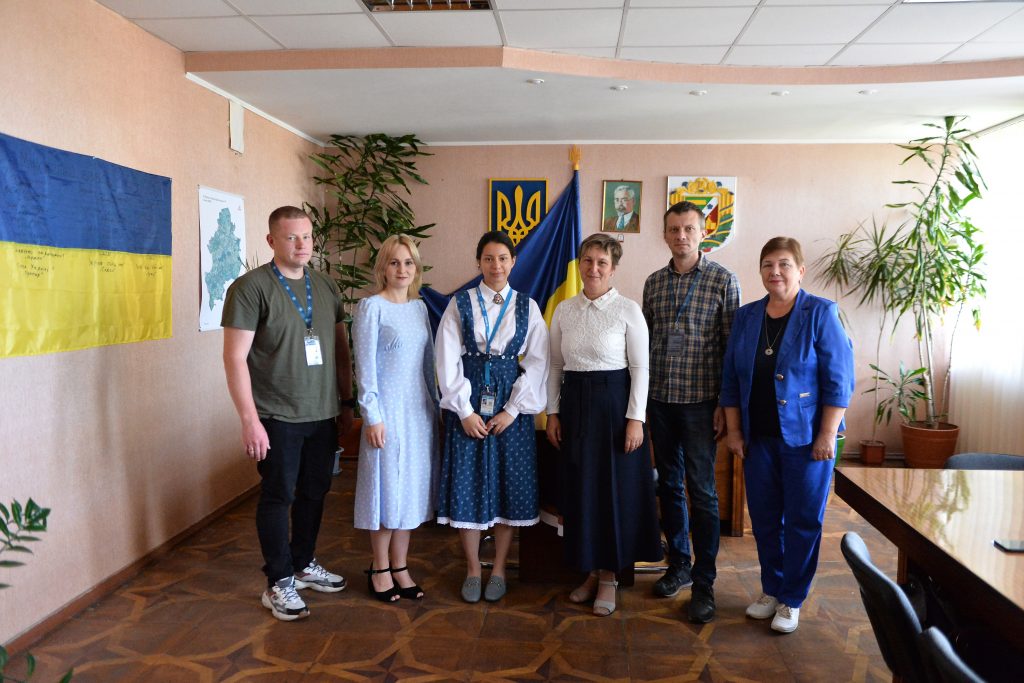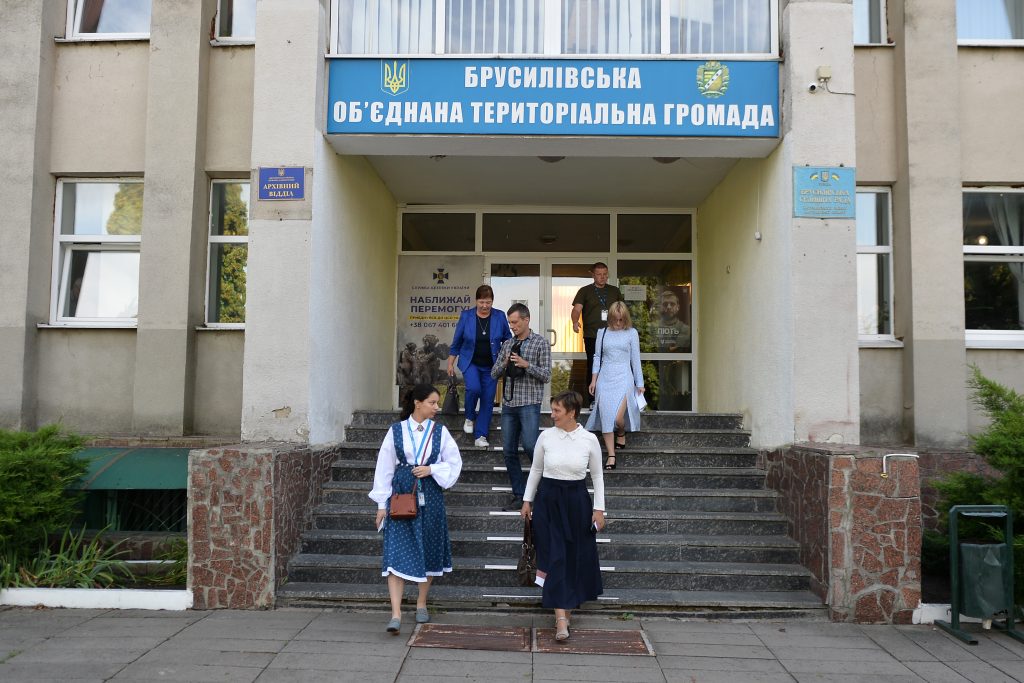
Mariya Sharamko, the head of the social protection department of the Brusyliv village council, shares insights on how the village of Brusyliv in the Zhytomyska Oblast, which has recently seen its population nearly double after accepting almost 8 thousand new residents due to the war, is managing the registration of new residents and the crucial role of technology in this process.
Can you tell us about your community and the number of IDPs it has hosted? Are there data on the number of IDPs currently residing in the community?
The Brusylivska village territorial community was established by merging the Brusyliv village community with 17 village councils. The administrative center is the village of Brusyliv. Located near the Kyiv-Chop international highway, Brusyliv is 85 km from Kyiv and 78 km from Zhytomyr, with a population of 14,913.
Historically, the Brusyliv community covers the territory of the former Brusyliv Raion of Zhytomyrska Oblast, which became a refuge for many people displaced from the unconditional (compulsory) resettlement zone. More than 30 years ago, citizens from the former Narodytskyi, Ovrutskyi, Olevskyi, Luhynskyi, Malynskyi and Korostenskyi raions permanently relocated to our community.
With the onset of the full-scale invasion, Brusyliv has sheltered residents from cities like Kyiv, Bucha, Irpin, Makariv, Hostomel, Borodianka, Vyshhorod, the villages of Andriyivka, Lypivka, Kalynivka, Nalyvayivka, Dymer, Katiuzhanka, Demydiv, Radcha, Zmiyivka, Davydky, Hrezlia, Bazar, as well as various other occupied or combat zone areas.
In July 2022, we had the highest number of IDPs on the territory of the community: 7,772, including 1,958 children. As of October 1, 2023, there are 6,233 registered IDPs in our community.
Could you describe your department and its management? How long have you been working there? What are the main tasks and challenges you face as a social worker now?
The Department of Social Protection of the Population is a structural unit of the Brusylivka Village Council, which was established on March 24, 2021. It is the executive body of the Brusylivka Village Council of the Zymytrivskyi Raion of Zhytomyrska Oblast, which ensures the exercise of its own and delegated powers and functions in the field of social protection of the population, ensuring equal rights and opportunities for women and men, preventing and combating domestic and gender-based violence, and combating human trafficking. The main tasks of the department are to ensure the implementation of social policy in the field of social protection of the population: providing targeted social assistance, compensation, benefits and other social payments from the local budget within its area of competence; developing and organizing the implementation of comprehensive programs and measures to improve the situation of socially vulnerable groups of the population, families and citizens in difficult life circumstances, and providing comprehensive assistance in obtaining social benefits and services at the place of residence/stay.
I have served as the head of this department since June 1, 2021. The most challenging period of my tenure was in March and April 2022, during active hostilities in Kyivska Oblast. The crisis forced several staff members to flee the country to safeguard their children, and we saw a significant rise in internally displaced persons needing assistance and protection. This surge increased our workload dramatically, requiring us to maintain stable local budget assistance payments and emotional resilience. Despite these challenges, we adapted and prepared for the autumn when during power outages we still had to sustain our operational effectiveness and support the local population’s living standards.
Currently, our team consists of five individuals skilled in handling extreme and stressful scenarios, always ready to tackle issues of any complexity. However, the workload has not diminished since the onset of the full-scale invasion. The evolving challenges have led to the development and implementation of new programs and initiatives for the local community. Our specialists are continuously engaged in monitoring, gathering, analyzing, and predicting various situations to effectively respond to the community’s needs.
What are the main needs of IDPs in your community, and what challenges do you face?
The chief issues confronting IDPs who arrived in our community in 2022, and which we frequently encounter in our work, are: accessing humanitarian aid, finding personal housing, securing employment in their field of expertise, and obtaining a salary level equivalent to what they had prior to the full-scale invasion.
What has been the biggest success for your department/division since the beginning of the full-scale invasion? And what do you consider the biggest challenge?
Our department’s most notable success has been maintaining stability in the face of adversity, driven by our team’s responsibility, proactive approach, and collective commitment to the community’s welfare. The biggest challenge, as previously stated, was the immense workload, particularly in processing payments and accruals promptly under atypical conditions like power and internet outages.
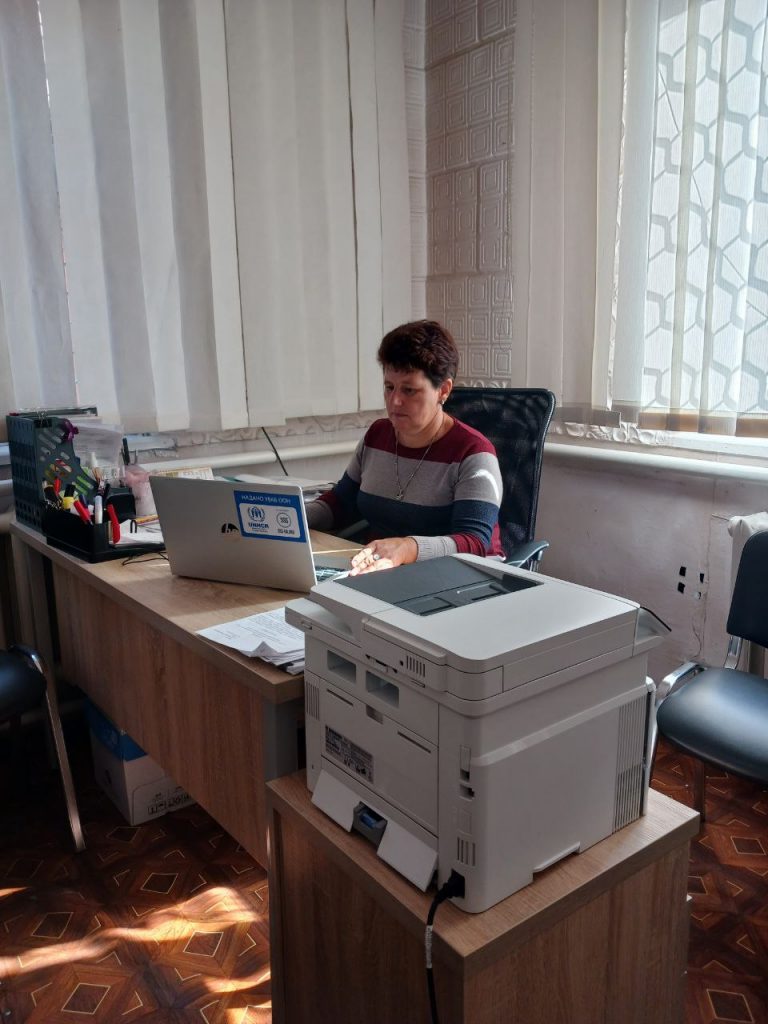
How does technology (computers, printers, external drives) assist social security workers in their tasks? Why is it important to update and ensure its fast and continuous operation?
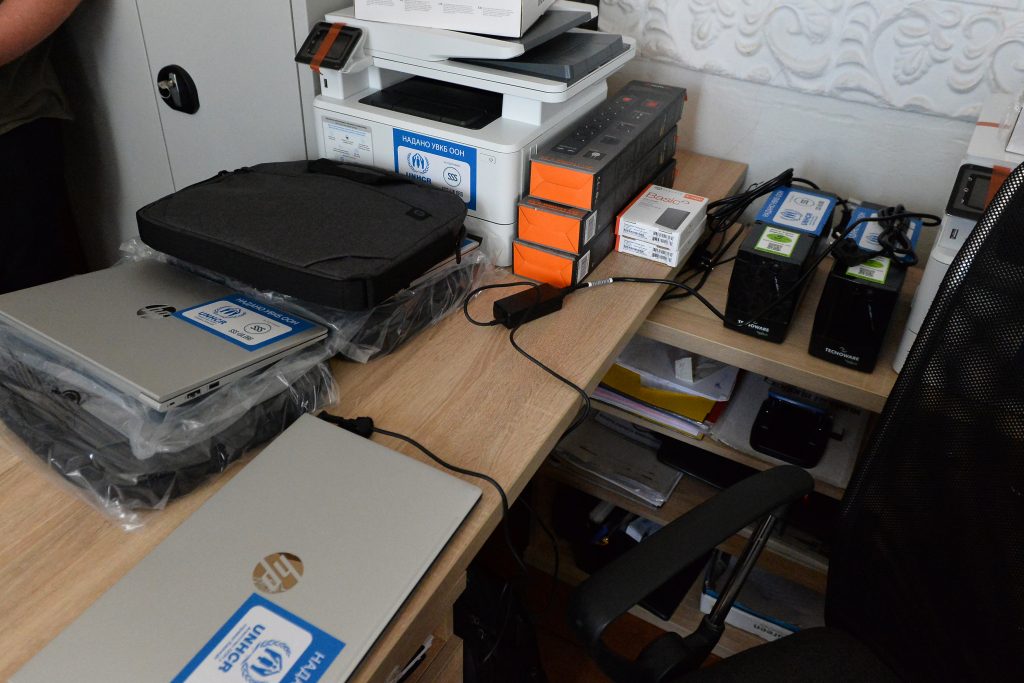
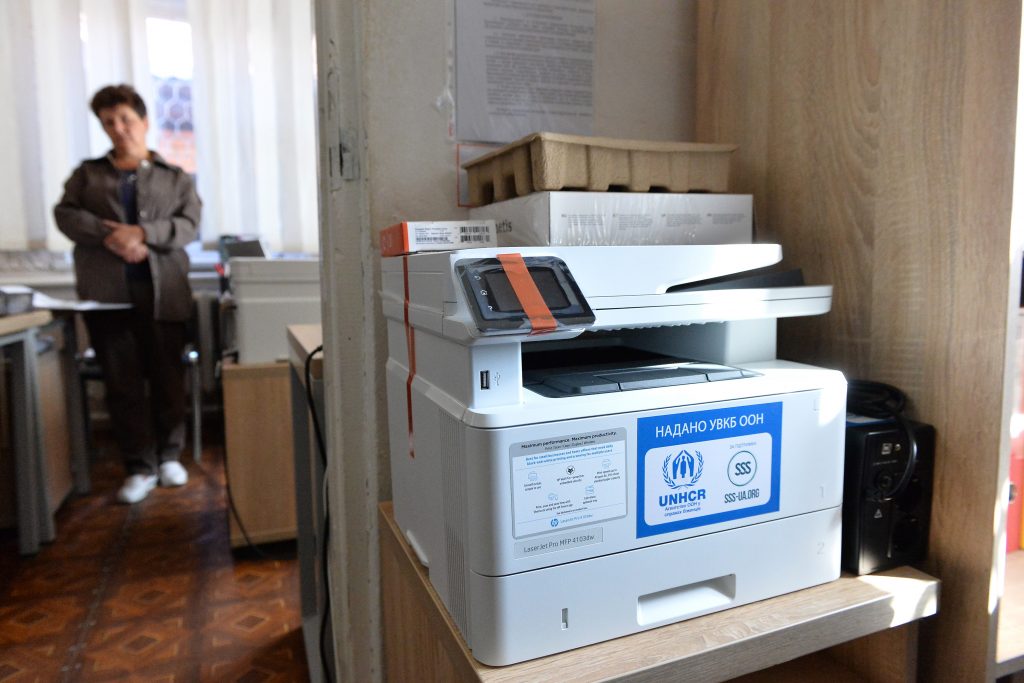
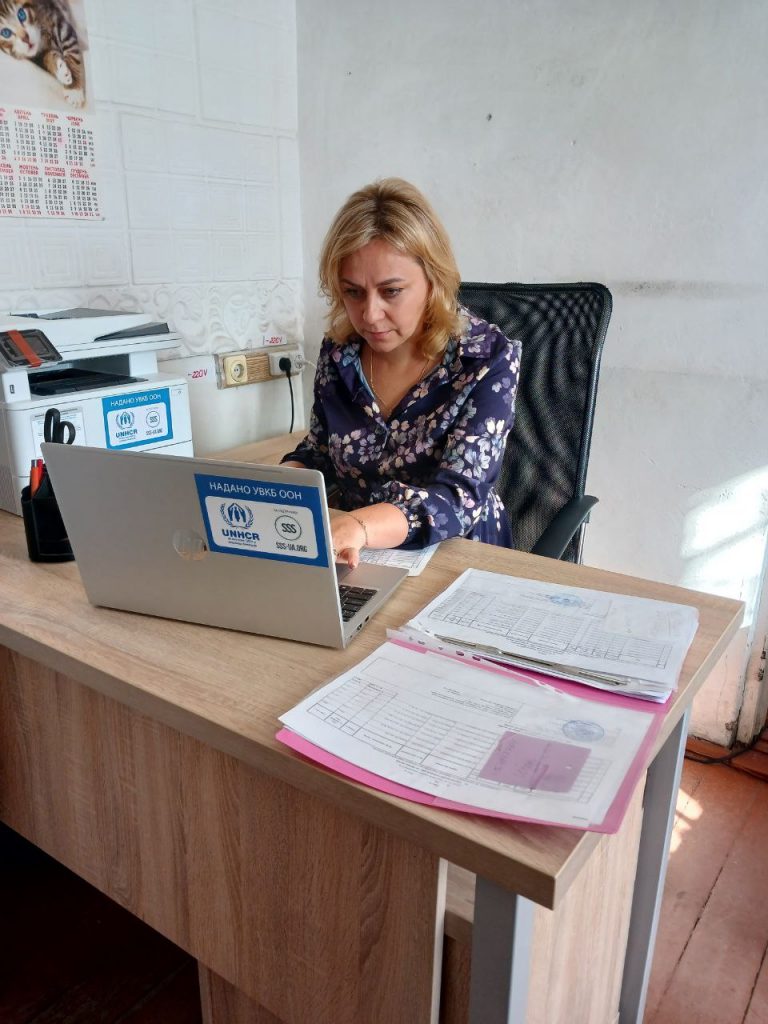
The equipment used by the employees in the department was obsolete, so the work was delayed at certain stages. There was only one printer for two employees in the department, and there were no uninterruptible power supplies, so, as you can imagine, when the power went out, completing the work was difficult. Sometimes we had to do it all over again.
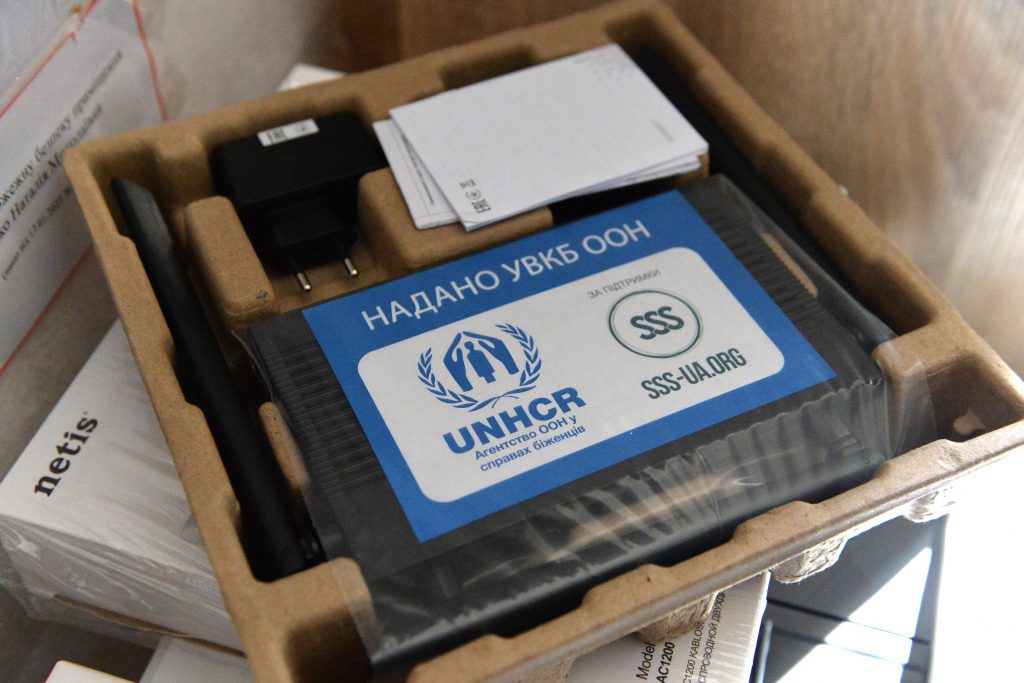
Thanks to the modern equipment we received from the Charity Foundation “Stabilization Support Services” and UNHCR, the employees of the department have significantly accelerated their work, the number of tasks completed has increased, and emotional stress has decreased, because they do not need to share a workplace between two people. We managed to optimize the processes of making accruals and payments to community residents, speed up and facilitate document processing, and ensure high-quality data storage.
The new equipment accounts for 50% of the work done, but it still needs to be configured, serviced, repaired, and software installed. It’s good to have an employee who deals with such issues on a regular basis.
Who is a social protection worker, and what are their main qualities?
A social protection worker is a vital component of the social system, crucial not only for its operation but also for ensuring the life and well-being of the population. They serve as a crucial link between society, community residents, and local authorities. Key qualities of these professionals include the ability to make accurate predictions, endurance, emotional stability, proactivity, clear and concise communication, a thorough understanding of their responsibilities, an aptitude for assisting others, respect for clients, and the capability to promptly resolve issues.
Could you briefly describe your department’s plans and aspirations for 2024?
For 2024, our department has numerous plans and even greater aspirations. The foremost objective is to automate various processes. This automation aims to lessen the time and effort required by our staff for routine tasks, thereby enhancing overall efficiency and productivity.