Who is eligible for the IDP living allowance according to the changes introduced by the government in March?
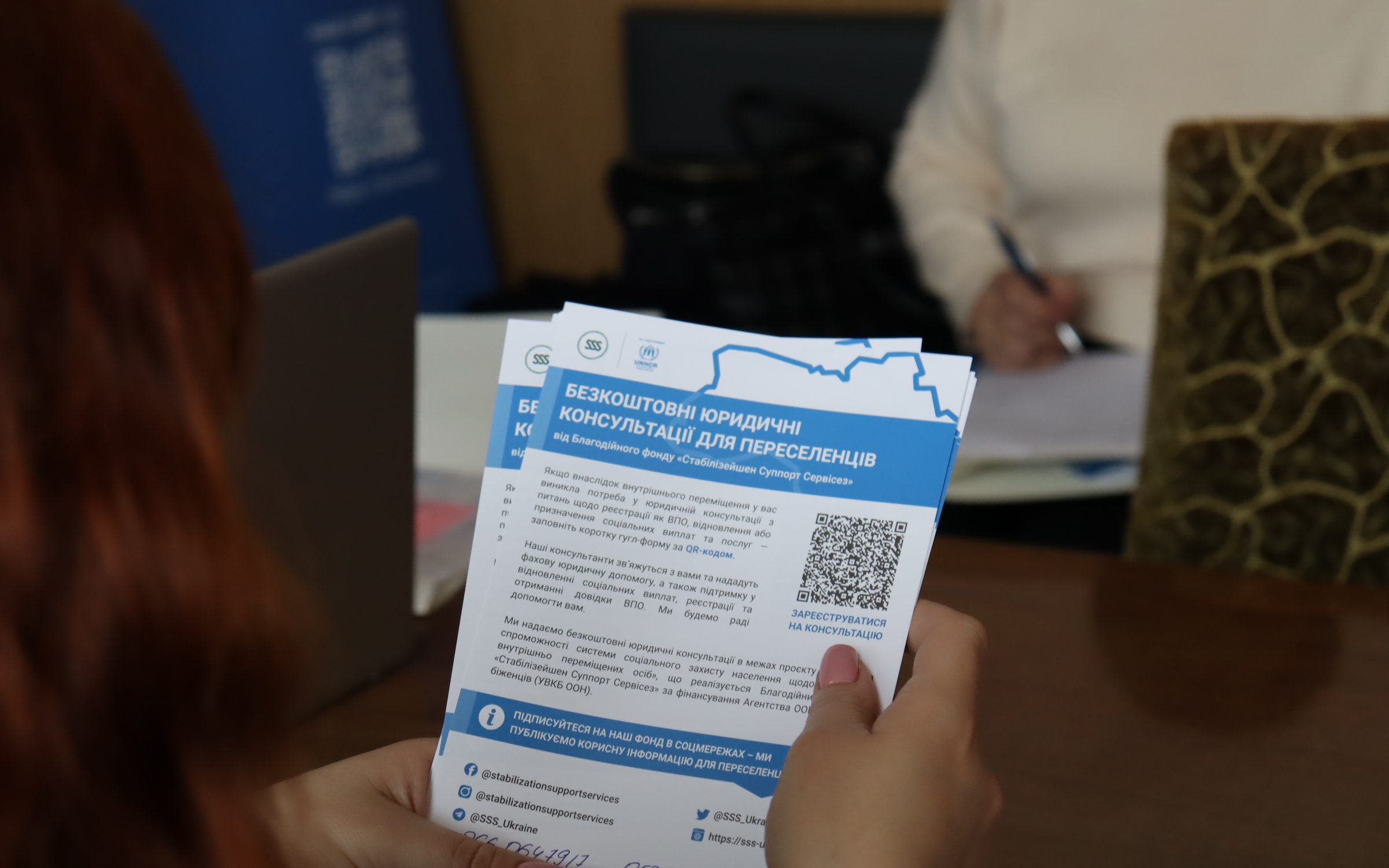
We regularly organize seminars on this subject for employees of social protection institutions. It helps them navigate legislative changes and improve the quality of services provided to IDPs.
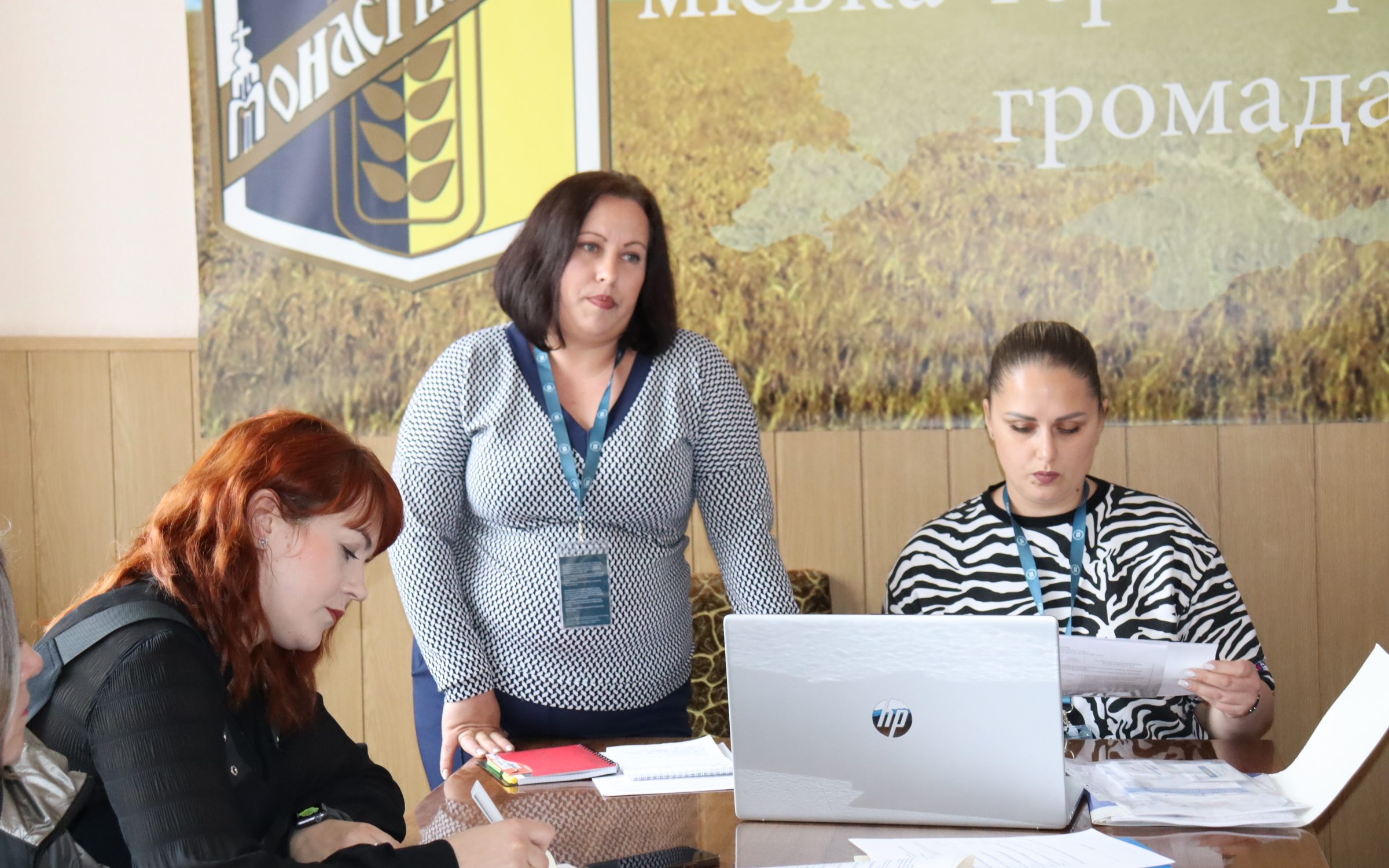
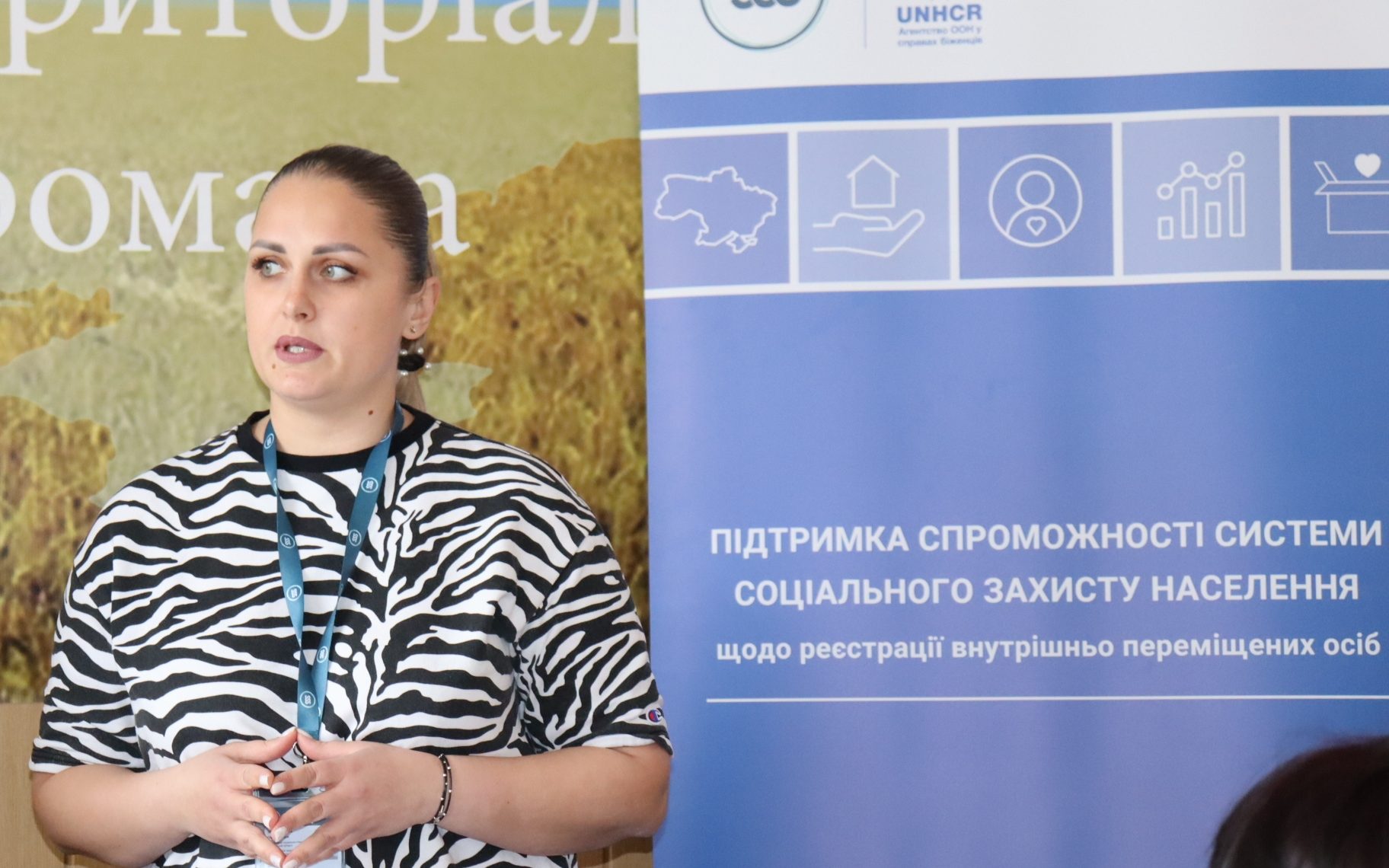
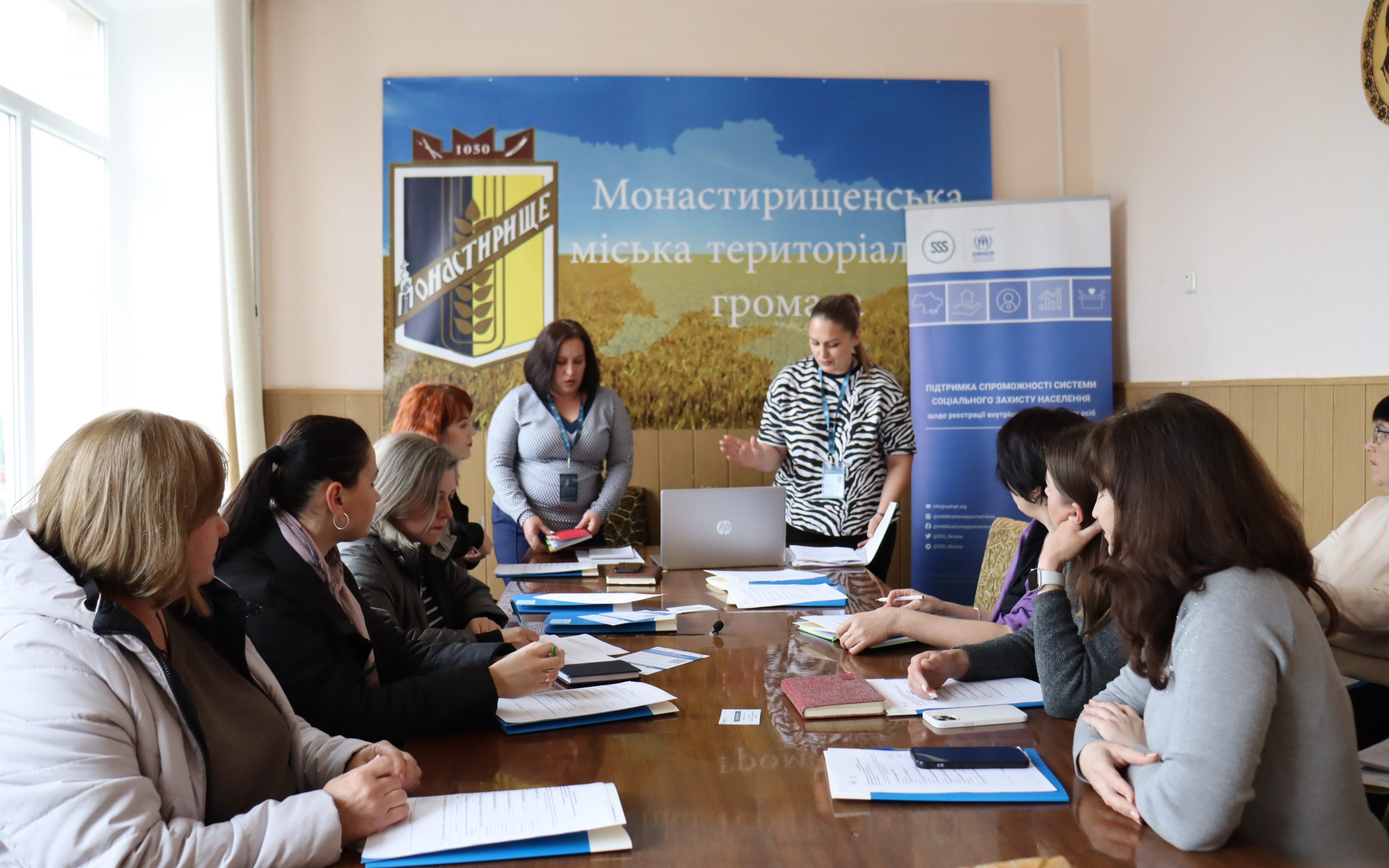
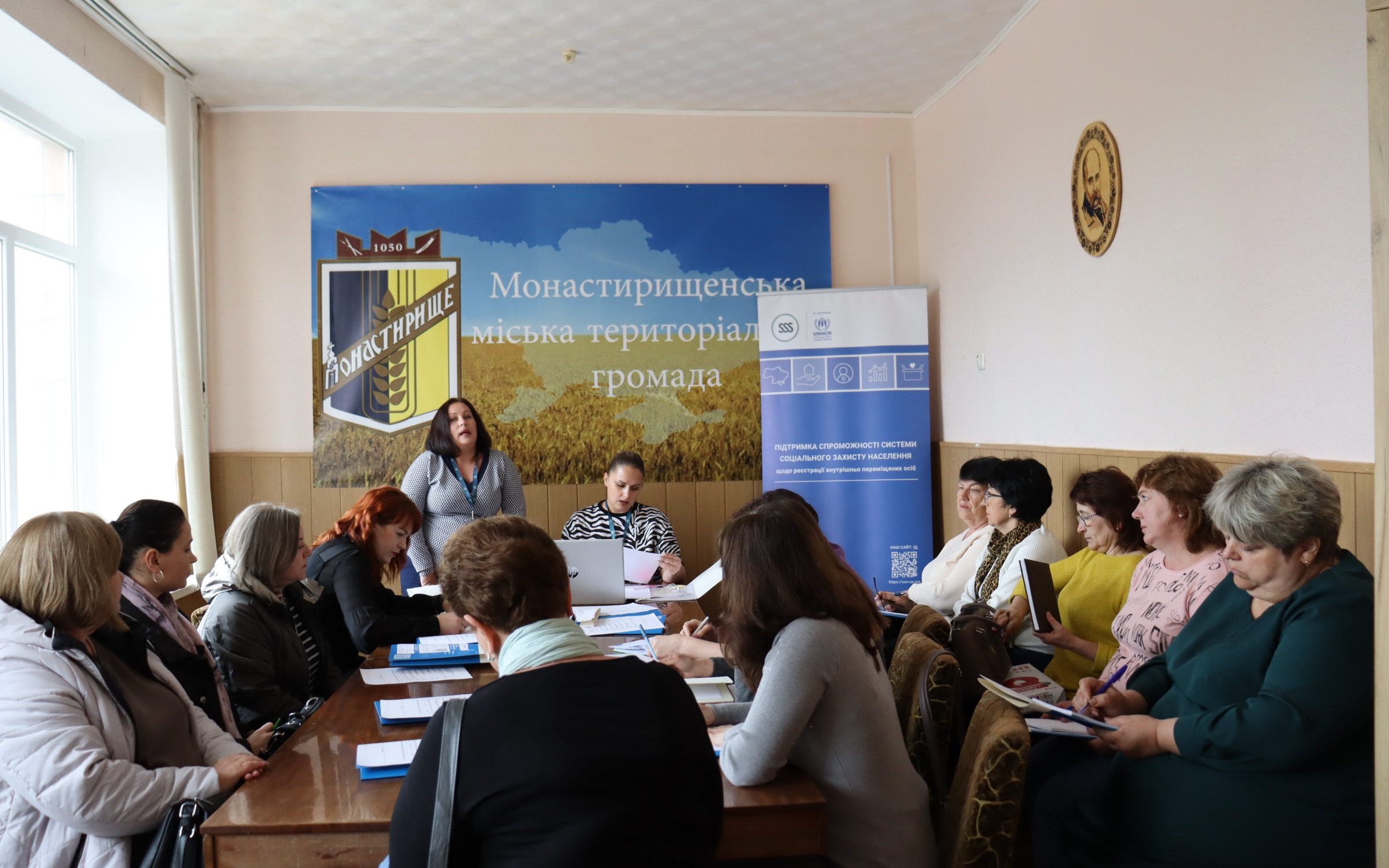
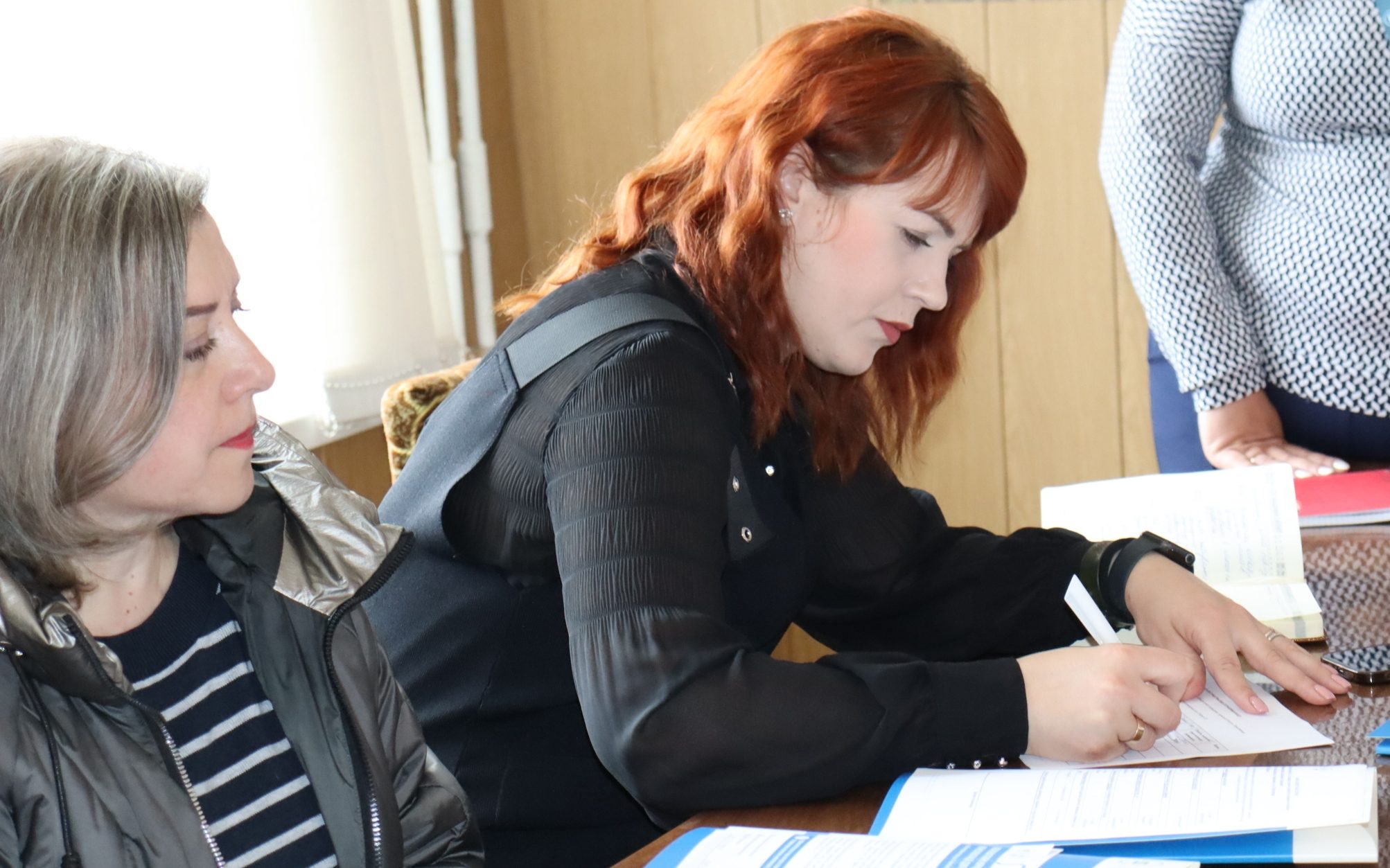
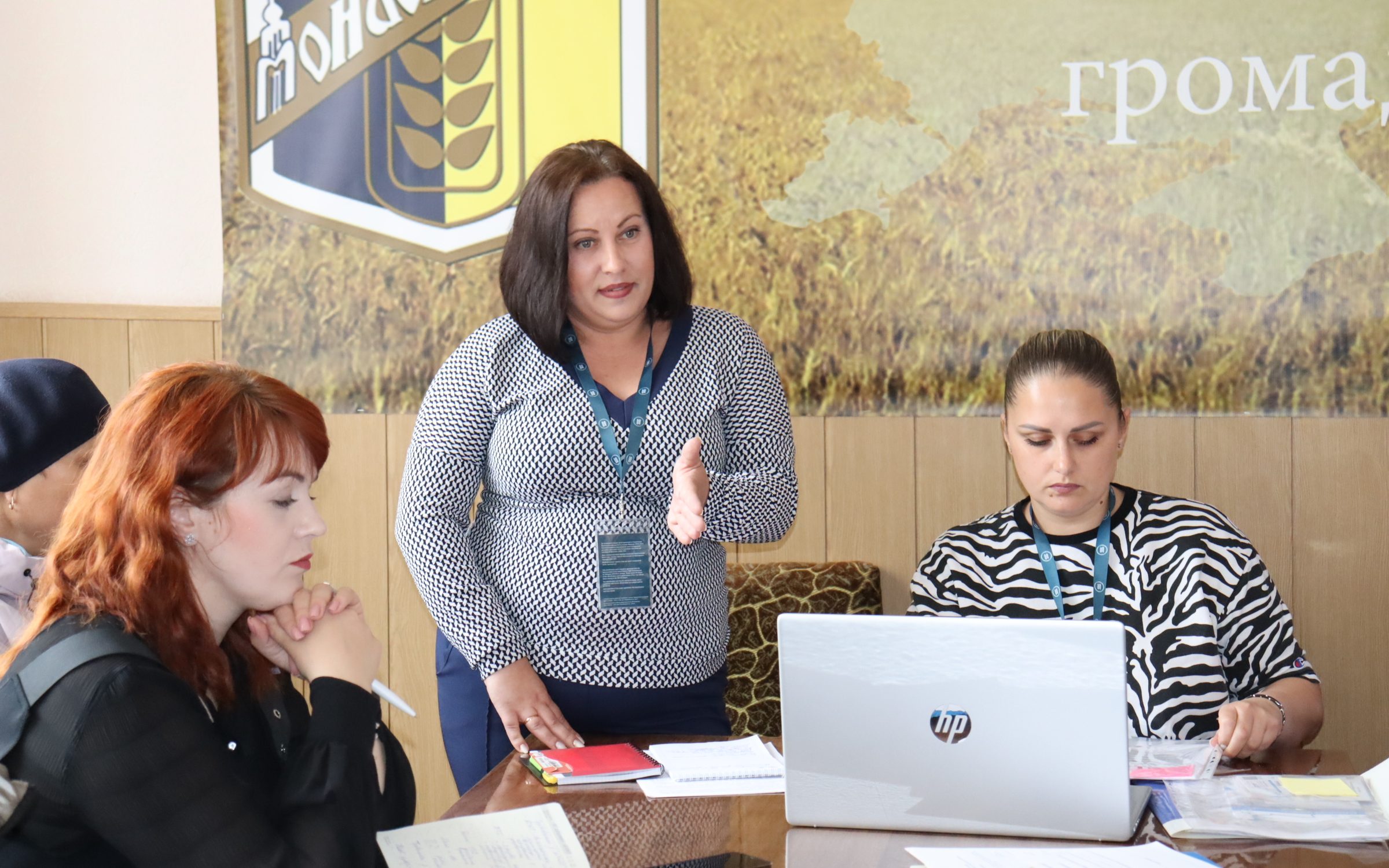
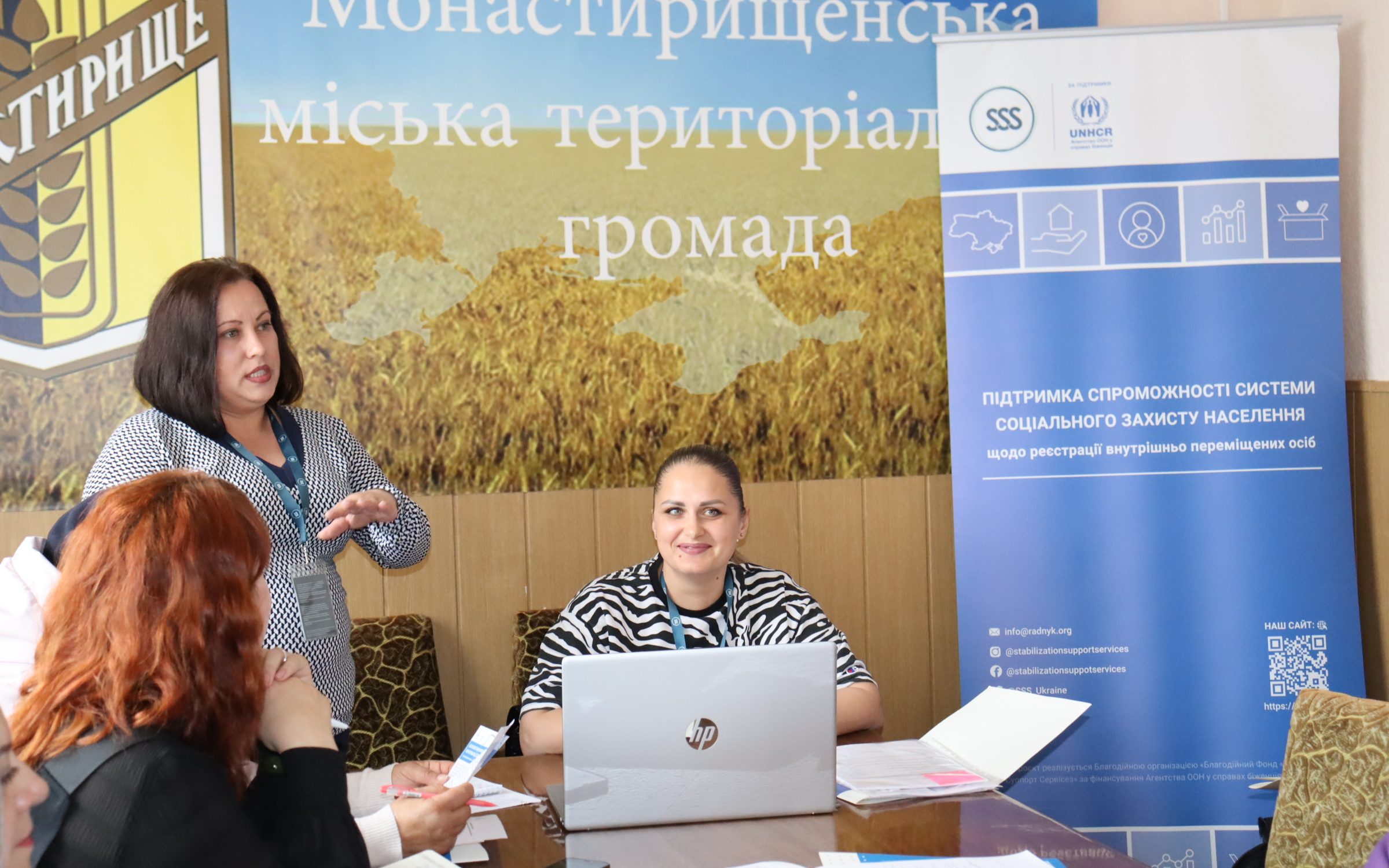
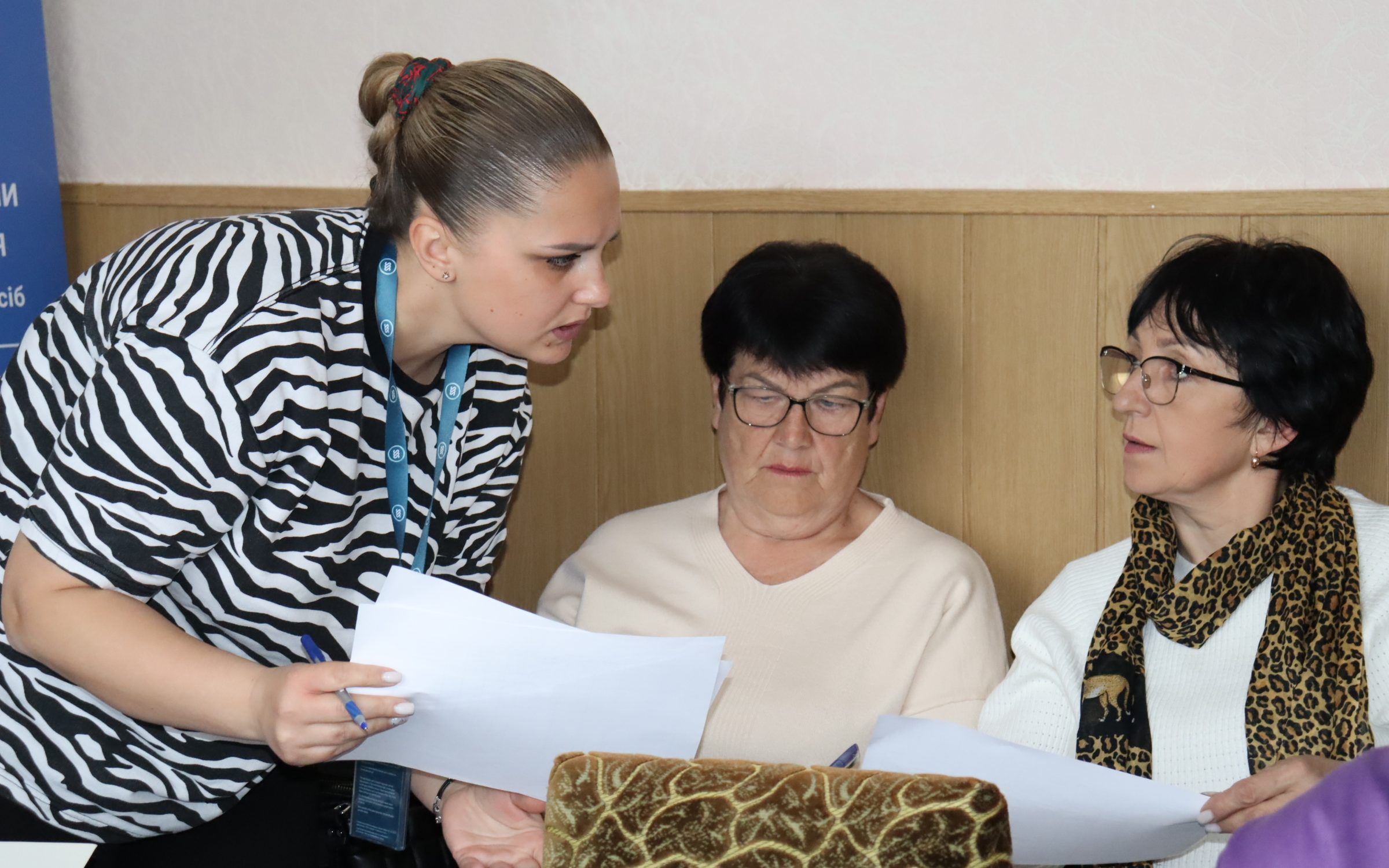
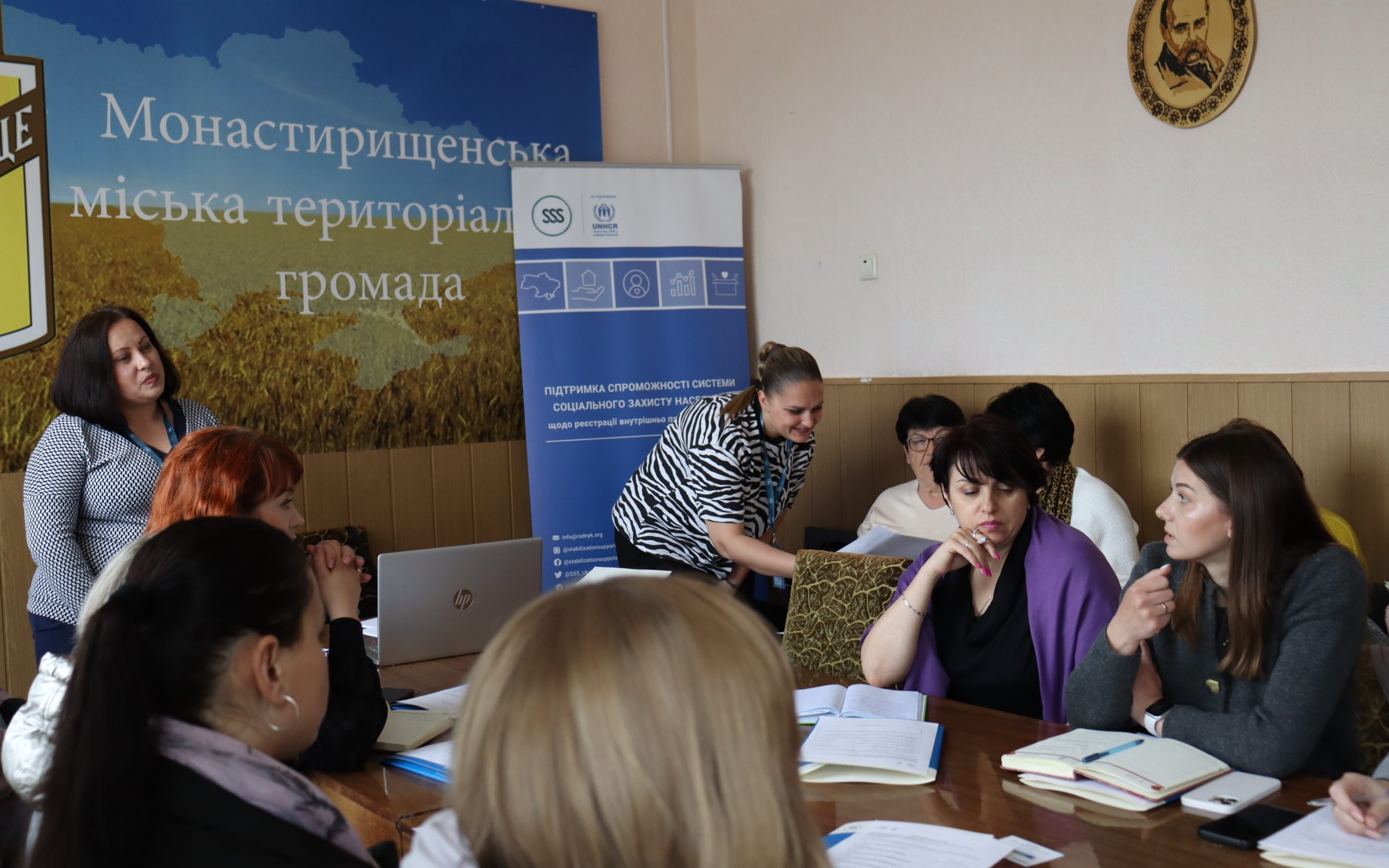
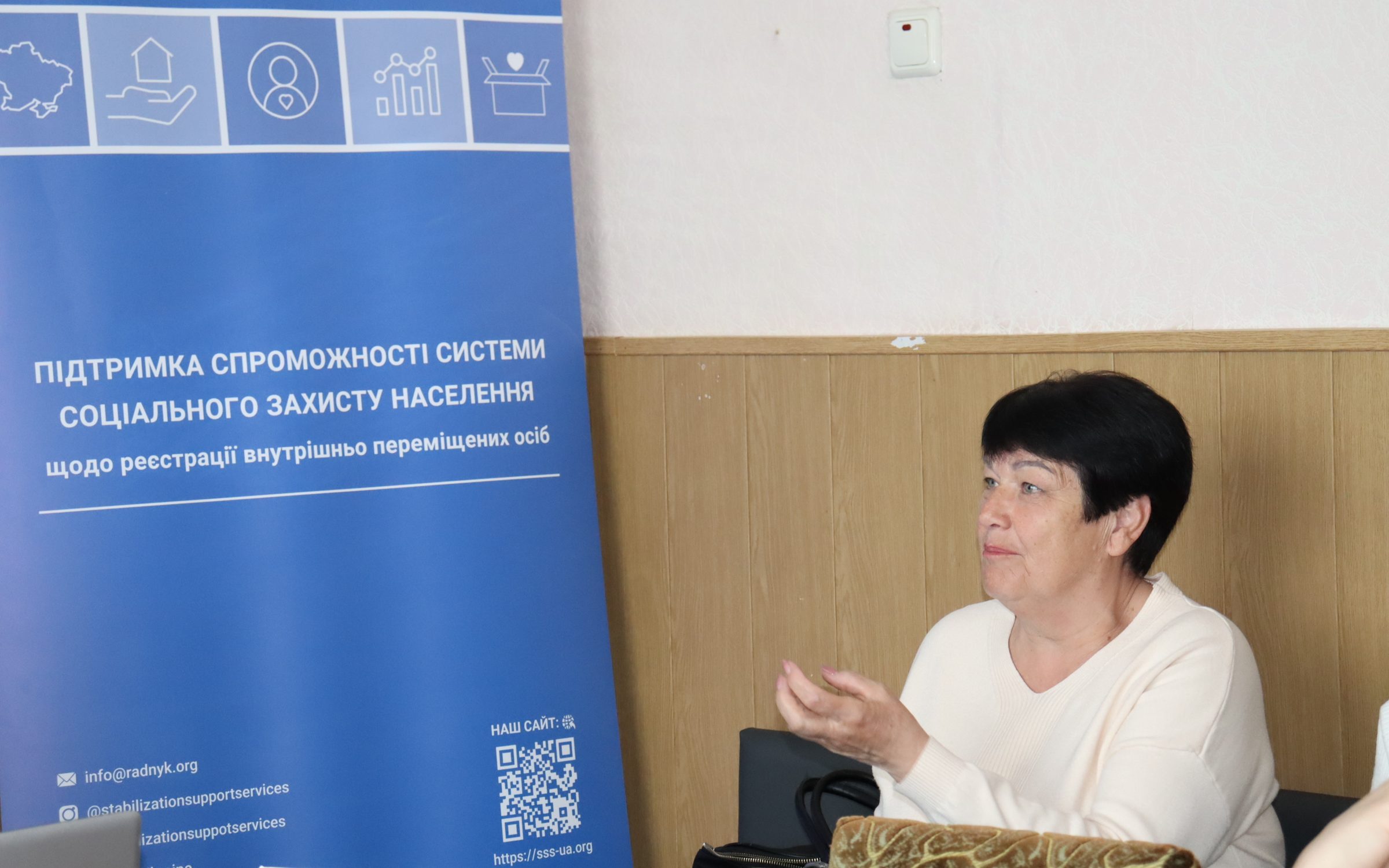
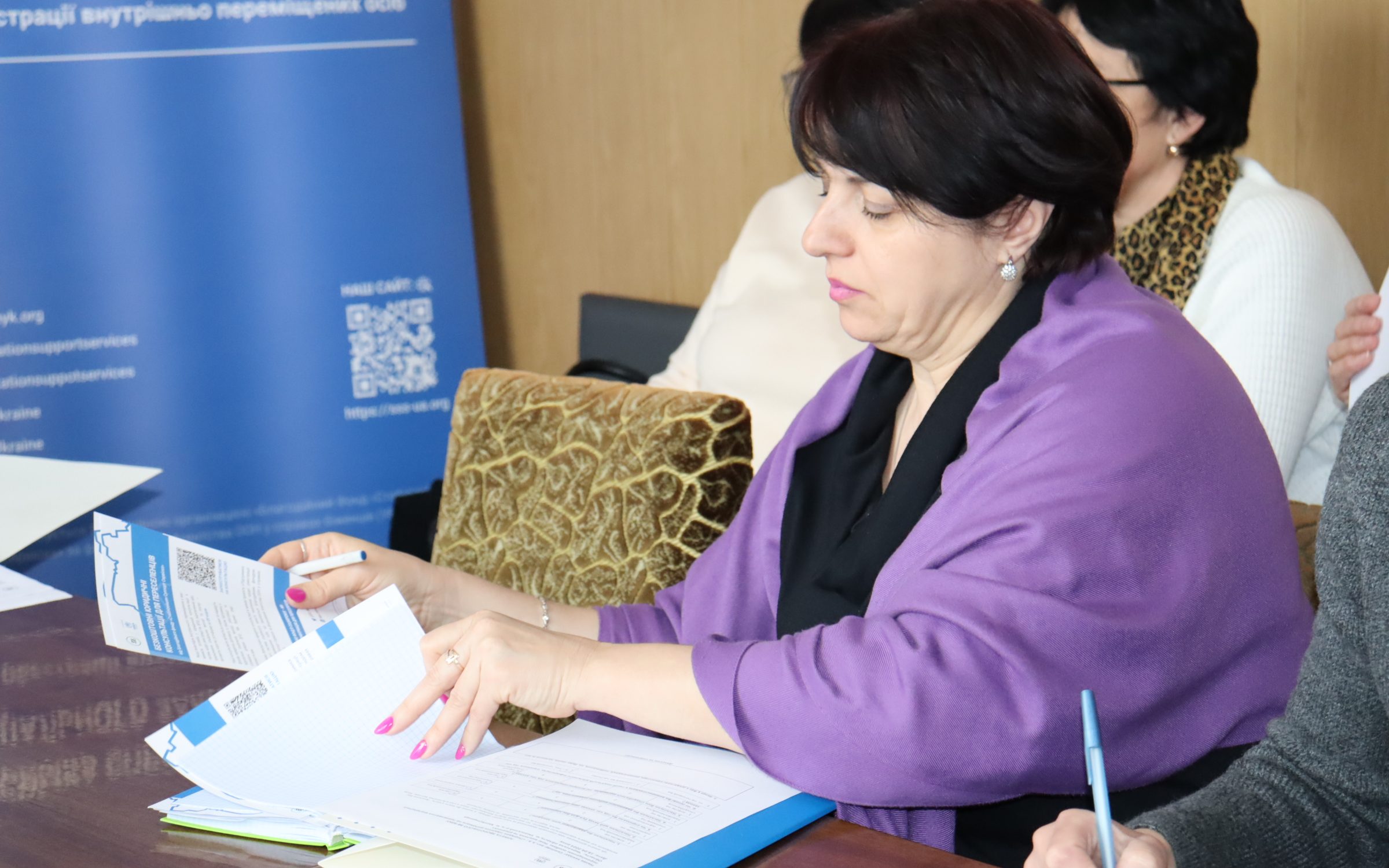
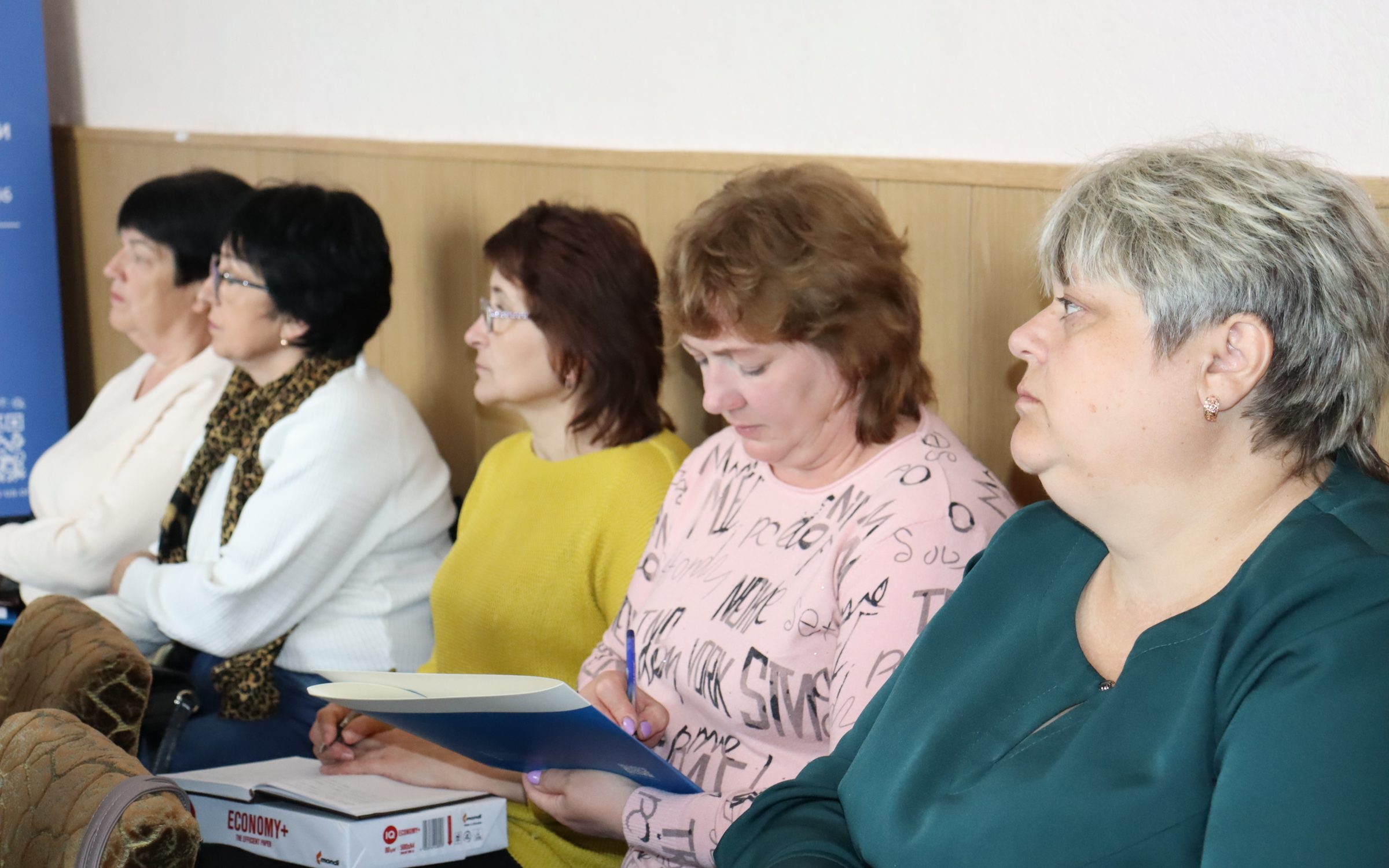
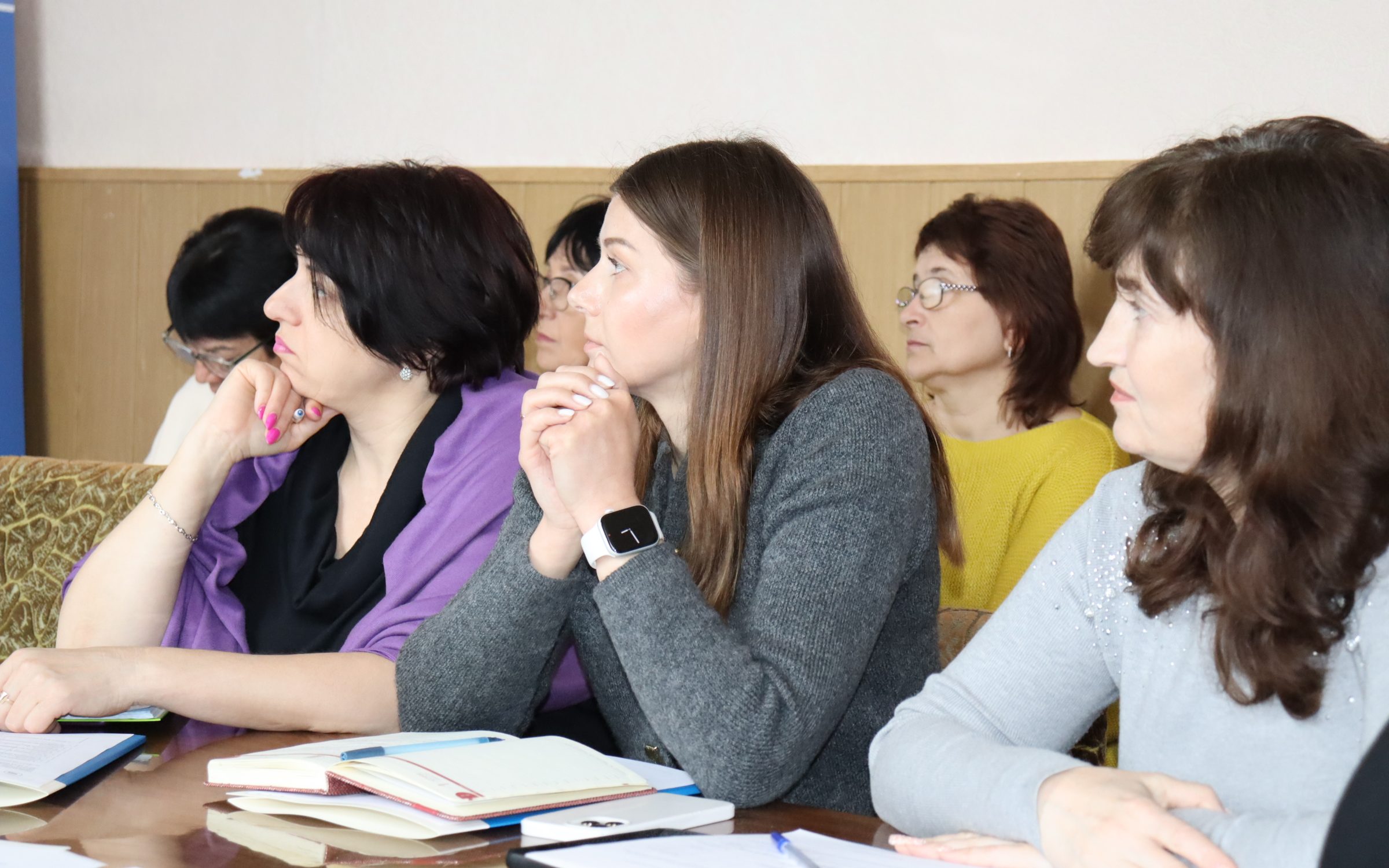
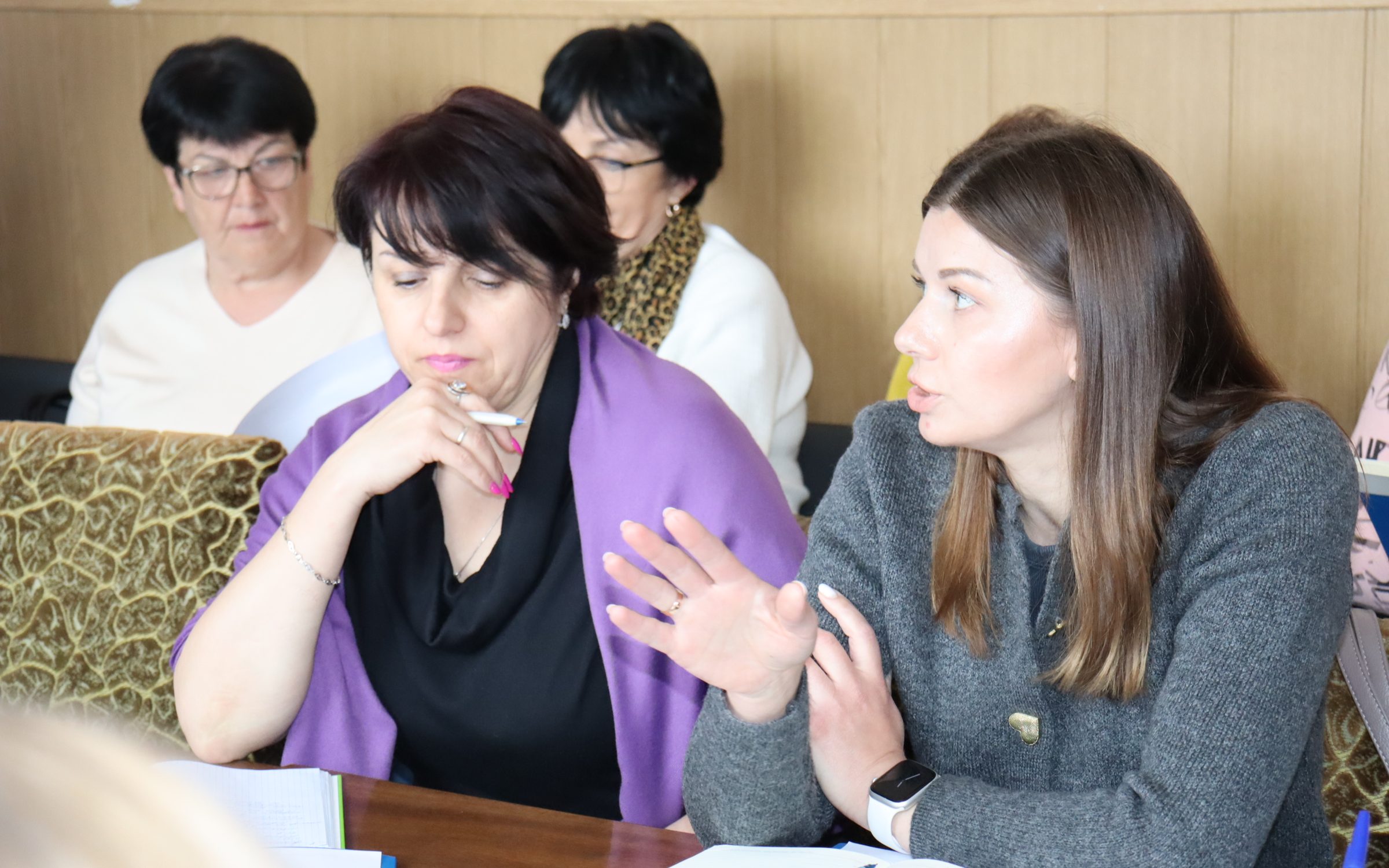
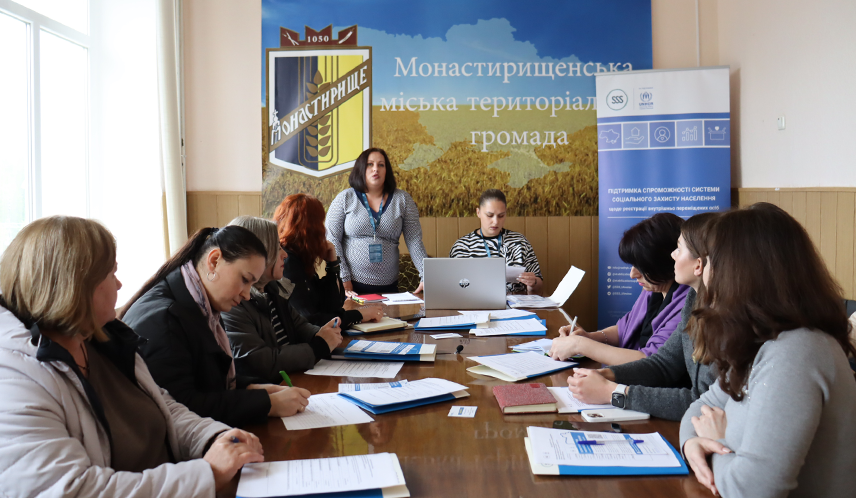
On April 18, our regional team in Cherkaska Oblast held an educational meeting in Monastyryshche. As of February this year, 145 thousand people were registered as IDPs in the city.
Key points of the seminar:
- Extension of payments in March 2024 automatically and upon application
- Other significant changes to the CMU Resolution No. 332 on the granting of living allowances to IDPs
- Reasons for refusing to provide living allowance to IDPs
Olena Penkova, the regional social expert of the project in Cherkaska Oblast, said, “At the seminar, we actively discussed the latest changes to CMU Resolution No. 332 and the need to review them. It was especially interesting to discuss cases based on fresh applications to expand the circle of people eligible for the extension of living allowance upon application.”
“In particular, we covered the following questions:
Is an IDP with a salary of more than UAH 9,444 who has a 17-year-old son studying online entitled to continue receiving payments?
Is it necessary to re-register the payment to children aged 14-18?
Is the payment extended to an employed person with a disability of group III?
For what period is the income of an IDP taken into account?
How to check whether a person lives abroad?
How to prove that a wife does not live with her husband?
We believe that further seminars on working with IDPs are needed. Such meetings are important because the demand for services for IDPs is not decreasing, and the legislation is constantly being amended. The situation in the country has not improved, the aggression of the Russian Federation against our country continues, and the problems of IDPs remain relevant,” adds Tetiana Tarasova, regional lawyer of the project.
We conduct educational events for employees of social protection institutions within the framework of the Supporting the Capacity of the Social Protection System to Register Internally Displaced Persons project funded by the UN Refugee Agency in Ukraine.