Discussed at a Seminar for Community Heads in Khersonska Oblast
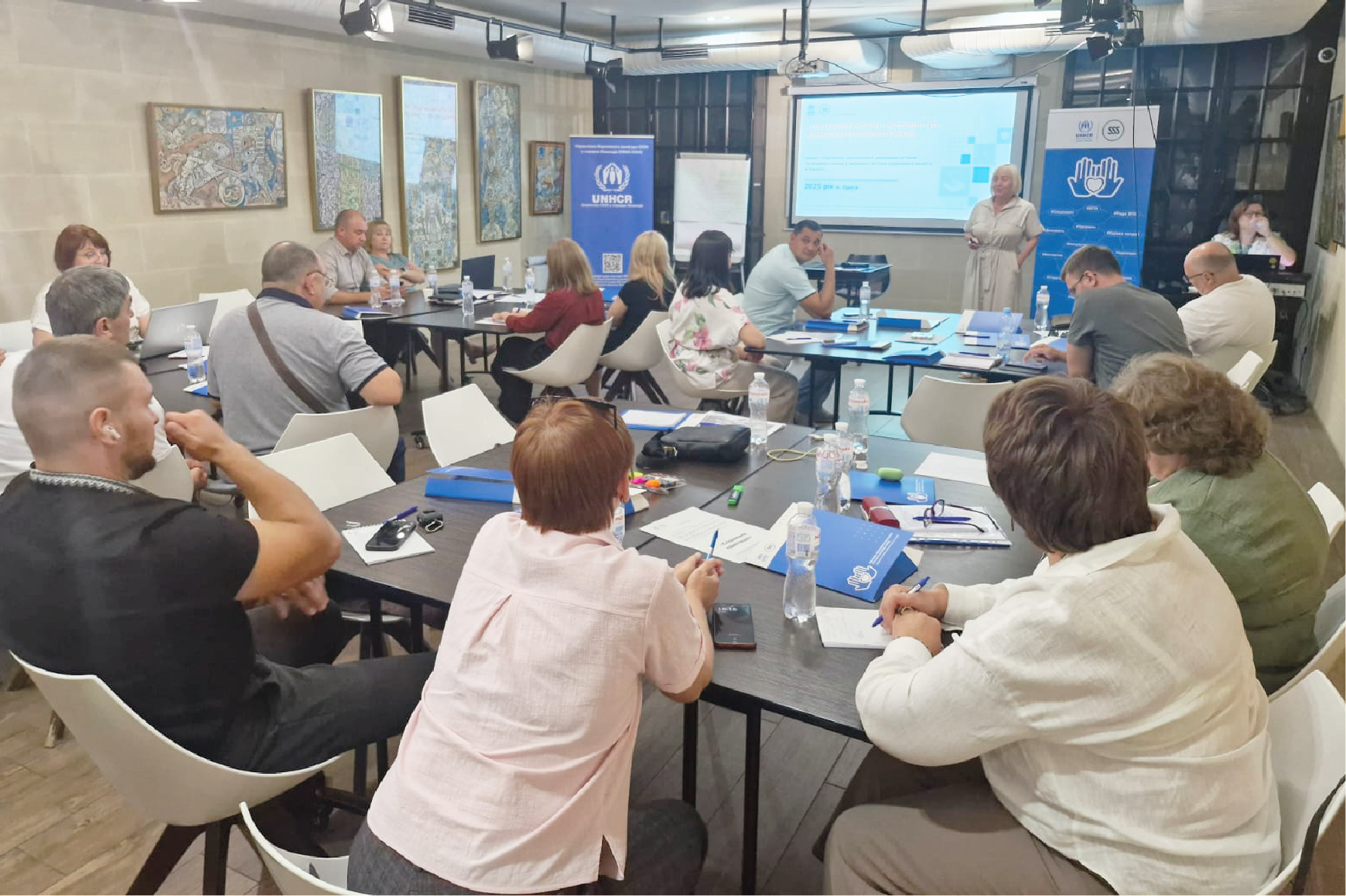
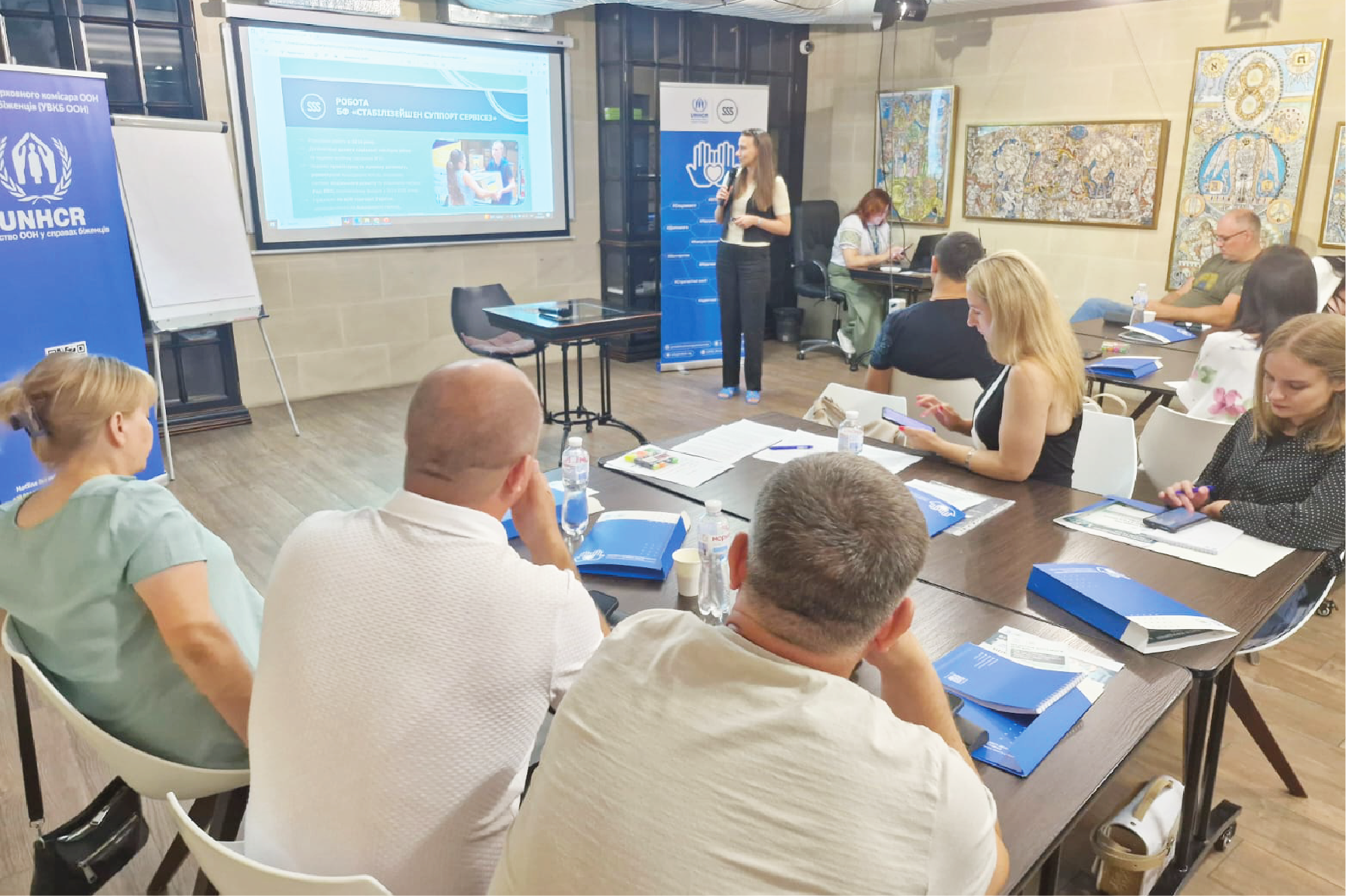
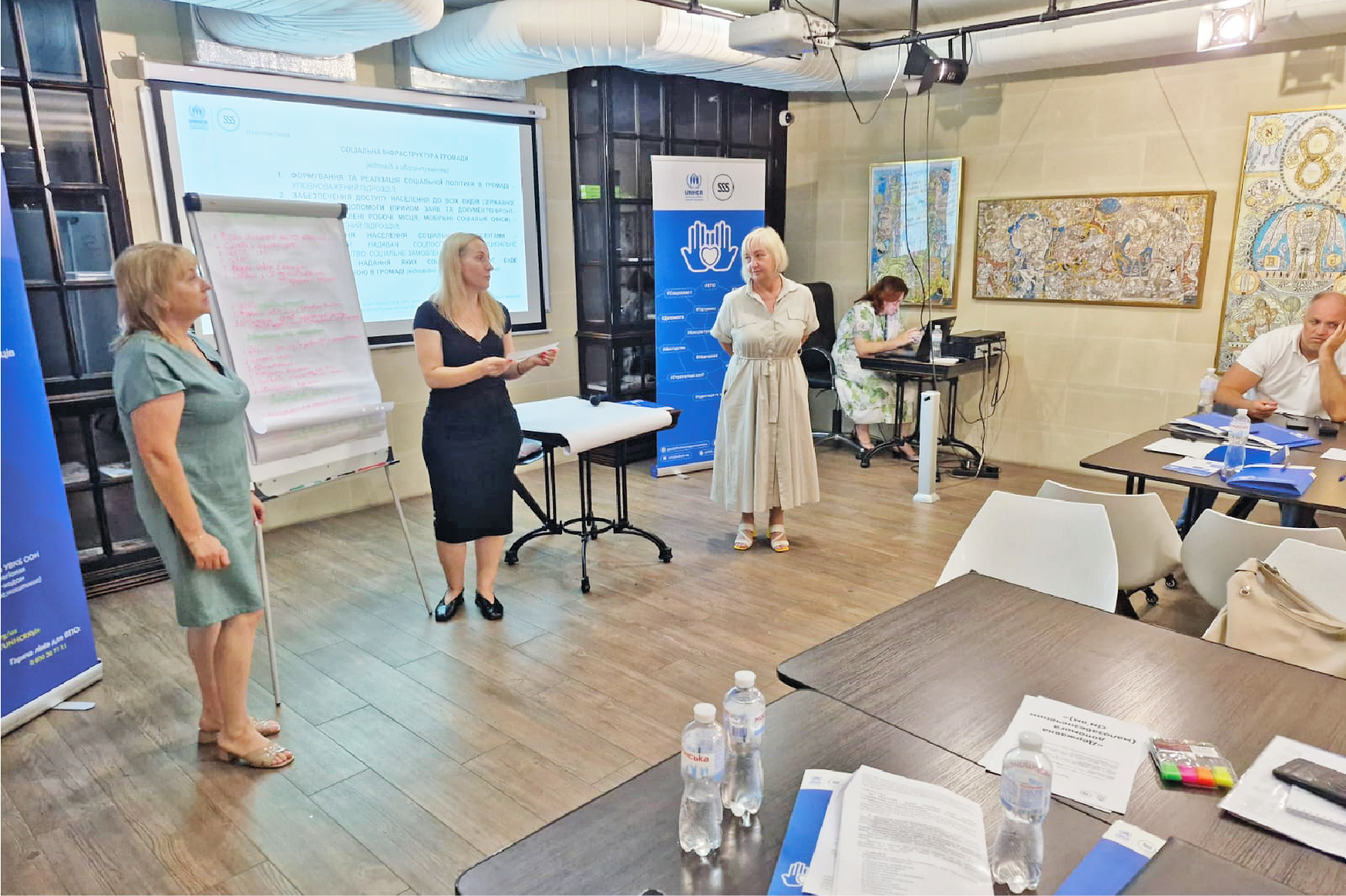
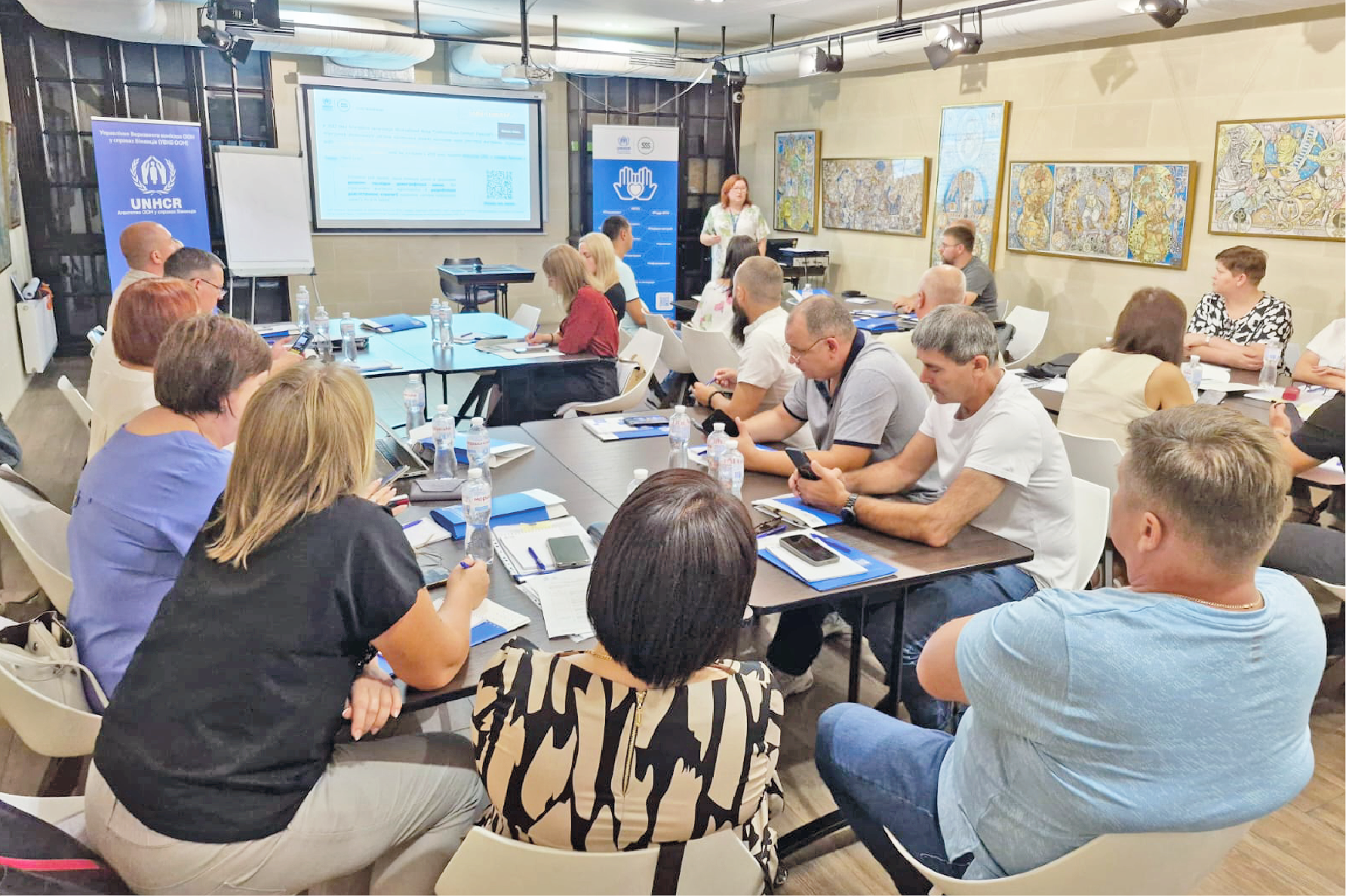
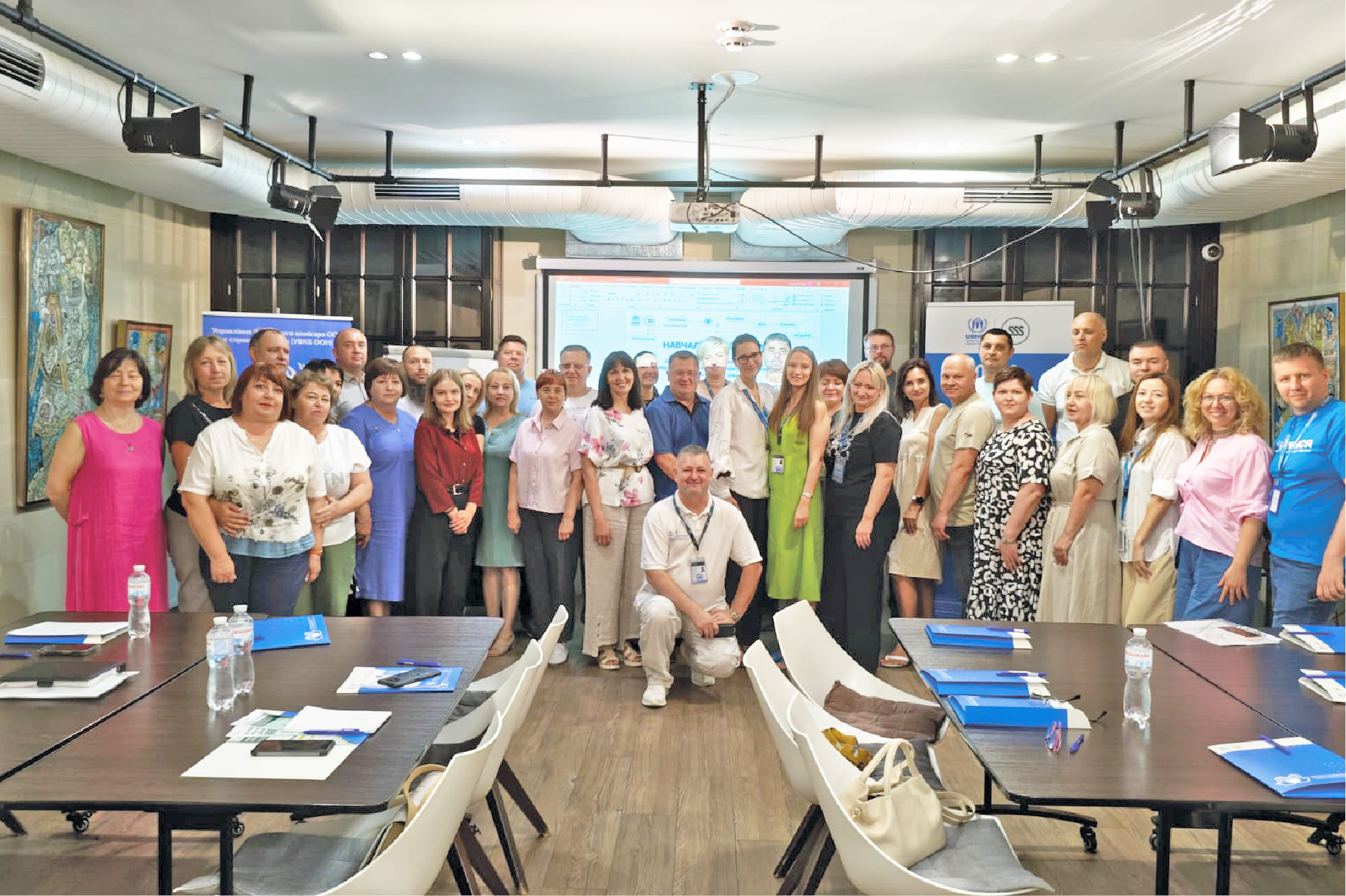
How can community life be made more comfortable under martial law? The answer to this complex question was sought at a seminar on developing the social protection system and providing social services at the local level, held on August 14–15 in Odesa.
The event was attended by the heads of village, town, and city military administrations and social protection institutions from 19 communities in Khersonska Oblast. Sandra Stroem. Community-Based Protection Adviser with the UNHCR office in Odesa also spoke at the seminar.
The main goal of the seminar was to provide knowledge and tools to help communities deliver social and administrative services more effectively, thereby improving the standard of living and social security for their residents.
The topics that the speakers covered included the following:
- How relevant legislation stabilizes community development.
- Who is responsible for providing social services to community residents.
- The accessibility of social services in Khersonska Oblast’s communities.
- The advantages of creating a Social Services Center.
- How a social passport helps manage community resources.
- How the civil society sector operates in the social protection sphere in Khersonska Oblast.
- What opportunities are available for support initiatives from UNHCR in Ukraine.
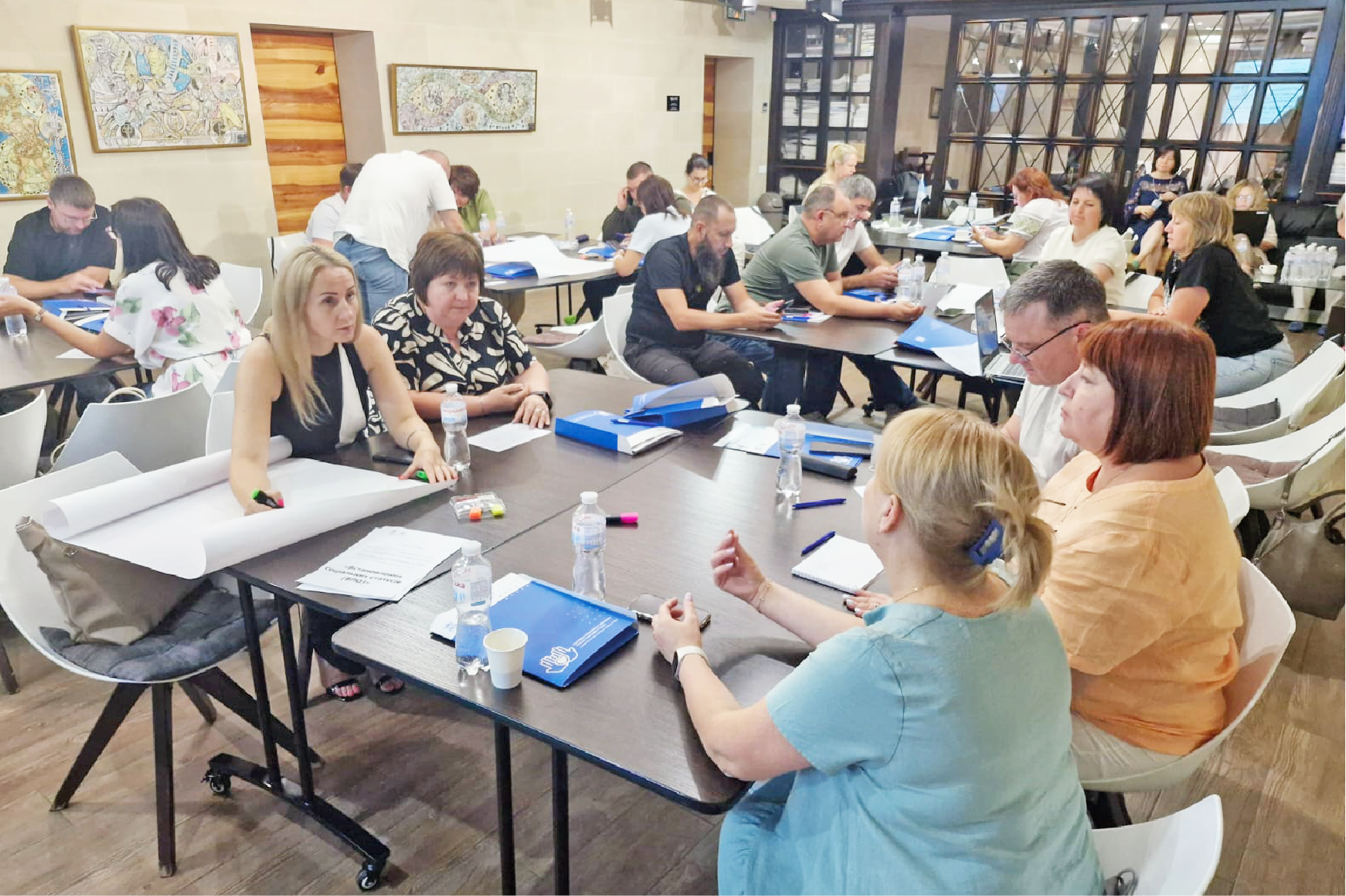
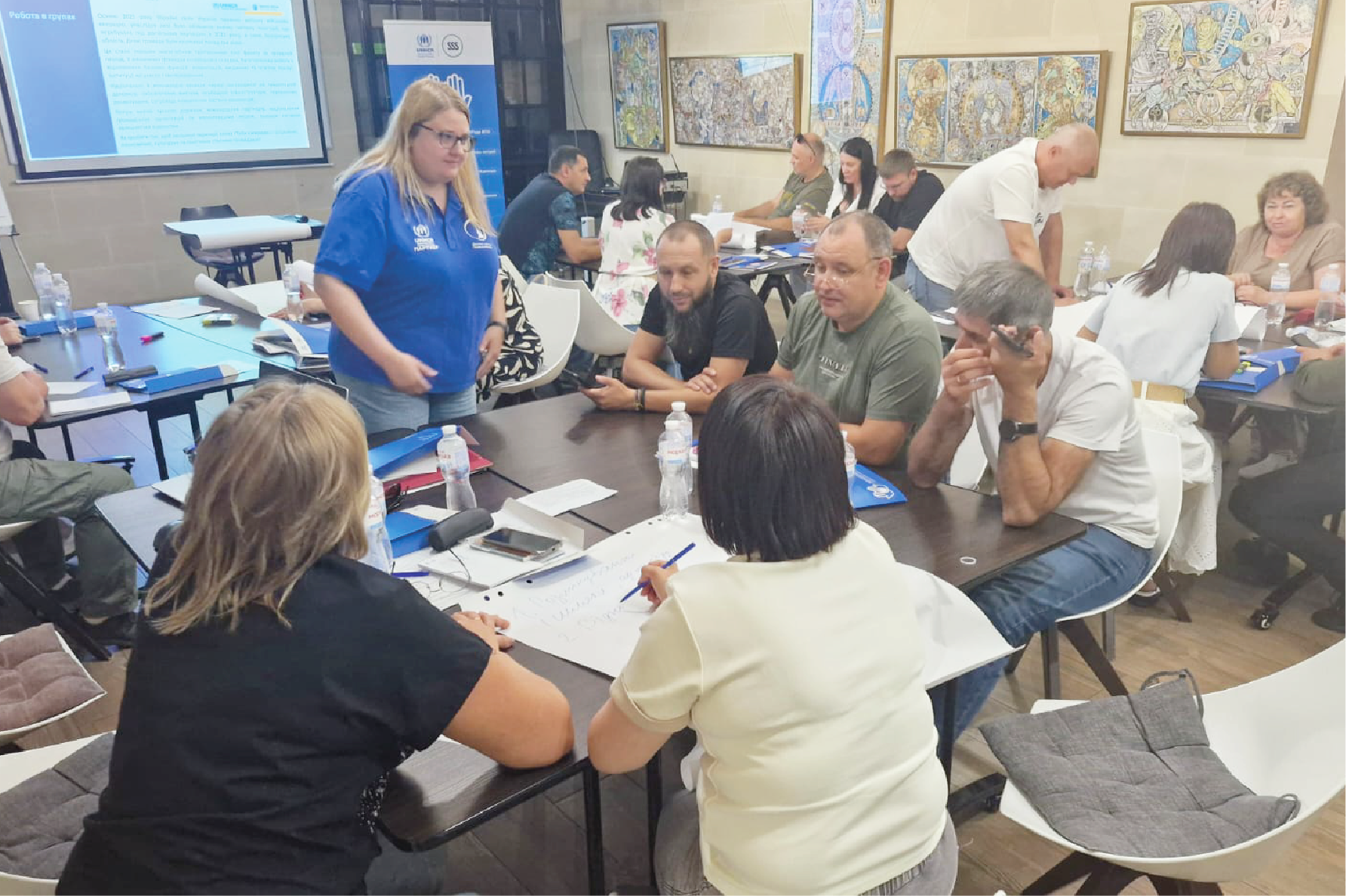
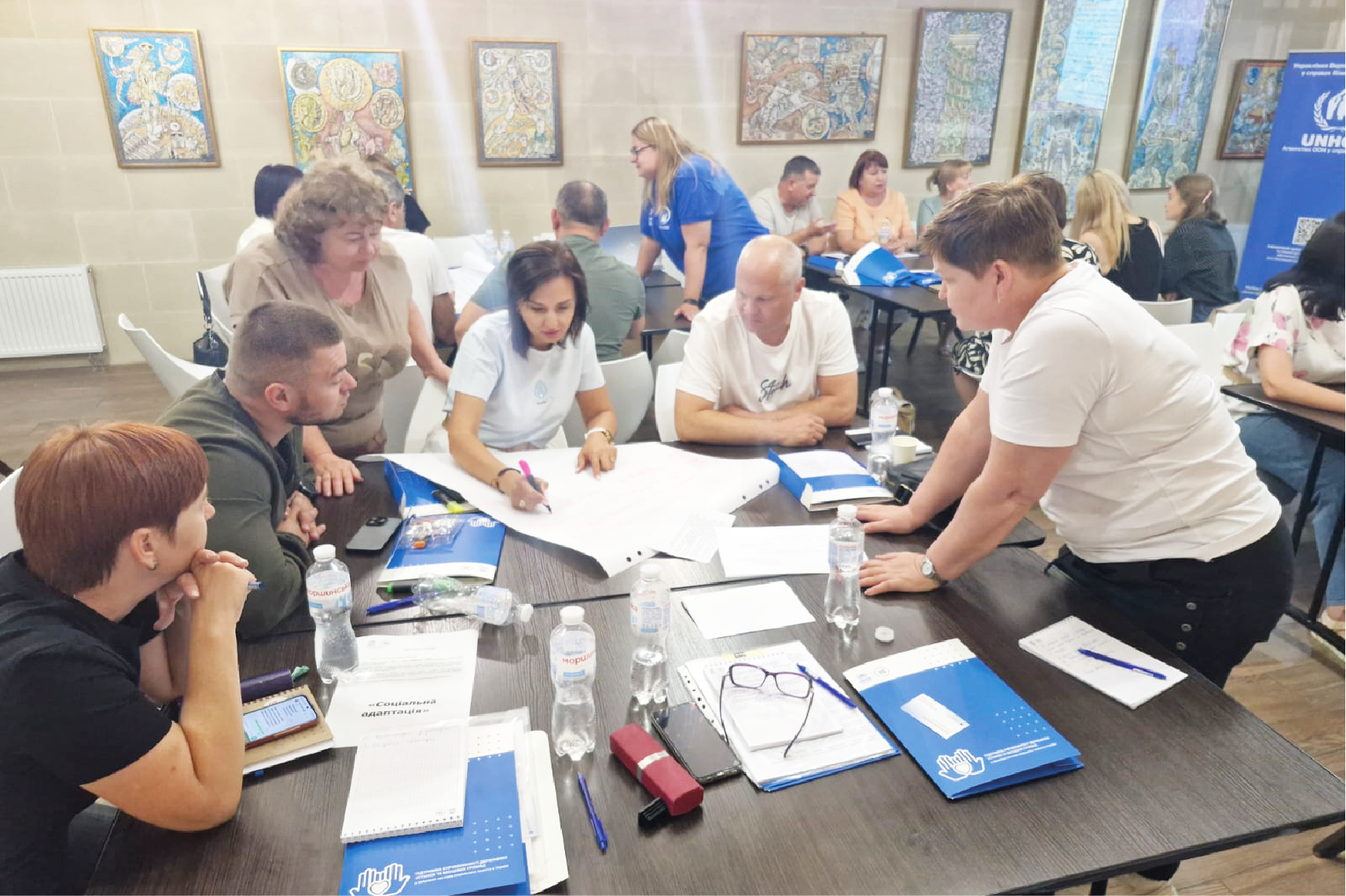
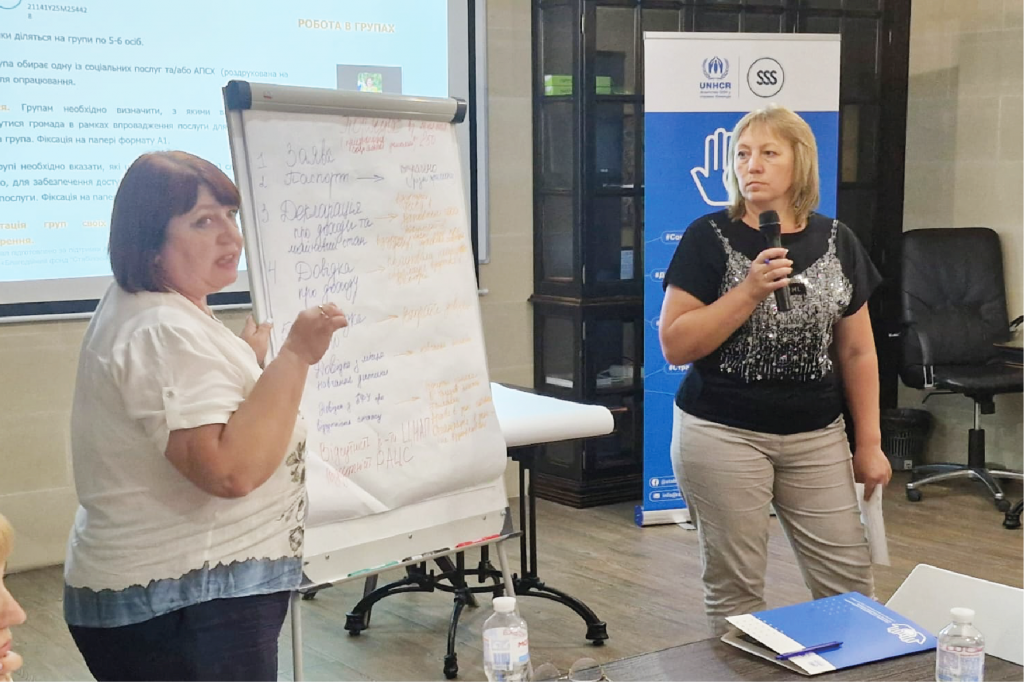
The participants also shared their experiences with community collaboration and successful case studies in building the social protection system. During practical sessions, they learned to plan and prioritize, manage time, formulate goals, and identify ways to achieve them.
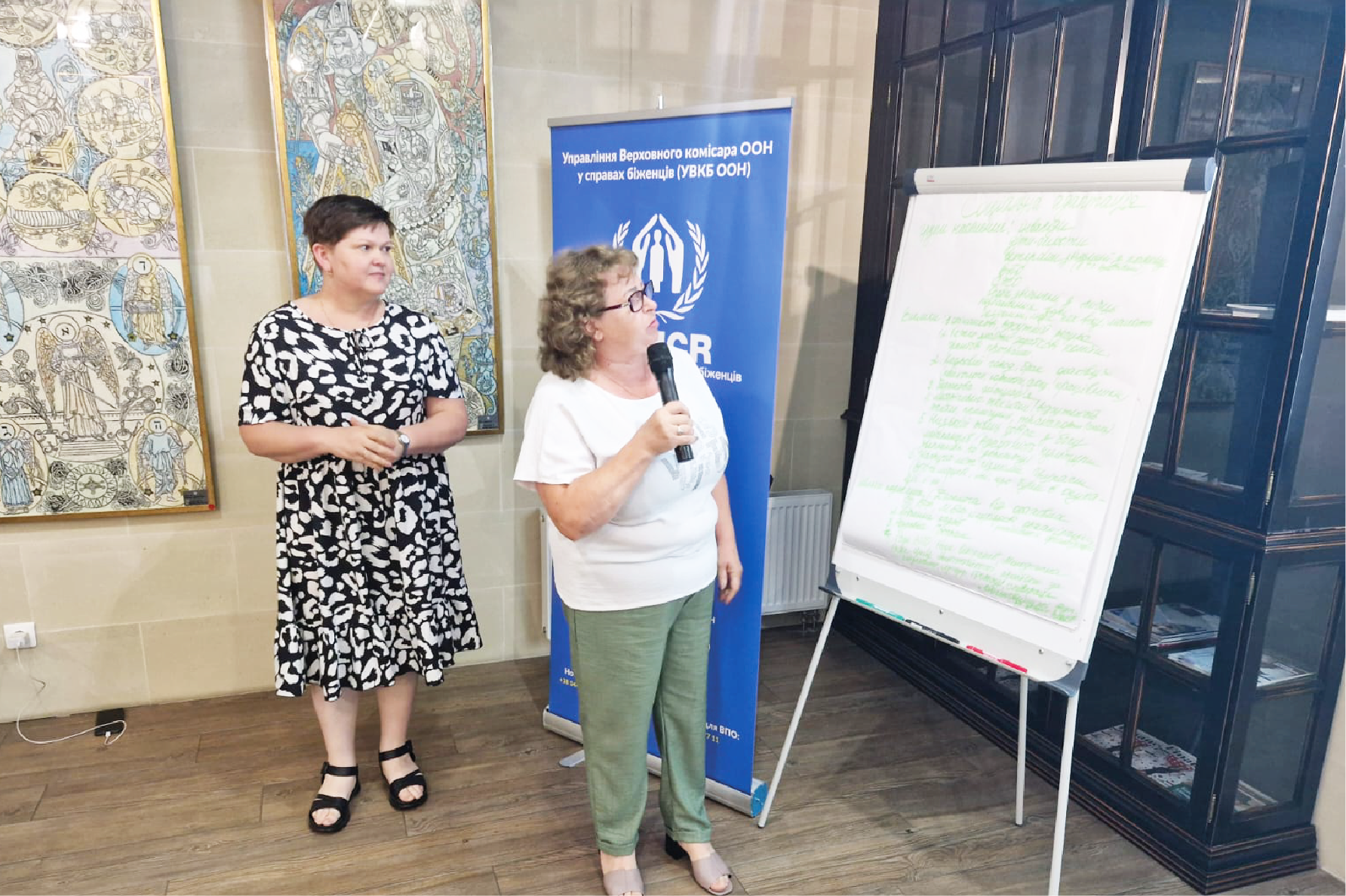
Oksana Tropina, the regional project coordinator and seminar moderator, said, “The group work provided time to analyze case studies. Each group presented proposals, and the others could comment on them. This format proved to be extremely helpful, as it allowed us to see commonalities, identify current problems, and formulate recommendations for our communities. At the same time, the challenges facing deoccupied and displaced communities were also taken into account.”
In summary, the participants identified a number of problems in the social protection sector (staff shortages, insufficient funding, service accessibility) and outlined key areas for growth:
- Expand the list of social services.
- Increase their accessibility and quality.
- Develop the network of social service providers, particularly by involving the civil society sector.
“The participants concluded that the responsibility for ensuring residents have accessible and convenient services lies with the communities. They are responsible for creating the proper conditions for a comfortable life, which should, in turn, increase residents’ trust in the authorities,” added Oksana Tropina.
This is the third seminar we have organized for community heads this year. We will continue to help improve the social protection system in our target communities. These initiatives are implemented through the Support to the Capacity of Government Institutions and Local Communities To Strengthen Social Protection Systems in Ukraine project, with the support of UNHCR, the UN Refugee Agency in Ukraine.