
We continue to introduce you to the key principles of our Foundation’s work. Last time, we wrote about the first principle — enhancing safety, dignity, and the protection of the rights of those we assist. This time, we will discuss another fundamental principle: ensuring people have access to impartial aid based on their needs and without discrimination.
The most important aspect here is providing people with the specific type of humanitarian assistance they require. Aid should be delivered impartially, taking needs into account and removing possible barriers.
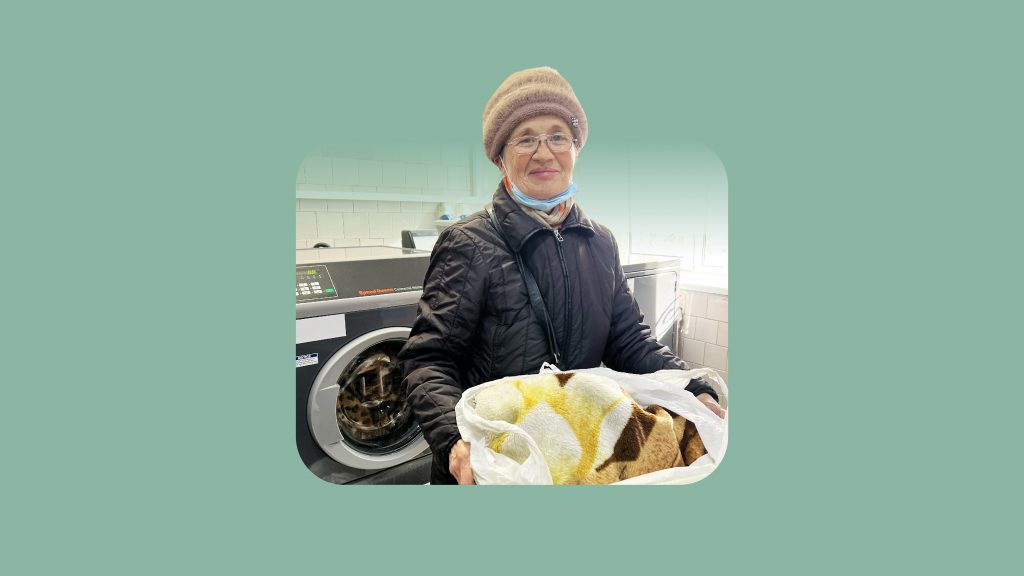
“As part of the Improving Hygiene Access in Shelling-Affected Areas in Sumska and Chernihivska Oblasts by Installing Social Laundries project, we ensure access to social laundry services for all who need them, regardless of gender, age, ethnicity, religion, or social status. Priority is given to people in difficult life circumstances. We adhere to the principle of non-discrimination and do everything possible to ensure that each person receives support with dignity and respect,” says project manager Khrystyna Oliinyk. “Aid must be accessible to everyone, especially to residents of the most unstable and vulnerable areas, such as Sumska and Chernihivska oblasts.”
The Foundation’s team believes that humanitarian support is not a privilege but a fundamental human right. Access to it must be fair and unhindered, taking real needs into account.
The Improving Hygiene Access in Shelling-Affected Areas in Sumska and Chernihivska Oblasts by Installing Social Laundries project is financed within the framework of the Localization project by the Polish Humanitarian Action (PAH).