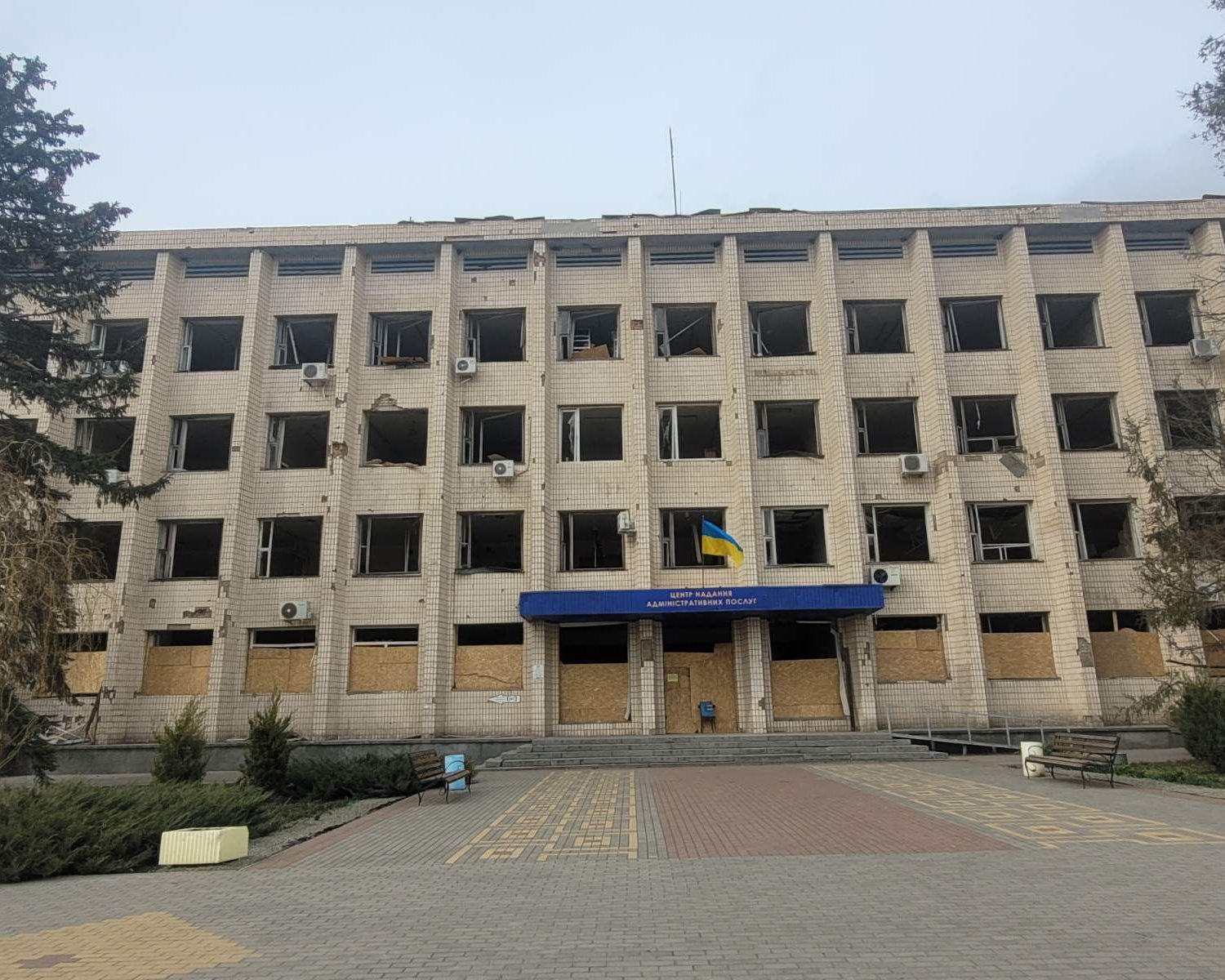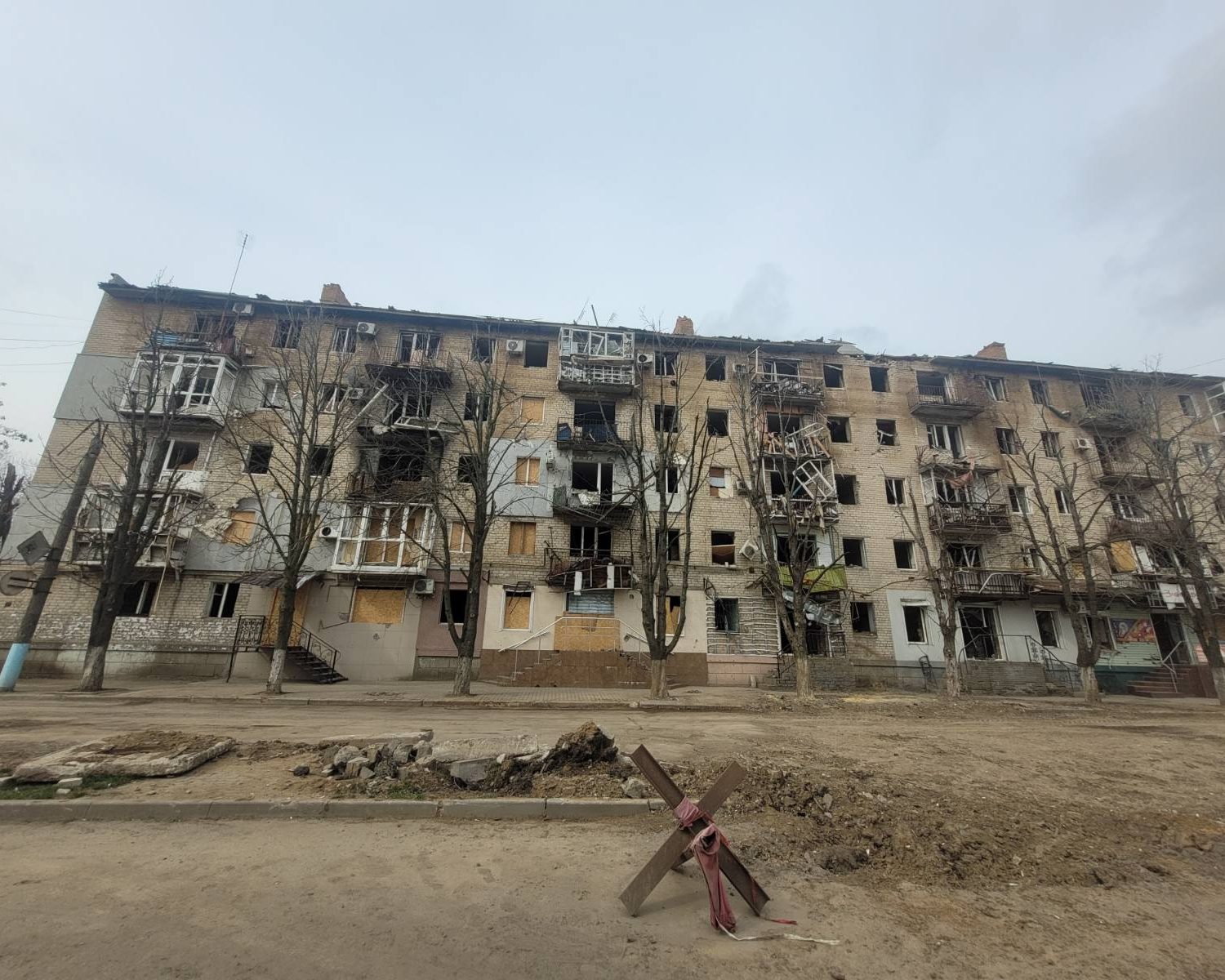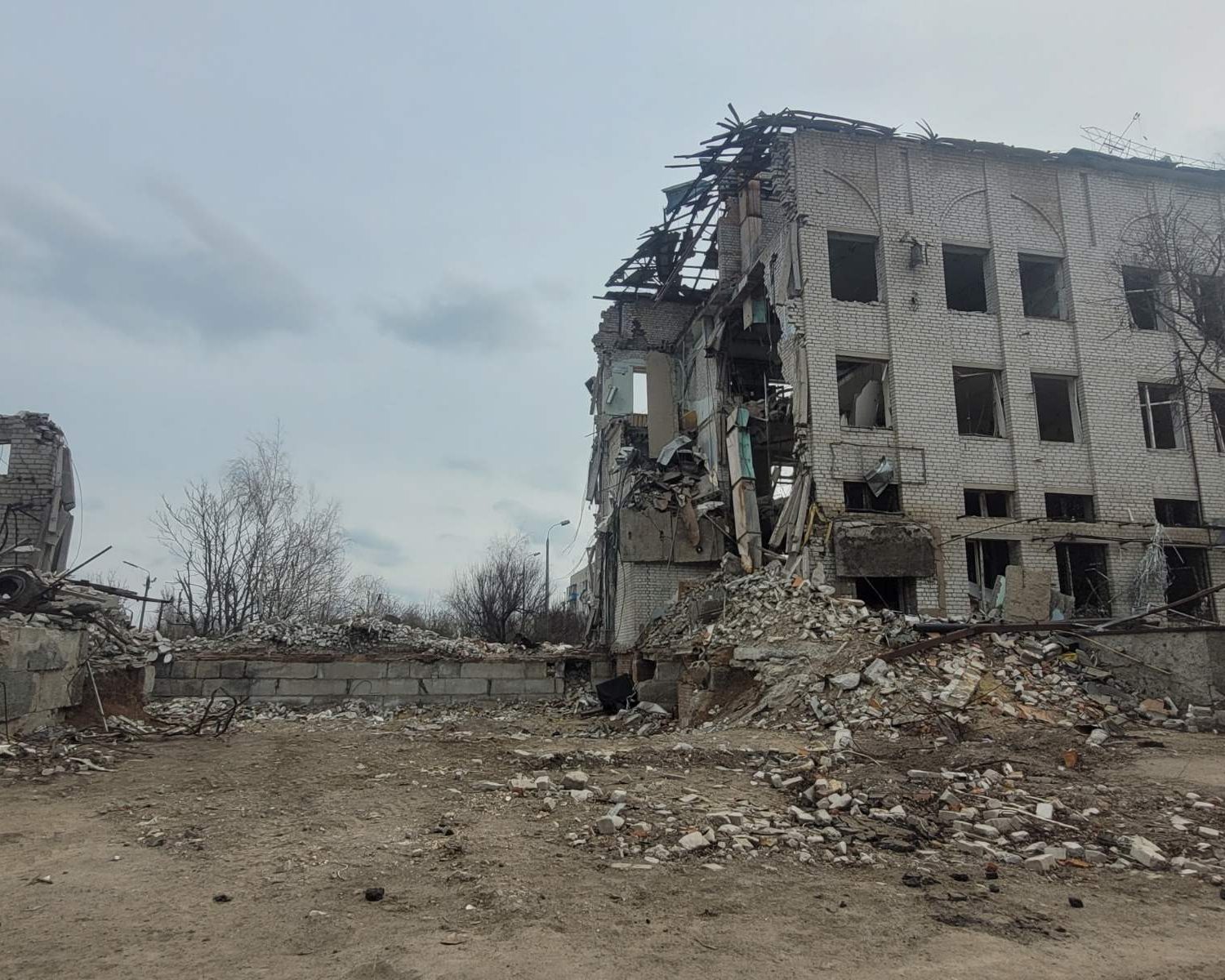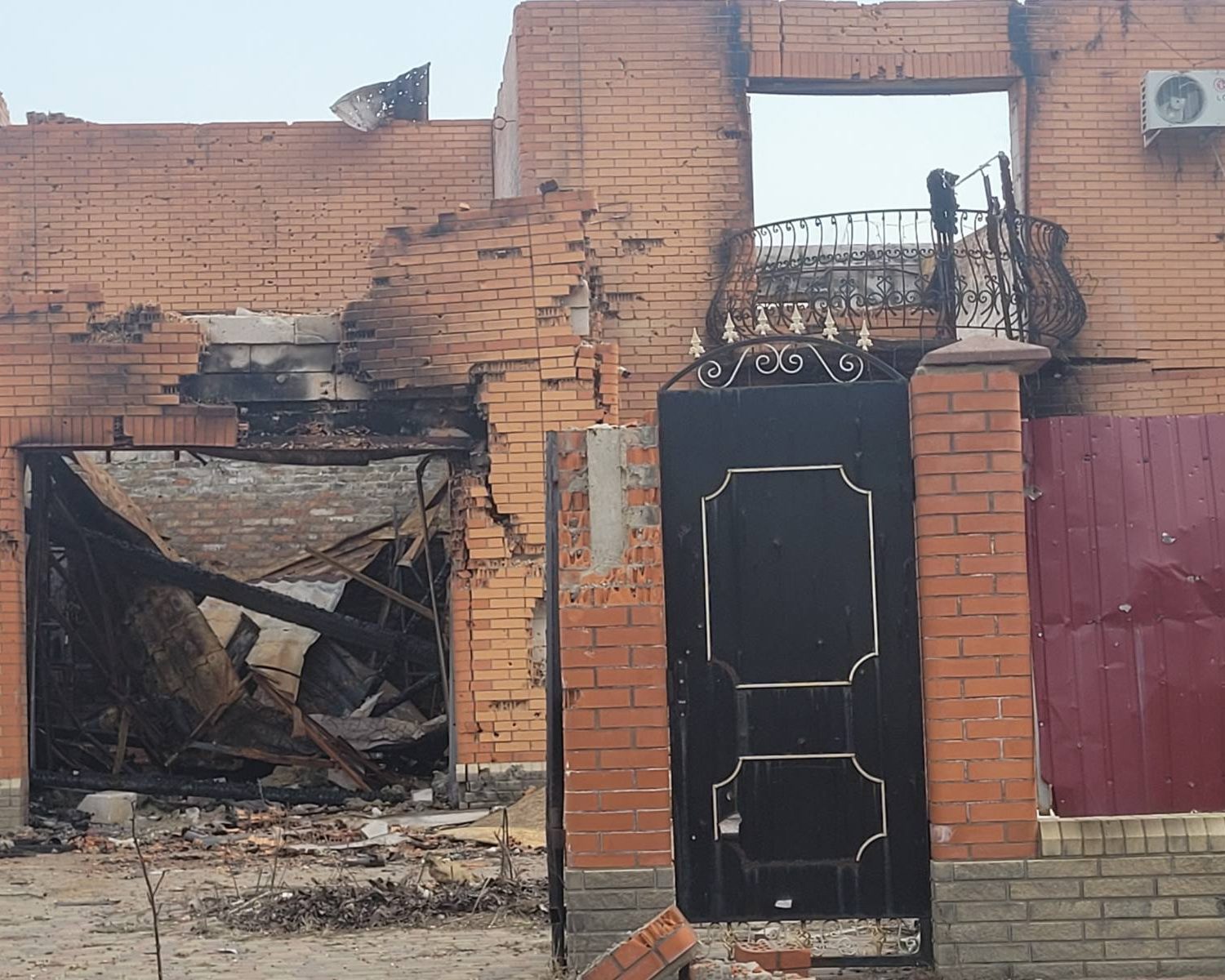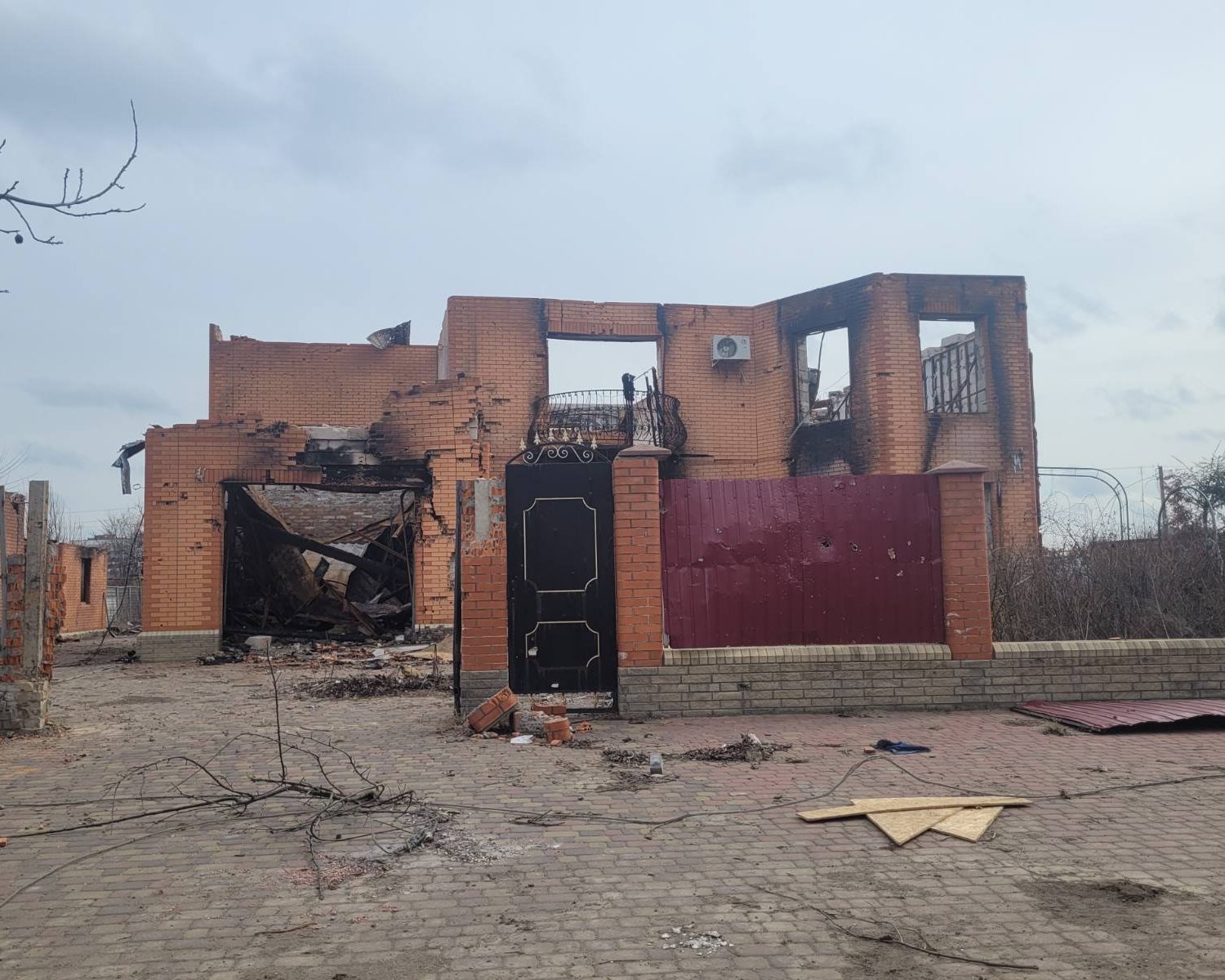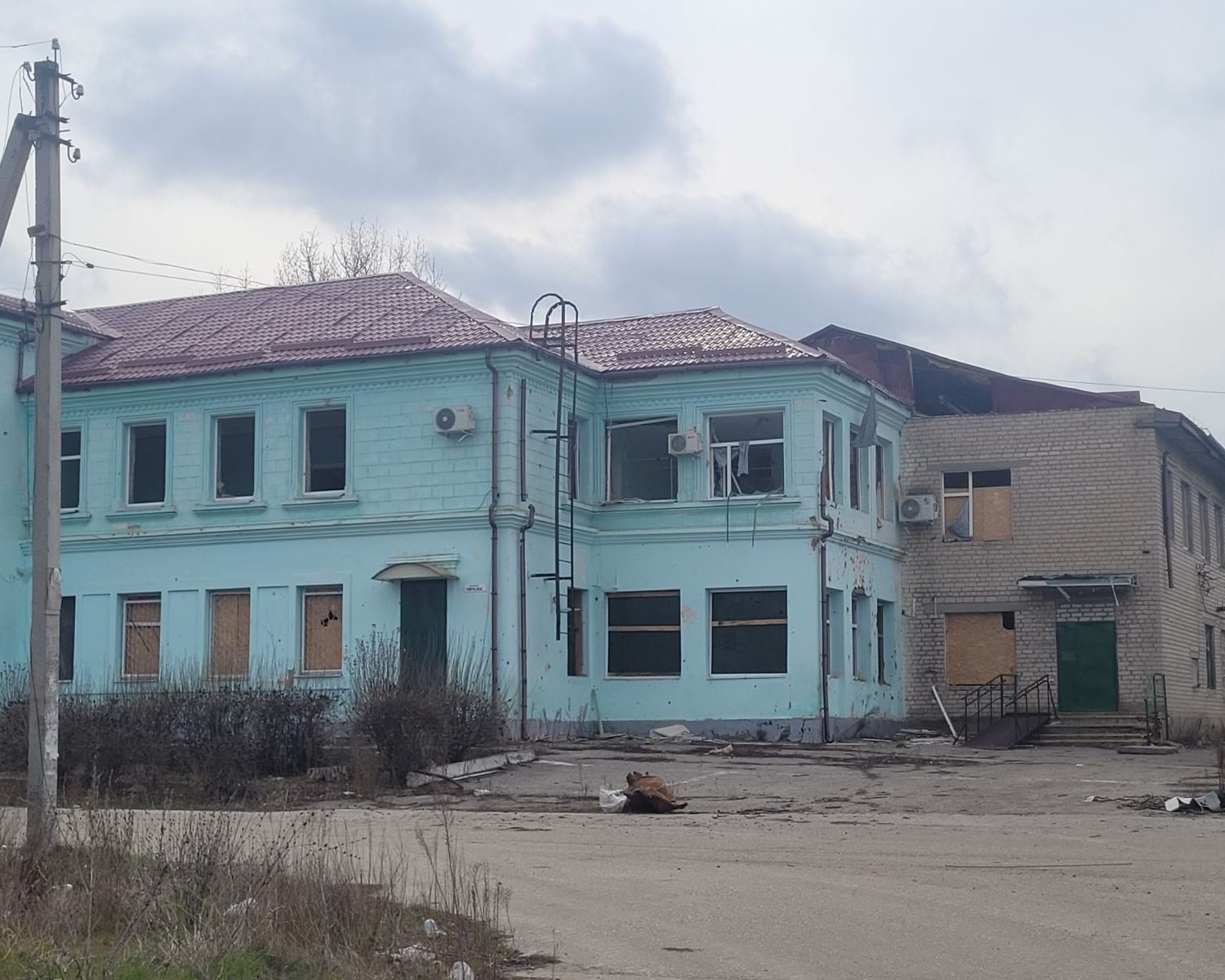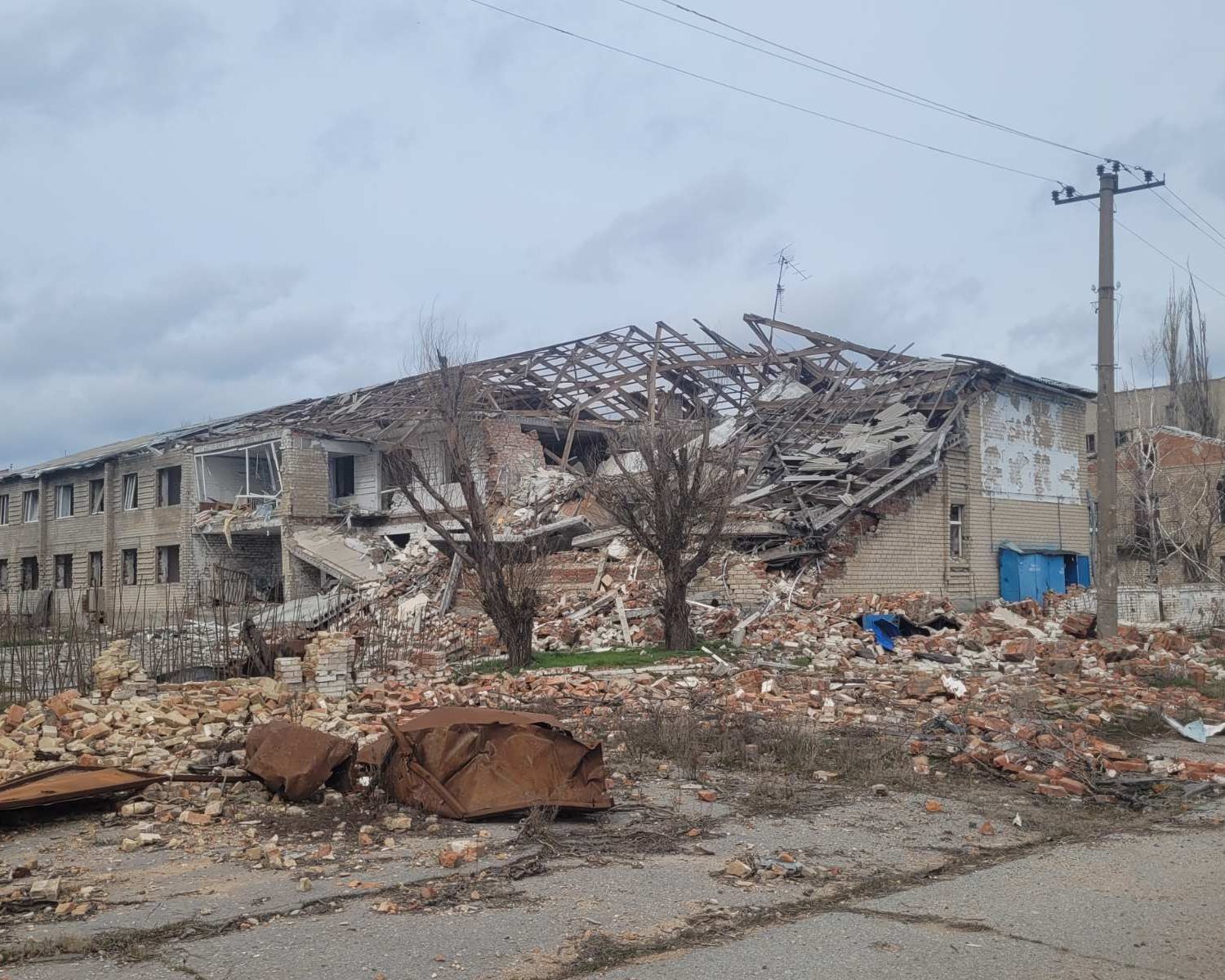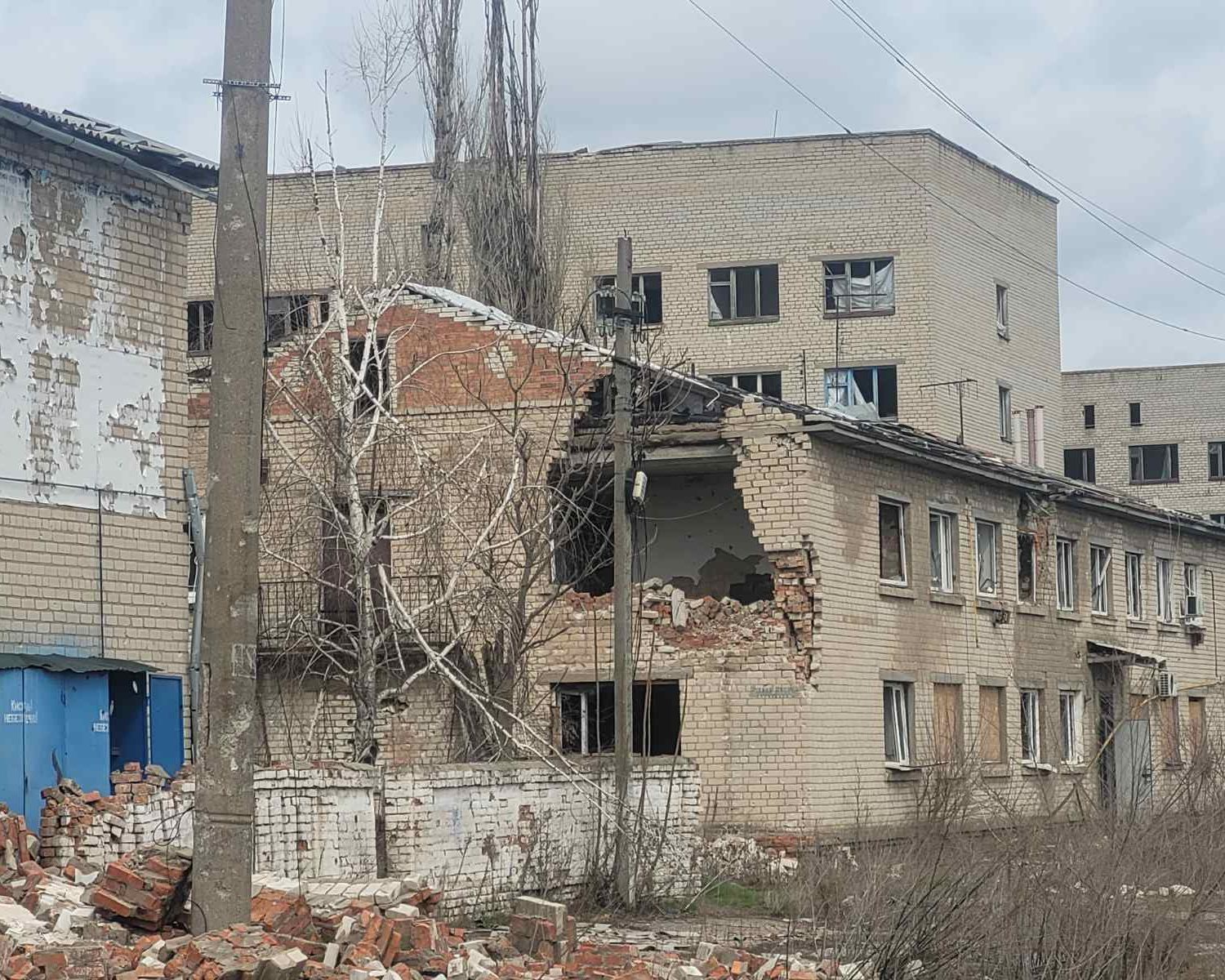
The Orikhivska community in Zaporizka Oblast is on the front line. It is subject to daily shelling. Three of the six villages in the community are under occupation — Kopani, Nesterianka, and Myrne, while Novodanylivka and Novoandriivka effectively border the occupied territories. Despite all this, almost 2,000 people remain living in the community. Utility workers here do their job: they collect garbage and repair the damage caused by explosions. Doctors provide professional assistance. The community leadership is looking for opportunities to help each and every one…
Anna Andriyeshyna, First Deputy Head of Orikhiv City Military Administration, told us about the present life of the community, the help the residents need, and the cooperation with the Charity Foundation “Stabilization Support Services”.
- Ms. Anna, please tell us what life is like in the Orikhivska community now. What are the most urgent needs you can identify, what kind of help do people need?
Before the full-scale invasion, the Orikhivska community was home to about nineteen thousand people, and the city had more than fourteen thousand residents. Now, only 1,165 residents remain in the city, and 1,370 in the community. However, despite the fact that the community is located practically in the combat zone and suffers from daily shelling, people are gradually coming back. Even though it is very dangerous. Thanks to volunteers and cooperation with charitable foundations, including Stabilization Support Services, we are holding on: there are enough food and hygiene products. I think that people have no problems in this regard because we receive food and non-food kits twice a month. What people need most today is to get power back on and to restore bomb shelters where they can feel completely safe.
- You mentioned cooperation with the CF SSS. Could you elaborate?
Yes, the Foundation provided us with equipment to repair the water supply. This assistance was vital. When the central pipe was damaged by shelling in our community, we were unable to repair it ourselves. Thanks to the timely assistance of the Stabilization Support Services, we were able to repair it very quickly.
- How did the community survive this year’s winter? What were the difficulties?
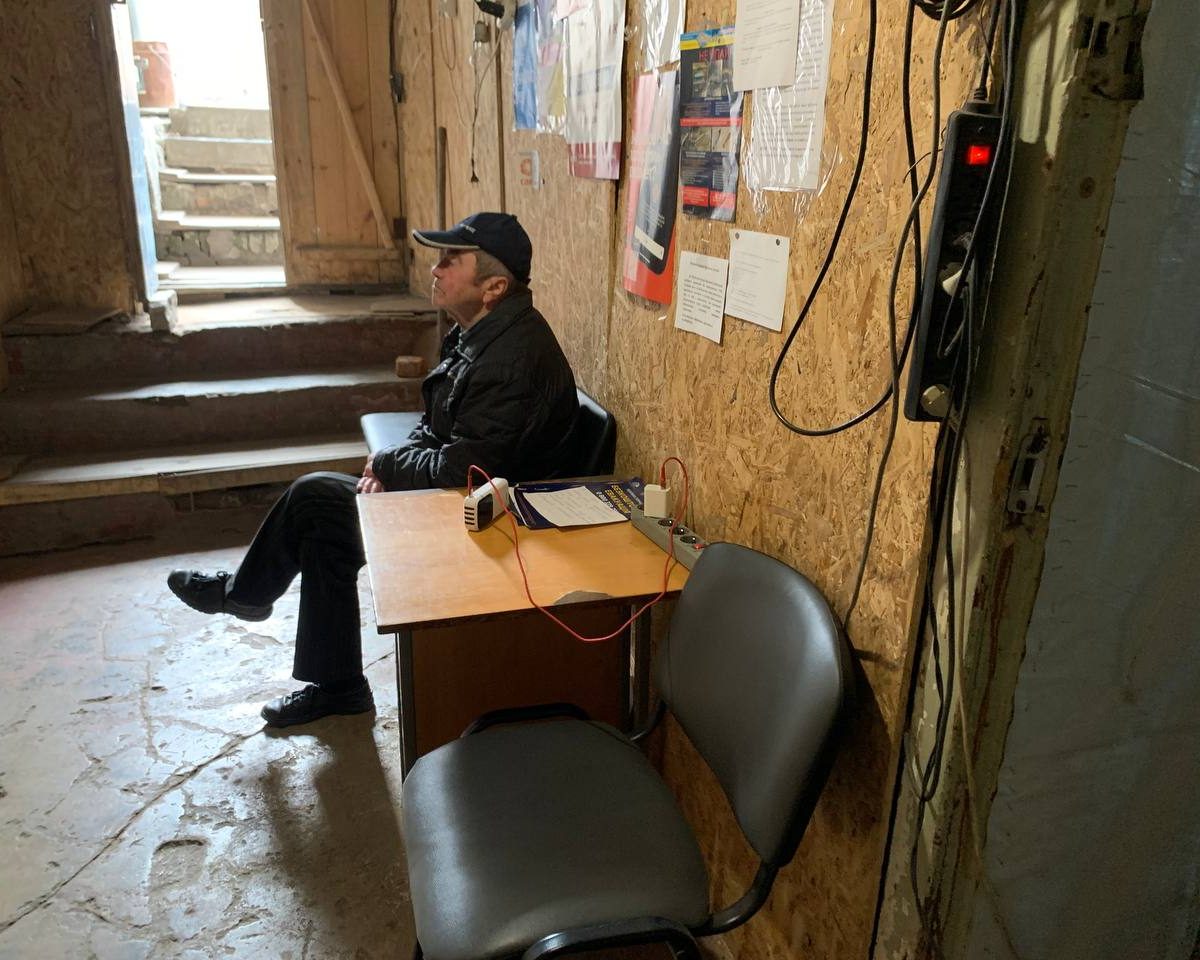
In our community, the blackout began in 2022, and only 10% of buildings are currently supplied with electricity. There is also no centralized gas and water supply in the town. CARE helped us a lot this winter. This organization provided coal to provide heat to the community. Each household received fuel pellets for heating and cooking. There are also 8 invincibility points in the community where people can charge their phones, warm up, and drink tea.
The biggest problem for our community in winter is the lack of appropriate municipal equipment to address the effects of armed aggression. And now, by the way, this is a pressing problem.
- The CF SSS team is currently implementing the Provision of Lifesaving Winterization, NFI, and Shelter Support to Conflict Affected Populations in Ukraine project, which aims to help communities in Zaporizka and Khersonska oblasts restore buildings damaged by the war. How many of those are there in your community?
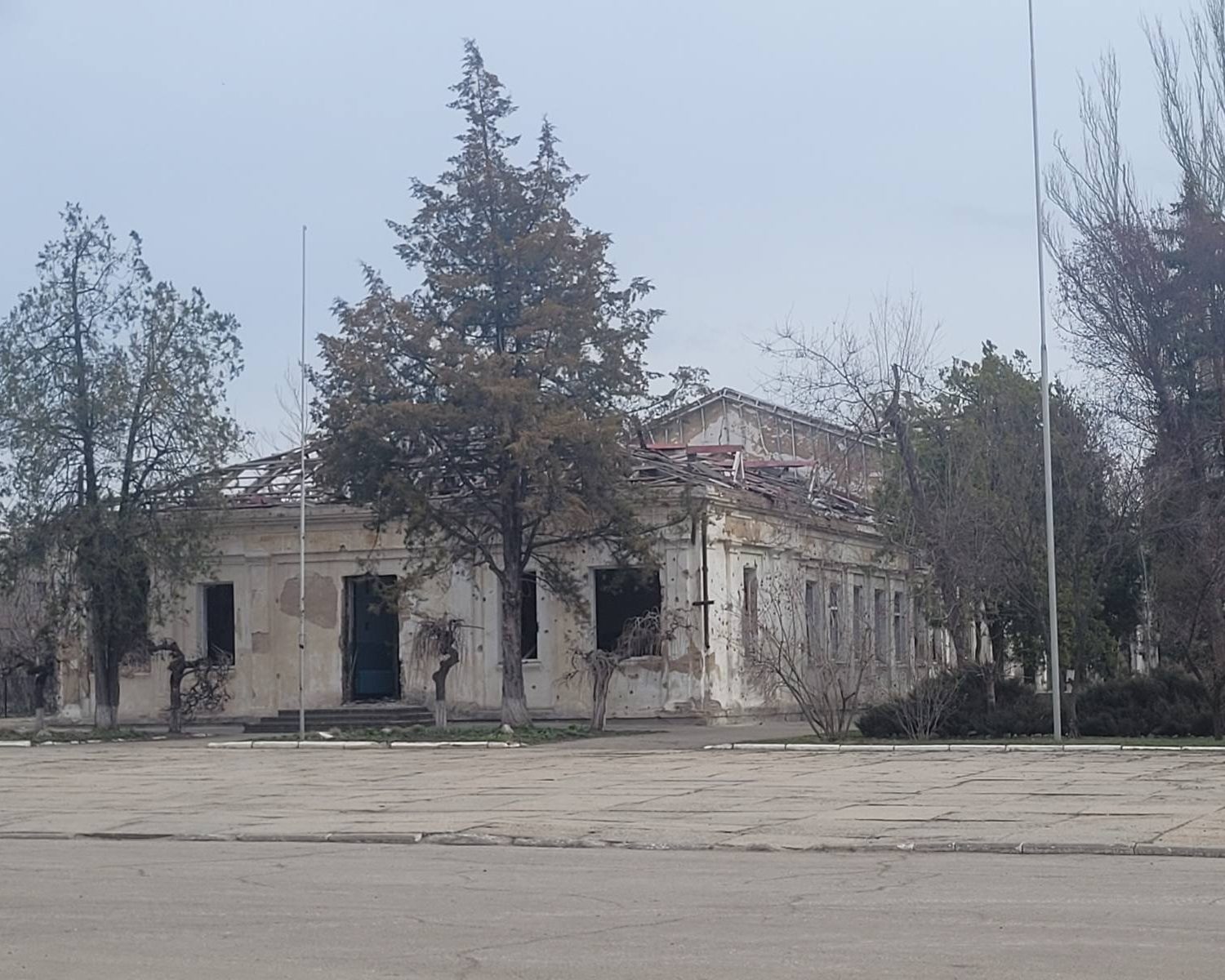
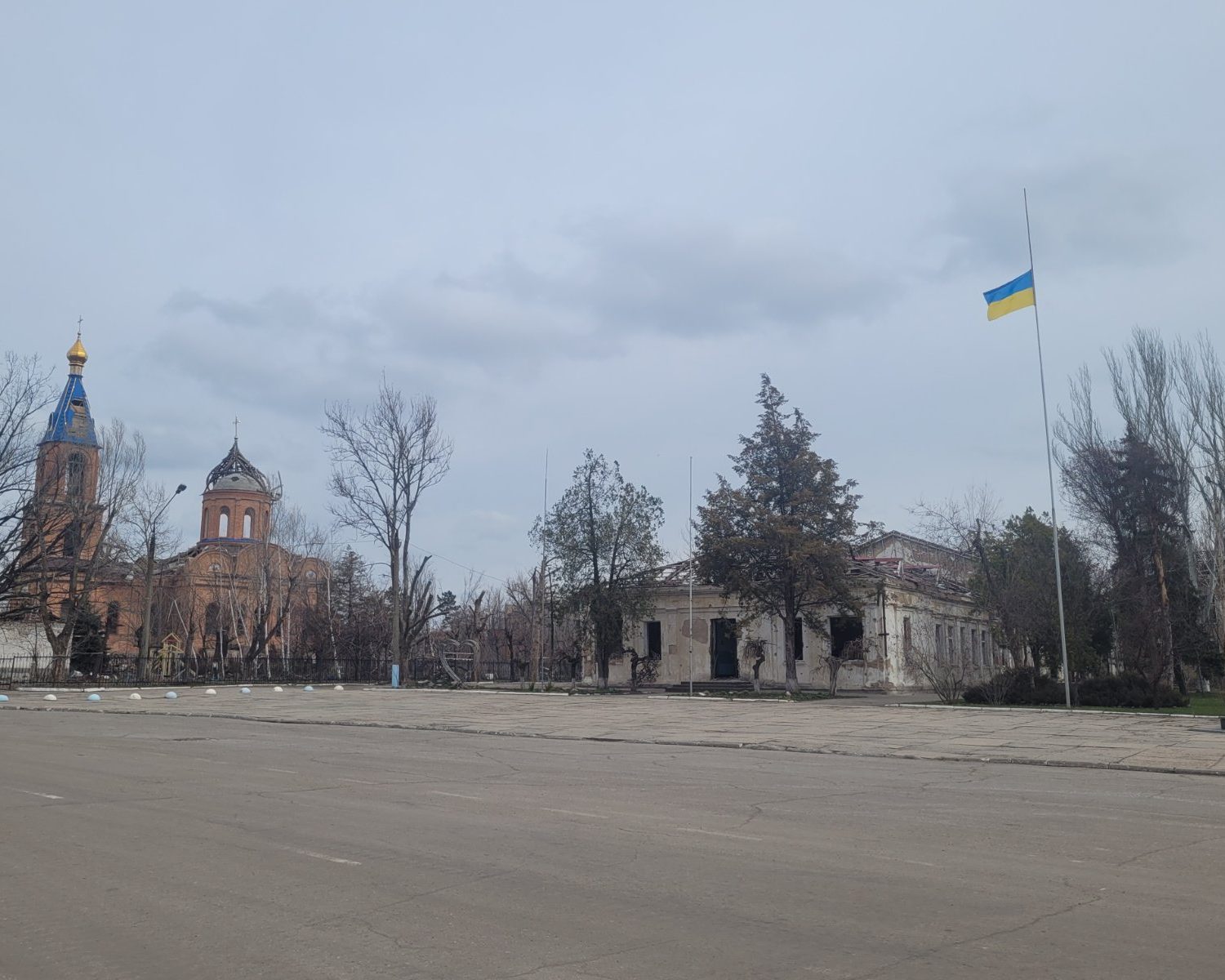
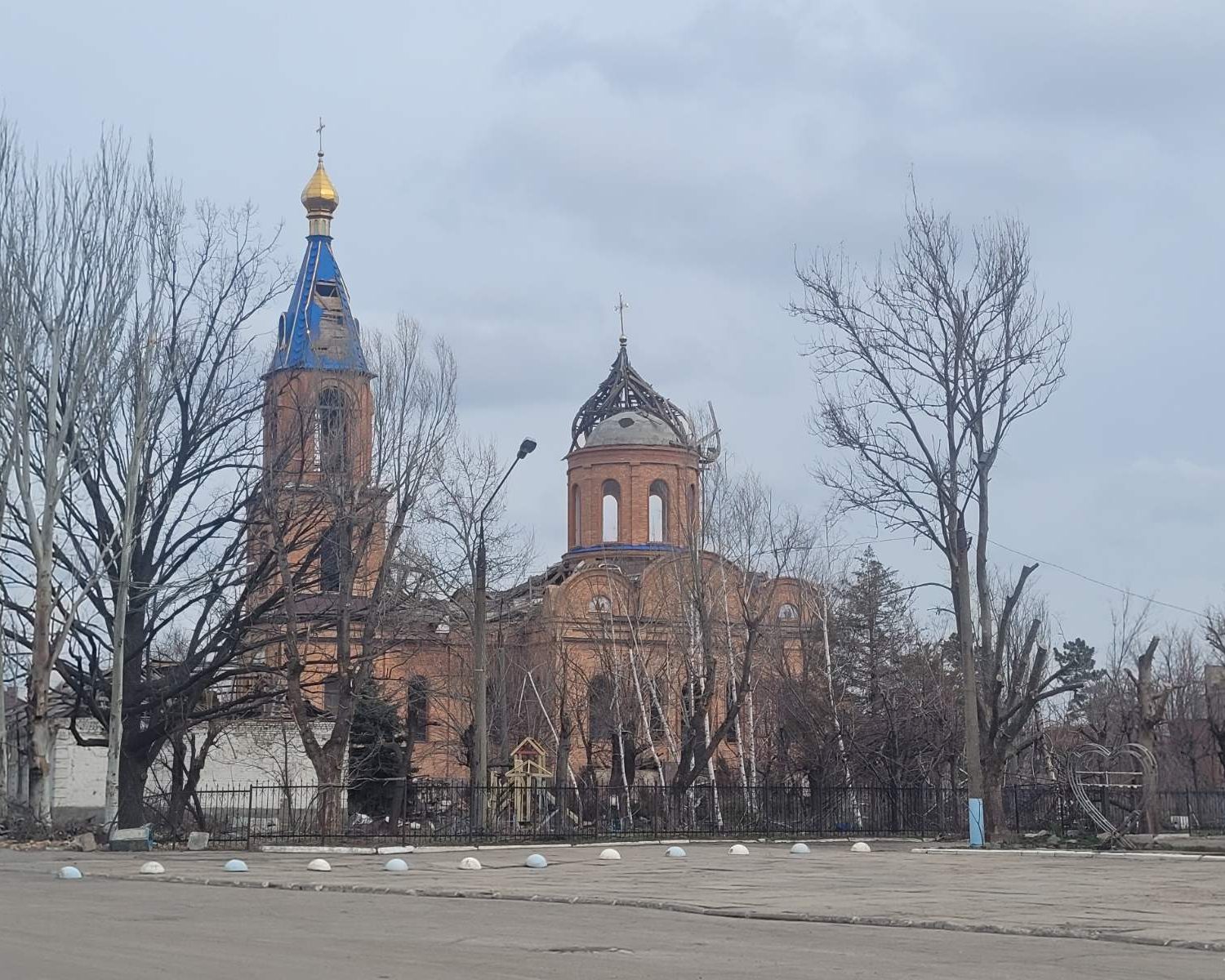
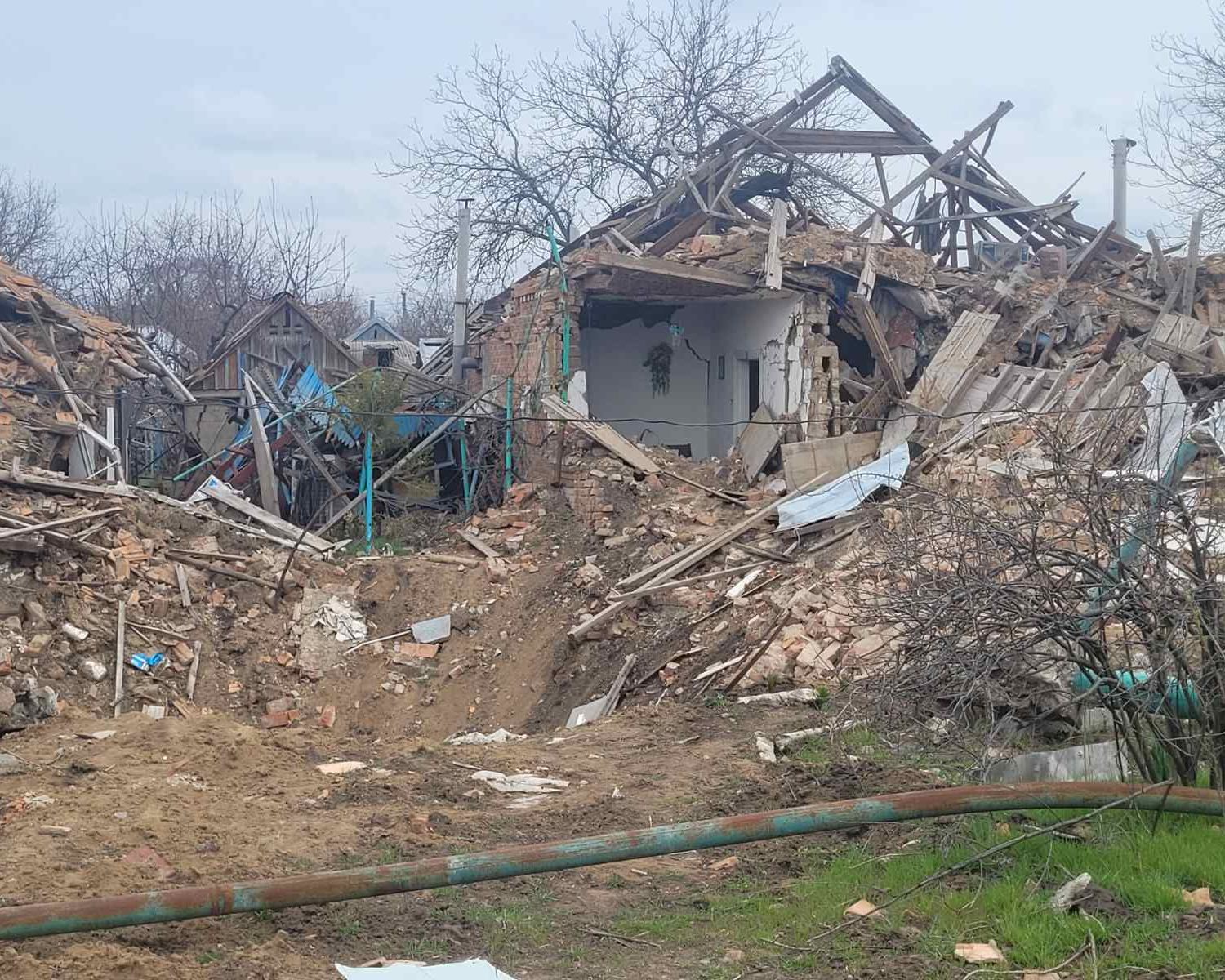
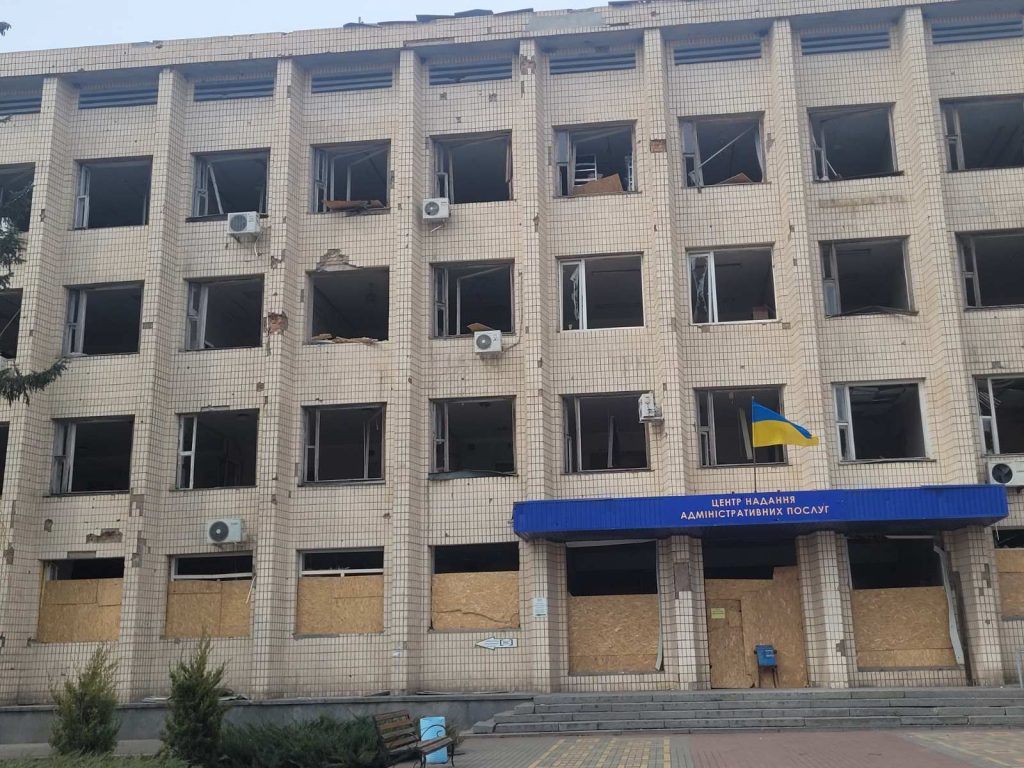
We have some houses that survived. There are also those that were burned to the ground. There are many buildings with broken windows and smashed roofs. There is a lot of destruction. Unfortunately, 95% of infrastructure facilities in our community have been destroyed or completely obliterated. Our hospitals are heavily damaged, but the city has what we call a “medical office” where residents can get professional care. All critical infrastructure is currently running on generators.
Since the shelling hardly ceases, it would be great if donors could help us repair the bomb shelter. It is quite large and located in the city center, meets all standards, but needs some reconstruction. If we managed to implement this, a large number of people could not only hide there but even live there. Many local residents still live in houses without basements.
- As a community leader, is it important for you to have a comprehensive approach to donor assistance?
We are, of course, very grateful for any help because we would not be able to cope with the challenges we face every day on our own. However, it is undoubtedly very important for charitable foundations and civil society organizations to have a strategy and a vision of how to work with communities, achieve goals, and help as many people as possible.
If donors’ support is continuous and comprehensive, we hope that we will be able to restore both civilian and critical infrastructure, as well as residential buildings. We are hopeful that together, we will gradually restore everything that was destroyed.
The project is being implemented in the settlements of the Khersonska and Zaporizka oblasts. Charity Foundation “Stabilization Support Services” is implementing this project in cooperation with the international humanitarian organization CARE with the support of NACHBAR IN NOT.