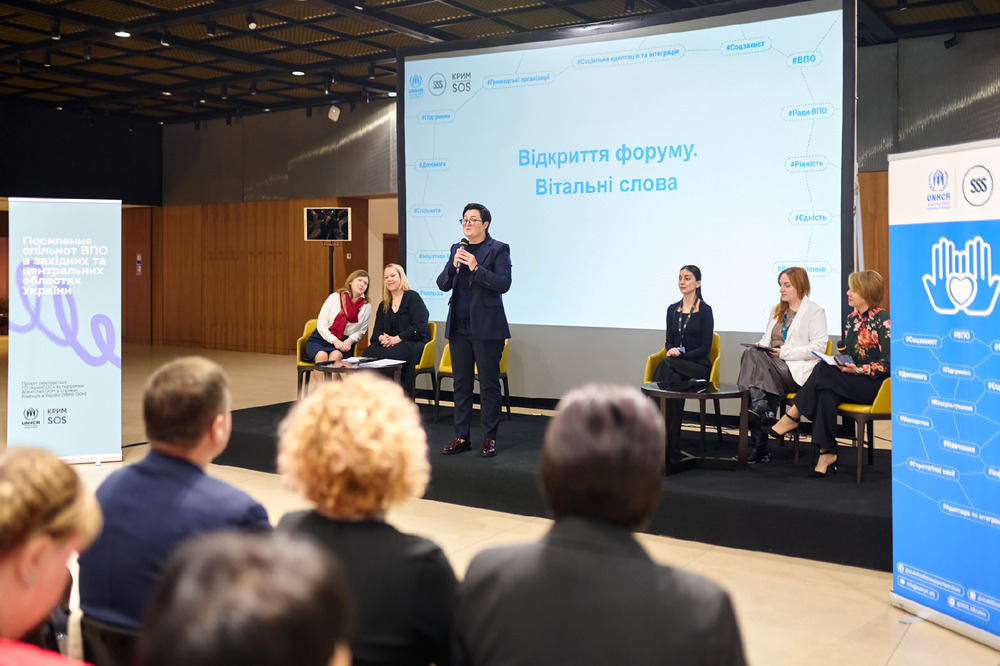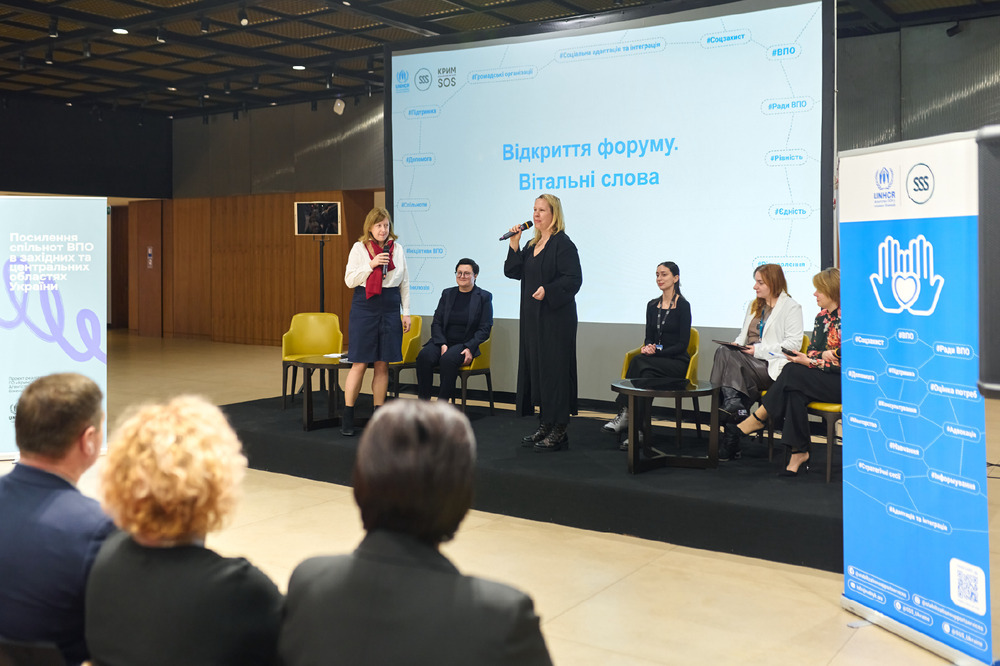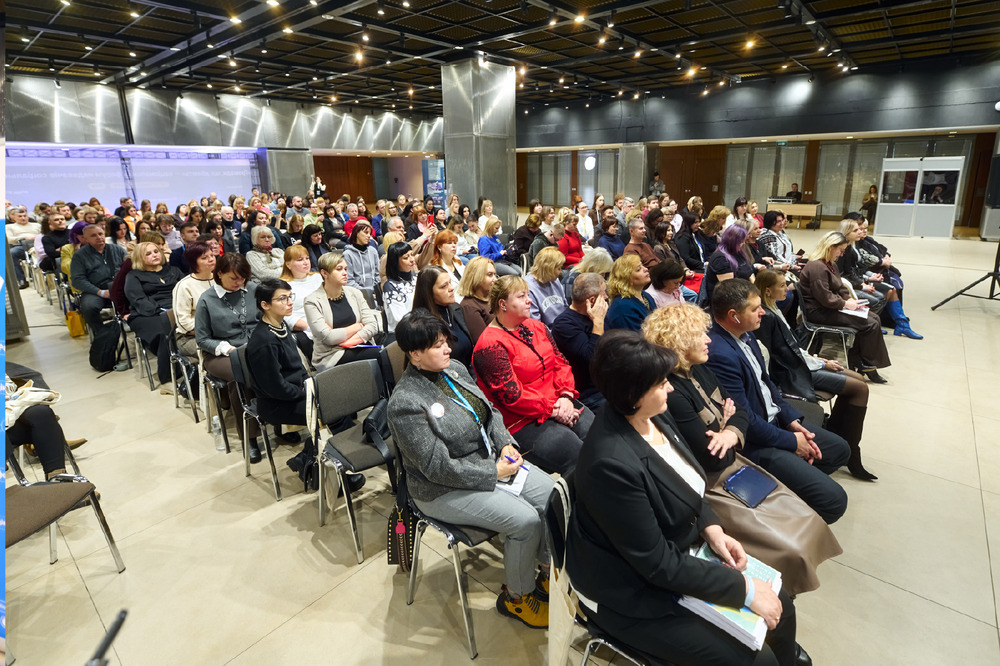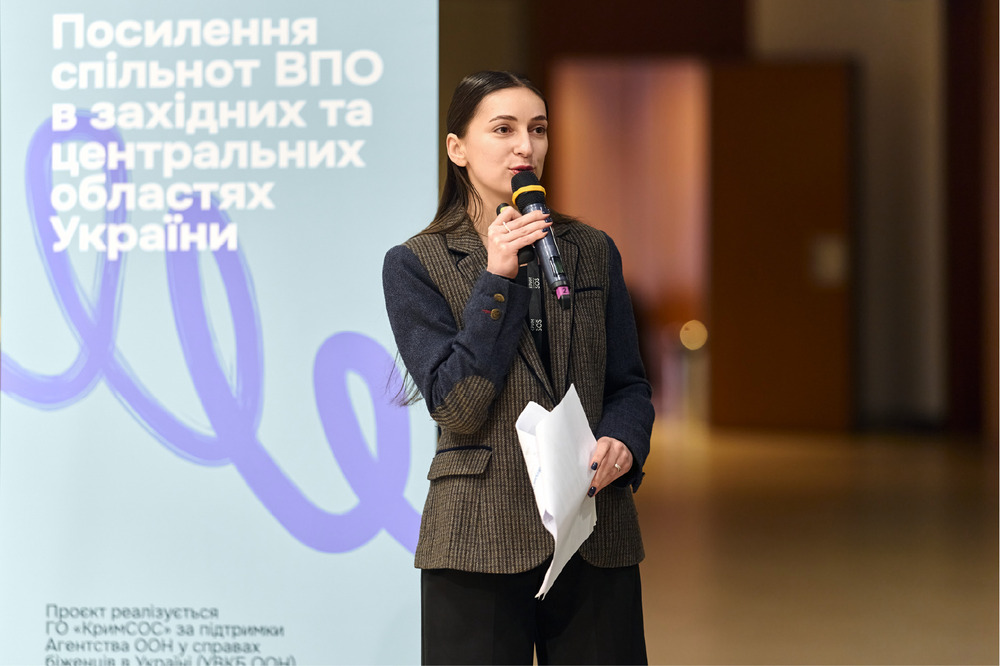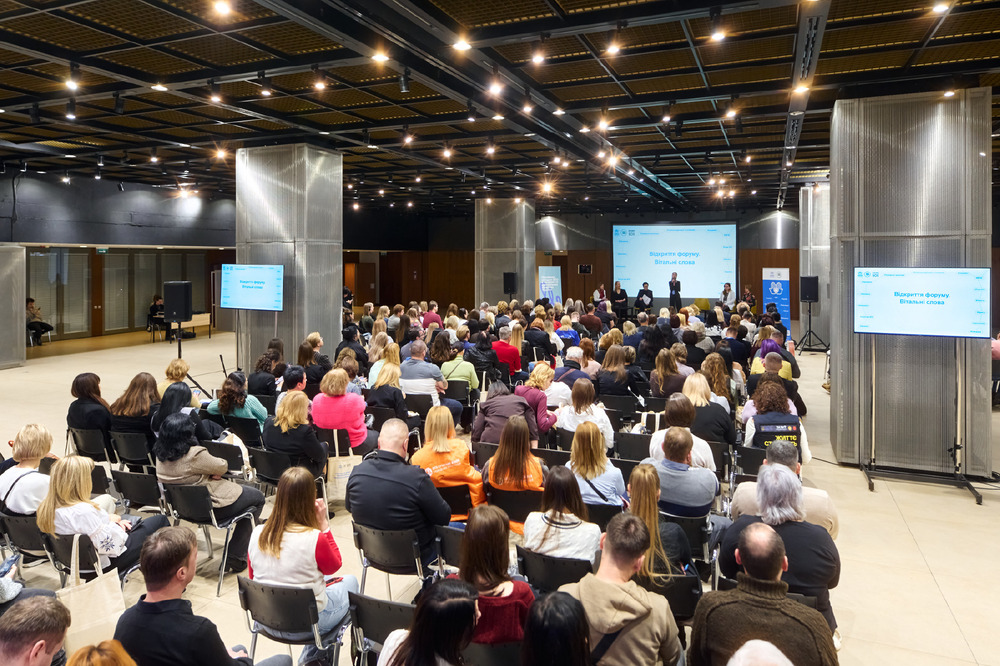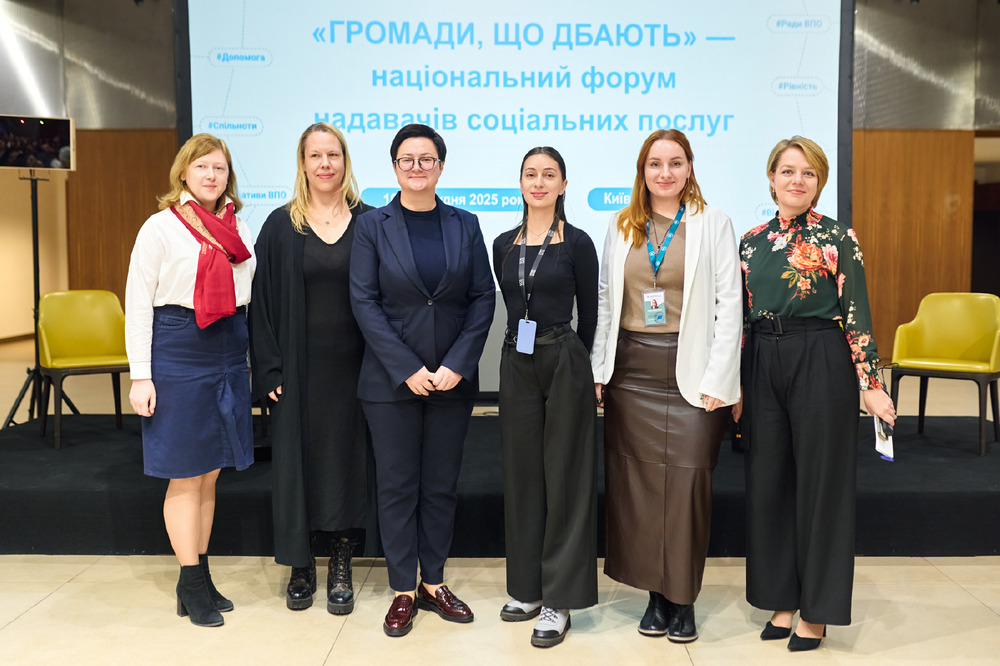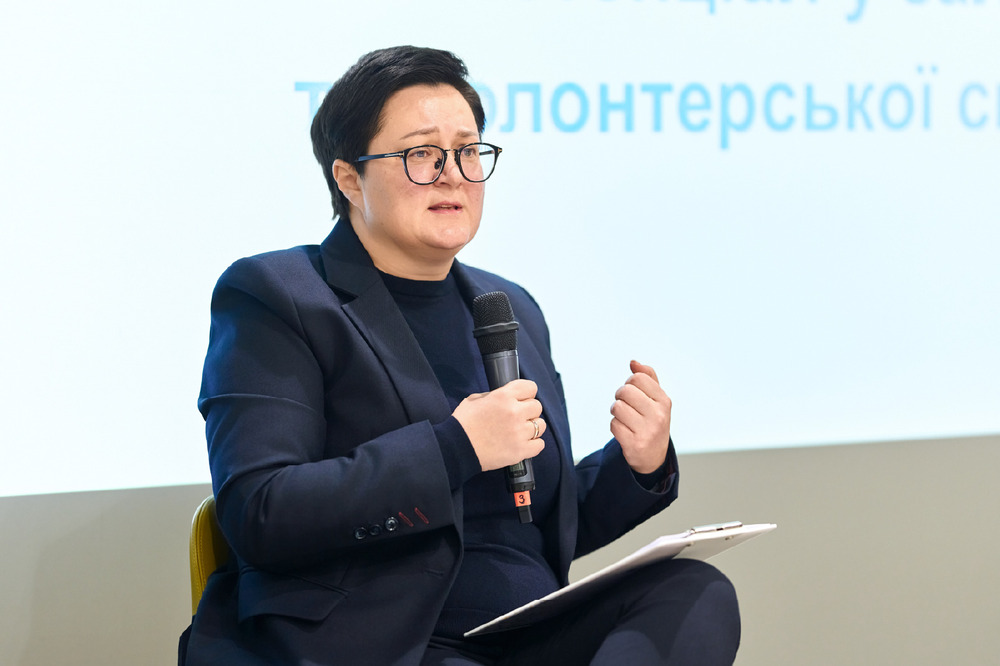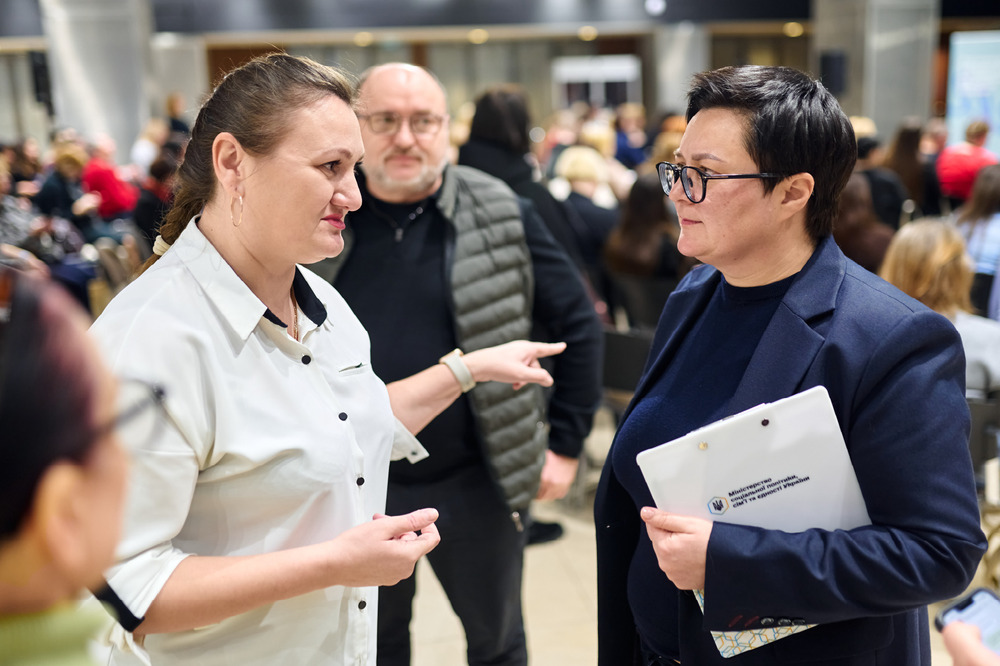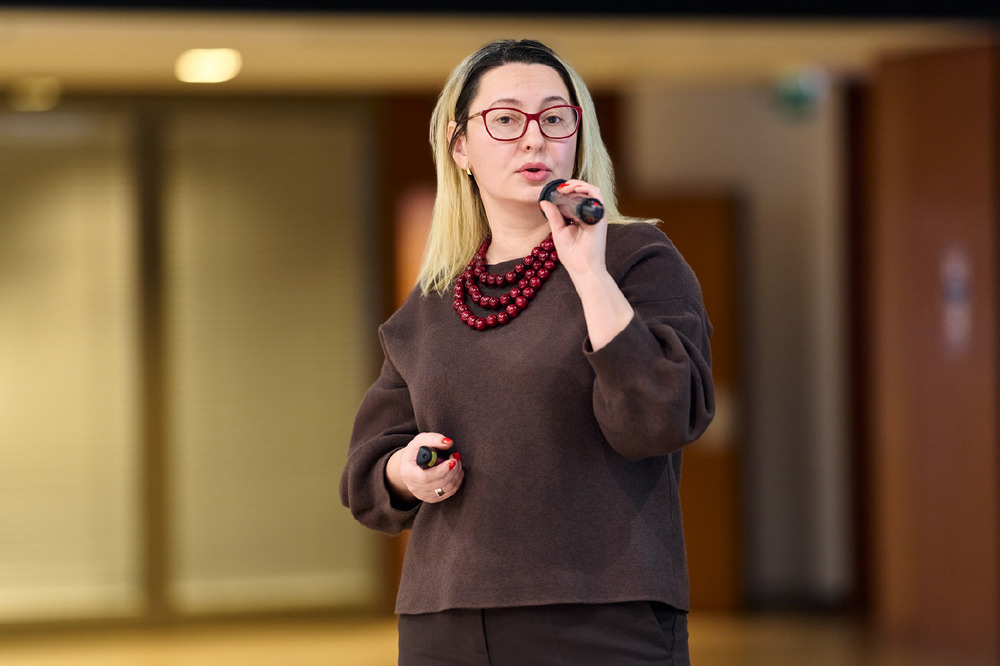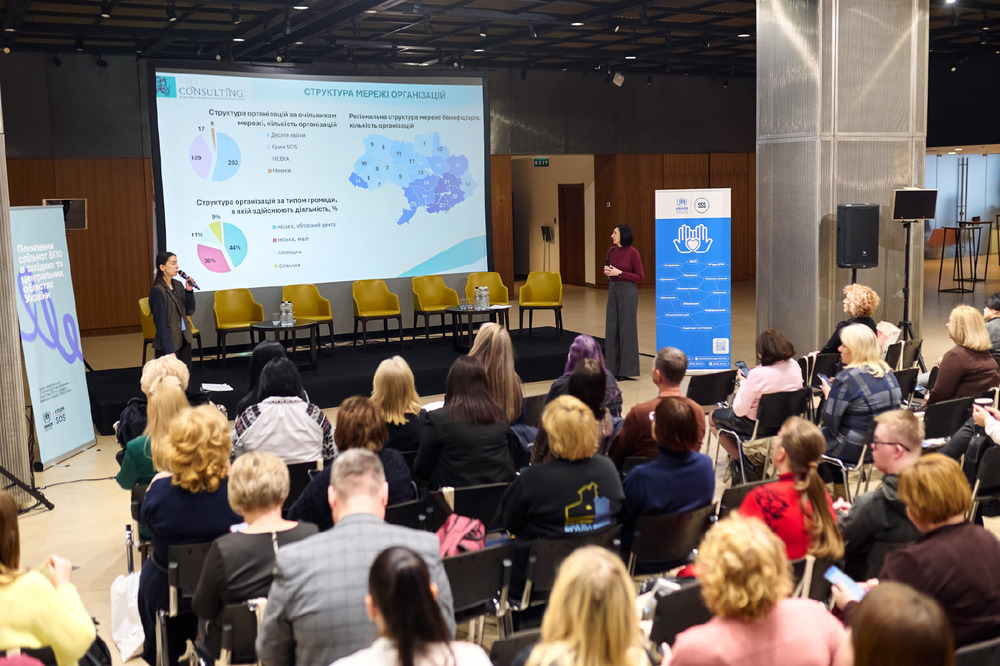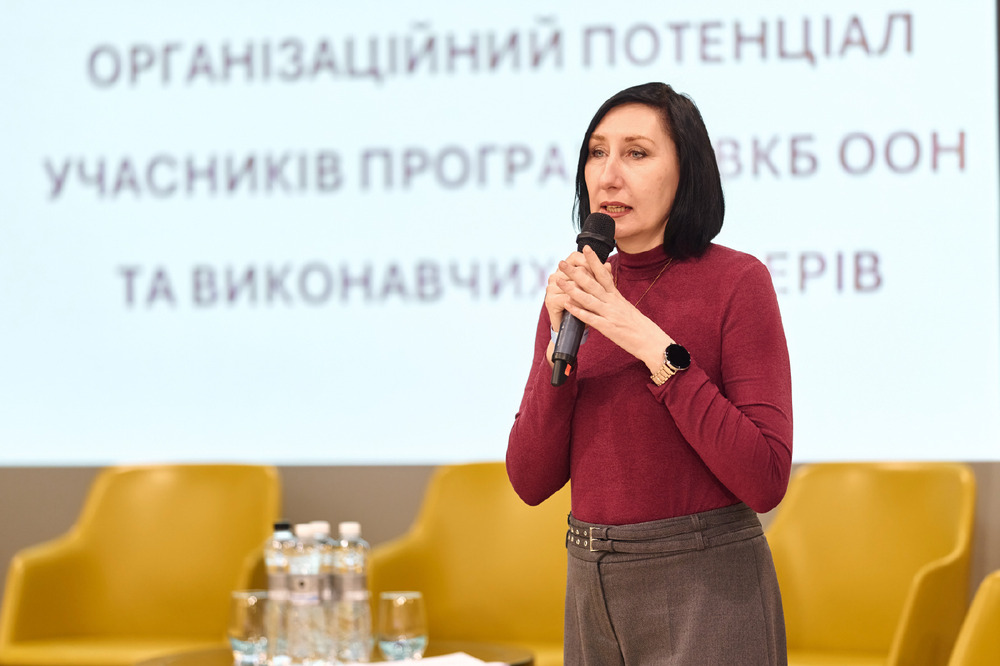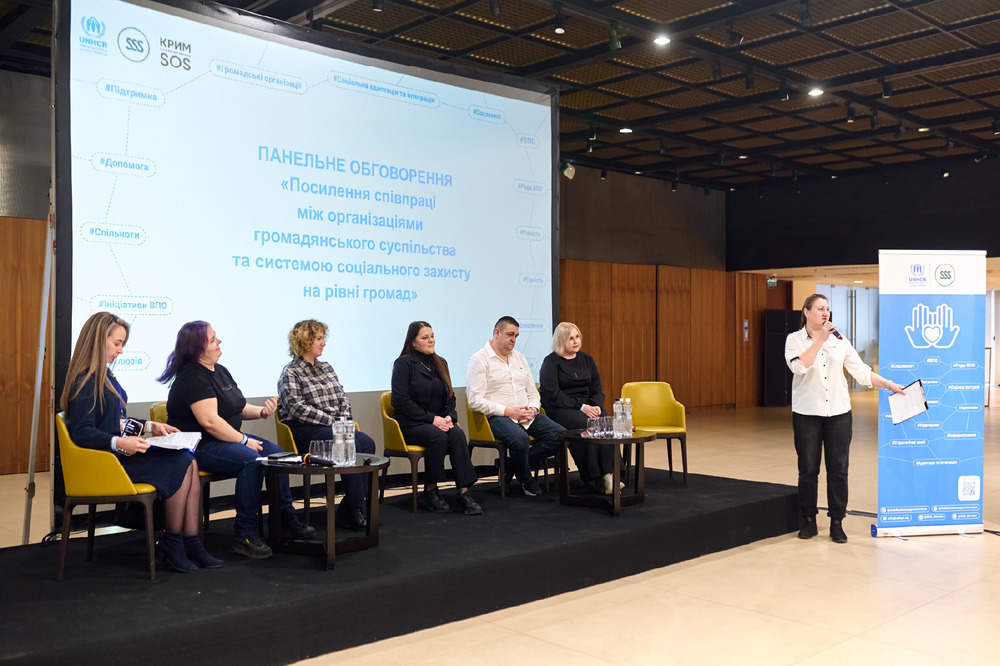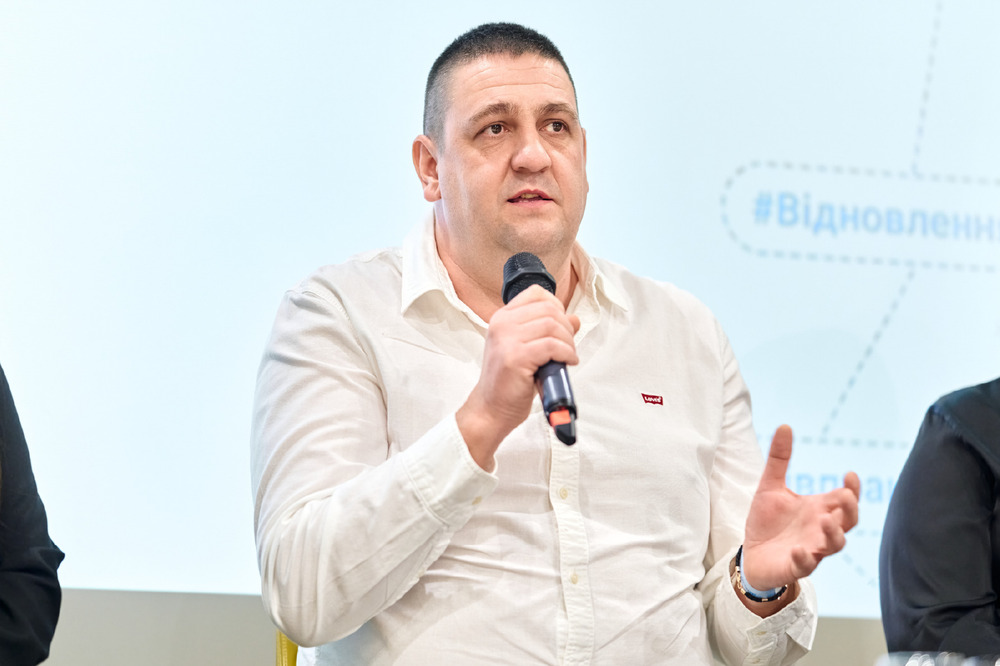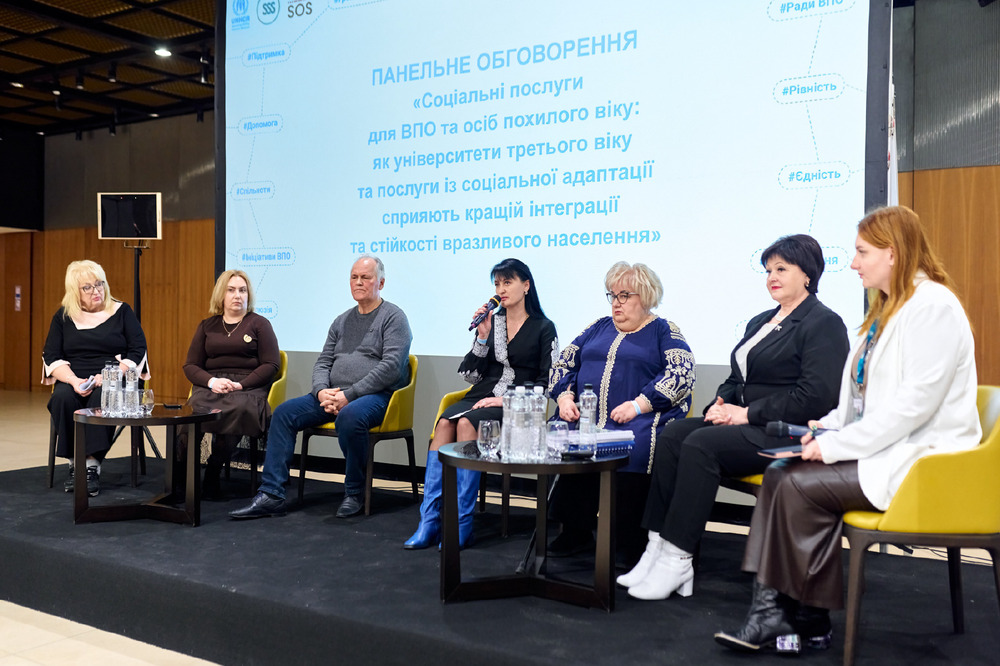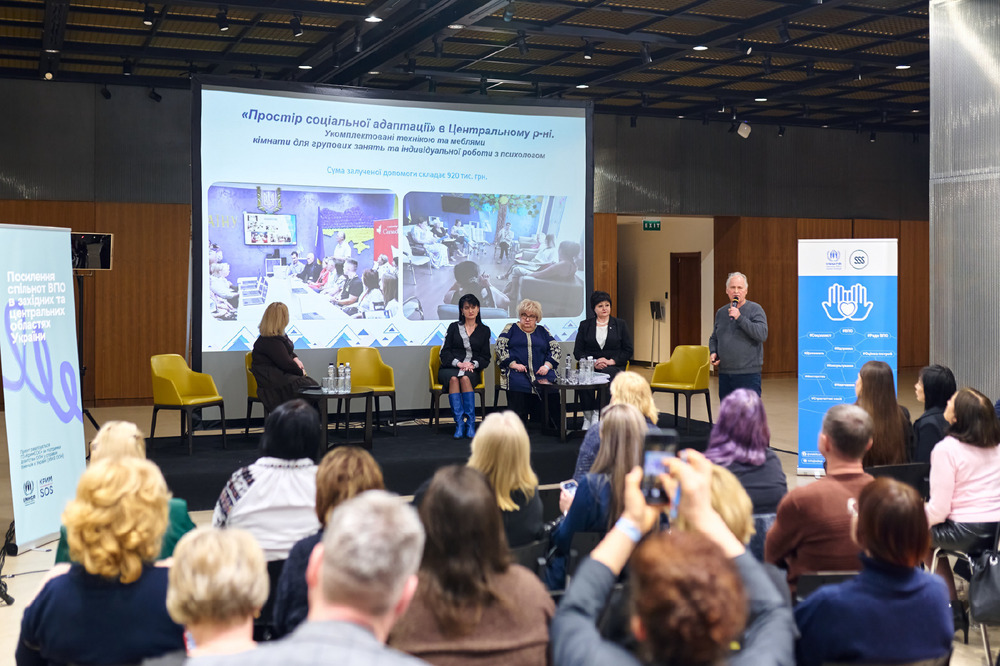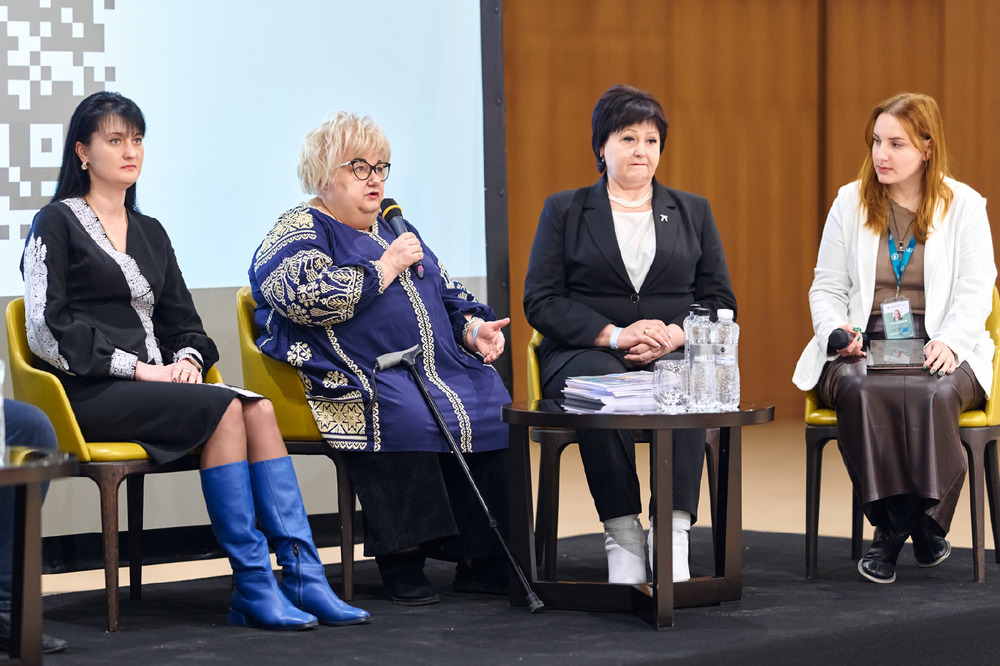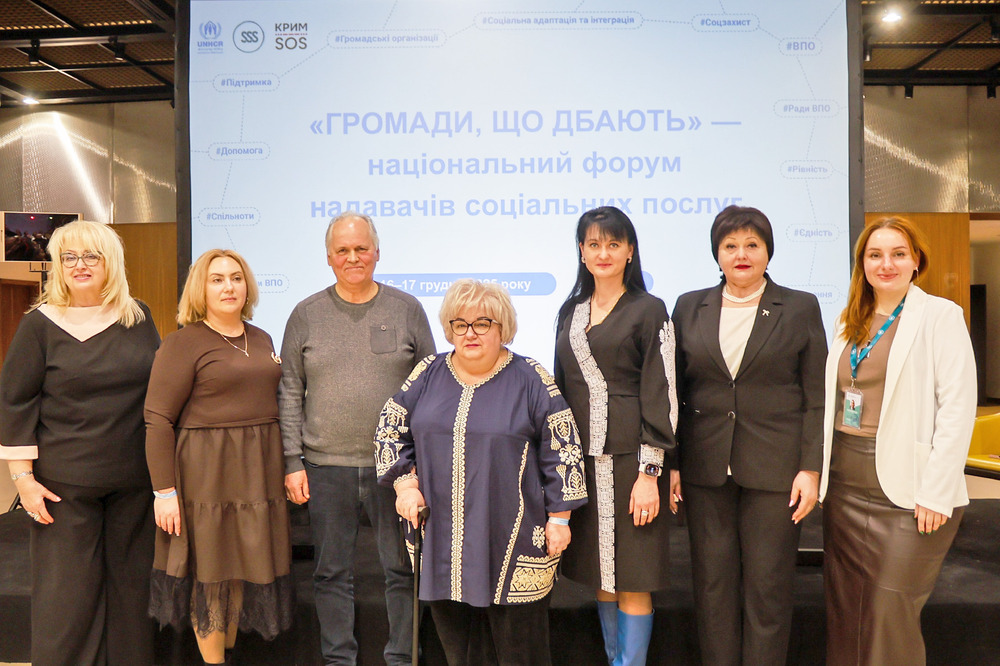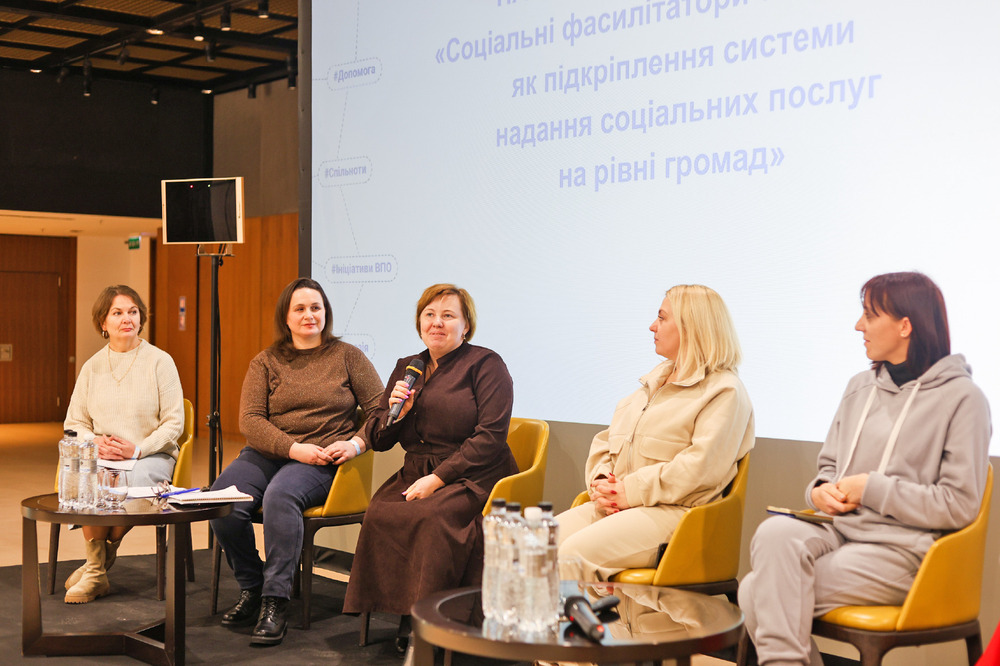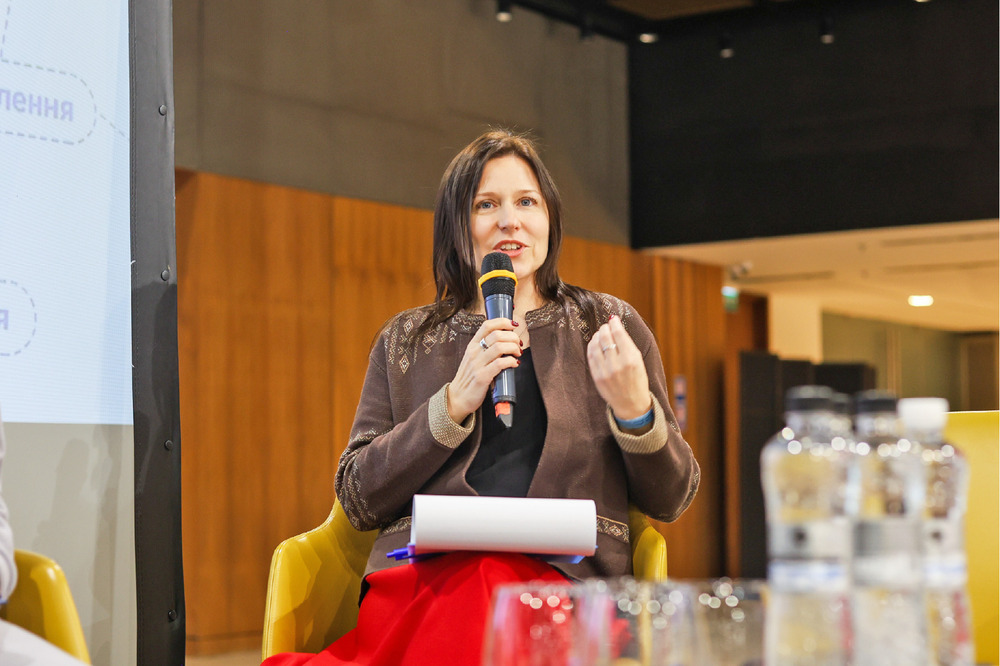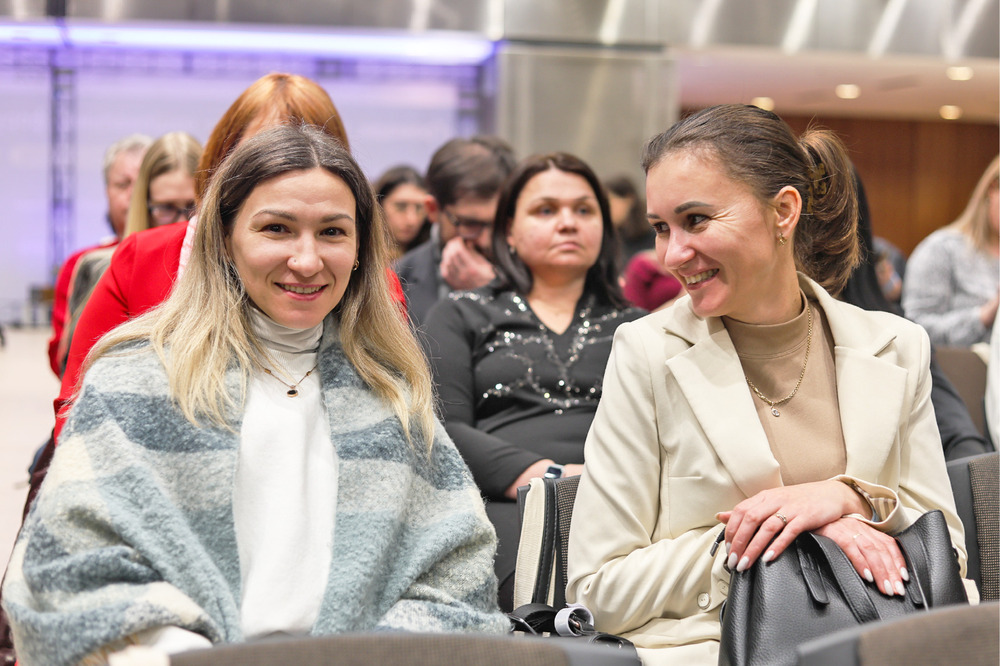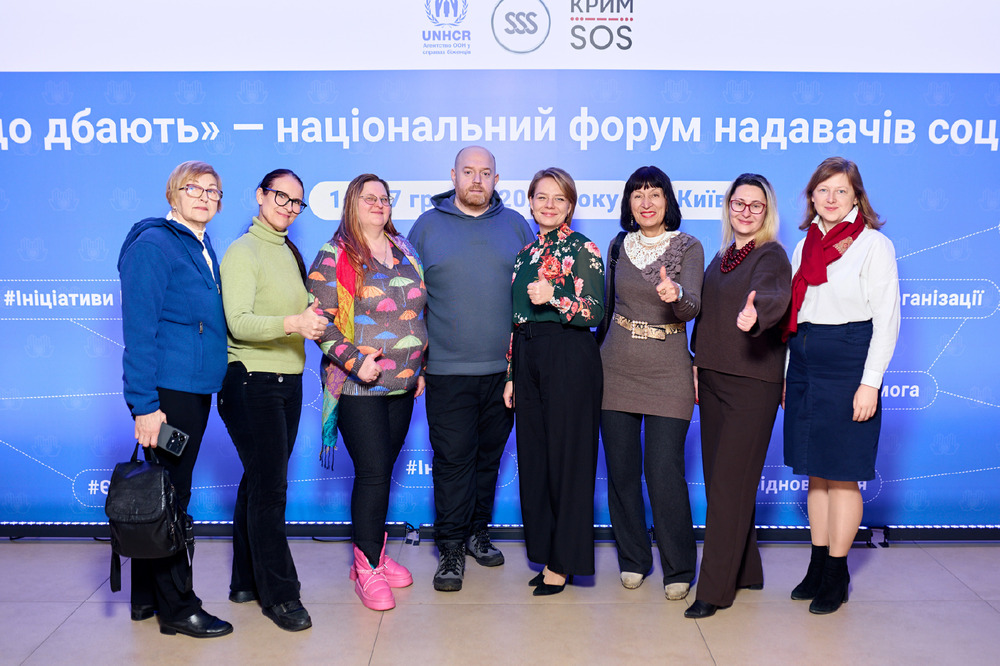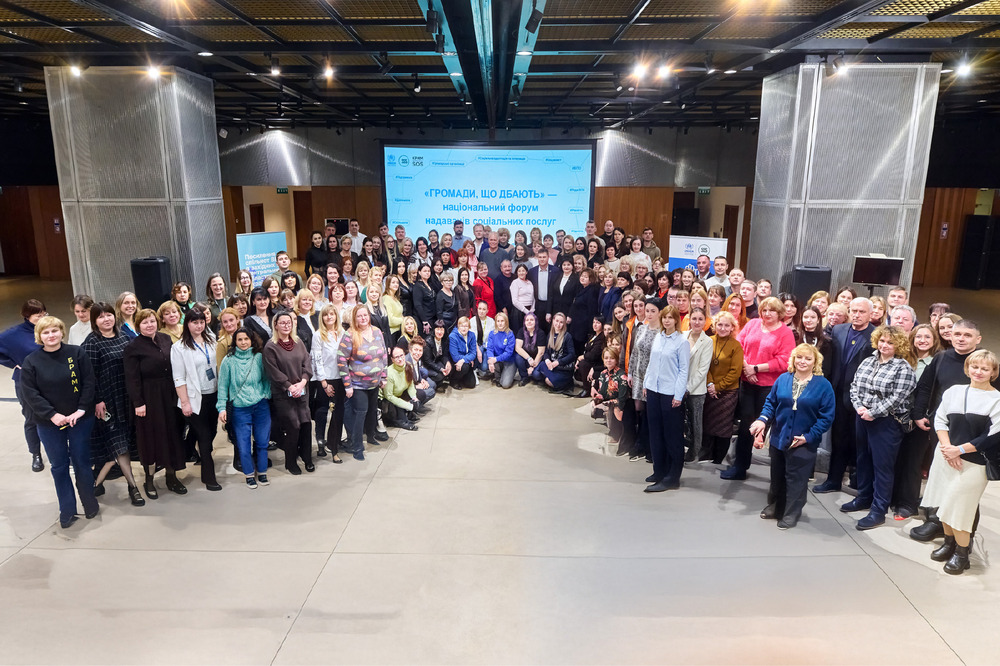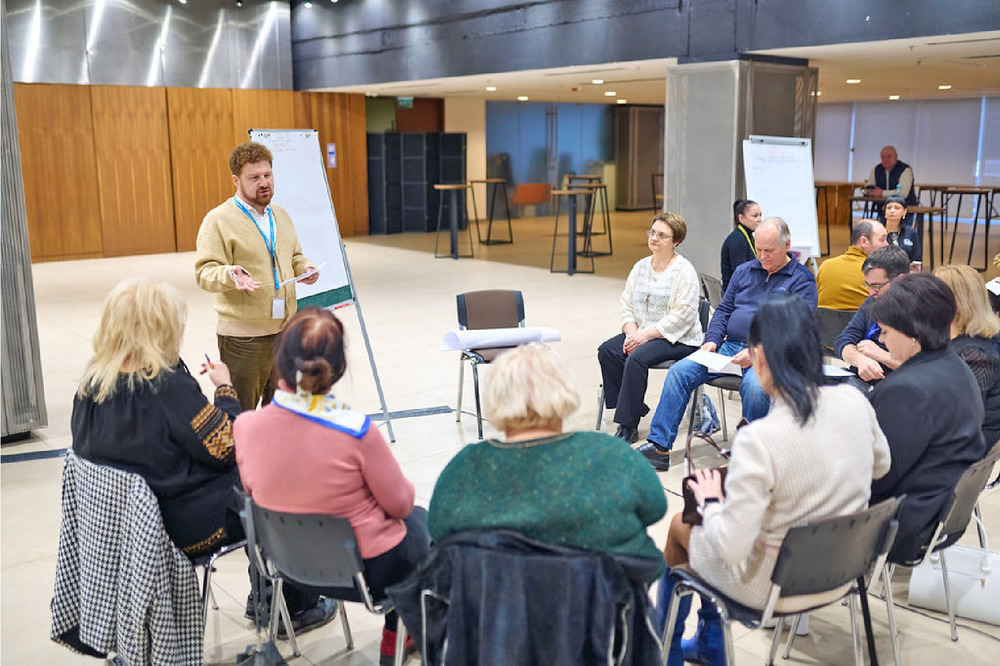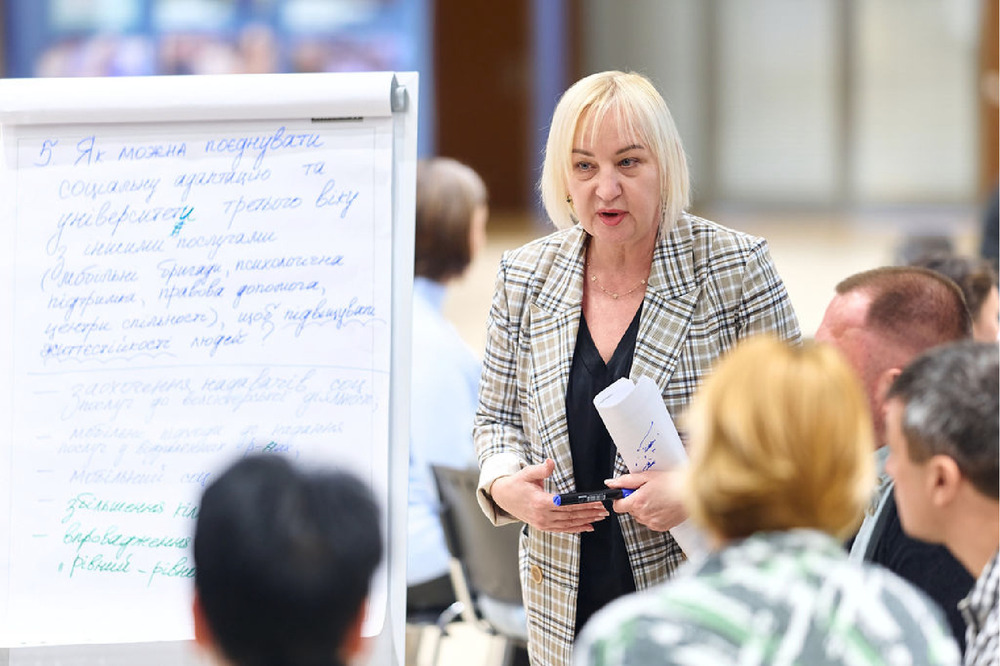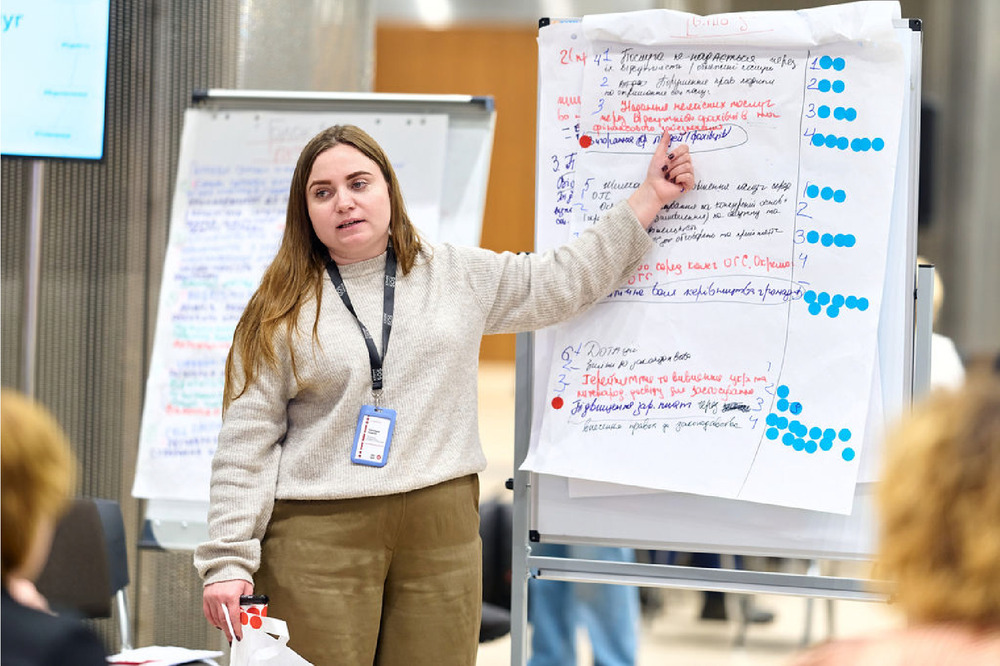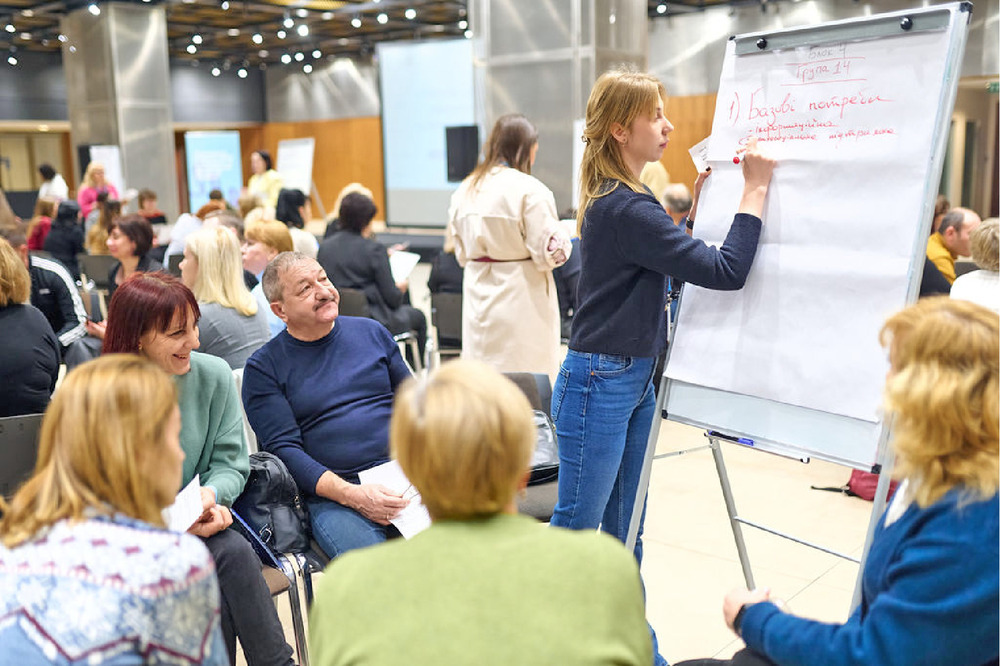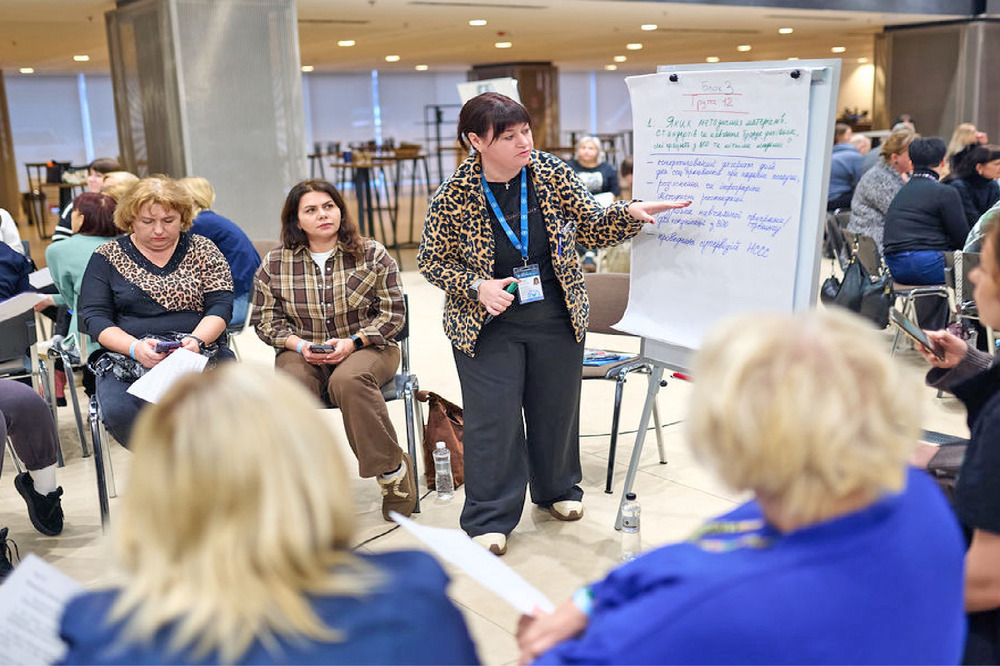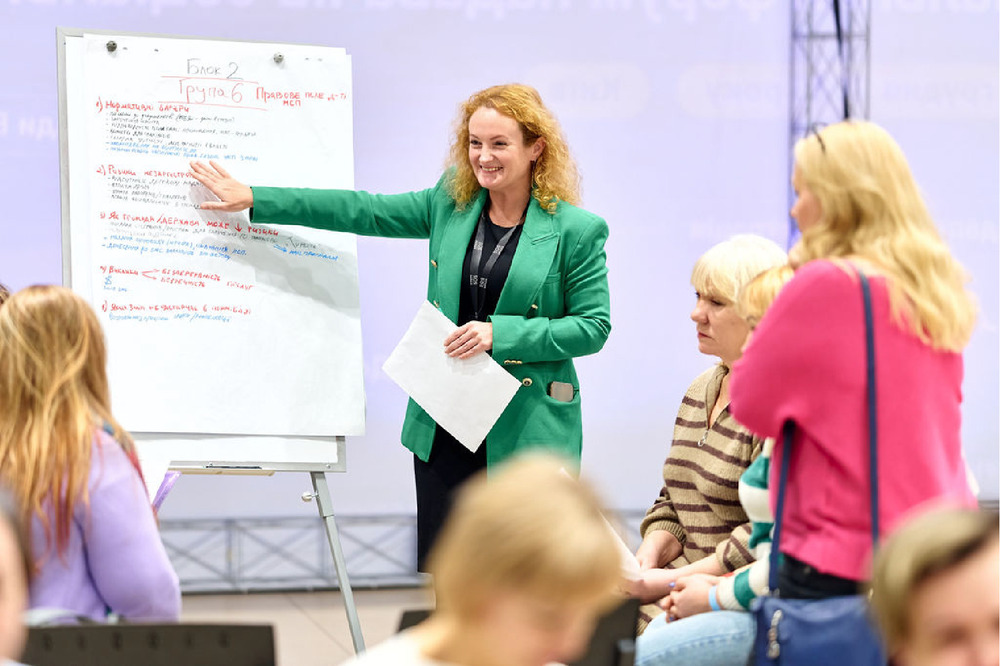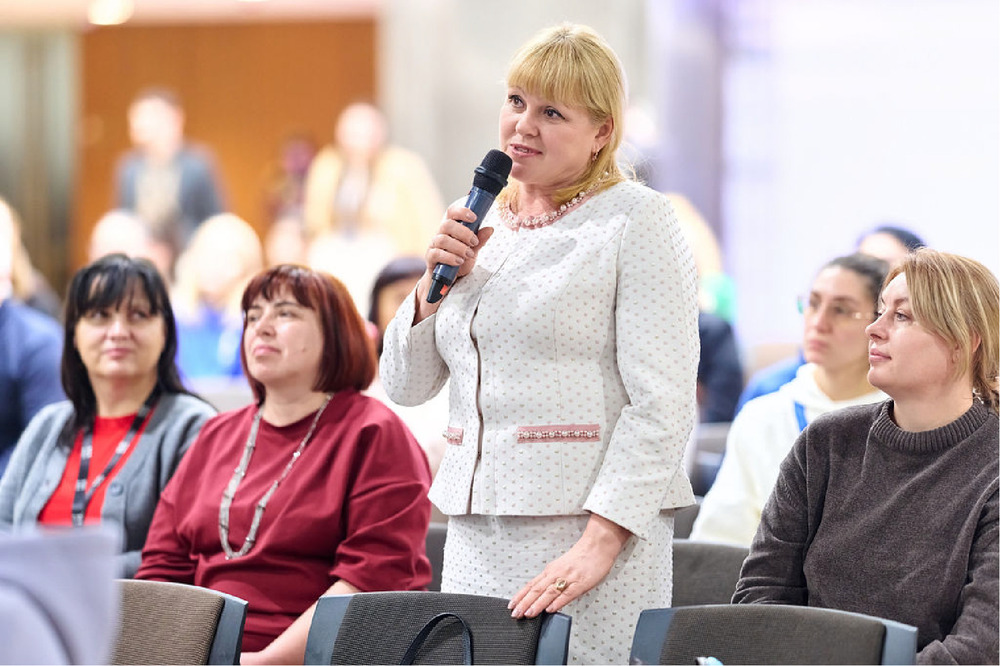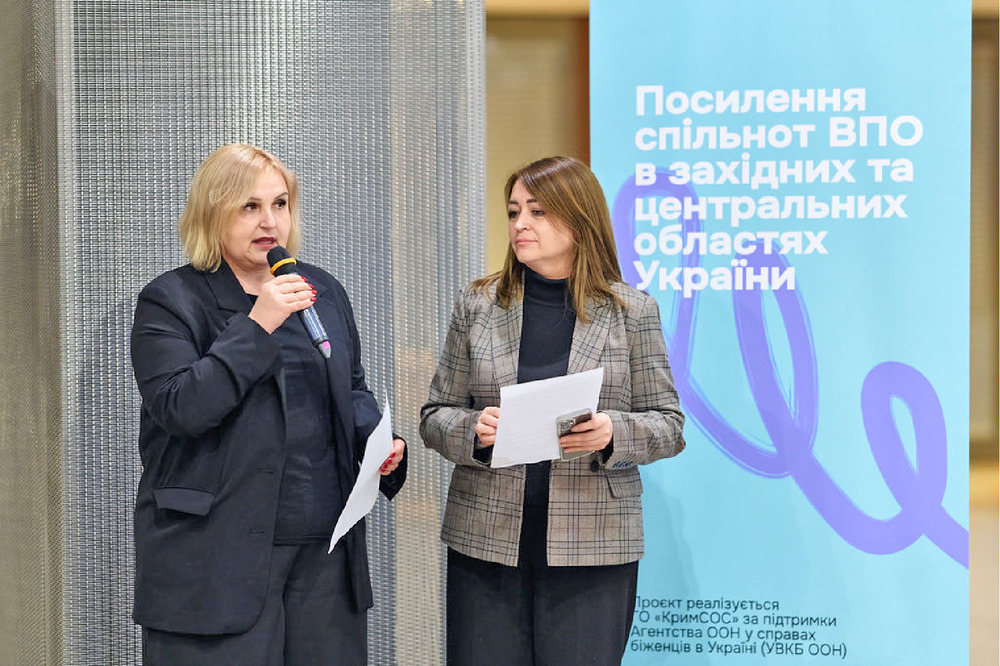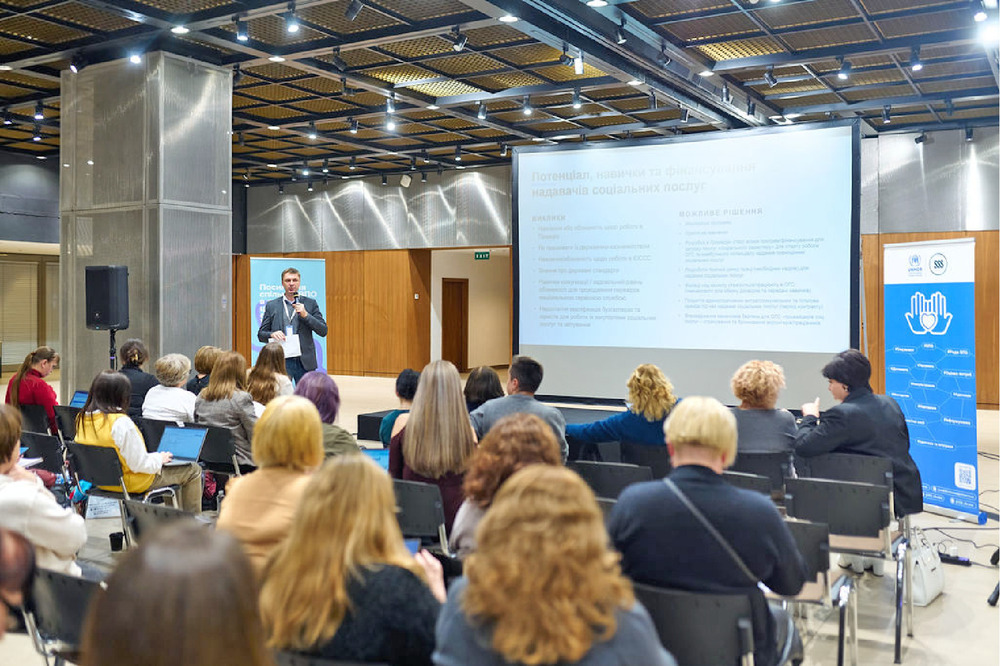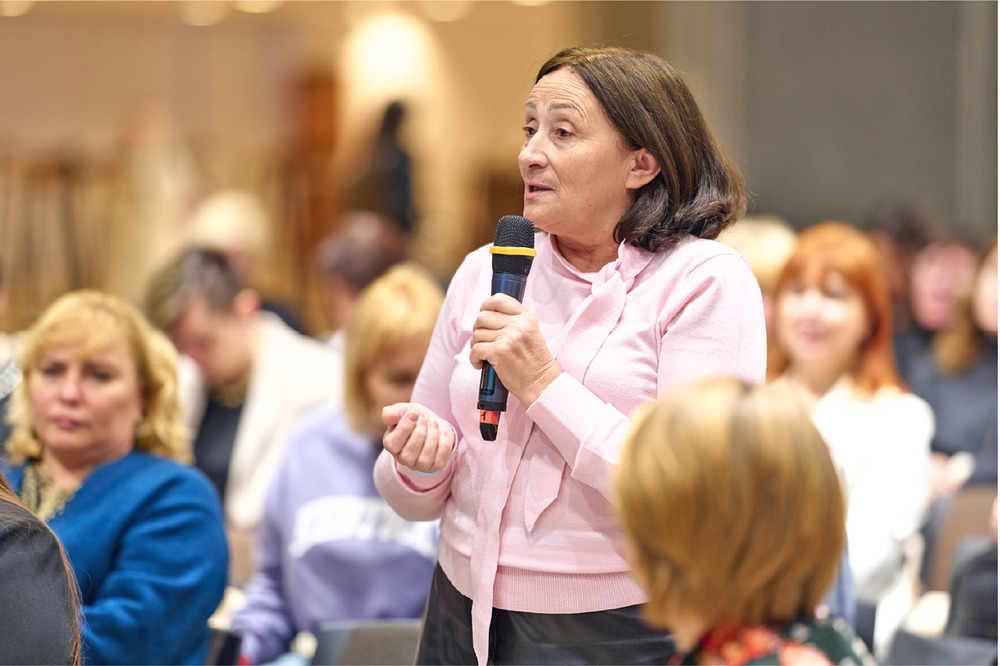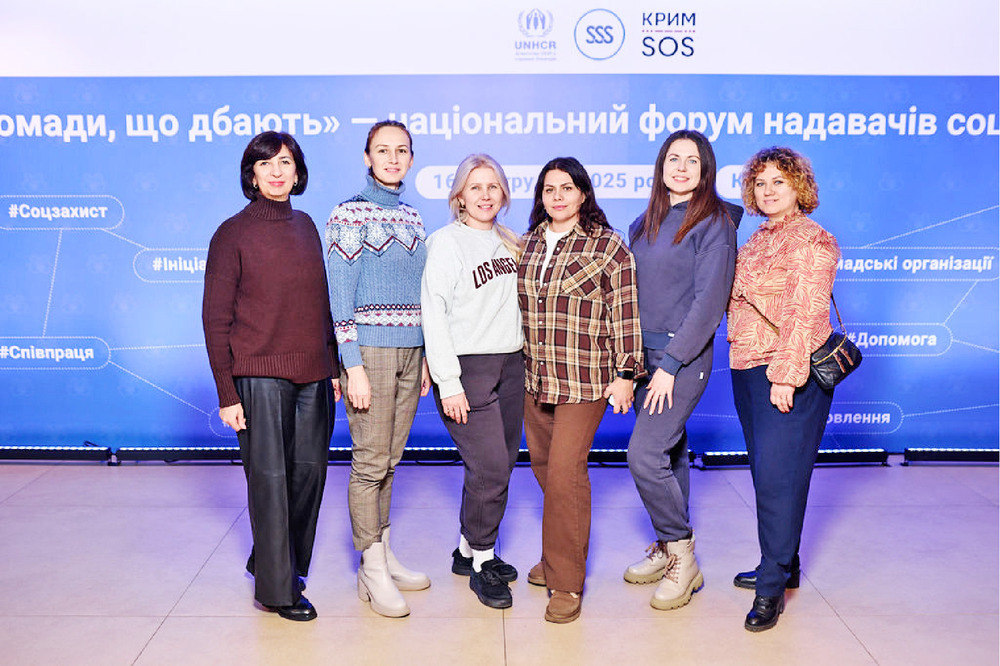
On December 16–17, the National Forum of Social Service Providers, titled “Caring Communities,” took place in Kyiv. The event brought together representatives from the state, communities, non-governmental organizations, and social service providers from across the country to engage in a frank conversation about how the social protection system operates today and what needs to change to better meet people’s needs. The event was organized by the CrimeaSOS NGO in collaboration with the Charity Foundation “Stabilization Support Services,” with the support of UNHCR, the UN Refugee Agency in Ukraine.
The Forum became a platform for exchanging practical experiences, discussing state policy, and seeking solutions to support internally displaced persons, older people, low-mobility groups, and communities bearing the greatest burden.
“The topic of this forum is critically important. It is about how communities should care for their citizens: those who have relocated, those who host them, and those who require constant support. For us, social policy is about dignity, a human’s right to choose, and living a full life,” emphasized Tetiana Kiriienko, Deputy Minister of Social Policy, Family and Unity of Ukraine.
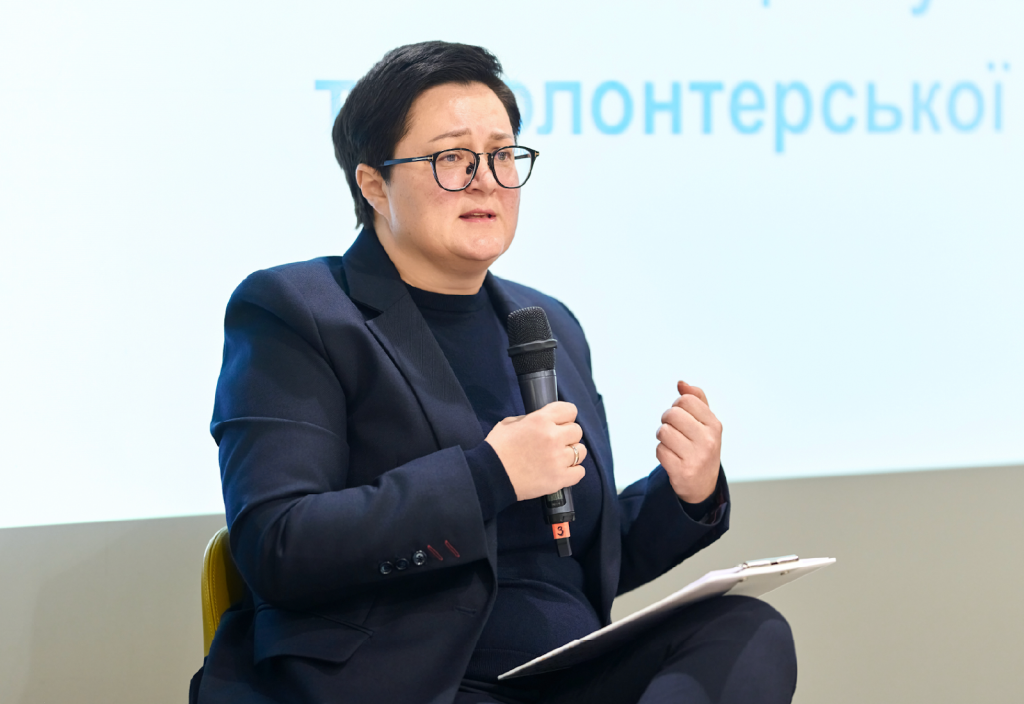
According to her, the government is currently working on building a single, clear support system for IDPs — from evacuation to integration into the community. One of these tools should be a digital platform, as well as the standardization of social services at all stages of displacement. At the same time, the state acknowledges the crucial role of non-governmental organizations and social service providers within this system.
“Our task is to build a system where it is clear at every stage who is responsible for what, and where social services work as a single route for a person, rather than a set of disjointed solutions,” noted Tetiana Kiriienko.
Olena Fartushna, Head of the Department for Protection and Integration of Certain Categories of Social Groups within the Directorate for Policy Formulation of Social Service Systems, discussed the practical implementation of this approach. She emphasized the role of the social worker as a key link in the entire system — from determining a person’s individual needs to formulating a realistic integration plan.
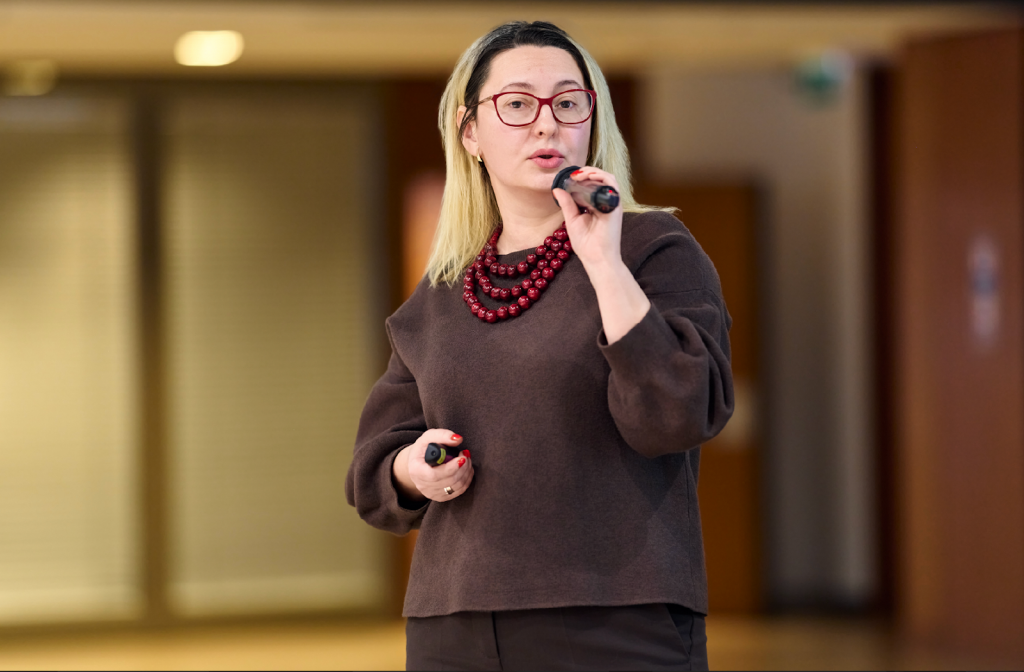
“It is the social worker who determines a person’s needs, facilitates the restoration of their ties with family, and helps formulate a plan for future life — without this, neither integration nor sustainable solutions are possible,” underscored Olena Fartushna.
The cooperation between the state and civil society was at the center of the forum’s discussions. As Nina Schrepfer, Assisting Representative for Protection at UNHCR Ukraine, noted, the war has highlighted the importance of this interaction.
“This dialogue is not just about social services. It is about a new partnership model in which the government determines the direction, communities take responsibility, and civil society adds trust, flexibility, and sustainable change. The true strength of this model is measured by how quickly and respectfully it responds to the needs of those who need it most. For internally displaced persons and older people, social services are not just help, but the restoration of a sense of belonging, safety, and control over their own lives. And this becomes possible every day thanks to communities strengthened by the support of civil society,” noted Nina Schrepfer.
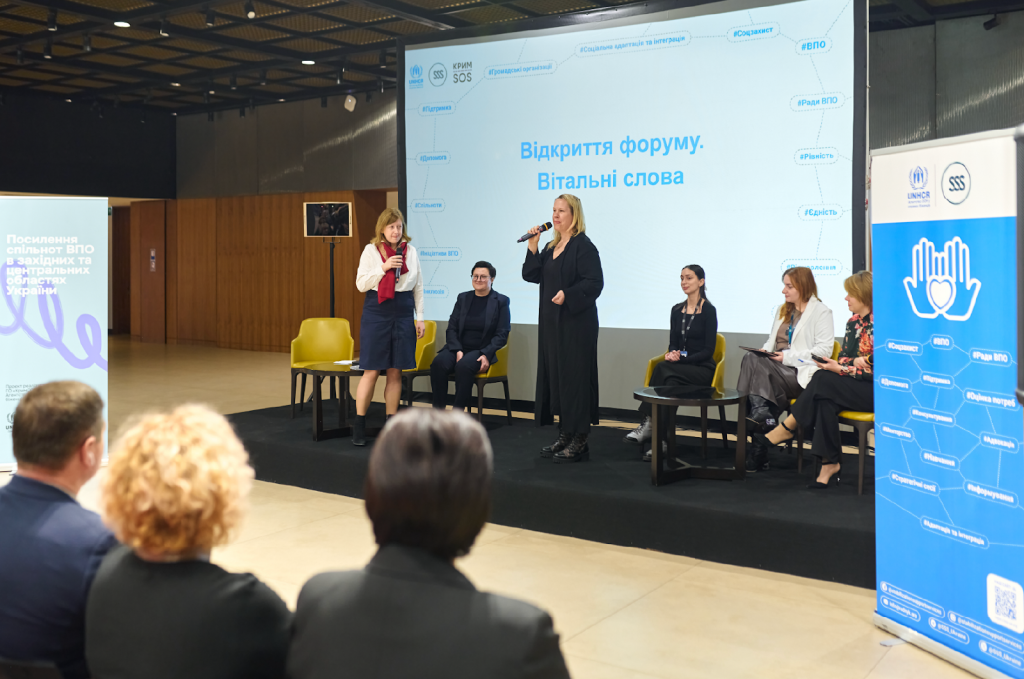
During the forum, key social services that currently form the basis of the support system for older people, low-mobility groups, and people with disabilities were also discussed. In particular, this includes shelter services as a temporary solution for people requiring immediate safety and assistance, facility-based care for individuals with high care needs, as well as assisted living, which enables people to live as independently as possible with necessary social support. It is the development and standardization of these services, particularly for IDPs, that the state views as an alternative to institutional care and the basis for a dignified life for people in communities.
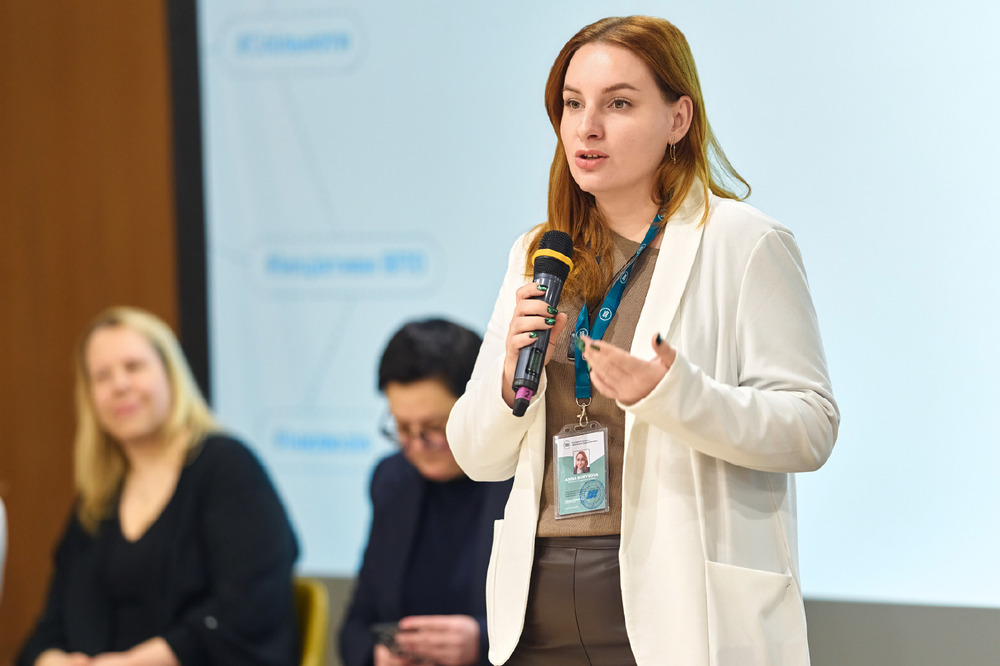
Anna Borysova, Director for Humanitarian Programs at the Charity Foundation “Stabilization Support Services,” also spoke about the transformation of the social service system.
“We are living in a time of deep transformation. The war has exposed weak points, but at the same time, it has allowed us to change focus — to speak more about people and for people. This forum is for people, about people, and from people. Strong communities are the foundation of Ukraine’s recovery,” emphasized Anna Borysova.
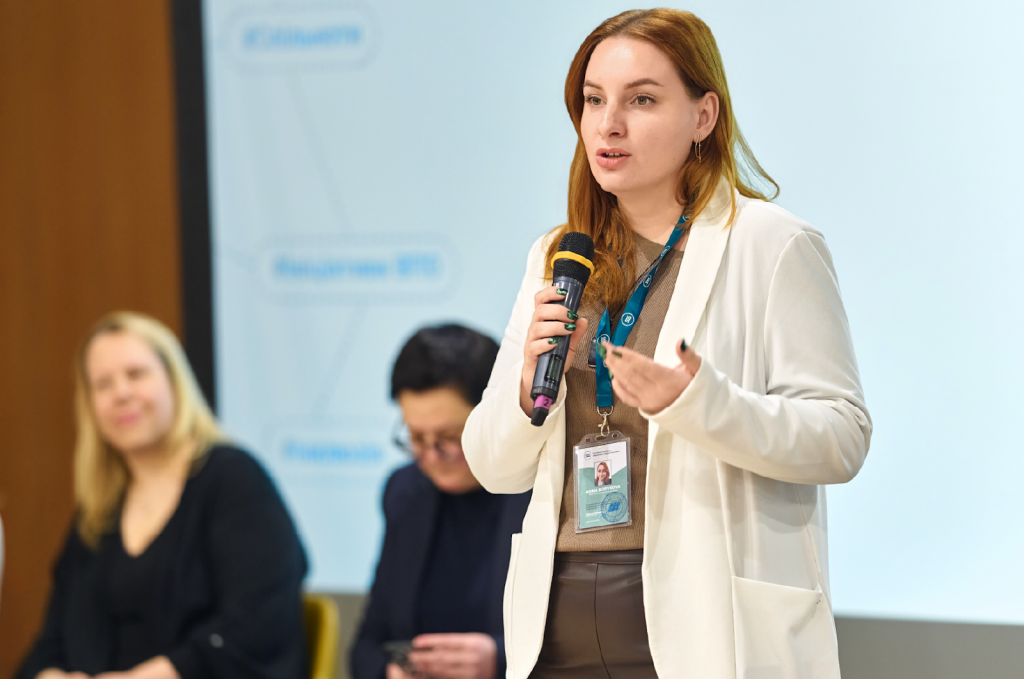
A separate emphasis of the forum was strengthening the capacity of non-governmental organizations as potential providers of social services.
“Non-profit organizations have great potential in providing social services. We help the civil sector become more capable in order to strengthen the national social protection system together and help communities respond to challenges,” emphasized Anna Smakula, Project Manager at CrimeaSOS NGO.
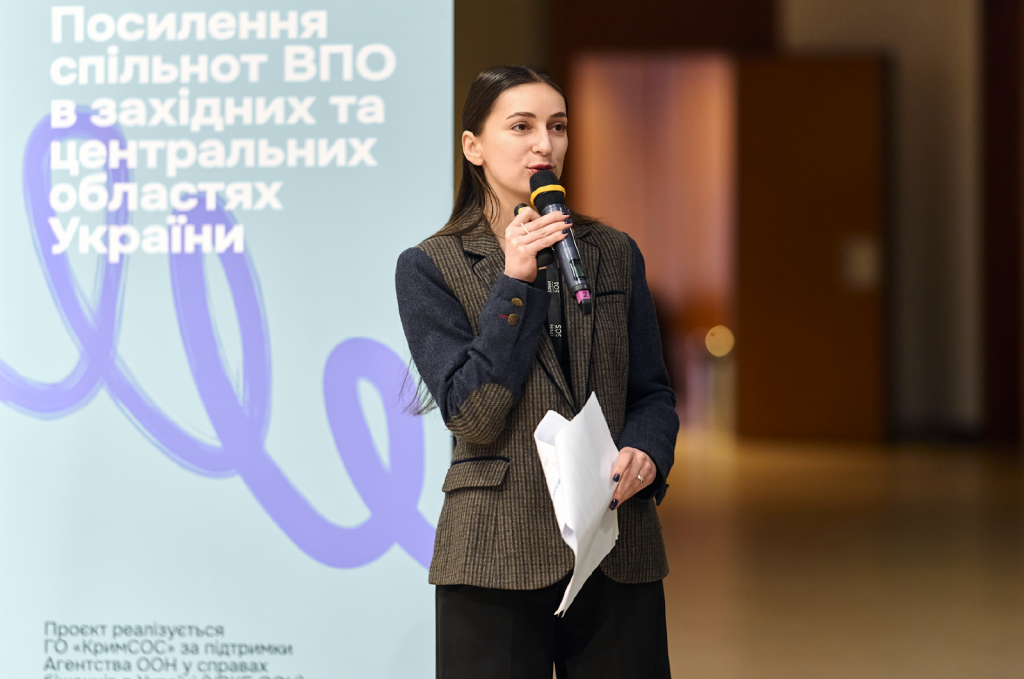
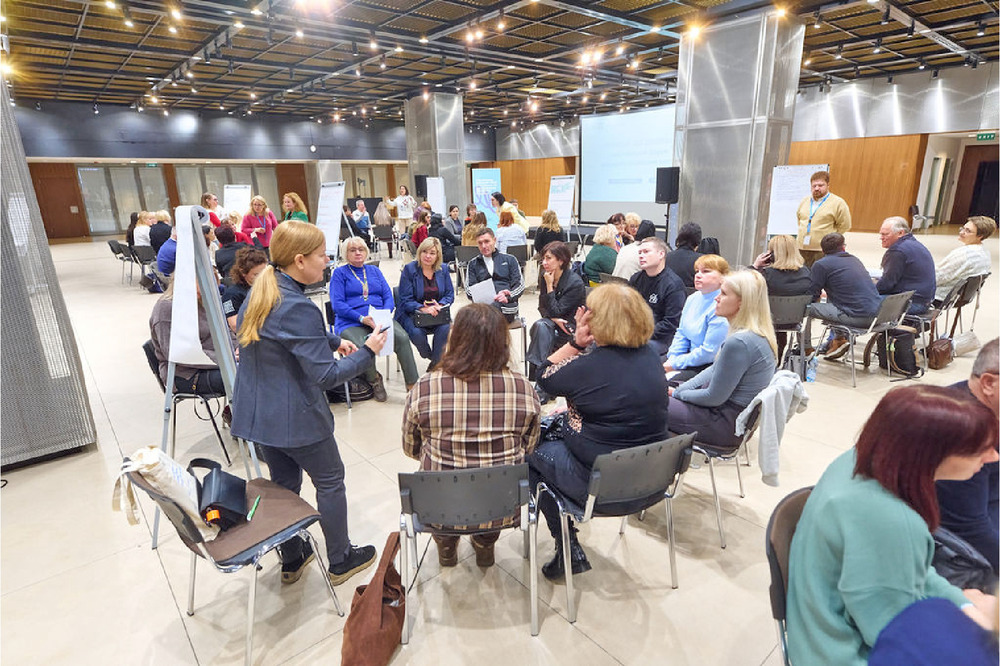
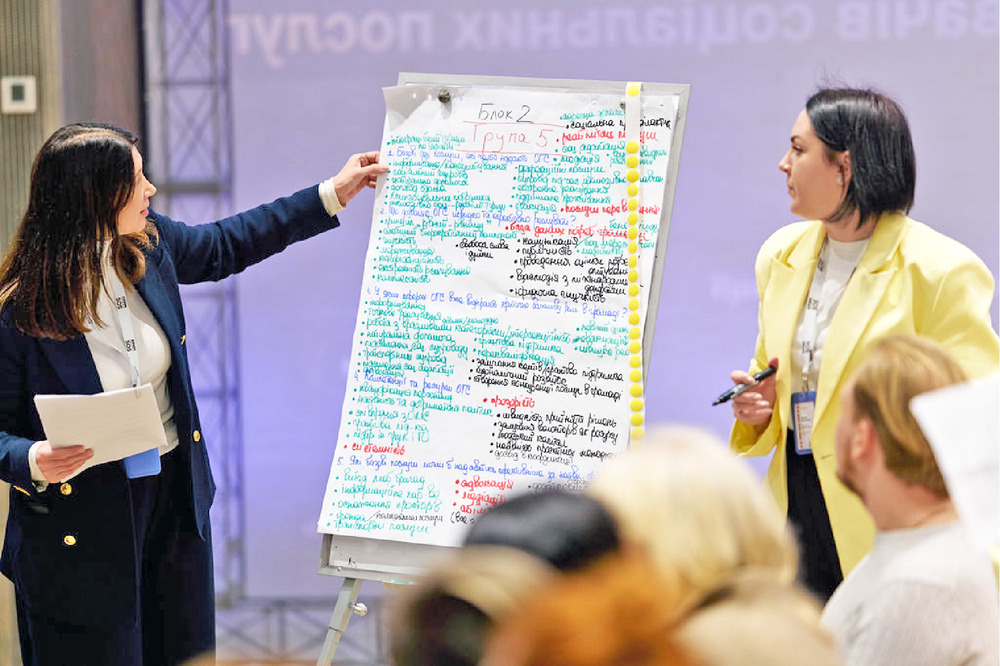
Over two days, participants worked in panel discussions and groups, discussing social services for IDPs and older people, as well as the sustainability of funding for social services in communities. As a result of the work, participants identified key challenges and possible solutions in the sphere of social service provision, in particular:
- Strengthening the cooperation of civil society organizations (CSOs) with the social protection system, such as in the procurement of social services;
- Provision of basic social services by CSOs that are not yet registered as official providers;
- Support for IDPs and older people through Universities of the Third Age and social adaptation programs;
- Work of social facilitators and volunteers to strengthen the social service system.
The National Forum of Social Service Providers confirmed: it is at the level of communities that solutions are being formed today, upon which the effectiveness of social services and the quality of life of people in the most difficult conditions depend.