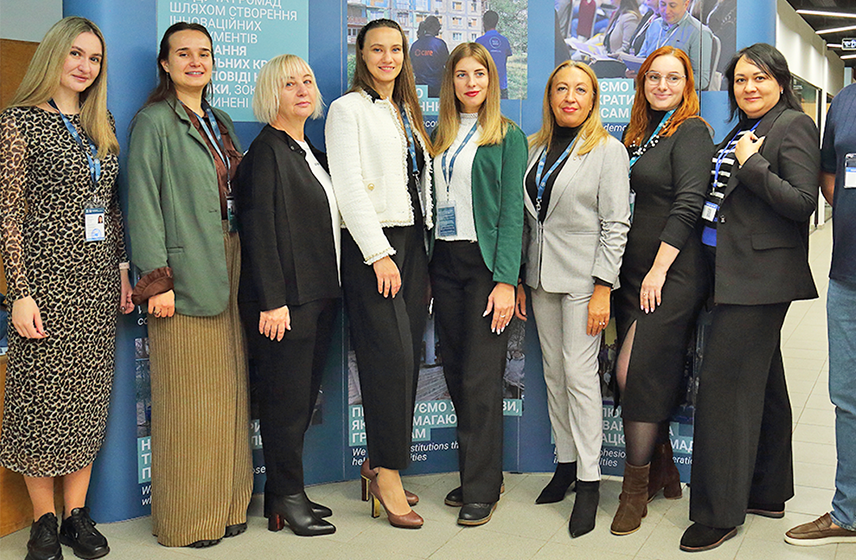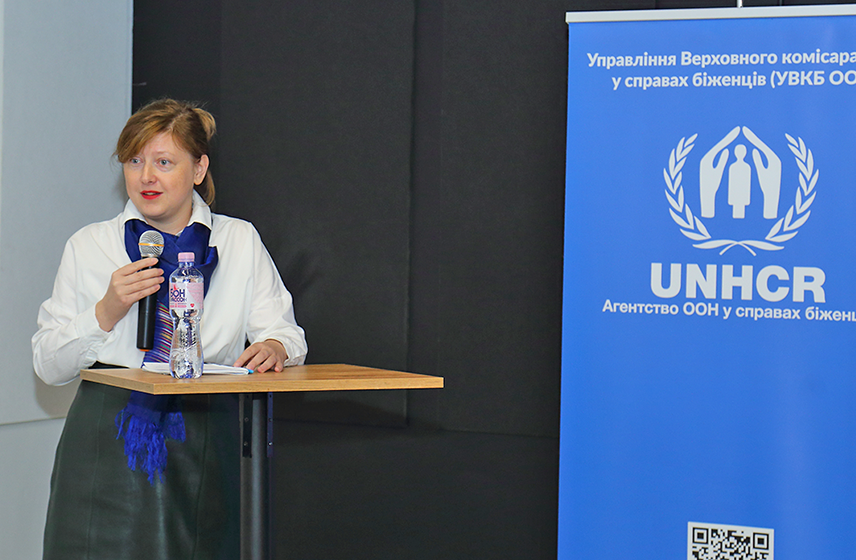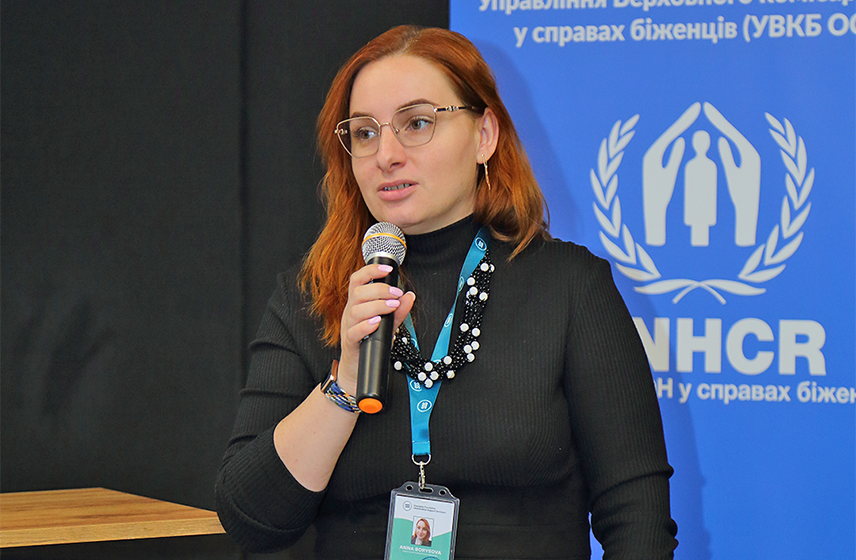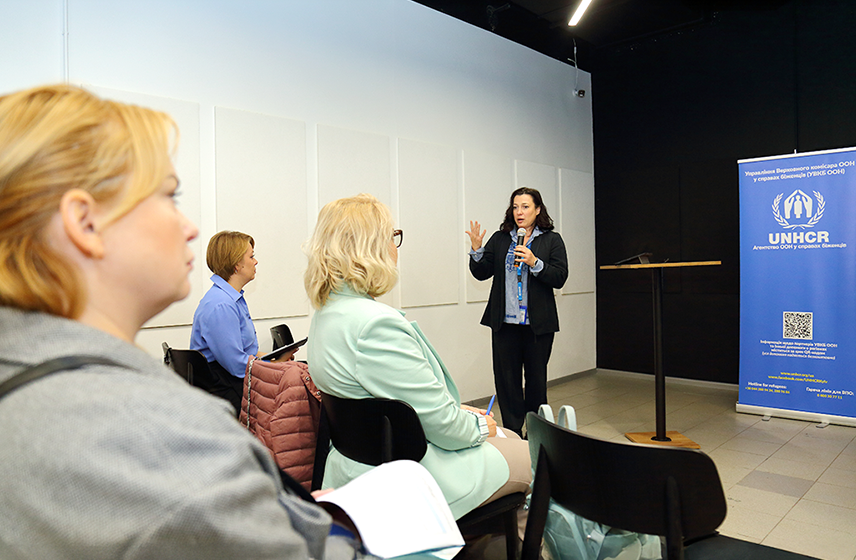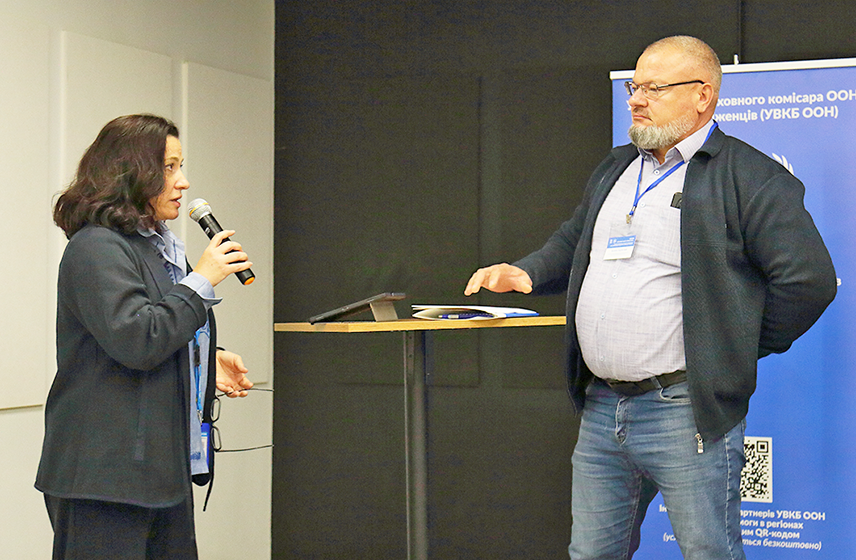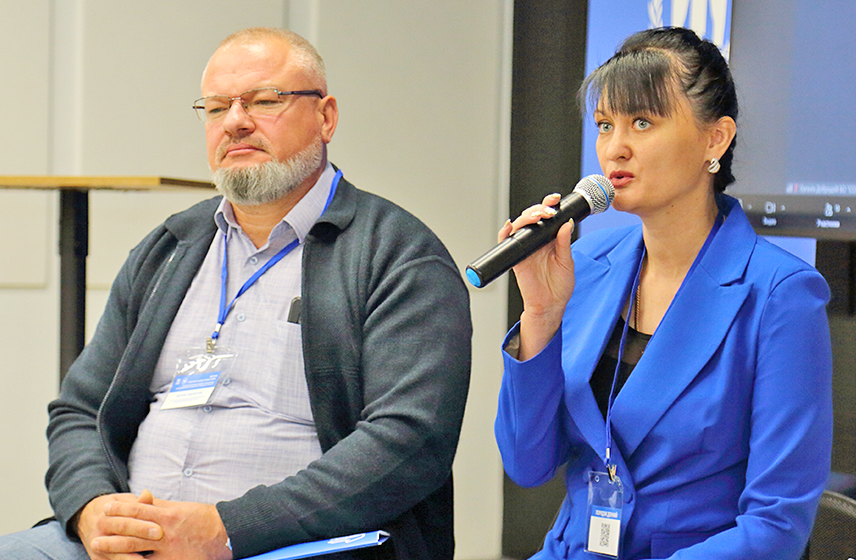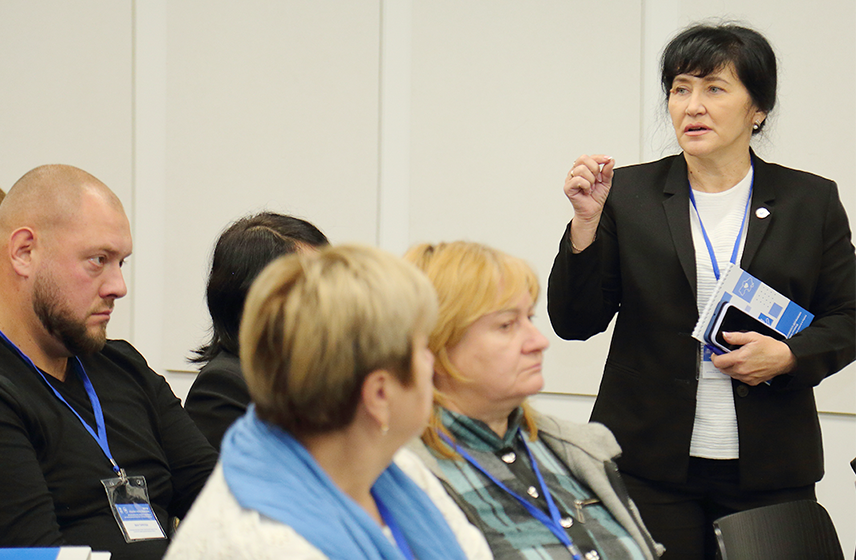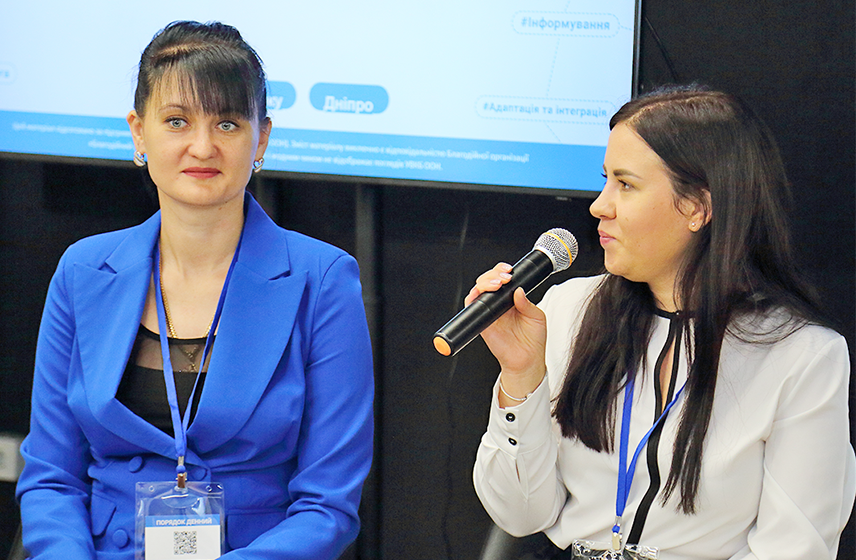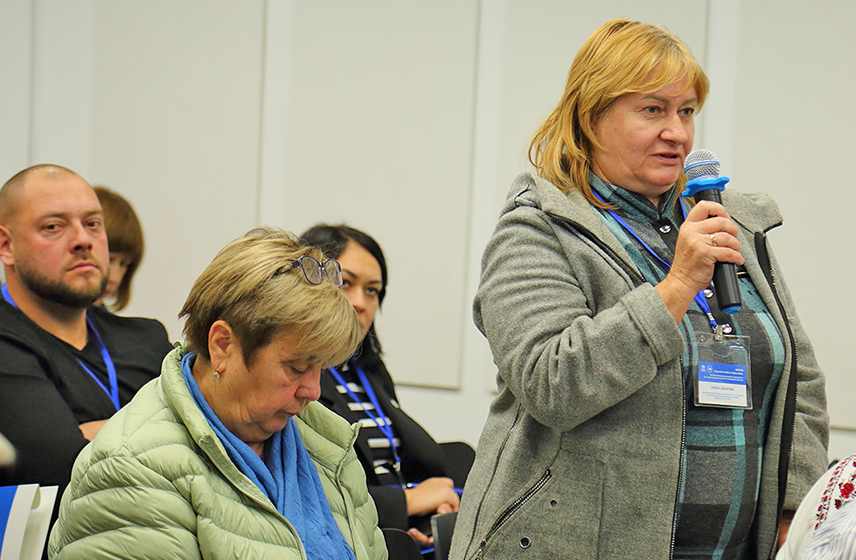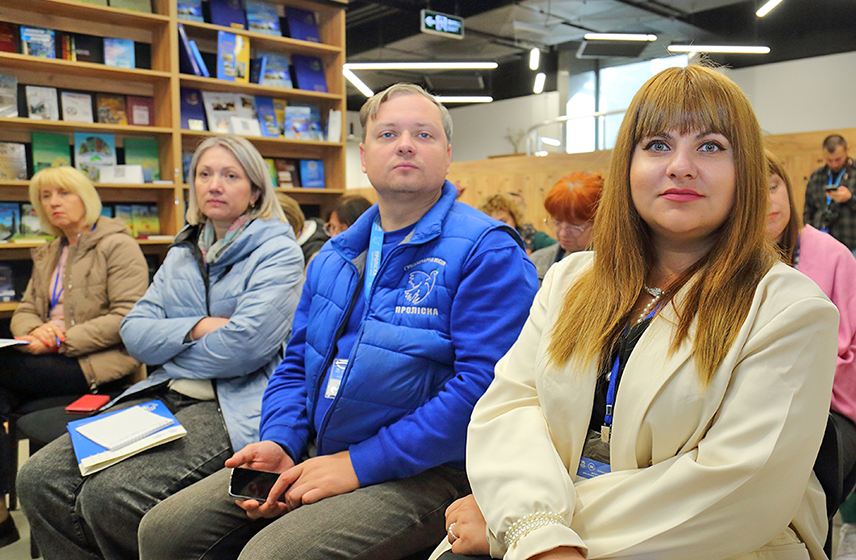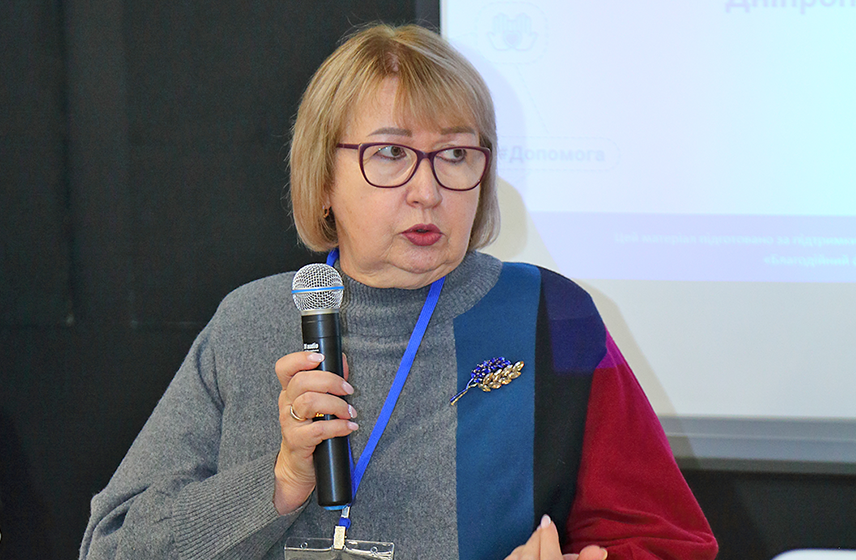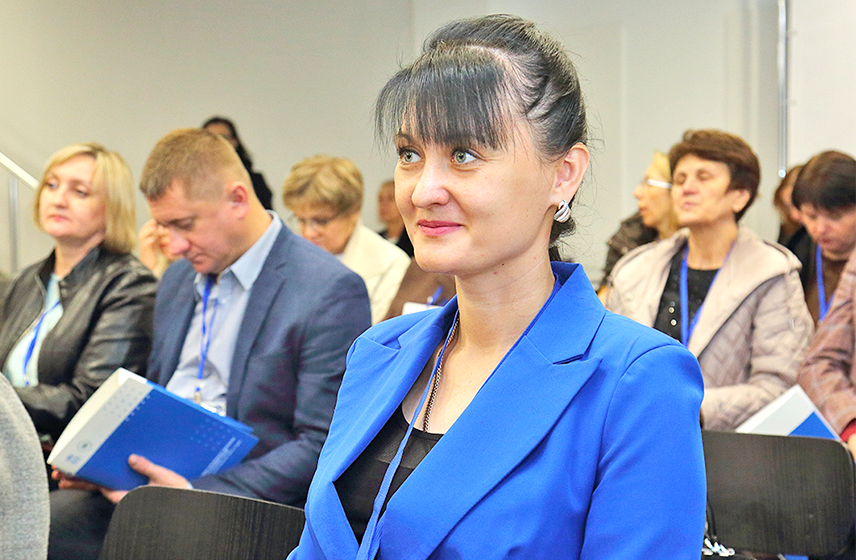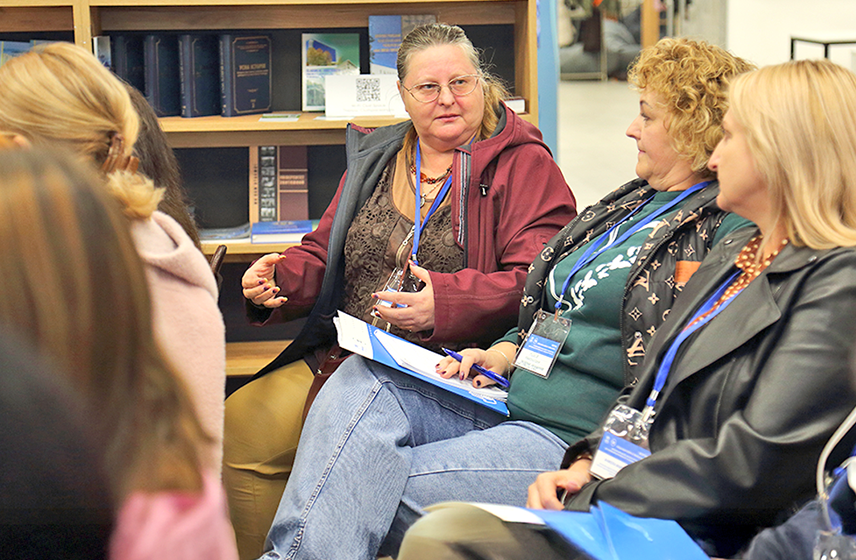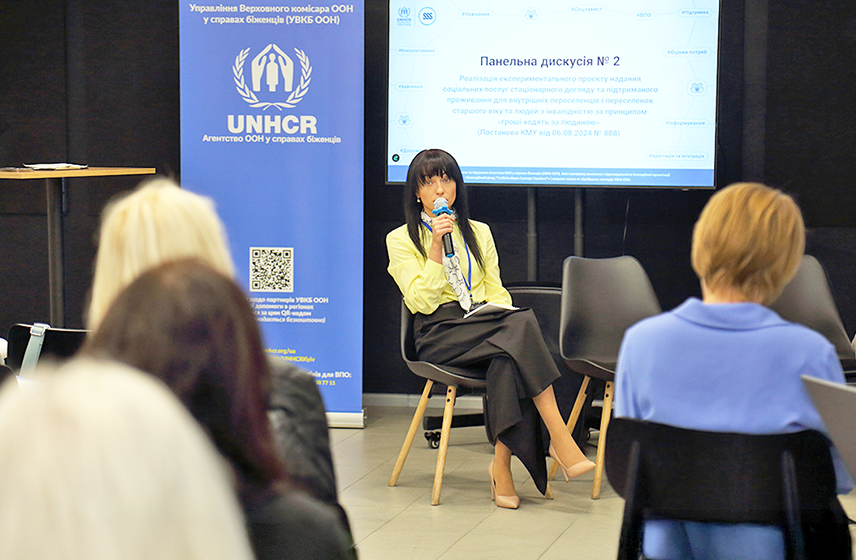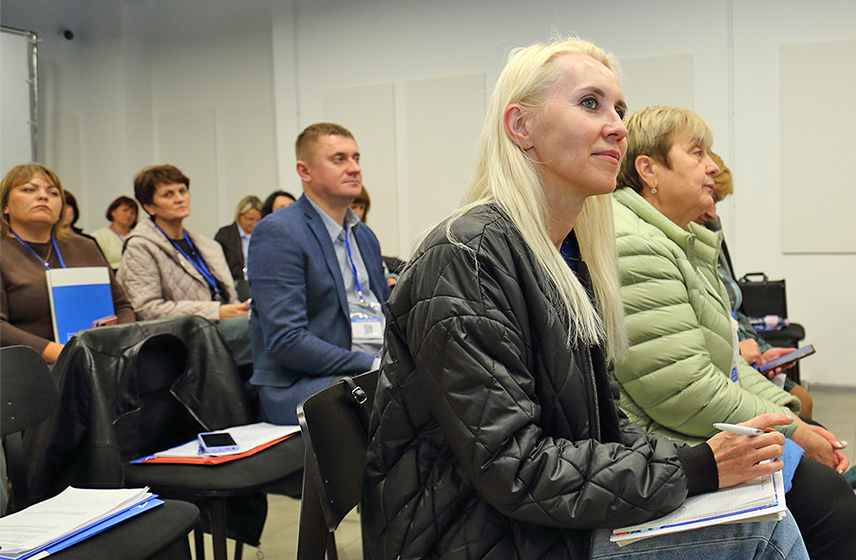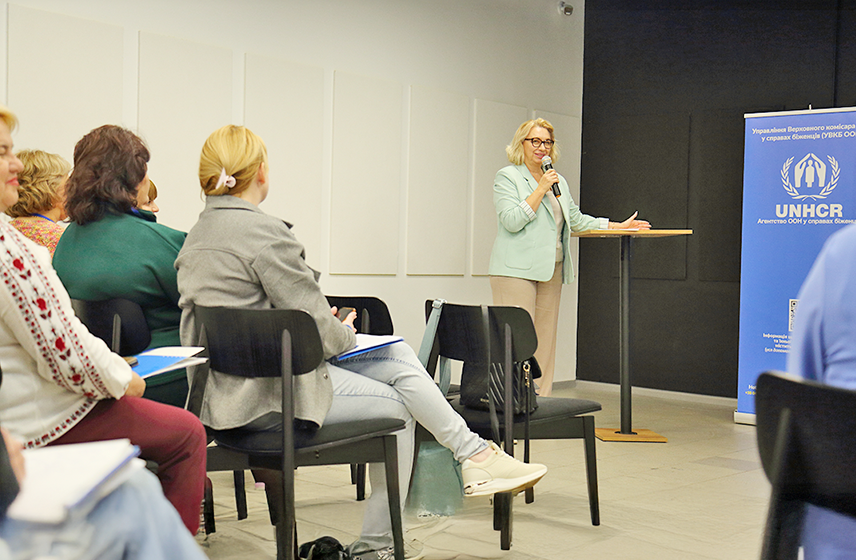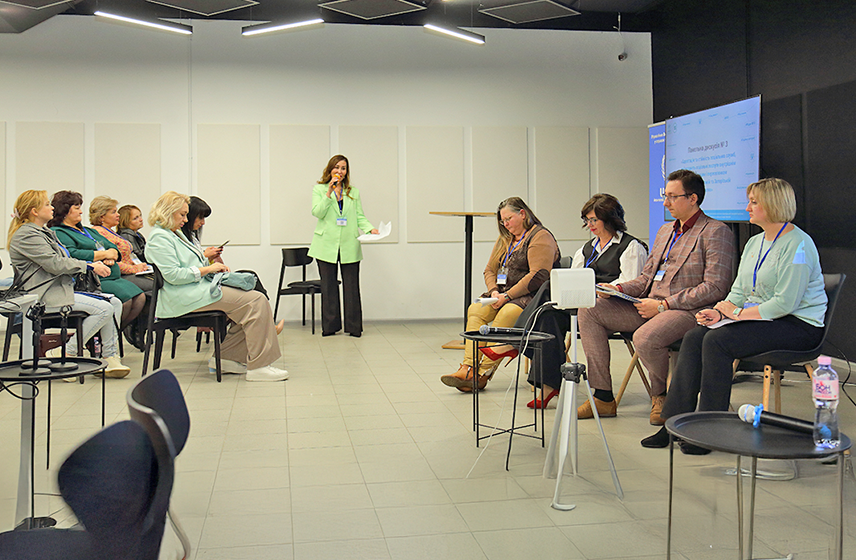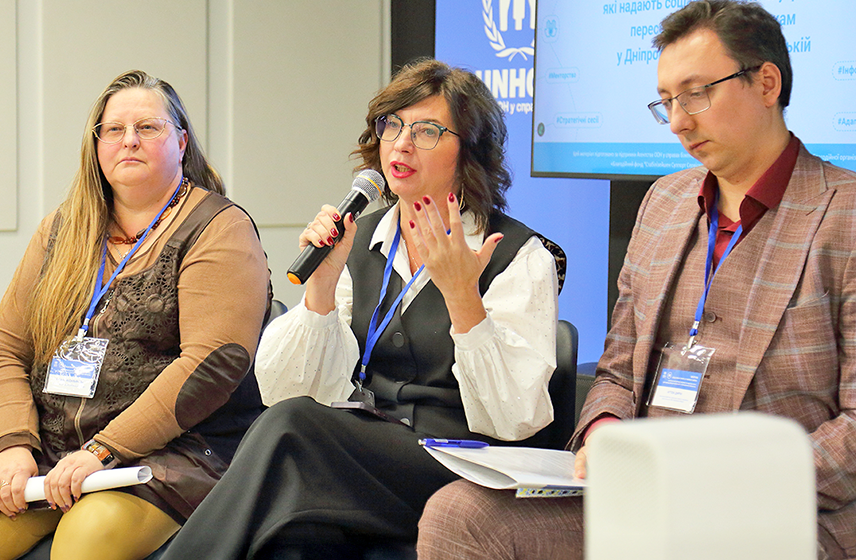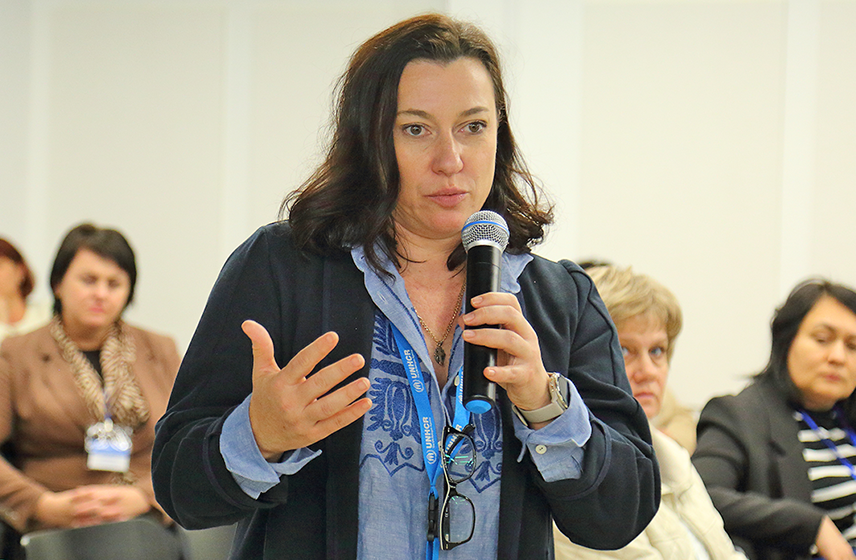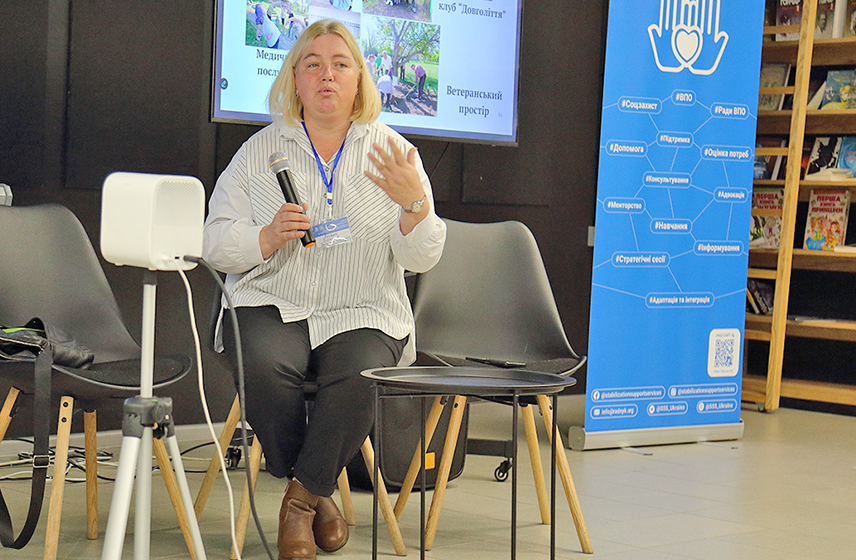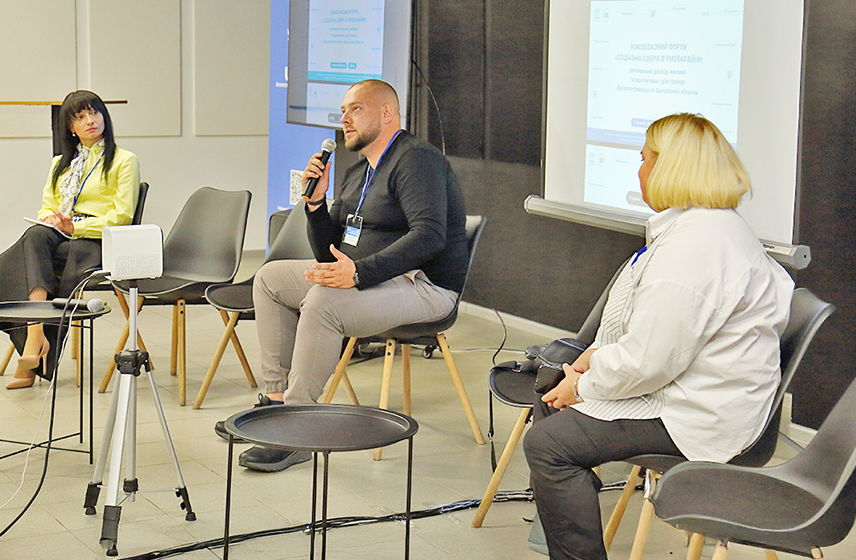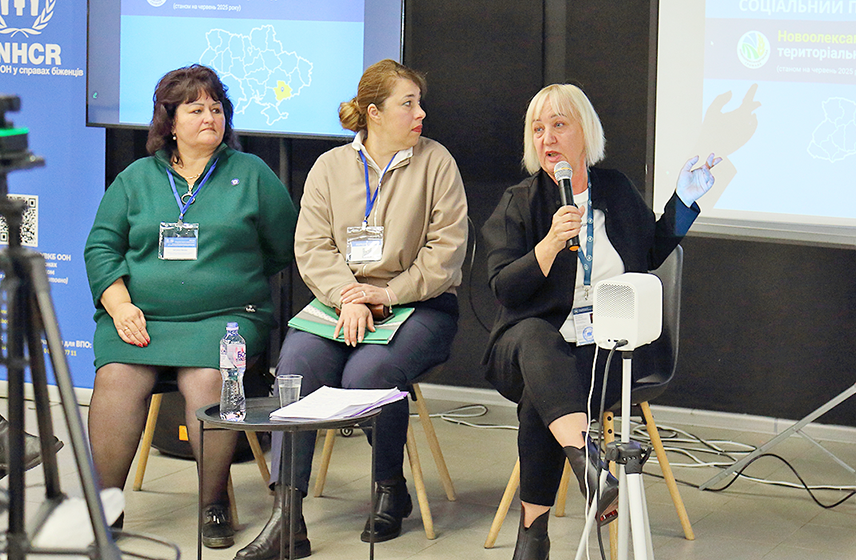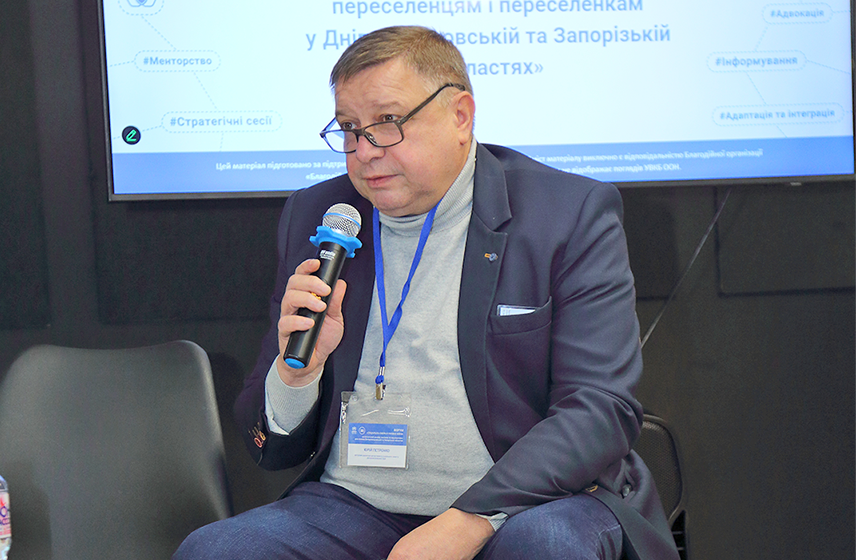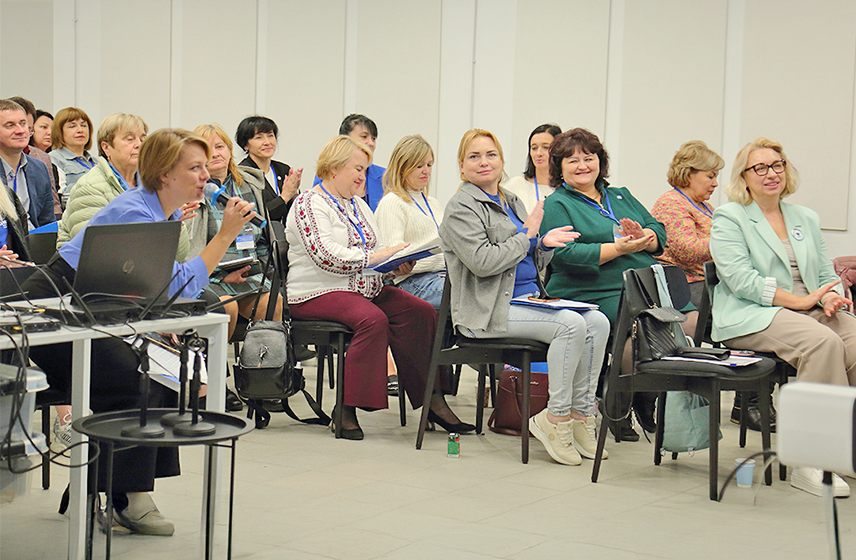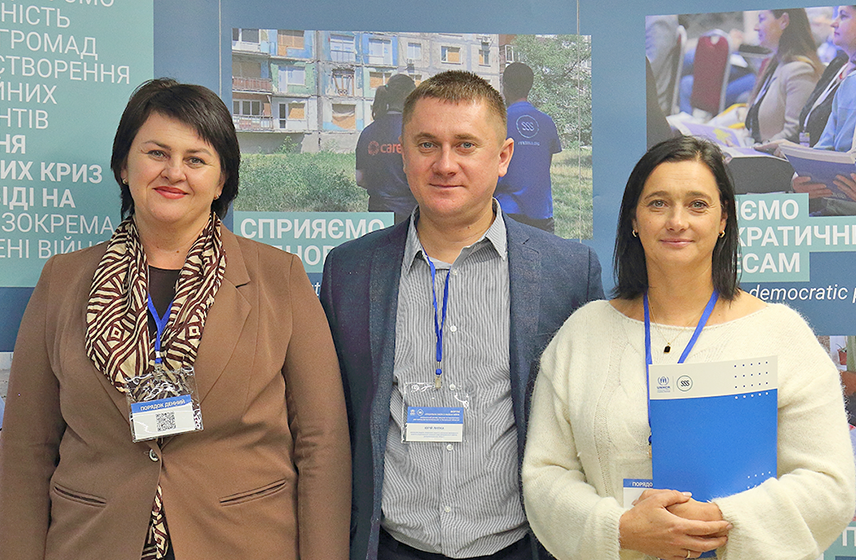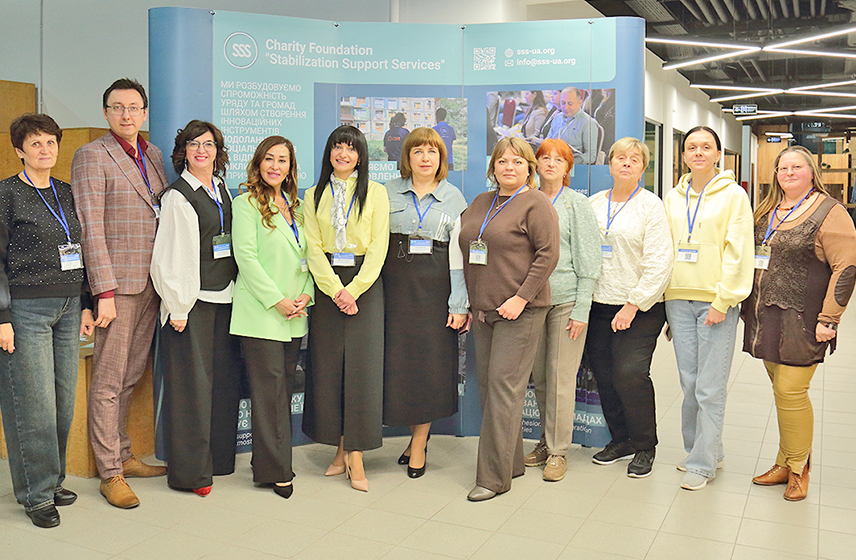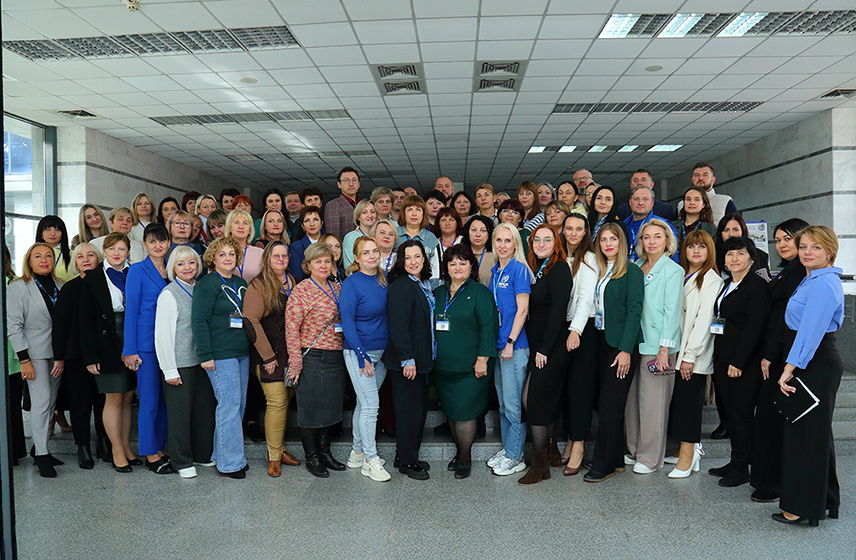
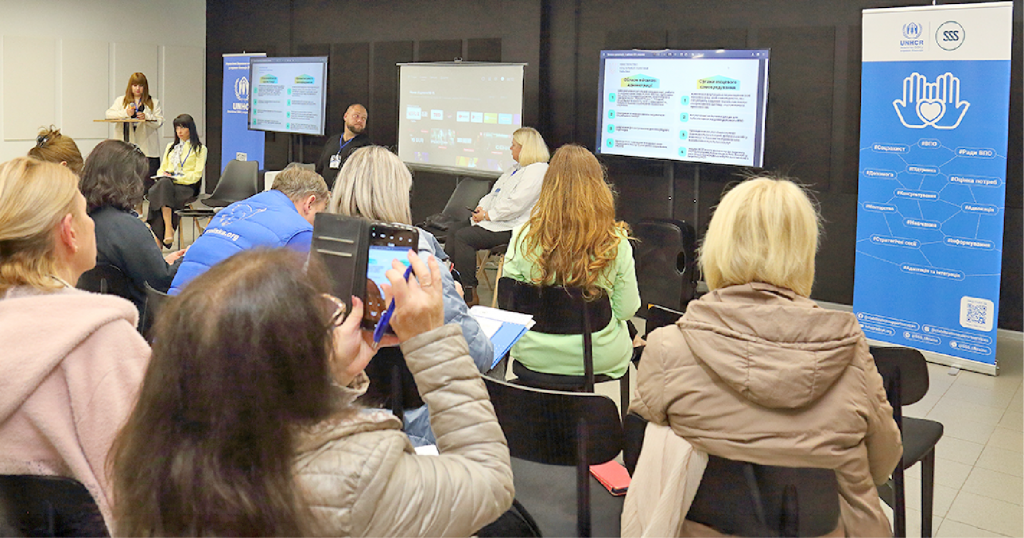
In early October, the interregional forum “The Social Sphere in Wartime: Regional Experience, Challenges, and Prospects” took place in Dnipro for communities from Dnipropetrovska and Zaporizka Oblasts. The focus was on the social adaptation of IDPs; the provision of facility-based care and assisted living social services; innovations in the social sphere; the challenges faced by local social services during the war; and successful practices in providing social services.
The event brought together the professional community, providing an opportunity to exchange experiences, improve cross-sectoral communication, and develop initiatives that will help prepare for the challenges of internal displacement.
Panel discussions featured representatives from central and local government authorities, local self-government bodies, and the civil society sector involved in providing social services and supporting internally displaced persons. Among the speakers at the forum were Oleksandra Makovska, Protection Advisor at UNHCR; Oleksandra Lytvynenko, Protection Advisor at UNHCR, Dnipro Sub-Office; and Liudmyla Shemelynets, First Deputy Minister of Social Policy, Family, and Unity of Ukraine (online).
Key topics of discussion included:
- Providing the “social adaptation” service in the context of internal displacement;
- How the experimental project for providing facility-based care and assisted living social services for older IDPs and people with disabilities is being implemented based on the “money follows the person” principle;
- How the social protection system is being reformed (digitalization, new powers of the Pension Fund);
- Why a community needs a social passport.
Olha Stavytska, Deputy Head of the Shrokivska community on the activities of executive bodies of the council, spoke about the model of cooperation with the civil society sector: “With the start of the full-scale invasion, we immediately realized that we could not cope without non-governmental organizations and partners. The community leadership set a clear vector: maximum involvement in all projects, grants, and initiatives. Our Center for Social Services operates on the Single Center principle, which allows for the most effective participation in all projects.”
“Synelnykivskyi Raion has been receiving displaced persons since 2014. In 2022, their number increased significantly. Now, the evacuation of residents from frontline communities to safer territories is underway — so, we have experience working with both those seeking shelter and those forced to temporarily leave their homes. We are focusing our efforts on the socialization of displaced persons who have settled in our district and supporting those who have moved further to the rear,” noted Vasyl Podlesnyi, Deputy Head of the Synelnykivskyi Raion Military Administration of Dnipropetrovska Oblast.
Yuliia Smoliarchuk, Director of the “Center for Social Adaptation” of the Dnipro City Council, explained that their center provides comprehensive assistance to older people who have become internally displaced. The institution supports them in the process of adaptation, restoring self-care skills, and rehabilitation so they can return to an independent and dignified life despite difficult circumstances.
Alina Kirakosian, coordinator of the True Hope NGO, Come Out and Play NGO, and the Center for Resilience of the Kryvorizka community of Dnipropetrovska Oblast, shared her experience with the experimental project: “Our experience has shown that when money truly follows the person, social support becomes dynamic, targeted, and effective. The assisted living service is not just a roof over one’s head. It is an opportunity for a person to feel part of the community, to maintain dignity and independence. Our clients receive comprehensive support, both social and psychological. It is important to amend the legislation to increase the permitted number of places for IDPs to live if the premises meet the requirements, as the need is growing daily.”
“Our goal is not just to relocate people, but also to help them rebuild their lives. Our mission is to help people by giving them hope for the future and confirming that they are not left alone with their troubles,” shared Nataliia Ardalyanova, Director of the Artak Charity Foundation.
Artem Dyrin, Head of the Department of Social Protection of the Population of the Melitopol Raion State Administration of Zaporizka Oblast, emphasized: “Together with the territorial communities, we have transformed our work methods by creating Spaces of Assistance for IDPs. These hubs in Zaporizhzhia have become not just points for distributing humanitarian aid, but true communication and information centers. Sixteen communities of Melitopolskyi Raion use these spaces for direct interaction with IDPs. We are continuing our work, recognizing that the Zaporizhzhia region remains a critically important center for receiving and integrating our citizens.”
This is the fifth forum for social sphere representatives organized this year by the Charity Foundation “Stabilization Support Services” with the support of UNHCR, the UN Refugee Agency in Ukraine. The next forums are already being prepared: in Poltava at the end of October and in Lviv in November.