
We continue our series on the key aspects of our Foundation’s work, which are based on the four protection principles* outlined in the Humanitarian Charter. One of them is “to assist people to recover from the physical and psychological effects of threatened or actual violence, coercion or deliberate deprivation.”
This principle highlights the need to provide immediate and sustained support to those affected, with a focus on physical, psychological, and social recovery. One key element is referring survivors to appropriate services.
“We begin our work by assessing and considering the needs of all population groups within the community. Individual requests are important to us. For instance, if we receive a request from a geriatric center, we can deliver aid directly there,” says Anna Nikolenko-Baieva, the Foundation’s project manager. “We also have mobile teams that provide psychological and legal assistance. Our team takes individual needs into account and, when necessary, refers people to other organizations — medical, psychosocial, or human rights-related. Additionally, we always share information on where survivors of sexual exploitation and abuse or gender-based violence can seek help.”
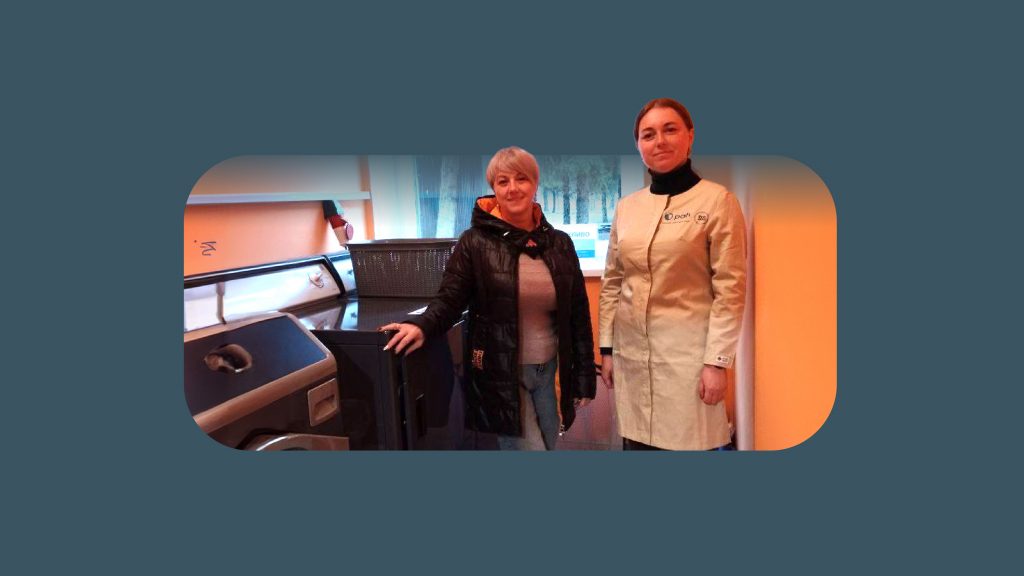
When launching social laundries as part of the Improving Hygiene Access in Shelling-Affected Areas in Sumska and Chernihivska Oblasts by Installing Social Laundries project, we recognized that many older affected persons rely on social workers to do their laundry. We created specific conditions and procedures to ensure they could use the facilities accordingly.
Providing access to essential services, such as laundry, is vital to restoring dignity and normalizing life for those who have endured difficult circumstances. It allows them to regain some control over their domestic environment, an important aspect of psychological recovery. This also helps reduce stress and improve the overall quality of life for vulnerable populations who may feel isolated.
Furthermore, the aforementioned principle of the Humanitarian Charter helps prevent re-victimization and isolation. The Foundation’s staff creates environments in which survivors can safely share their experiences, receive support, and participate in making decisions that affect their lives. It is important to involve communities in the recovery process through the support of self-help, local initiatives, and the preservation of social and family ties.
The Improving Hygiene Access in Shelling-Affected Areas in Sumska and Chernihivska Oblasts by Installing Social Laundries project is financed within the framework of the Localization project by the Polish Humanitarian Action (PAH).