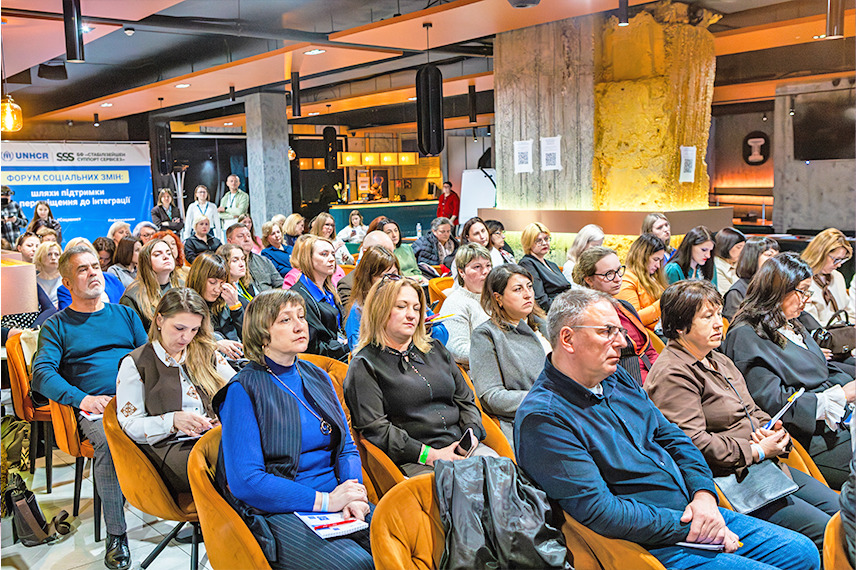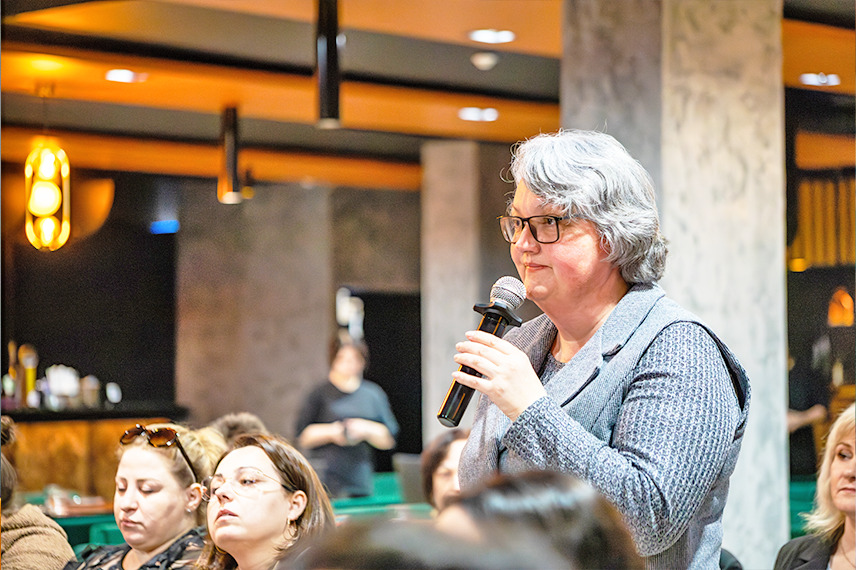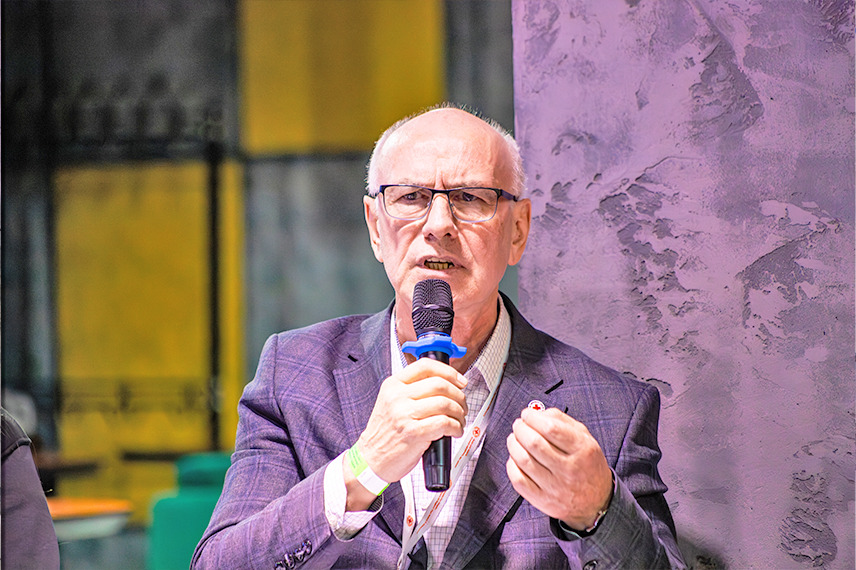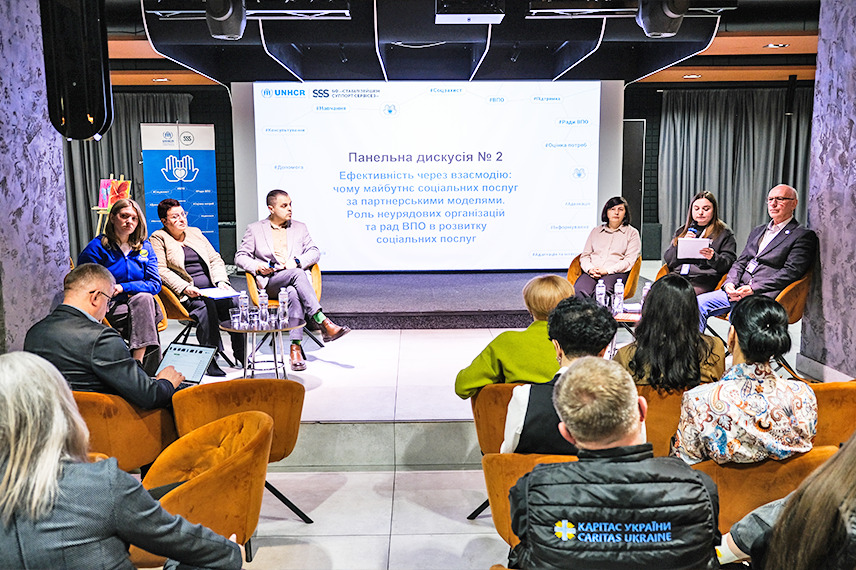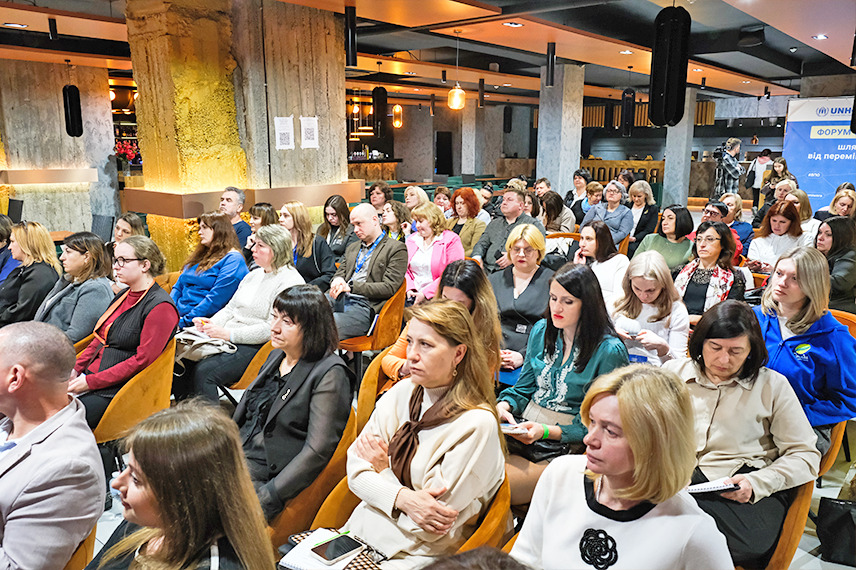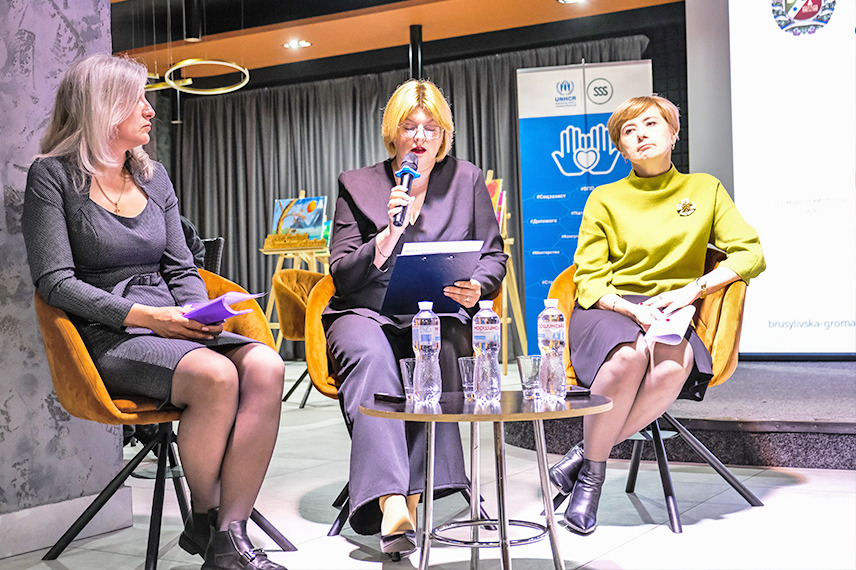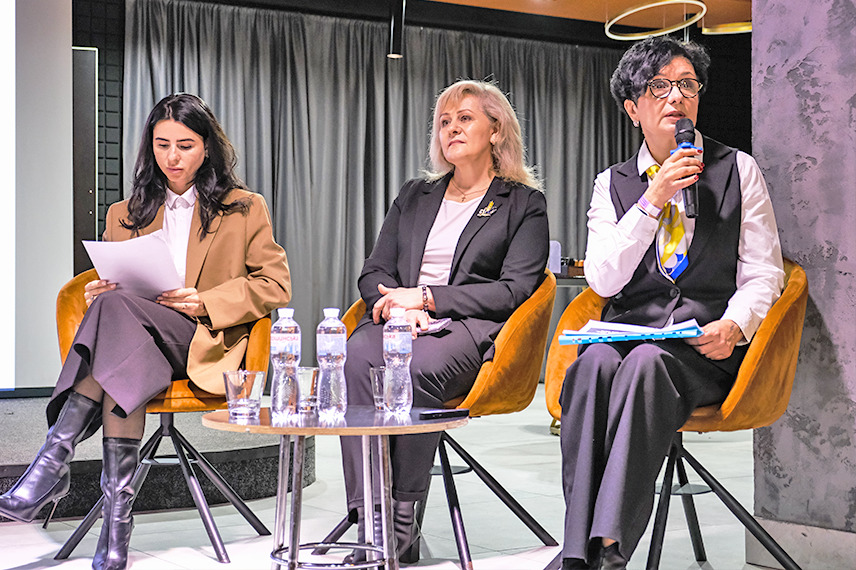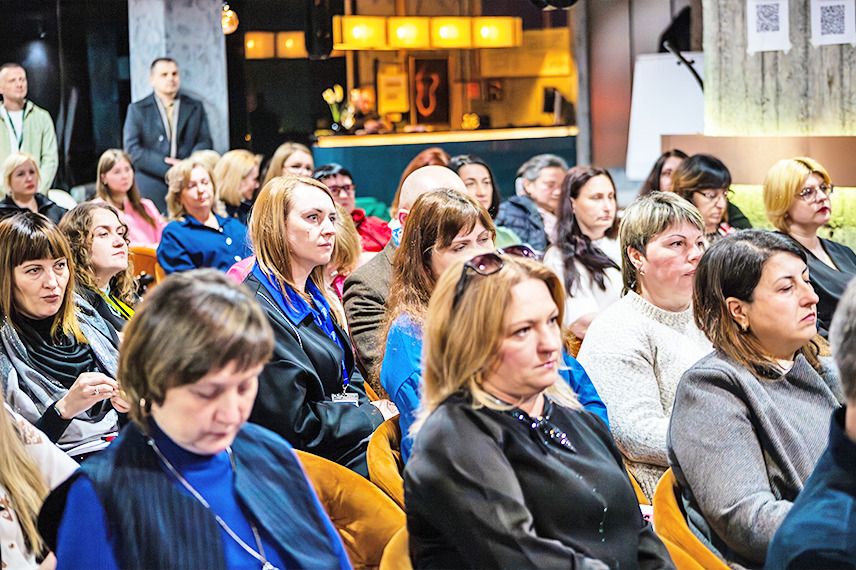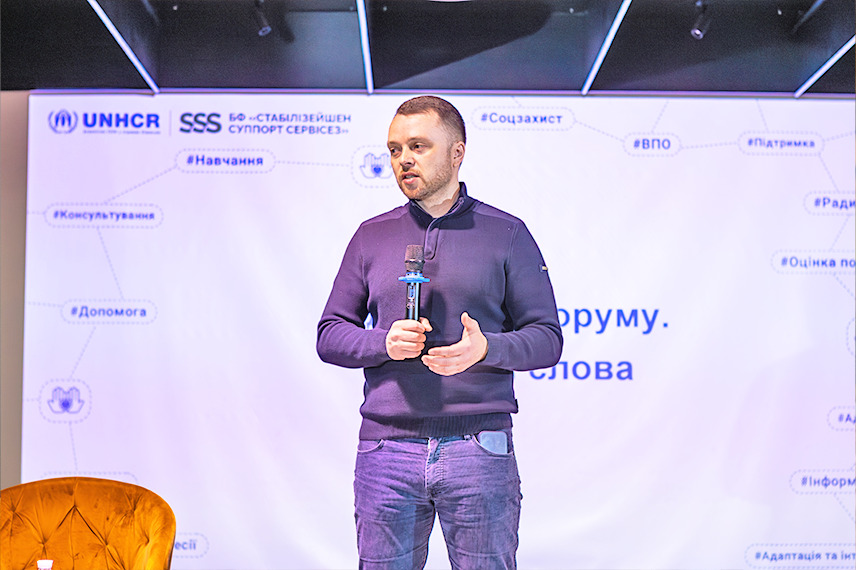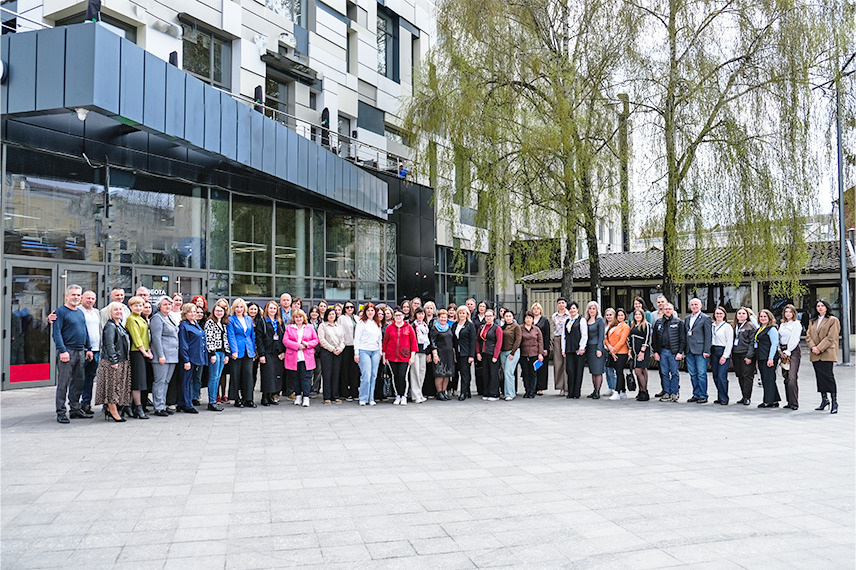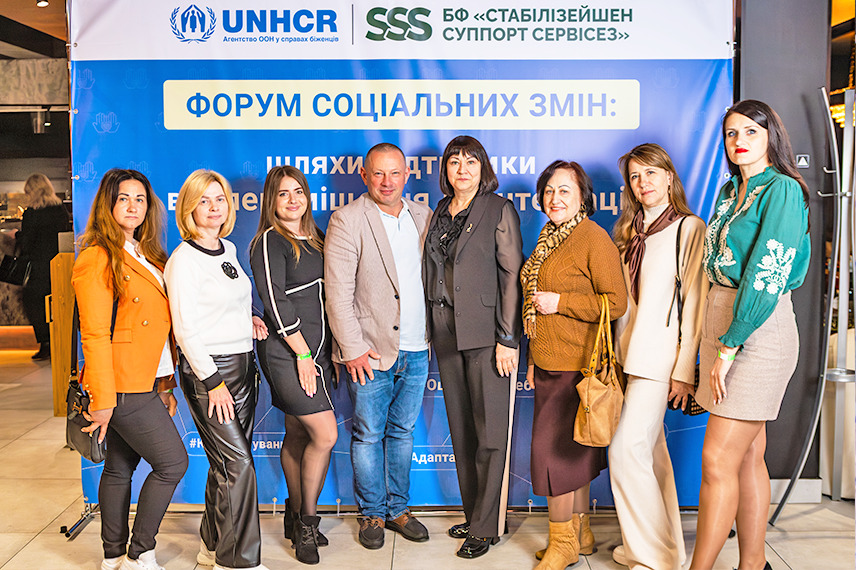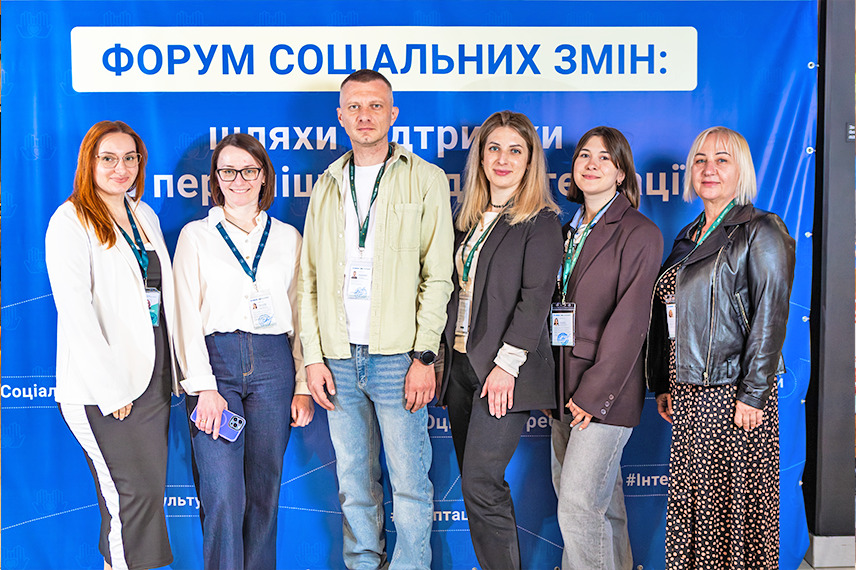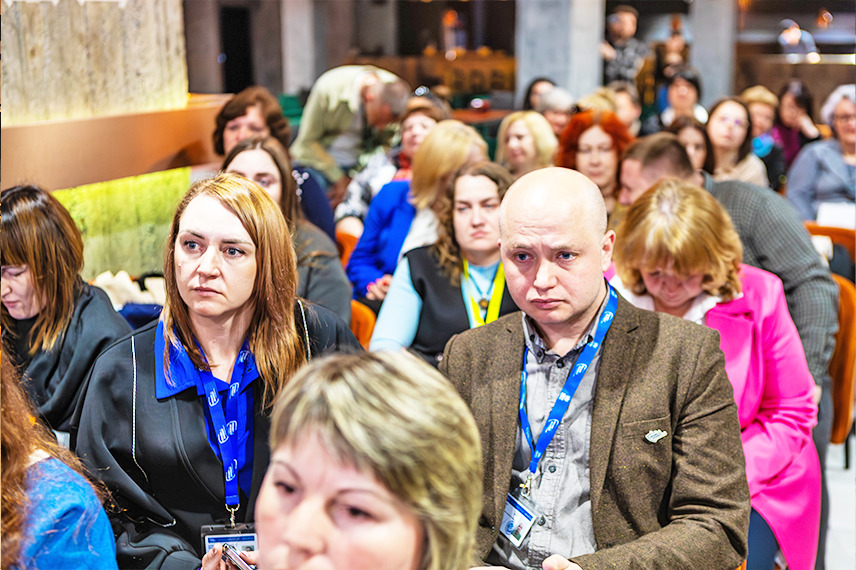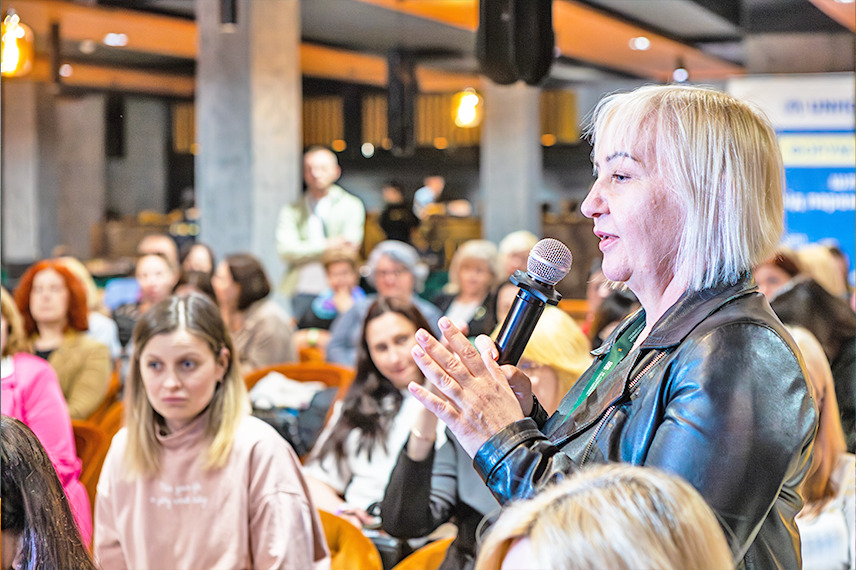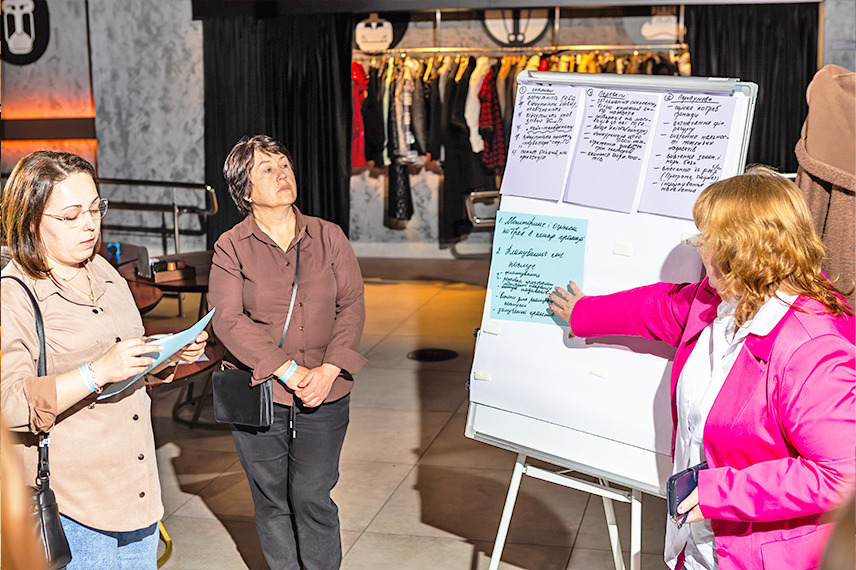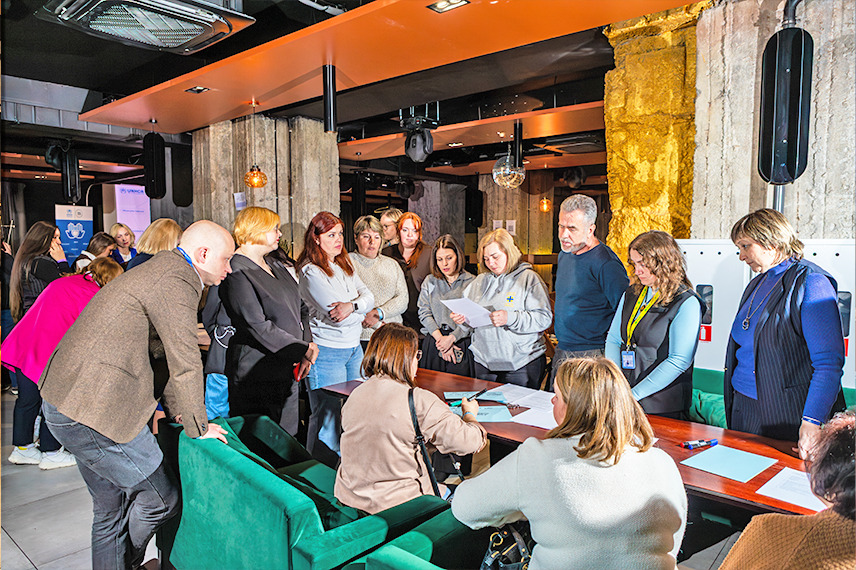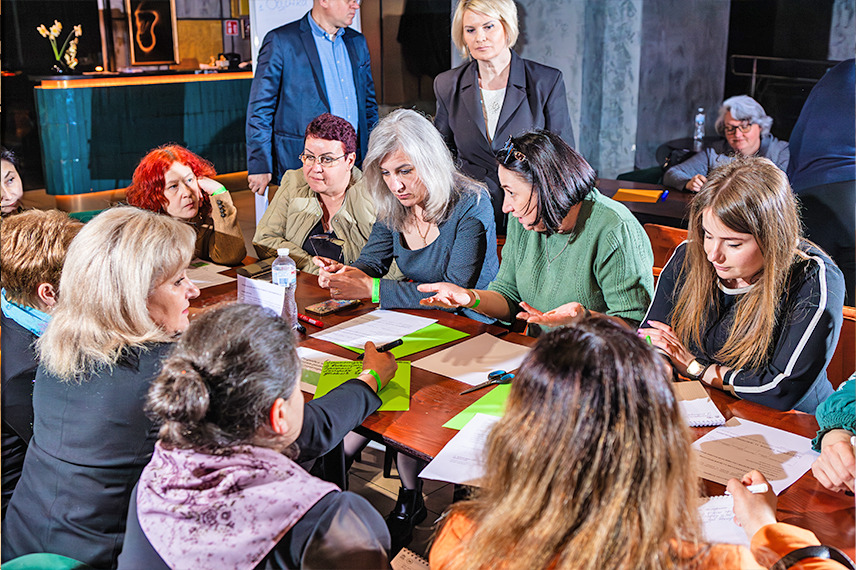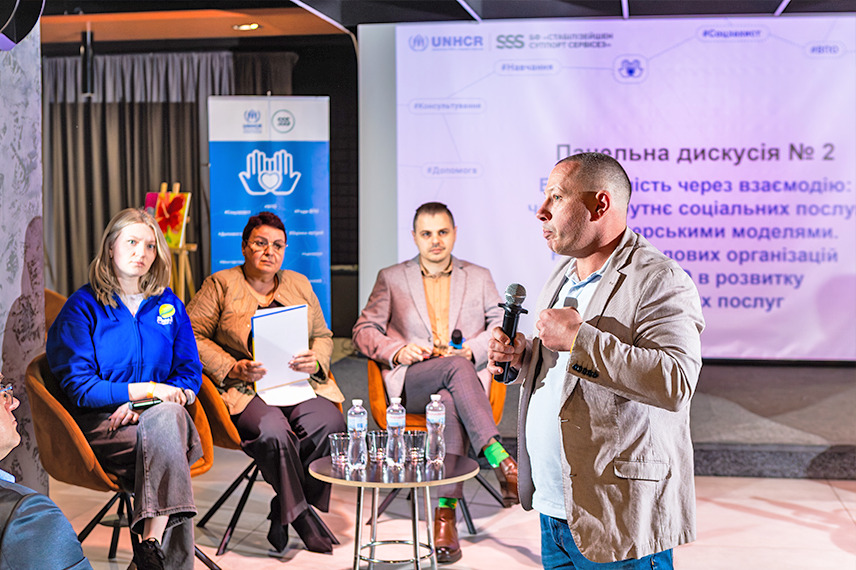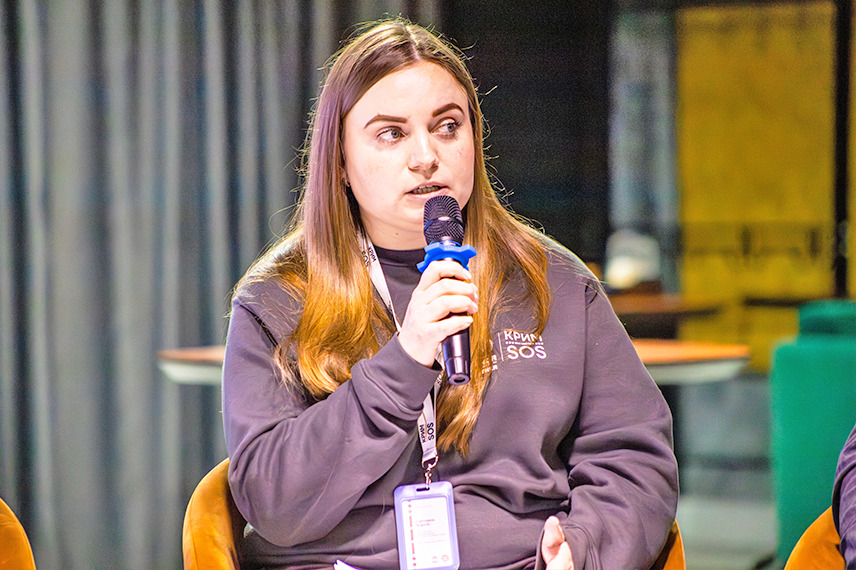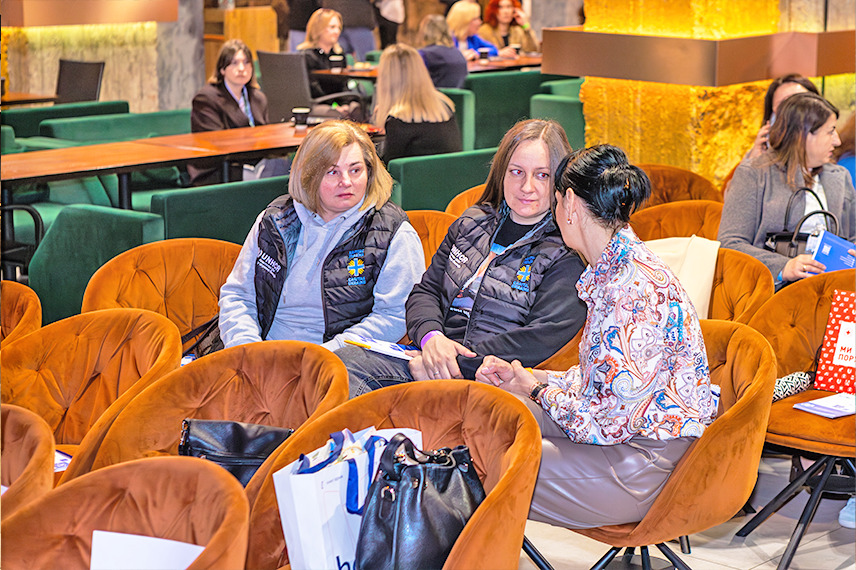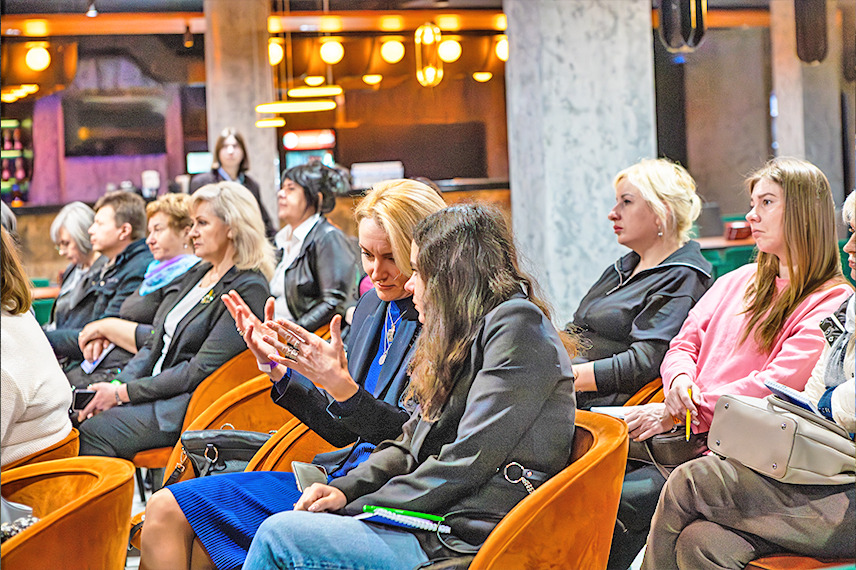
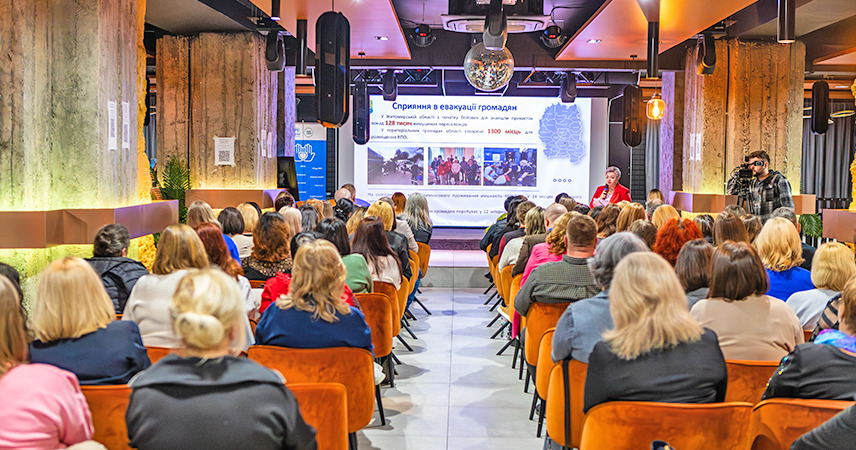
On April 16, Zhytomyr hosted the Forum for Social Change: Pathways from Displacement to Integration — a regional forum for staff members of social protection agencies in Zhytomyrska Oblast. It served as a platform for developing effective solutions to support IDPs. The event was organized by the Charity Foundation “Stabilization Support Services” as part of a project to strengthen the capacity of the social protection system, implemented with the support of UNHCR, the UN Refugee Agency in Ukraine.
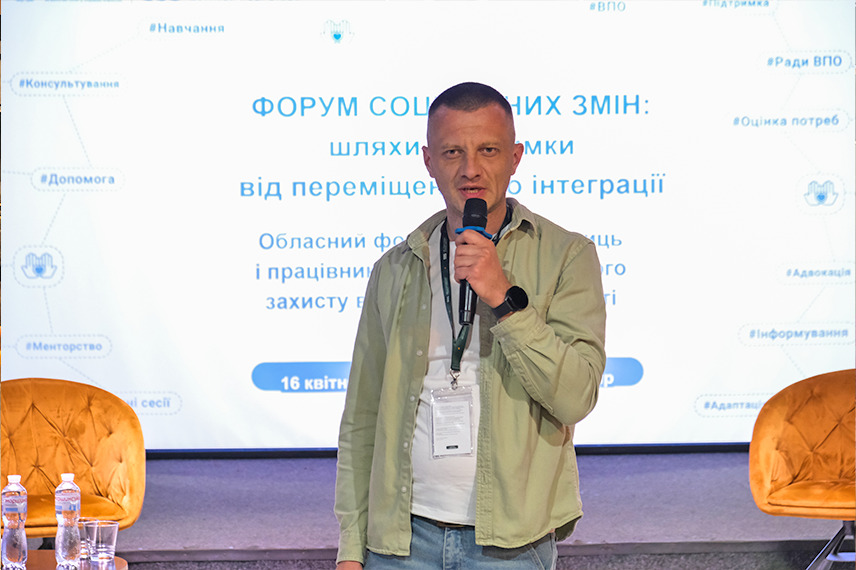
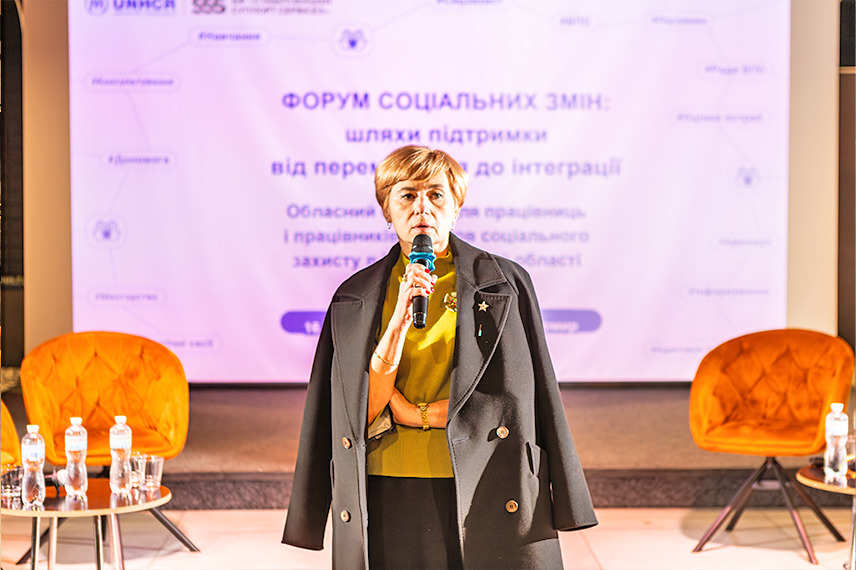
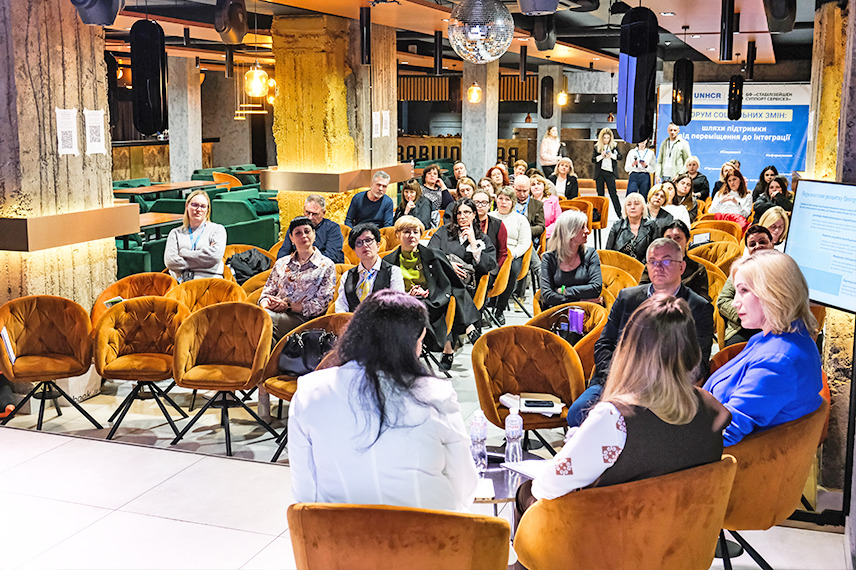
The event brought together approximately 90 representatives from the social protection sector, local authorities, and non-governmental organizations. Opening remarks were delivered to the professional community by Viktor Hradivskyi, Deputy Head of the Zhytomyrska Oblast State Administration; Nataliia Baranenko, UNHCR Protection Specialist in Ukraine; and Anna Borysova, Social Sector Advisor at the Charity Foundation “Stabilization Support Services.”
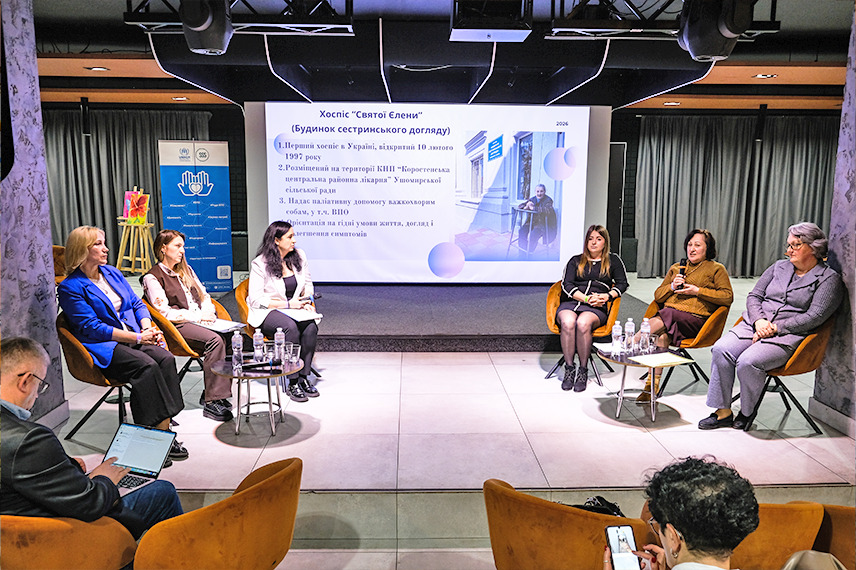
There are 72,900 internally displaced Ukrainians registered in Zhytomyrska Oblast. Discussions focused on effective practices for integrating IDPs into hromadas, the role of non-governmental organizations and IDP Councils in developing social services, and independent living for older adults and people with disabilities in the context of internal displacement.
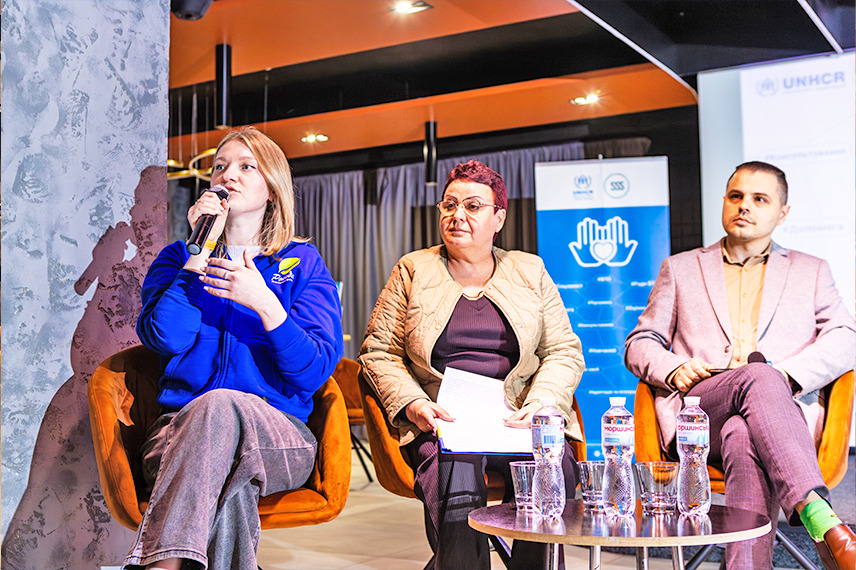
According to Olena Hryshchuk, Director of the Department of Social Protection of the Population of the Zhytomyrska Oblast State Administration, hromadas use various tools for the adaptation and social integration of internally displaced people. “A network of resilience centers operates in the oblast — 10 barrier-free spaces where IDPs can receive psychosocial assistance, individual consultations, and support to overcome stress free of charge,” Olena Hryshchuk said. “In addition, comprehensive social support programs have been introduced at the oblast and individual hromada levels. They provide for the provision of temporary and social housing, assistance in employment and access to education and medicine, financial aid to vulnerable groups, and economic integration through training and networking. IDPs can also receive training vouchers from employment centers and grants to start their own businesses.”
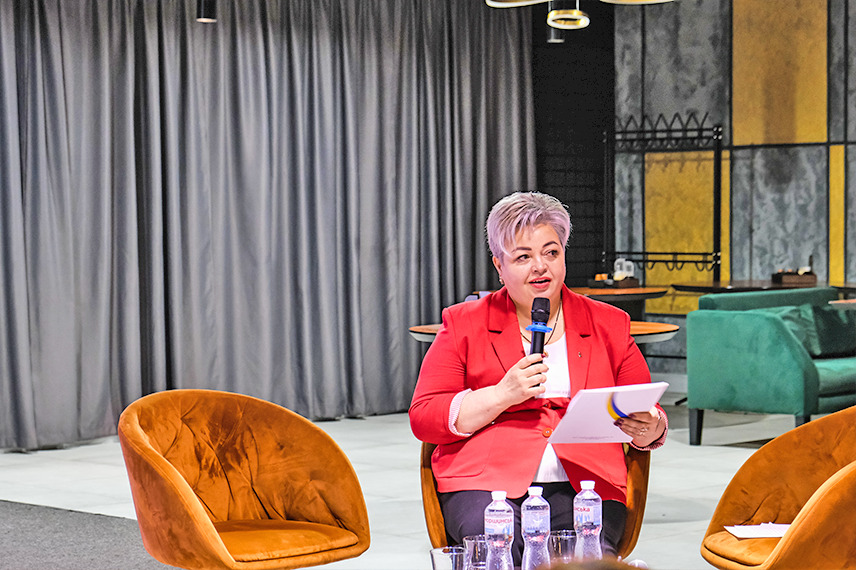
Nataliia Baranenko, Protection Specialist at the UNHCR Office in Kyiv, emphasized the importance of non-governmental organizations in supporting the social sector: “Over the last four years, the burden on the state social protection system has increased significantly — and that is why the role of international and non-governmental organizations in supporting it is becoming increasingly critical. Such support is one of the priorities of UNHCR and partner organizations, both by creating and equipping new jobs in local social services and by promoting the development of regulatory and legal mechanisms that ensure real access for IDPs to their rights and freedoms.
The Forum for Social Change: Pathways from Displacement to Integration is precisely the format of dialogue between state and local institutions, humanitarian organizations, development actors, and IDP Councils that allows for the transition from humanitarian response to sustainable integration. After all, true support for IDPs is not only emergency aid but also the development of a system in which every person can rebuild their life with dignity and confidence in the future.”
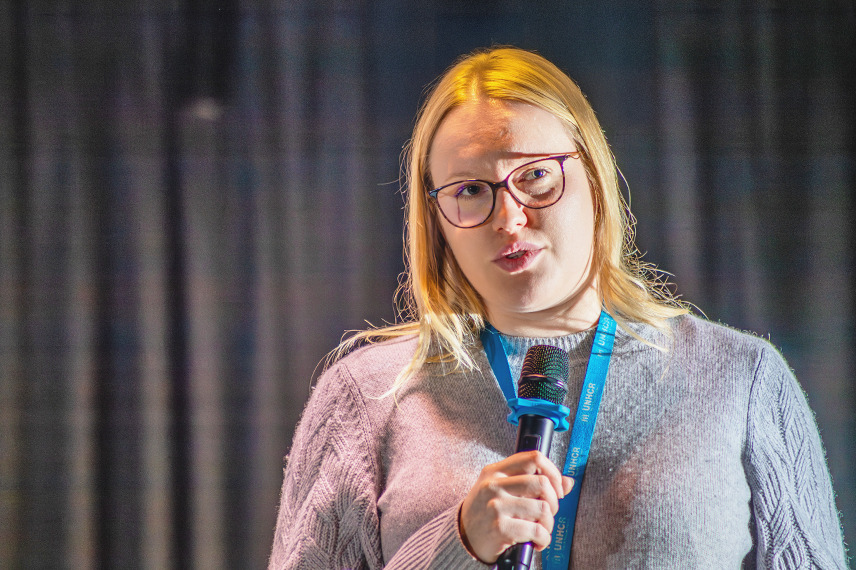
Forum results:
- A platform was created for the exchange of experience between authorities, hromadas, social service providers, and non-governmental organizations regarding social support for IDPs in Zhytomyrska Oblast;
- Challenges in the field of providing social services in the hromadas of the oblast were identified;
- Best practices of hromadas in the field of social support for IDPs and vulnerable groups of the population were presented;
- Practical solutions were developed to help improve the social support system for IDPs and develop social services in hromadas.
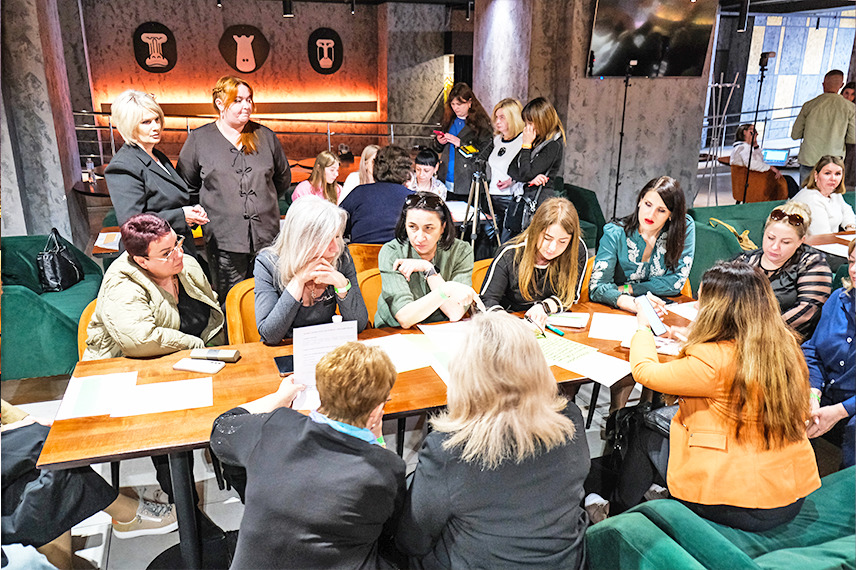
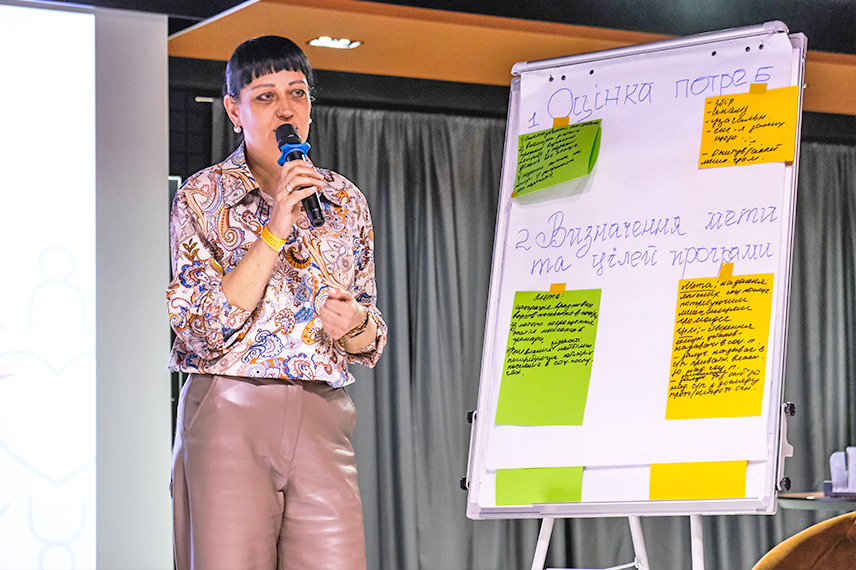
CF “Stabilization Support Services” systematically supports the capacity of social protection institutions. “For our foundation, advocating for a sustainable and effective system of social services in hromadas is not about theory, but about a practical response to the challenges we see every day in our work. In a situation of prolonged displacement and vulnerability, the hromada becomes the key space for support, and the dignity and quality of people’s lives depend on how systematically services are organized there. Today, it is necessary to move from humanitarian response to long-term solutions in which services do not depend on individual projects but become part of a sustainable local system with clear mechanisms for financing, interaction, and accountability. That is why tools such as social procurement, partnerships with non-governmental organizations, and the involvement of IDP Councils are critically important,” concluded Anna Borysova, Social Sector Advisor at CF “Stabilization Support Services.”
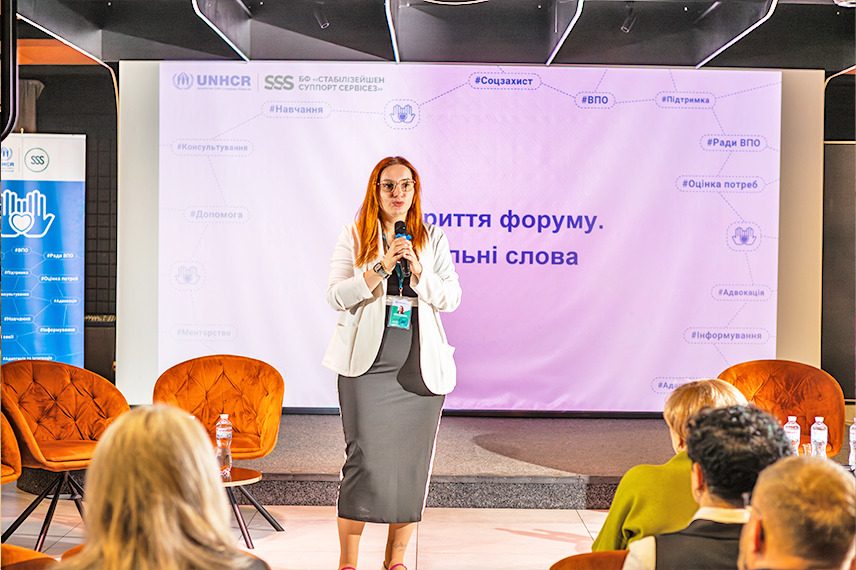
The Forum for Social Change: Pathways from Displacement to Integration in Zhytomyrska Oblast became an effective platform for exchanging experience at the regional level and developing specific solutions: how hromadas should implement effective social service models, how to build partnerships, and how to ensure continuous support for displaced people from the moment of displacement to full integration.
This publication was prepared with the support of UNHCR, the UN Refugee Agency in Ukraine. The content of this publication is the sole responsibility of the Charity Organization “Charity Foundation ‘Stabilization Support Services'” and does not in any way reflect the views of UNHCR.