
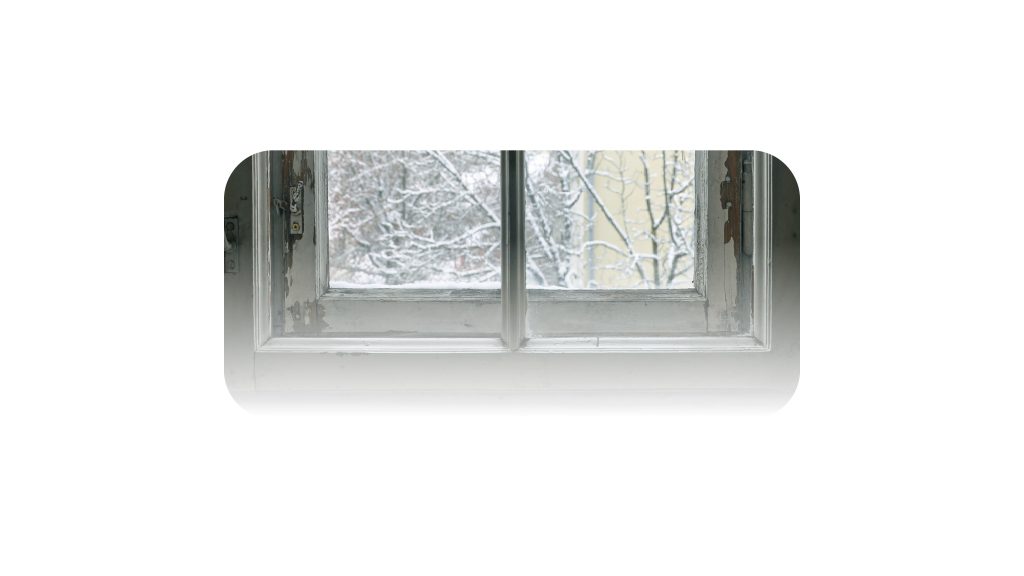
For our Foundation, windows have already become a symbol of resilience and struggle. The homes of many families have been affected by the consequences of the hostilities, and thousands of people have been living for months with boarded-up windows, deprived of sunlight. Aware of this, we have long been working to restore windows for those who need it most. Thanks to the Providing Multi-Sectoral Humanitarian Assistance to Conflict-Affected Populations in Ukraine project, the Foundation has already restored hundreds of windows in Kherson.
The situation with heating and electricity supply, as well as the overall need to preserve warmth in one’s home, makes us think about how to insulate windows and reduce heat loss. Therefore, we have prepared a few tips on how to achieve this.
How to Insulate Wooden Windows?
- Foam Rubber
Fill the gaps with foam rubber strips that you can cut yourself, then seal them on top with construction or painter’s tape or strips of fabric or paper. You can also buy ready-made self-adhesive foam strips at hardware stores. It’s very important to thoroughly clean the window beforehand and degrease the surfaces so the adhesive sticks well.
- Cotton Wool
Fill the gaps with cotton wool and then cover them with paper or fabric strips or tape. You can use ordinary household soap instead of adhesive for the strips.
- Foam and Sealant
Expanding foam can be used to fill gaps between the windows and the wall, and clear sealant can be applied between the glass and the frame. Both methods are suitable for the window’s stationary parts and require a special applicator. It’s important to protect the foam-filled gaps from UV exposure by, for example, with putty.
- Paraffin
Fill the gaps with melted paraffin from a syringe. Melt the paraffin in a bowl or saucepan over low heat. If the gaps are large, pre-fill them with fabric or cotton wool. This insulation method is very effective.
- Film
You can apply a transparent thermal film to the window, which is sold in most construction or specialized stores. Such a film will also reinforce the glass itself, preventing it from shattering too much under the impact of a blast wave. A budget-friendly option is non-food-grade polyethylene film attached around the window frame’s outer edges.
How to Prepare Plastic Windows for the Cold?
Step 1. Check the Weatherstrips (Element 1 in the photo)
If it’s hard or has tiny cracks or areas peeling off, it needs replacement. Try cutting off a small piece of your weatherstrip and purchasing an identical one based on the sample. Then remove the old one, clean away dirt, and install the new one.
фото: foto 1
Step 2. Check the Window’s Tightness Setting (Element 2 in the photo)
Windows have two tightness settings: a summer setting, for when rooms need slight ventilation, and a winter setting, when the window should be tightly closed. Open the window, find the metal hardware, and use a hex key to adjust it. Check with your hand if the cold air flow has really weakened — or clamp an A4 sheet of paper in the window and try to pull it out when it is closed. If the paper moves easily, the window is set to the summer ventilation mode.
Step 3. Check the Hardware
Make sure it’s intact and undamaged. If not, it’s worth replacing it because broken hardware can prevent windows from closing tightly.
Step 4. Evaluate the Quality of the Window Jambs
Make sure the jambs are professionally installed both inside and out. Check if you feel a draft by placing your hand near the window and if you see any gaps between the window and the wall, including from the outside. If the window is drafty or there’s a gap, you need to apply putty to the jambs inside or outside. By the way, expanding foam loses its properties under UV exposure, so if it’s exposed outdoors, it stops performing its function and lets in cold air. That’s why the foam should always be protected from sunlight.
Step 5. Insulate with Film
If the hardware, weatherstrips, and jambs are all fine, you can additionally insulate the window with a transparent, preferably non-food-grade thermal film.
Don’t forget additional ways to help keep you warm:
- Thick curtains, blinds, or roller shutters;
- A rolled-up blanket or just fabric along the windowsill;
- Regular maintenance, cleaning, and lubrication of hardware and weatherstrips.
The Providing Multi-Sectoral Humanitarian Assistance to Conflict-Affected Populations in Ukraine project is implemented by the Charity Foundation “Stabilization Support Services” in cooperation with the humanitarian organization CARE Ukraine and the Response Consortium, with financial support from USAID’s Bureau for Humanitarian Assistance (BHA).