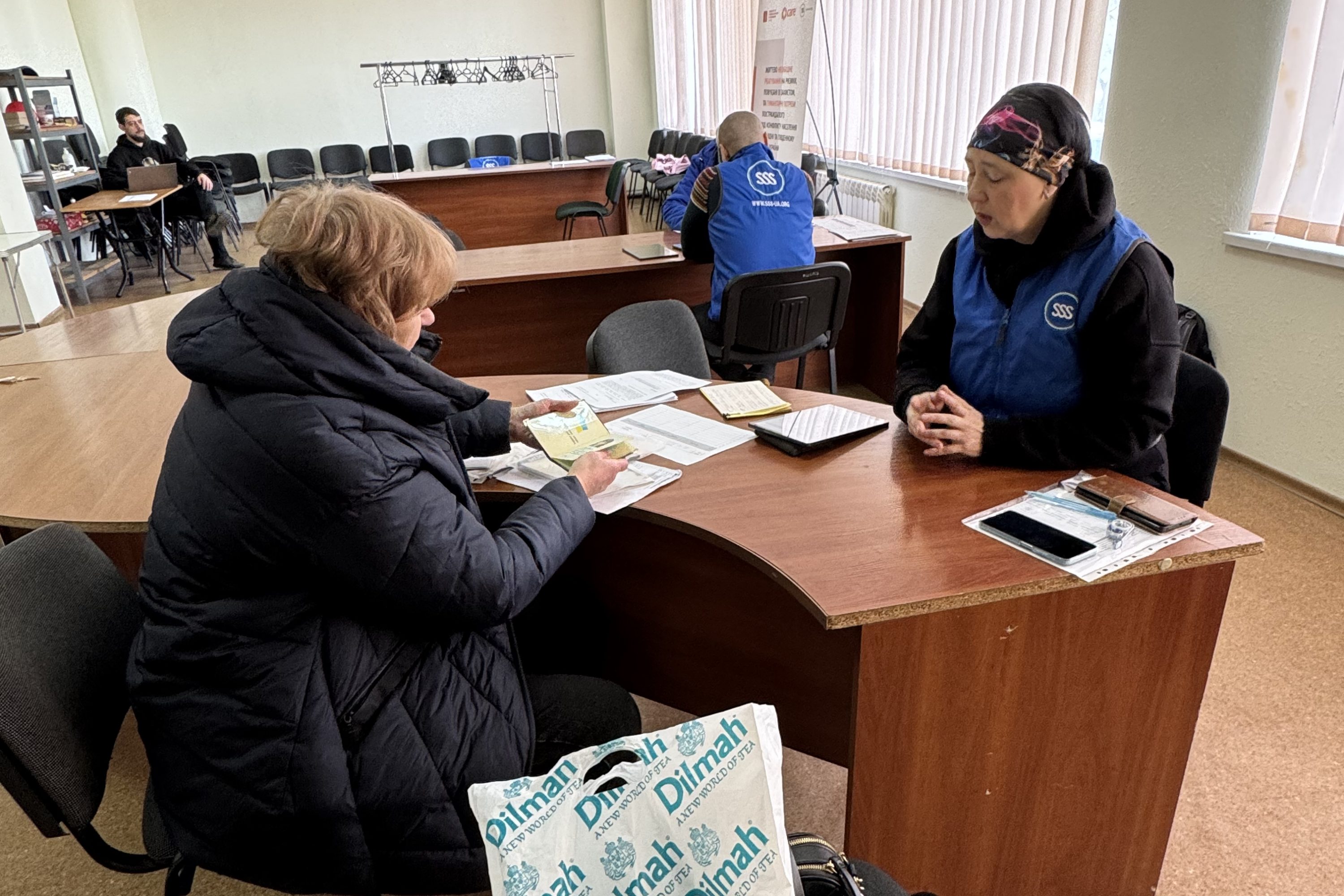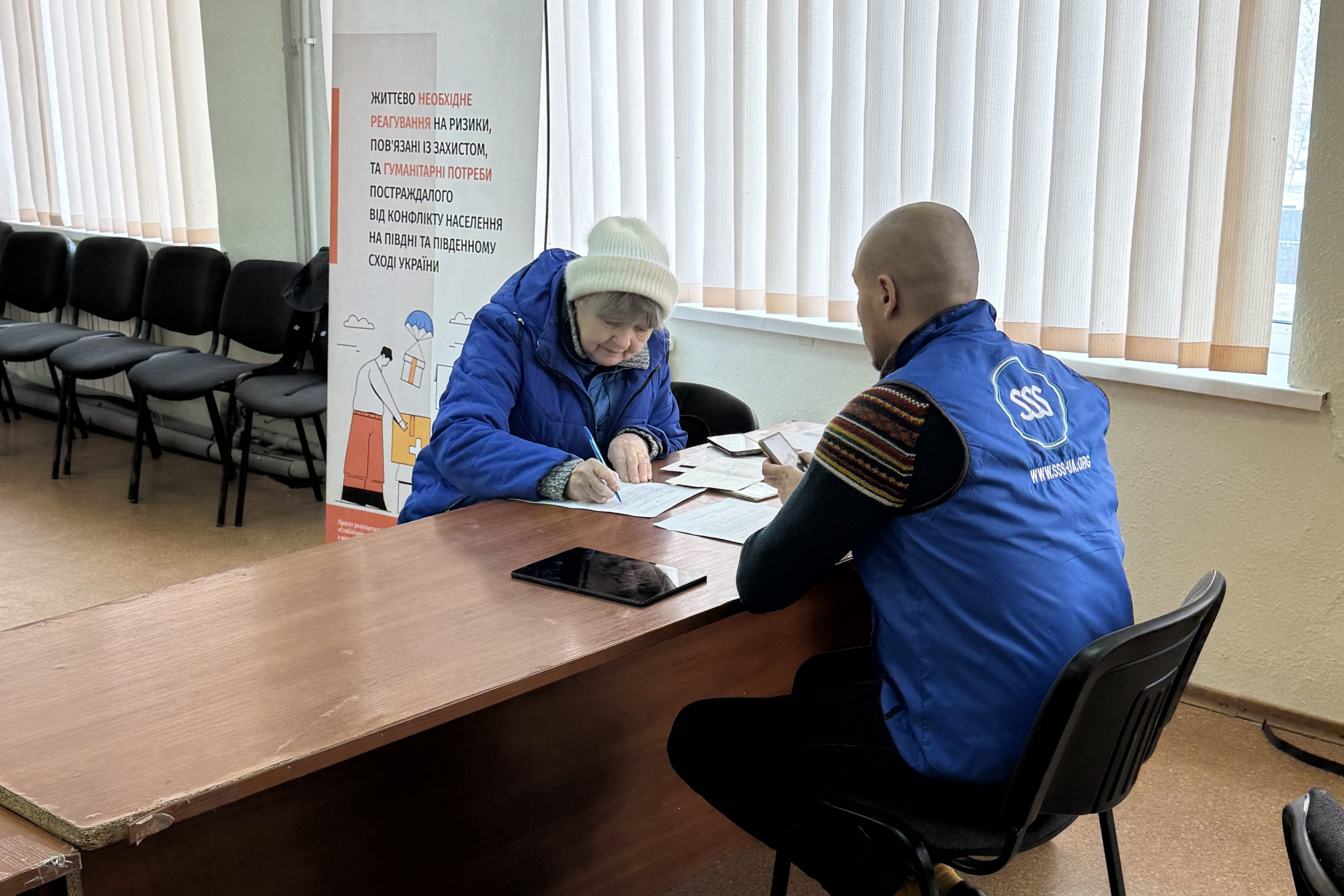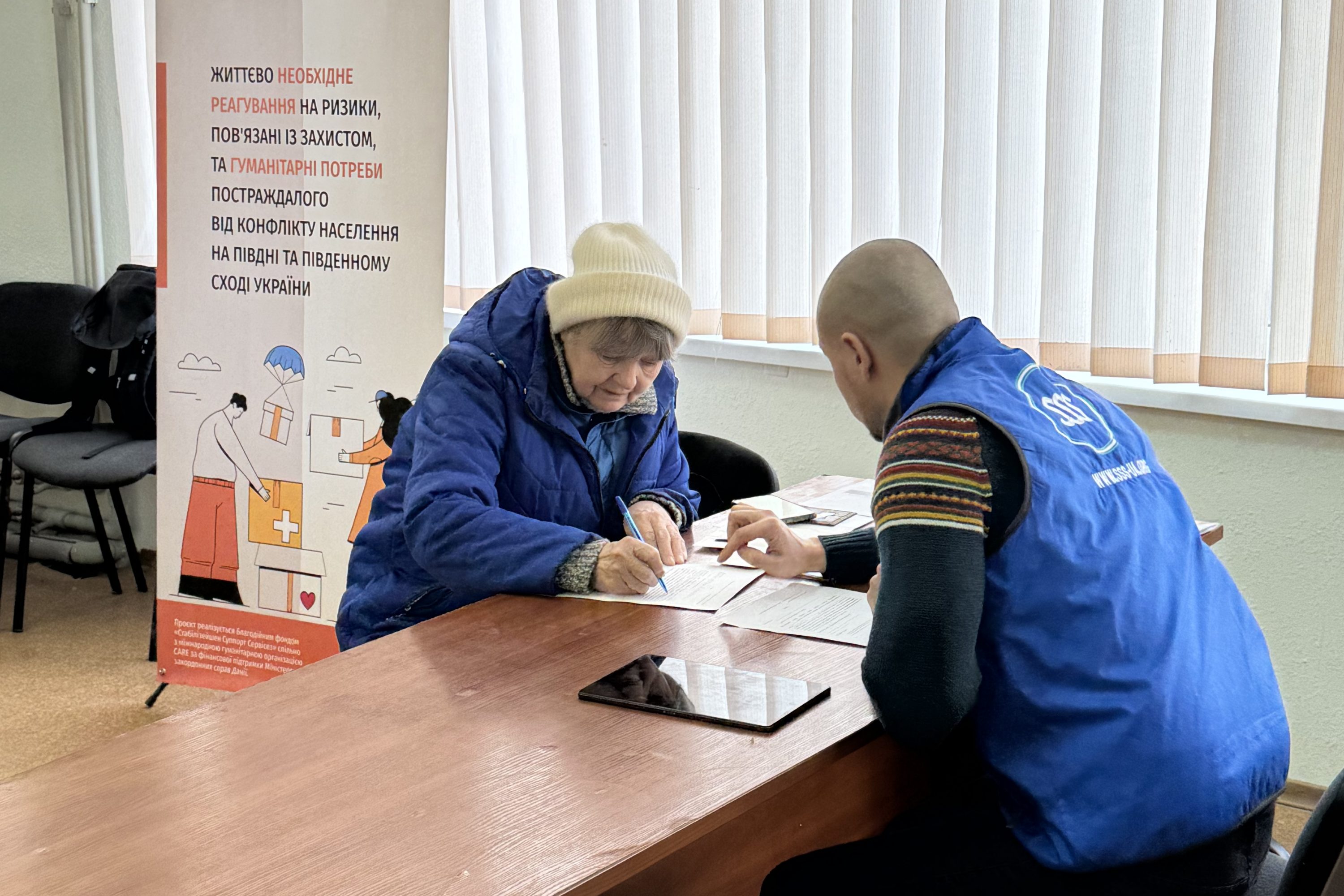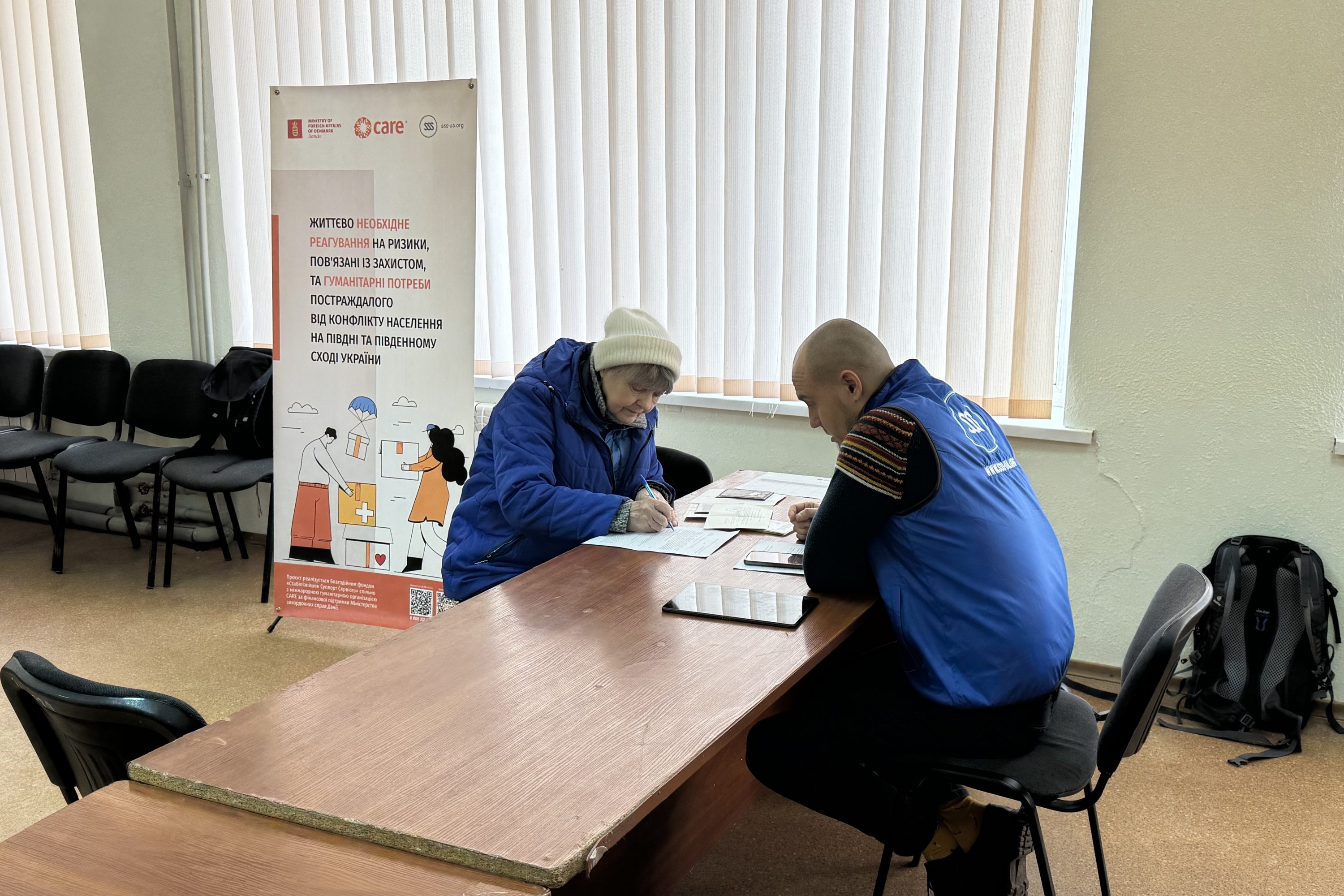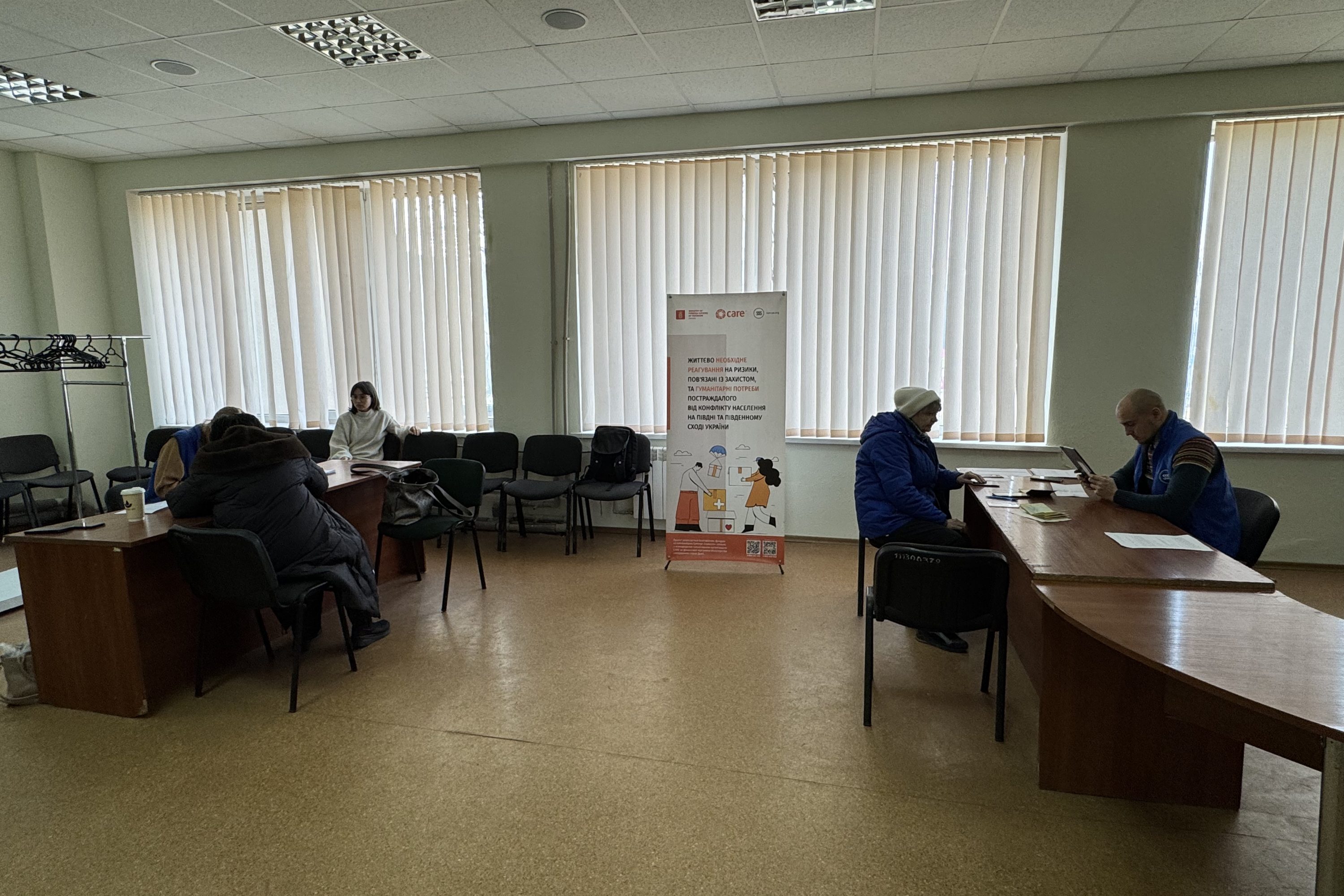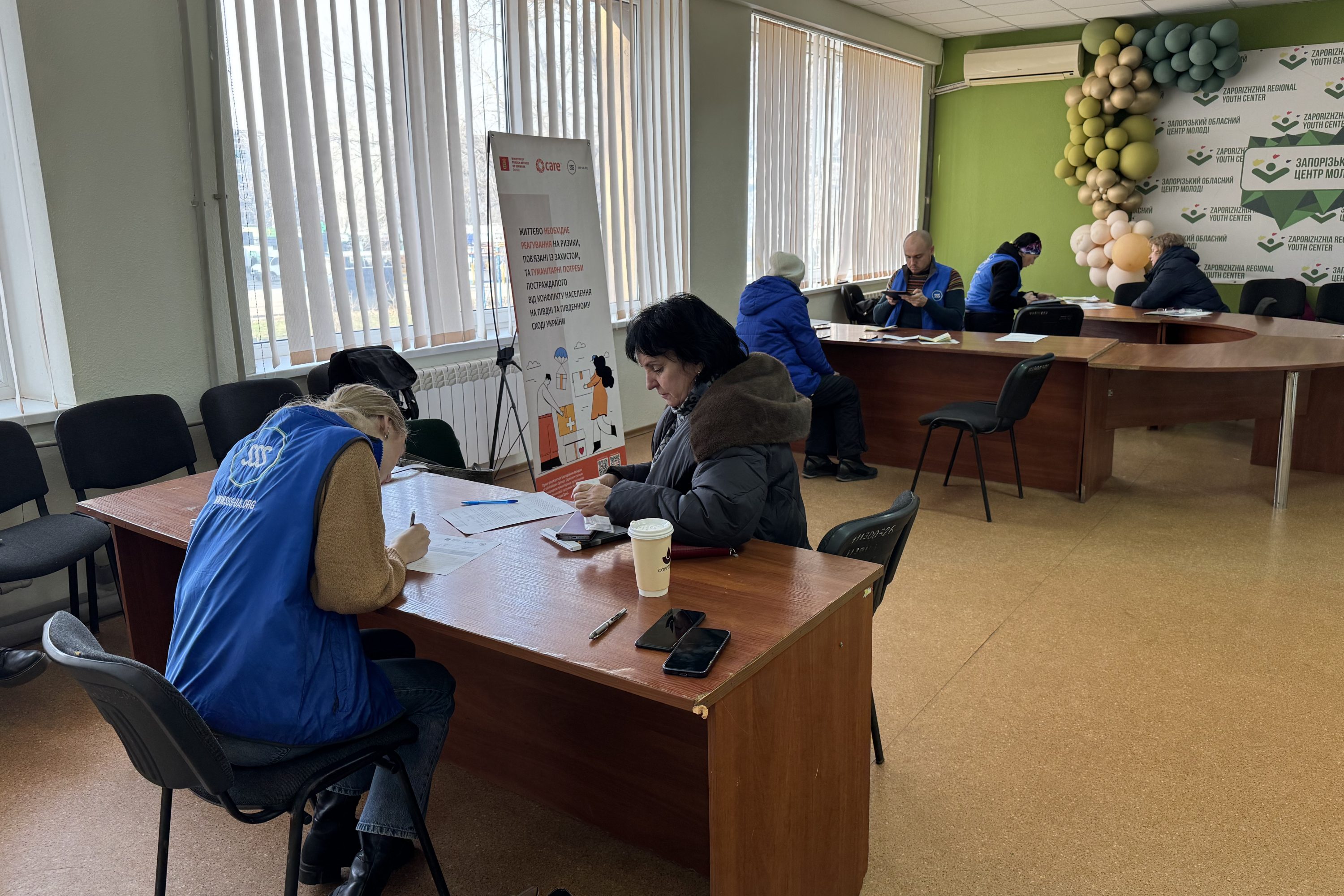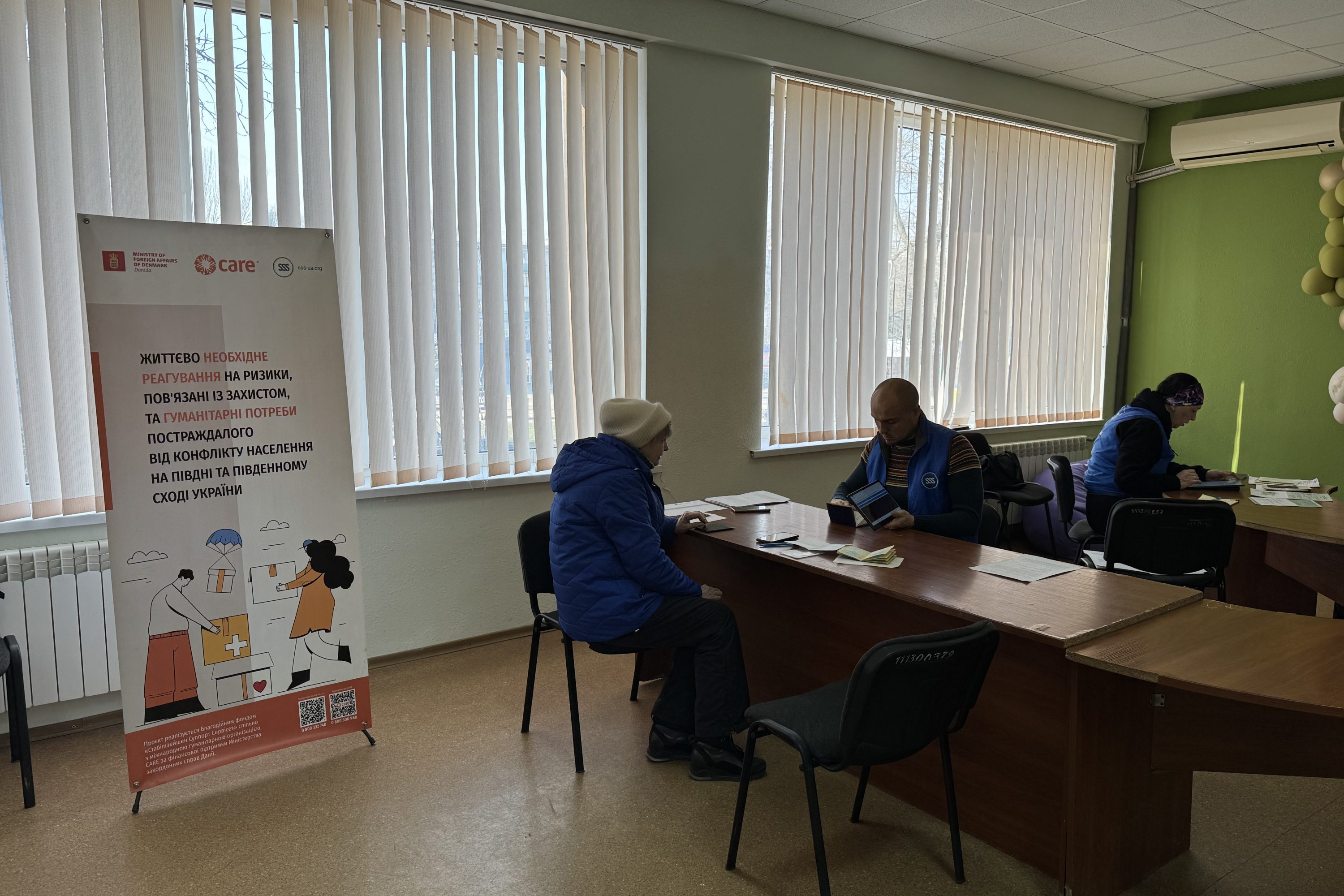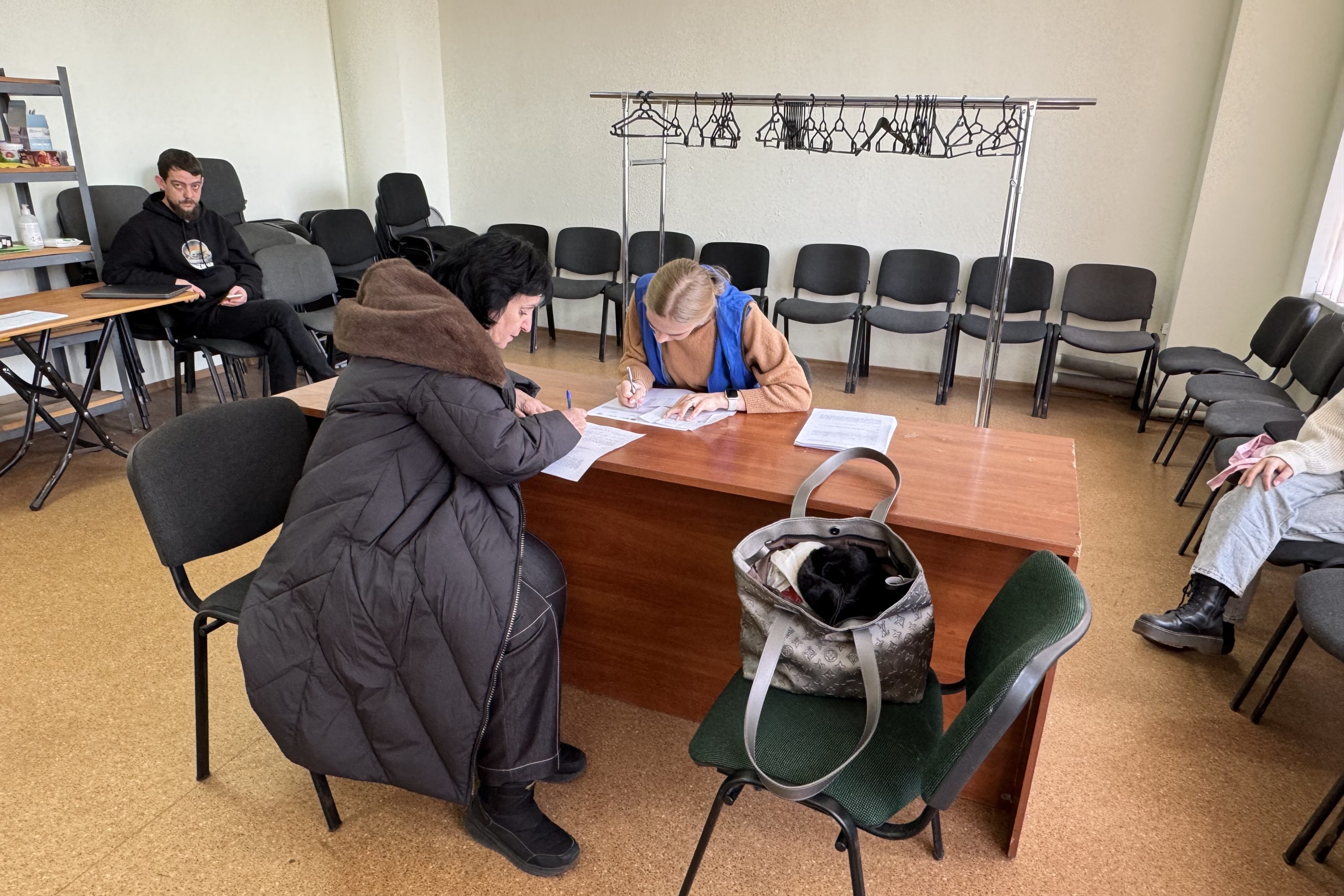
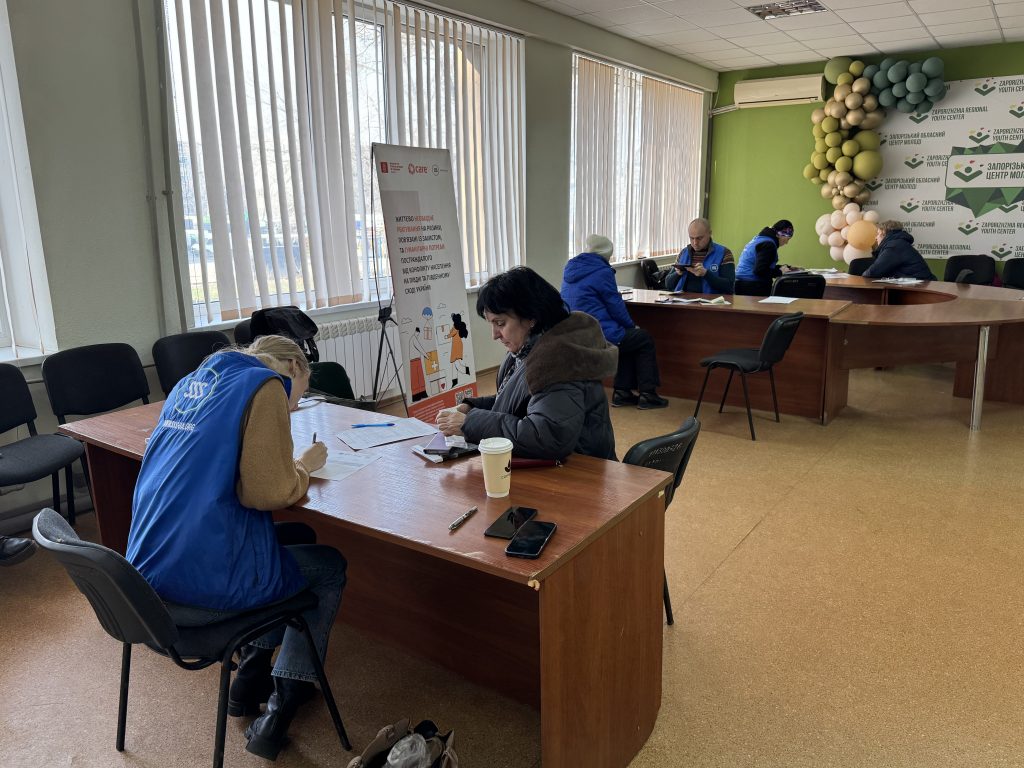
Over the past week, our Foundation’s team conducted registration for cash assistance for Zaporizhzhia residents affected by Russian shelling on January 23.
“These are people who were injured, had relatives who suffered, or whose homes were damaged. We received the list of affected individuals from the local authorities. Registration took place last week, and now the assistance has already been credited to the registered recipients for 10,800 hryvnias,” said project manager Anna Nikolenko-Bayeva.
On the eve of January 23, the Russians attacked Zaporizhzhia. One person was killed, and another 54 were injured, including a two-month-old baby. Apartment buildings, public transport, cars, a library, a House of Culture, and other buildings were destroyed or damaged.
Viktor [name changed] and his mother also had their home damaged by the Russian shelling: three windows in the kitchen were shattered, the fittings were damaged, as well as the balcony block and the loggia.
“We definitely want to use the money to repair the windows because it’s cold at home — there’s a draft. Our relatives helped us cover some openings on our own. I even called a specialist to assess the damage. He said the repairs would be expensive, but given the war, it’s not worth doing. So at least we’ll do minimal repairs — seal all the gaps to keep the cold out,” Viktor shared.
During the Russian strikes, Viktor was asleep, like all the city’s residents. He woke up after the first explosion when the blast wave threw him onto the balcony.
“I woke up because my cheek touched the glass. That’s how hard I was pressed against it. After that, I ran into the corridor, opened the front door, and saw my neighbor standing there crying. I started looking for clothes. My mother, an older woman, also experienced severe stress. Honestly, it took us about a week to recover. The most important thing is that we all survived,” Viktor added.
Electricity, water, and gas have already been restored in their home. However, heating has not yet been restored since the Russian shelling.
This assistance became possible thanks to the implementation of the Response to Protection Risks and Humanitarian Needs of Conflict-Affected Population in South and South-East of Ukraine project carried out by the CF SSS together with the international humanitarian organization CARE, with financial support from the Ministry of Foreign Affairs of Denmark.