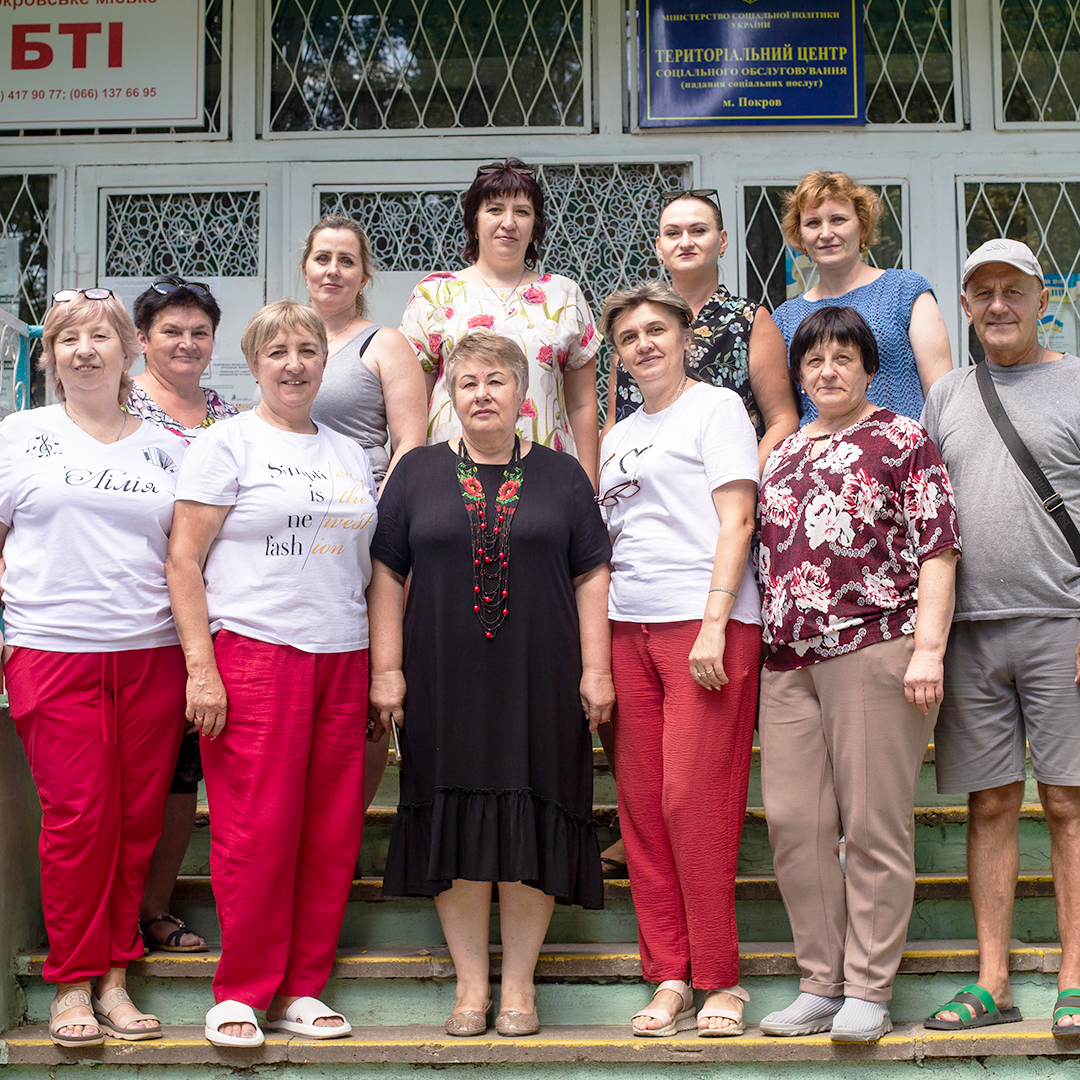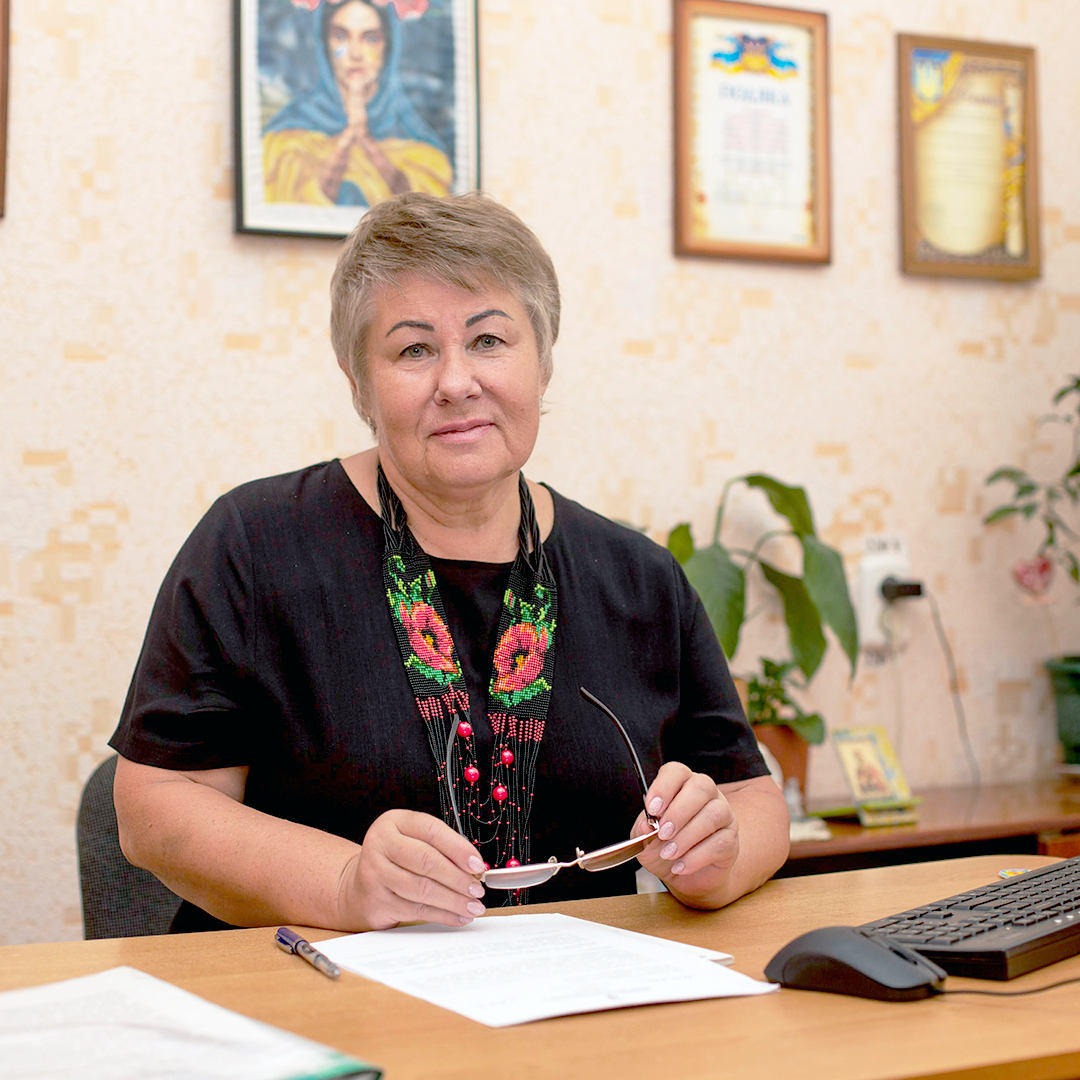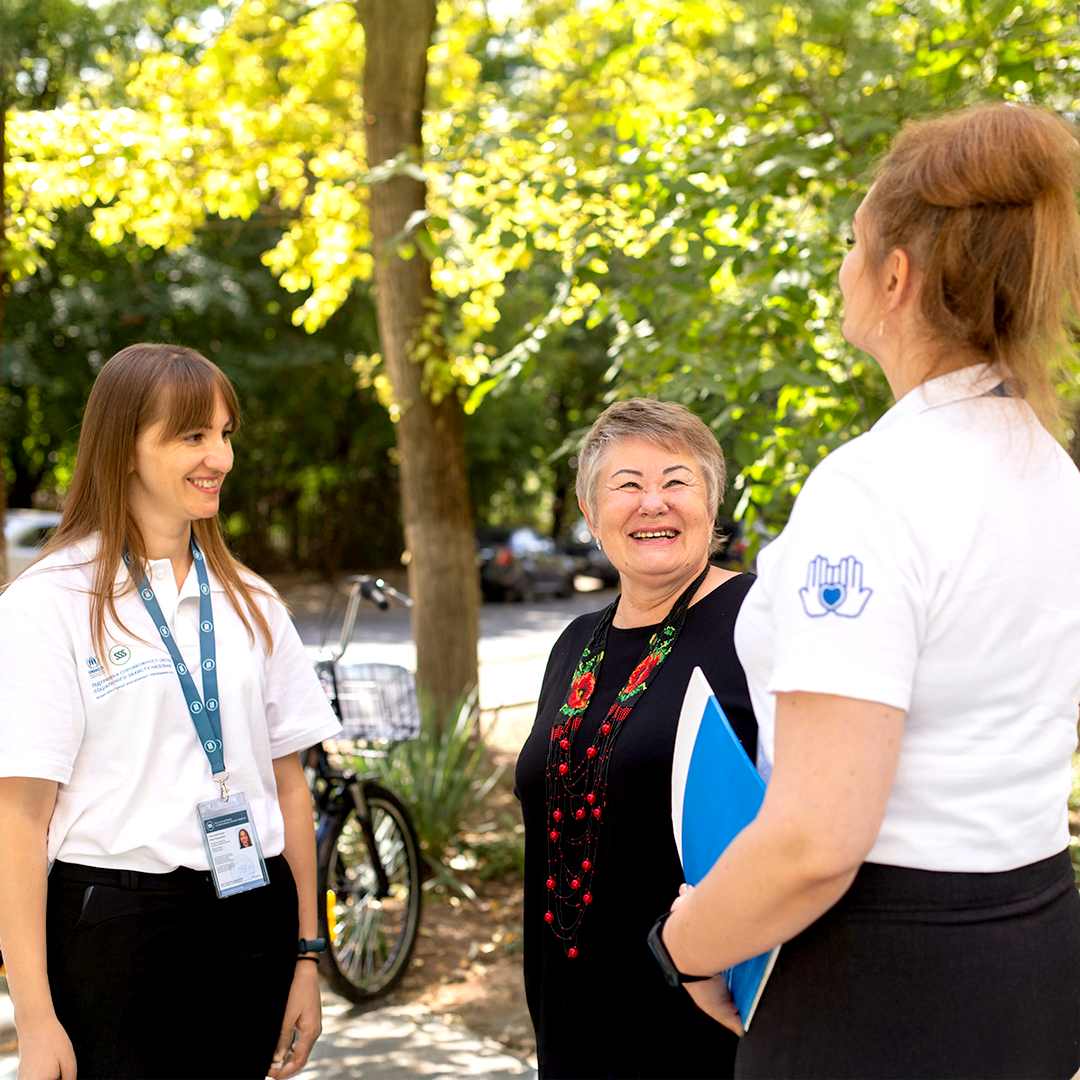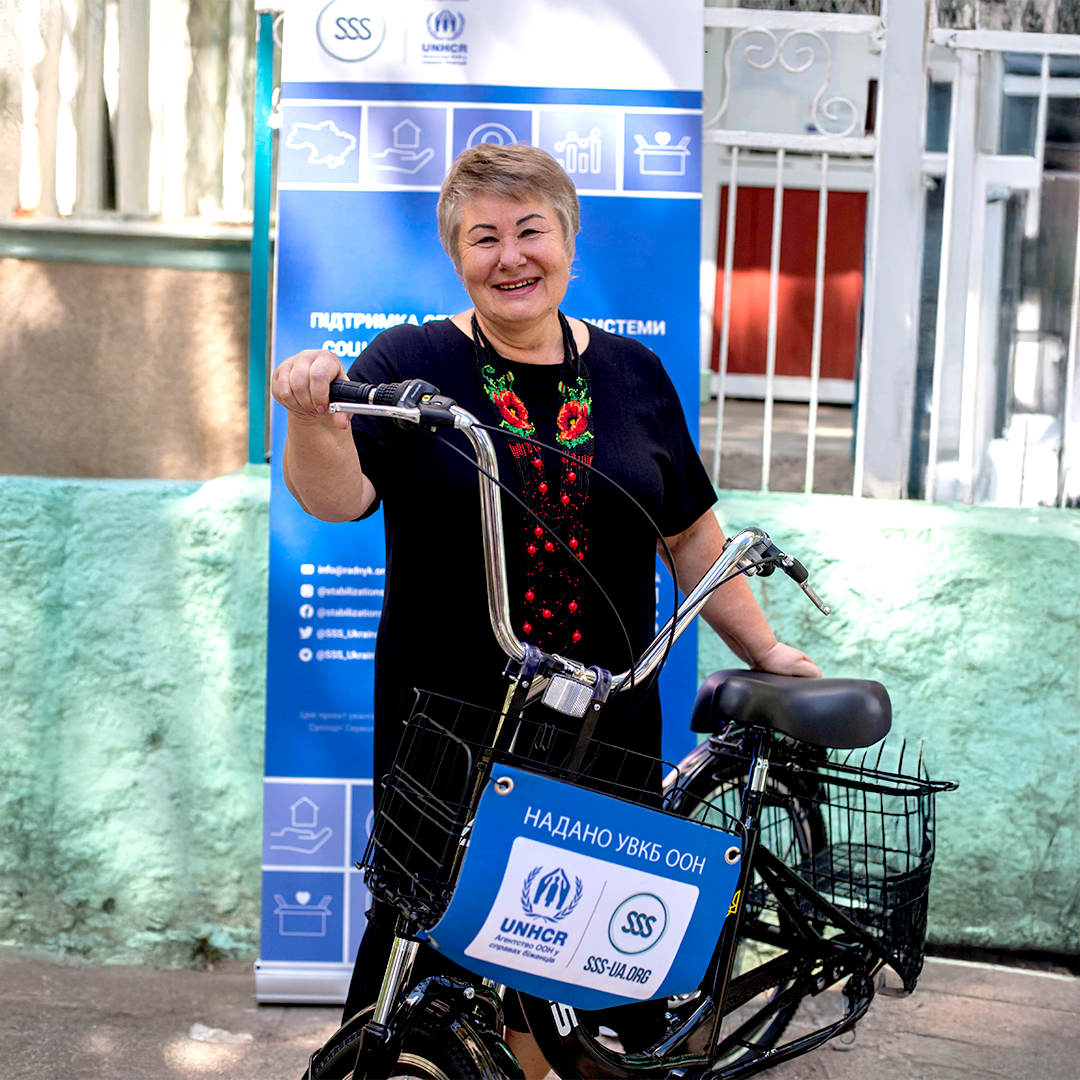
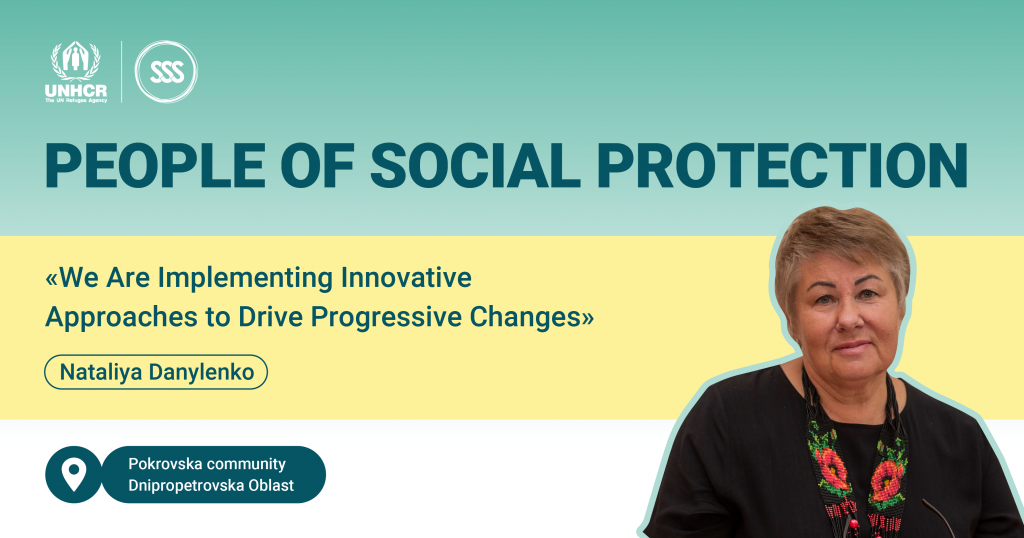
People of Social Protection is an annual special project in which we highlight the work of social protection institutions across various regions of Ukraine. Today, we introduce you to Nataliya Danylenko, Director of the Territorial Center for Social Services (Provision of Social Services) under the Pokrov City Council of Dnipropetrovska Oblast.
Nearly 9,000 internally displaced persons (IDPs) reside in the Pokrovska community. The Territorial Center is actively involved with them, helping to meet their urgent needs and integrate them into city life.
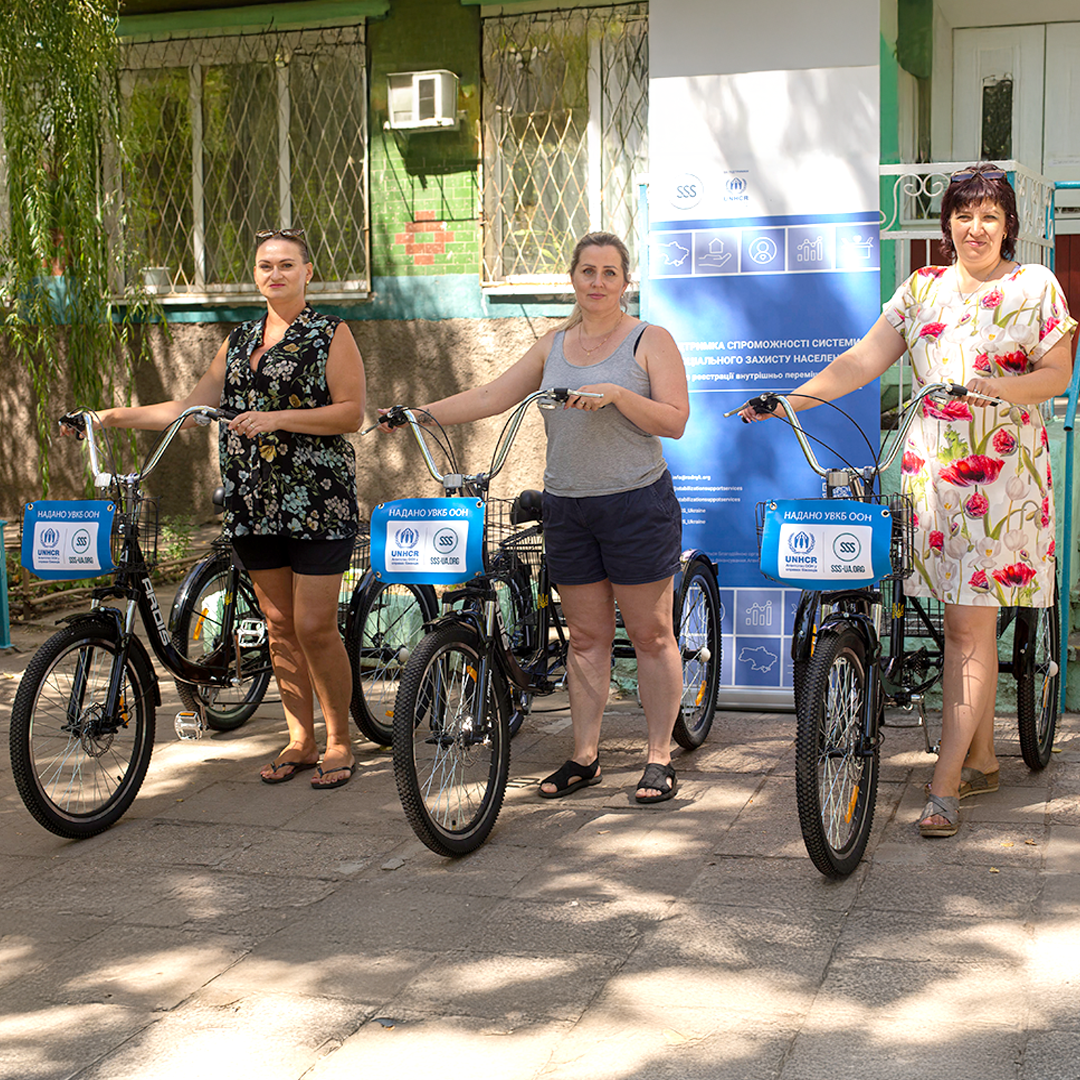
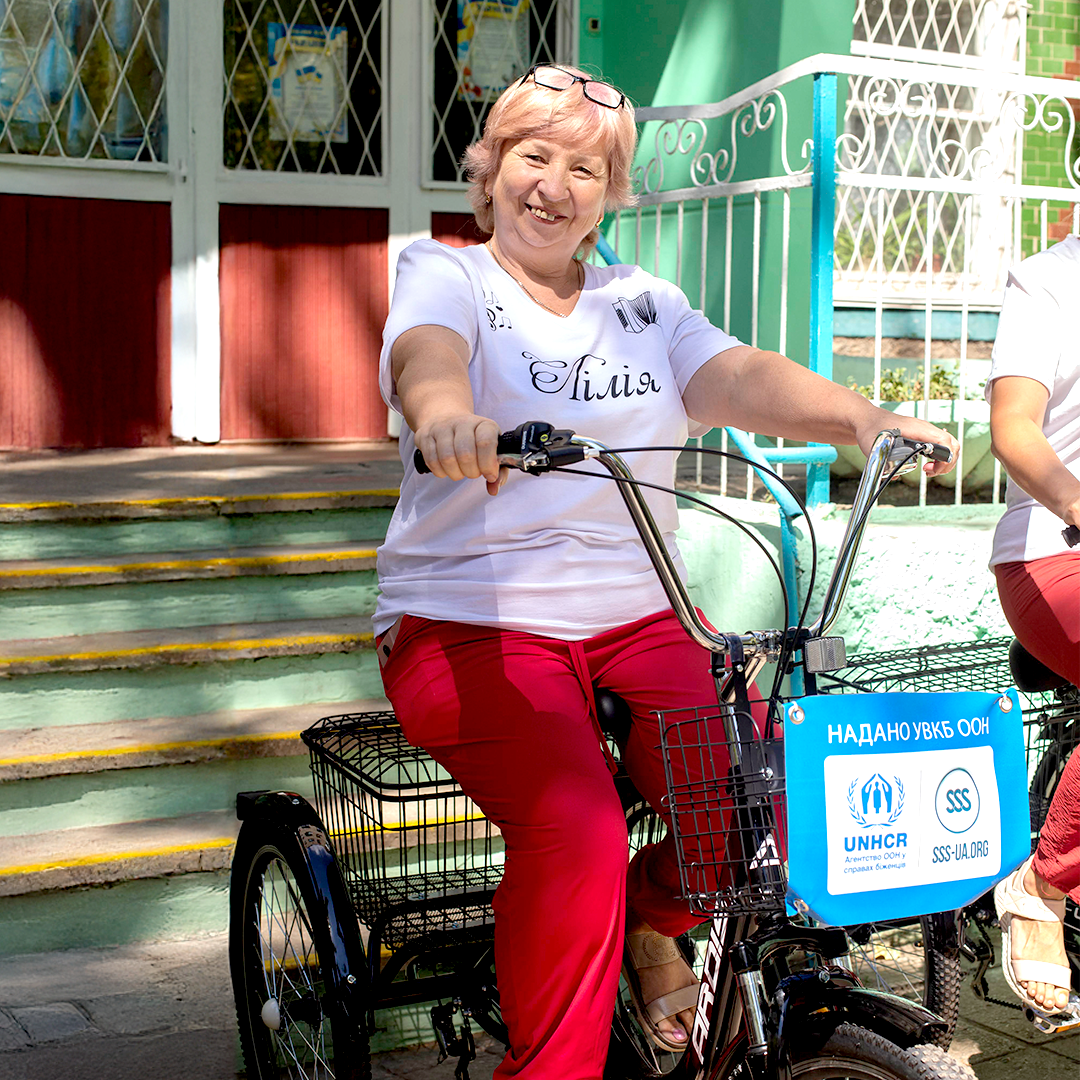
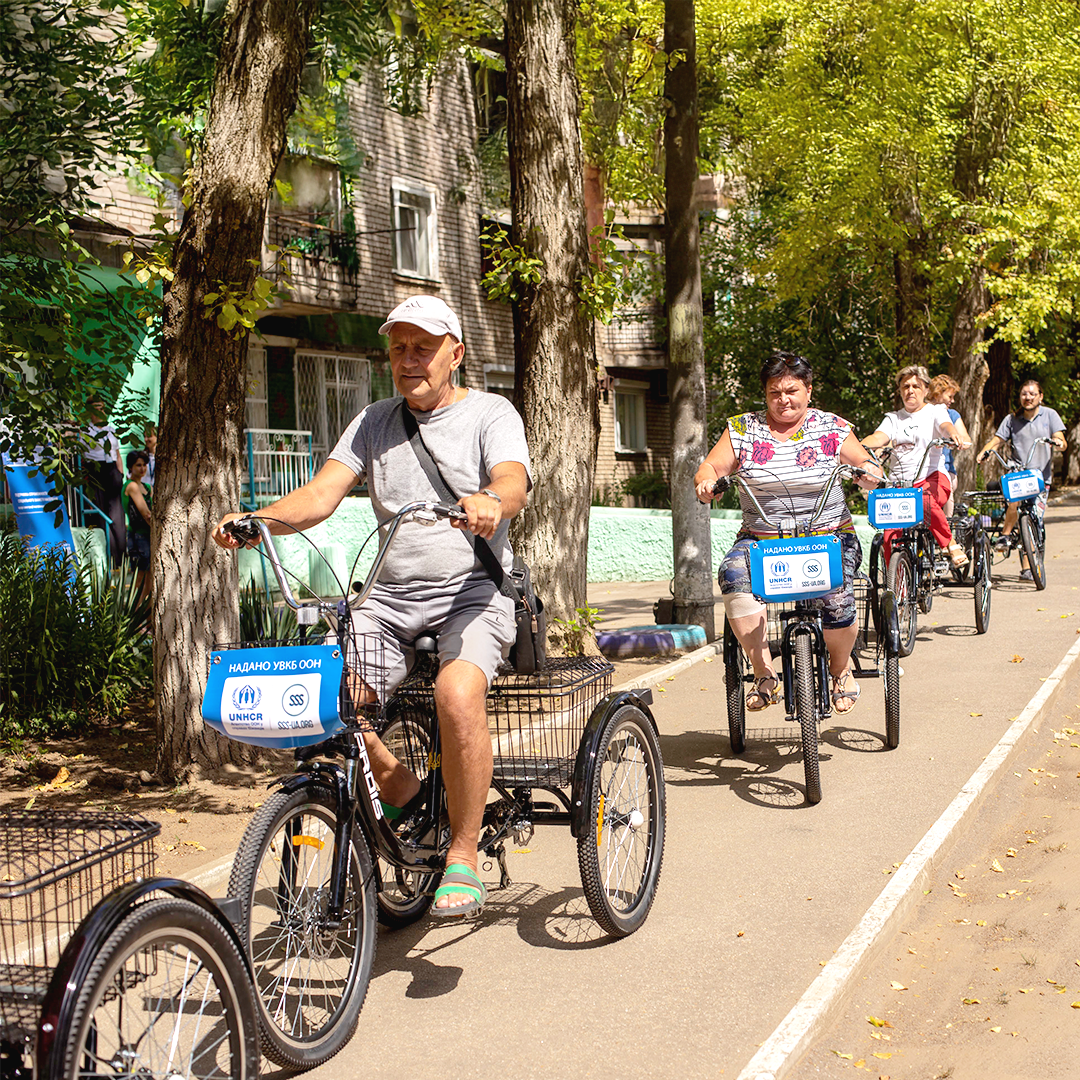
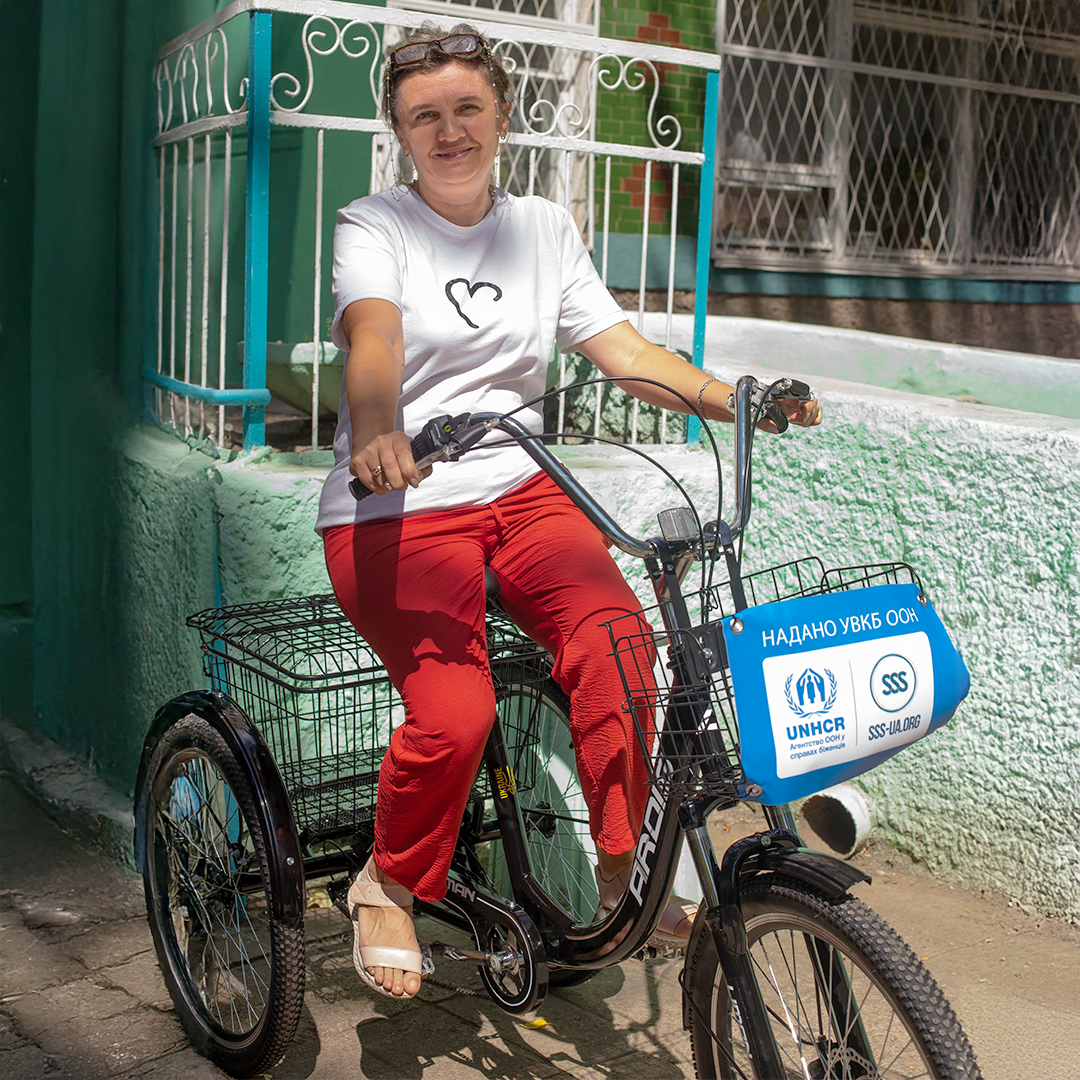
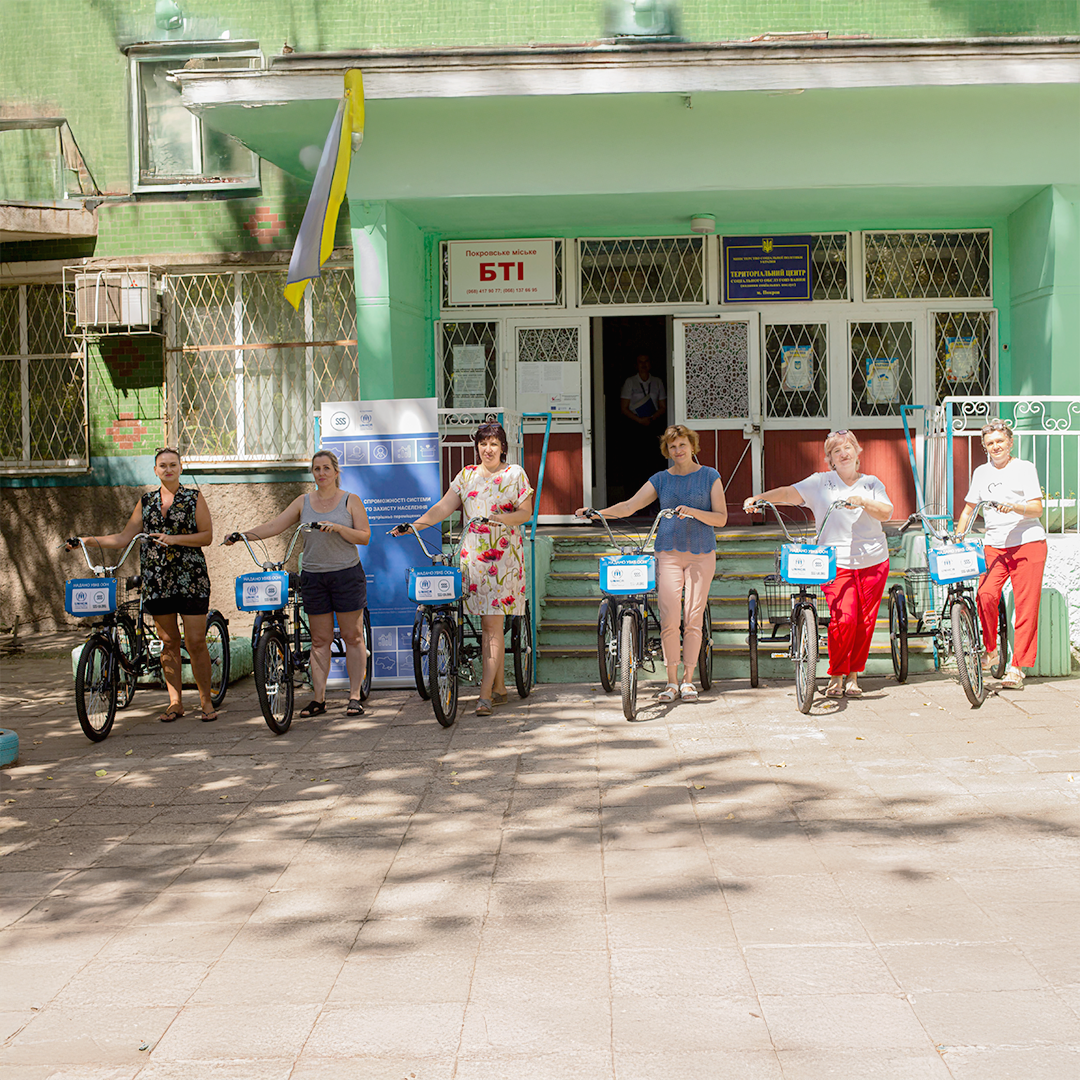
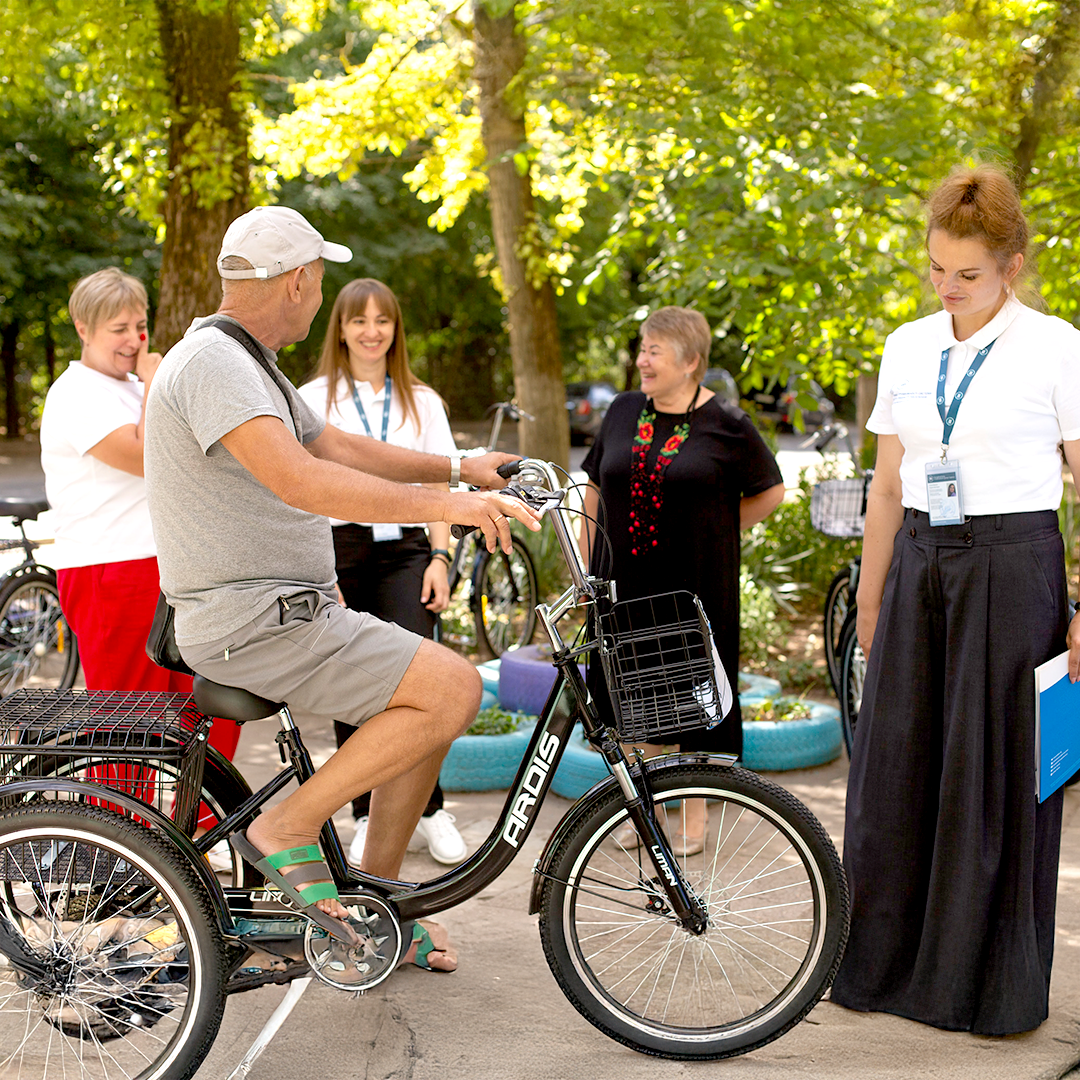
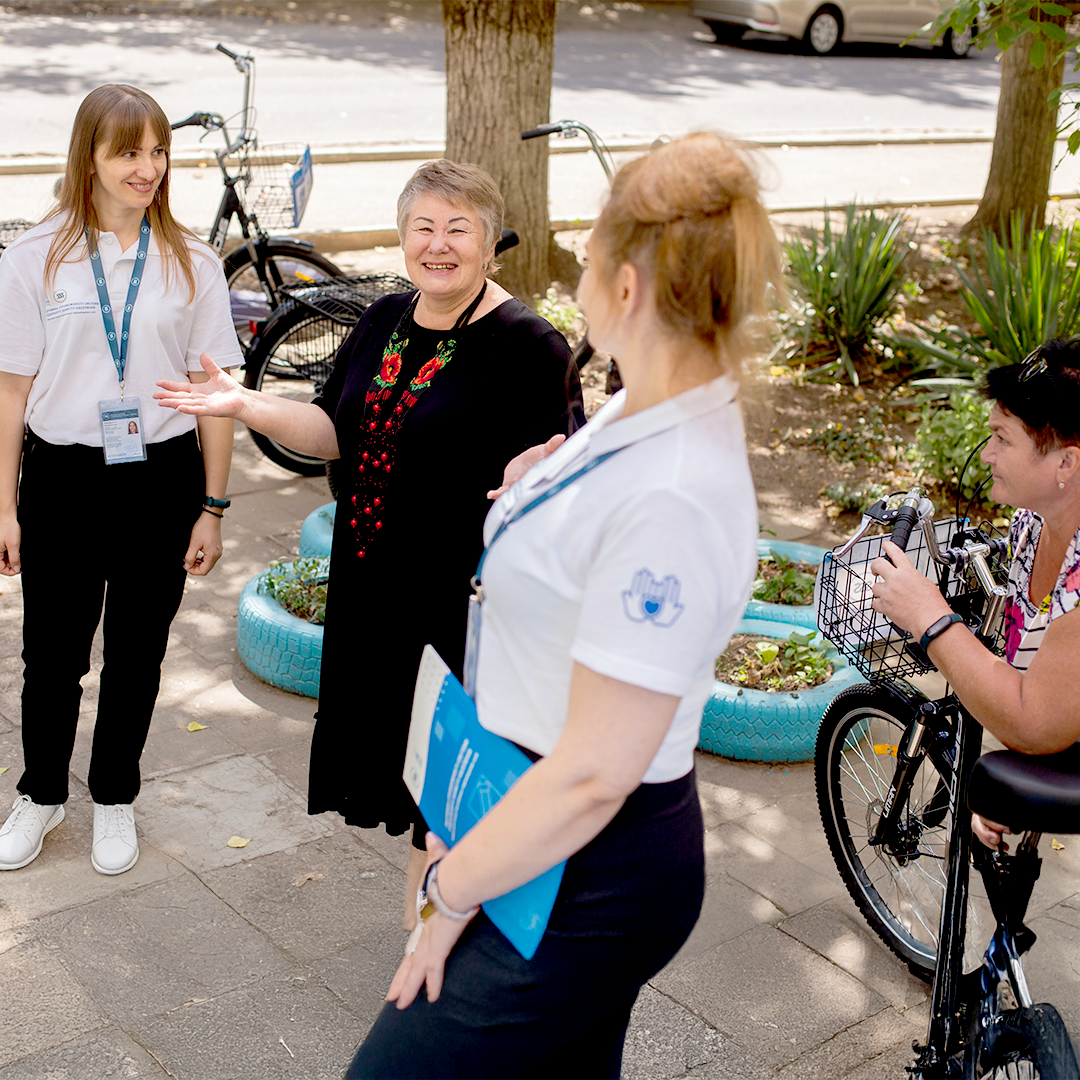
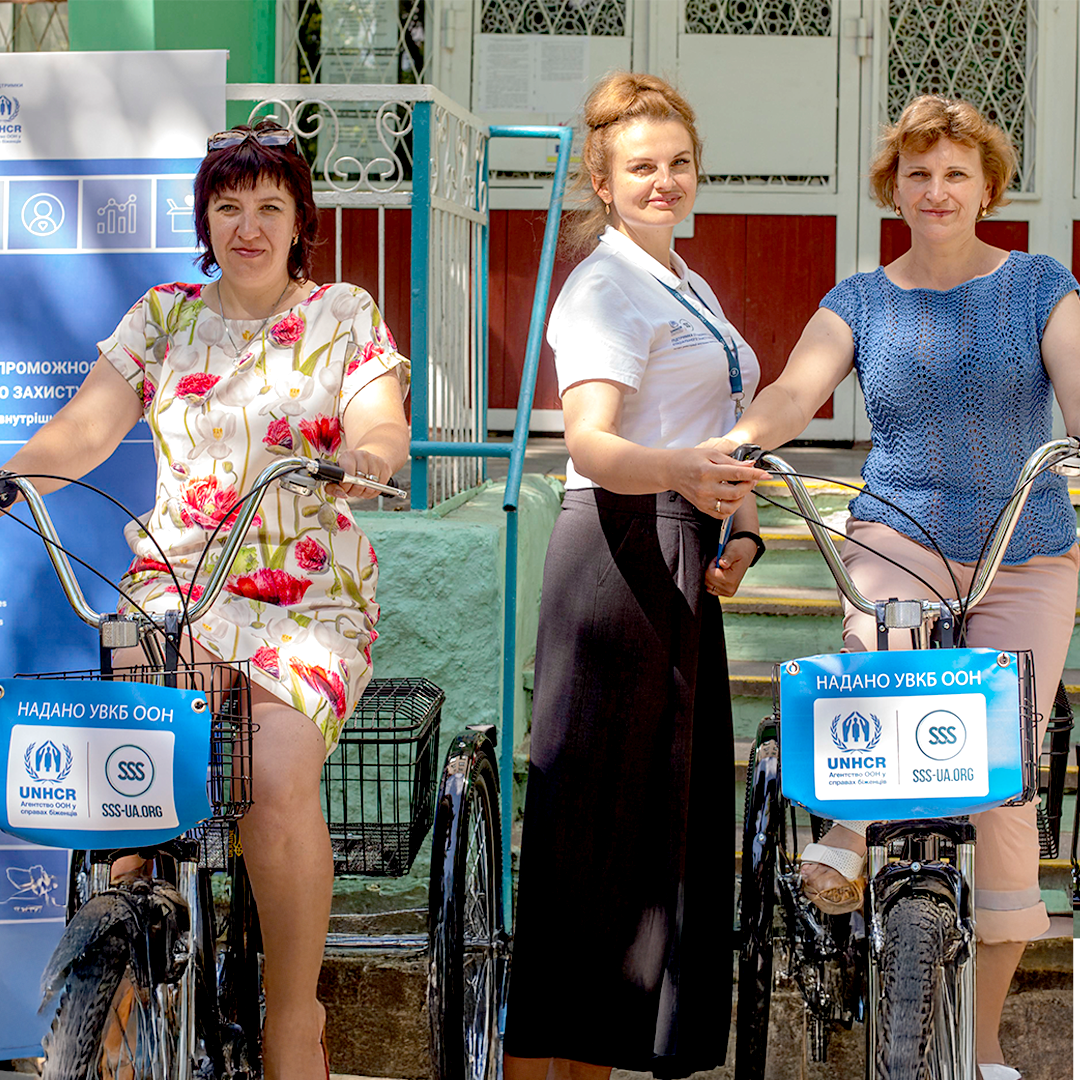
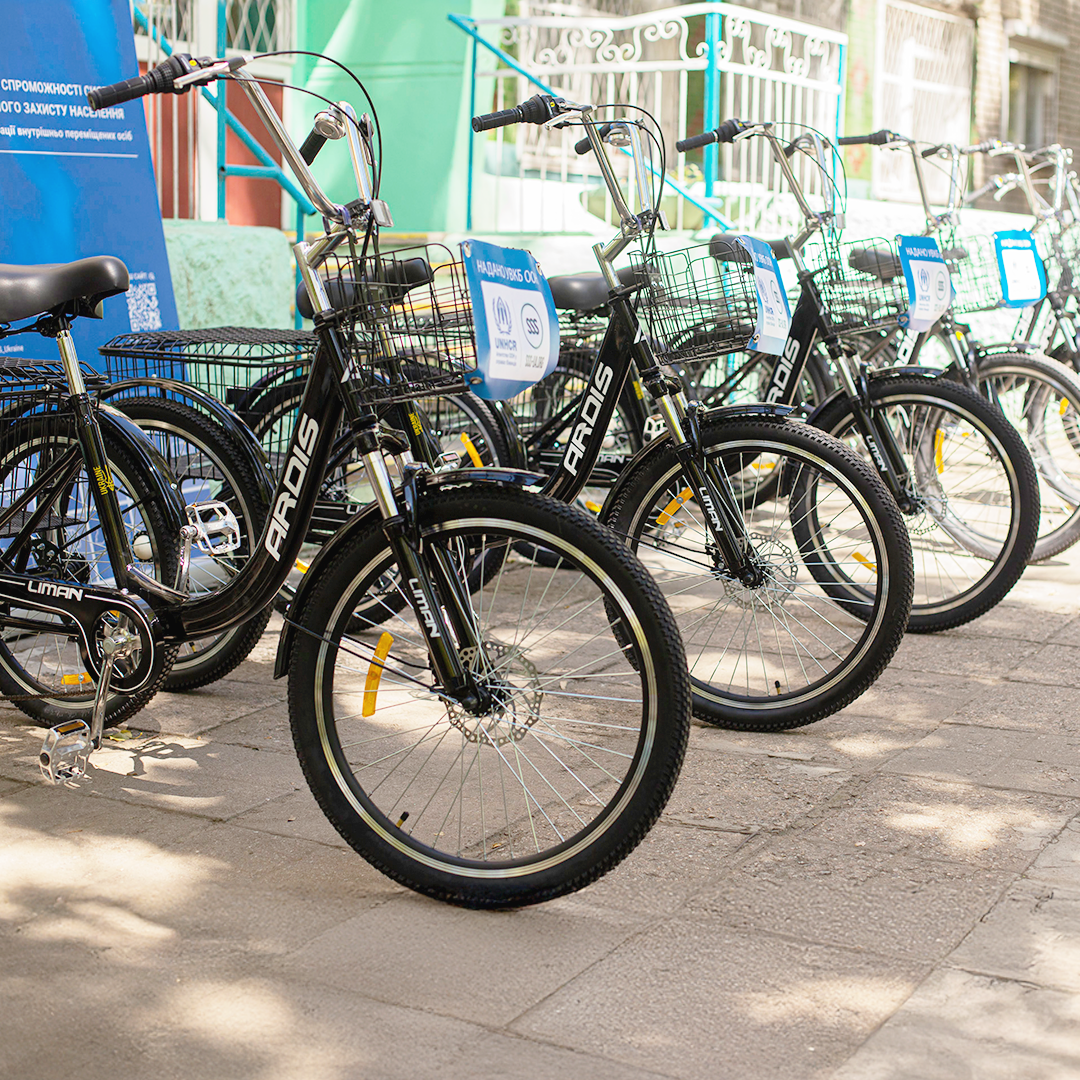
This summer, with the support of the United Nations Refugee Agency in Ukraine (UNHCR), we provided the center with stationery kits, three uninterruptible power supply devices to ensure stable operation during power outages, and six bicycles. Thanks to these bicycles, social workers can quickly reach their clients, deliver humanitarian aid or medicine, and provide other social services at home.
Nataliya Danylenko spoke about how the Territorial Center supports displaced persons and the innovations that allow for improving the quality of social services. She also explained why working in the social sector is not just a profession but a calling.
About the Territorial Center
Nataliya, please tell us about your city. How many displaced people has it taken in?
Pokrov is a city where the past and present intertwine in a proud history cherished by descendants of the Cossacks. Today, Pokrov remains a city of sports achievements and Olympic reserve, creative accomplishments, industrial glory, and patriotic traditions.
Since the full-scale invasion of Ukraine by the Russian Federation, over 13,000 displaced people have registered in Pokrov. Back in 2014, 323 people moved here from the combat zone. Currently, 8,991 internally displaced persons live in the city community.
What are the key tasks of the Territorial Center for Social Services in the Pokrovska community?
The Territorial Center is an institution that supports those in need of social assistance: the elderly, people with disabilities, the homeless, and those in difficult life circumstances, among others. We provide social services through three departments: home care, daytime care, and a department for the registration and social support of homeless persons.
Our mission is to work proactively to meet the needs of vulnerable populations and improve the quality of social services despite the challenges posed by martial law. We are continually implementing innovative approaches to drive progressive changes in social service provision. Our team’s motto is, “You must love what you do and move forward step by step.”
How long have you been leading the Territorial Center, and what changes have you been able to implement during this time?
I have been working at the Territorial Center since 2015, and since then, I have constantly aimed to improve it: introducing new forms of social work, building up its material and technical resources, and creating comfortable conditions for both service recipients and staff. We have achieved a lot.
Here are our innovations:
- Crisis (emergency) service;
- Multidisciplinary team;
- Cooperation hub with social partners;
- University of the Third Age;
- Transportation services;
- Rehabilitation equipment rental and second-hand clothing bank;
- Active Longevity project;
- Together We Can safe space and psychosocial support center;
- Social service information and consultation bureau;
- Charity/humanitarian aid distribution point for IDPs and the most vulnerable populations of the Pokrovska community.
All of these new services have proven to be effective and impactful.
What is your current workload as a social sector worker?
The number of people receiving social services increases every year. With the onset of martial law, the workload on social workers has grown as well — both physically and emotionally.
About Supporting IDPs
What are the main needs of IDPs in the Pokrovska community?
Our analysis of displaced persons’ needs shows that employment, housing, and access to solid fuel remain critical issues for them. The Territorial Center staff works closely with IDPs, aiming to provide them with social support and essential services.
What has been the biggest success and challenge in the work of the territorial center since the beginning of the full-scale invasion?
Since the beginning of 2024, 20 displaced persons have received a total of 3,631 social services at the Territorial Center in accordance with state standards.
Following the introduction of martial law, we organized a distribution point for humanitarian and charitable aid for IDPs. From January to July 2024, 575 people received food, drinking water, hygiene and cleaning products, and household items.
At the Territorial Center, displaced persons can access psychological support and free legal assistance. We’ve created, with our own resources, the Together We Can safe space and psychosocial support center, which I’ve mentioned before. Additionally, activities like computer literacy classes, fitness and wellness sessions, and art therapy help improve the emotional and mental well-being of both service recipients and our staff. We have developed a series of events called the Mental Health Treasury, offering art therapy, relaxation exercises, stress relief activities, and aggression prevention techniques.
We continuously engage displaced persons in the public life of the institution and the city, as well as in festive events. Employment is a key focus of ours. Six IDP specialists are employed in the Territorial Center alone, and they are also part of the city’s IDP Council.
In short, the Territorial Center encourages displaced persons to adapt to active life within the community. Thanks to a careful study of their needs and close cooperation between the institution’s staff and other city services and organizations, there have been no issues. This, I believe, is one of our most significant achievements since the full-scale invasion.
About the Needs of the Territorial Center
What does the Territorial Center need most right now?
We must continually improve the institution’s material and technical resources by updating social workers’ work clothing and purchasing office supplies, computer equipment, furniture, and more. This will help create comfortable conditions for those seeking our services and improve the quality of service provision.
However, the municipal budget does not always have the necessary funds to acquire everything we need. That’s why our social workers were so grateful and enthusiastic about the donated bicycles, uninterruptible power supply devices, and stationery. We are currently eagerly awaiting the arrival of new computer equipment, which will allow us to implement electronic case management in the Unified Information System of the Social Sphere. [This fall, our Foundation, in partnership with UNHCR, plans to provide the Territorial Center with equipment to set up three workstations: laptops, multifunction devices for printing and scanning, and routers.]
What else, besides new equipment, could improve the institution’s work?
The Pokrovska community is lacking a specially equipped vehicle for transporting people with disabilities, particularly those with musculoskeletal disorders. With such a vehicle, we would be able to provide high-quality social services to elderly people, individuals with disabilities, and other less mobile groups, including family members of fallen veterans, Ukraine’s defenders, and displaced persons.
About Social Work
What are the key qualities of professionals working in the field of social protection?
Social work is a unique type of professional activity. We are among the few who create social conditions to improve people’s lives and elevate the living standards of various population groups.
A social worker is a skilled consultant and communicator who expertly navigates Ukrainian law to resolve complex situations. Together with the person seeking support, they develop programs and mechanisms to help them overcome crises. The work of a social worker is deeply intertwined with society and extends to all its layers.
Any of us can find ourselves in a situation where we need external help. Most often, this help is required by pensioners, homeless individuals, people with disabilities, and others. It is social workers who offer hope to people, defend the rights of those abandoned by the world, and reintegrate those who have lost their place in society.
The profession of a social worker is challenging, exhausting, and demanding. It requires compassion, kindness, and care for others — not just because of job duties, but as a matter of conscience. Social workers need to be empathetic, sociable, intelligent, curious, constantly improving themselves, unafraid of difficulties, in control of their emotions, and equipped with solid knowledge. We must be good people in order to make decisions that affect others’ lives and to help them.
That is why social work is not just a profession; it is a calling. The greatest reward for a social worker is the respect and gratitude of the people they help.
About the Plans for Next Year
Could you share the plans of the Territorial Center for 2025? What areas would you like to develop?
In 2025, we plan to:
- Open a residential care department for recipients of social services who need round-the-clock assistance;
- Acquire a specially equipped vehicle to transport people with disabilities, particularly those with musculoskeletal disorders, as well as other groups with reduced mobility;
- Continue creating conditions for the rapid adaptation of displaced persons in the community;
- Establish a computer literacy room for social service recipients;
- Continue implementing the Active Longevity project;
- Provide social workers with appropriate work clothing and footwear.
We are determined to continue improving our service processes and enhancing the quality of social services. Among other things, we rely on successful fundraising activities and cooperation with charitable organizations and foundations.
This publication was prepared by the Charity Foundation “Stabilization Support Services” with the support of the United Nations Refugee Agency in Ukraine (UNHCR). The contents of this publication are the sole responsibility of the CO CF SSS and may not be used to represent the views of the Agency.