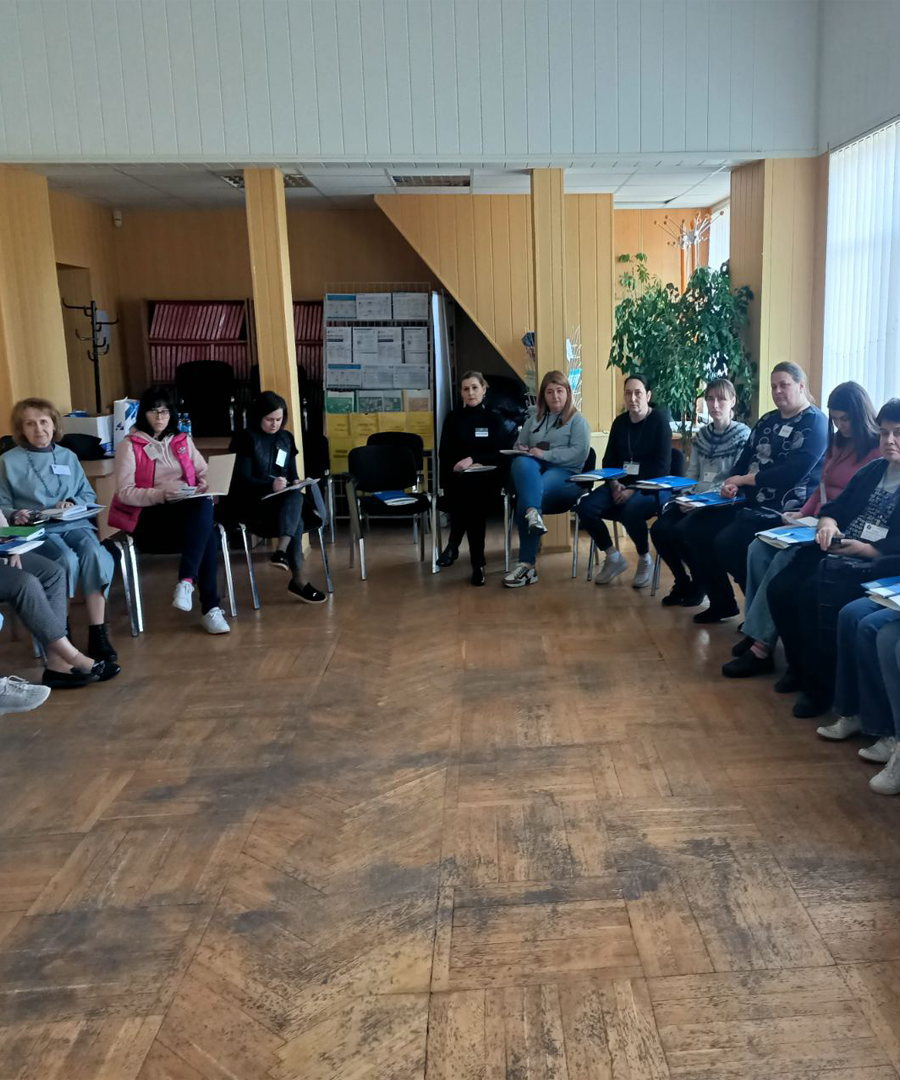
Since the beginning of the full-scale war, the burden on social protection institutions has increased significantly. In order to provide the necessary services to IDPs and affected individuals in a timely manner, professionals have been working overtime, experiencing stress and emotional exhaustion.
To help them restore their normal rhythm of life, we organize workshops on combating occupational burnout, where we provide psychological assistance tools.
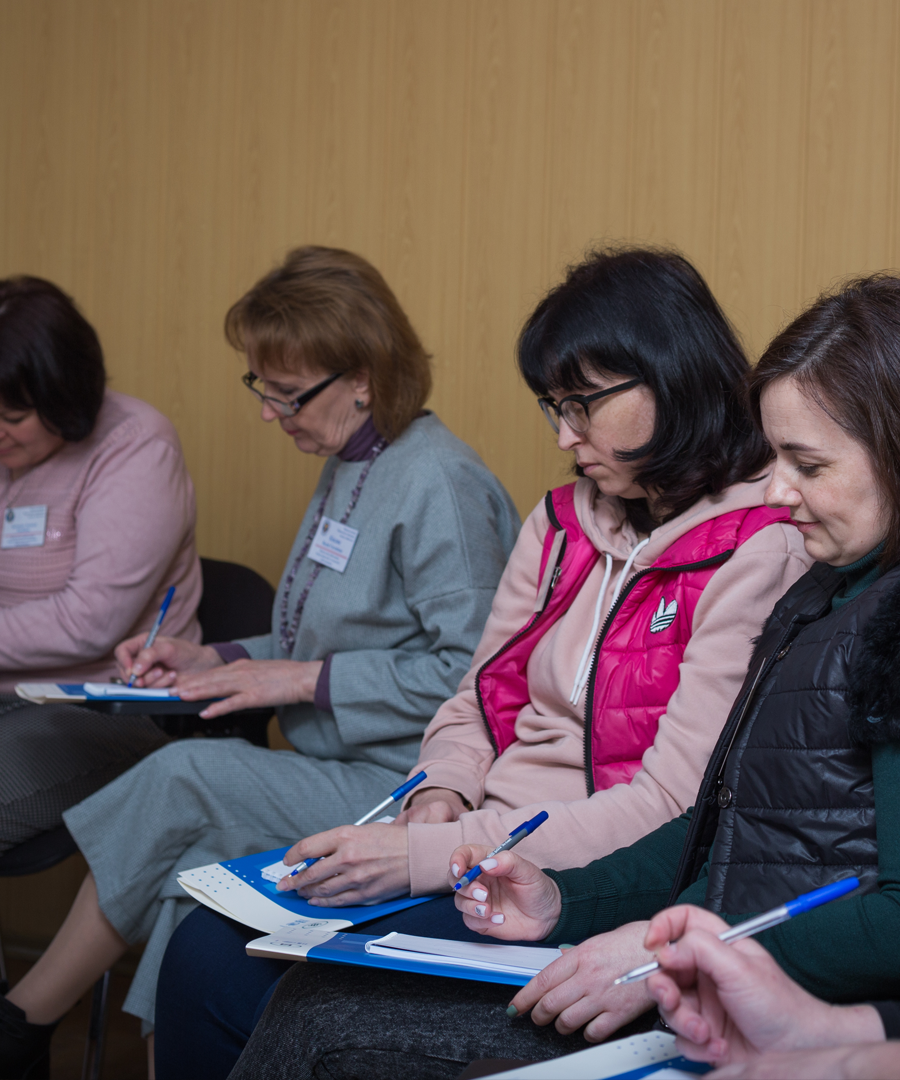
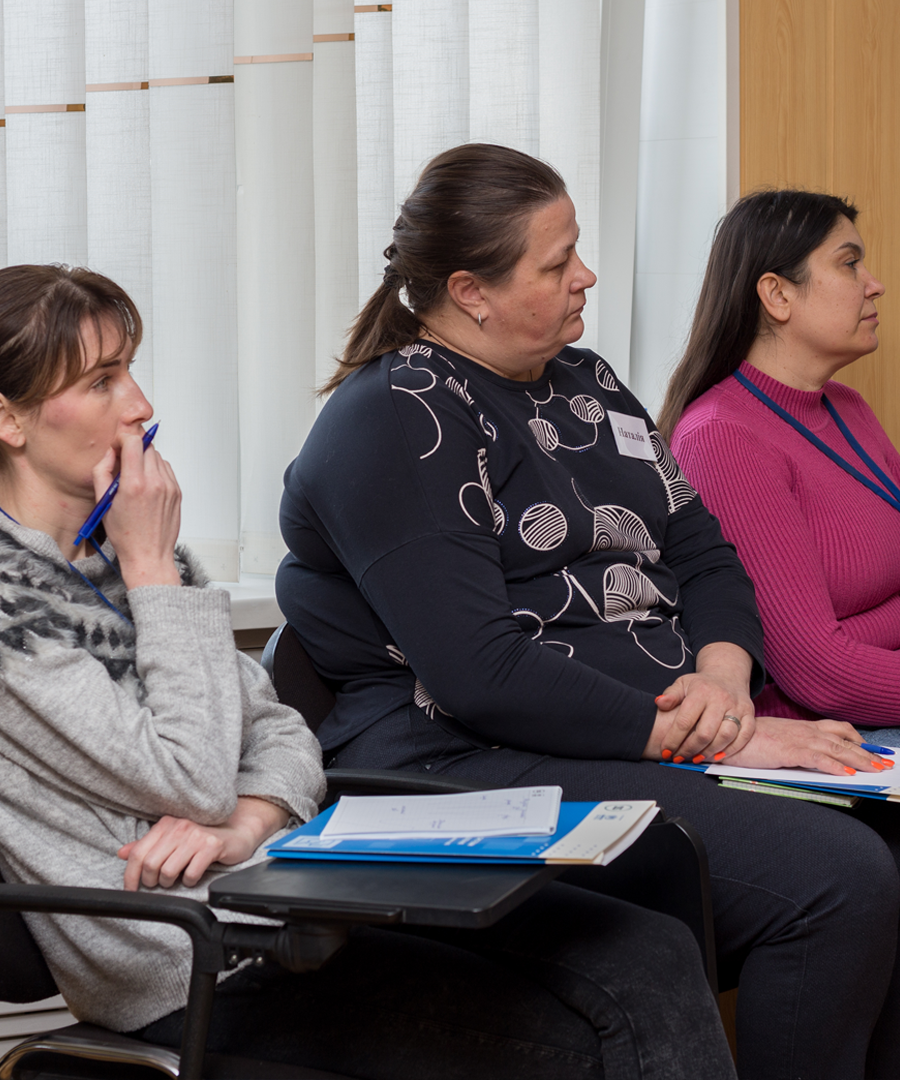
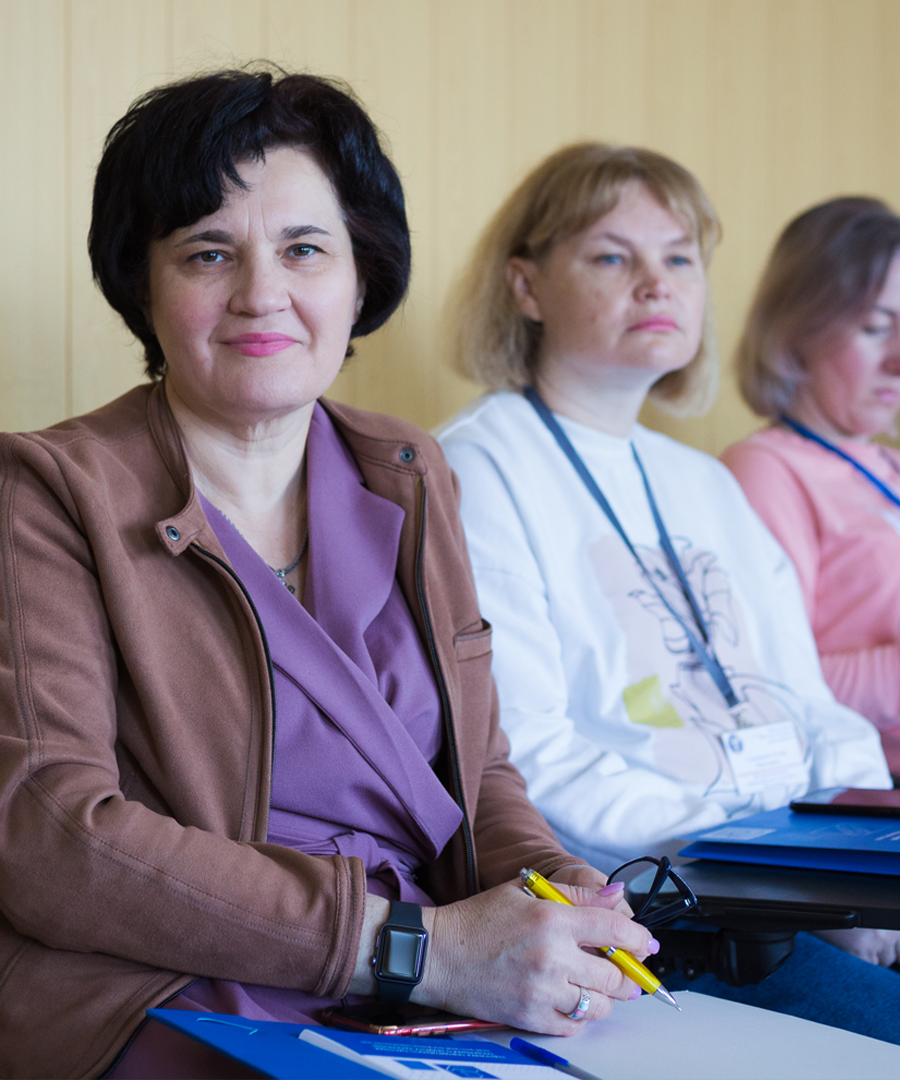
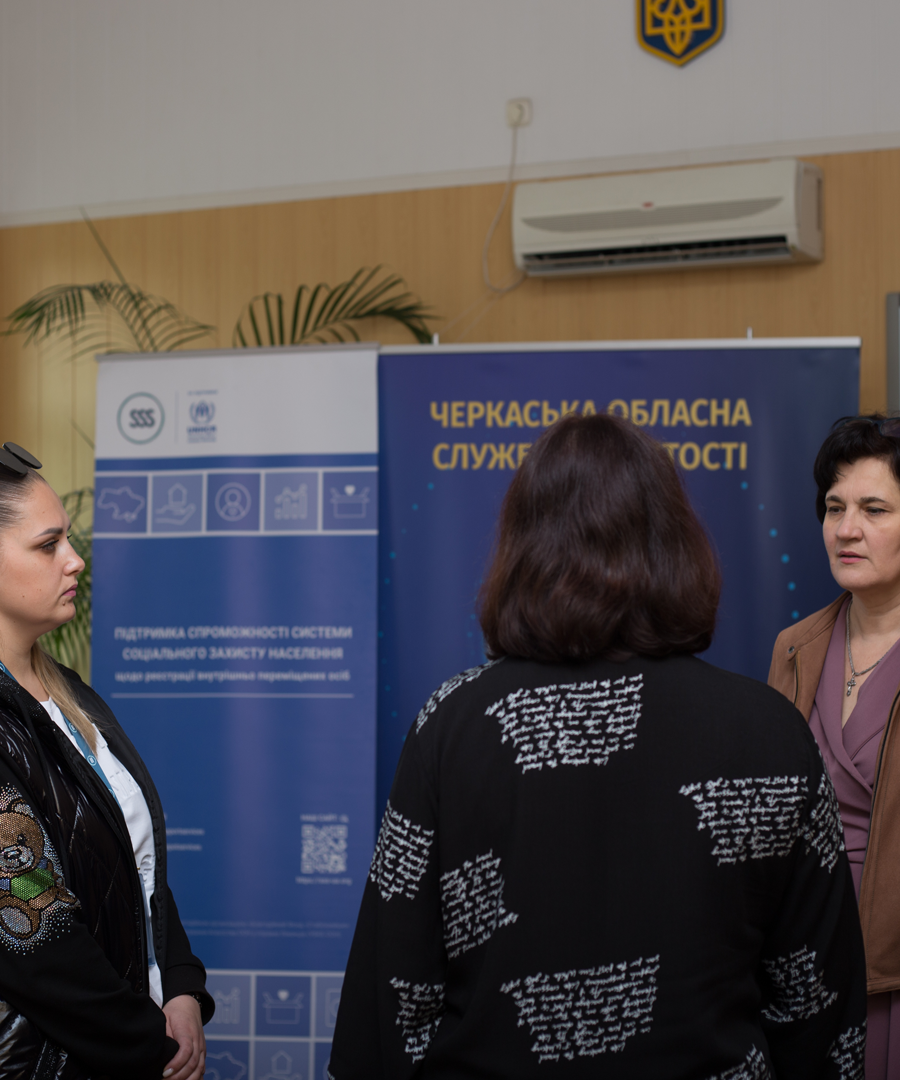
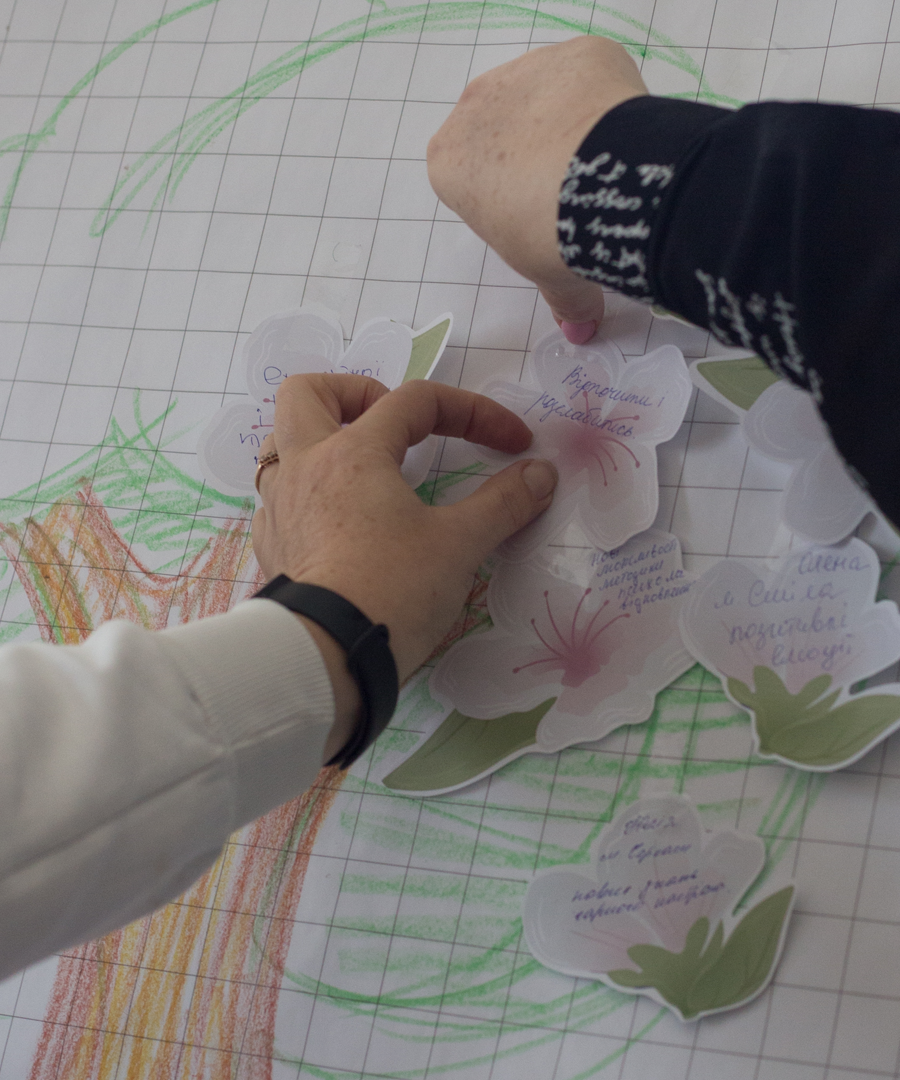
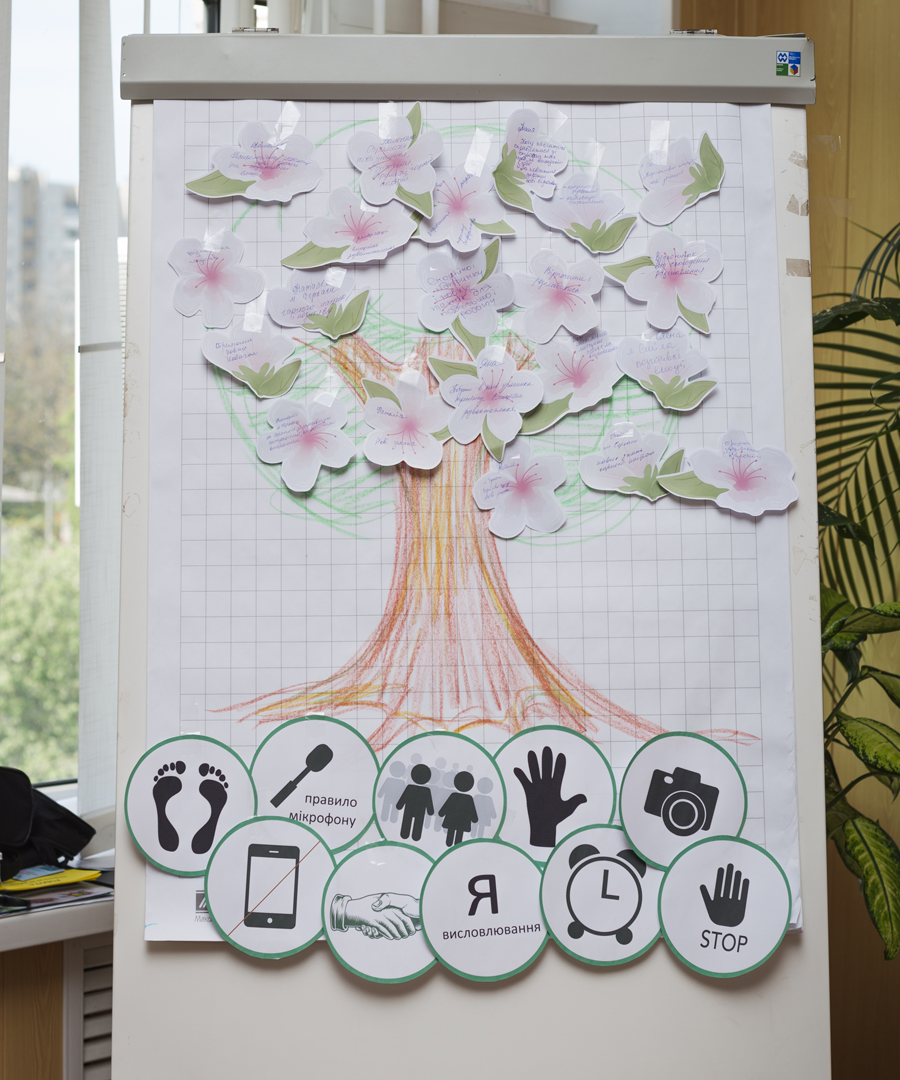
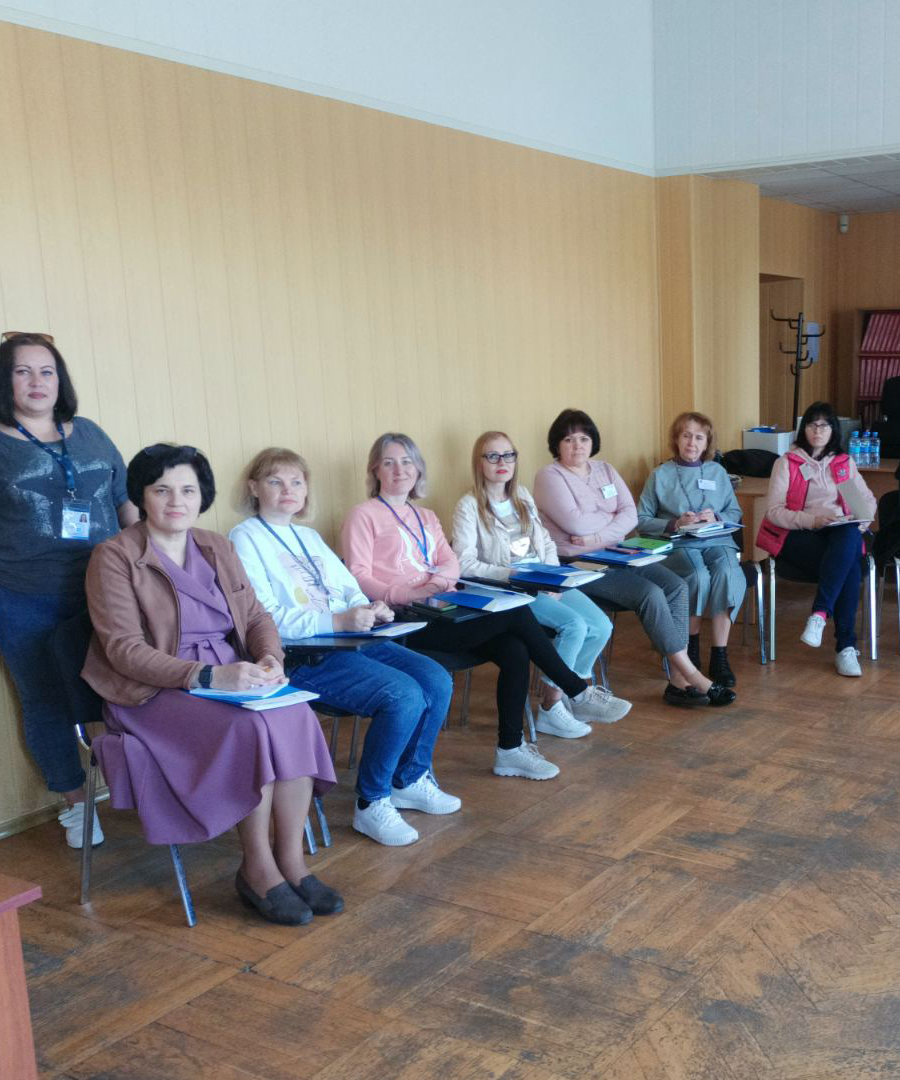
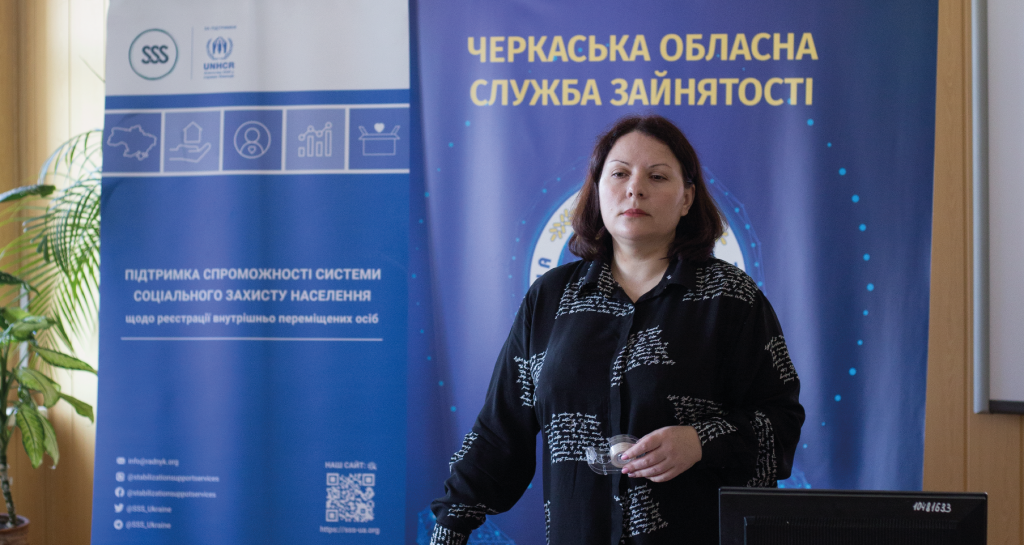
These days, one of these workshops was held in Cherkasy. Coach Viktoriya Chumachenko covered ways to take care of psychological health, given the particularities of jobs that involve working with people.
“The event was interesting and emotional. We discussed managing stress reactions, behavioral activation, problem-solving skills, and emotional regulation. Participants asked how to act in times of conflict; how to make sure that work does not affect relationships; where to seek professional help; how not to get emotionally involved when working with people with disabilities; how to maintain personal boundaries and physical health in the face of a constantly increasing number of responsibilities and unchanging salaries. After the workshop, everyone said that their emotional state and general well-being had improved,” says Olena Penkova, regional social specialist of the project in Cherkaska Oblast.
How to prevent occupational burnout syndrome? We share Viktoriya Chumachenko’s recommendations:
- Take care of your psychological health independently using evidence-based psychological first aid (PFA) practices.
- Regularly study and acquire PFA skills on your own.
- Utilize resourcefulness practices.
- Clarify your personal area of responsibility and job duties.
- Regularly seek counseling or diagnostic help from psychologists, psychotherapists, or psychiatrists.
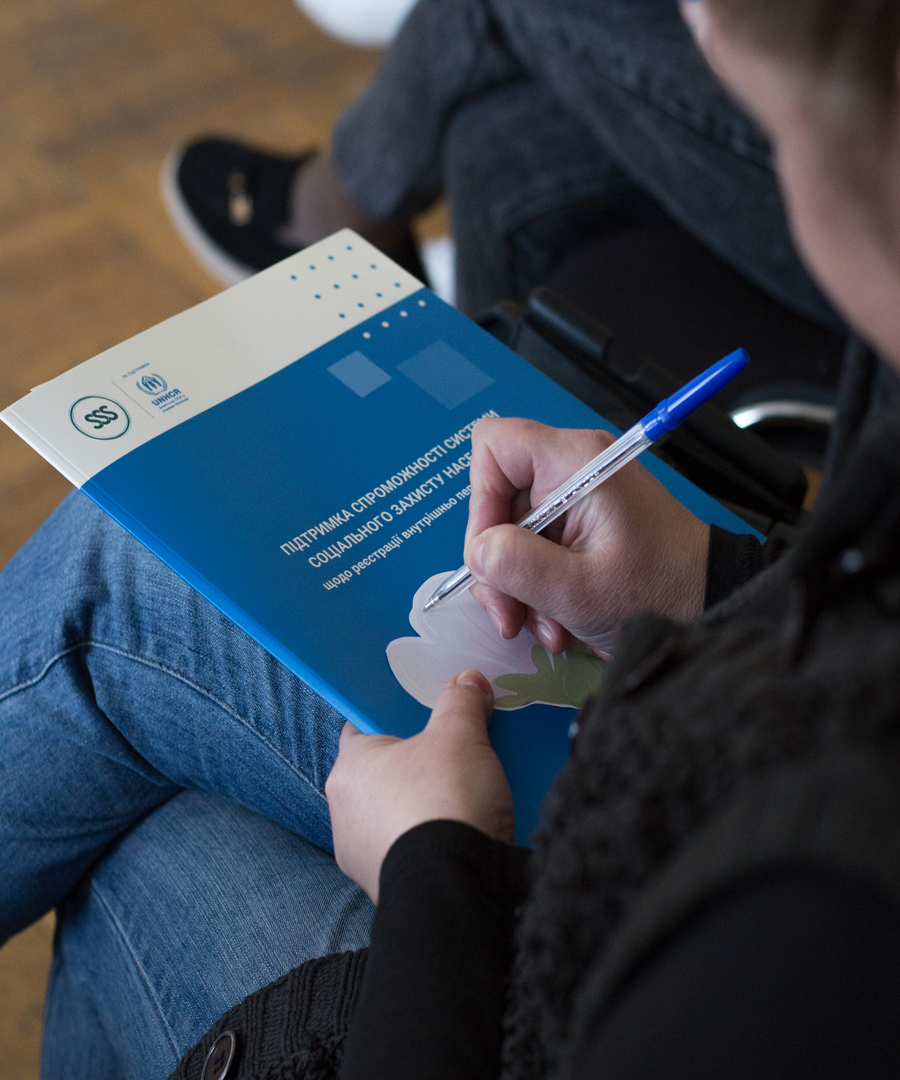
We conduct educational activities for social protection institutions within the framework of the Supporting the Capacity of the Social Protection System to Register Internally Displaced Persons project funded by the UN Refugee Agency in Ukraine.