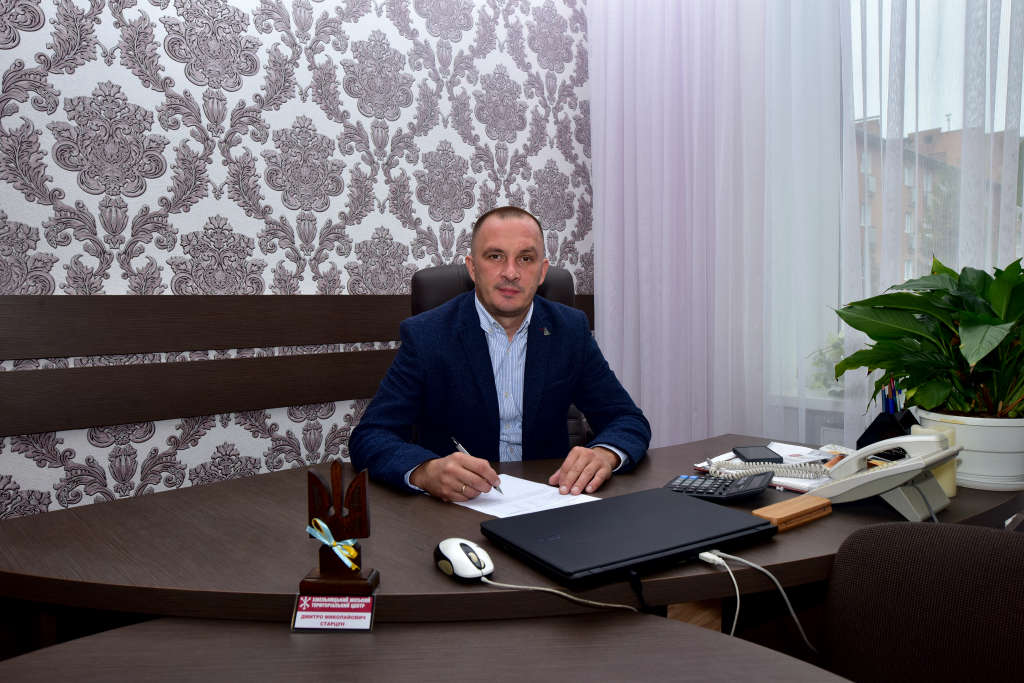
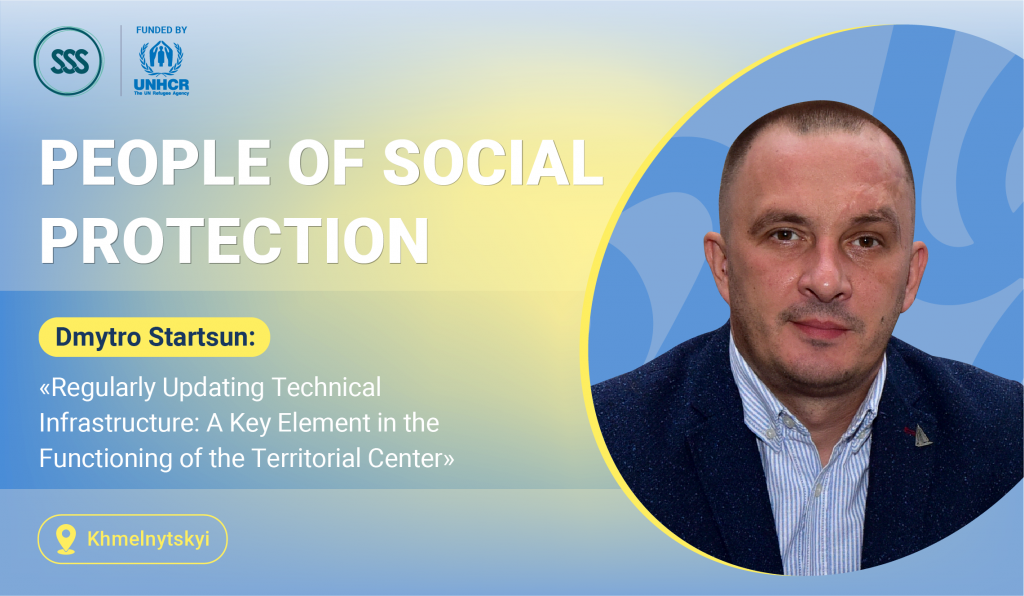
The Khmelnytskyi City Territorial Community encompasses the city of Khmelnytskyi, one town, and 23 villages, home to nearly 300,000 residents. Since the onset of Russia’s full-scale war against Ukraine, it has become a refuge for 49,000 IDPs. The Khmelnytskyi City Territorial Center for Social Services, a key provider of social services within the community, has been at the forefront of aiding IDPs from the first days of the full-scale war. We spoke with Dmytro Startsun, the center’s director, about their work, the needs they address, the support they offer to IDPs, and their plans for 2024.
Dmytro, could you shed light on the Khmelnytskyi community and the social services available to its residents?
Khmelnytskyi is a city deeply committed to social welfare. As of 2023, there are seven social service entities among the municipal institutions catering to all individuals facing challenging life situations. These institutions offer a range of services including:
- Support for the elderly and people with disabilities;
- Social and psychological aid, as well as adaptation assistance for children with disabilities and their families;
- Assistance for individuals with intellectual disability to lead the most independent life possible;
- Social services for families, children, and youth in vulnerable categories;
- Recreational activities aimed at health restoration and well-being through outdoor activities;
- Assistance for the homeless and incarcerated individuals;
- Support for internally displaced persons.
How many IDPs has the Khmelnytskyi city community welcomed? What are their primary needs?
Since the full-scale invasion began, our community has sheltered 49,000 internally displaced persons, including 10,000 children. Currently, 36,345 IDPs are registered in our community, with 16,673 receiving assistance.
The primary needs of these IDPs encompass housing, education, employment, adequate income, document restoration, various types of assistance (legal, medical, psychological), and access to social benefits and services.
Tell us about the Khmelnytskyi City Territorial Center for Social Services. What key services does it provide? How long have you been working in this institution?
The Khmelnytskyi City Territorial Center for Social Services stands as a major social service provider within the community. I’ve been serving as its director since February 2021. Our primary focus is on delivering high-quality social services to the elderly and people with disabilities, particularly those facing challenging life circumstances.
Our center is structured into four main departments: a home social assistance department for city dwellers, a similar department for rural residents, a unit for organizing targeted material assistance, and a department for day and 24-hour temporary stays.
In 2017, we inaugurated the University of the Third Age. For the 2023-2024 academic year, we’ve enrolled 625 students, including IDPs. Additionally, the center operates a rental service for technical and other rehabilitative equipment.
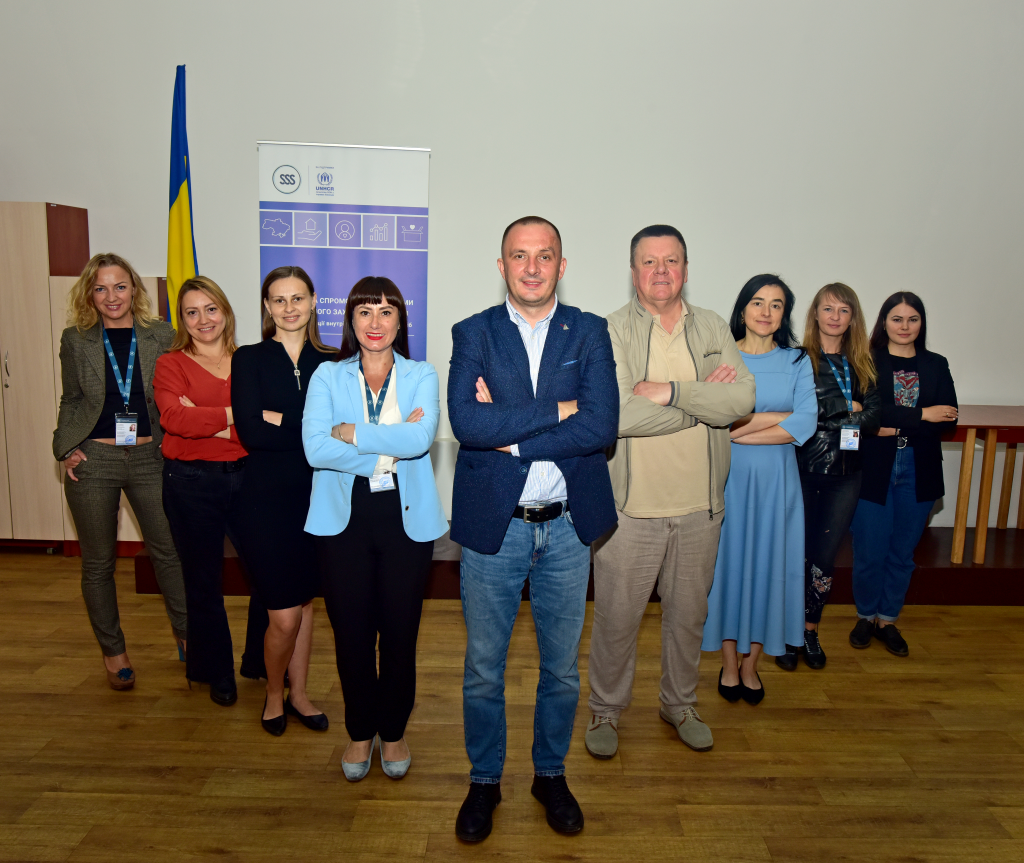
Our team comprises 142 dedicated professionals, including 86 social workers. These workers provide essential home care services to community members, assisting with household tasks, and ensuring the delivery of food and medicines. Their commitment is unwavering; they consistently offer support and comfort to clients in challenging situations.
What has been the biggest challenge and success for the territorial center since the beginning of the full-scale invasion?
From the first days of the full-scale invasion, the biggest challenge and success for the employees of the territorial center was the quick and professional coordination of ongoing efforts. They worked in an organized and efficient manner. We created groups of the center’s employees to be on duty around the clock to pick up IDPs from the headquarters and evacuation trains at any time of the day and resettle them in places of temporary residence. To do this, they used the territorial center’s vehicles.
We also established a temporary shelter for IDPs within our day temporary accommodation unit. Our team assisted in restoring lost documents like passports and certificates, and played a vital role in unloading humanitarian aid at the IDP headquarters. Moreover, the center procured 11,000 food packages to address the needs of the displaced individuals.
How does office equipment help the center’s employees in their work? Why is it important to update it?
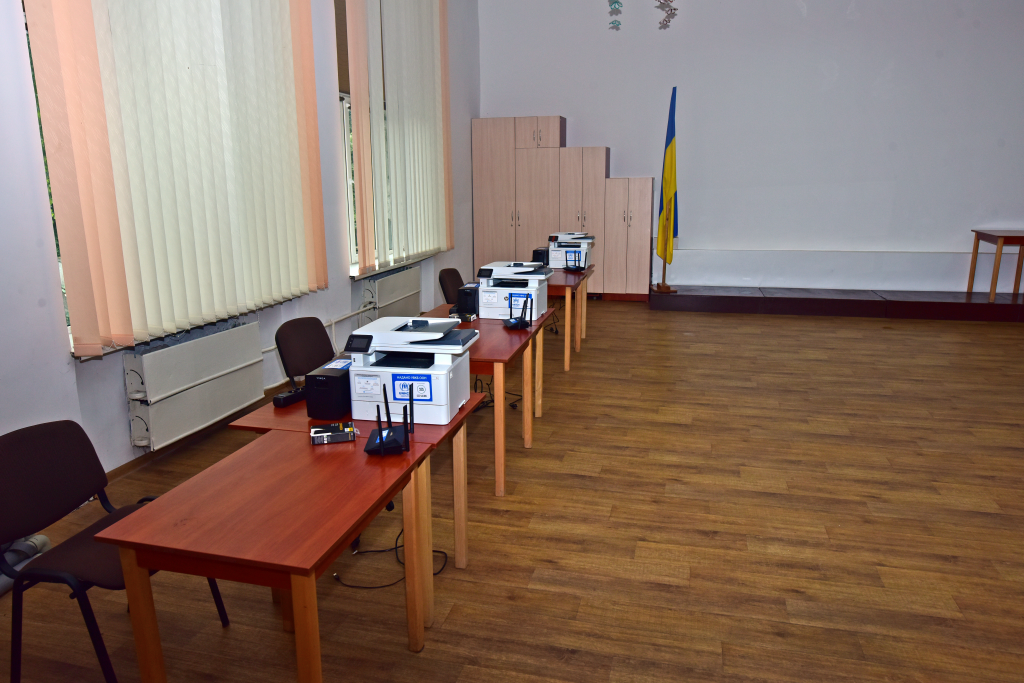
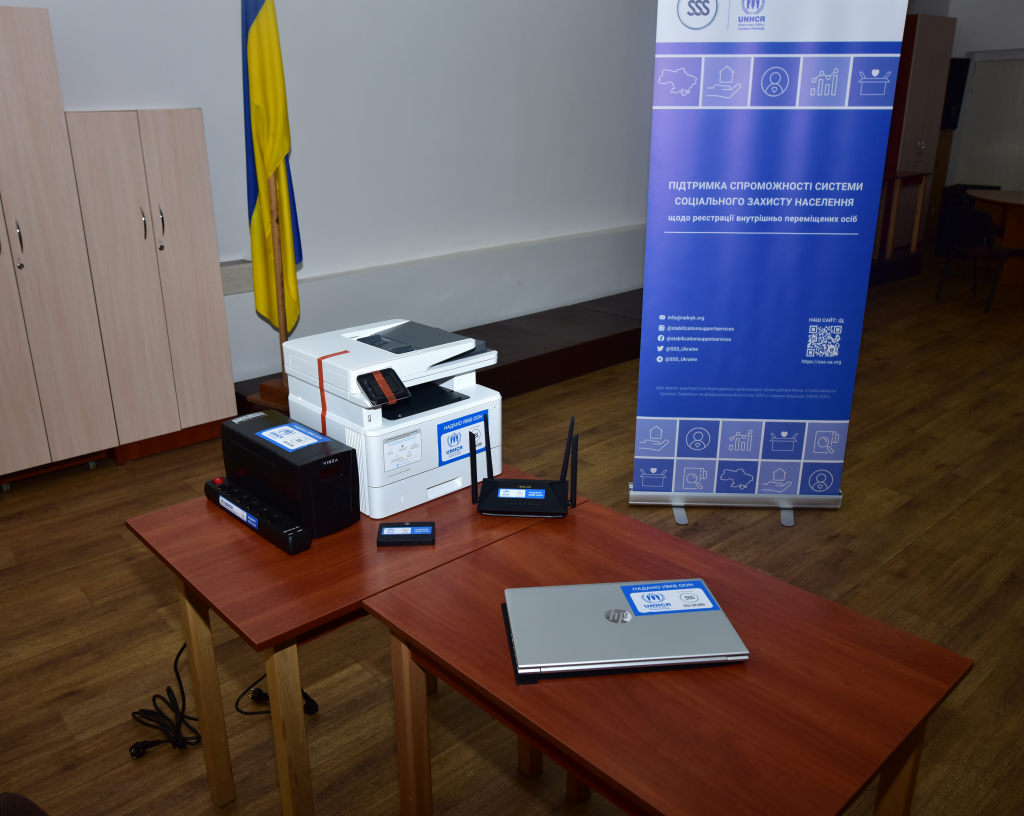
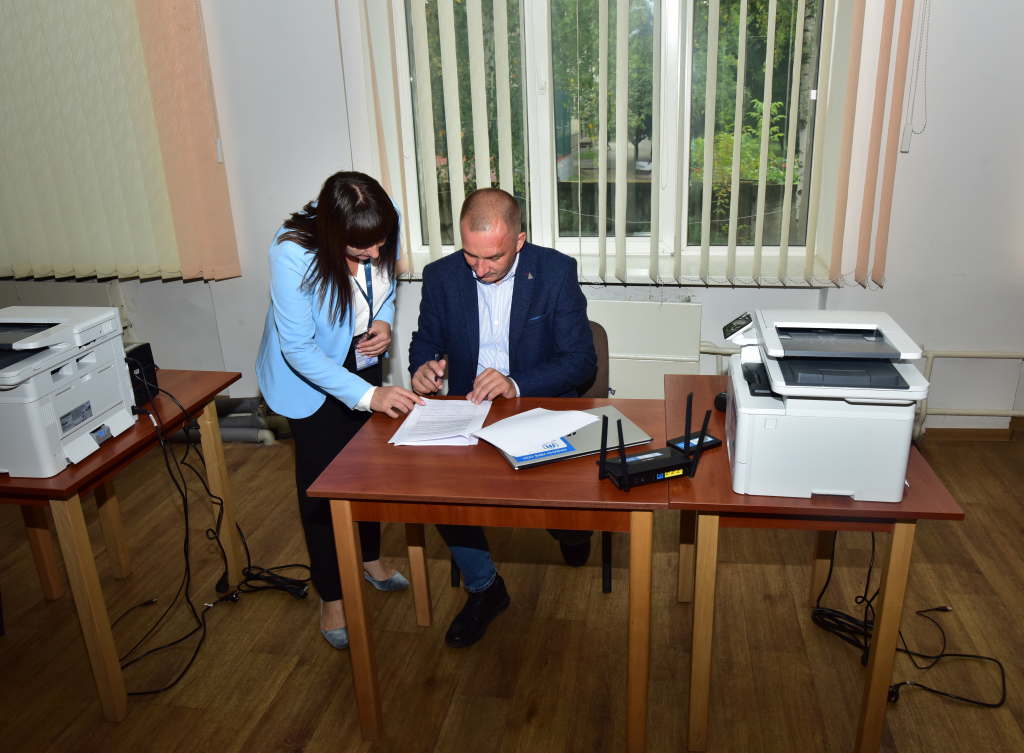
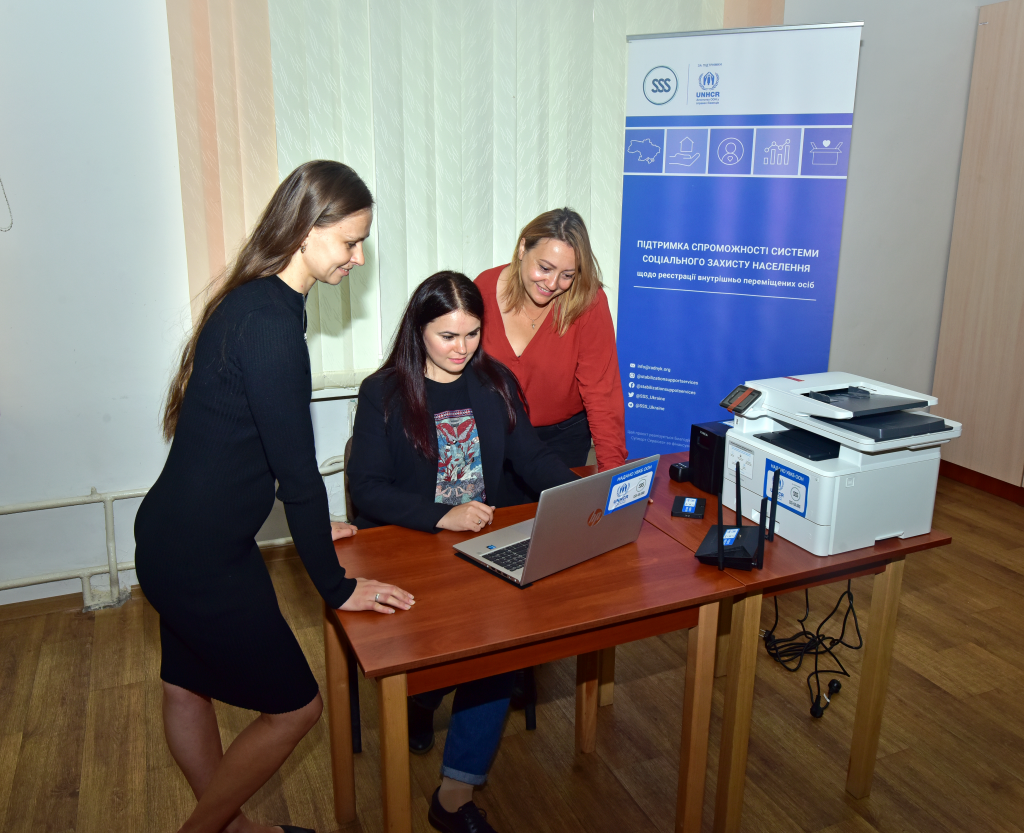
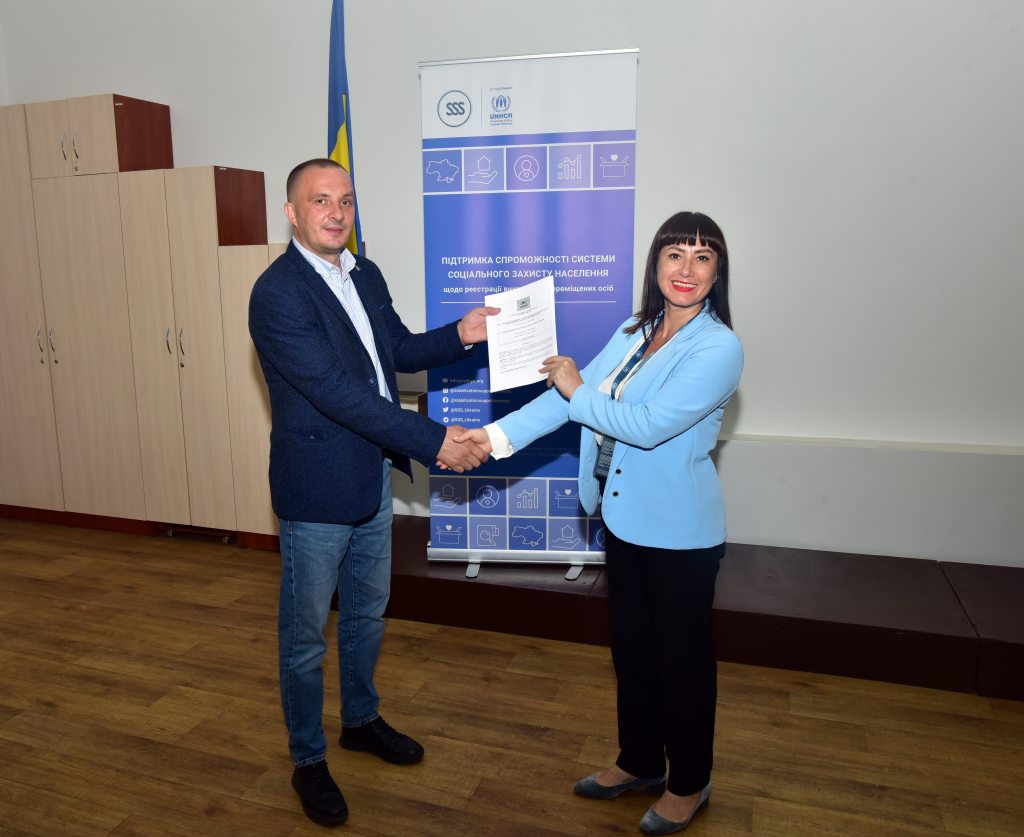
Regularly updating our technical equipment is vital for the effective functioning of the territorial center, as it ensures prompt and high-quality assistance to those in need of our social services. The support from UNHCR and the Charity Foundation “Stabilization Support Services” in updating our equipment has significantly enhanced the quality of the services we provide.
To what extent has the modern equipment that we, together with UNHCR, have provided you with facilitated your work?
The equipment has greatly streamlined our processes, particularly in handling work-related documents, including procurement. It has also improved our ability to efficiently serve citizens in difficult life circumstances.
We also express our gratitude to the Charity Foundation “Stabilization Support Services” for conducting workshops on “Combating Professional Burnout” for employees of the social protection sector. These events helped to improve the emotional and psychological well-being of the center’s employees, so they can continue to perform their tasks with high quality.
In addition to new equipment, what else could improve the work of the center?
There is still a need for modern vehicles to serve individuals living in the 24 villages that joined the Khmelnytskyi City Territorial Community in 2021.
Please share the center’s plans for 2024.
In 2024, we plan to introduce innovative services focused on enhancing psychological health. We aim to expand the University of the Third Age across the community, establish branches in certain city neighborhoods, implement a community project – a Salt Room halo complex at the center, and upgrade our physiotherapy room with more advanced equipment.
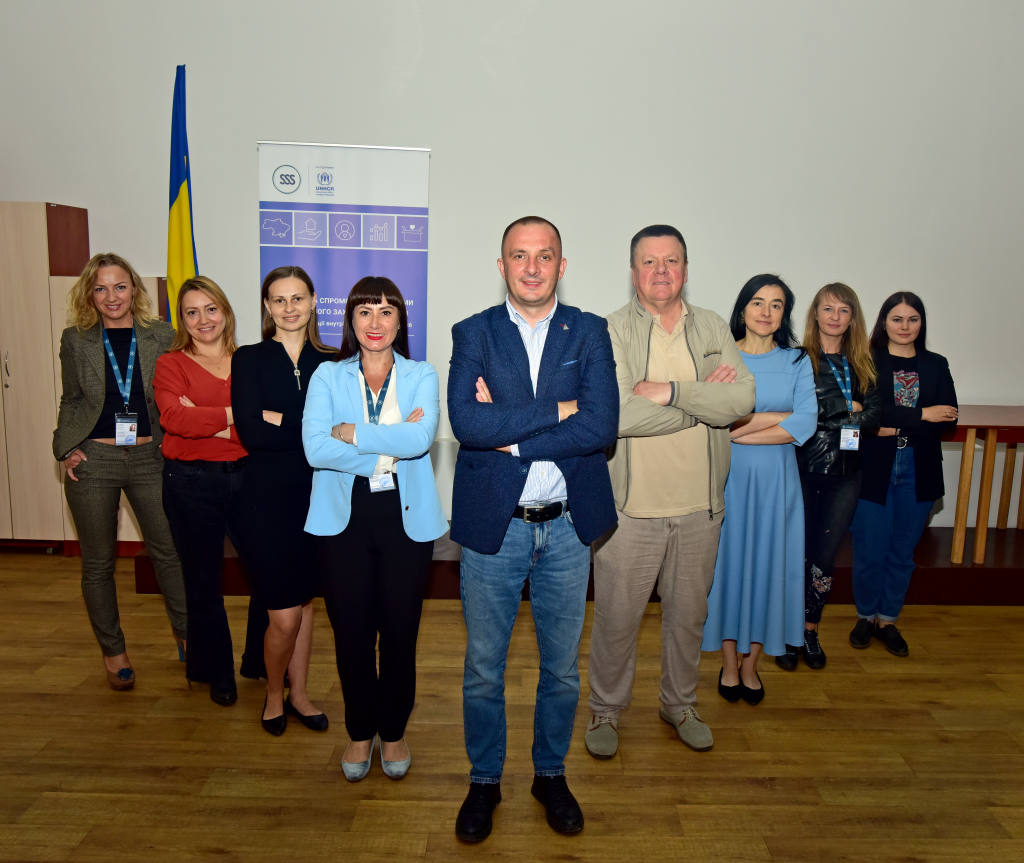
The Khmelnytskyi City Territorial Center for Social Services extends heartfelt thanks for the ongoing cooperation and assistance provided.
This article was prepared by the Charity Foundation “Stabilization Support Services” with funding from the United Nations Refugee Agency (UNHCR). The contents of this publication are the sole responsibility of CO CF SSS and can in no way be taken to reflect the views of the Agency.