
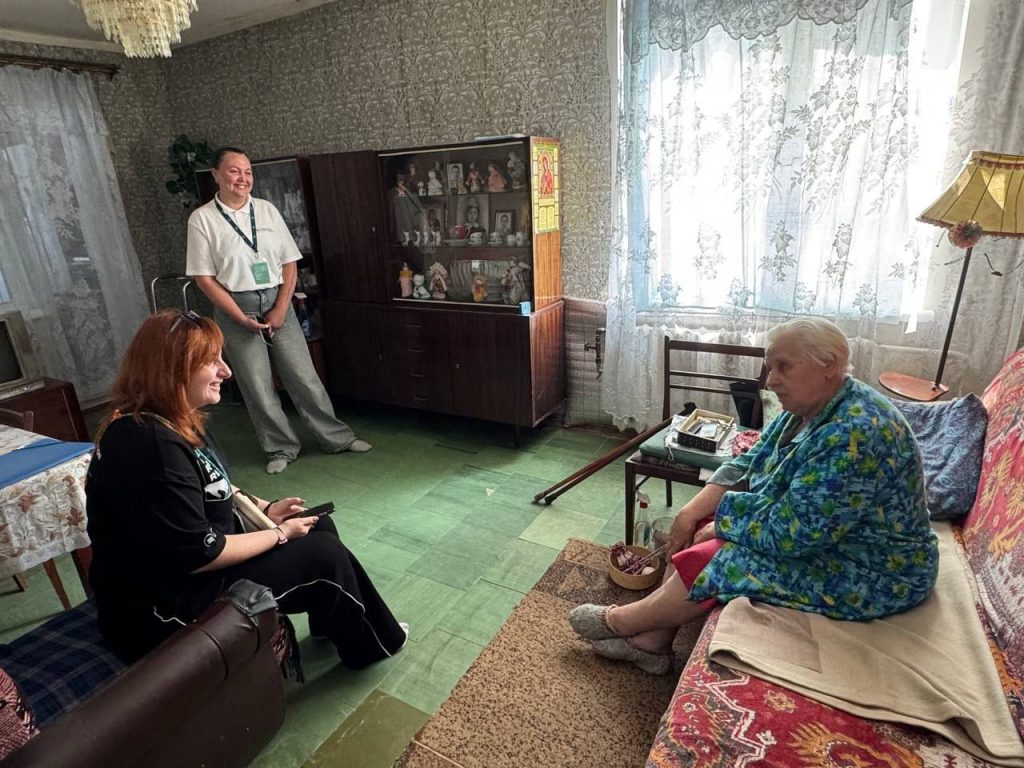
After shelling in front-line cities, many homes are left with shattered windows, damaged roofs, or even without walls. Elderly people are especially vulnerable in such conditions, as they often lack the resources or physical ability to repair their homes on their own. One such story is that of Mariia Petrivna, a resident of Kryvyi Rih. Her building sustained multiple impacts during attacks, and for a long time, she lived with plastic sheeting where the windows used to be — in the cold and constant drafts.
A blast wave damaged her apartment: windows were blown out on both sides — in the kitchen and on the balcony. After that, Mariia Petrivna lived in a space that offered no protection from the cold or the rain.
“It happened like this: all the windows were blown out — from the kitchen and the balcony. Only the plastic sheet remained. I taped it up as best I could, but what does it help? Wind, cold — everything came right inside. And I was alone… who could I even complain to?”
She didn’t seek help — she was used to managing on her own. But when a team from the humanitarian project “The Strengthening Resilience and Protection of Conflict-Affected Individuals, Communities, and Systems in Central and Eastern Ukraine“ visited her home, she was genuinely surprised.
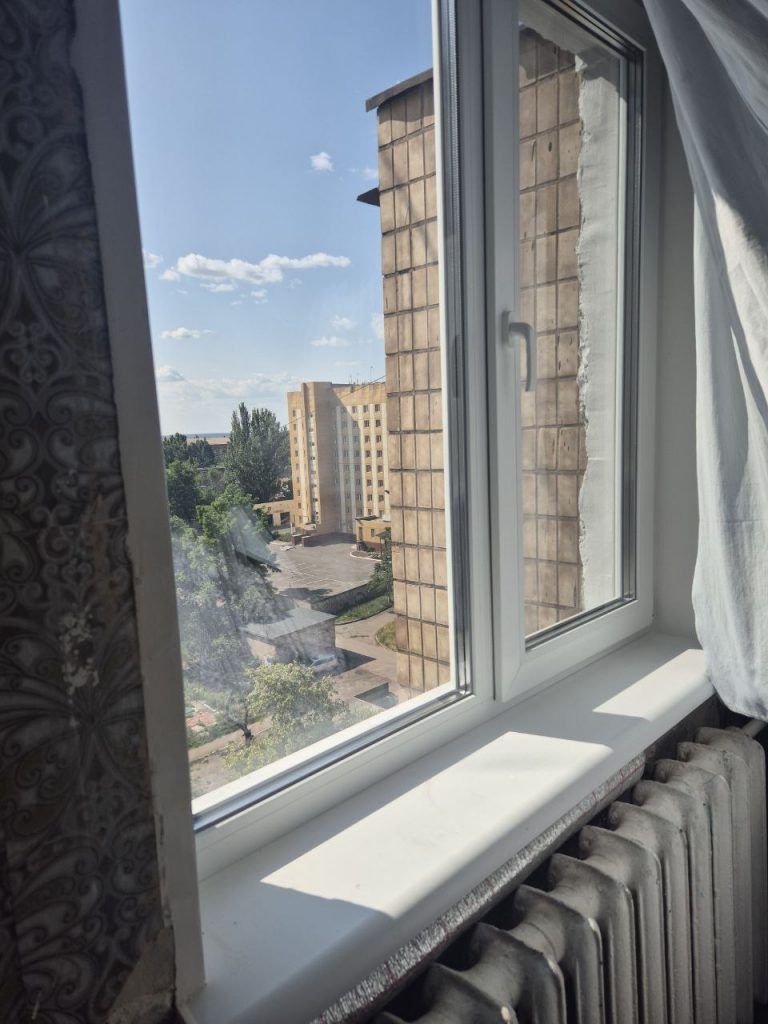
“When they came, I couldn’t believe it. They said: ‘Let’s see what can be done.’ And just a few days later, they arrived with windows, with tools. Young guys, working fast. They cleaned everything up, took out the debris. I was just stunned — I thought, really? Is this actually for me?..”
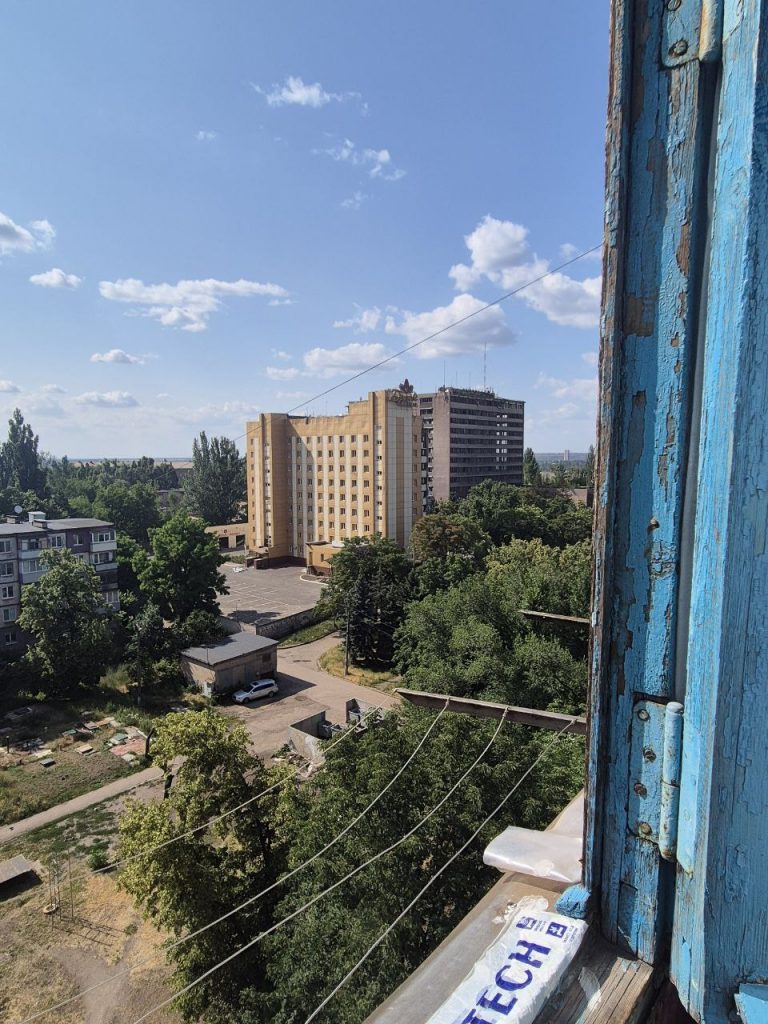
In a matter of days, all the damaged windows were replaced, debris removed, and structural issues repaired. Mariia speaks warmly of the project coordinator who oversaw the work:
“The one I remember best was Olga — the young woman who organized everything. She didn’t just ask where to install something. She sat with me, talked, asked how I was living. I haven’t felt that kind of attention in a long time…”
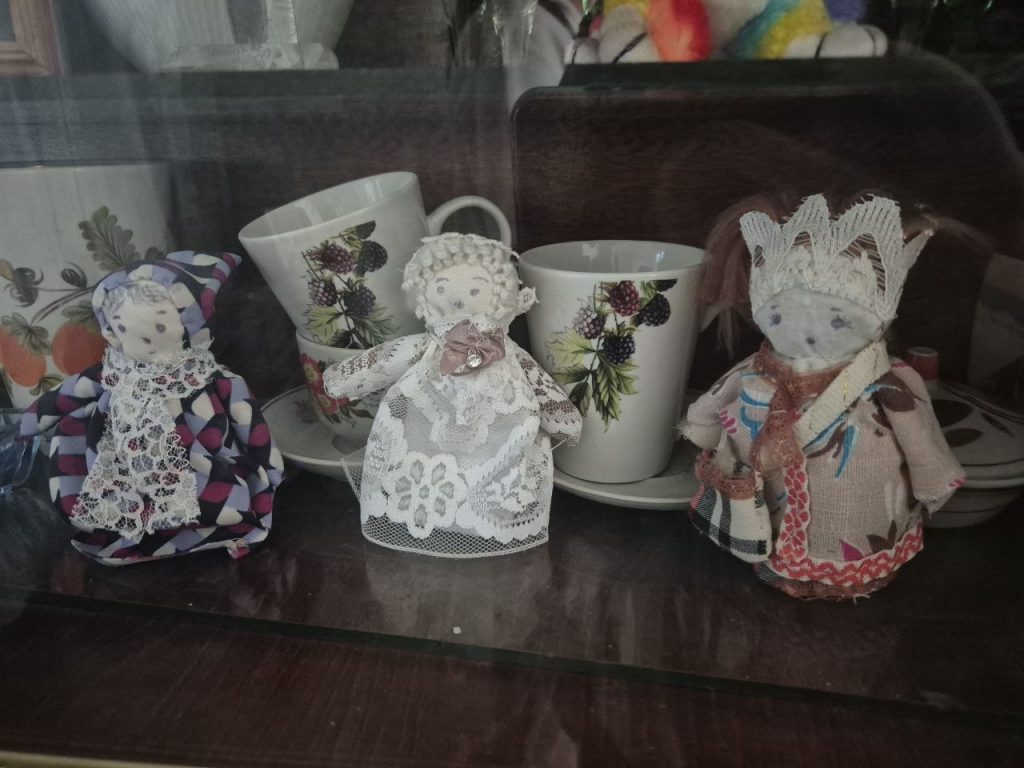
Mariia lives alone. What helps her maintain emotional balance are the dolls and figurines she makes by hand. It’s her way of coping with loneliness and anxiety.
“I made this myself. This is my little angel. You think they’re pretty? I do too. And when I make them, my heart feels a little warmer…”
After the repairs, Mariia Petrivna says she feels calmer. Although the risk of renewed attacks remains, her apartment is now warmer, cozier, and safer. But most importantly, she feels remembered and cared for.
The Strengthening Resilience and Protection of Conflict-Affected Individuals, Communities, and Systems in Central and Eastern Ukraine project is implemented by the Charity Foundation “Stabilization Support Services” in cooperation with the international humanitarian organization CARE and with the support of the German Federal Ministry for Economic Cooperation and Development.*The beneficiary’s name has been changed for security reasons. This story is published with the interviewee’s consent and in accordance with ethical standards for presenting personal experiences.