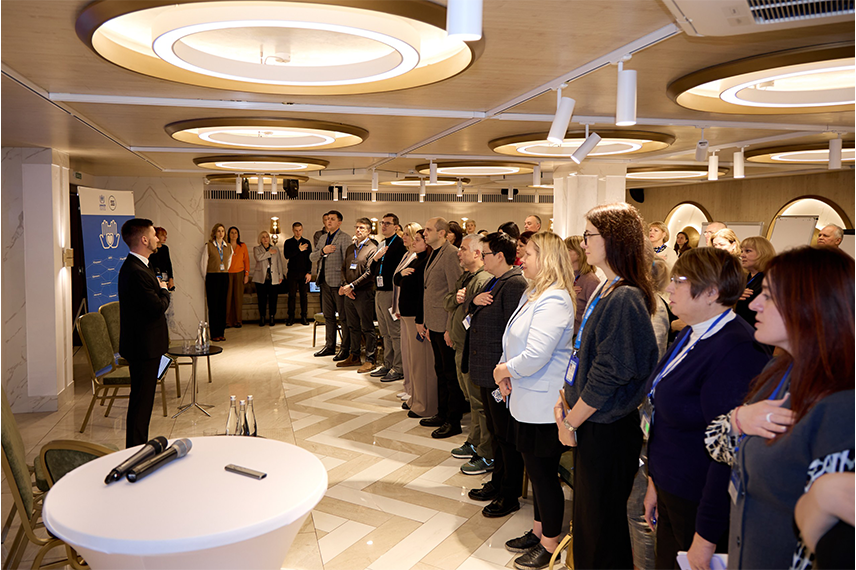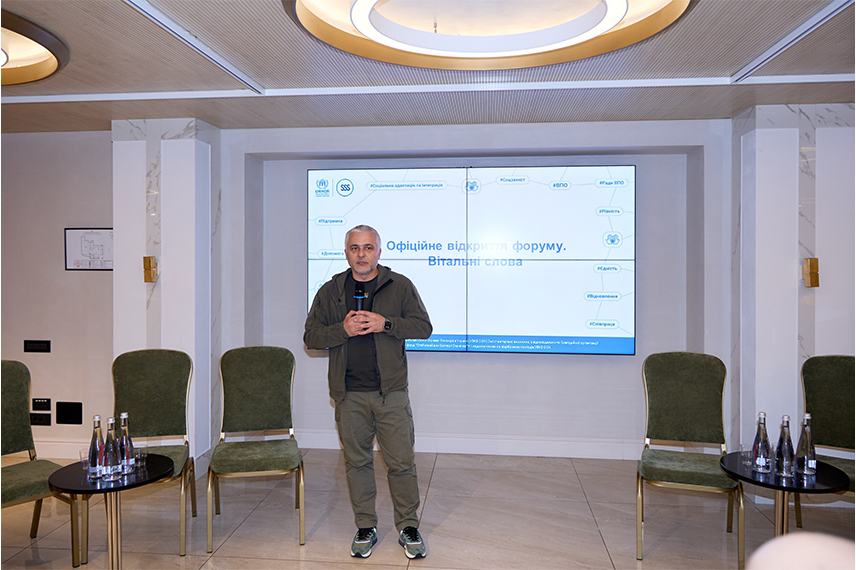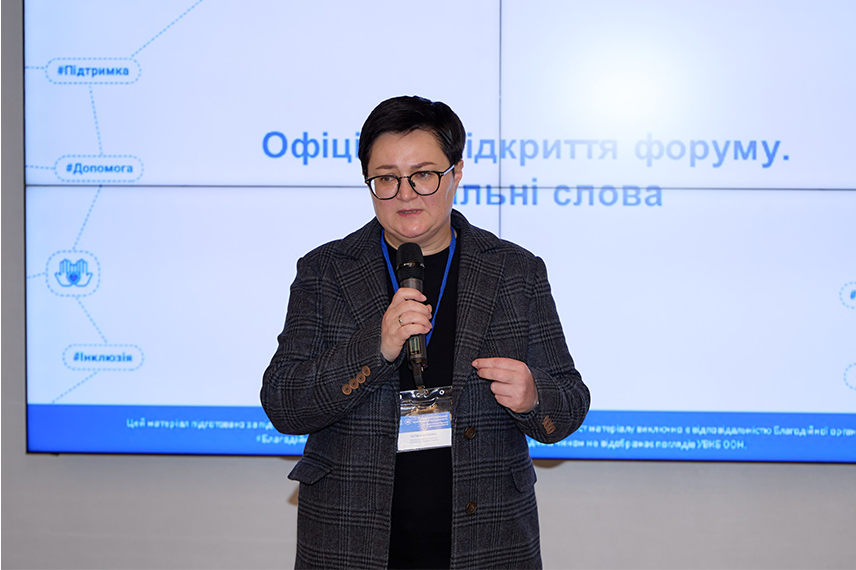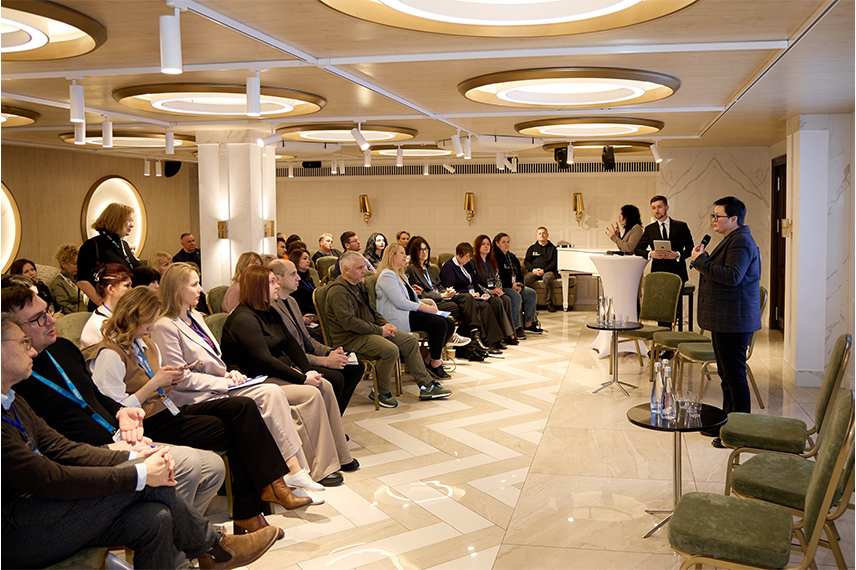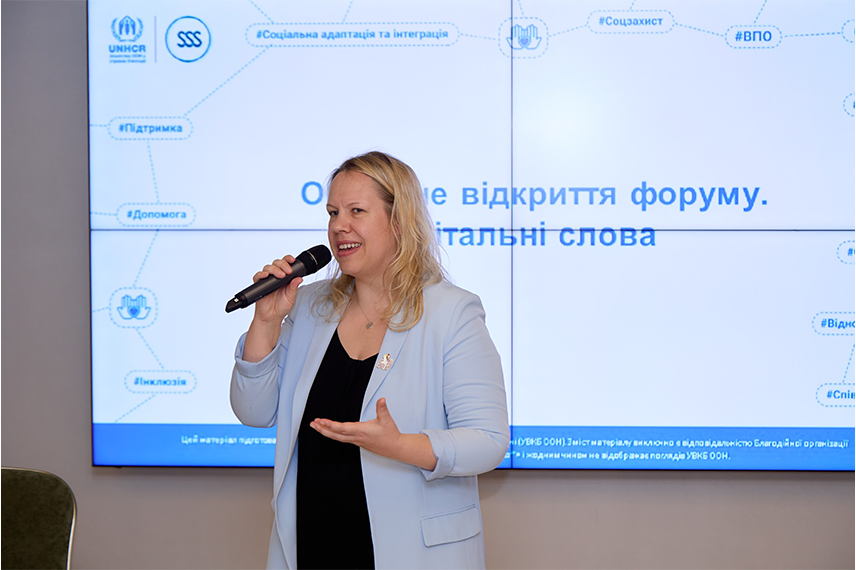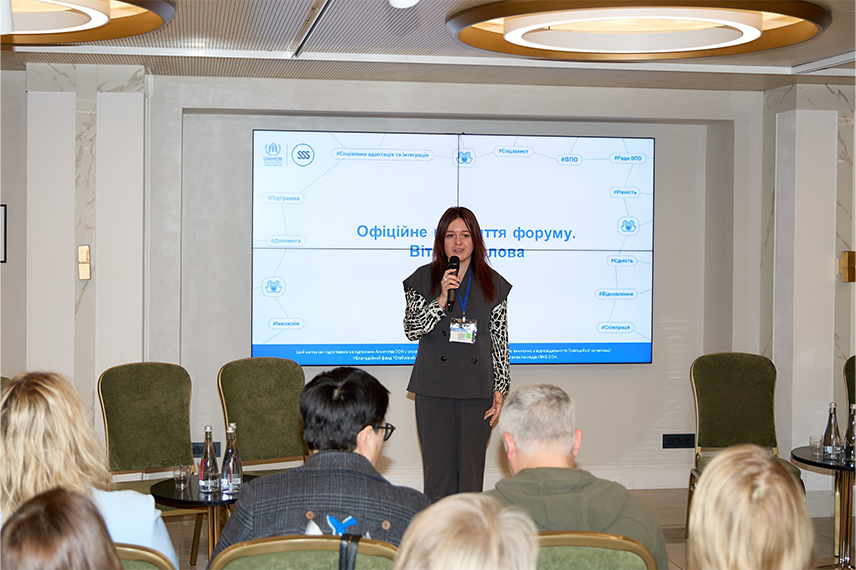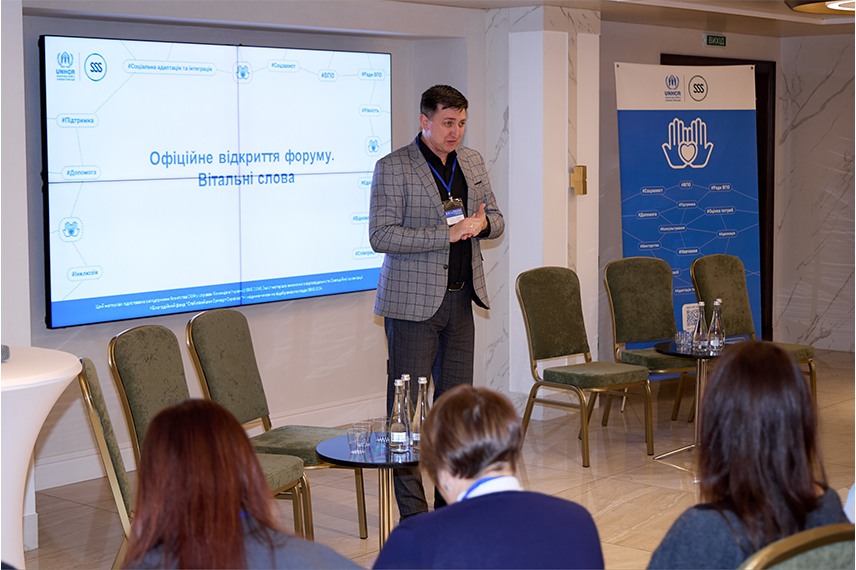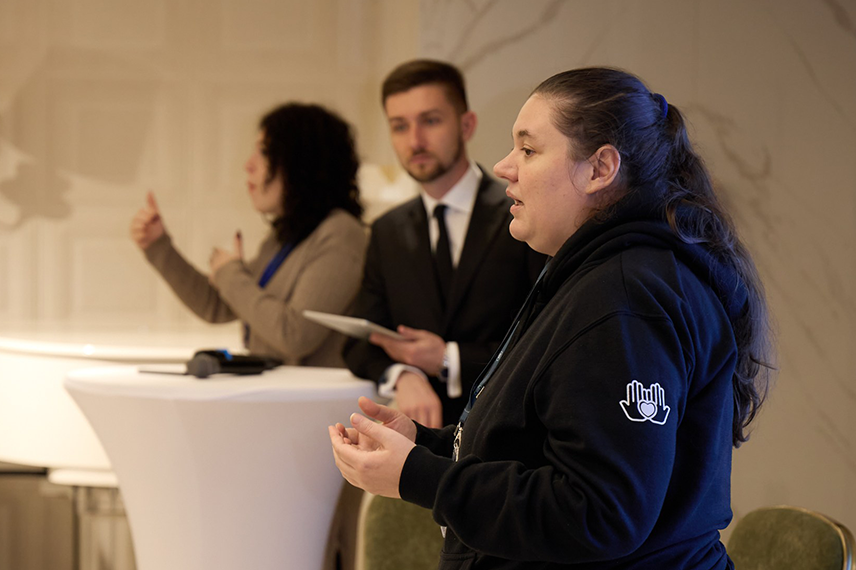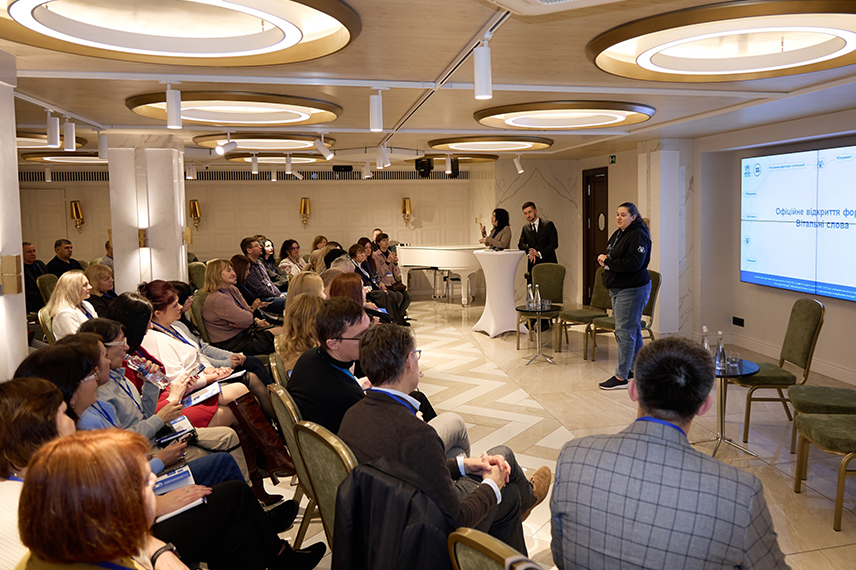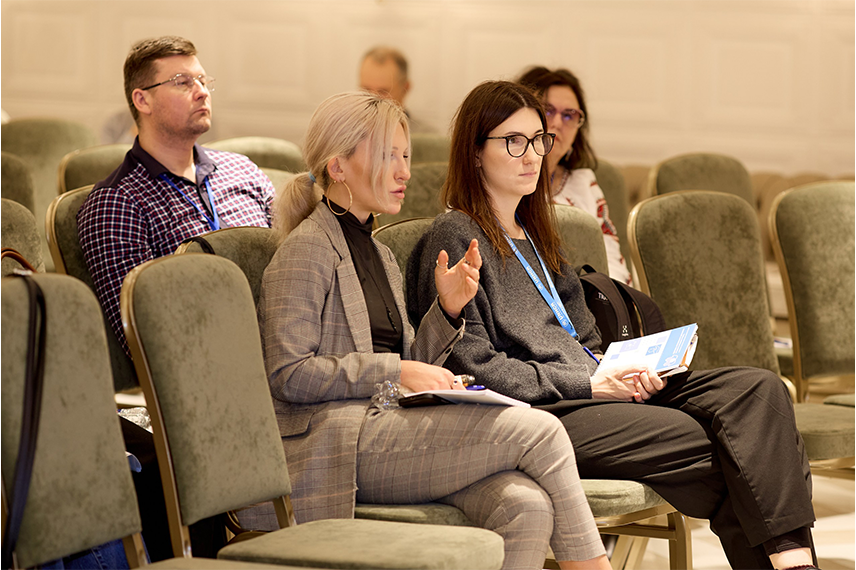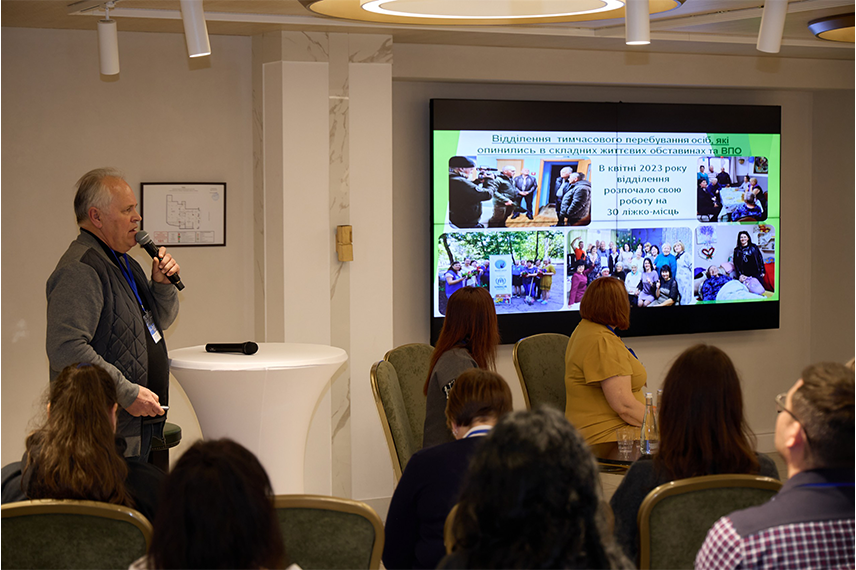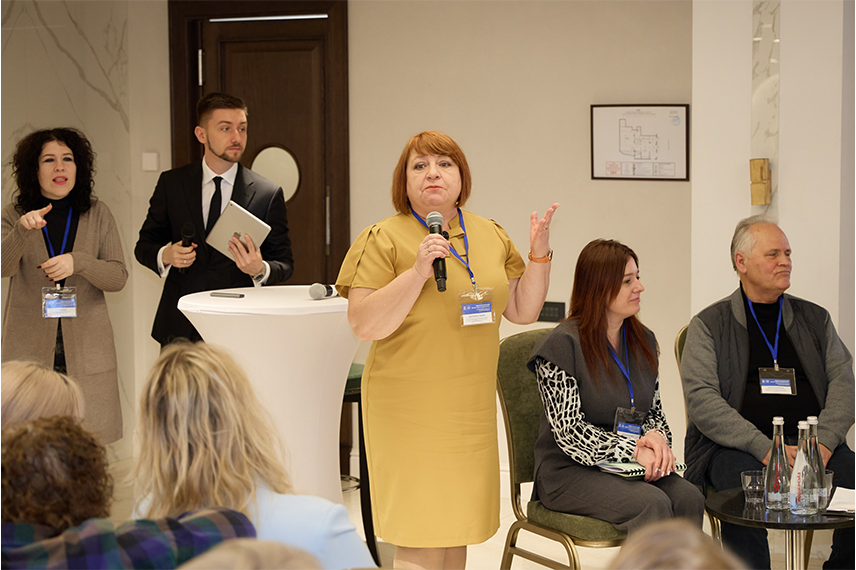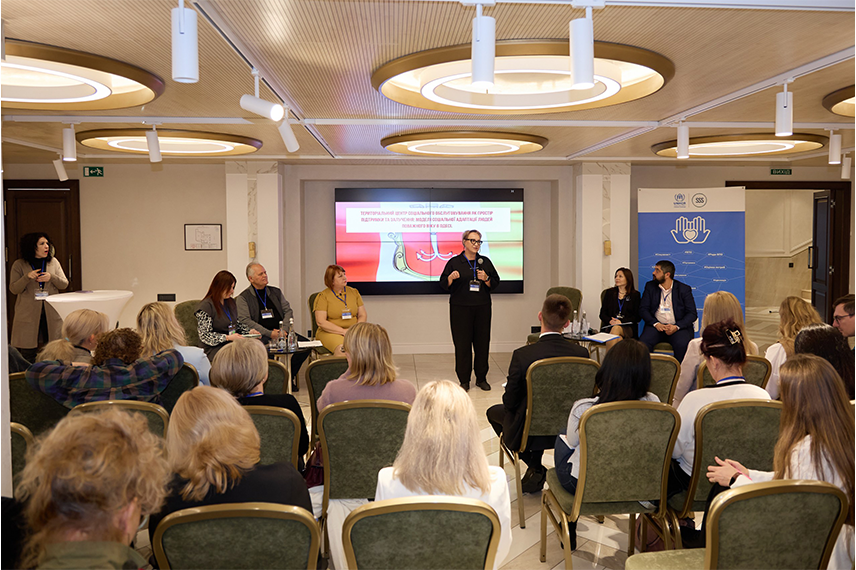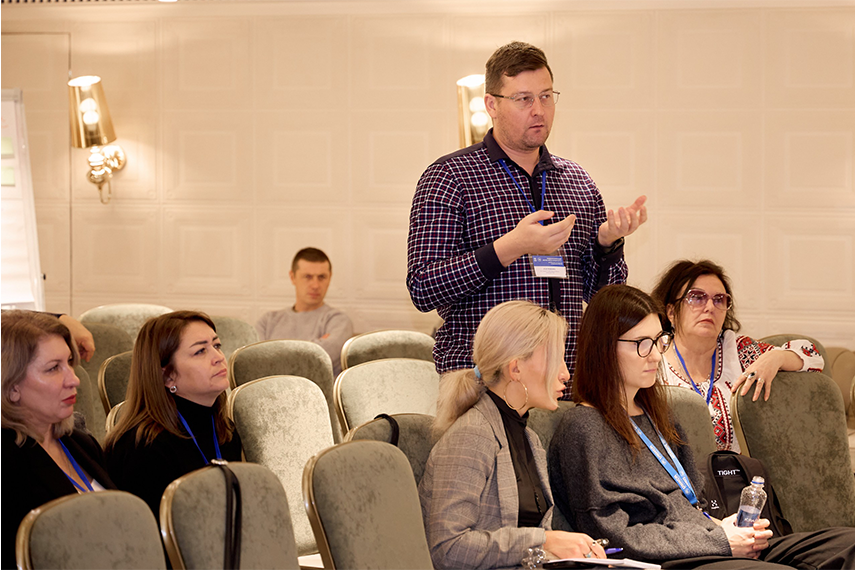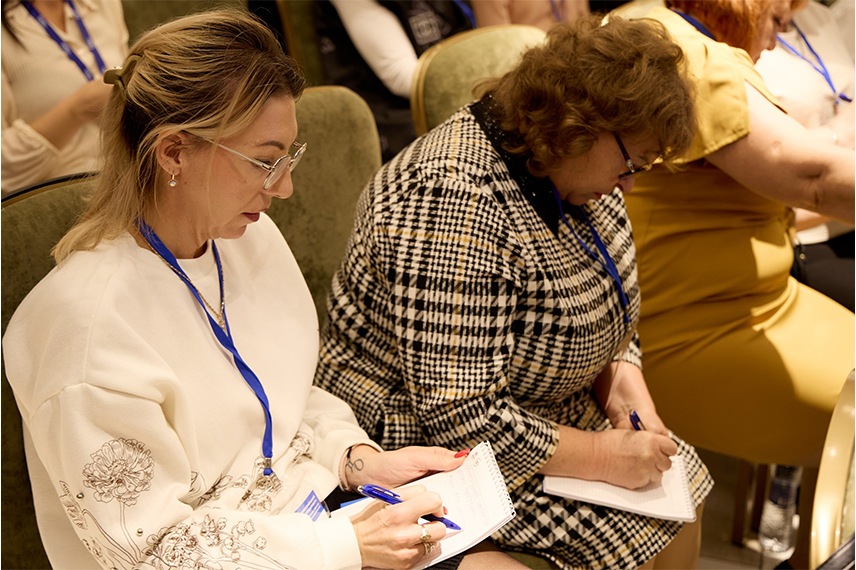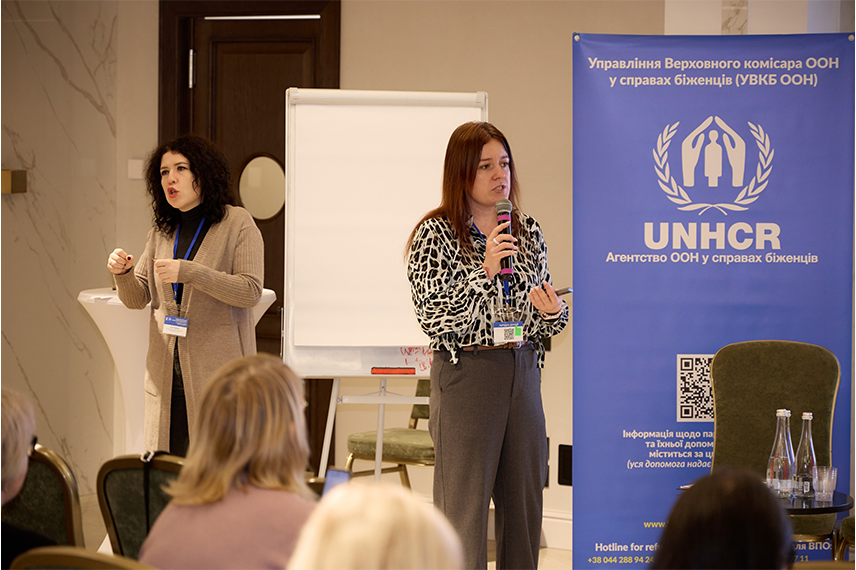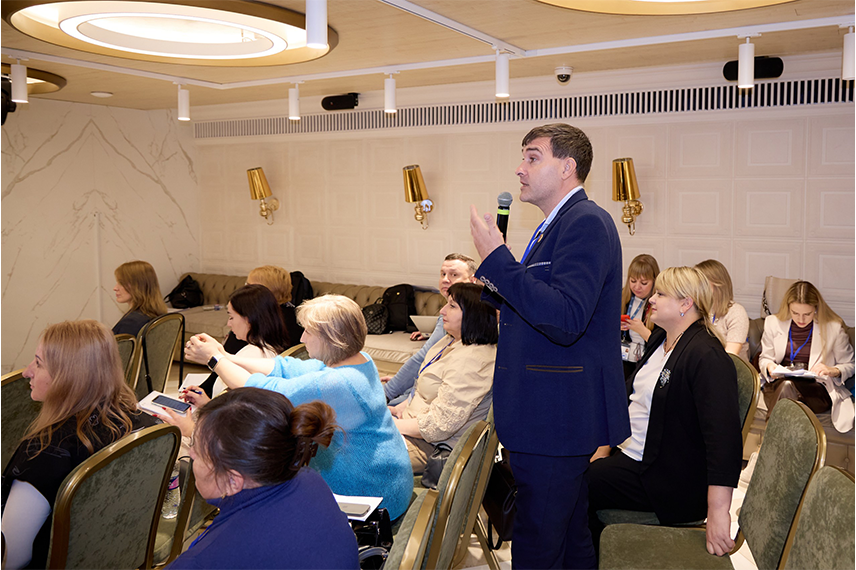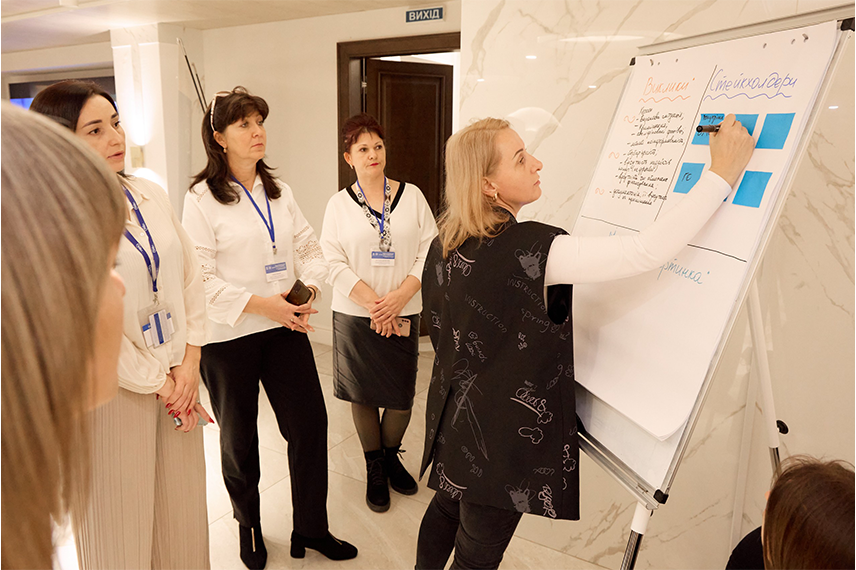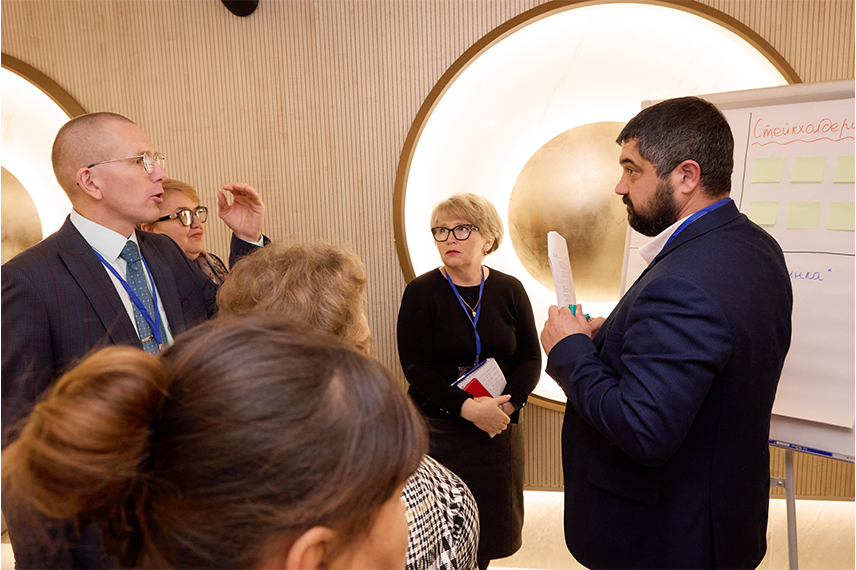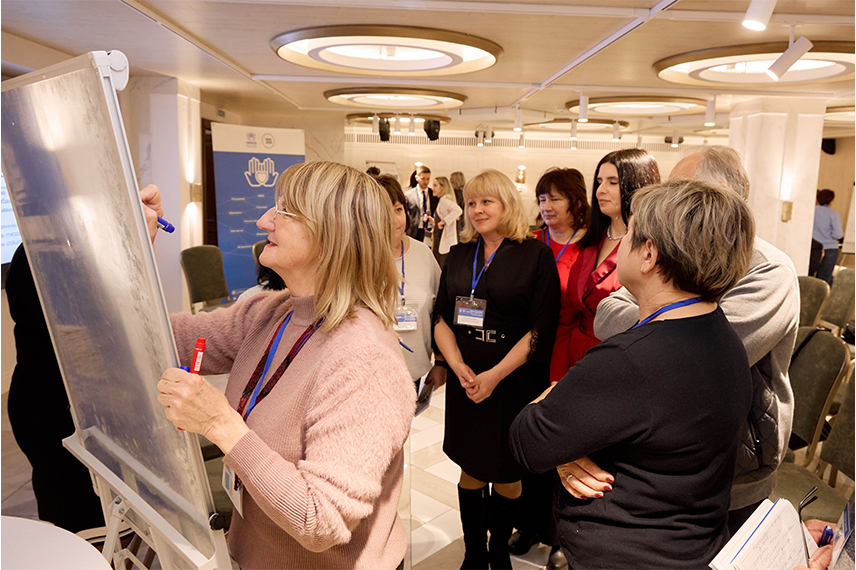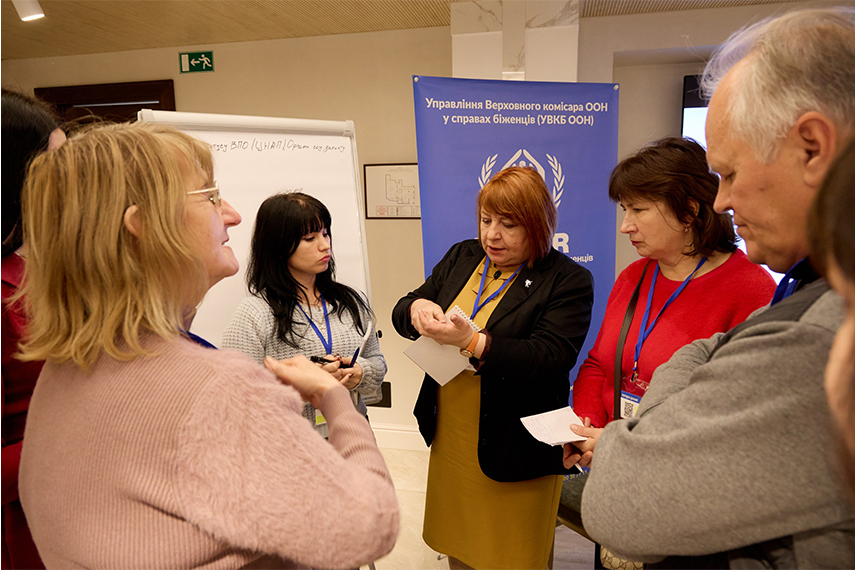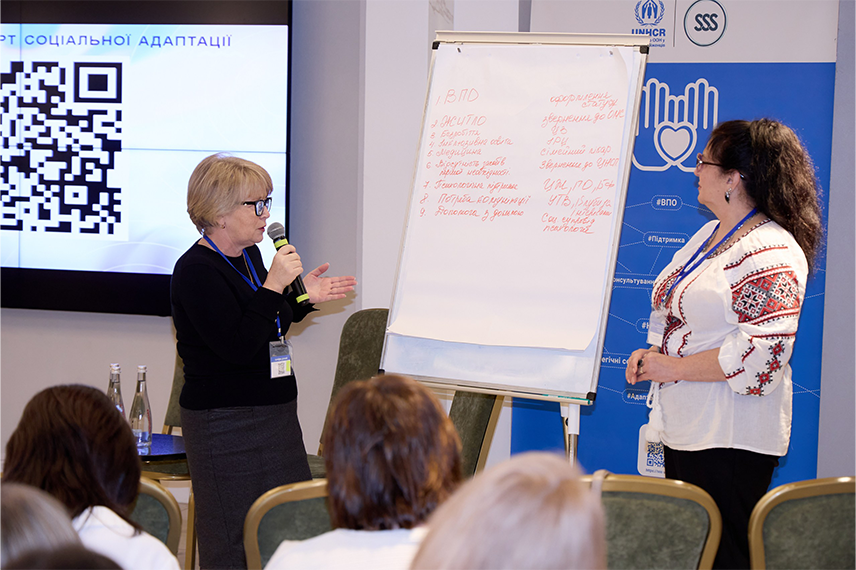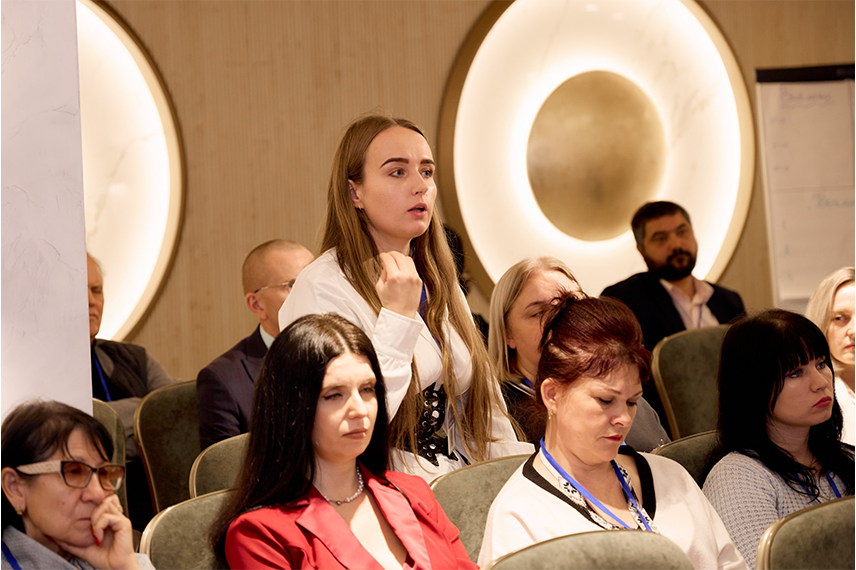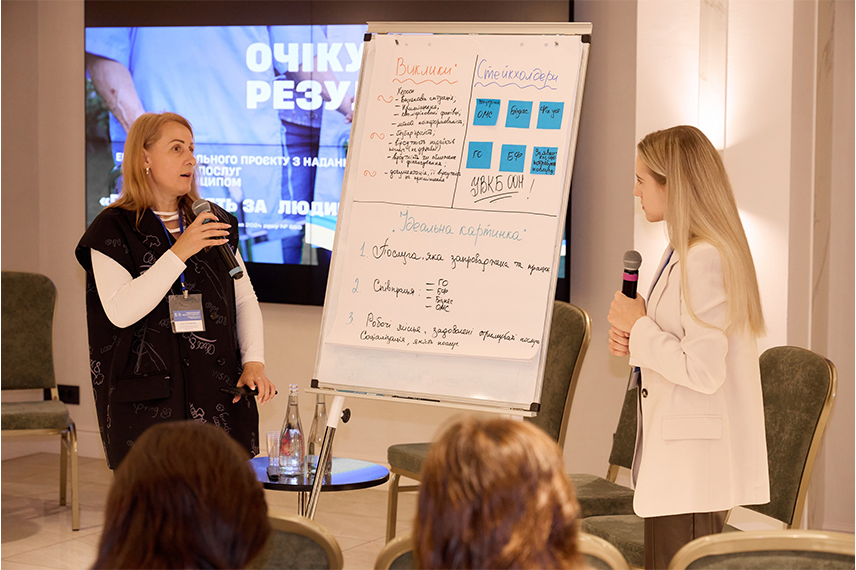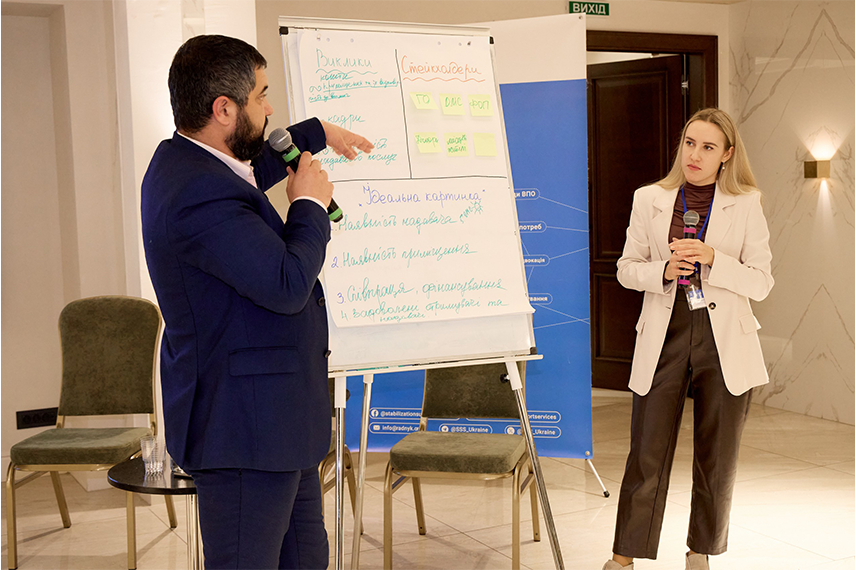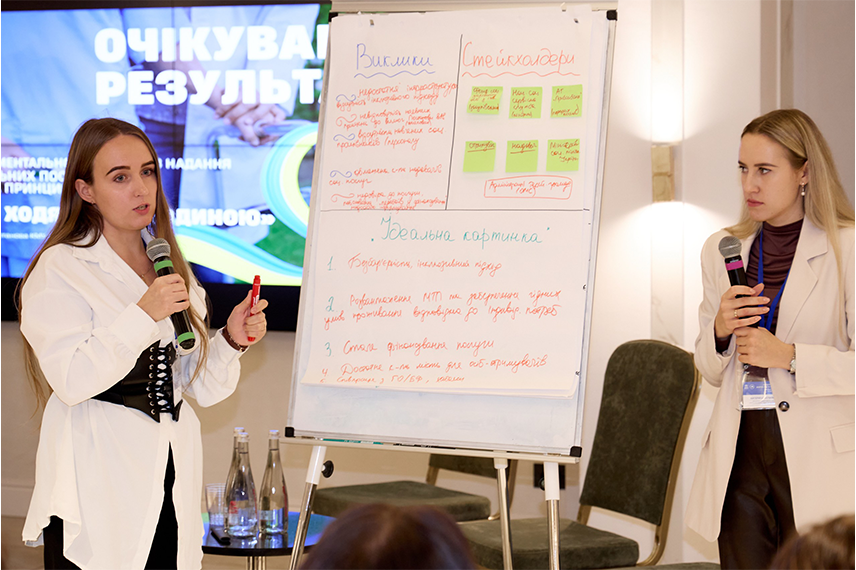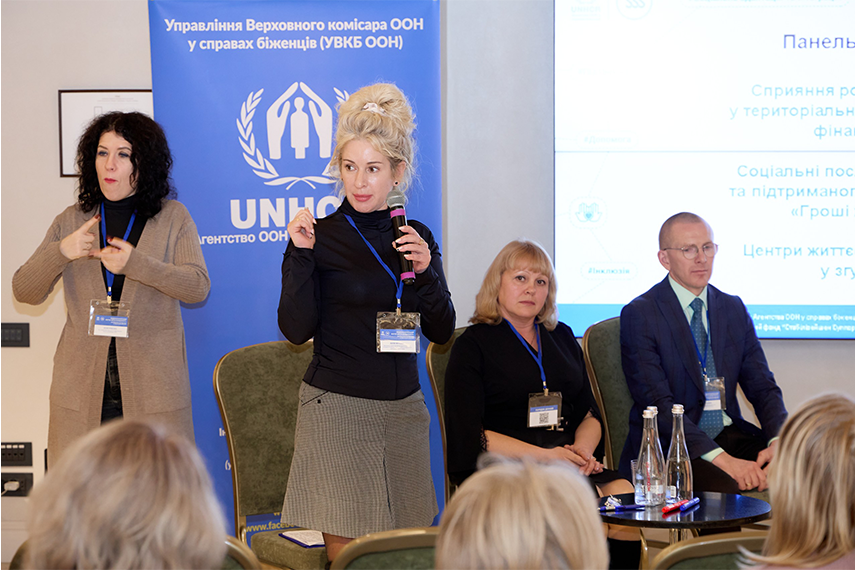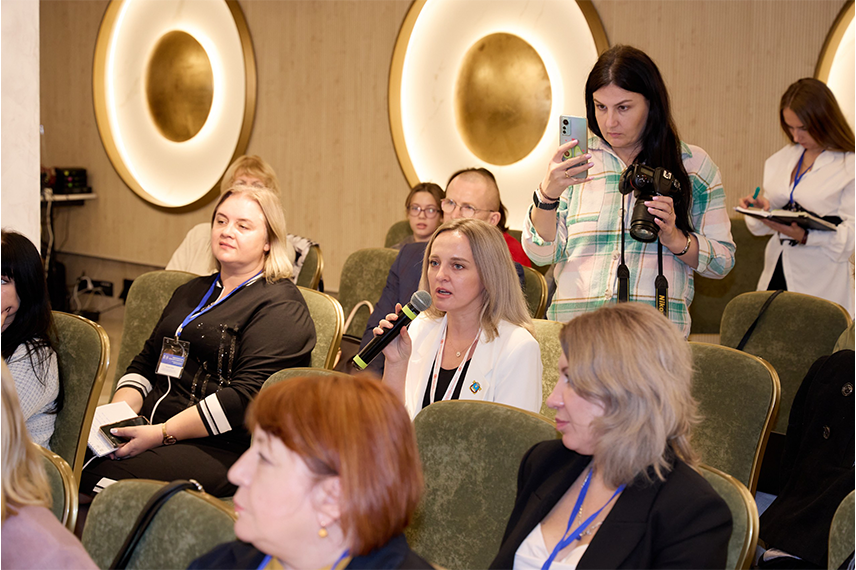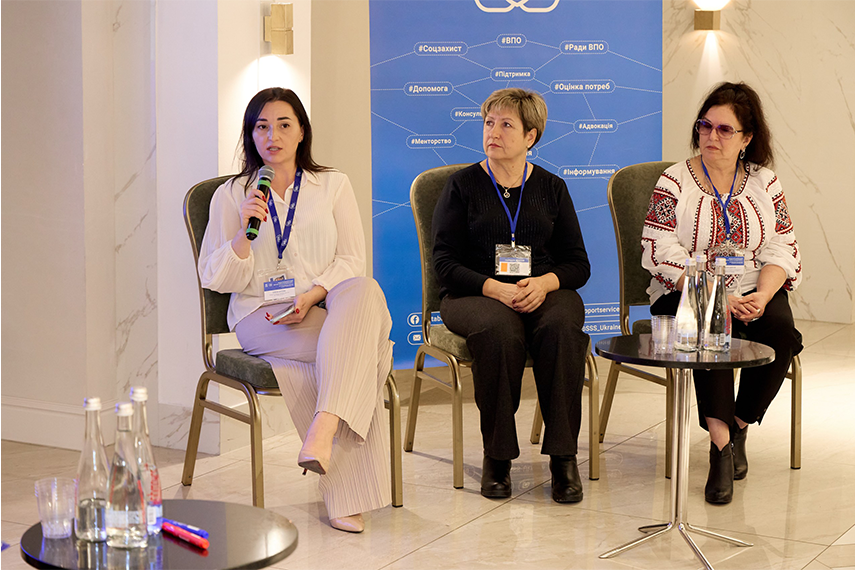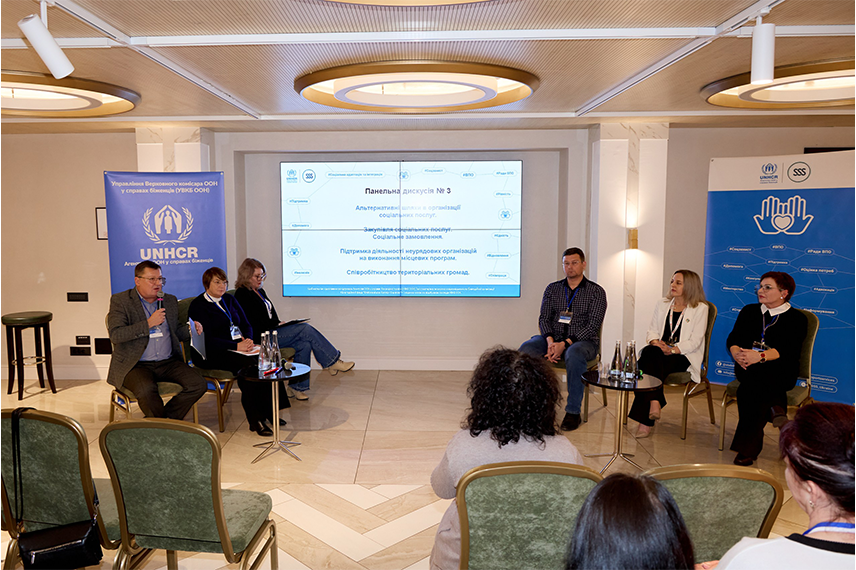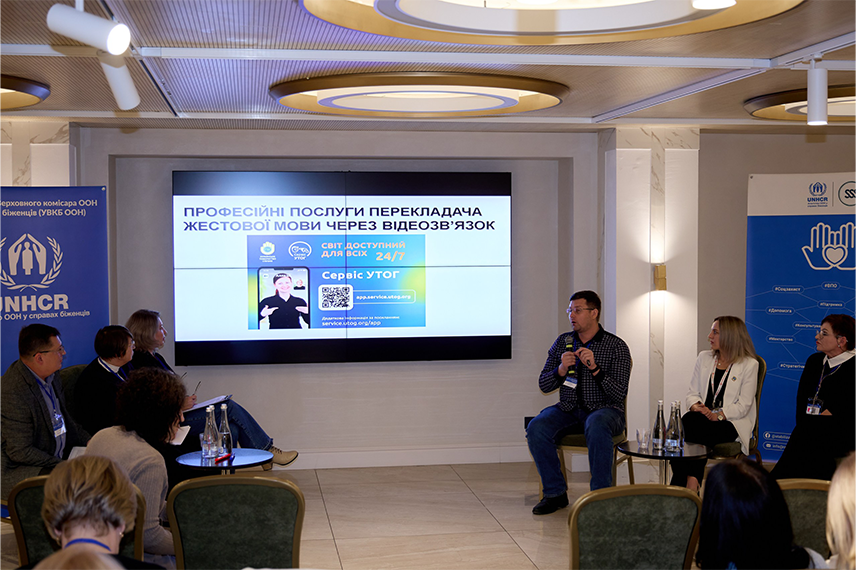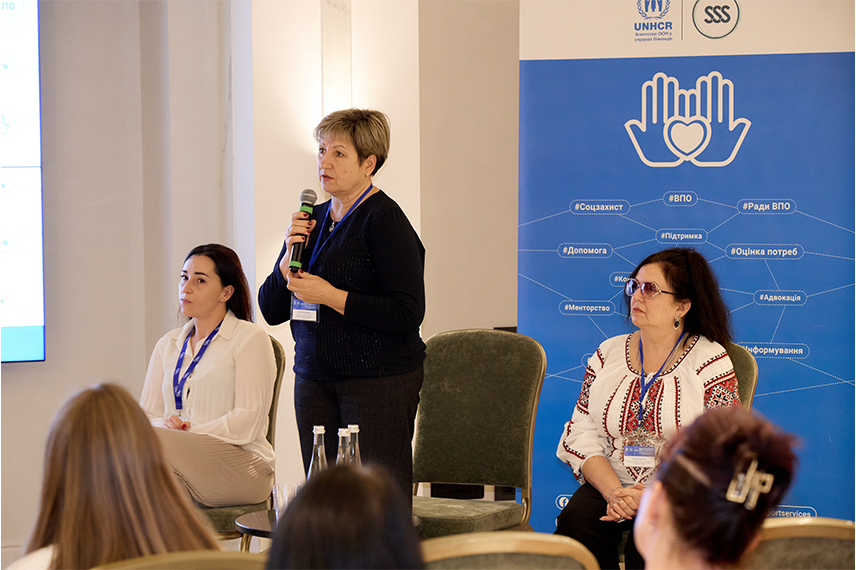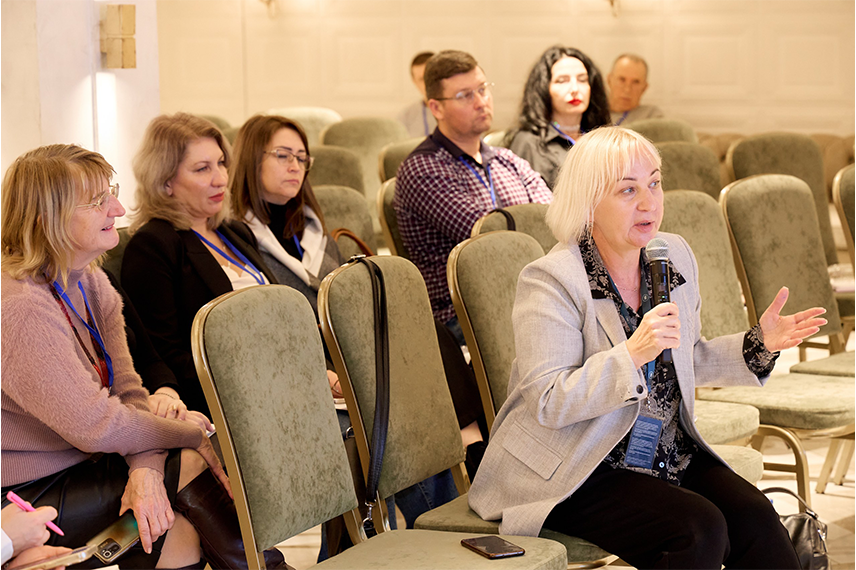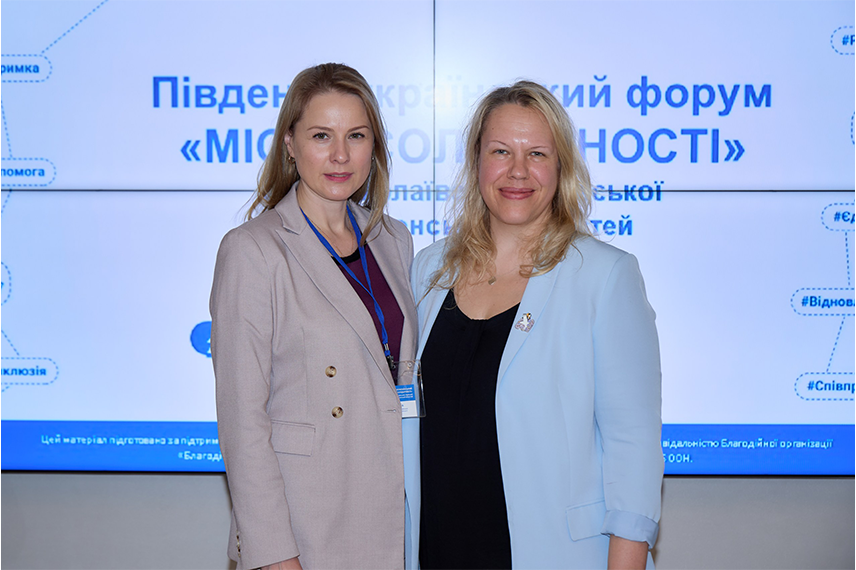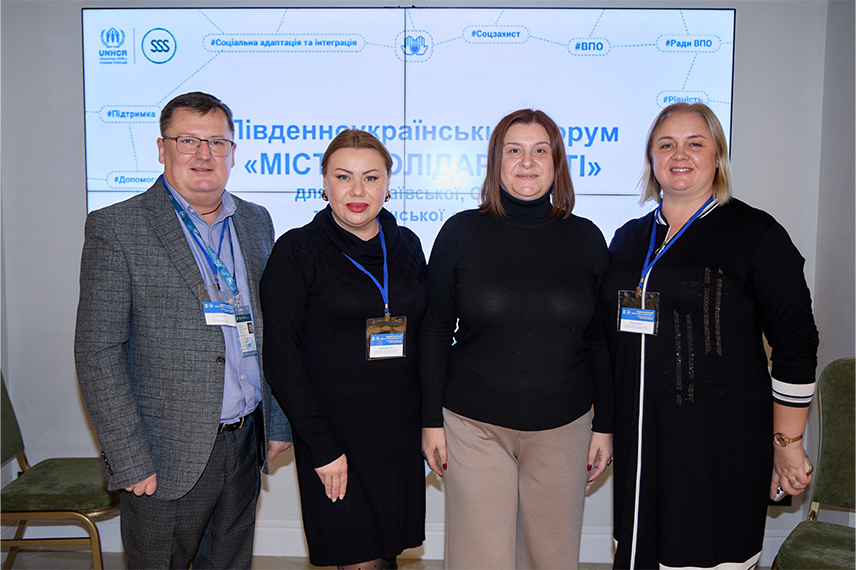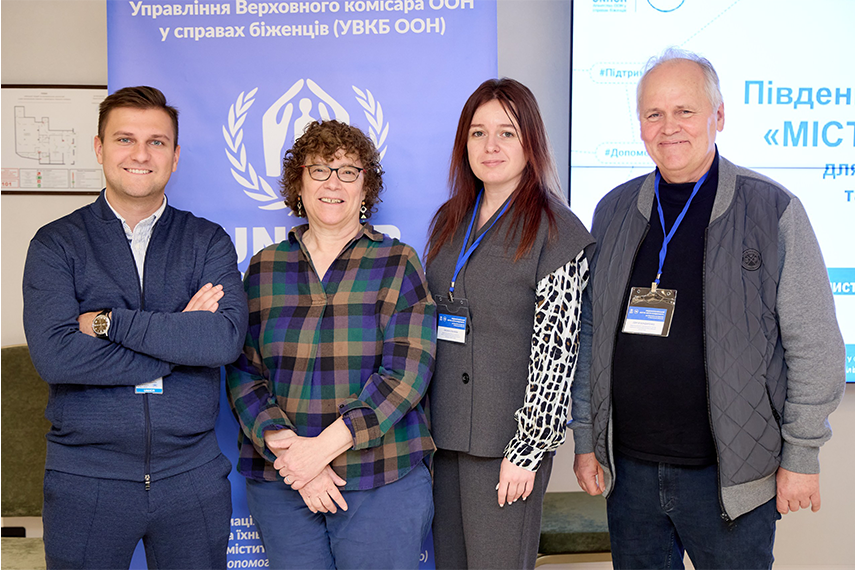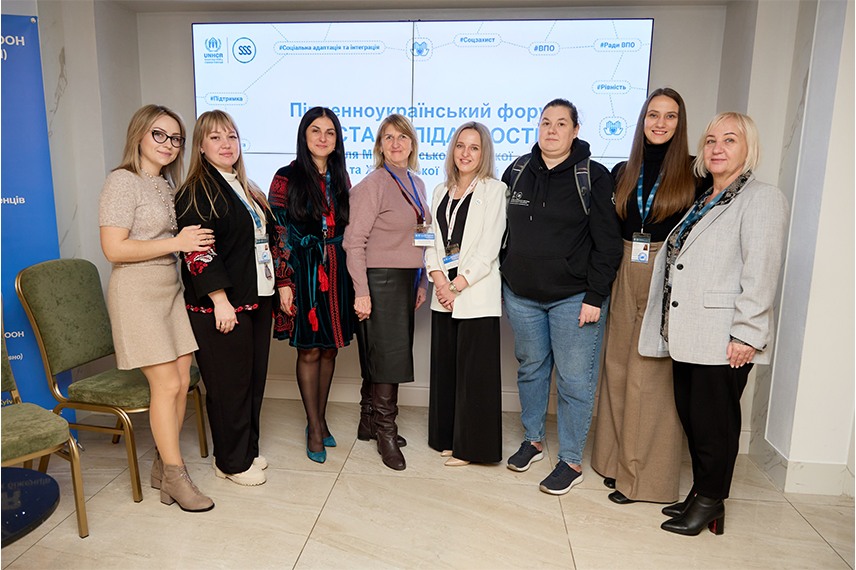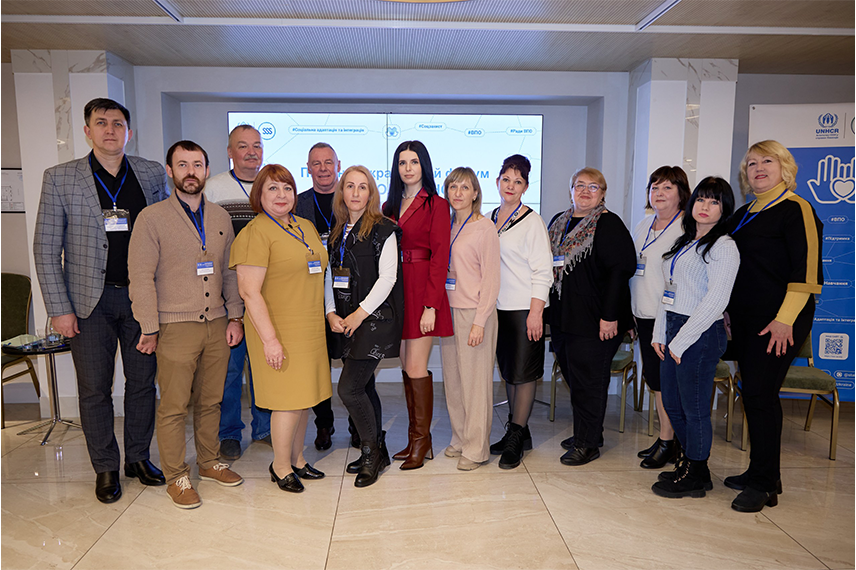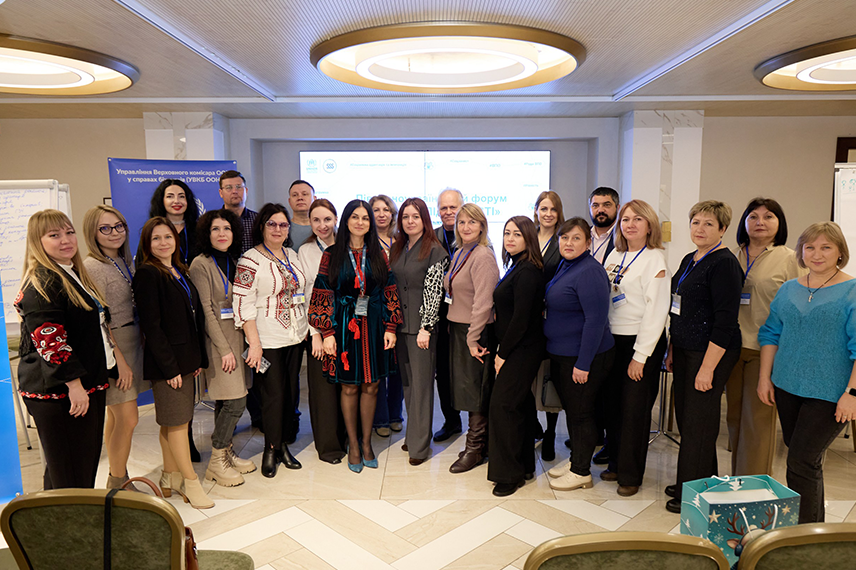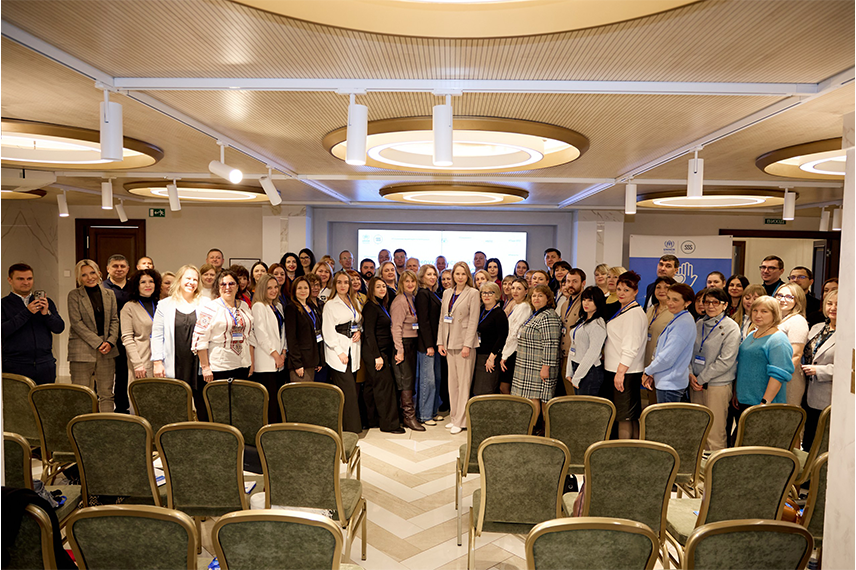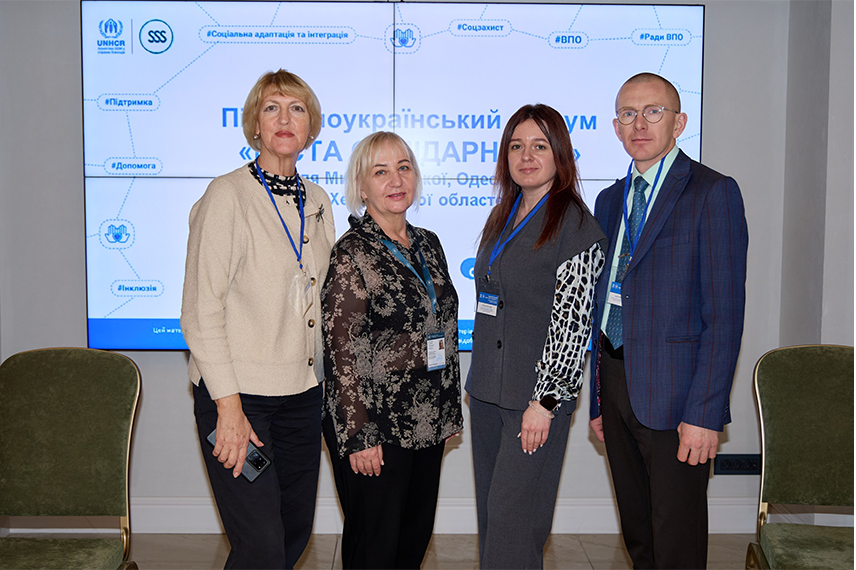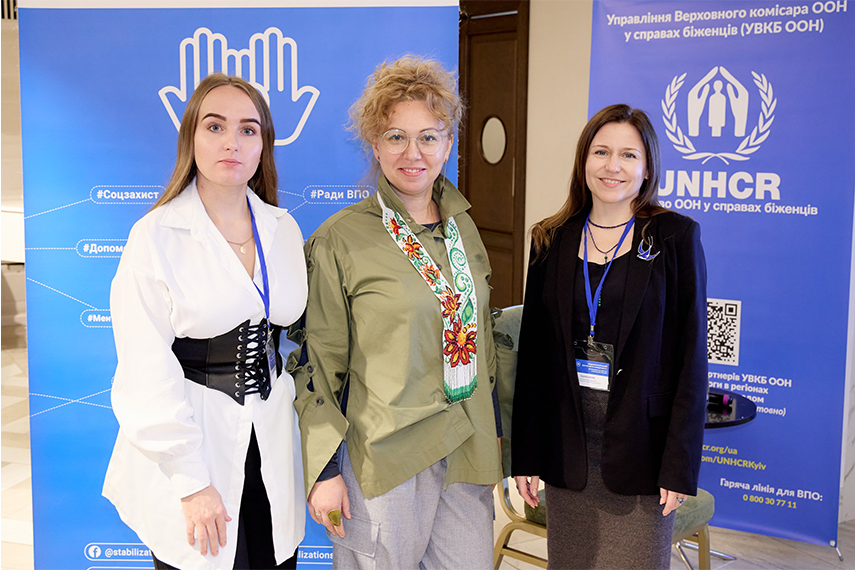
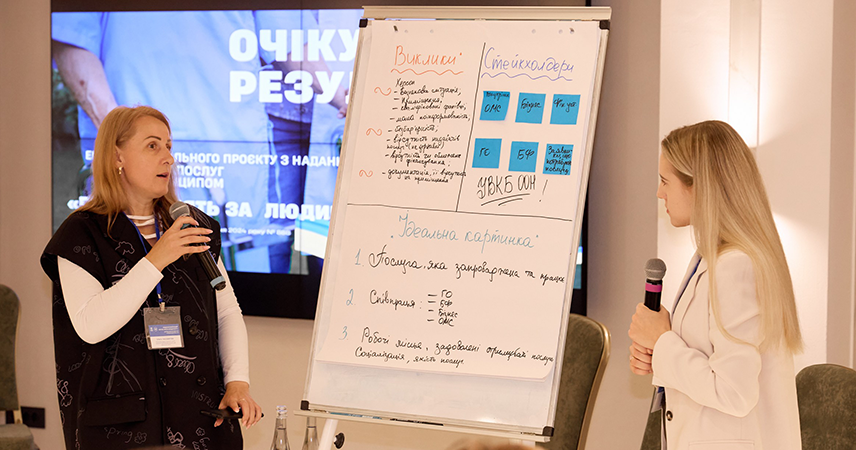
On November 27–28, representatives from the Mykolaiv, Odesa, and Kherson regions convened in Odesa to coordinate efforts in supporting internally displaced persons, older adults, and individuals with disabilities. Over 80 representatives from government bodies, social services, the civil sector, and international organizations participated in the two-day Cities of Solidarity forum, which featured presentations, discussions, and practical workshops.
Over a million IDPs have found shelter in the south of Ukraine, where communities demonstrate solidarity and the ability to support those nearby every day. Despite the regions suffering from shelling and destruction, social services continue to develop and expand support for vulnerable groups of people.
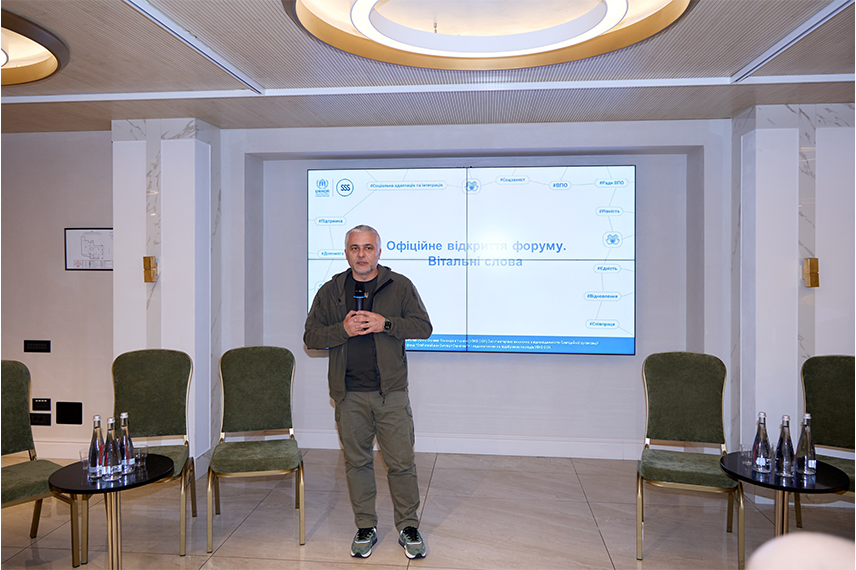
During the opening of the forum, the Head of the Odesa Regional Military Administration, Oleh Kiper, thanked the territorial communities of the south for their work in wartime conditions:
“The enemy would like to take our regions, but cannot, so they try to destroy as much as possible. But you do not break, you help people. Over 220,000 IDPs live in the Odesa region alone. You literally take the resolution of every problem into your own hands and help people return to life. It is thanks to you that we maintain resilience,” noted Oleh Kiper.
The first day of the forum was dedicated to organizing services for older people, IDPs, and people with disabilities. Participants discussed implementation mechanisms, state standards, and the partnership between the state and the civil society sector.
“Such meetings are important for us to build policy not in offices, but together with communities. The war has forced hundreds of thousands of people to start life from scratch, and support must not be formal, but truly targeted according to the individual needs of each person,” noted Tetiana Kiriienko, Deputy Minister of Social Policy, Family and Unity of Ukraine. She emphasized that the social protection system in Ukraine is moving from institutional facilities to more humane and flexible solutions — assisted living, nursing care, and the development of local services.
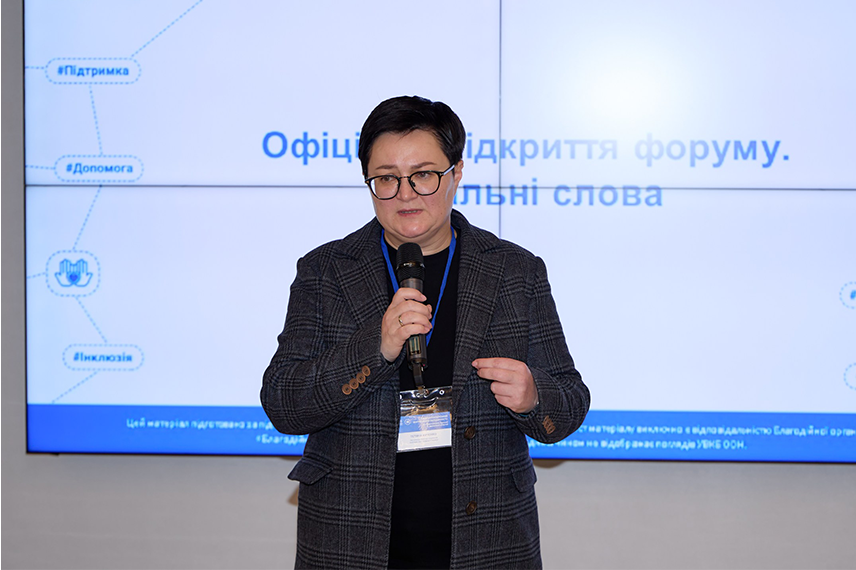
Nina Schrepfer, UNHCR Assistant Representative for Protection in Ukraine, also spoke about the importance of joint work and the role of social sphere professionals in community resilience:
“Across Odesa, Mykolaiv, and Kherson regions, communities continue to demonstrate remarkable resilience and solidarity. Strong systems of social service provision are the foundation of resilient communities. When older people receive care, when war-affected families can access support close to home, and when IDPs have a voice through IDP councils and community initiatives, social cohesion grows. Central to this progress are social service providers, whose dedication and expertise make these services possible every day. This progress is built on close cooperation between local authorities, NGOs, and displaced people themselves, working side by side. UNHCR stands with local authorities and our partners in expanding these opportunities, ensuring that no one is left behind as communities recover and rebuild,” said Nina Schrepfer, Assistant Representative of the UNHCR in Ukraine on Protection.
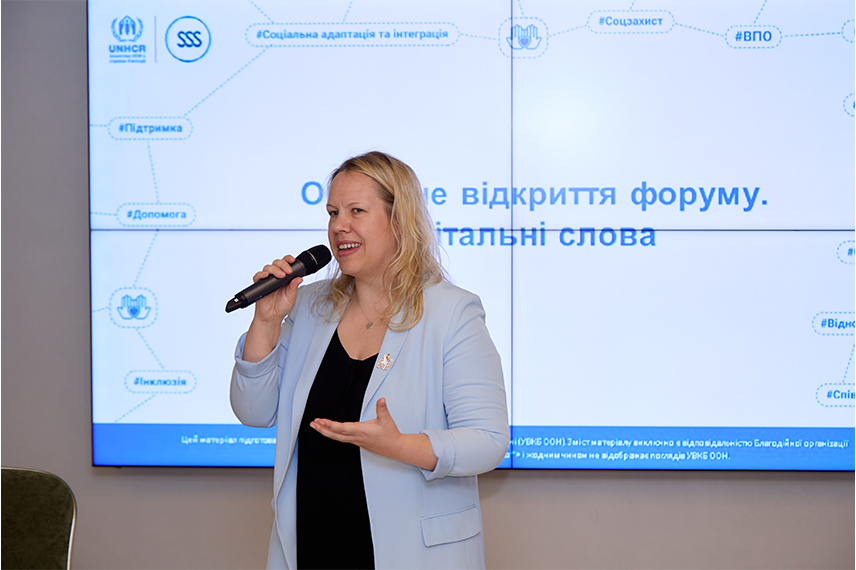
Special attention is also required for the specialists of the social sphere themselves, who work daily with people in difficult life circumstances. This was emphasized by the Executive Director of the Charity Foundation “Stabilization Support Services”, Valeriia Vershynina:
“We need to think about how we can help social service providers. People who create social protection daily with their own hands. This is a complex process because, on the one hand, we need to help the person, but on the other, the intervention must be minimal so that the person, having received help, can continue to live independently.”
According to her, effectiveness, not the quantity of programs, should determine future steps, even if some changes will be difficult.
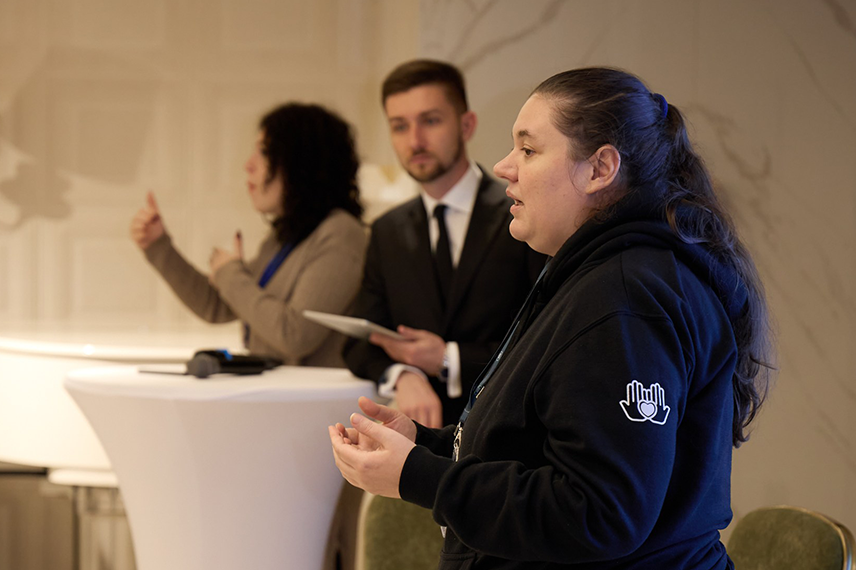
The second day of the forum focused on the development of IDP Councils, community spaces, attracting donor funds, and implementing mobile services — when services “come” to people in remote settlements.
“The Mykolaiv, Kherson, and Odesa regions have received thousands of internally displaced persons. And only cohesion and cooperation made it possible to support people in the first, hardest months,” emphasized Oksana Yelchiieva, Director of the Department of Social Protection of the Mykolaiv Regional Military Administration. She also highlighted the crucial role of cooperation between the government and international partners in developing the network of social service providers and implementing innovative social services.
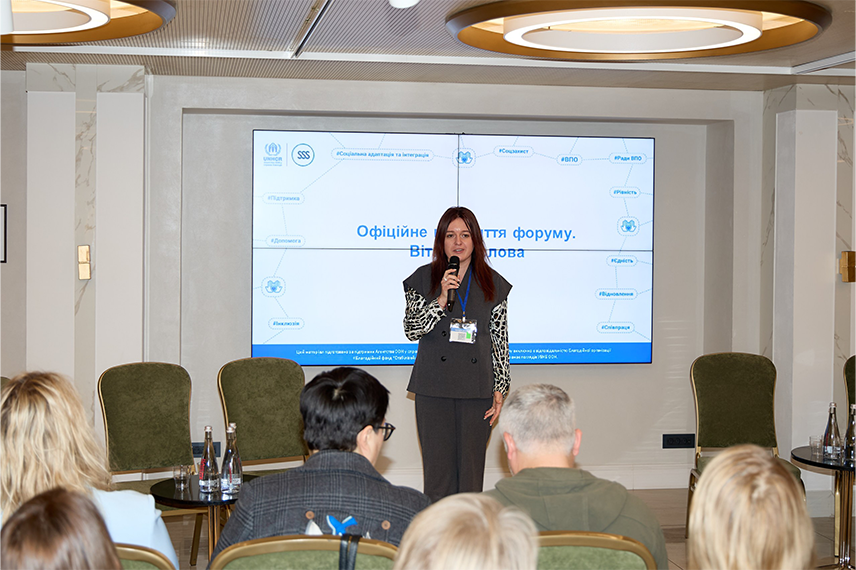
Representatives of the Kherson region described the forum as a timely opportunity to strengthen professional interaction. “The social sphere began to change actively thanks to people who supported their nation from the first days of the invasion. Such events provide an opportunity to exchange experience and move forward stronger,” noted Vitalii Homerskyi, Deputy Director of the Department of Social Development of the Kherson Regional Military Administration.
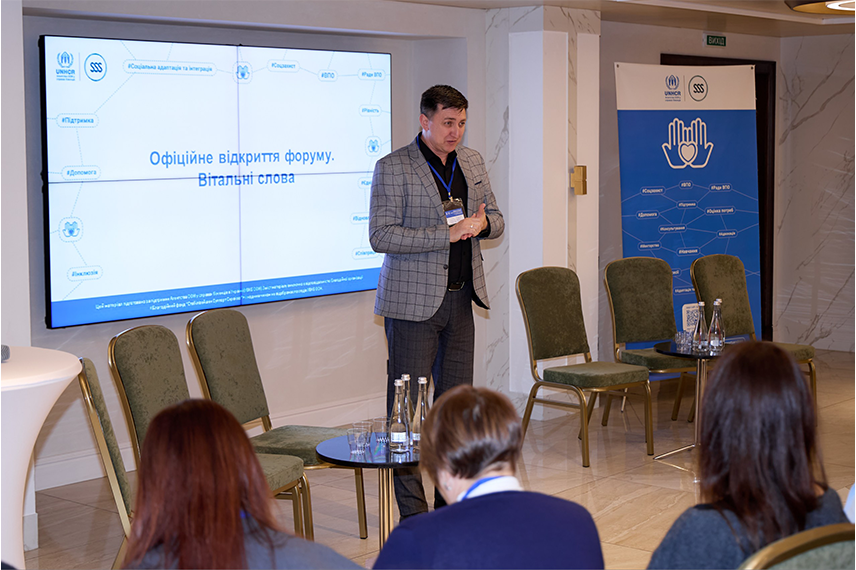
The Cities of Solidarity forum became a platform where participants discussed not only challenges but also concrete steps on how to respond to them, including expanding the range of social services, increasing their accessibility, enhancing their focus, and strengthening the interaction between the state, communities, and international partners. Southern communities shared solutions so that people could receive support and live with dignity in their current locations.
The event was held by the Charitable Organization “Charity Foundation ‘Stabilization Support Services’” with the support of UNHCR, the UN Refugee Agency in Ukraine.