
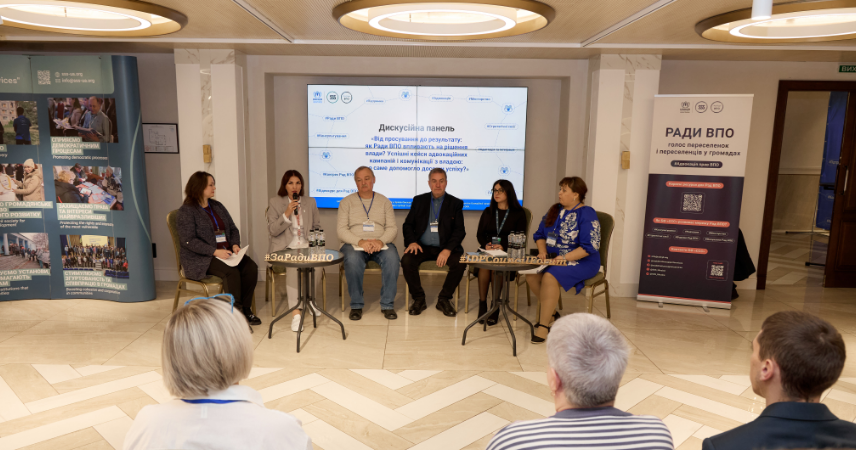
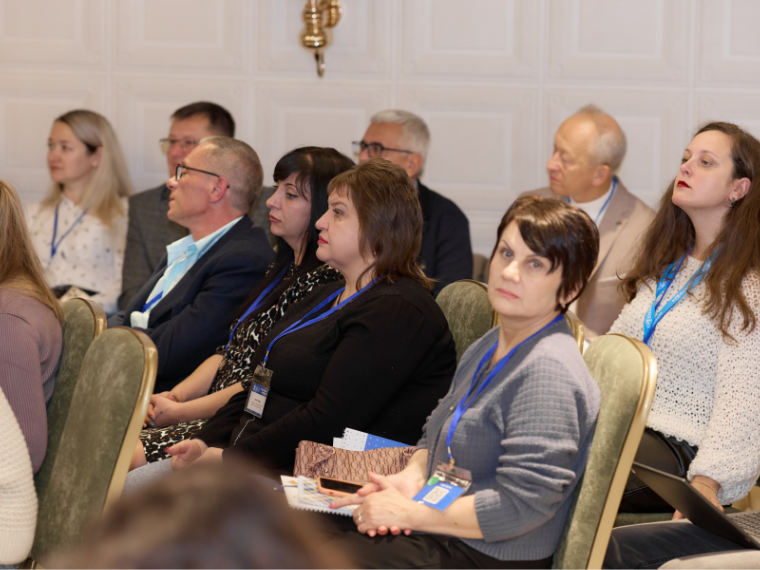
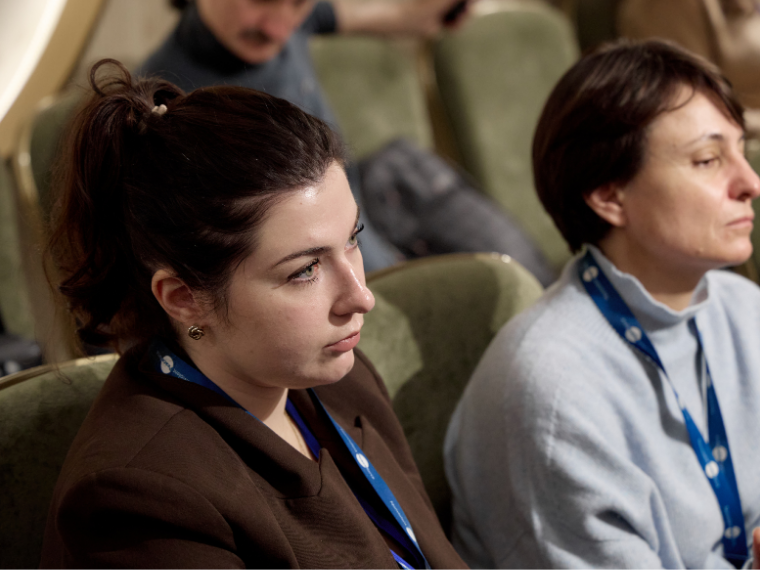
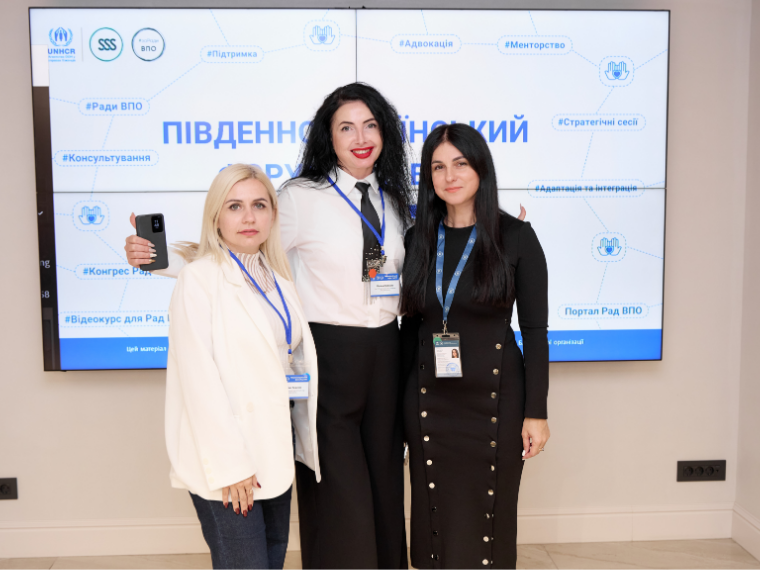
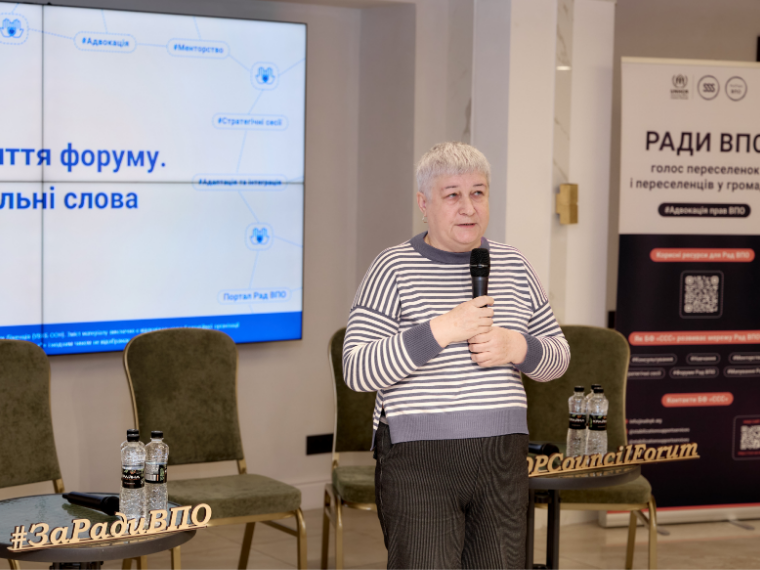
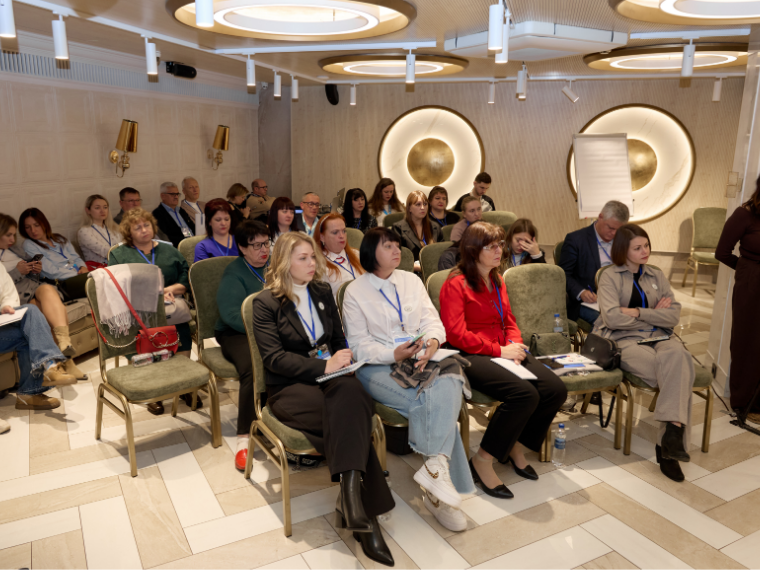
On October 22–23, 2025, the Southern Ukrainian Forum of IDP Councils took place in Odesa. The two-day event brought together leaders of IDP Councils, government representatives, and partners to discuss effective mechanisms for advocating the rights of internally displaced people.
The participation of international partners in the forum highlighted the importance of the IDP Councils’ work at the national level.
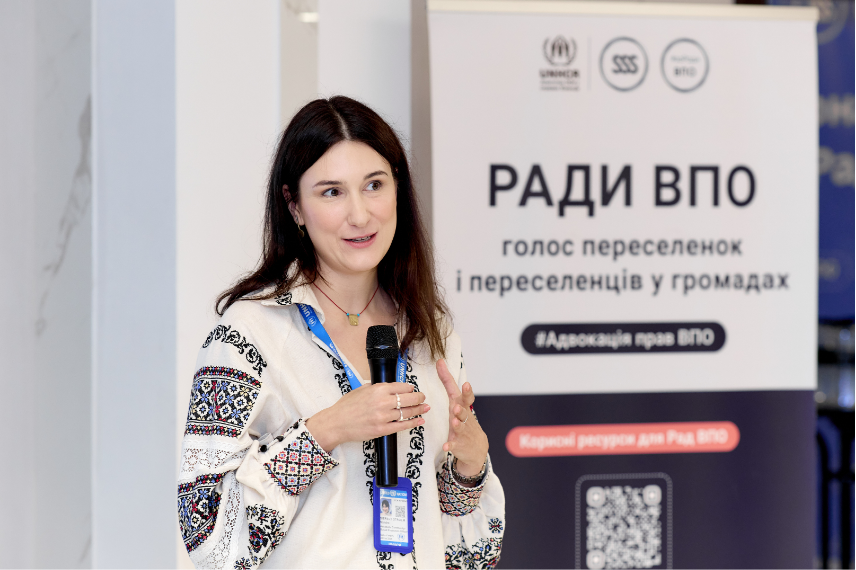
“IDP Councils have become an integral part of Ukraine’s democratic and humanitarian landscape — from the first local initiatives in the east to thousands of councils across the country. Together with my colleagues at UNHCR, I see them not only as advisory bodies, but as a real bridge connecting internally displaced people and host communities. The IDP Council Forum in Odesa is an opportunity to see how the Councils, with their renewed membership and new ideas, are shaping recovery, resilience, and inclusion in regions that are currently facing unique challenges,” emphasized Sandra Siefert Stroem, Community-Based Protection Adviser with the UNHCR office in Odesa.
Welcoming remarks were delivered by Iryna Vereshchuk (Deputy Head of the Office of the President of Ukraine), Pavlo Frolov (Head of the Temporary Special Commission of the Verkhovna Rada of Ukraine on IDP Rights Protection), and Svitlana Nazarenko (Deputy Director of the Department of Social and Family Policy of the Odeska Oblast State Administration).
“IDP councils were established to protect the rights of millions of displaced persons and help them integrate into communities through systematic dialogue with authorities, society, and donors. Their work and daily efforts bring tangible results: regulatory changes, funding, and support for IDPs. Despite fatigue, limited resources, and a difficult winter, we continue to work together with those who are ready to take action. There are leaders in the councils who take responsibility for IDPs, and I know many of them personally. I urge communities to support displaced persons, and IDP Councils to communicate actively, as this is the key to effective advocacy. You can always count on my support and the assistance of the Office of the President,” Iryna Vereshchuk addressed the participants.
“We are doing everything we can to ensure that the voices of internally displaced persons are heard at all levels and that IDP Councils have the necessary conditions to operate. At the same time, it is important that they remain active, unite in Associations of Councils at the regional and national levels, and thus strengthen their influence in communities, at the regional and national levels. The new version of the law on the protection of IDP rights provides for greater autonomy and legal capacity for the Councils. I am convinced that this will strengthen their ability to represent the interests of displaced persons,” emphasized Pavlo Frolov.
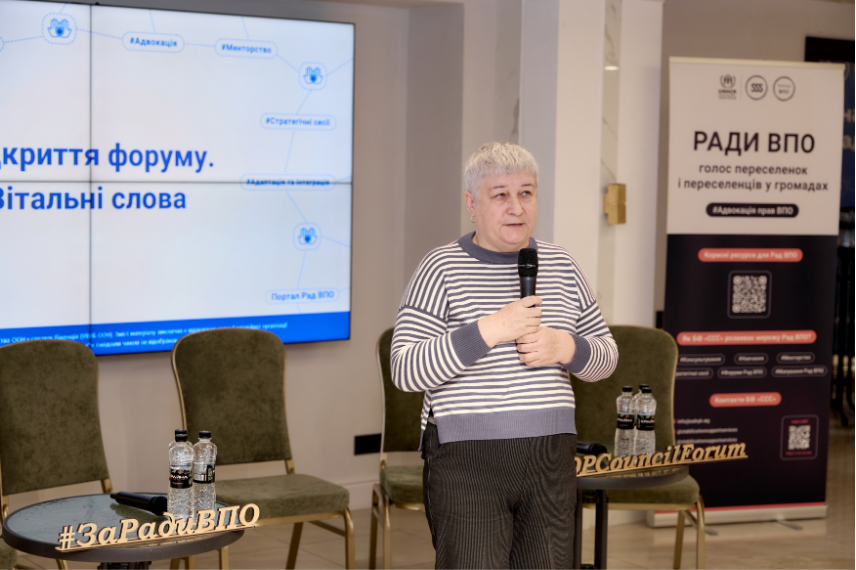
“There are currently over 221,000 internally displaced persons in Odeska Oblast. We are organizing the evacuation of people from Donetska Oblast and shelters in Dnipropetrovska Oblast, primarily those who require special care. At the same time, we are conducting an inventory of facilities suitable for resettling IDPs in order to provide them with the necessary living conditions,” said Svitlana Nazarenko.
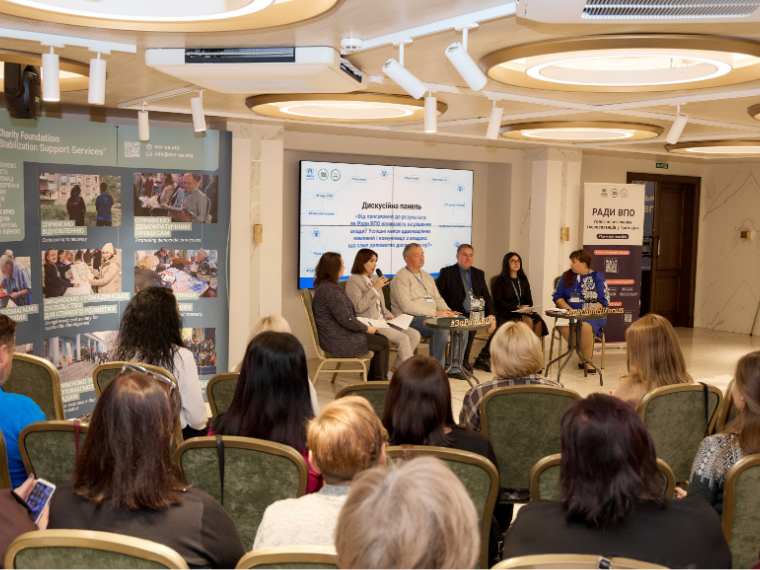
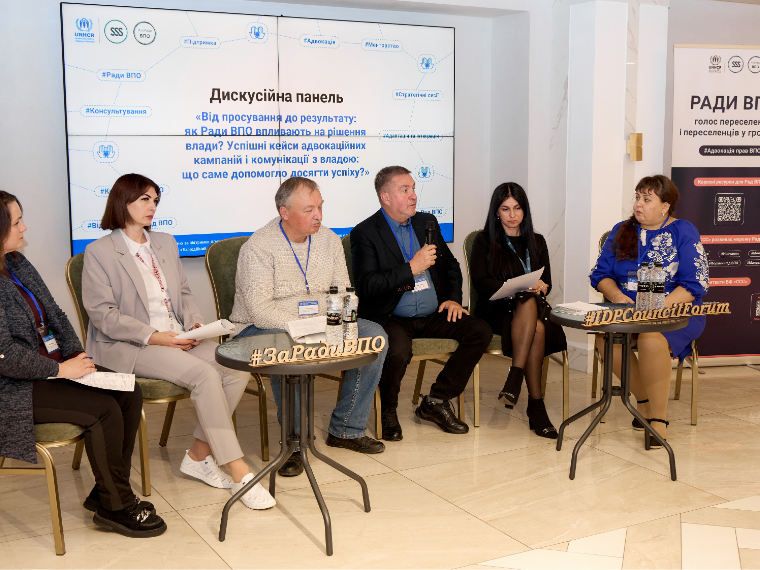
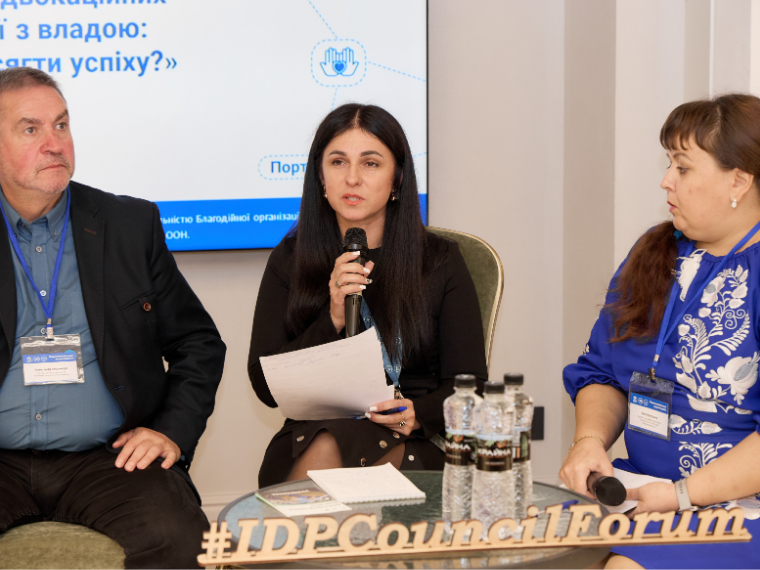
The central event of the first day of the forum, October 22, was the discussion panel “From Advocacy to Results: How Do IDP Councils Influence Government Decisions?” The heads of IDP Councils from the southern regions — Odeska, Mykolaivska, and Khersonska oblasts — shared successful cases of advocacy campaigns and their personal experiences of interacting with the government.
“Effective interaction between the IDP Councils and the authorities is based on a combination of direct communication, constructive dialogue, and formal recording of agreements. Face-to-face meetings allow trust to be built, emotions and priorities to be understood that cannot be conveyed in writing, and prompt action to be taken. Constructive dialogue and partnership ensure the Council’s participation in the early stages of decision-making, when proposals are turned into real decisions rather than resistance. Official correspondence records agreements and ensures that all parties have the same understanding of the next steps. This approach makes interaction productive and long-lasting,” said Oksana Himishli, chair of the IDP Council under the Odesskyi Raion State Administration.
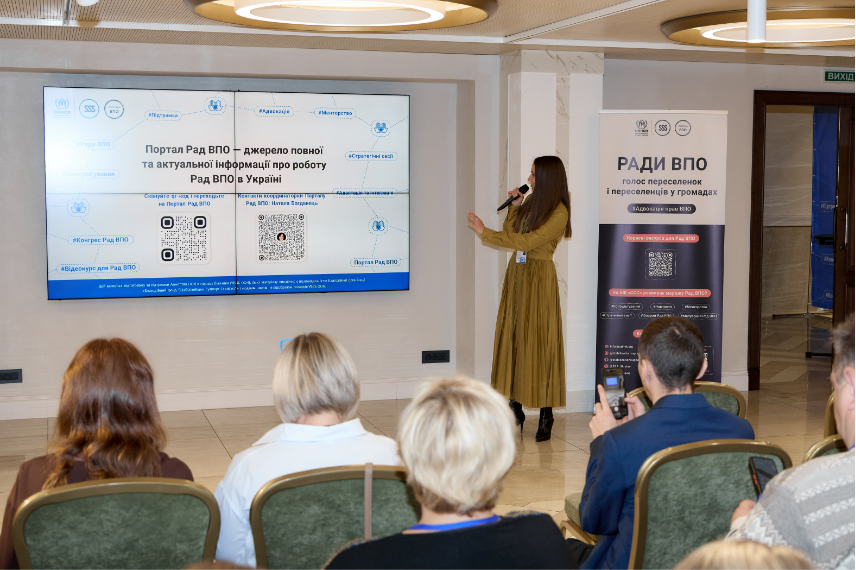
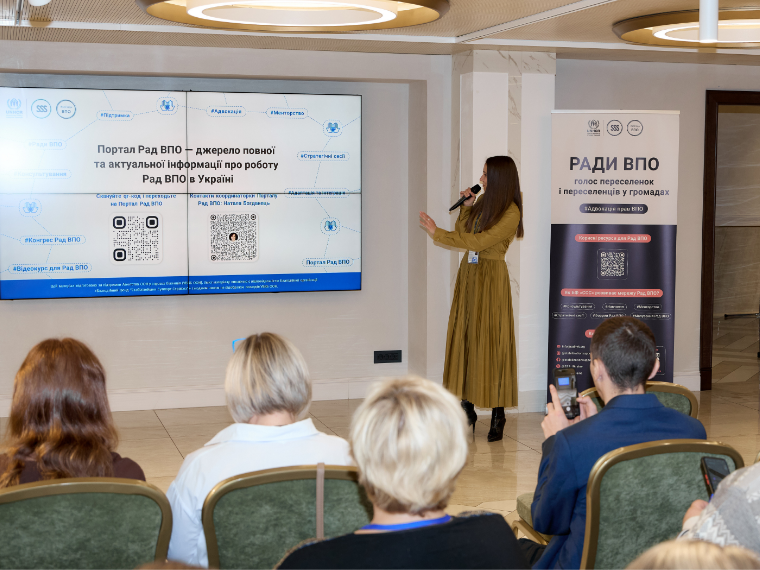
Participants also familiarized themselves with the online platform — the IDP Councils Portal. The portal is a centralized information and methodological resource for the network of IDP Councils in Ukraine.
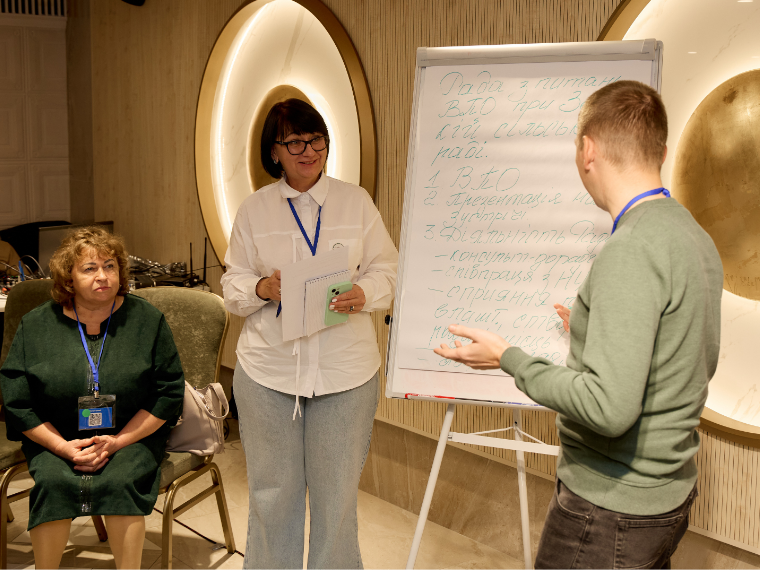
Other key events of the Forum included: a discussion panel entitled “Engaging IDPs and the Local Population in Active Cooperation and Participation in the Work of IDP Councils” and a strategic workshop entitled “The Territory of the Future of IDP Councils – 2027”, during which a vision for the development of the Councils in the coming years was developed.
The experience of the IDP Council at the Voznesensk City Council, presented by Council Chair Yana Burlutska, demonstrates a systematic approach to supporting and integrating internally displaced persons. The IDP Council has created a “displaced person’s roadmap” with contacts for the necessary services and city routes, and has developed communication via messengers and social media to quickly inform and engage people. The Council holds a forum called Career Without Barriers and also organizes consultations on housing, education, and psychological support. All this is helping to integrate newcomers into city life. According to one of the participants, Mykola Popov, deputy director of the Institute of Public Service and Management at Odesa Polytechnic National University, candidate of sciences in public administration, professor, effective integration requires dialogue and structured communication, and such practices can serve as a basis for scientific analysis and practical solutions.
“The success of the IDP Councils is impossible without partnership and cooperation. No matter how active the Council is, it will not be heard without the interest of the body under which it was created and the entire community. Effective coordination with the Ministry of Community and Territorial Development and the Ministry of Social Policy, Family, and Unity of Ukraine only reinforces this result. It is gratifying to see that the IDP Councils themselves see the prospect of attracting donors to the communities and even the possibility of receiving recognition for their work. All this is realistic, and we are ready to provide support to ensure that these expectations become a reality,” emphasized Valeriia Vershynina, Executive Director of the Charitable Organization “Charity Foundation “Stabilization Support Services.”
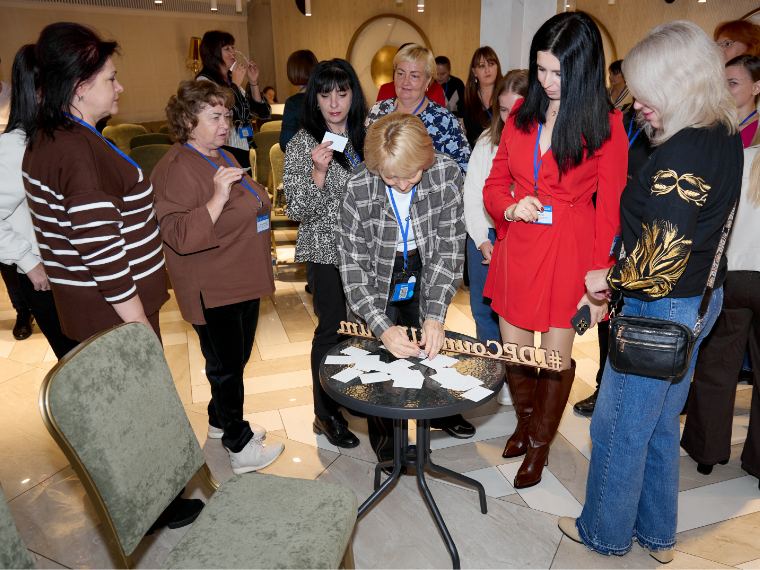
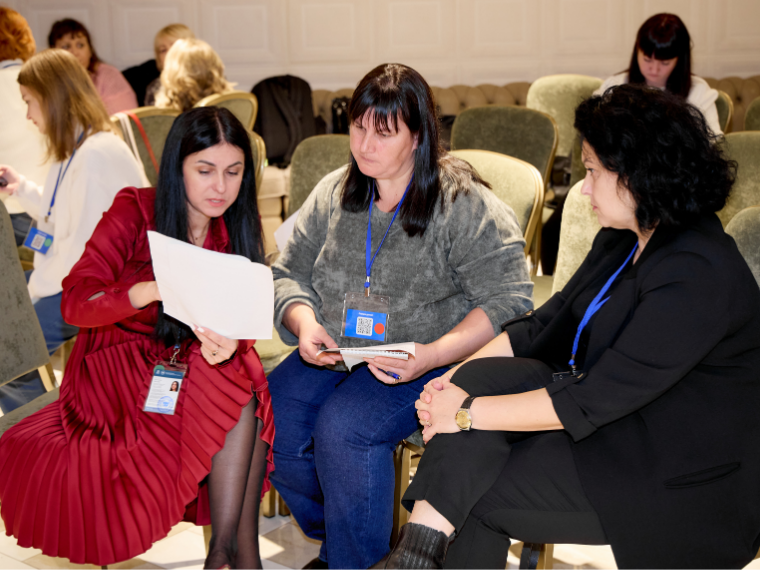
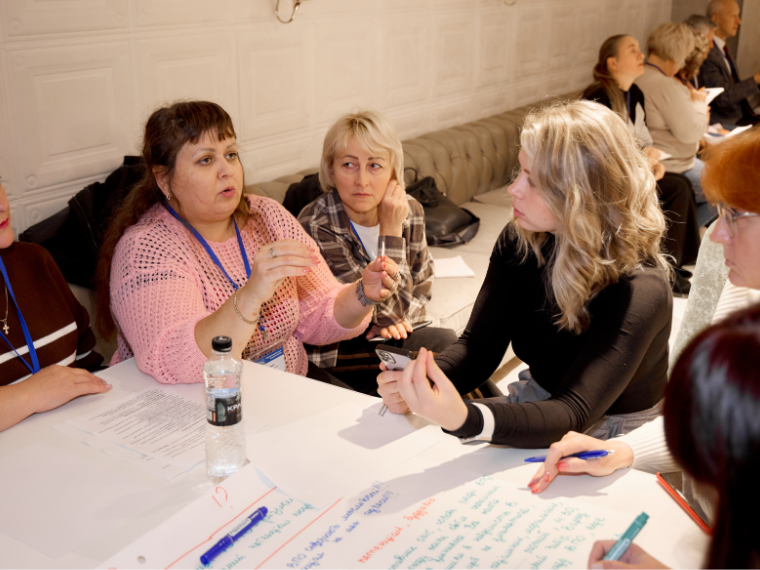
The second day of the forum, October 23, was devoted to practical skills training. Representatives of IDP Councils took part in a game quest entitled “How IDP Councils Can Support Displaced Persons.” This format allowed participants to consolidate their knowledge and exchange experiences in using practical tools to help IDPs.
The Forum reaffirmed the key role of IDP Councils in ensuring the integration of displaced persons and the development of communities, and identified priorities for strengthening cooperation with local authorities.
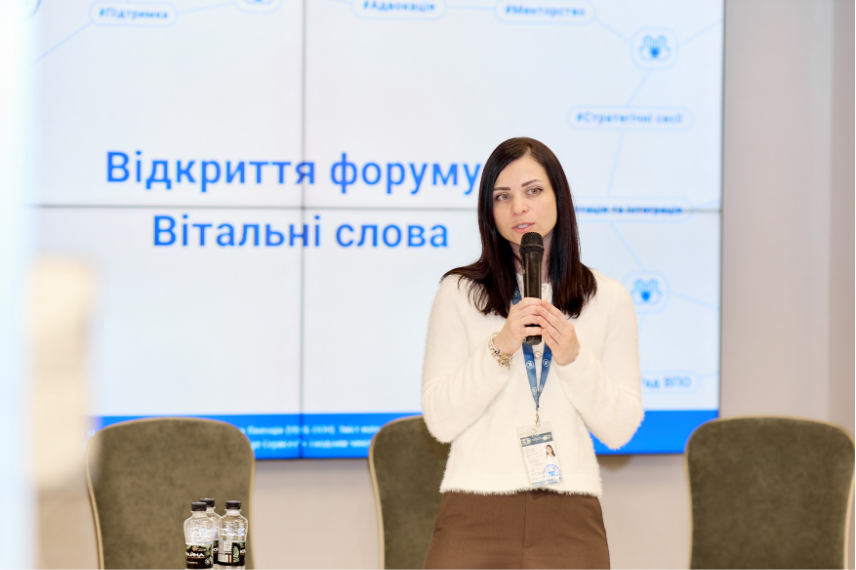
“IDP Councils are communities of people who volunteer their time to help displaced persons feel cared for and supported. Their work is already yielding tangible results in communities. It was on the initiative of the Councils that the non-governmental organization Congress of IDP Councils was created during the Second All-Ukrainian Forum in 2024 to coordinate, support, and represent the interests of the Councils at the national level. After a strategic session, the Congress defined its next steps and mission and is now inviting IDP Councils from across the country to join in the joint effort,” said Oksana Savytska, Adviser on IDP Council Development at the CF SSS.
All the developments achieved during the four forums — Southern Ukrainian (Odesa), Western Ukrainian (Lviv), Central Ukrainian (Vinnytsia), and Eastern Ukrainian (Dnipro) — will be discussed at the national level at the Third All-Ukrainian Forum of IDP Councils in Kyiv on November 14–15 and used in developing the Councils’ strategy for the coming years.
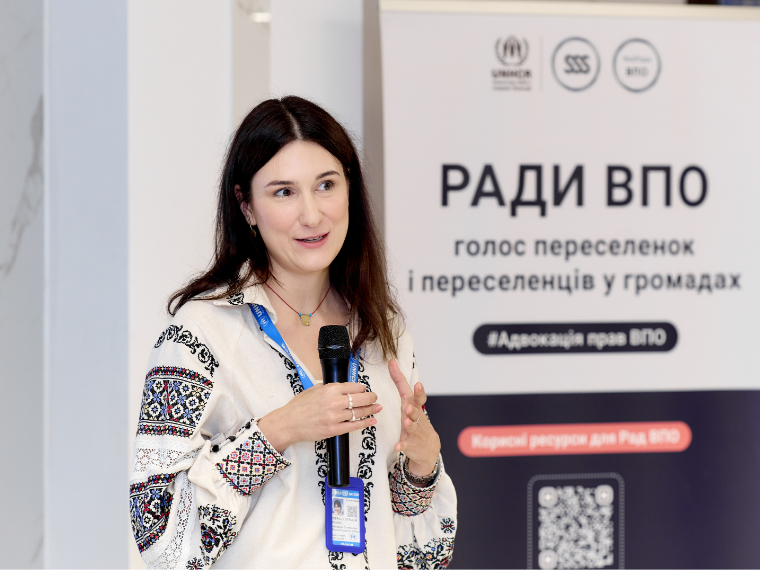

The event was held by the Charitable Organization “Charity Foundation “Stabilization Support Services” with the support of UNHCR, the UN Refugee Agency in Ukraine.