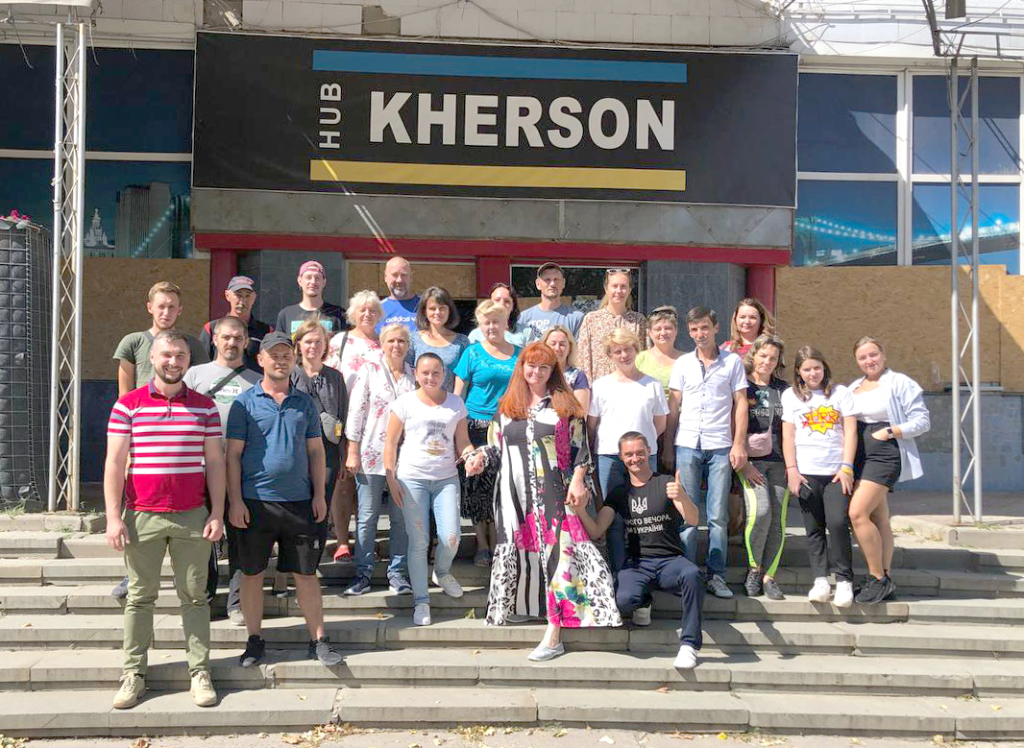
Most of Kherson’s population requires regular humanitarian assistance, leading hundreds of organizations and private individuals to converge their efforts here. Among them is the CF SSS, which has been executing a series of projects in the Khersonska Oblast since spring. One of our local partners is the Kherson Humanitarian Hub. We spoke with its co-organizer and co-coordinator, Veronika Shevchenko, to gain insight into its inception, current activities, and future plans.
It All Began in Zaporizhzhia
The initial steps to aid Kherson residents began in July 2022 in Zaporizhzhia when the need arose to evacuate Kherson inhabitants through the Vasylivka checkpoint. A transit hub project was launched, facilitating evacuation, humanitarian aid, medical and legal services, and relocation within Ukraine and abroad. A large call center operated at that time. This operation lasted until October 2022, while the checkpoint remained active. Throughout this period, many Ukrainian organizations and businesses came together. When the Vasylivka checkpoint closed, preparations began for the liberation of Kherson.
First Trip to Kherson
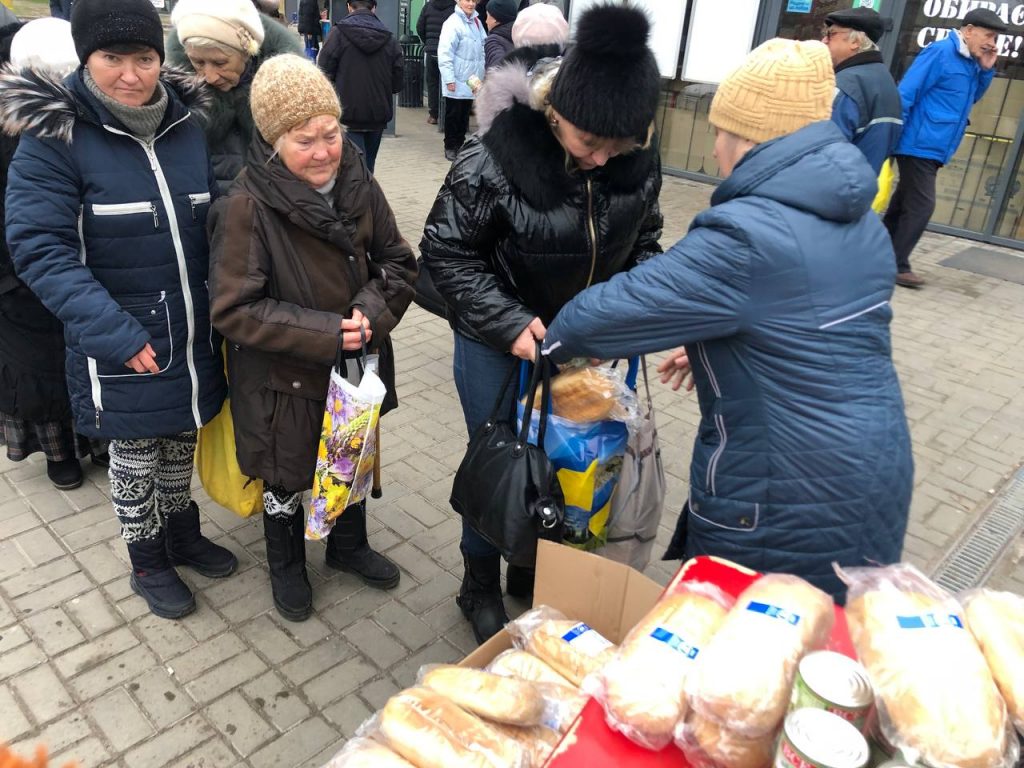
Following Kherson’s liberation, there was an urgent fundraising campaign, “Bread for Kherson,” since the city’s bakeries were non-functional and there were shortages of food, electricity, gas, and water. Volunteers reached out to a neighboring oblast’s bread factory, which ramped up its production and began baking bread at a significant discount. By November 14th, the team was among the first to deliver 4,000 loaves to the city. During that time, bread was distributed regularly at four points, a challenging task due to intermittent signal reception. At this stage, local volunteers joined in, recognizing the severe humanitarian situation and the need to establish a hub in Kherson.
“I spent an entire week at the bread factory. The first time we distributed bread, people were exhausted, many cried, but they braved the constant shelling. It was particularly heartbreaking to see children,” recalls Veronika Shevchenko. “I remember our first entry; everyone stood waiting for us. Some cried, some rejoiced, there were so many people.”
Over time, the need for bread persisted, prompting volunteers to find a way to streamline the process and ensure continuous bread delivery. By August, 147 bread and canned food distribution points had been set up. At that time, 16,500 loaves were distributed weekly, but now only 4,000 are given out.
Why Bread Was First…
Veronika Shevchenko grew up in an unprivileged family, raised solely by her grandmother, who had endured both famine and war. Often, they didn’t even have bread to eat, making it a precious commodity for the young girl. From those early days, she determined that once grown, she wanted to ensure everyone had bread.
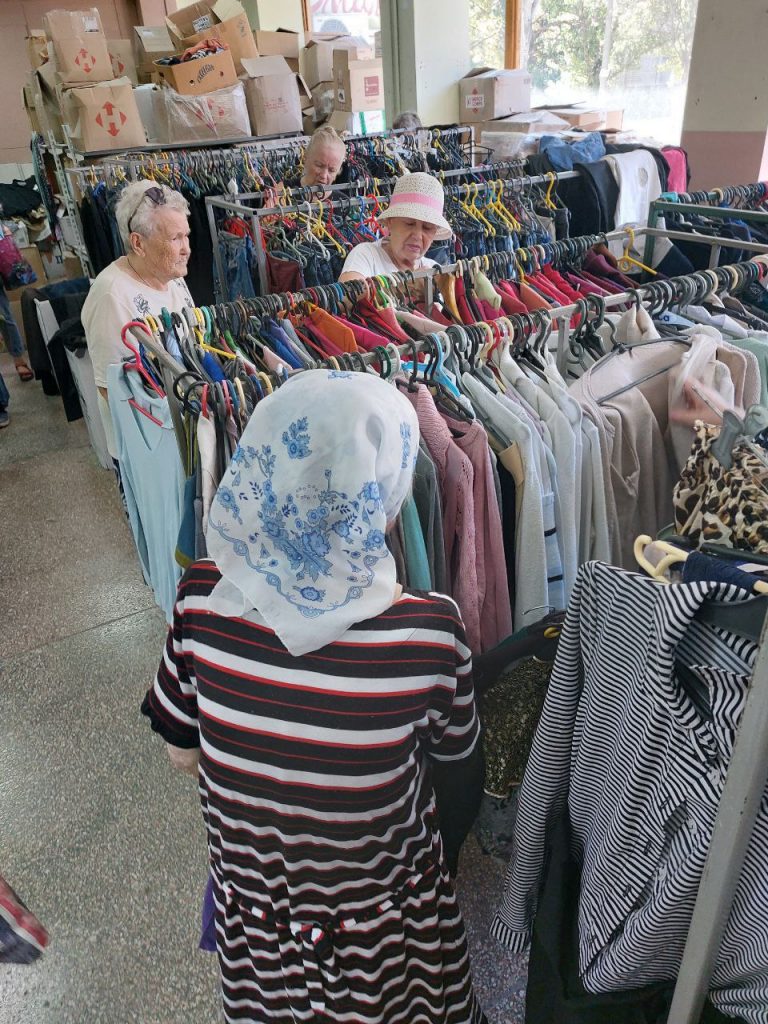
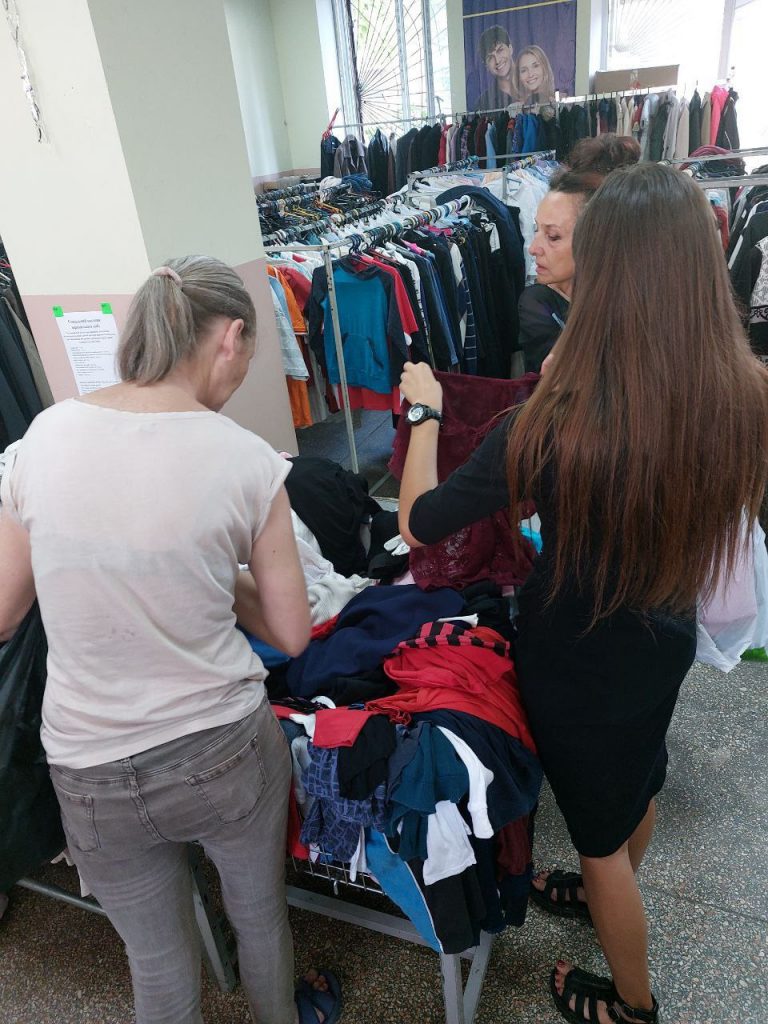
“It’s better to assist than to wait in line, hoping for something to be handed to you. Not everyone can ask for help, but many need it,” recalls Veronika Shevchenko. “We also lacked clothes. I remember dreaming of a summer top. So, the subsequent significant step was the launch of a social store in December. Two truckloads of second-hand clothes were delivered to us. Along with volunteers, we established a full-fledged store, complete with shelves, guidelines, and a record of items taken. We organized everything by season, age, and type of clothing or footwear.”
“I’ll Do Anything, Just Don’t Kick Me Out”
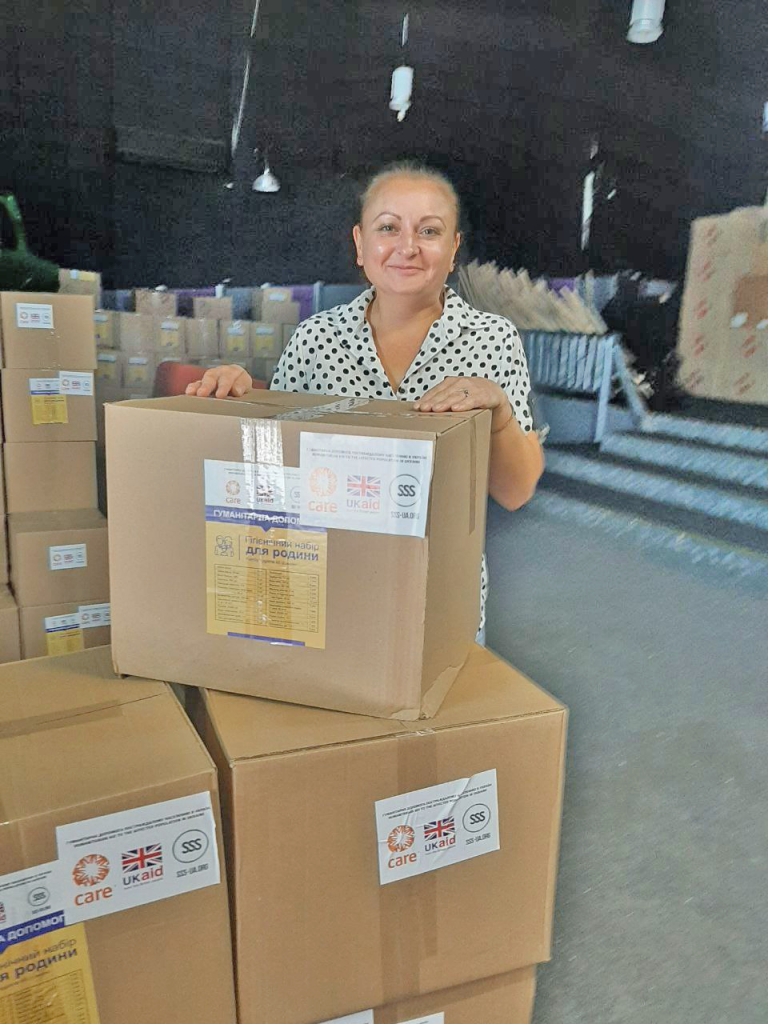
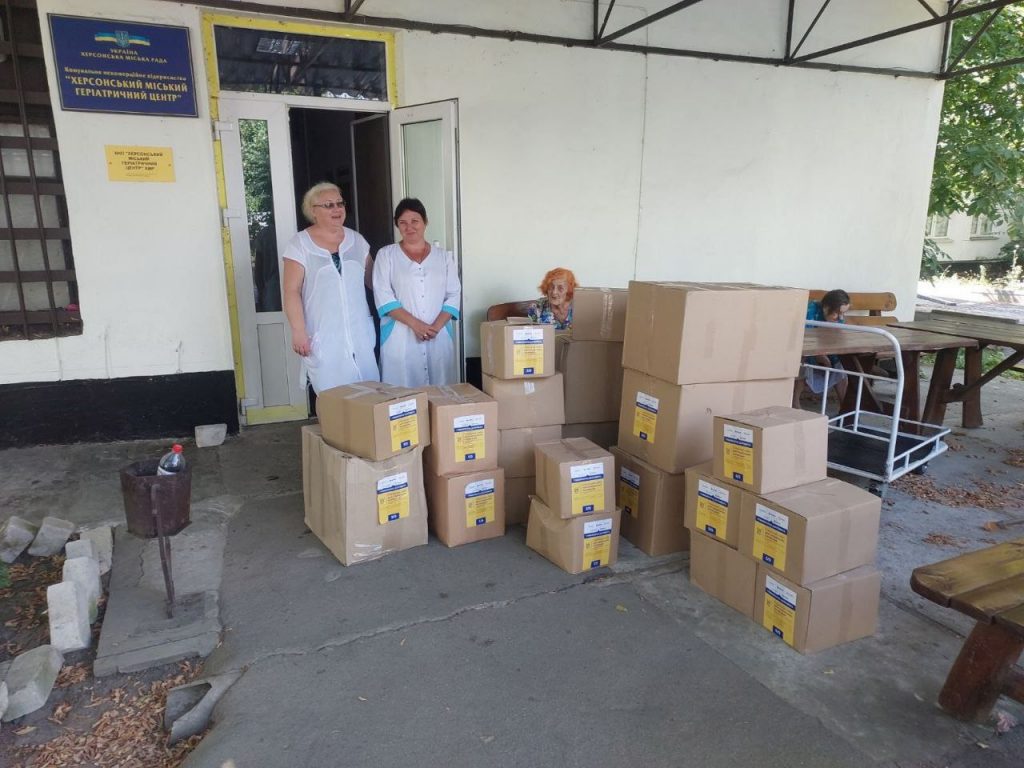
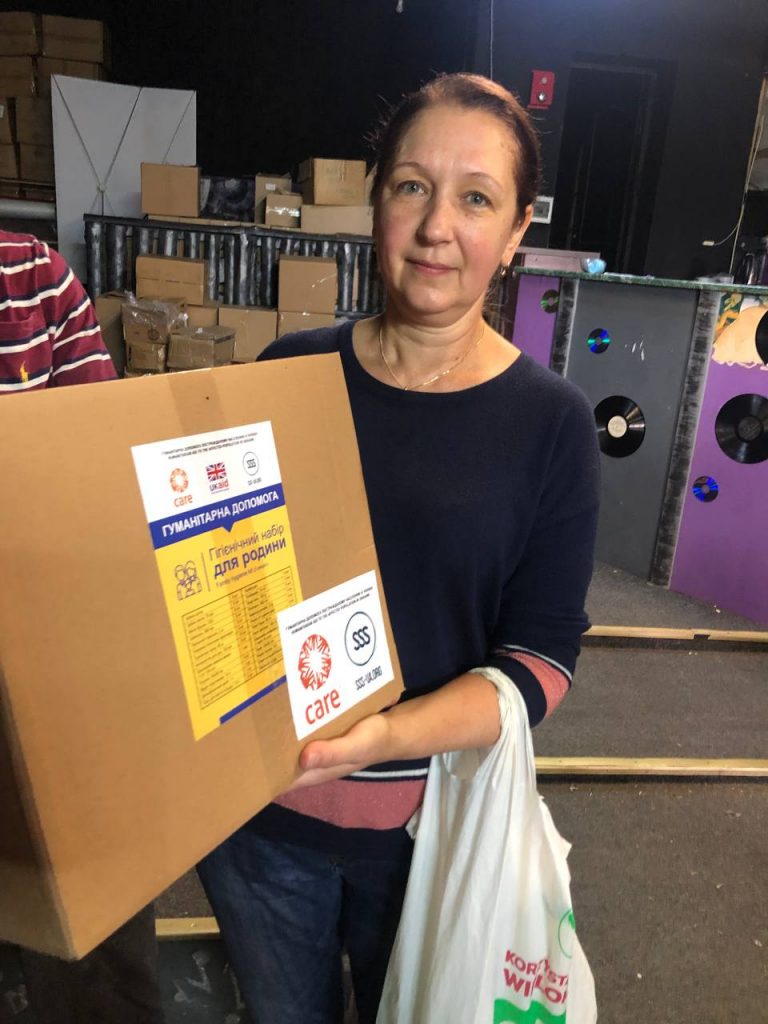
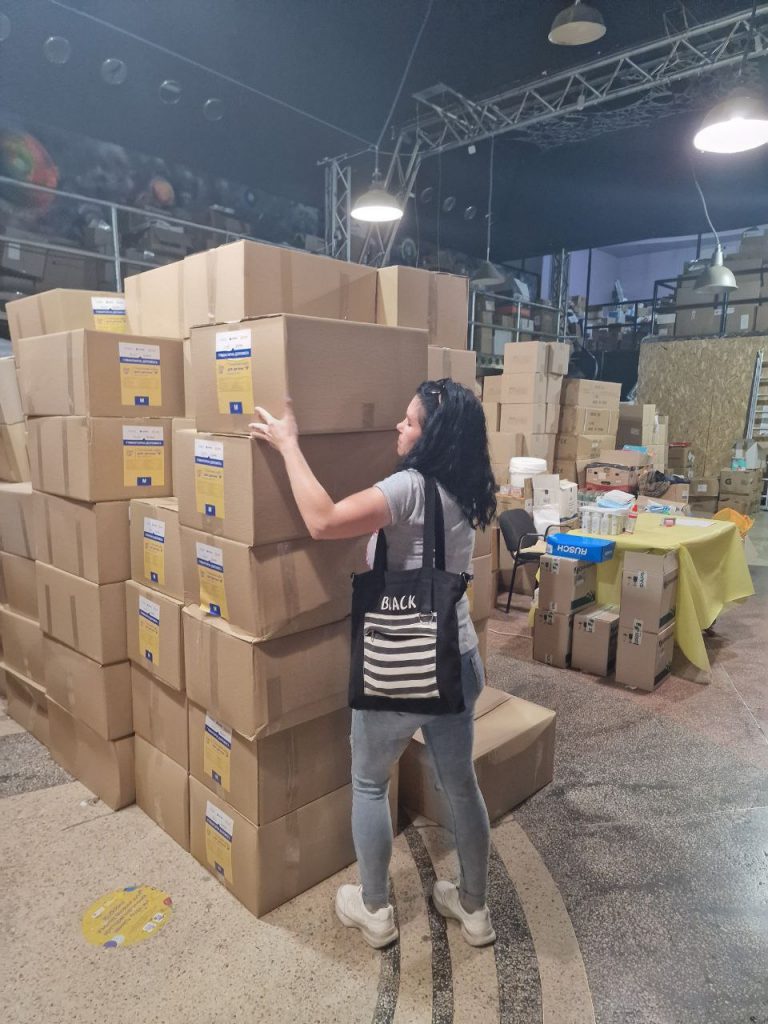
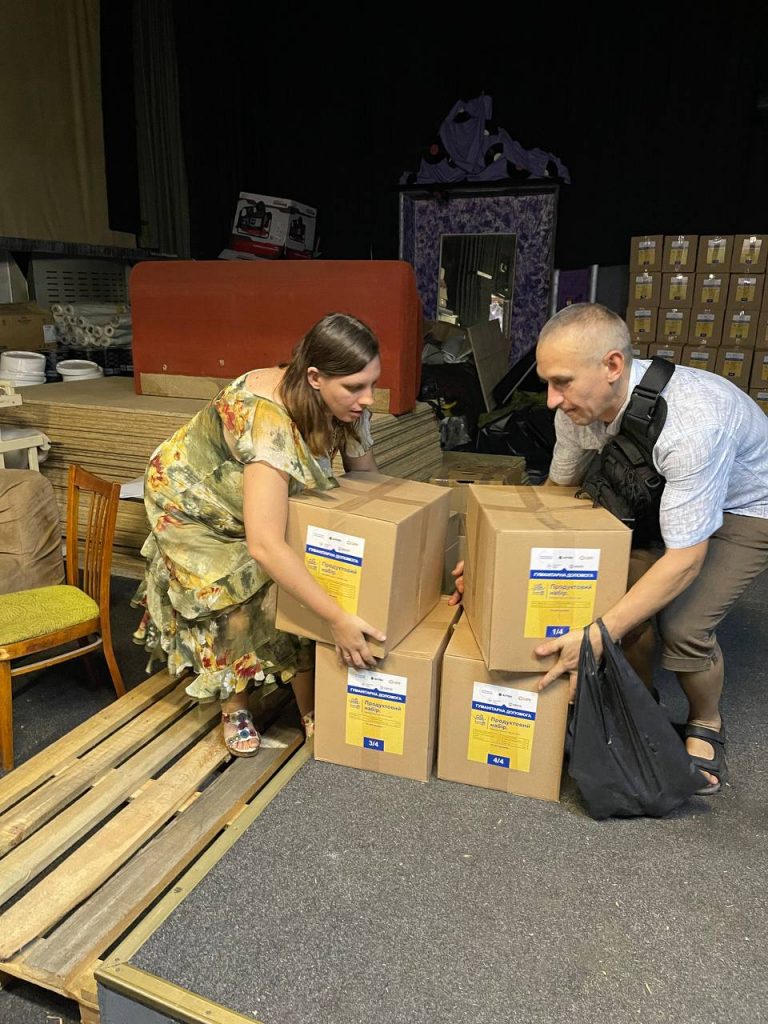
Many reached out, inquiring how they could assist, leading to the involvement of about 30 individuals. One volunteer said, “I’ll do everything; just don’t kick me out” — the people of Kherson wanted change and to feel needed. Numerous organizations also began aiding the Hub. For instance, CF SSS offered 300 food kits, which were handed over to people with reduced mobility. Following that, there were hygiene kits for children, families, and people with disabilities, as well as non-food kits for institutions. Distributing these was challenging due to unstable cellular service and internet access. By that point, the team had organized a facility, creating a large assistance center. They set up a call center and started distributing clothing, heating equipment, and lighting. There was a noticeable lack of medical supplies in the city, so through partners, the Hub received 58 pallets of medicines, which were distributed to individuals and hospitals.
Systematic Approach of the Hub
“Due to the dedicated efforts of volunteers and partners, the Hub has adopted a systematic approach to aid. Simply delivering something and handing it out from a vehicle doesn’t guarantee that it meets the most urgent needs or reaches those who need it most,” emphasizes Ms. Veronika.
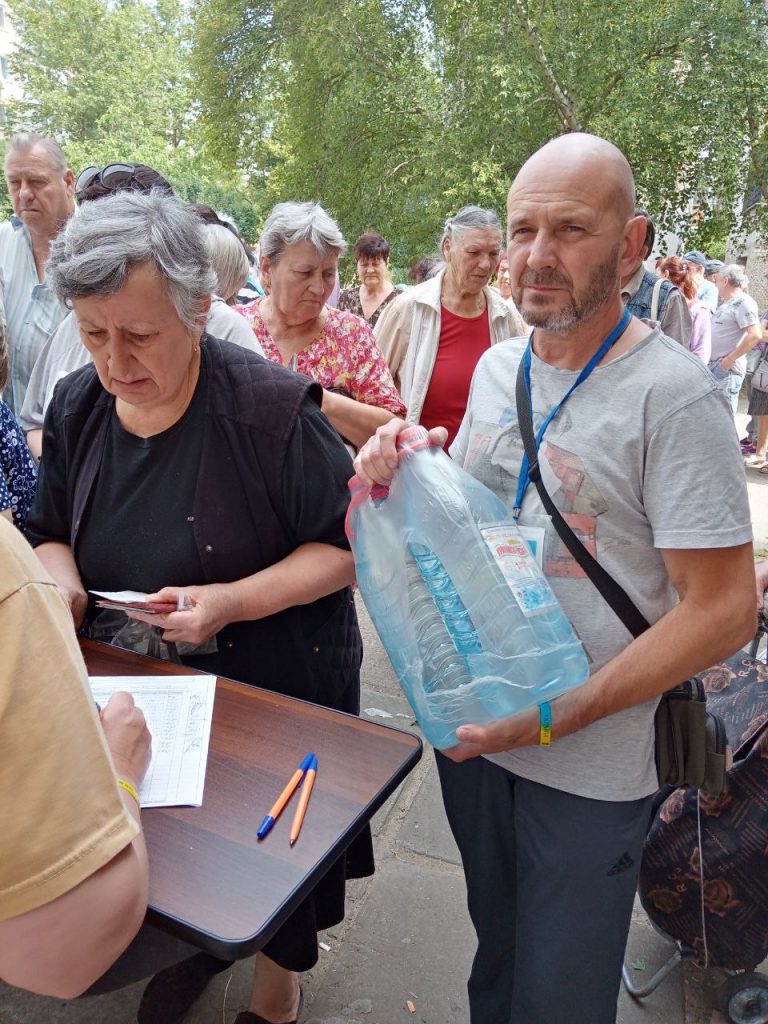
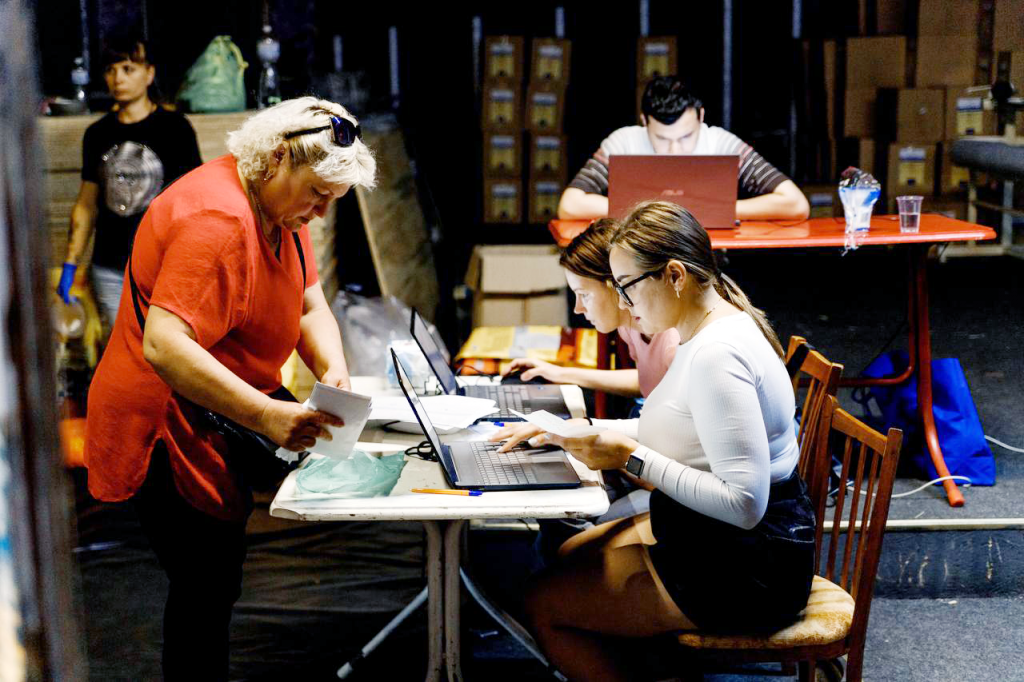
Volunteers collaborate with representatives from every city district, identifying the needs of the citizens. There is also a Telegram channel providing information about the aid. Obviously, some can easily access this data and register for assistance. However, there are those without ready access to internet access, especially in the flood-hit areas of Kherson. Thus, through city district representatives, these individuals are personally informed about the assistance they can register for.
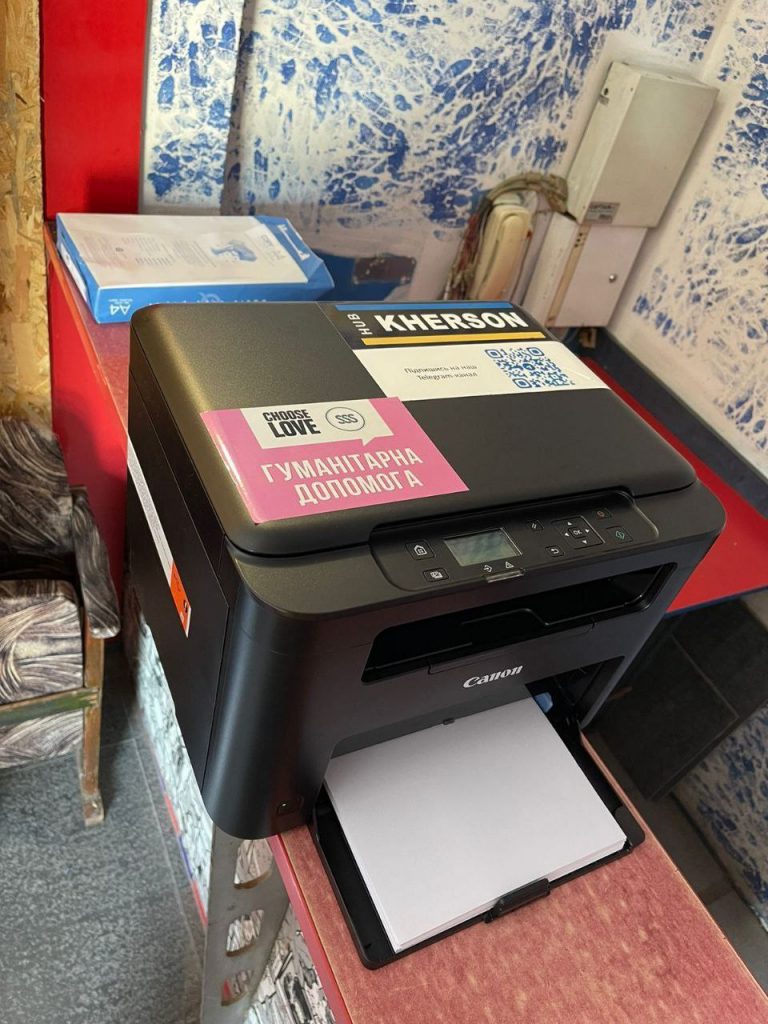
A challenge arose in Kherson regarding document copying. In collaboration with the CF SSS, the Hub set up copying machines at three locations for free printing, which saw extensive use.
In April, the CF SSS provided the Hub with extensive hygiene kits for people with disabilities. After distribution, the volunteers recognized the immense humanitarian need for such kits. Firstly, they are needed by people with reduced mobility who often can’t buy essentials on their own, and also because the items are costly. Hence, the team engaged other partners to ensure consistent support for people with disabilities for three months.
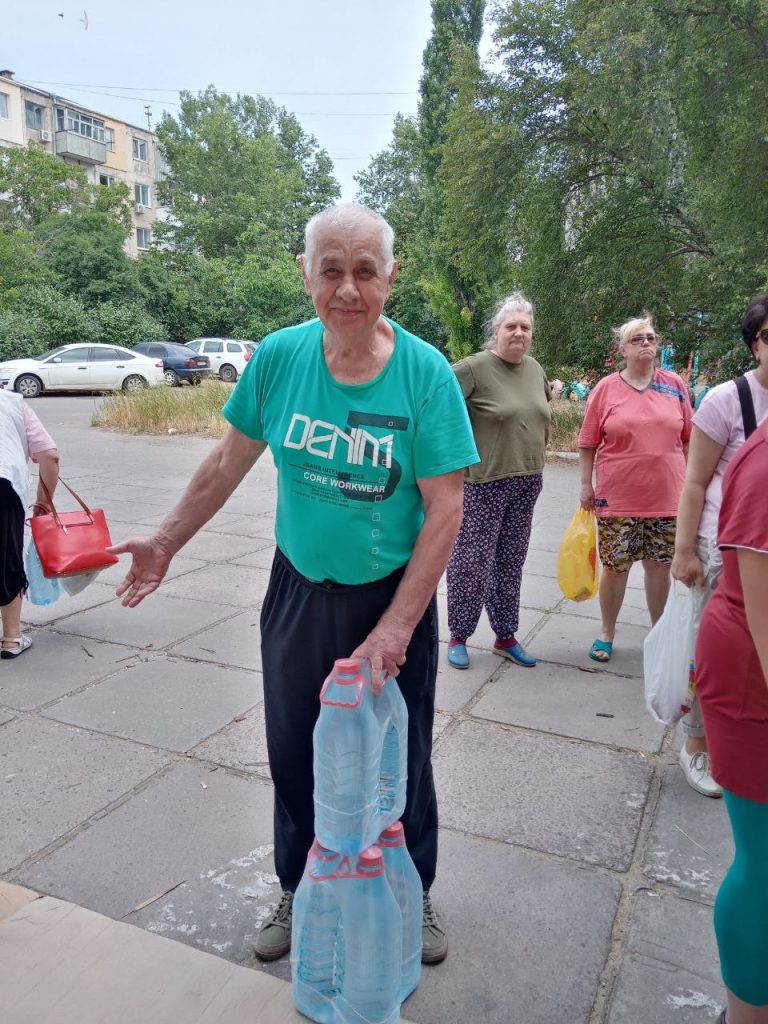
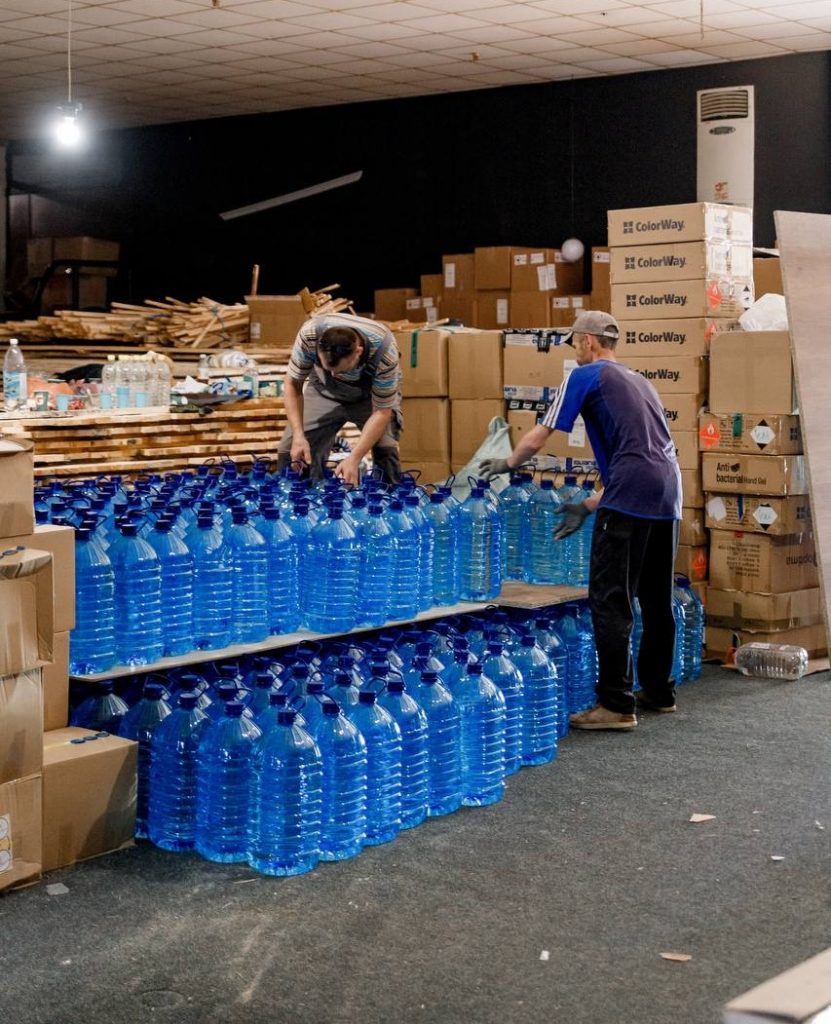
“After the destruction of the Kakhovka Dam, new needs and threats emerged. The first to offer assistance was the CF SSS,” shares the Hub’s co-coordinator. “Through this collaboration, water purification units, dehumidifiers, generators, boats, hoses, suits, boots, drinking water, and more were procured. Assistance was also extended to water companies, marking the start of uninterrupted provision of assistance to the population.”
Flooding in Kherson districts posed a significant challenge, prompting the Hub to collaborate with other partners to purchase necessary equipment, such as saws, wheelbarrows, and washers.
Creating Job Opportunities for Kherson Residents
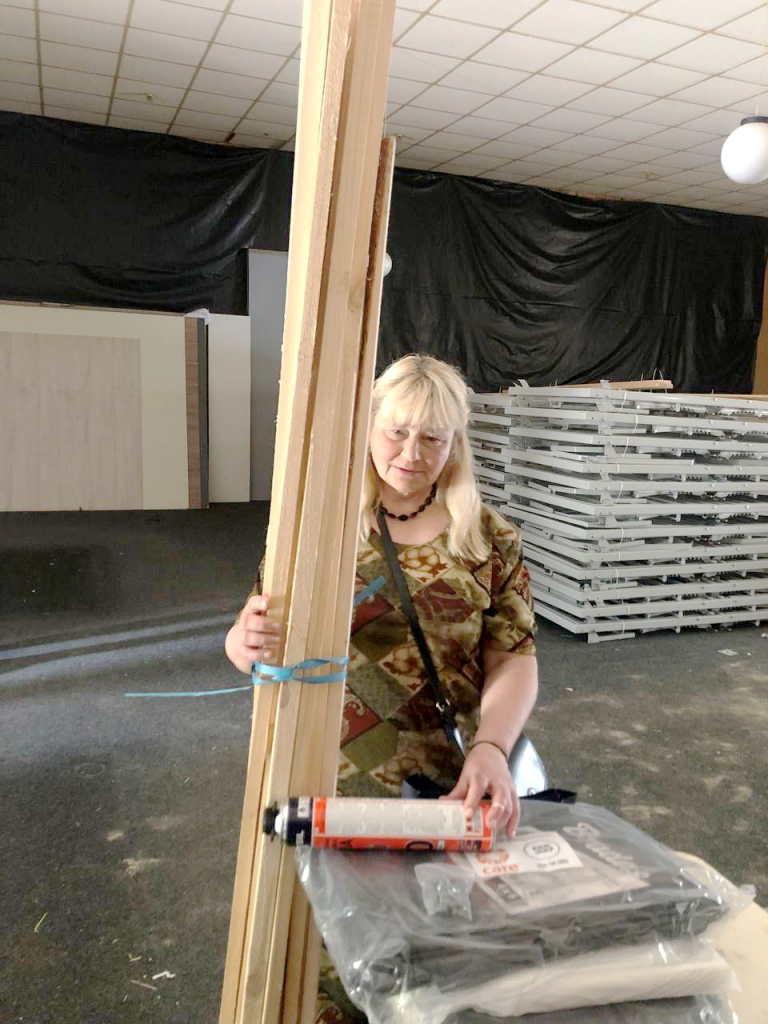
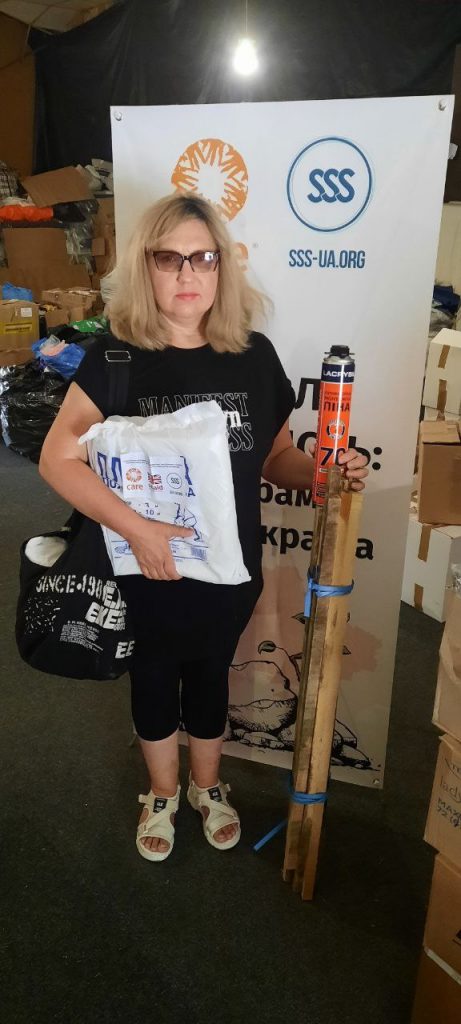
The city had been under fire, and many residents had damaged windows. Hence, in January, two teams were formed for “window patching.” One organization provided building materials, and the Hub organized the workforce.
“We initially worked voluntarily, since it was our idea and it for us, it was important to provide assistance, not earn money,” comments Veronika Shevchenko. “But for those in our work brigades, we tried to offer compensation to support them and their families. A vast team of caring individuals is involved. Since September, with our partners’ help, we’ve established paid positions at the Hub. Currently, 26 Kherson residents work with us officially, supplemented by 20 volunteers. It’s crucial to us to create jobs for Kherson’s residents; both they and the city greatly benefit.”
Overseeing the operations is Veronika Shevchenko, who, along with her team, ensures the Hub’s daily functionality. The Hub is also preparing to launch a social laundry service, employing more Kherson residents.
Future Plans or the Left Bank, See You Soon!
The most significant challenge in organizing the work is undoubtedly the constant shelling. However, other issues also persist, like leaks in the Hub’s roof or keeping the Hub warm and lit during the winter months.
Moreover, the team is concerned about assisting the residents of Kherson during the winter season. Currently, with the help of partners, there’s a plan in motion to provide 630 families with gas cylinders and heating throughout the winter. In collaboration with the CF SSS, various winterization-oriented kits are being distributed.
Furthermore, the Hub’s team dreams of opening a social haircut salon, understanding that most Kherson residents cannot afford such services. There’s also an issue with the transportation of people with reduced mobility to medical facilities; hence, the Hub team aspires to launch a social taxi service to address this concern.
Veronika Shevchenko indicated that they are eagerly waiting for the bombardments to end to join in rebuilding Kherson. They already have a vision of how it can be achieved. There’s also an active discussion about the readiness to assist the Left Bank of Khersonska Oblast after its liberation.
To reduce risks for the volunteers, organizations, and partners associated with the Hub, we don’t disclose their names or titles. We’re profoundly grateful to everyone and look forward to our collective victory!