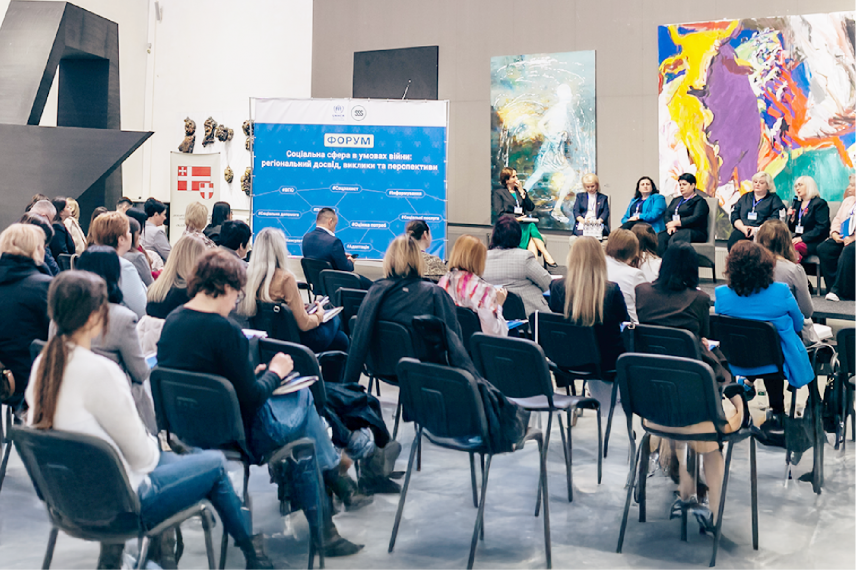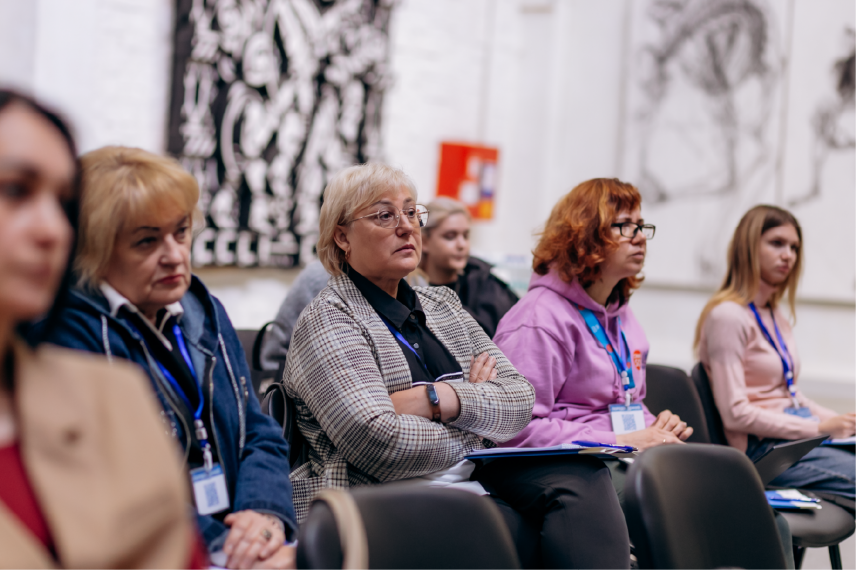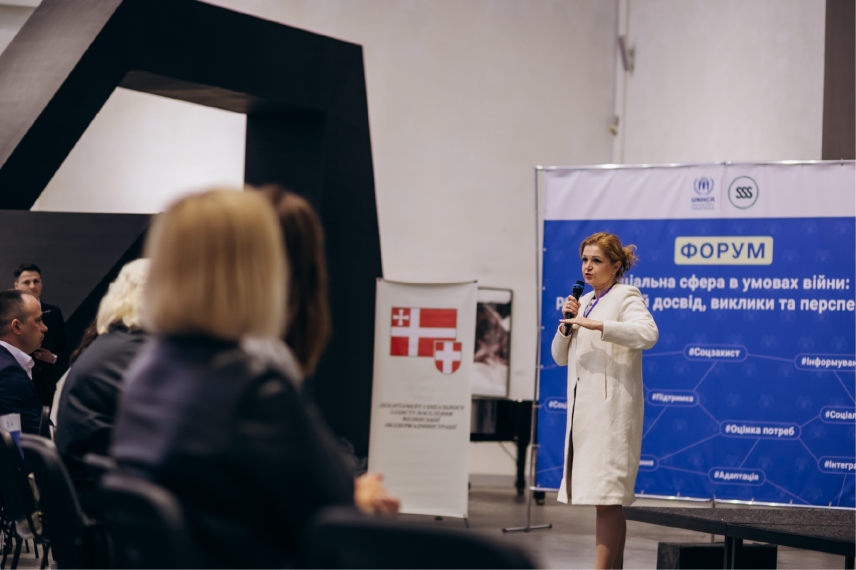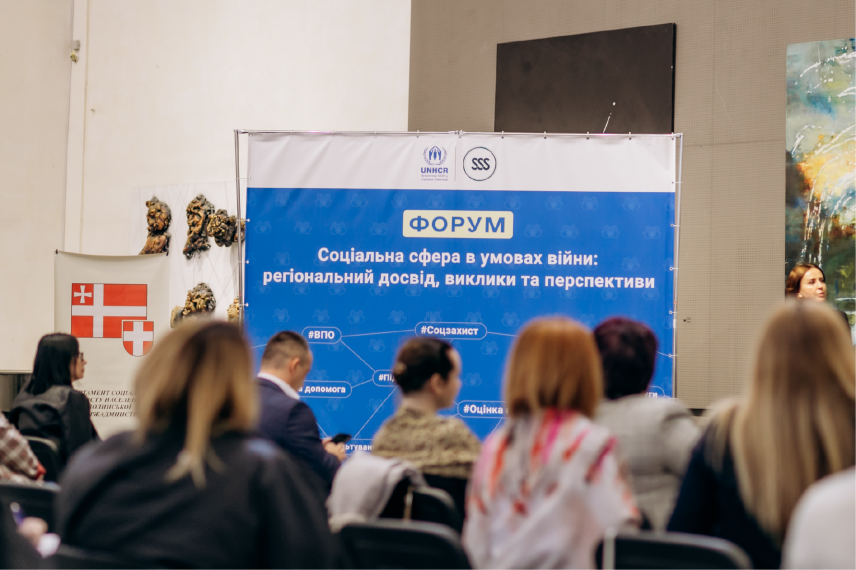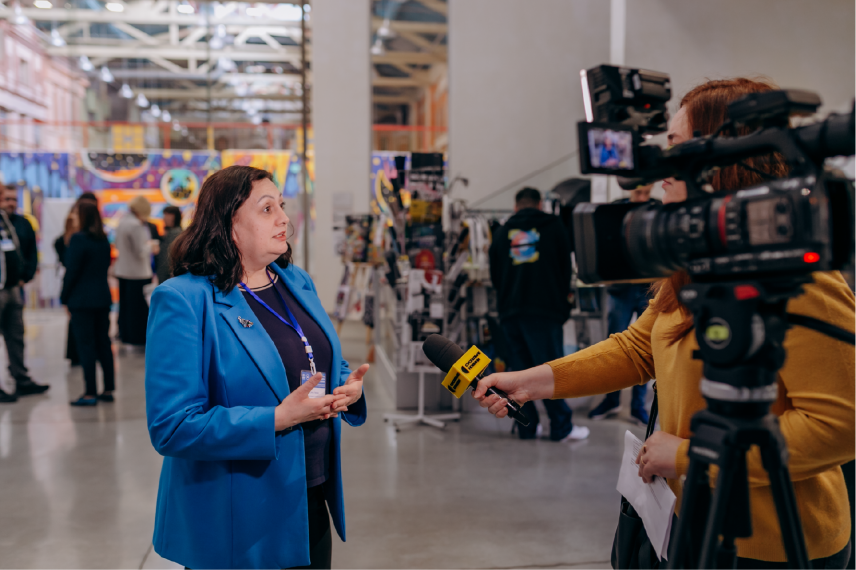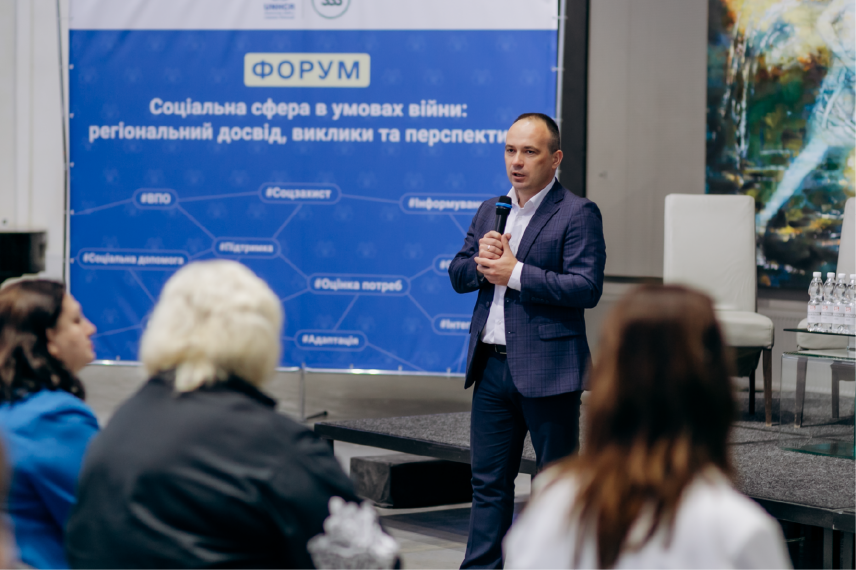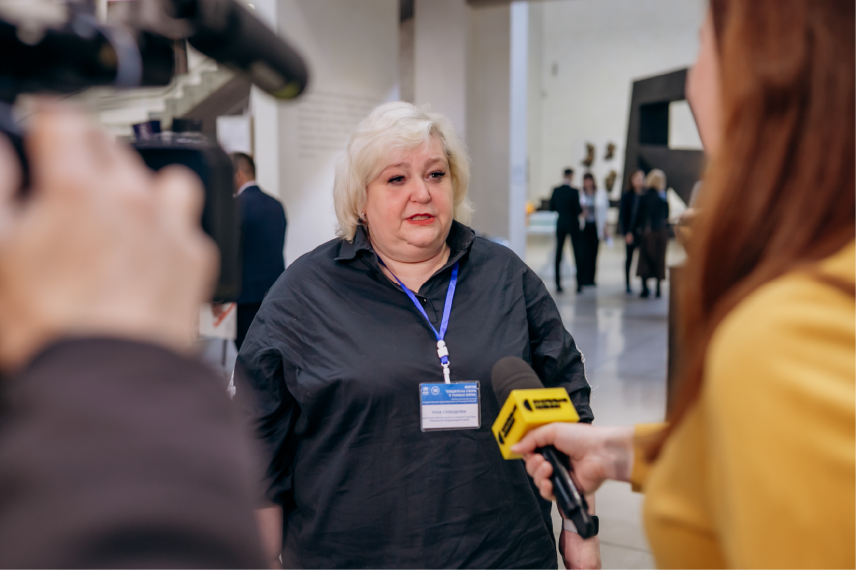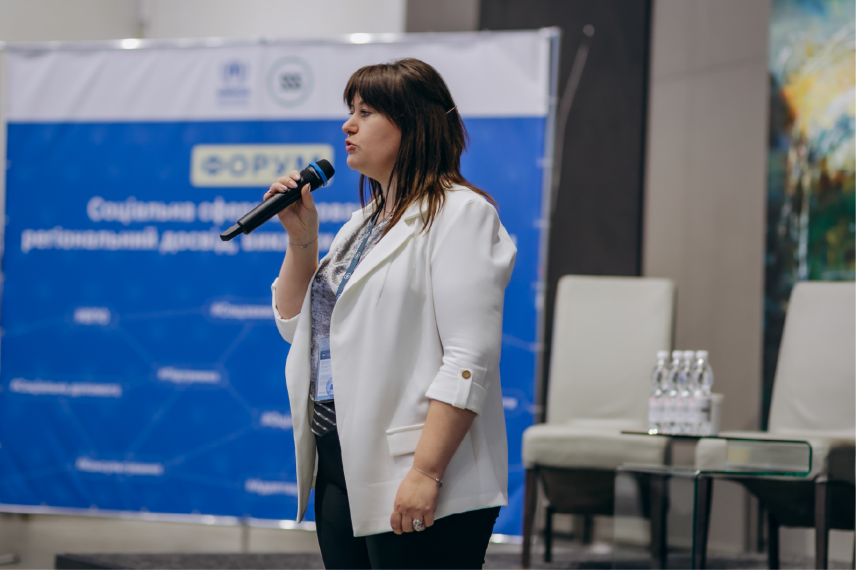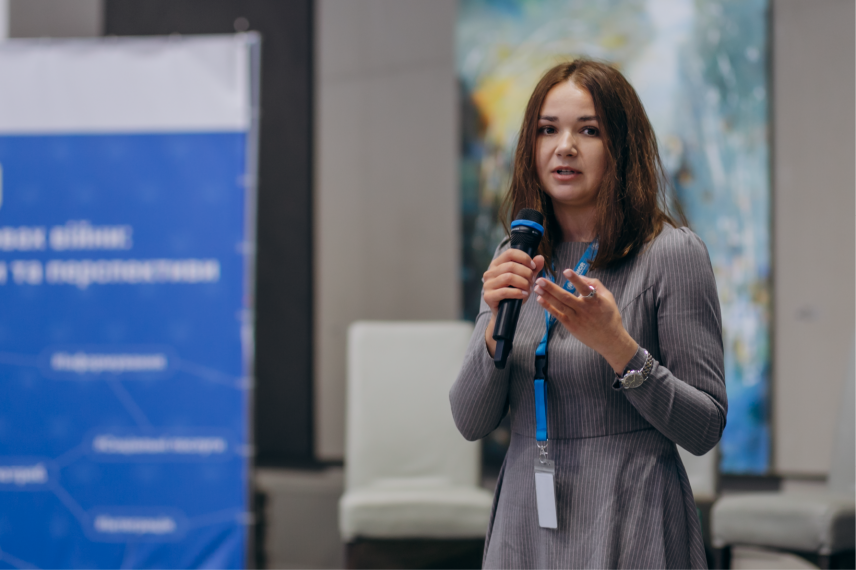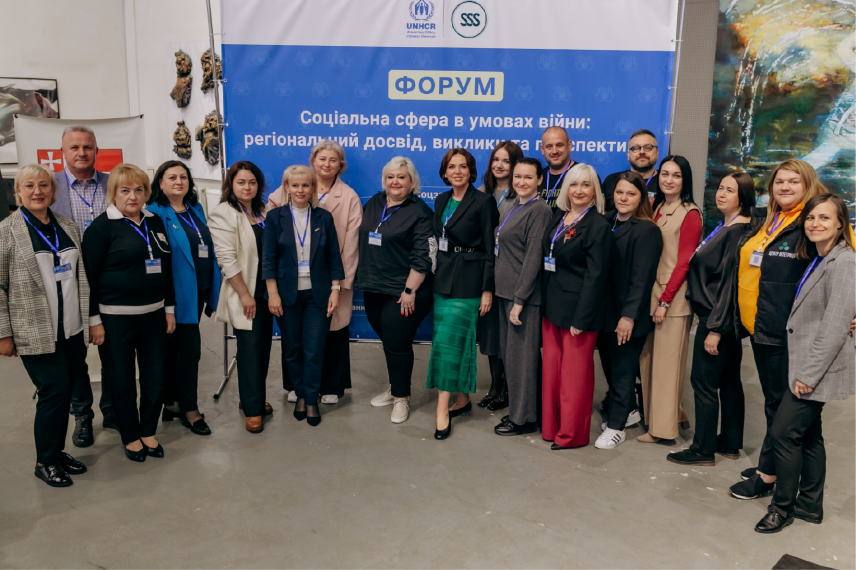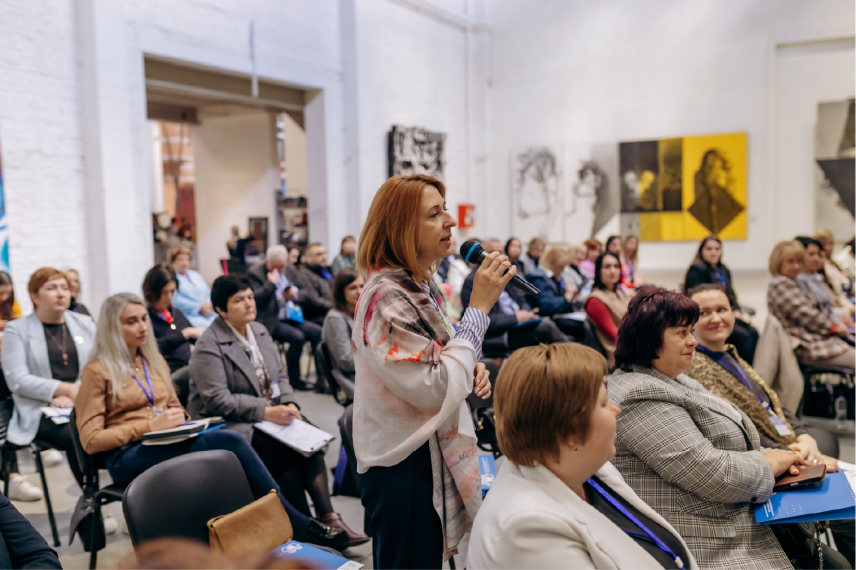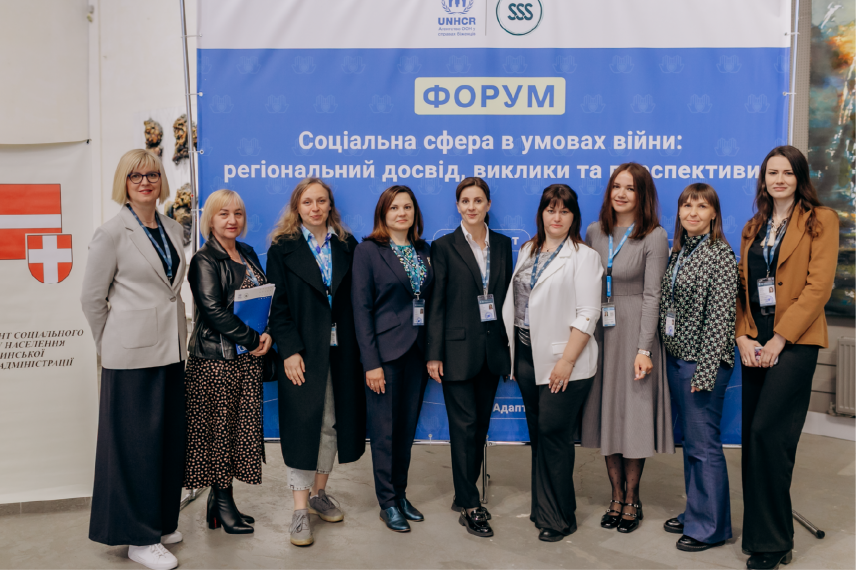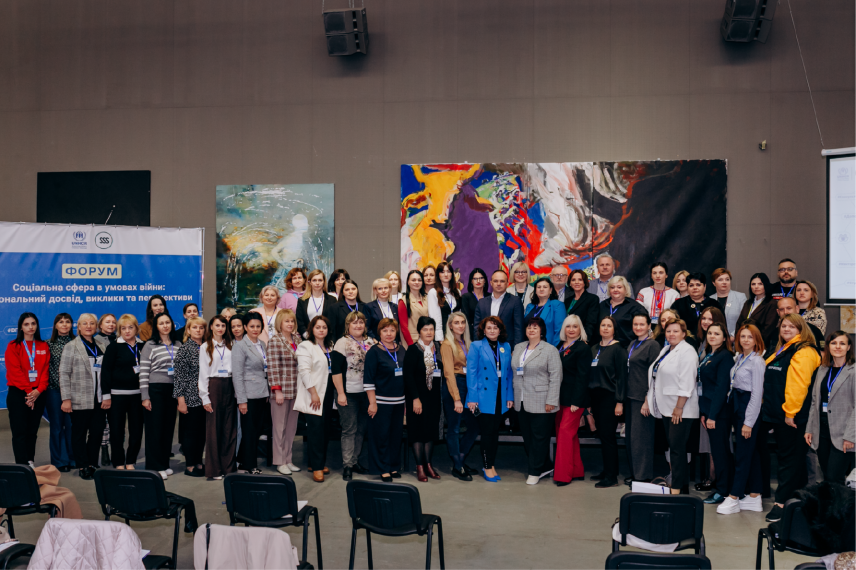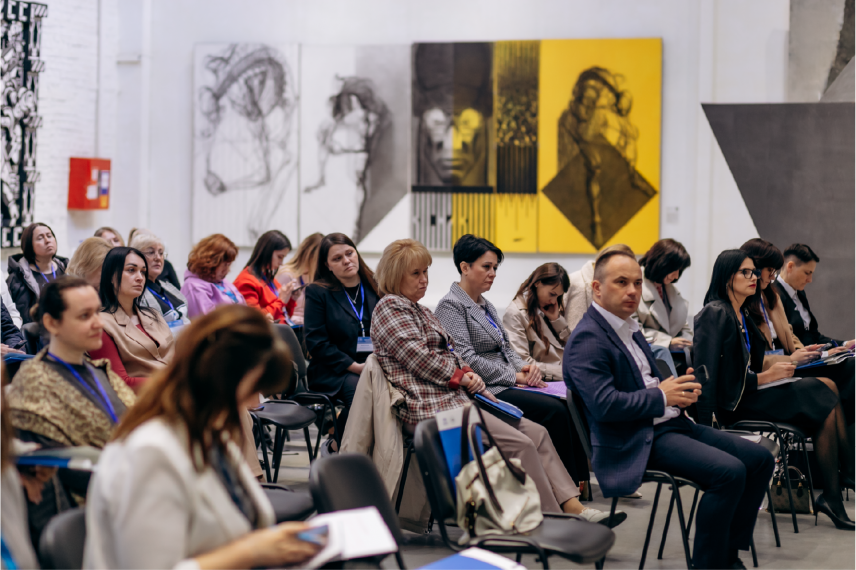
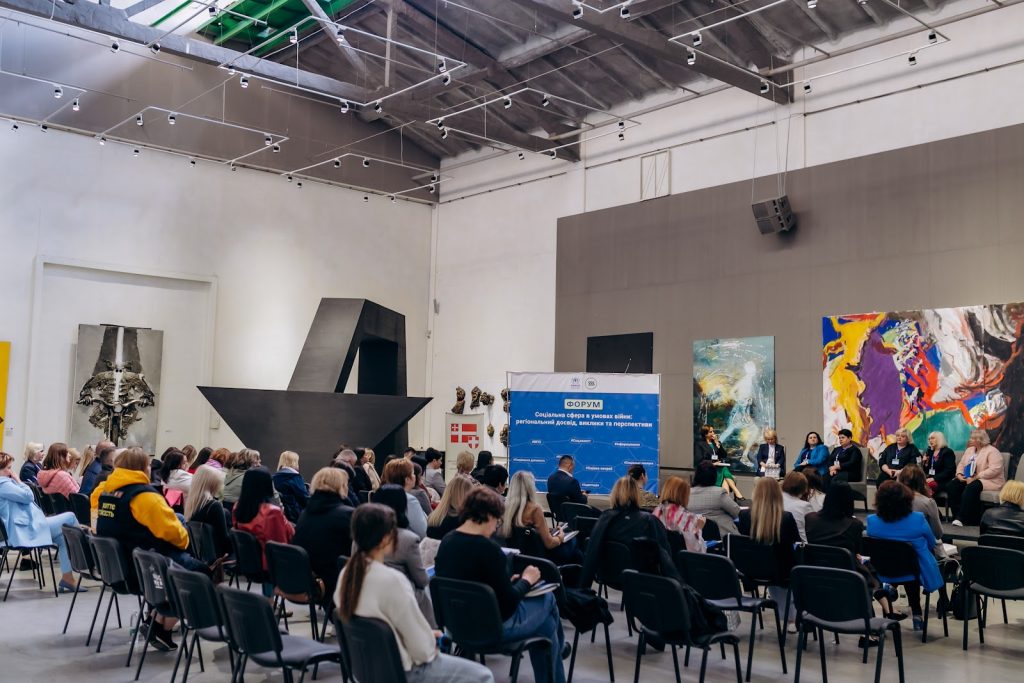
On May 16, the inter-oblast forum “The Social Sphere During Wartime: Regional Experience, Challenges, and Prospects for the Communities of Volynska and Rivnenska Oblasts” was held in Lutsk. The event, organized by the Charity Foundation “Stabilization Support Services” with support from UNHCR, the UN Refugee Agency in Ukraine, brought together over 50 representatives from government authorities, local self-government, social policy departments, residential institutions, and non-governmental organizations from Volynska and Rivnenska oblasts. The forum’s goal was to collaboratively develop solutions for improving the quality of social services and protecting the rights of internally displaced persons during the war.
Participants acknowledged that the full-scale invasion has placed an unprecedented burden on the social protection system, especially in host communities. The increased need for skilled support demands the adaptation and modernization of current approaches to social service delivery.

“We are focused not only on discussing achievements but also on addressing the problems in the social sphere. The Charity Foundation ‘Stabilization Support Services’ believes that through joint efforts, we can find answers to complex social questions and ensure the delivery of quality social services to those who need them most,” said Yevheniia Dobrodzii, Head of the Social Sphere Support Department, Charity Foundation “Stabilization Support Services.”

Key topics of discussion included the organization of social services in communities across Volynska and Rivnenska Oblasts, experiences with implementing palliative care and supported living services, the role of the civil society sector, tools for supporting IDPs, procurement of social services from non-state providers, use of the community social passport, protection of IDP rights in residential institutions, and psycho-emotional support for displaced persons and the elderly.

Oksana Hobot, Director of the Department of Social Policy of the Volynska Oblast State Administration, shared the following statistical data:
“In Volynska Oblast, about 70,000 families receive state benefits, and nearly 30,000 people receive social services in communities and institutions. While 42,000 IDPs are officially registered, monitoring data suggests the actual number is closer to 29,000. The oblast has 18 collective centers for IDPs, with a capacity for 900 people, currently housing about 866. We cannot provide social housing for everyone at the moment, but we are seeking grant funding. We are also establishing resilience centers: 6 are already operational, and 29 communities have been selected to provide this service this year. In total, Volynska Oblast has 83 social service providers.”
Roza Slobodeniuk, Director of the Department of Social Policy of the Rivnenska Oblast State Administration, described the situation in her region:
“Over 90,000 IDPs have passed through Rivnenska Oblast, with more than 43,000 remaining in the oblast. A major challenge was accepting over 750 people evacuated from psycho-neurological residential institutions in the eastern regions, which nearly doubled the load on our facilities. We have good communication with Volynska Oblast, but would like to learn from their specialists to see what we can implement here.”
The forum’s program featured three panel discussions on organizing social services in communities, the role of the civil society sector, and upholding the rights of IDPs in residential institutions. Participants also had access to an art therapy session and a networking space.

The event fostered a constructive dialogue, demonstrating the readiness of representatives from Volynska and Rivnenska oblasts to collaborate to effectively support the population during the war.
Following the forum, participants drafted and adopted a consolidated appeal to the Ministry of Social Policy of Ukraine. The document includes specific legislative proposals to optimize the conditions for charitable foundations and civil society organizations to provide social services. Key recommendations focus on developing adaptive quality standards for services, simplifying registration for non-state providers, ensuring preferential access to municipal property, and creating effective mechanisms to help IDPs restore documents and access social guarantees.
Watch the story by Suspilne Lutsk for more on the forum.
Forum “The Social Sphere During Wartime” in Lutsk: The Experience of Volynska and Rivnenska Oblasts
The event was conducted by the Charity Foundation “Stabilization Support Services” with the support of UNHCR, the UN Refugee Agency in Ukraine.