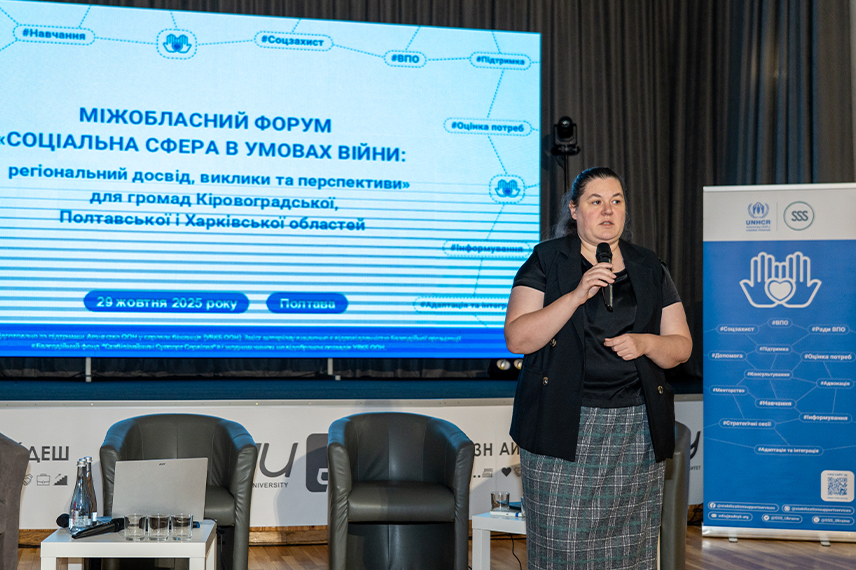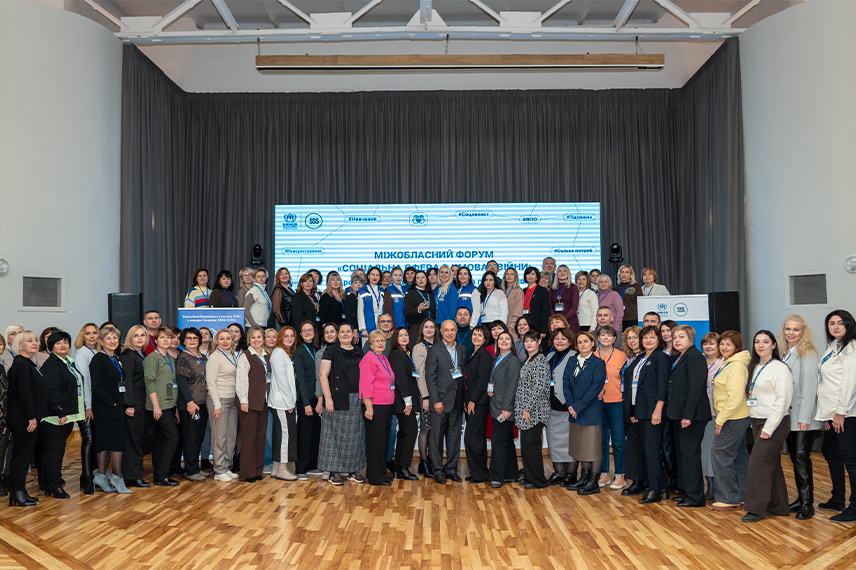
How can social services adapt to the challenges of wartime? How to ensure support for internally displaced older people and people with disabilities? How does the “money follows the person” principle work in the social services sector? Answers to these and other questions were developed by participants of The Social Sphere in Wartime inter-regional forum, which took place on October 29 in Poltava.
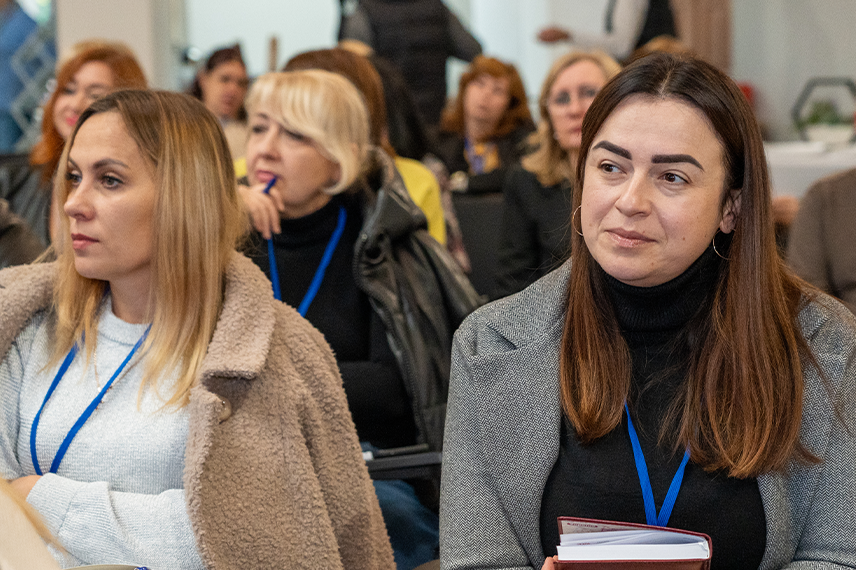
Representatives from central and local state authorities, local self-government bodies, non-governmental organizations, and social services from Poltavska, Kirovohradska, and Kharkivska oblasts participated in the dialogue.
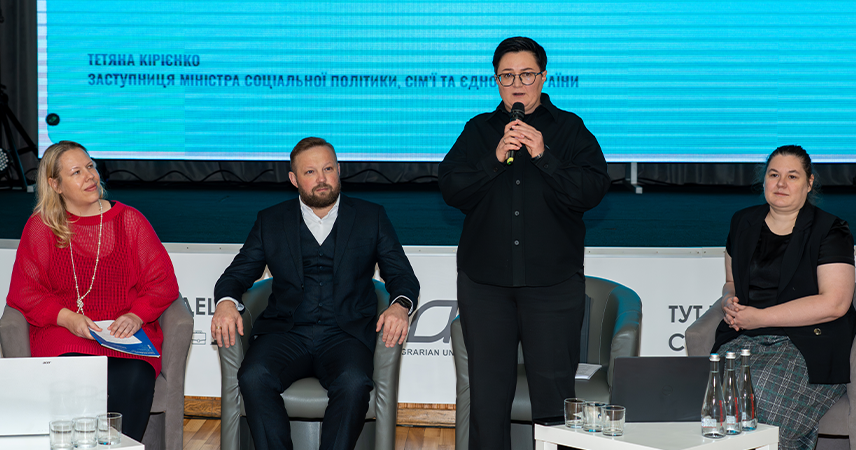
The Forum was opened by Tetyana Kiriienko, Deputy Minister of Social Policy, Family, and Unity of Ukraine. She thanked the organizers for hosting the event, which had become an important platform for discussing current issues in the social sphere. In her speech, Ms. Kiriienko emphasized the need to develop innovative solutions that will help overcome the current challenges in social policy. Later, as part of her thematic presentation, Ms. Kiriienko spoke in detail about state support for internally displaced persons who are being evacuated.
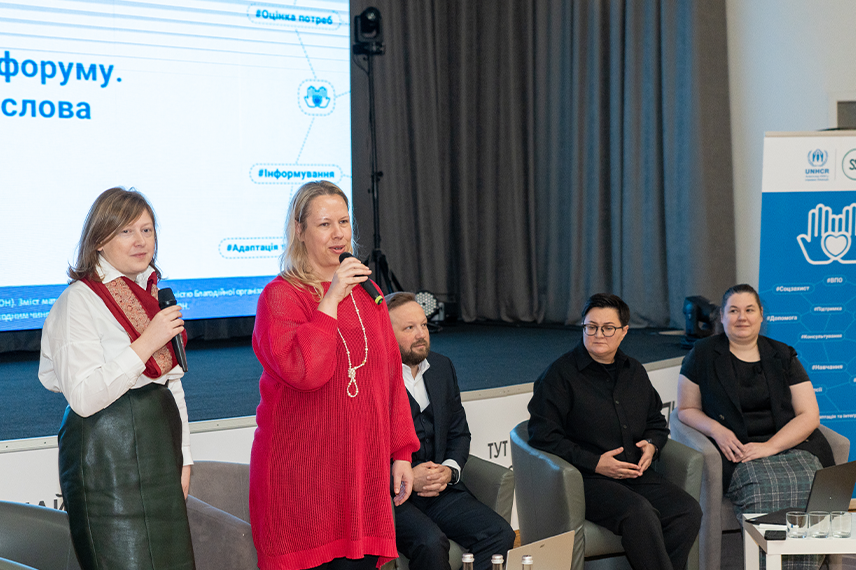
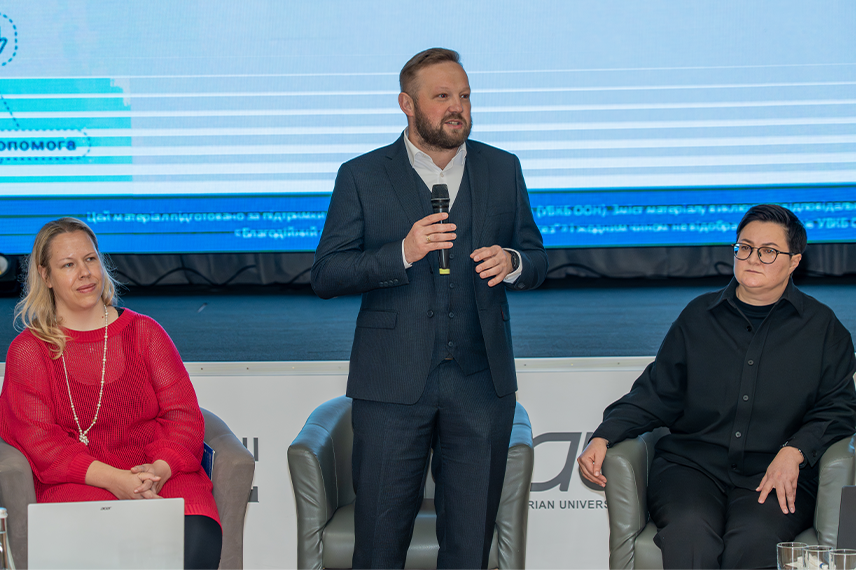
In addition to her, speakers at the event included Nina Schrepfer, Assistant Representative (Protection) at UNHCR, the UN Refugee Agency in Ukraine, Volodymyr Kohut, acting head of the Poltavska Oblast State Administration, Kateryna Koltunova, deputy head of the Kirovohradska Oblast State Administration, and Valeriia Vershynina, executive director of the Charity Foundation “Stabilization Support Services”.
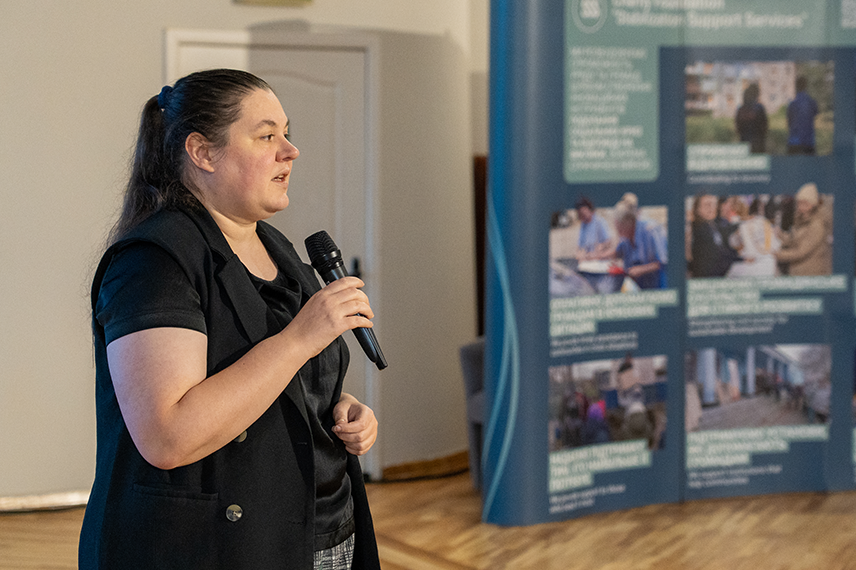
“Since 2015, our Foundation has been working to support the social protection system. It works to ensure that people who provide social services have the opportunity to overcome the consequences of war, in particular the crisis of internal displacement. When our Foundation joined in developing the first IDP integration strategy, I dreamed that this strategy would include a separate section devoted to social adaptation measures. Years have passed, and now, thanks to the joint efforts of the Ministry of Social Policy, Family, and Unity, UNHCR, and civil society organizations, we have a corresponding social adaptation service. The launch of a long-term nursing care service has become equally important. Our task is to help people regain their economic independence and adapt to their new lives as quickly as possible,” said Valeriia Vershynina.
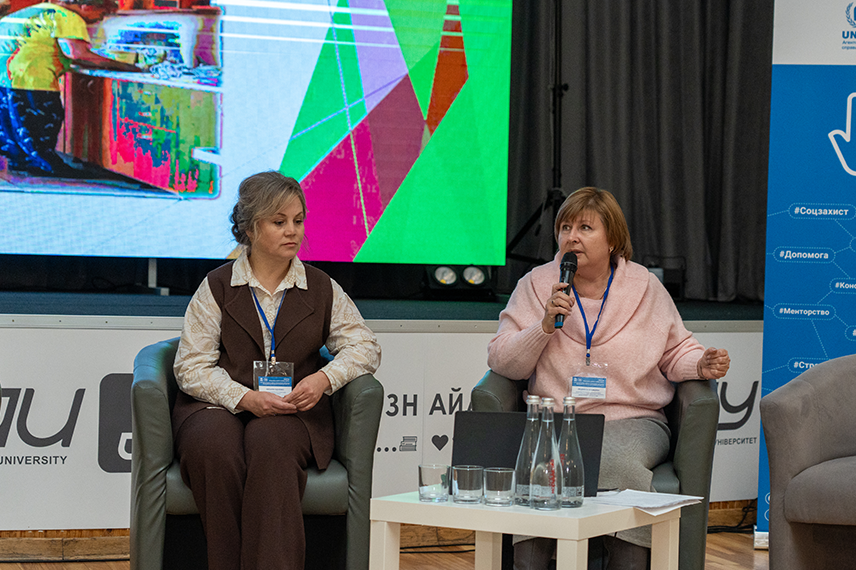
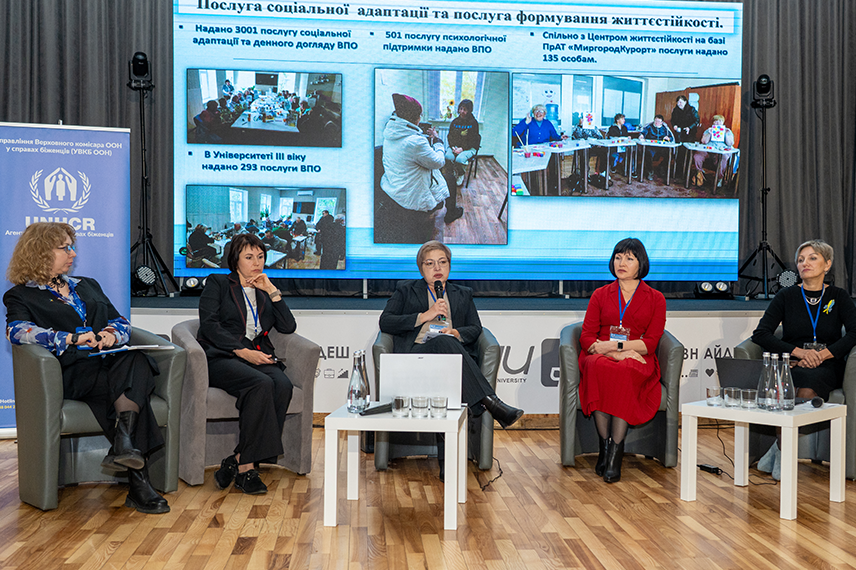
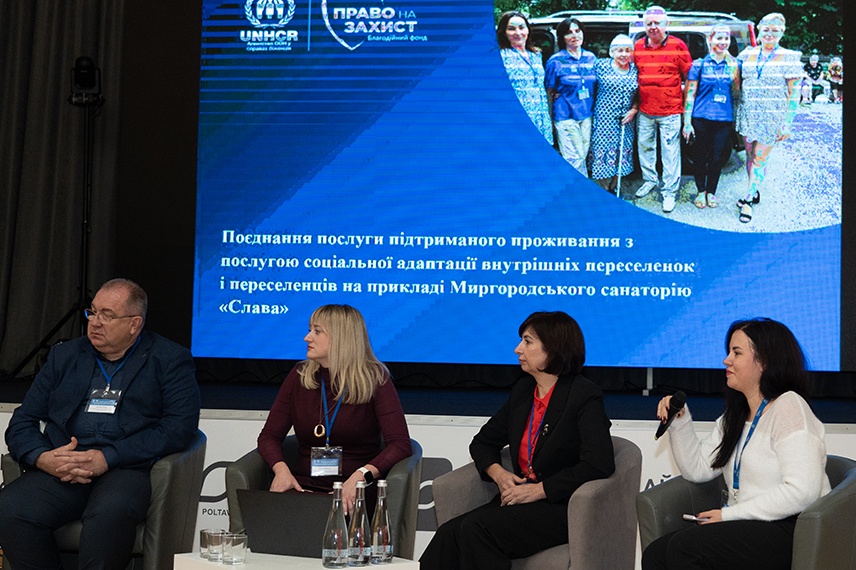
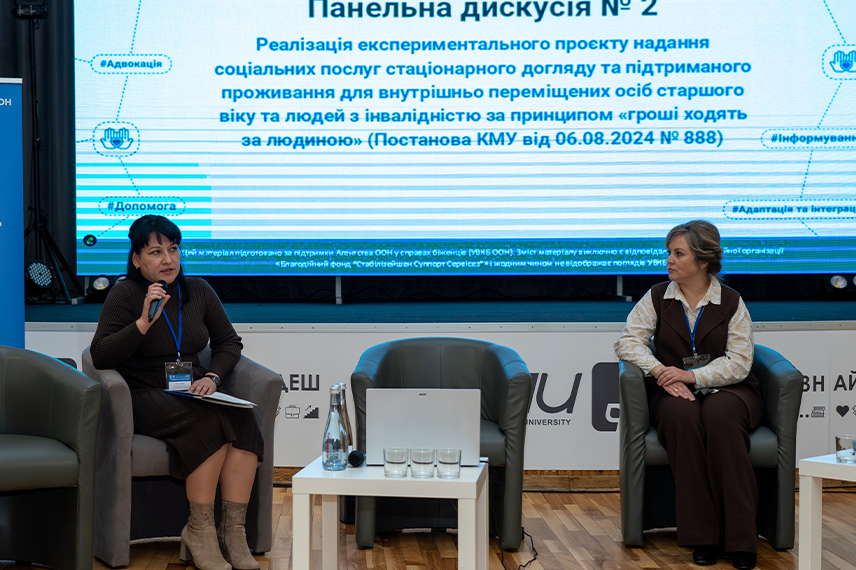
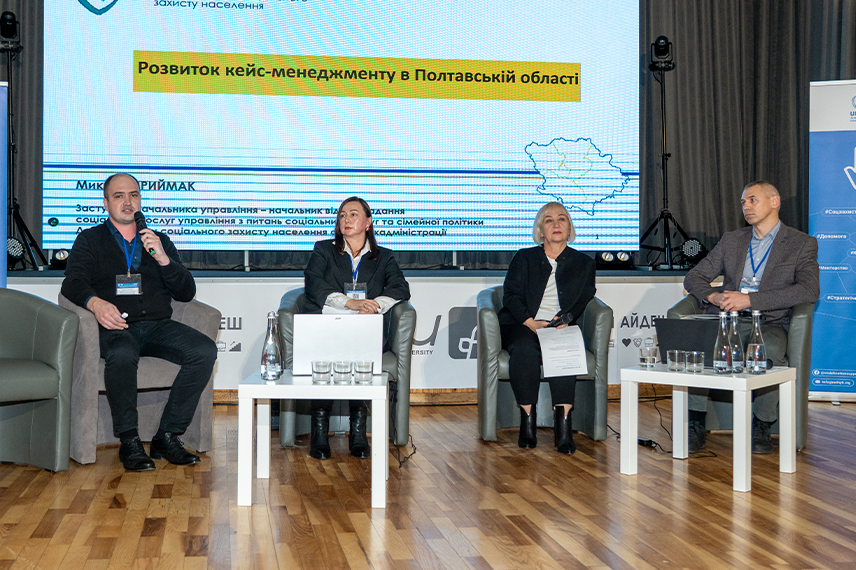
The Forum program was structured around four themes: social adaptation of IDPs, an experimental project to provide social services for facility-based care and assisted living for older IDPs and people with disabilities, adaptation of social services working with IDPs, and reform of the social protection system. Participants had the opportunity to discuss pressing social issues and share regional experiences in four panel discussions.
Andriy Karkach, Director of the Social Protection Department of the Poltava City Council, shared his experience of social adaptation in Poltavska Oblast: “There are 9,494 older IDPs and 3,395 IDPs with disabilities living in the Poltavska community. The territorial center for social services provides social adaptation services to IDPs in accordance with national standards. The social adaptation space develops the social competence of older people and IDPs. The center has an active longevity club. Social adaptation is the foundation for a person’s assimilation into the community.”
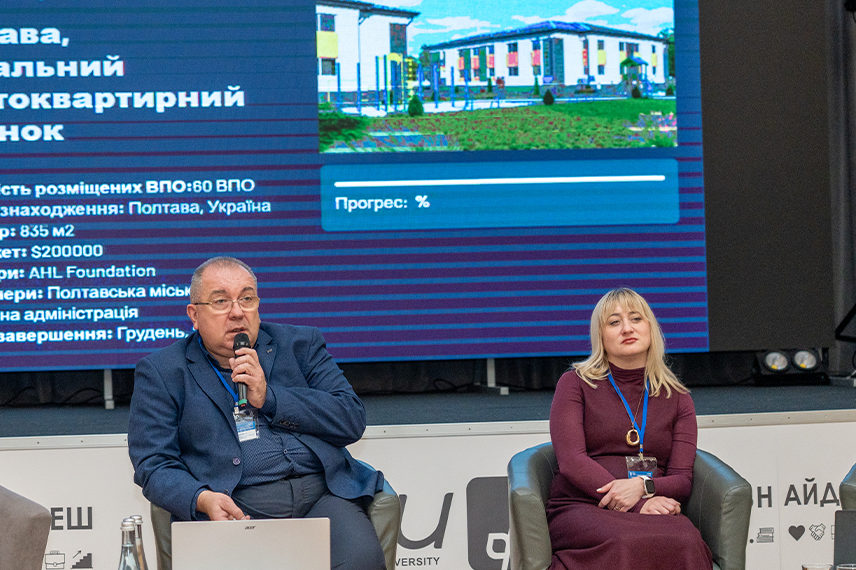
Liudmyla Khramtsova, head of the organizational work and social services development department of the Kharkivska Oblast State Administration’s social protection department, spoke about the Crisis Social Center for Women in the village of Krasnopavlivka, which joined the pilot project: “A special assisted living unit has been created on the premises of the facility. Here, you can not only get a roof over your head, but also find support, people to talk to, and new opportunities for social adaptation. It is essential to continue providing supported living services to those who require them. It is necessary to work closely with volunteers, because it is through joint efforts that we can most quickly create a real community where everyone feels their importance. And we must do everything to ensure that every person who comes to the Center feels that they are not alone with their difficulties,” emphasized Liudmyla Khramtsova.
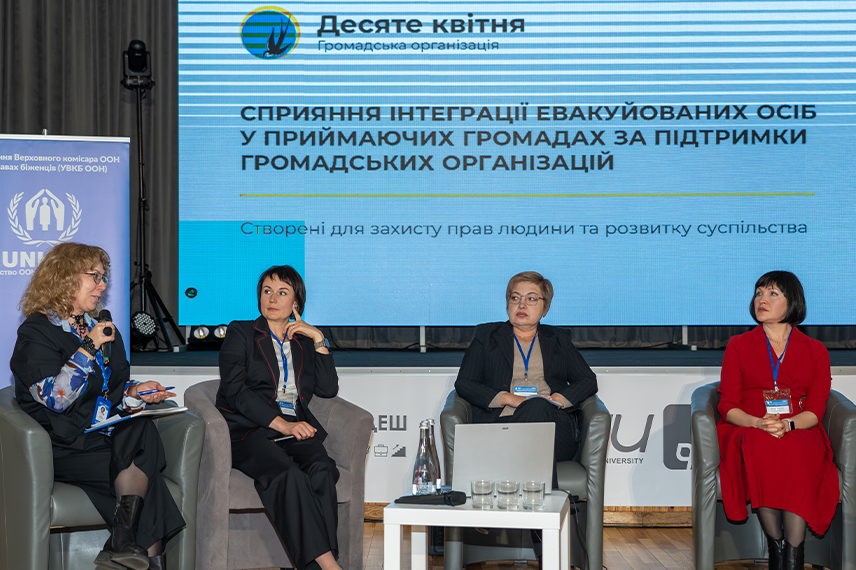
Olha Tkachenko, senior manager of the Tenth of April NGO, focused on the cooperation between local authorities and the civil society sector in Kirovohradska Oblast: “There are over 80,000 IDPs living in the region. Civil society organizations have become partners of the authorities and, together with them, provide IDPs with access to social, legal, psychological, and integration services. One example is the work of the Age of Happiness Humanitarian Hub, an initiative of the Support Elderly People Foundation NGO, which has reached over 1,200 people. Local facilitators, who maintain constant communication between IDPs and local social services, have become important enablers. Psychological and legal support programs, integration activities, training sessions, and mutual aid groups are being implemented. All of this contributes to reducing social tensions in communities.”
The Forum demonstrated that, with the support of the civil society sector, the social protection system is gradually transforming, even in wartime, to meet the needs of all those who require support in response to the challenges of the times. Social workers strive to introduce innovations and comprehensively promote the social adaptation of internally displaced persons and their integration into community life.
The event was held by the Charitable Organization “Charity Foundation “Stabilization Support Services” with the support of UNHCR, the UN Refugee Agency in Ukraine.