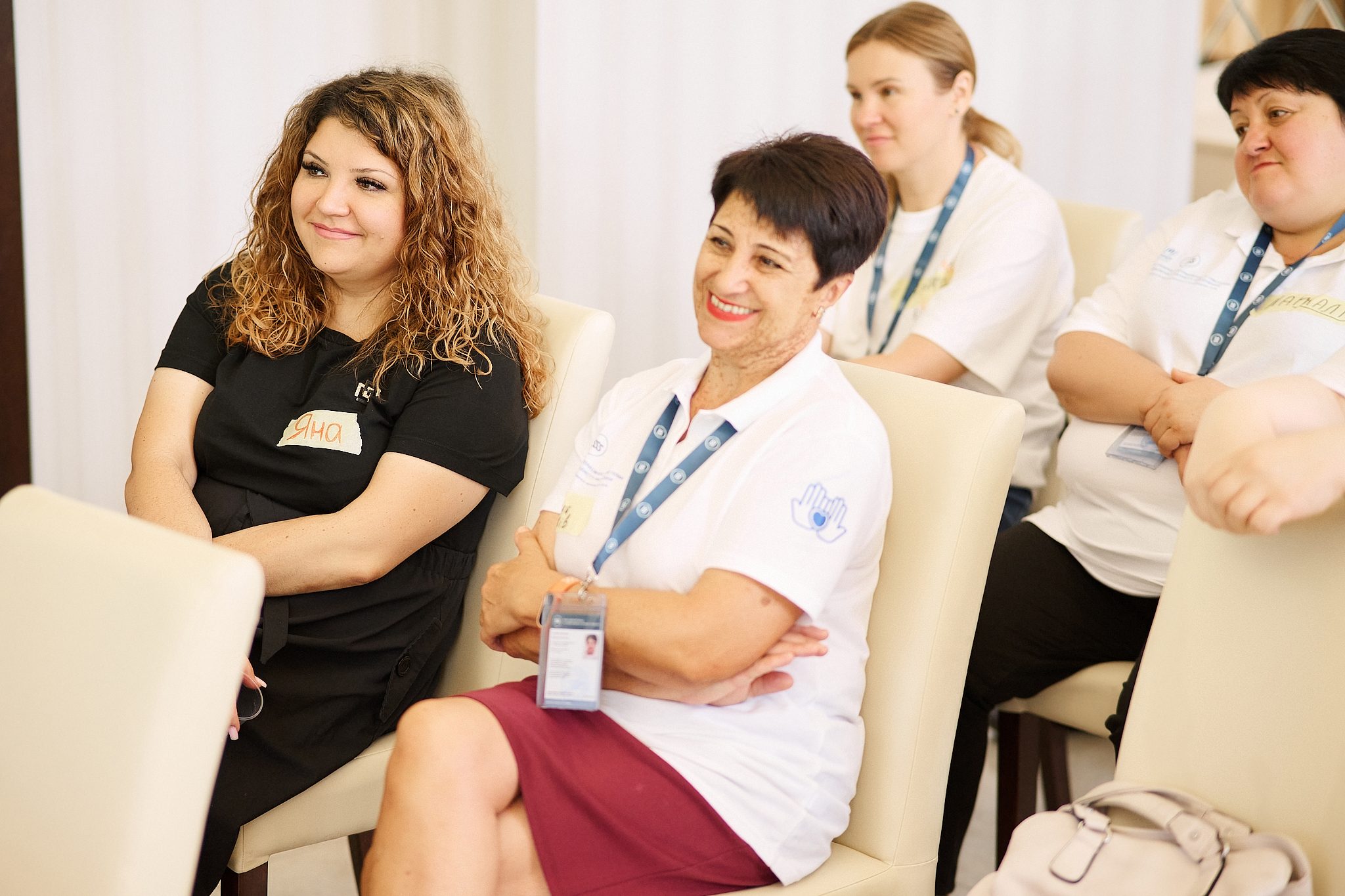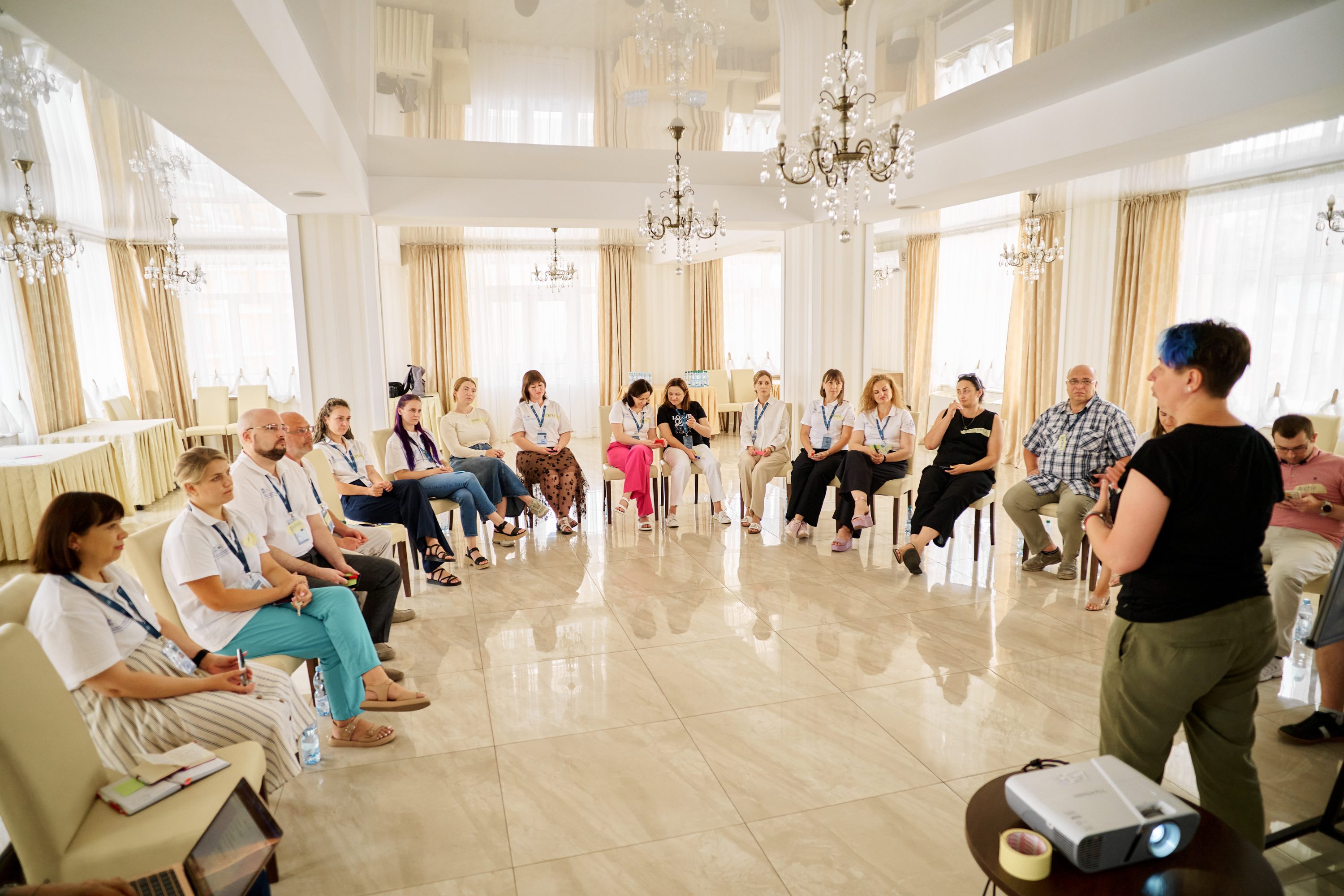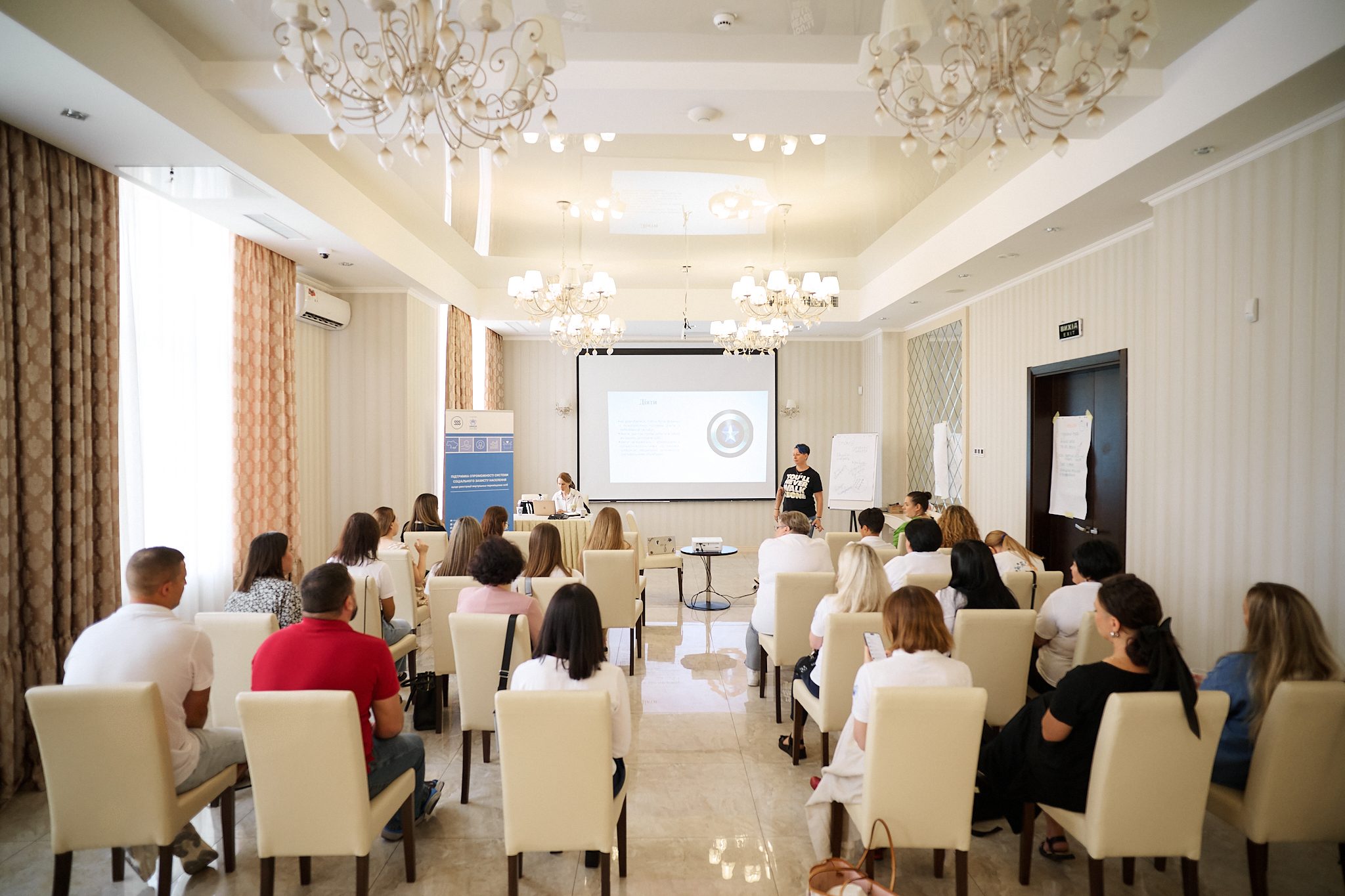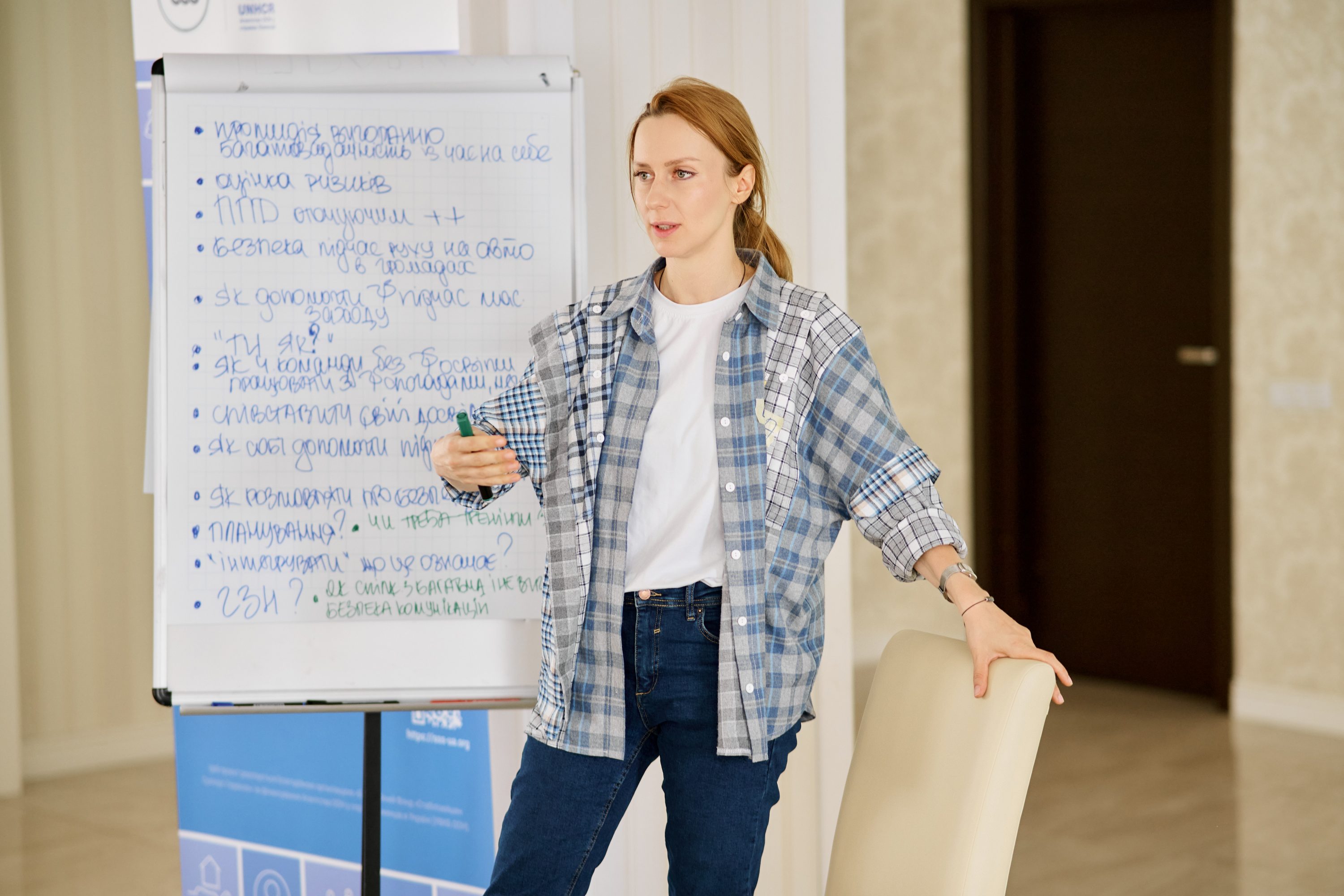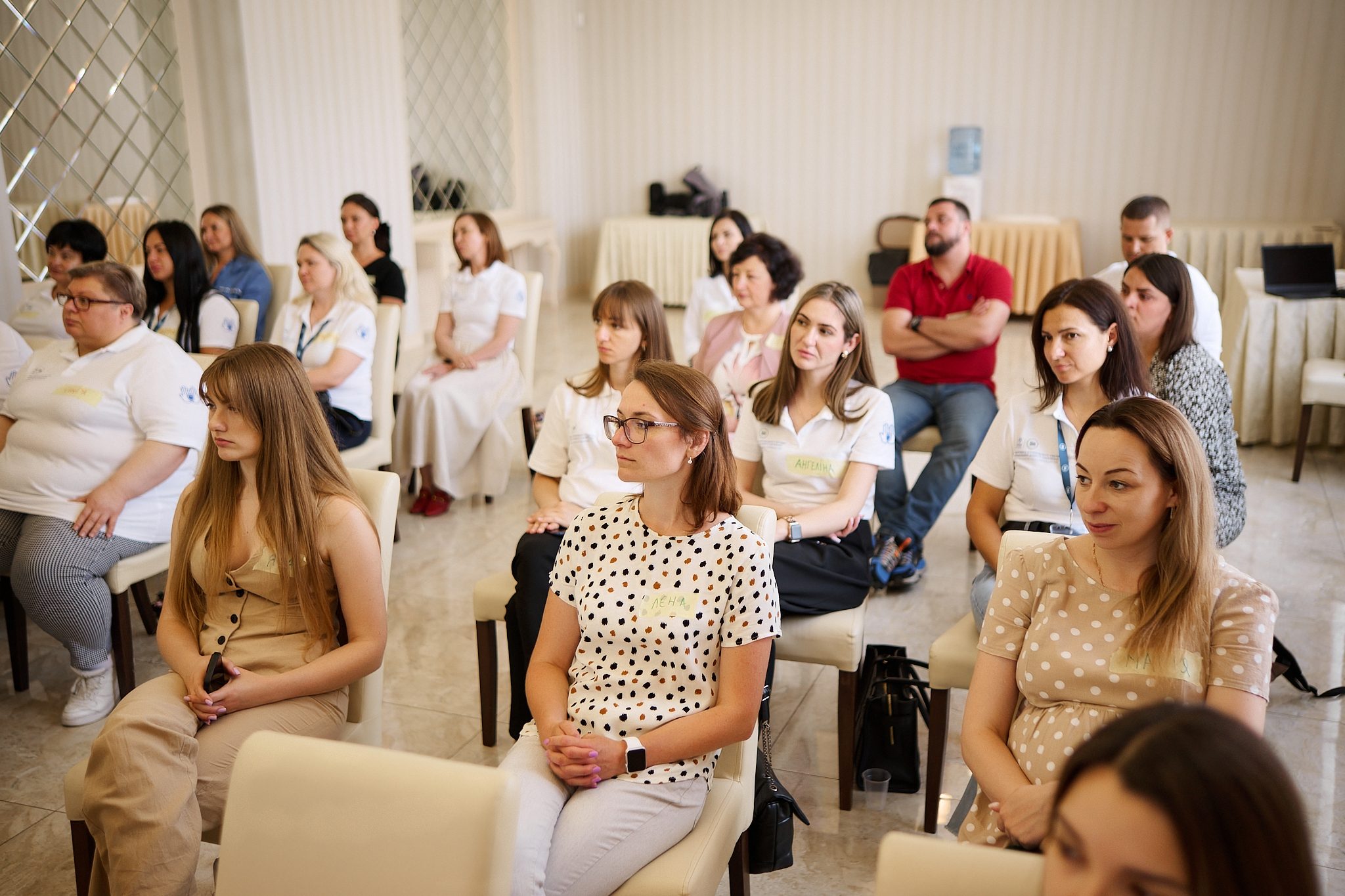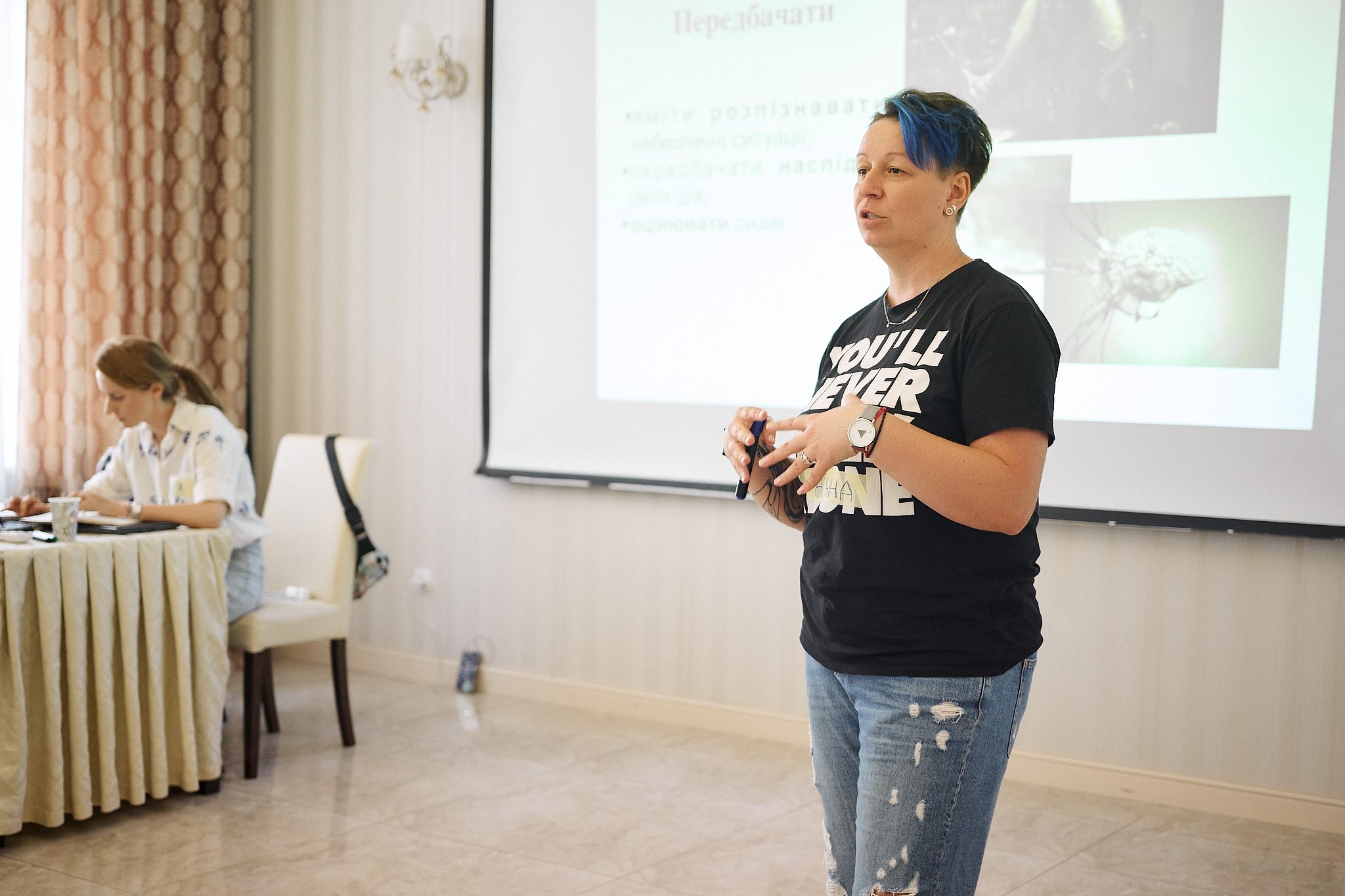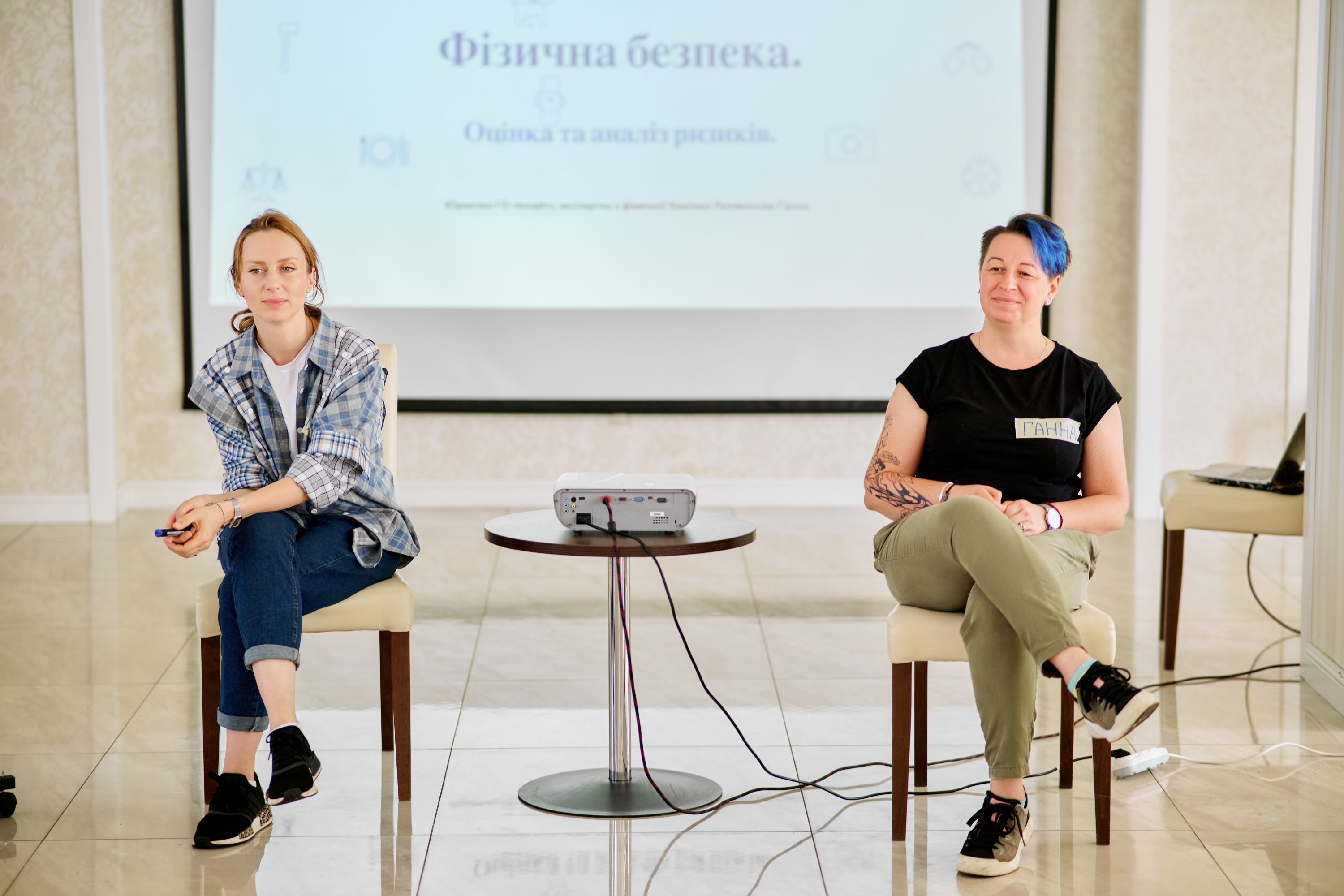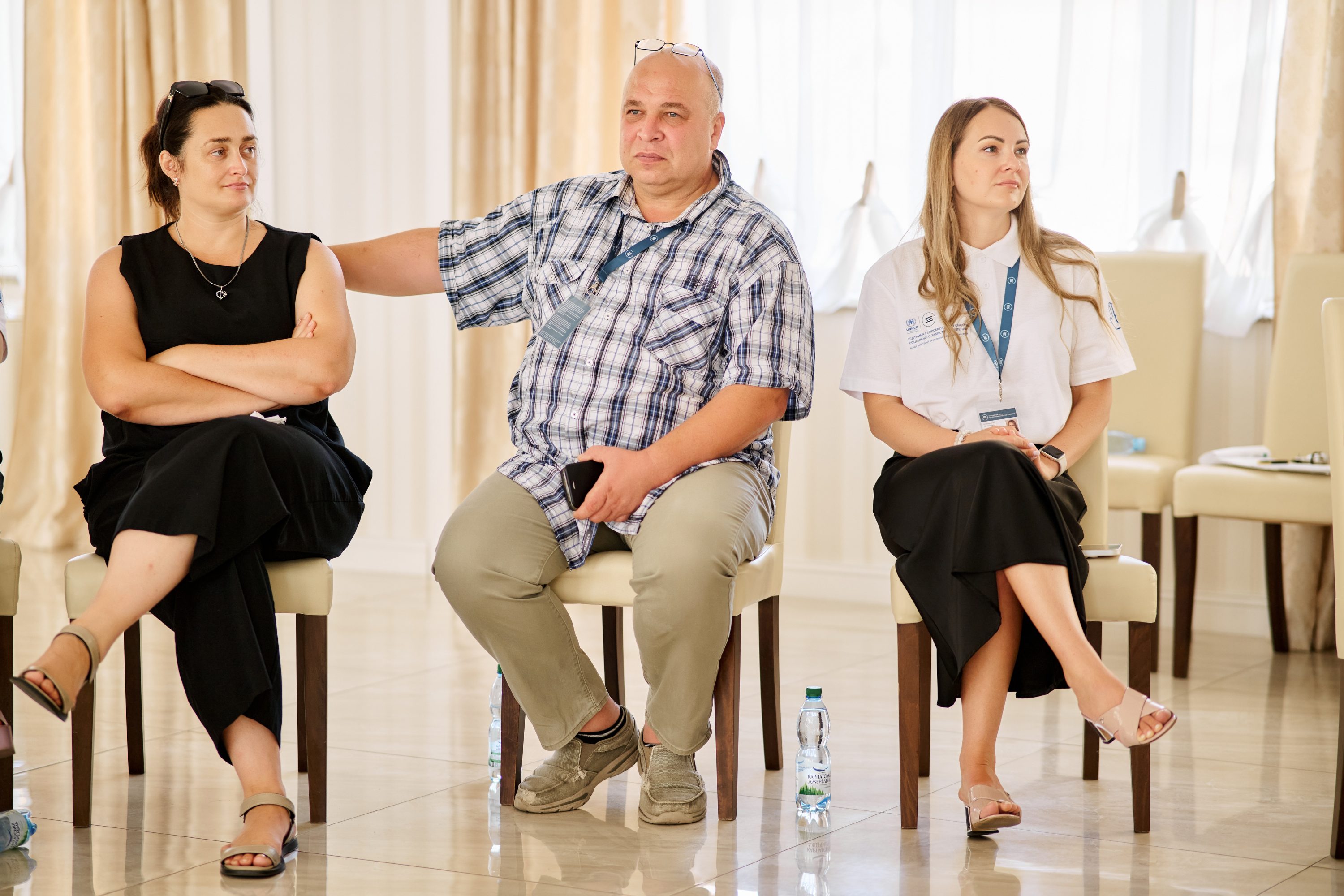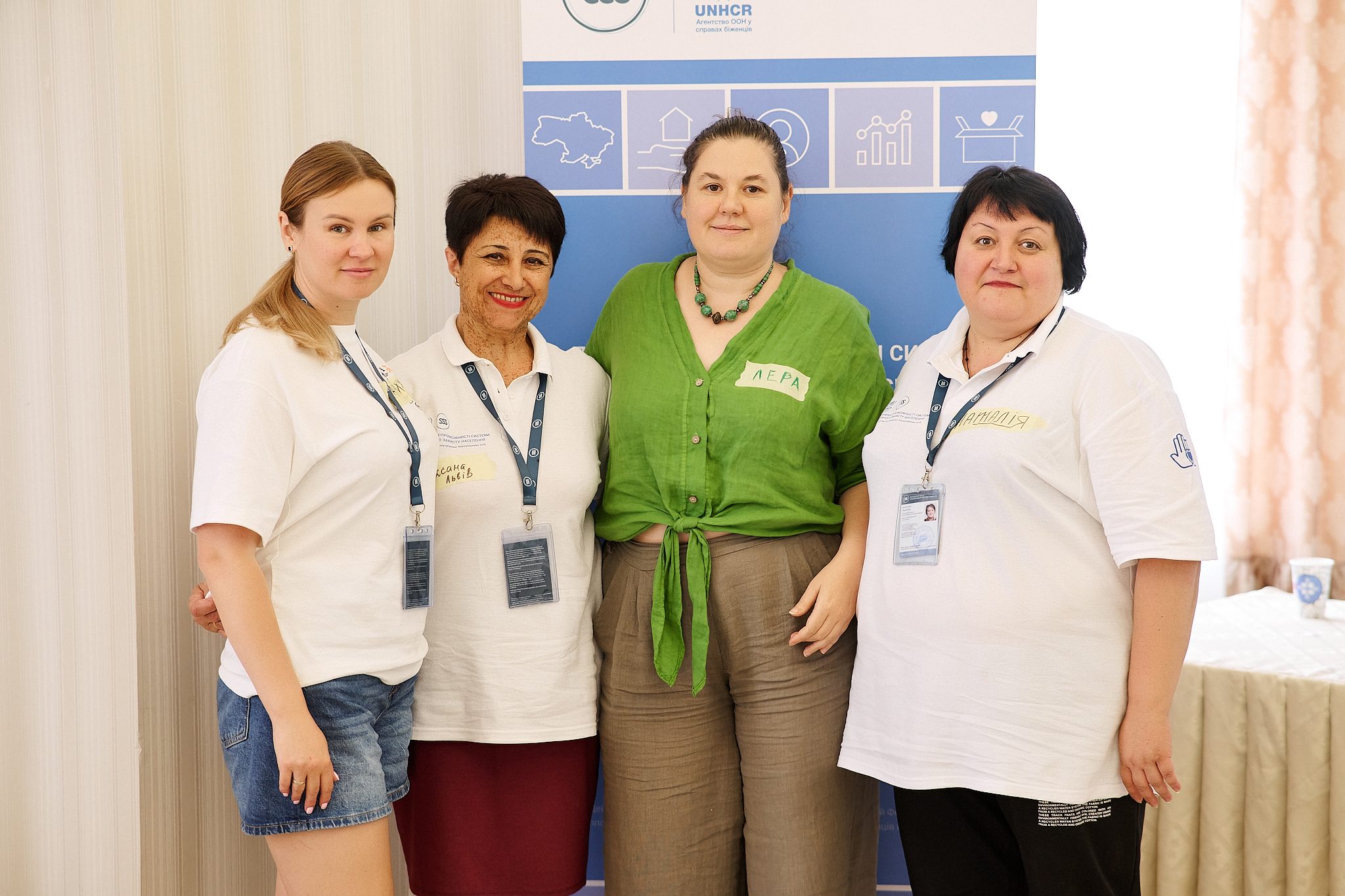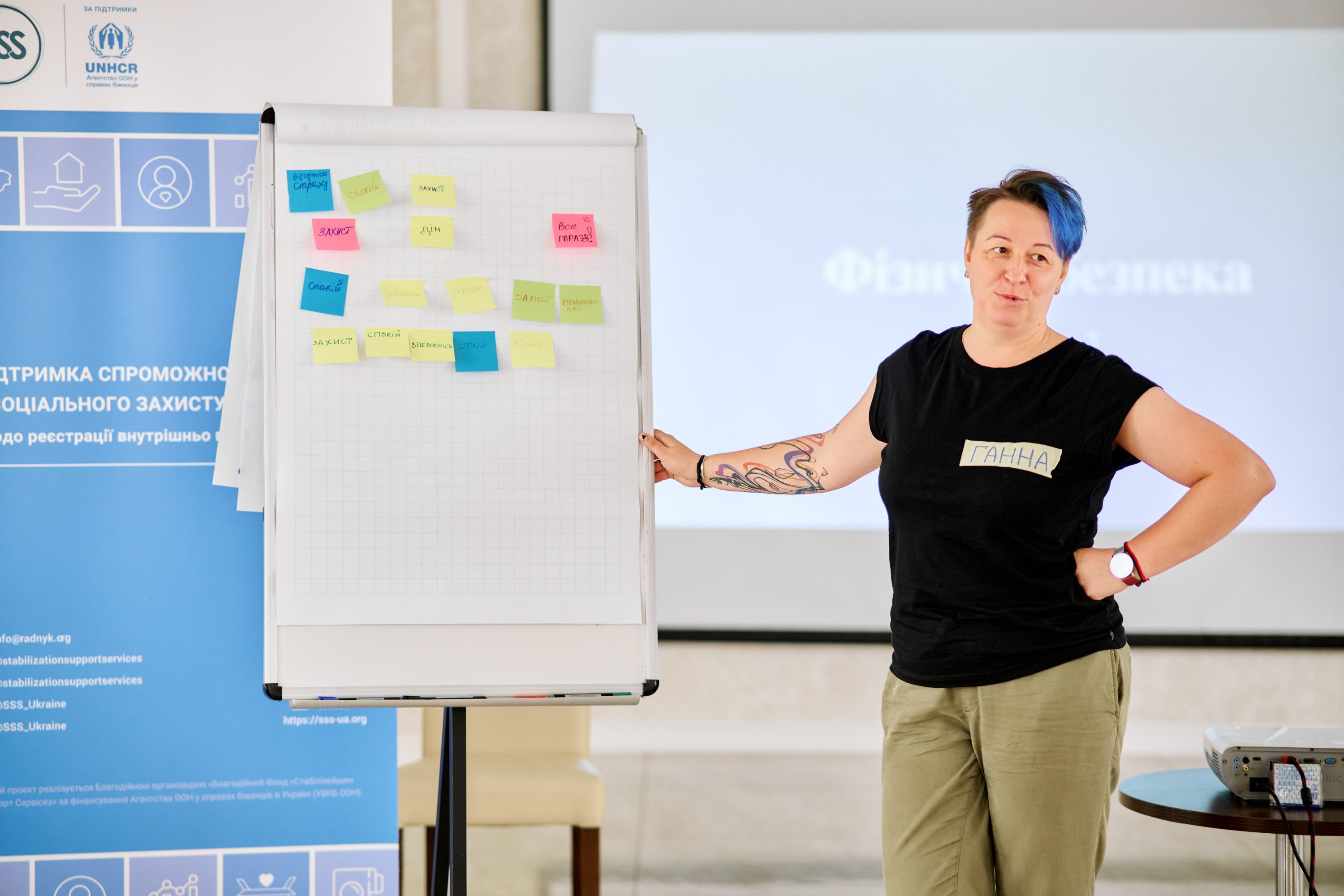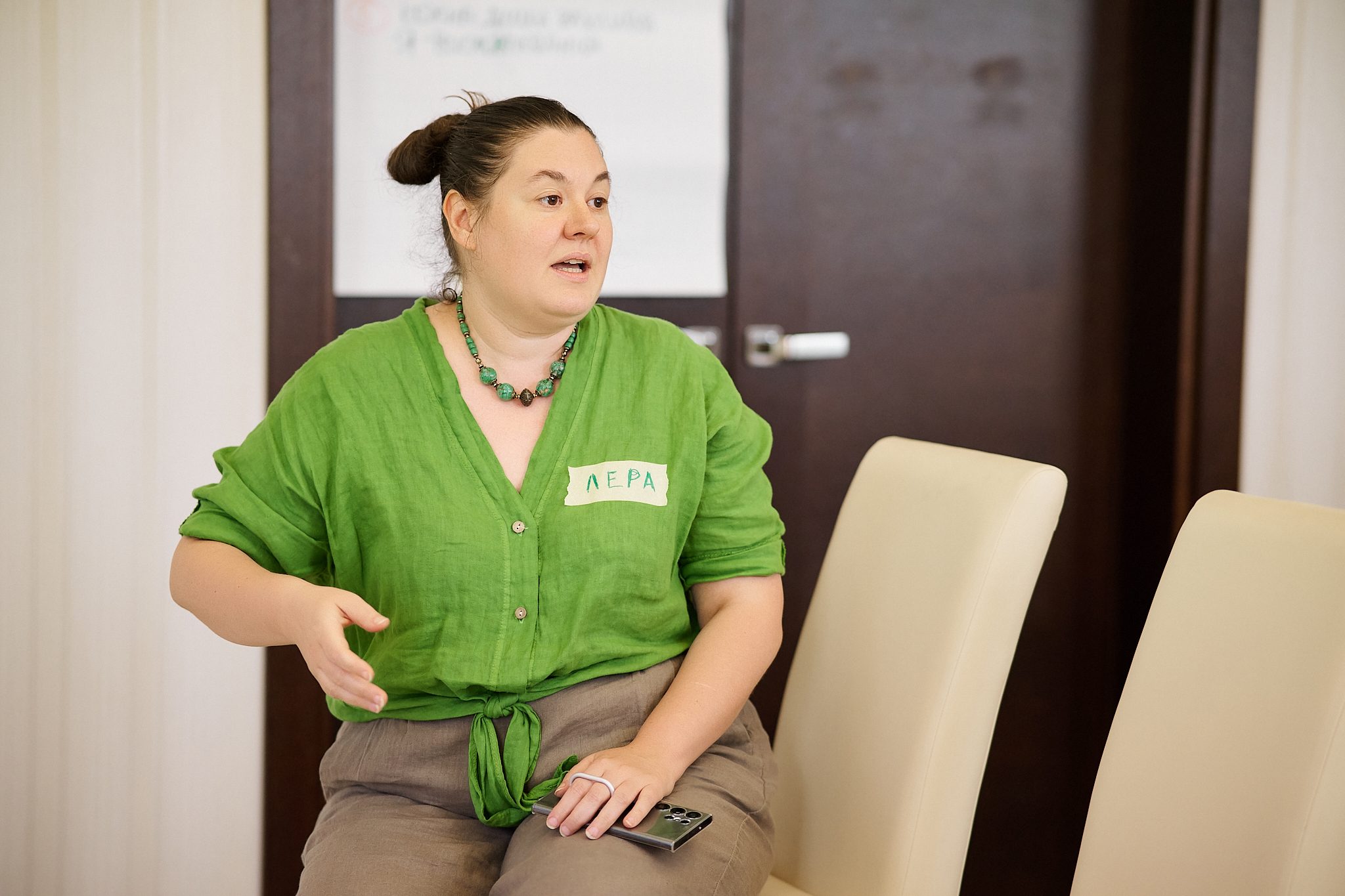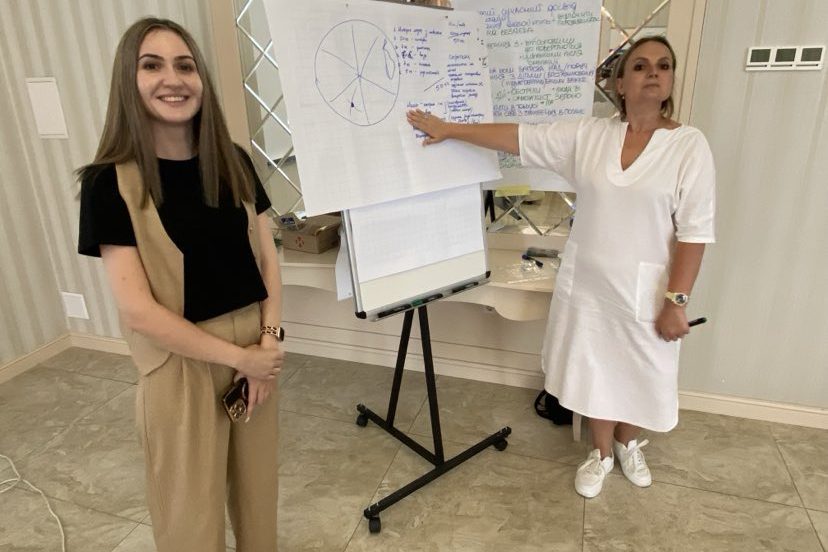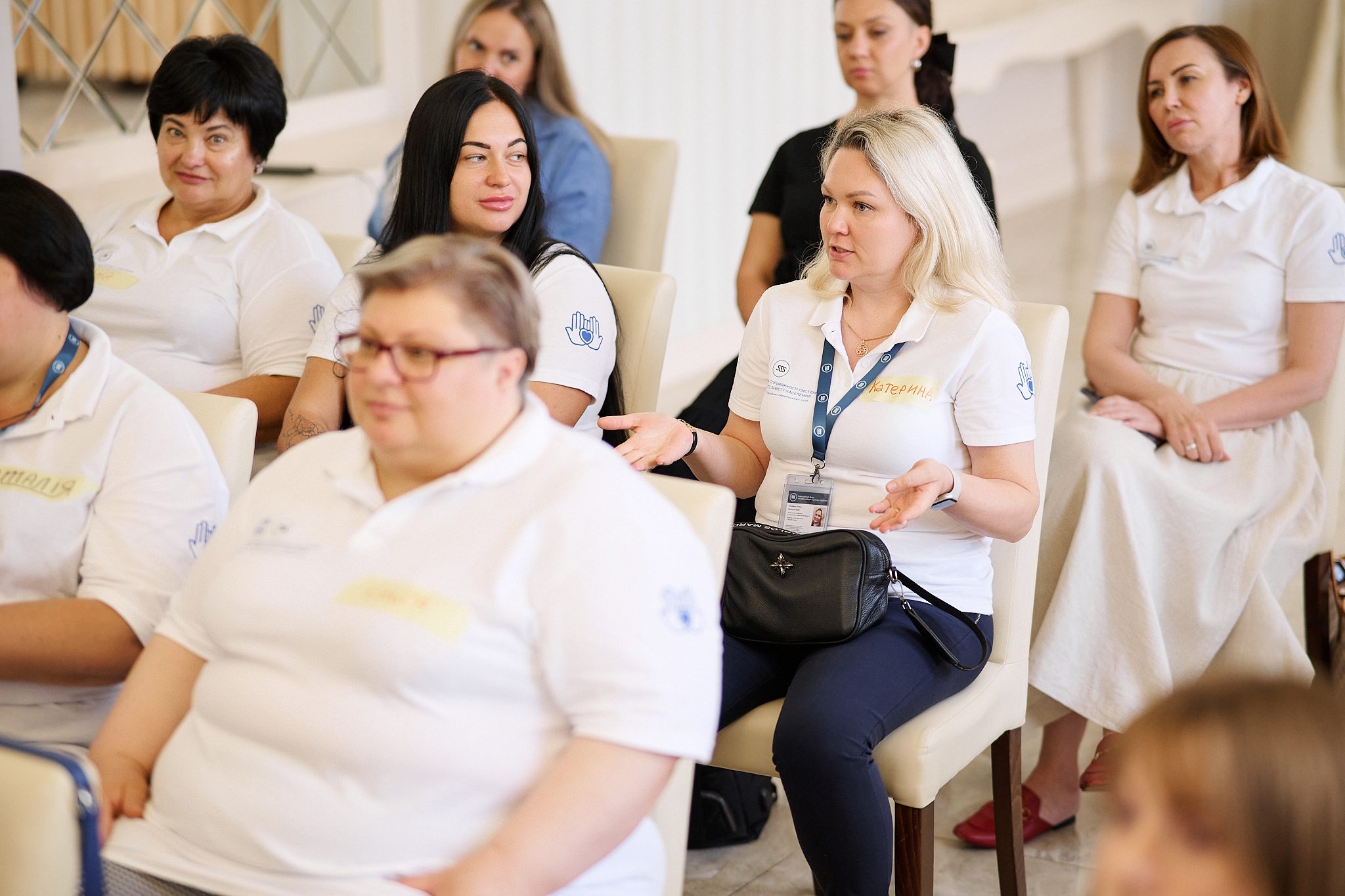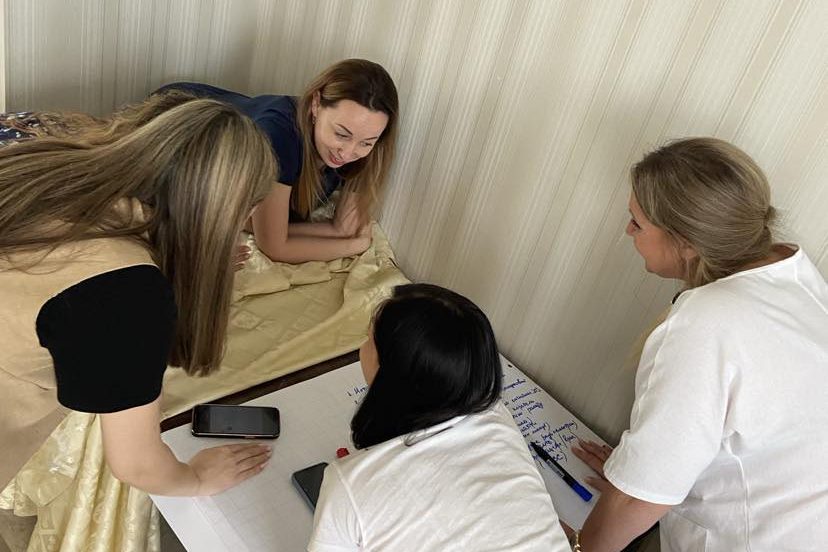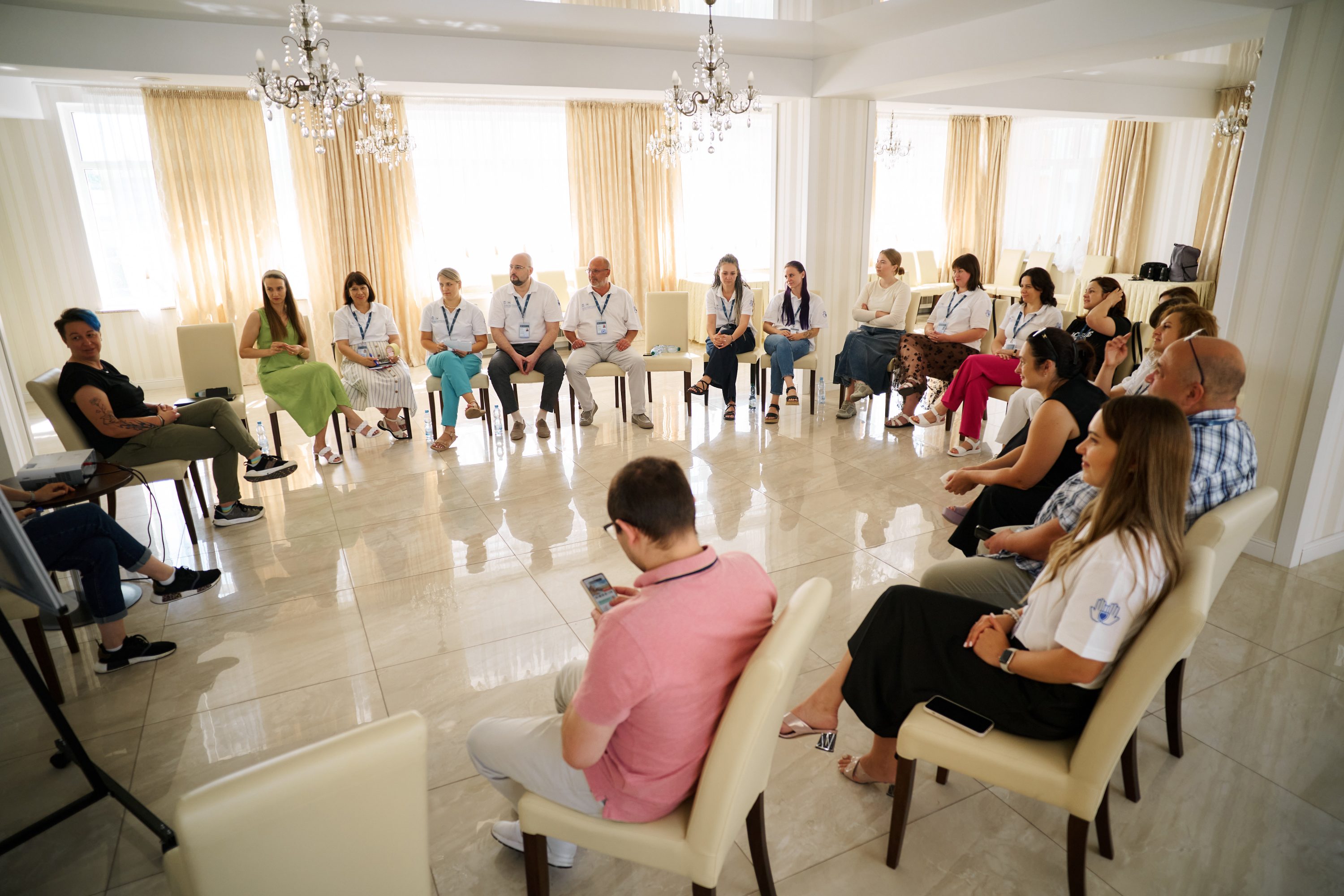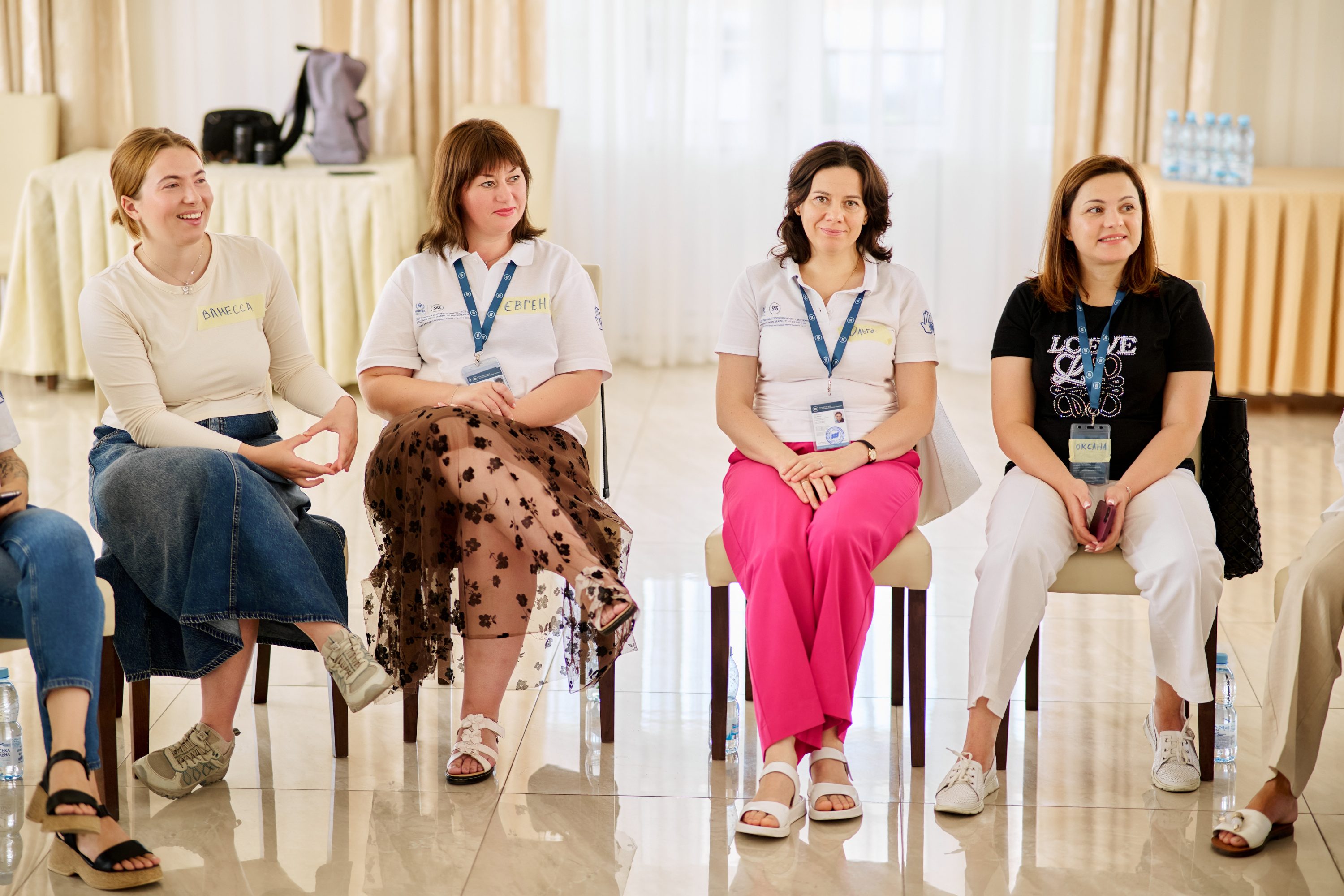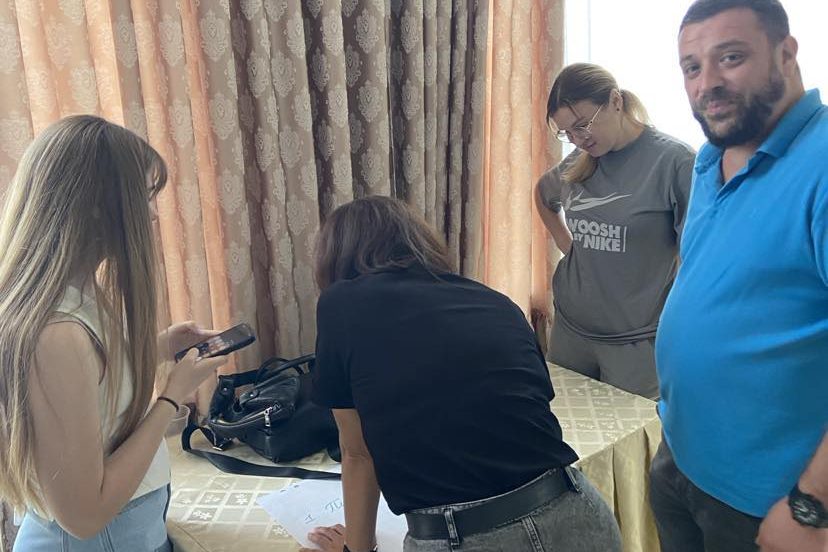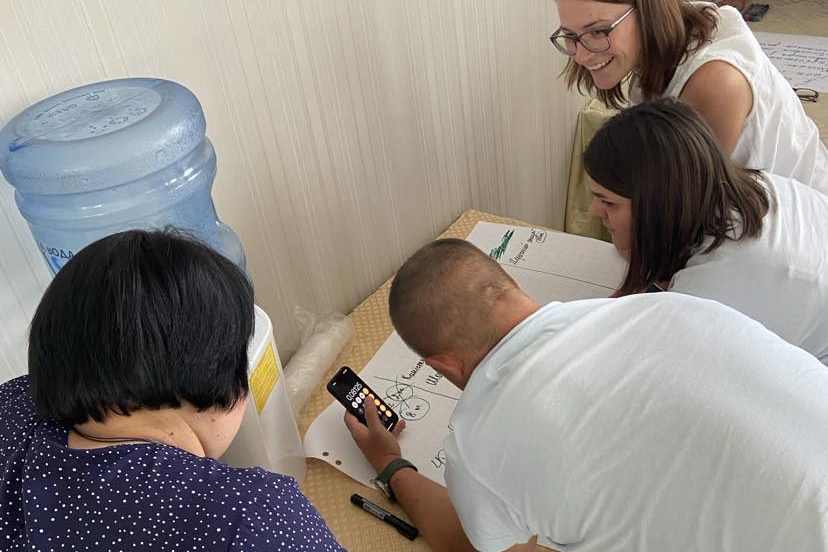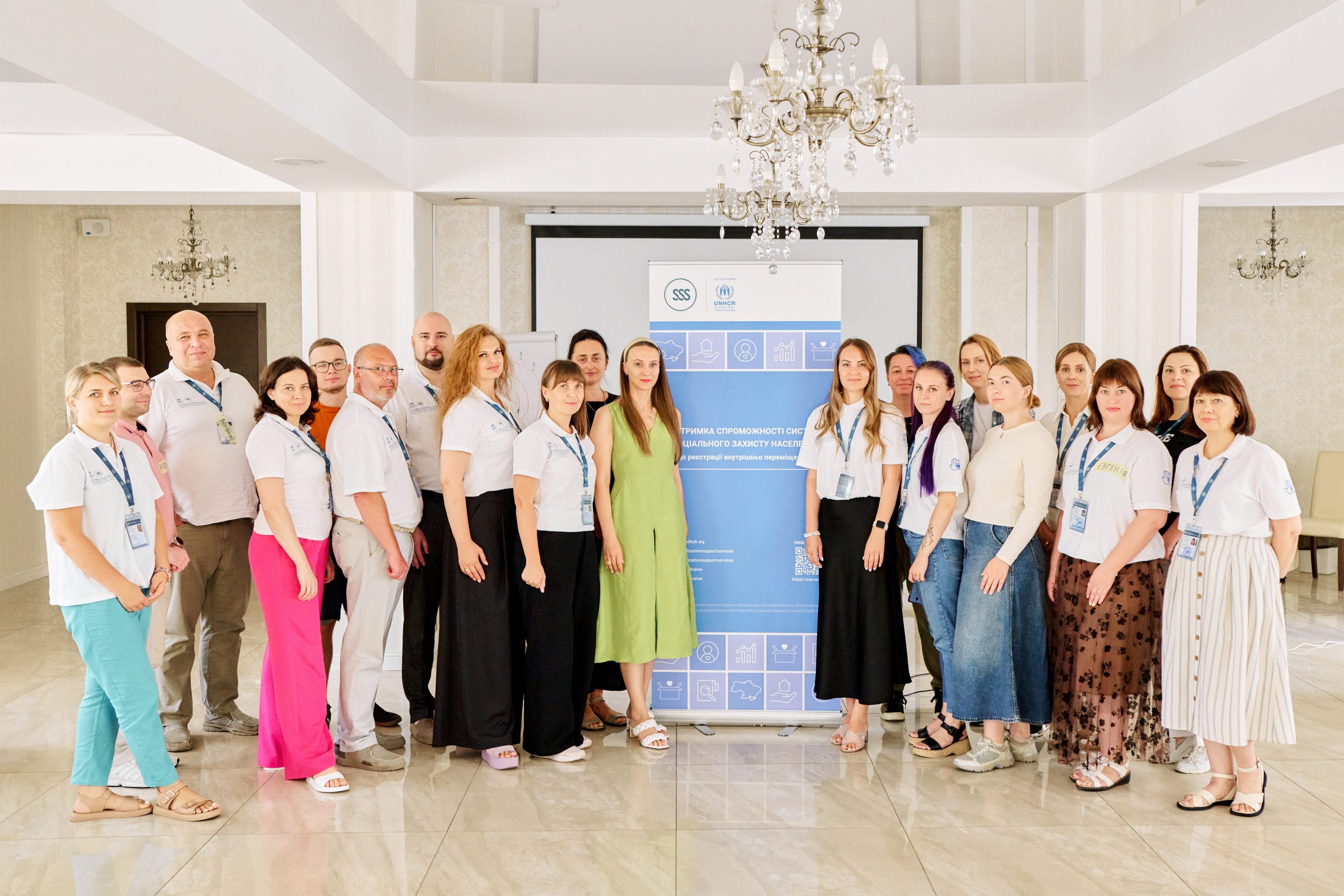
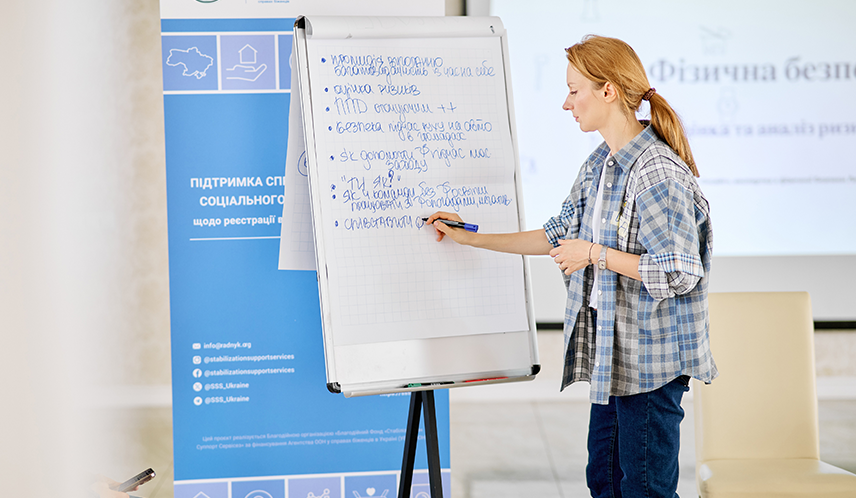
The more challenging the living conditions, the more often people tend to neglect their safety. To raise awareness of daily risks, the team of our project to support social protection participated in training sessions on psychological and physical safety.
Together with guest coaches Hanna Lytvynova and Olha Semenova, we addressed several important safety issues, including:
- How to prevent burnout?
- Why do we experience decreased alertness and a sense of danger?
- How to prepare a safety plan for yourself, your family, and your coworkers?
Over the course of two days, participants learned how to:
- Manage stress and recover from secondary traumatic experiences;
- Diagnose burnout and counteract it;
- Increase personal resilience;
- Provide first psychological aid to themselves and those around them;
- Distinguish between risk and threat;
- Create personal safety algorithms.
The coaches also familiarized the project team with legislation governing the acquisition and use of self-defense tools and weapons.
We asked our colleagues which information and skills gained during the training they found most valuable.
Oksana Yakovets, Regional Coordinator of the Project in Lvivska Oblast:
“The training helped me realize that my physical safety and psychological stability are based on knowledge, situation assessment, quick reaction, thoughtfulness, and attention. I understood that physical health depends not only on an active lifestyle, healthy food, and sound sleep. My life depends on the ability to assess the negative impact of potential danger and make decisions or take actions that prevent or mitigate risks.
The Risk Assessment Model exercise was particularly interesting. Until now, I hadn’t considered how important it is to thoroughly assess risks before making any important decision or taking action, especially in a critical situation. I liked the concise and practical ‘6 Ps’ rule: approach, support, remember reality, assist, care, and transfer. These guidelines are worth remembering and applying in our work.
The information about stress reactions and what not to do when dealing with someone in a stressed-out state was also helpful. This knowledge is valuable because, without it, one might unintentionally cause more harm instead of helping. The recommendations on how to avoid the long-term effects of stress and recover as quickly as possible were also useful. I’ve already had the opportunity to share them with internally displaced persons.”
Liudmyla Rudenko, Regional Coordinator of the Project in Sumska Oblast:
“Thank you for organizing this training. For our team working in Sumy, particularly in border communities, it is crucial to develop an action plan for crisis situations and know how to interact with people who have been under shelling correctly. I particularly liked the exercises where we could practice stress response skills.”
We encourage everyone to cultivate the useful habit of taking care of themselves and ensuring their own safety!
We conduct educational activities within the framework of the Supporting the Capacity of the Social Protection System to Register Internally Displaced Persons project, funded by the UN Refugee Agency in Ukraine.