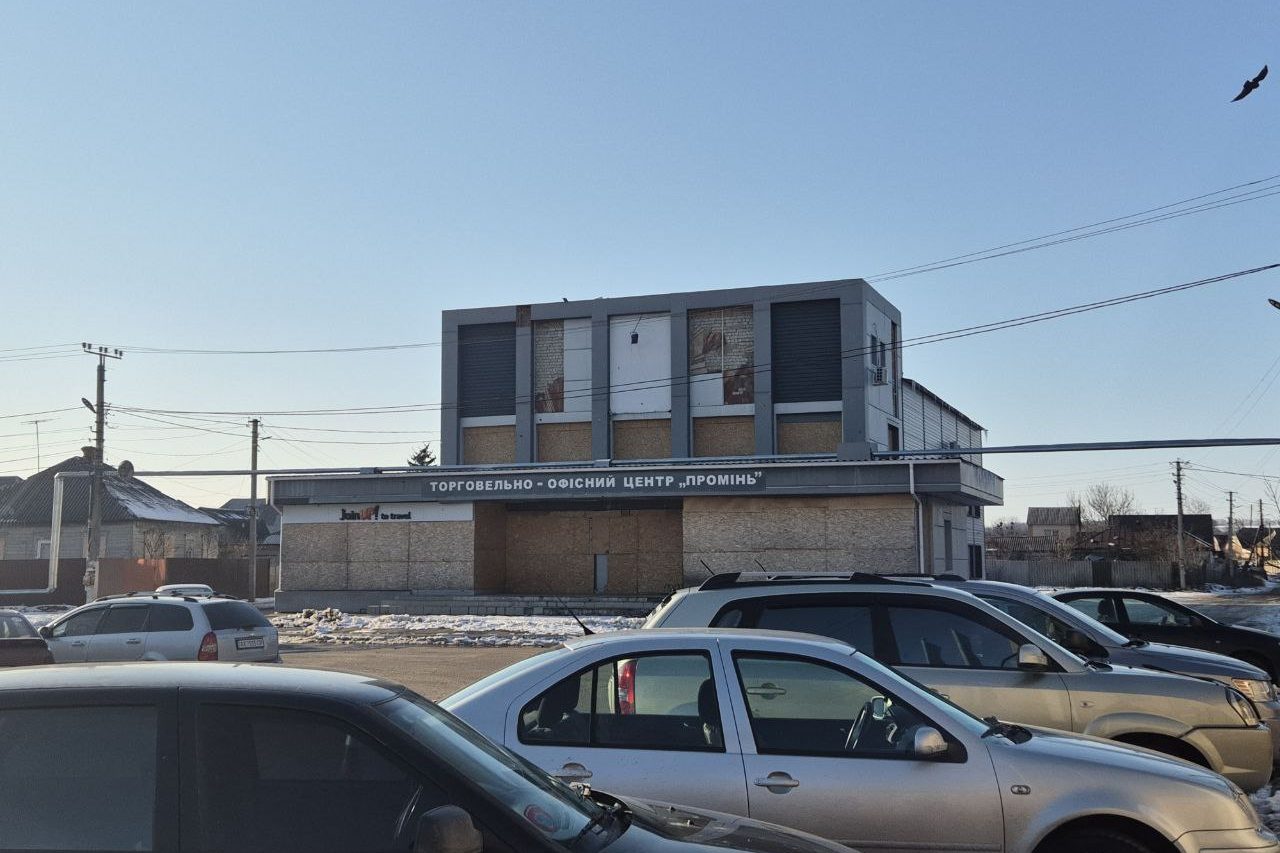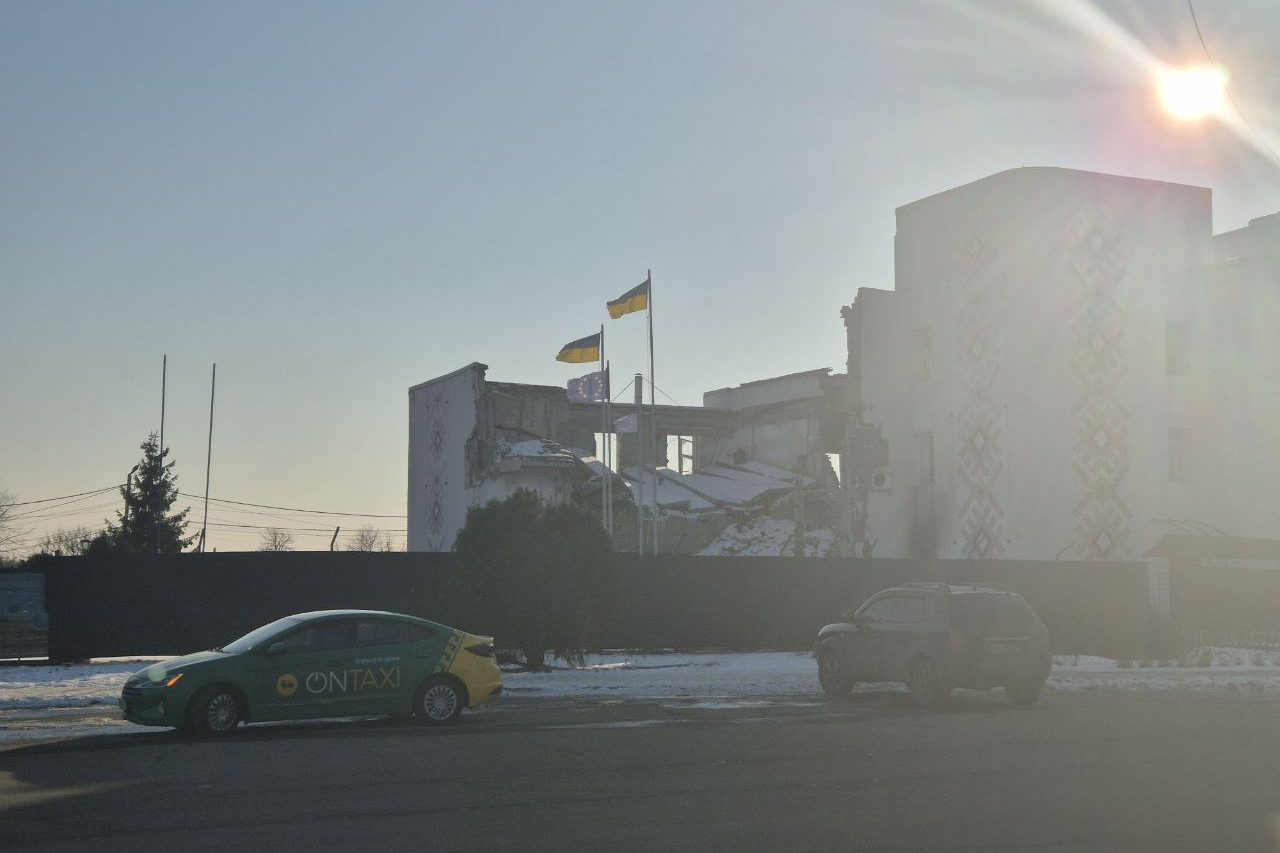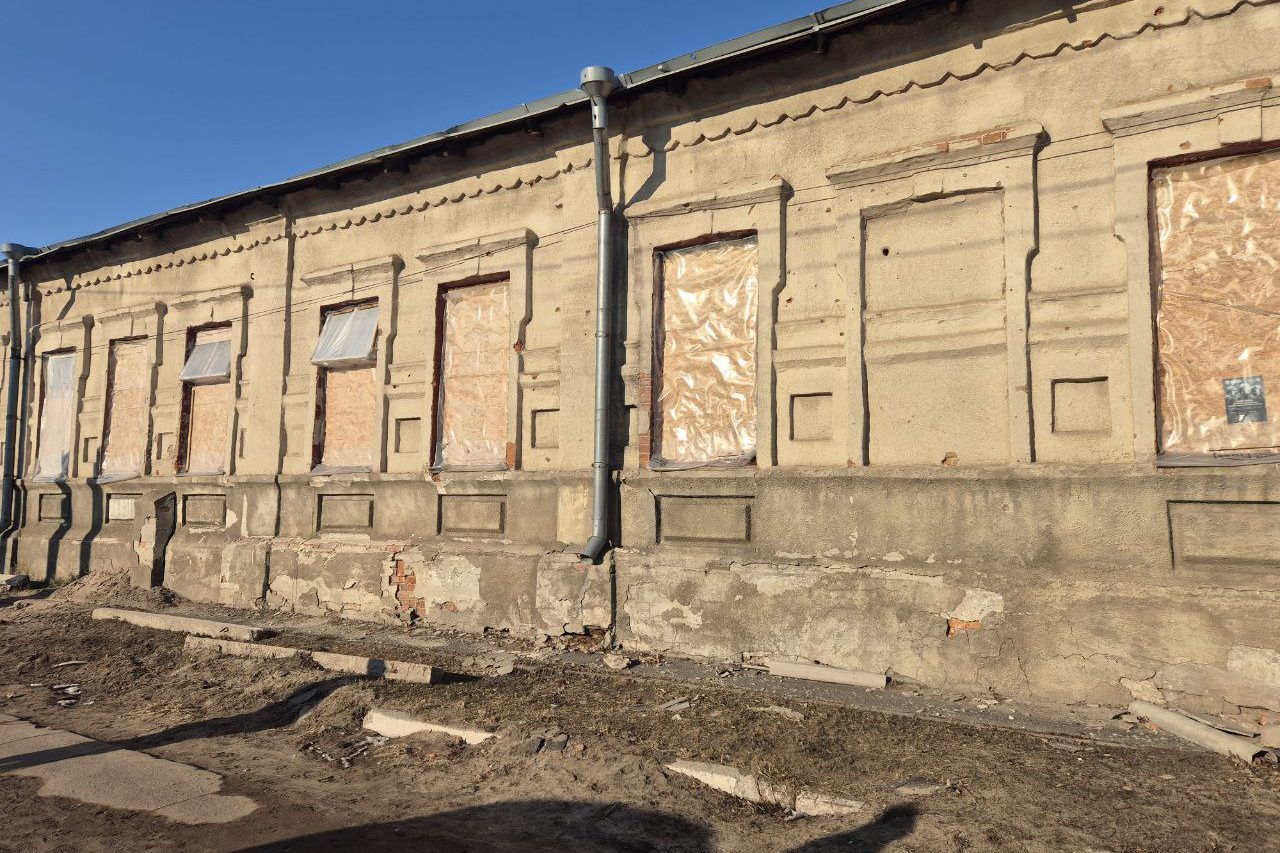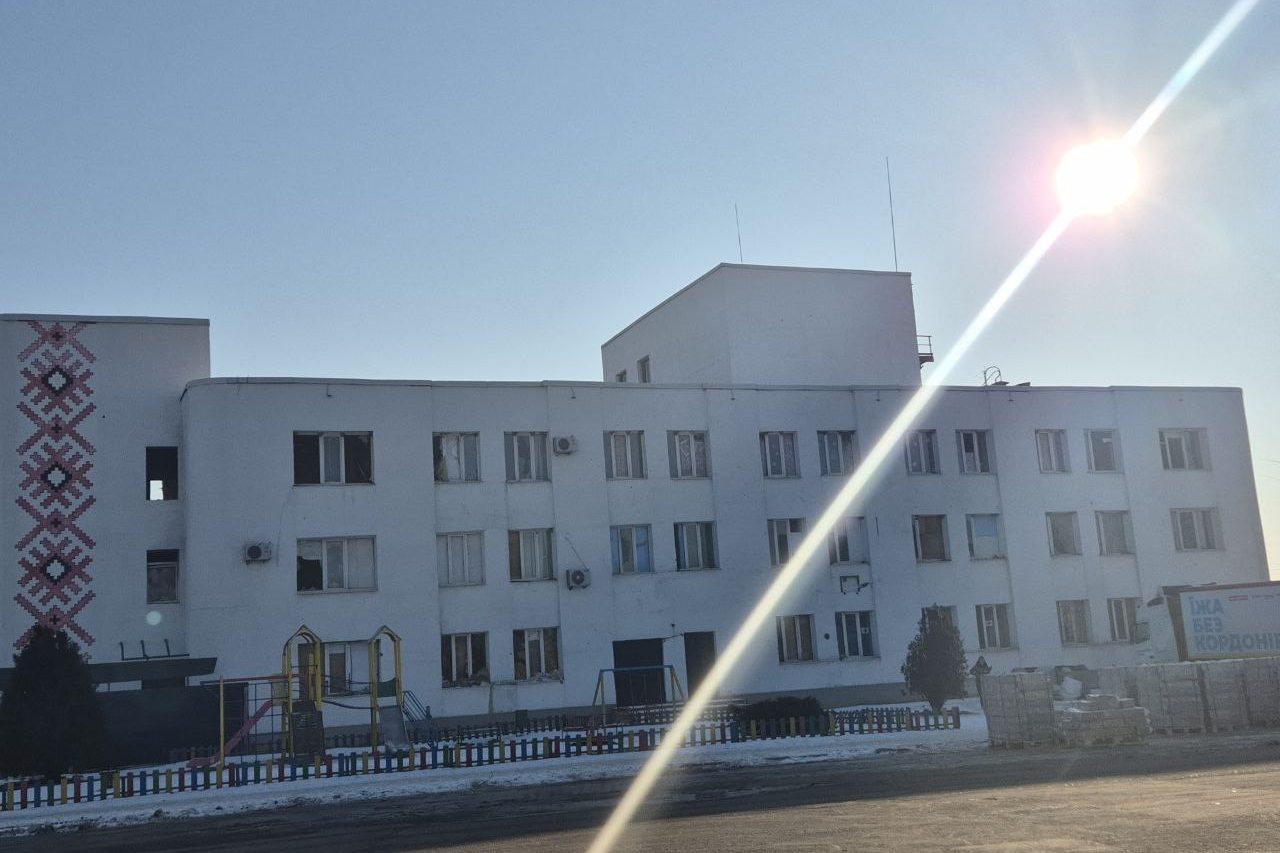
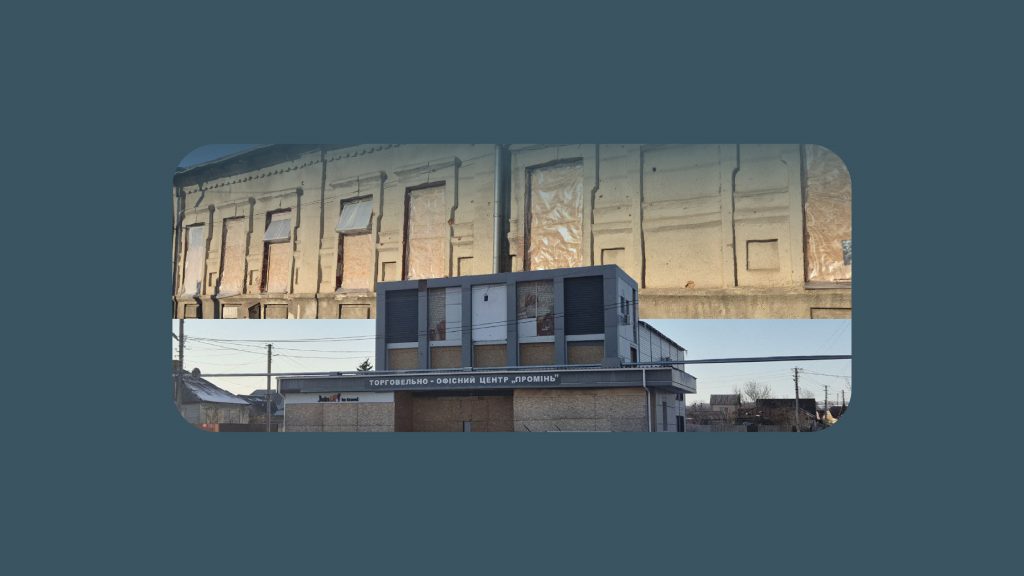
Despite the ongoing war, Ukrainians are already thinking about how to rebuild their cities and villages. Some have already begun actively planning recovery and need support in this effort. This is exactly what the residents of the Derhachivska community in Kharkivska Oblast are doing. Thanks to the Strengthening Resilience and Protection of Conflict-Affected Individuals, Communities, and Systems in Central and Eastern Ukraine project, our Foundation will assist them in developing a strategic recovery plan. We spoke about this and the situation in the community with Inha Tokarenko, Deputy Head of the community.
— The Derhachivska community has suffered significant destruction, but the authorities have already begun its active recovery. How is this process going?
— Recovery is our main priority. We are working to restore housing and infrastructure and bring normal life back. Some key projects have already been completed or are in the final stages, including a modern two-story hospital and a Municipal Services Center. Additionally, two blocks of apartment buildings have been renovated — facades, roofs, entrances, and water supply systems have been restored, with improvements to surrounding areas as well.
Our people are returning, which means we must focus on rebuilding. We understand that without a recovery plan, it will be difficult to attract investments. That is why we have already started inventorying land plots and architectural assets and are developing a general plan and a spatial development plan.
— You mentioned that residents are returning. What is the overall situation with people coming back?
— Nearly half of the community’s residents have already returned home. We are working continuously to create comfortable conditions for them: we provide administrative services, coordinate with humanitarian organizations, facilitate the provision of humanitarian aid, respond quickly to the consequences of shelling, and assist with emergency repair kits for recovery.
In smaller settlements, the level of destruction is much higher, so people are returning more slowly. In the spring, they repair their homes, but during colder months, some temporarily leave. However, they do not abandon the community entirely—border villages often migrate to Derhachi. That is why most of the nearly 2,100 internally displaced persons have come from within our community, as well as from neighboring Lipetska and Vovchanska communities.
— What is the status of restoring social and educational facilities?
— Hospitals have remained operational throughout. The education process continues online. Eight safe spaces have already been created for children and adults to study, socialize, and receive psychological support, and several more are under construction.
— How has the war affected local businesses? Are there opportunities for recovery?
— Businesses have suffered significant losses — most enterprises have been destroyed or relocated. We stay in touch with our entrepreneurs, and they say they will definitely return as soon as it is safe. Before the war, the business climate here was very favorable: we helped with paperwork and legal support, and we regularly organized coordination events such as roundtables and meetings. Now, we constantly inform our businesses about opportunities, competitions, and grants.
— What are the main challenges the community faces in its recovery?
— The biggest issue is the extent of destruction and the need for substantial investment. In Derhachi, the reconstruction process is moving forward actively, but some areas remain unsafe. We need additional resources for large-scale recovery, and we are working on securing funding.
However, the most important thing is the return of people and their belief that we will rebuild! We are open to feedback and focused on the opinions and needs of our residents. That is why public hearings and discussions will be held as part of the planning process to ensure that the community’s vision is fully considered.
The Strengthening Resilience and Protection of Conflict-Affected Individuals, Communities, and Systems in Central and Eastern Ukraine project is implemented by the Charity Foundation “Stabilization Support Services” in cooperation with the international humanitarian organization CARE and with the support of the German Federal Ministry for Economic Cooperation and Development.