
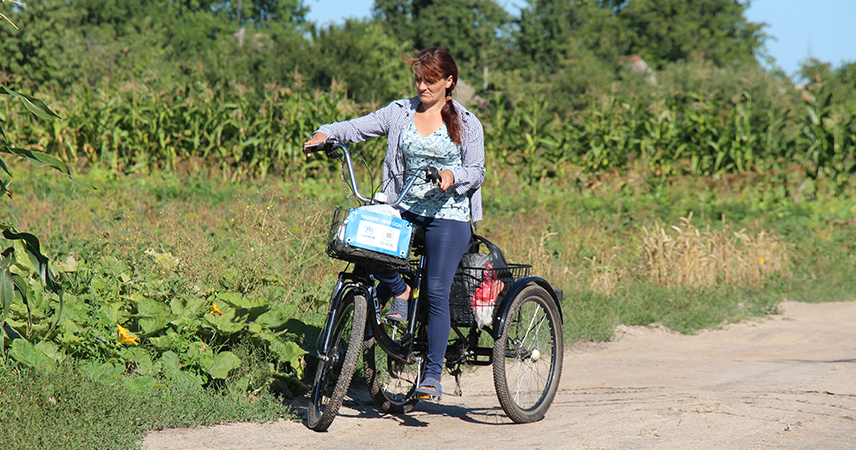
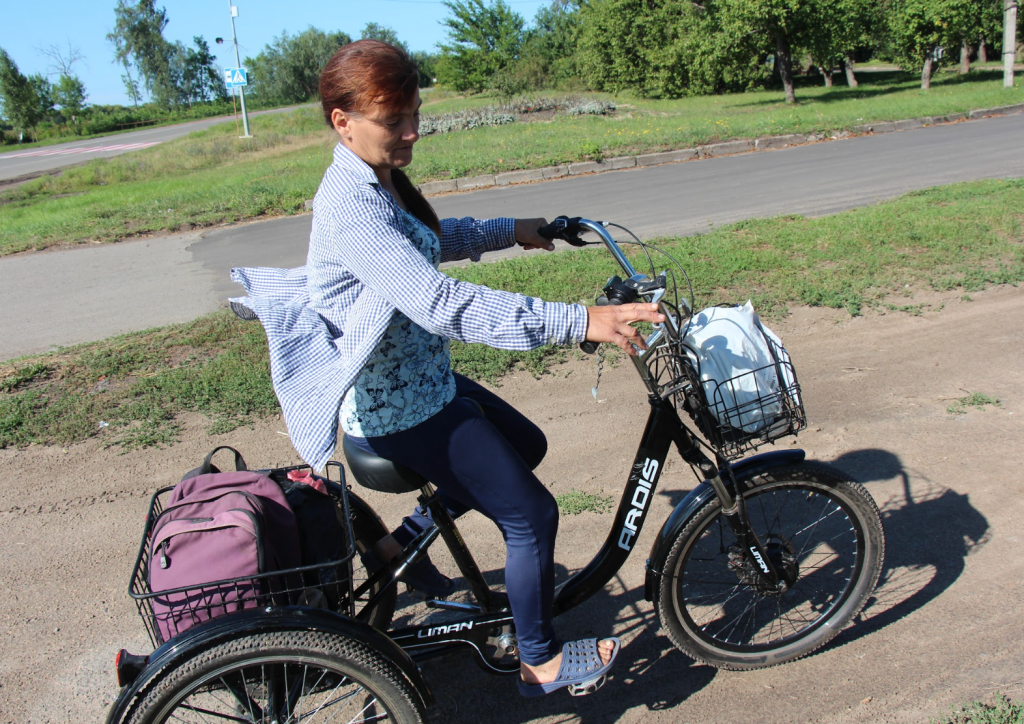
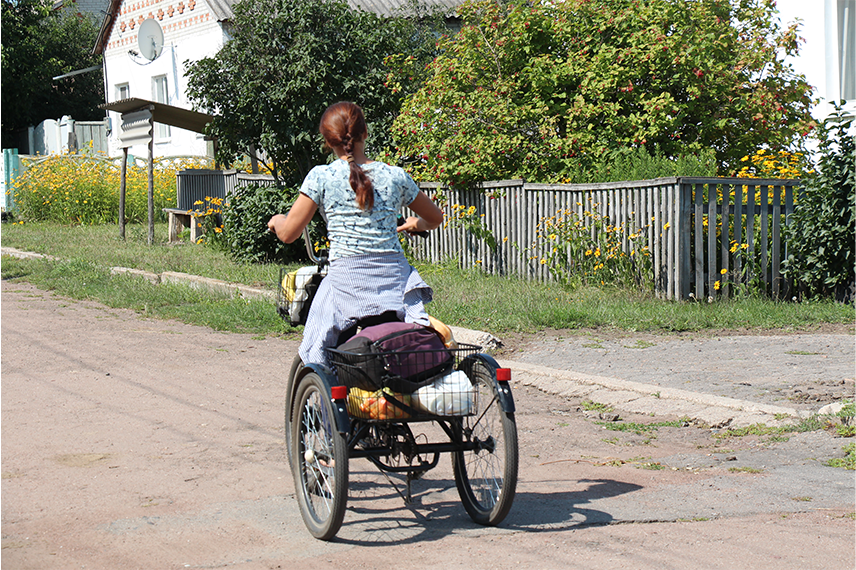
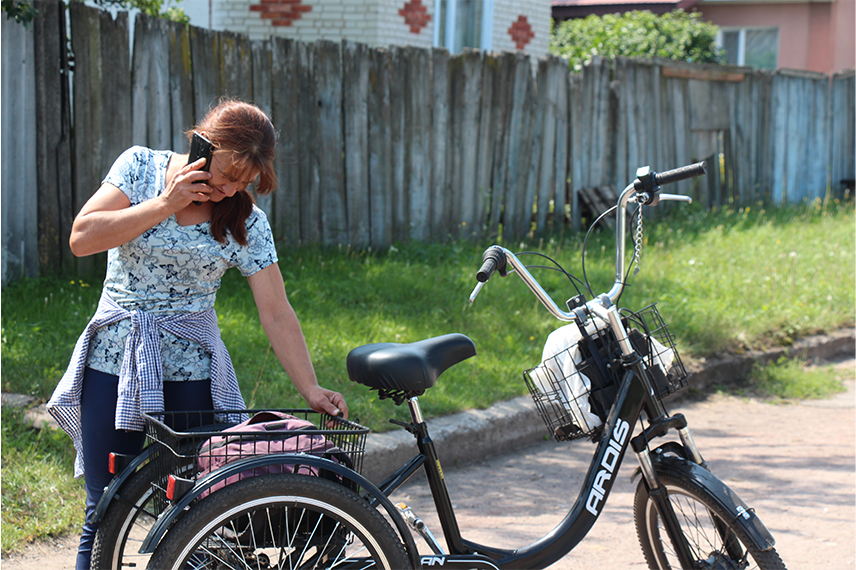
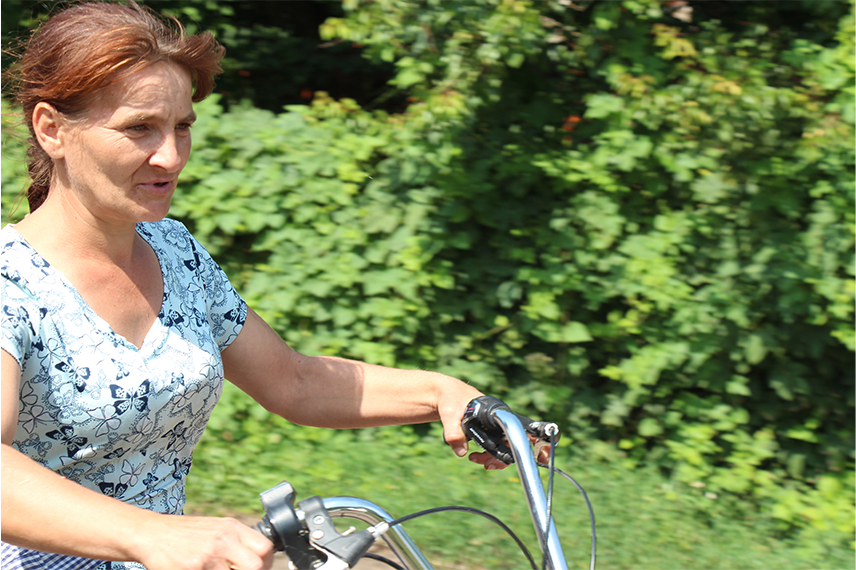
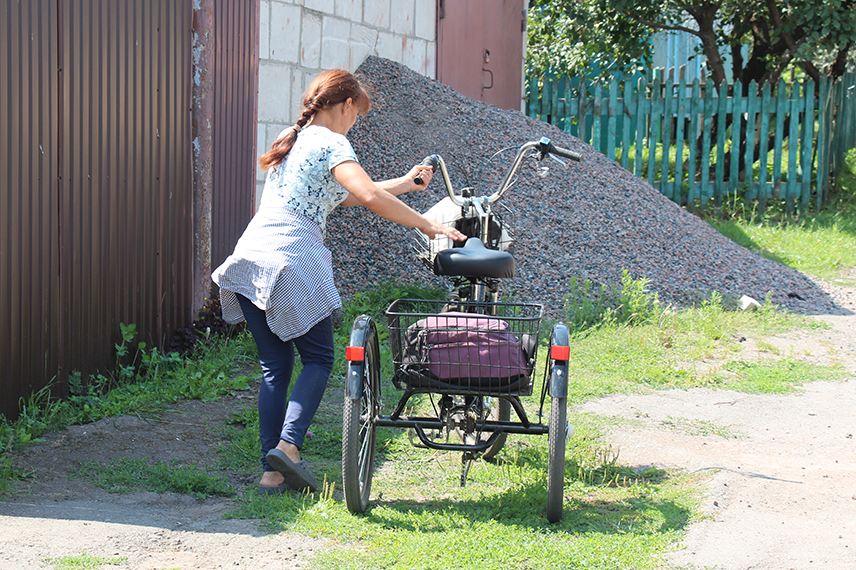
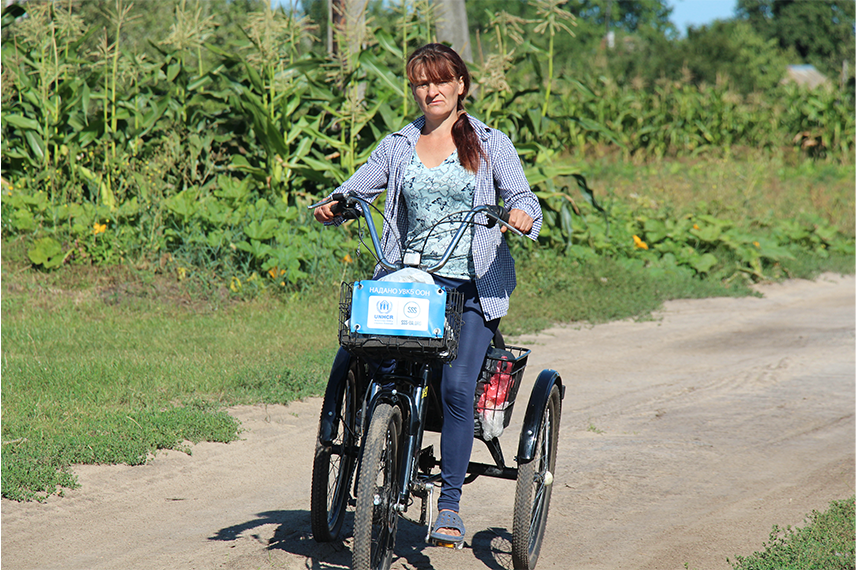
Olha Sema is one of nine social workers in Sumska Oblast to whom we handed over bicycles this year. Thanks to the new means of transportation, they can move around more quickly and provide social services to their charges, including delivering groceries and medicines, assisting with household chores, and performing other essential tasks. In August, we spent a day with Olha to learn about how this assistance has impacted her work. See the photo report on how she visited two charges living in different villages of the Sadivska Community on her bicycle.
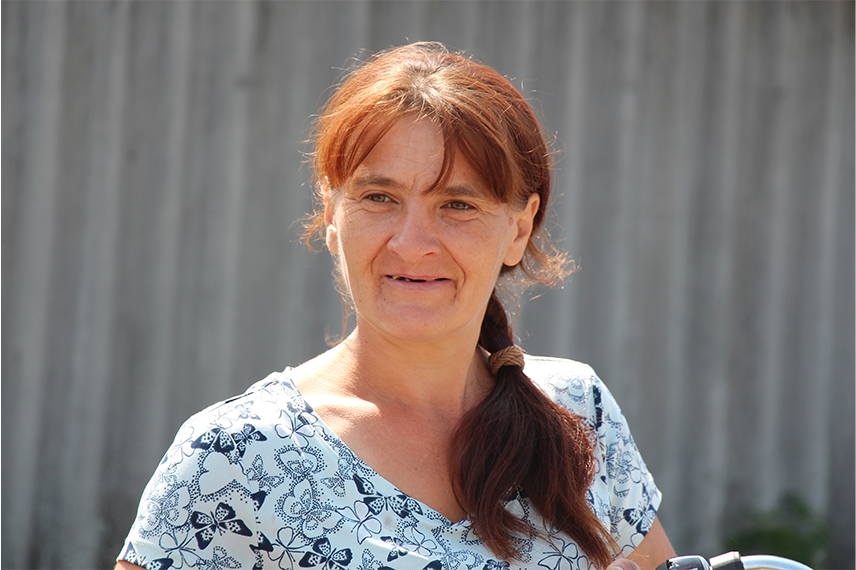
Olha Sema has been working in the social sphere for ten years now, currently at the Center for the Provision of Social Services of the Sad Settlement Council in Sumska Oblast. She currently has 12 charges living in three villages of the Sulske starosta district. For the most part, these are lonely elderly people who have health problems and require home care services.
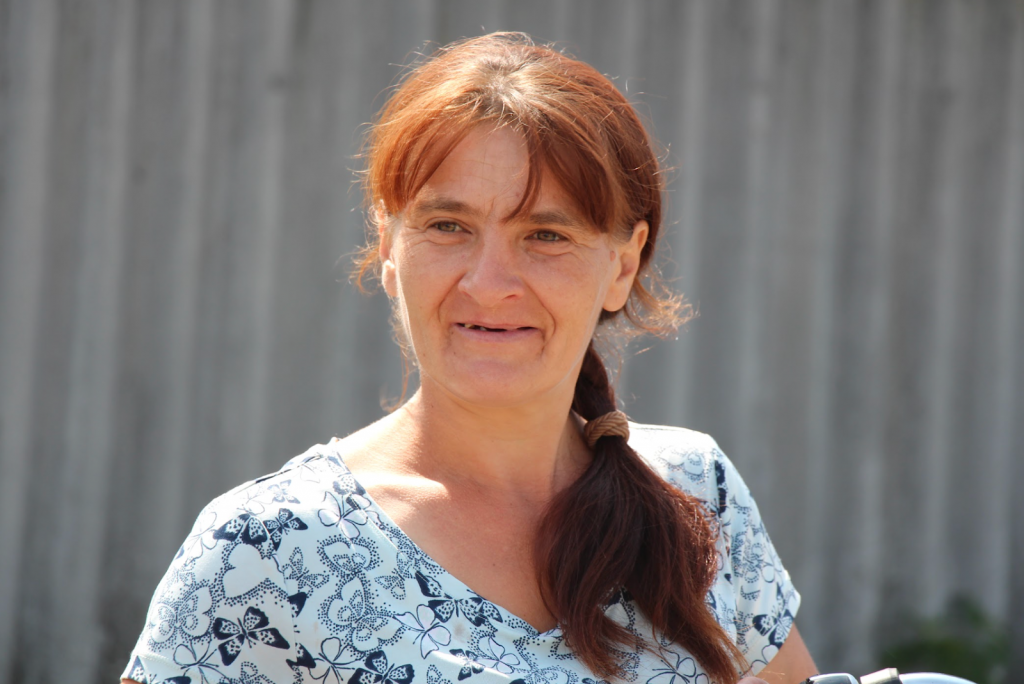
“I live on the outskirts of Sula, and it is seven kilometers from my house to some of my charges. That’s almost two hours on foot one way. So I had to leave the house very early in the morning just to manage visiting at least two of them,” recalls Olha. Now, on the electric bicycle, she can get anywhere in under 15 minutes. “The time savings are undeniable!” notes Olha, adding that time is the most valuable thing we have.
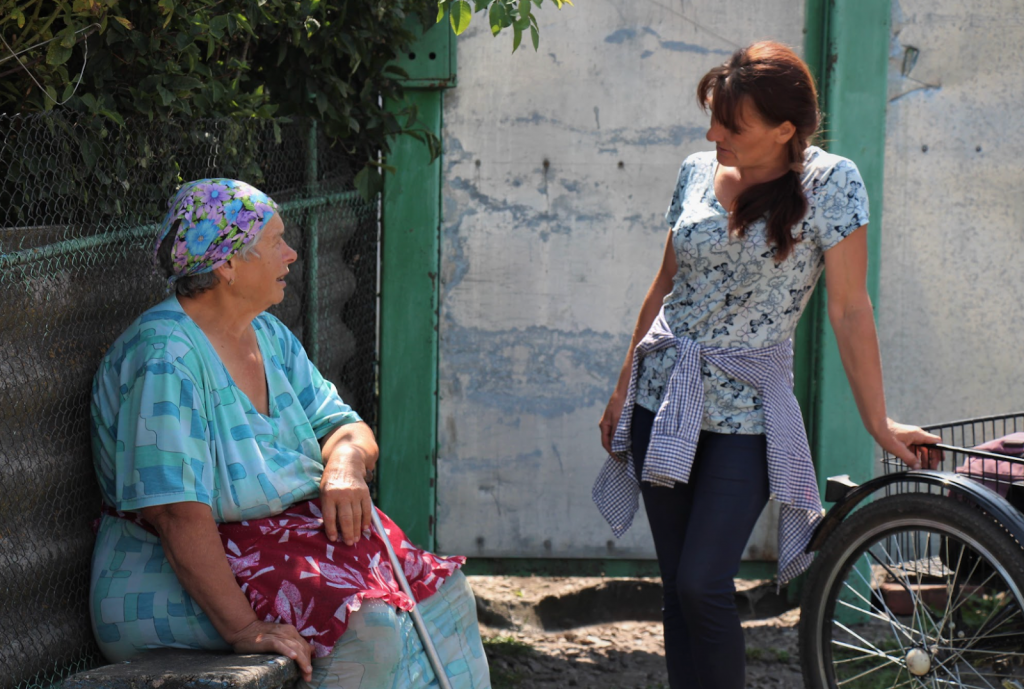
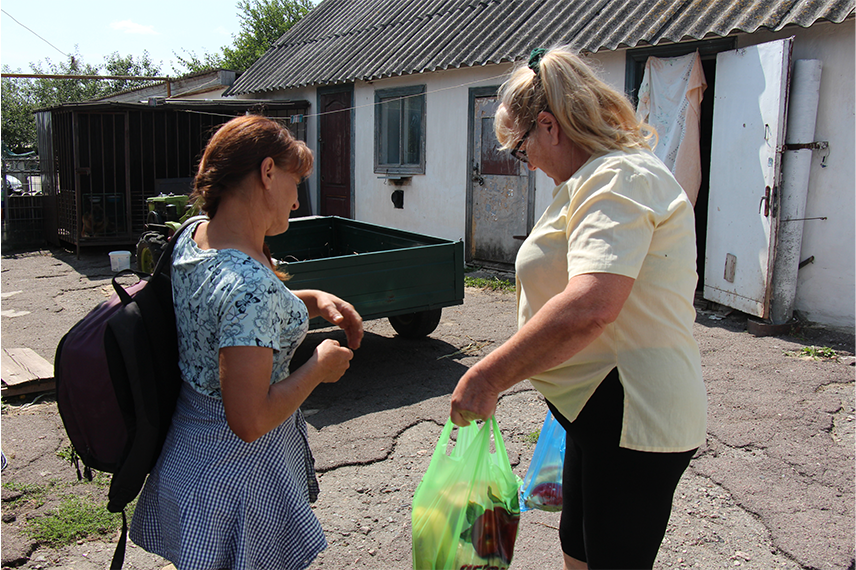
According to the plan, she is visiting two women today. First — Natalia Titarenko, a lonely pensioner who keeps a rather large farm and is waiting for the social worker’s help. On the way, we stop by the village store, where Olha usually buys groceries ordered by her charges. But today it is treats — bananas and gingerbread cookies.
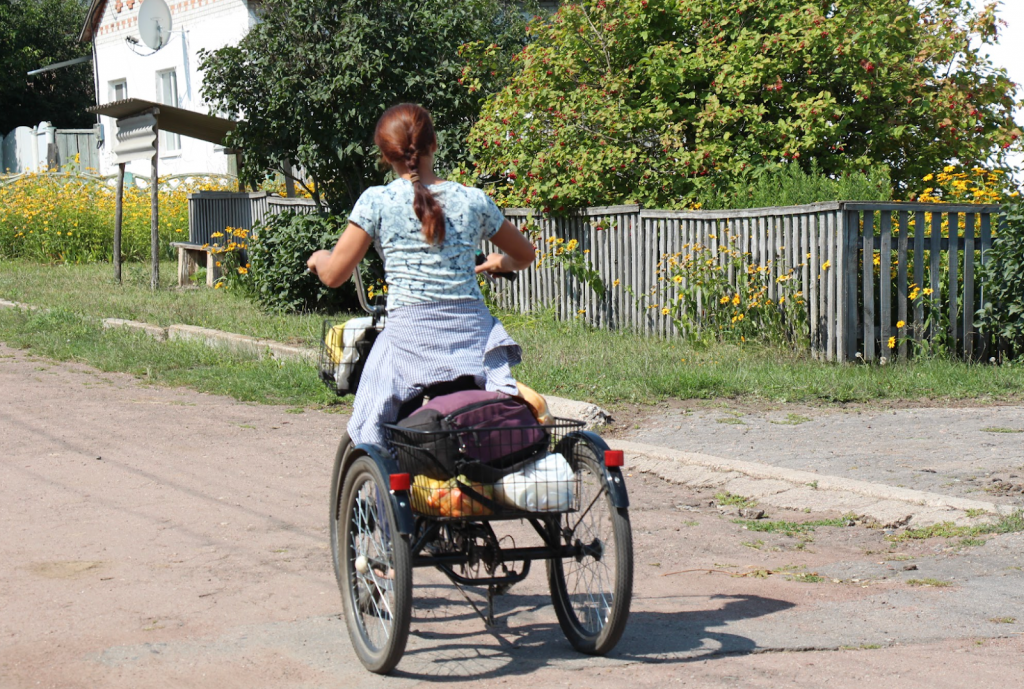
“This is for the other Natalia, she’s been feeling a bit down lately, so, as they say, we need to sweeten life a little,” explains Olha and calls her charge. “Hello, are you home? Aha, then I’m coming over to you now, I’ll gather the things for the laundry.”
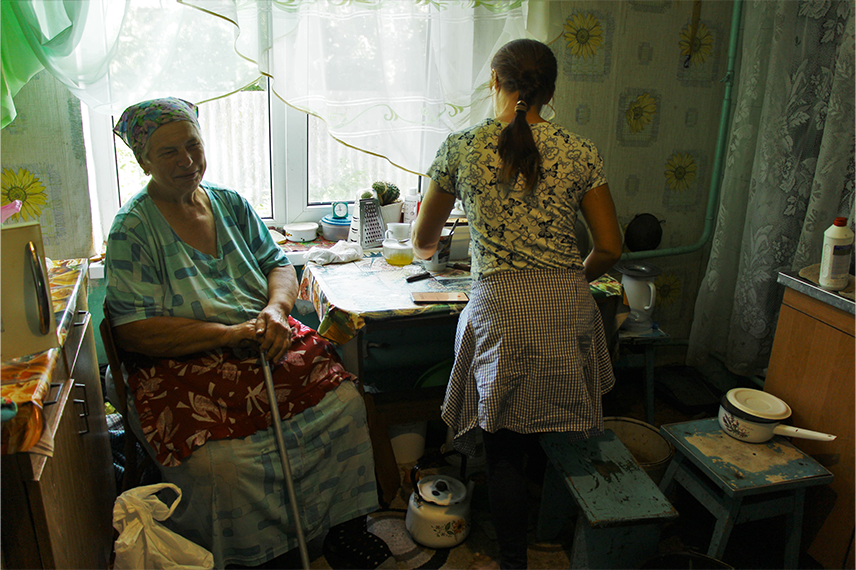
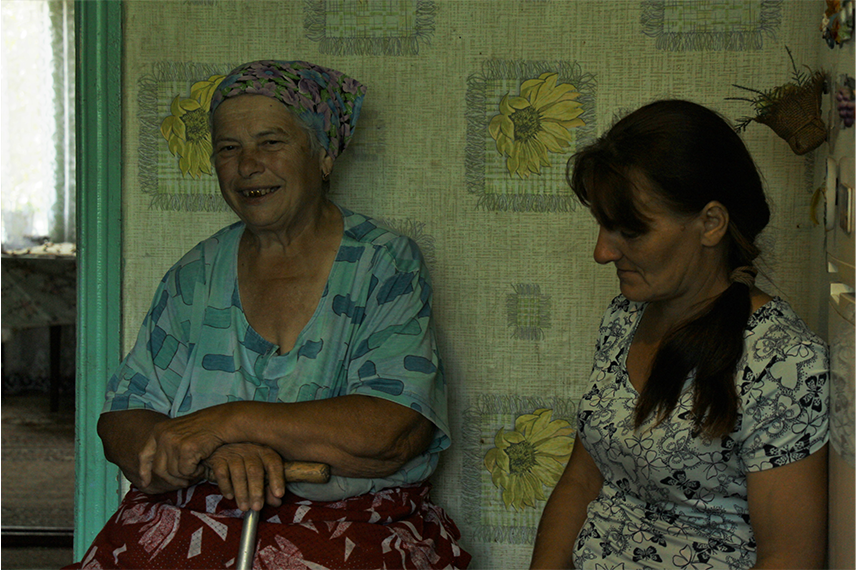
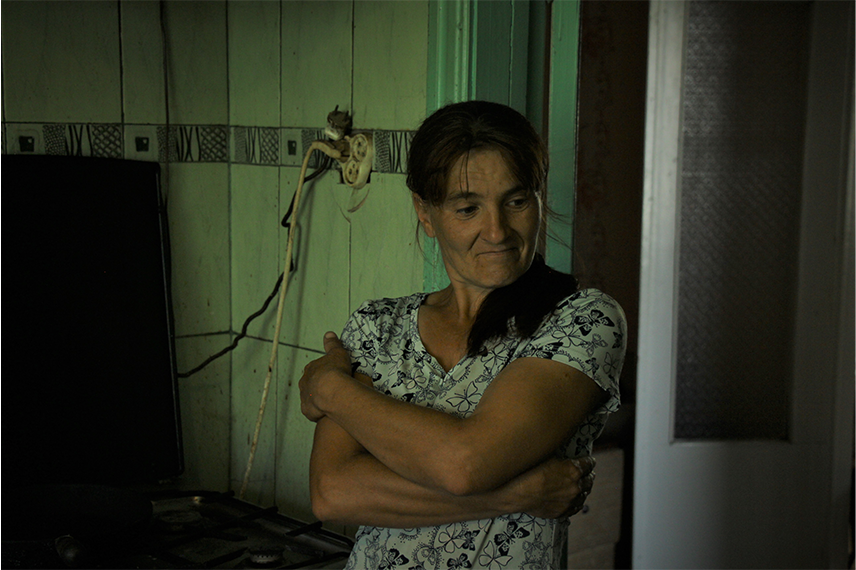
Natalia was waiting for Olha in the kitchen. It becomes immediately obvious that the social worker will have to stay here for a while: clear the table and prepare jars for canning. But first — a conversation: about health, the aftermath of recent shelling, and what the news is in the community and the world.
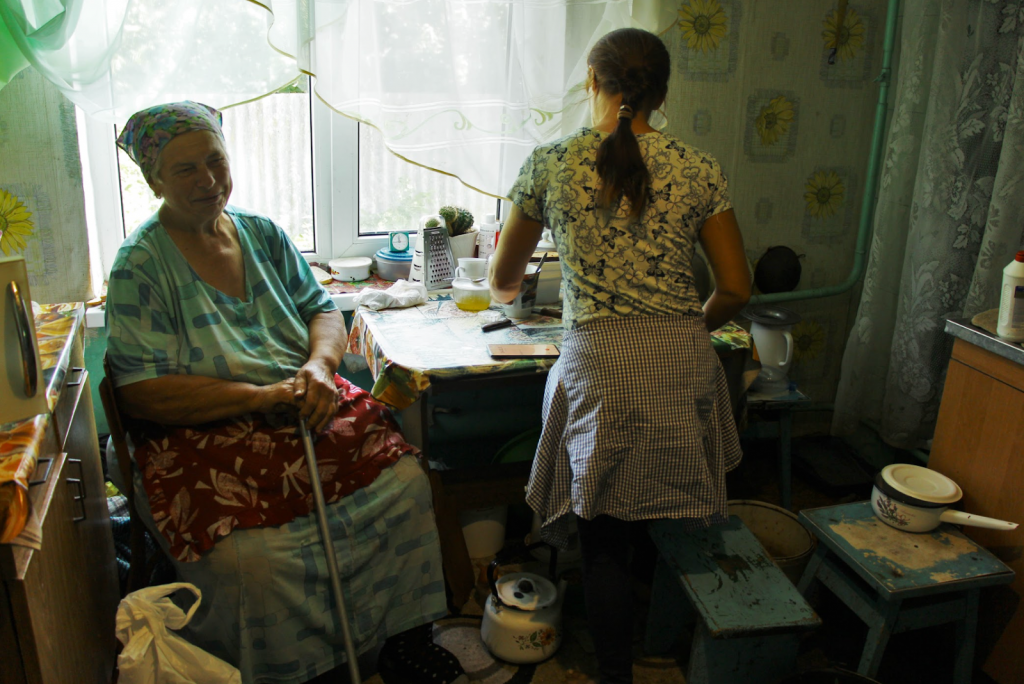
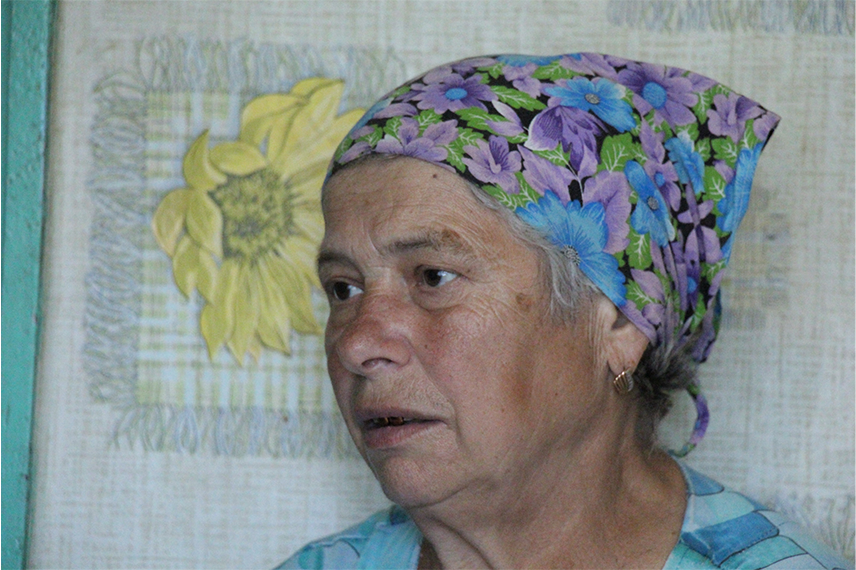
Turning to the camera, Natalia explains:
— “I don’t go out of the house anymore. If not for Olya, I don’t know how I would live.”
— “And how does she help you?”
— “She does everything I ask. She buys medicines and groceries; she cleans, takes things to the laundry, and then returns them dry and clean. When needed, she can even weed the garden. But I try not to burden her too much, I understand that she is alone, and she has many of us. You should have seen Olya’s legs when she “racked up” kilometers through the villages on foot. I’m so glad she was finally given a bike. It’s made things so much easier for her!”
— “And I see things have become easier for you, too!” Olha says with a smile, pointing out that Natalia came out of the yard to see us off.
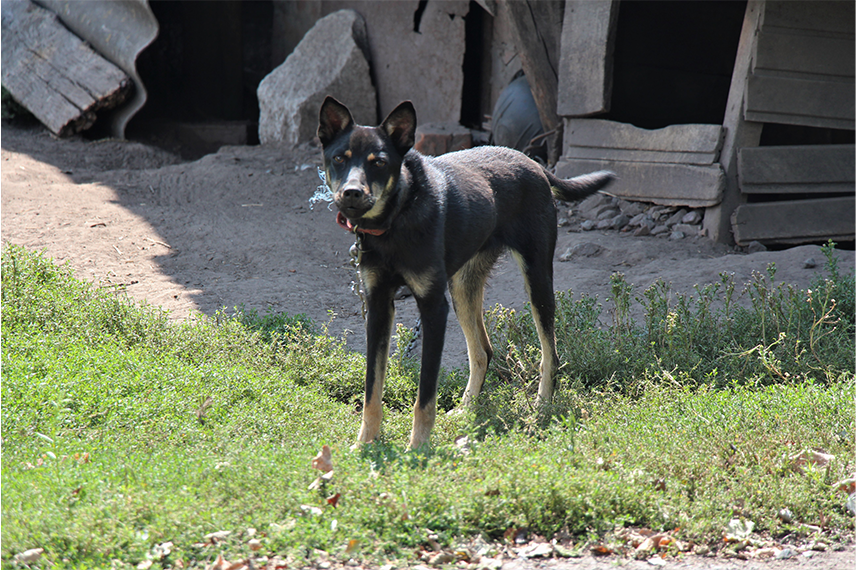
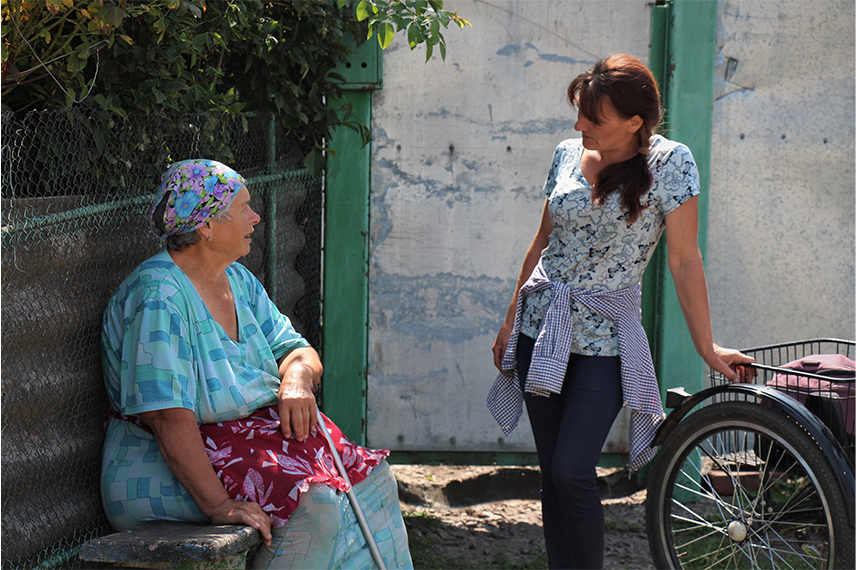
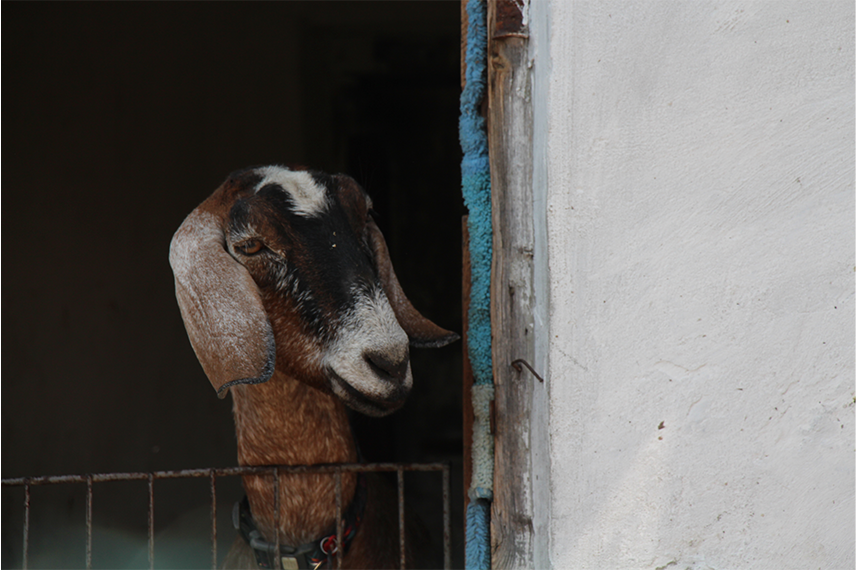
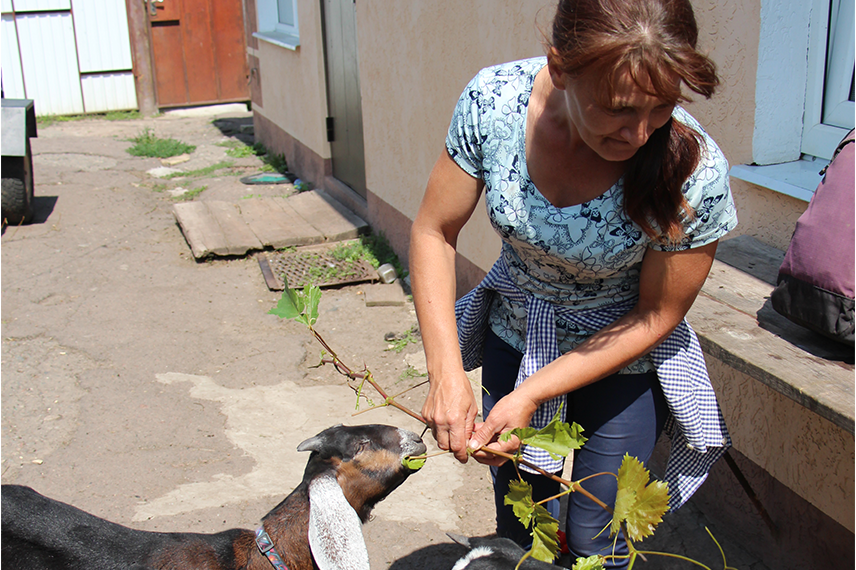
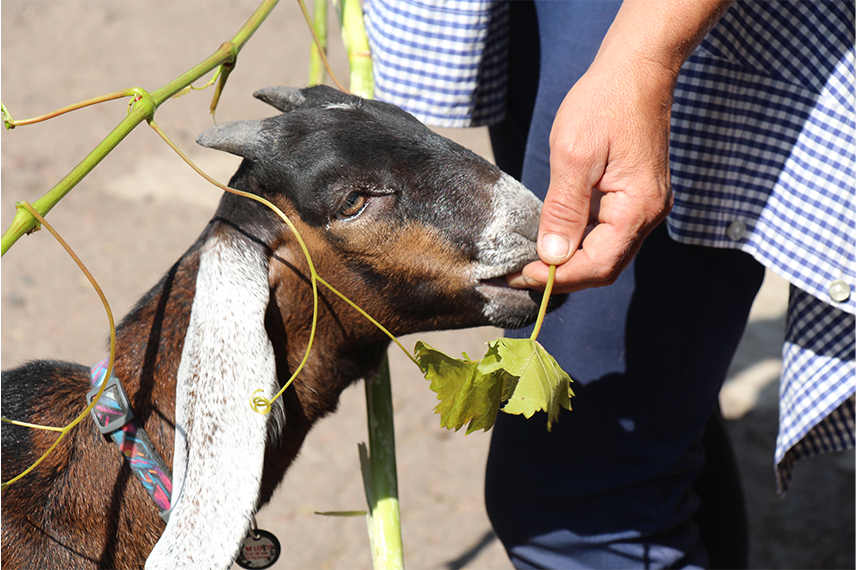
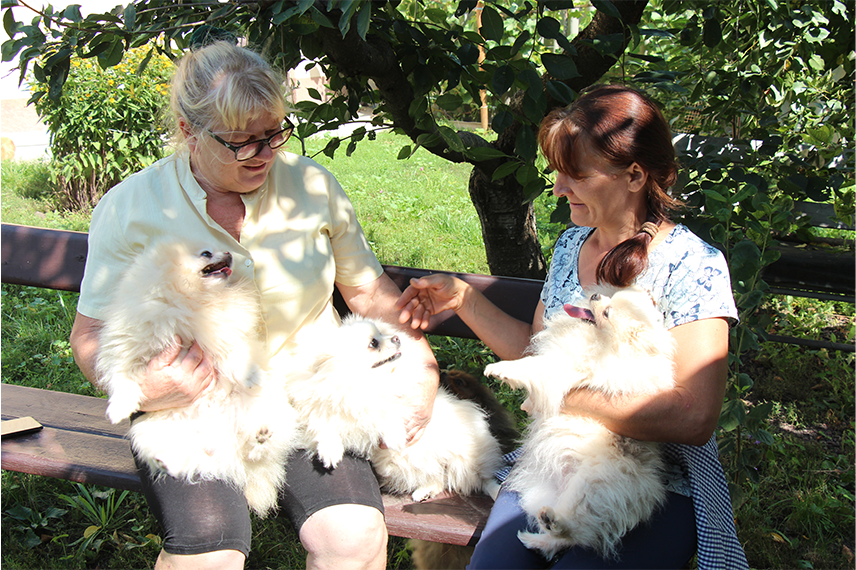
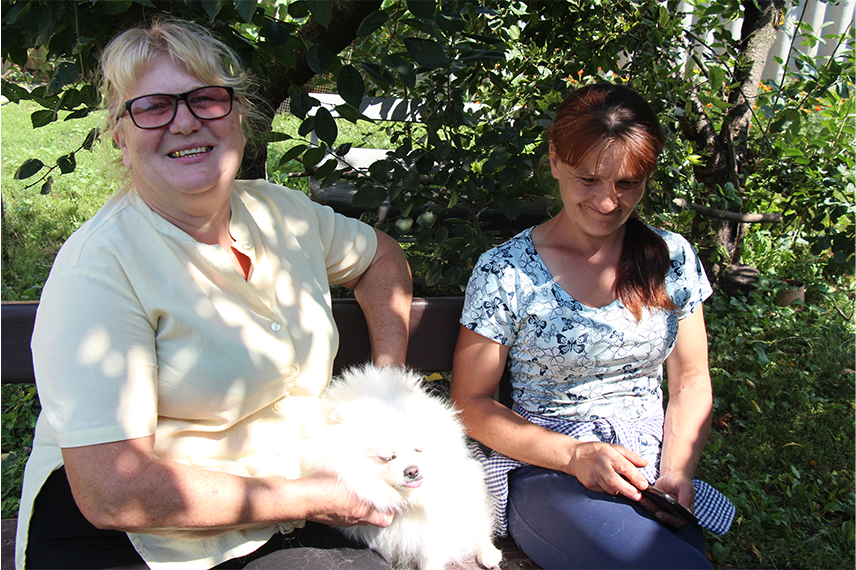
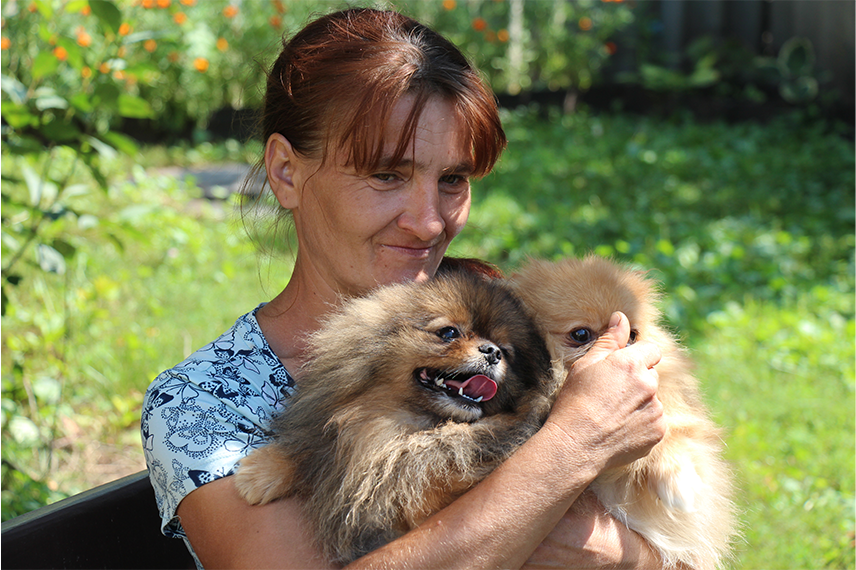
In ten minutes, we are in another village, where pensioner Natalia Kalashnyk lives. Here, an unusual charge is already looking out for Olha — an Anglo-Nubian goat nicknamed Krasulia (Beauty). Olha brought grapevines for her little baby goats. Natalia also has several dogs waiting for Olya’s hugs.
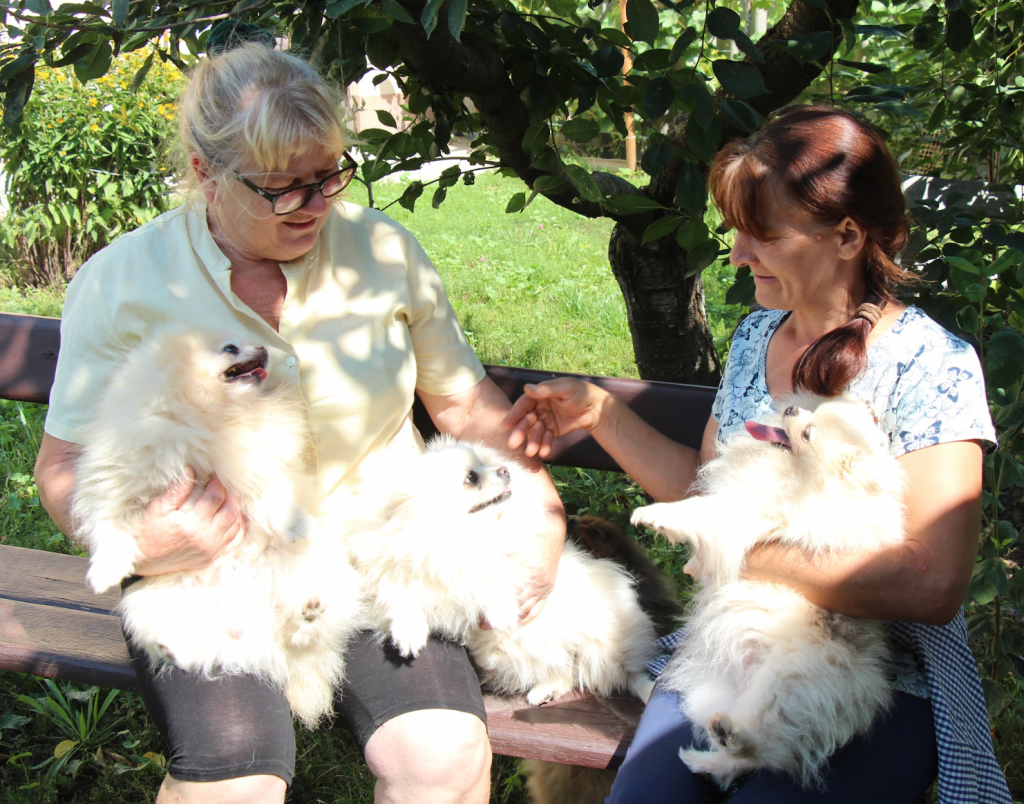
“Dear Olya and I are already like family,” the hostess says, hugging the social worker. “First, Olya cared for my mother until she was 103 years old, and now, for me.”
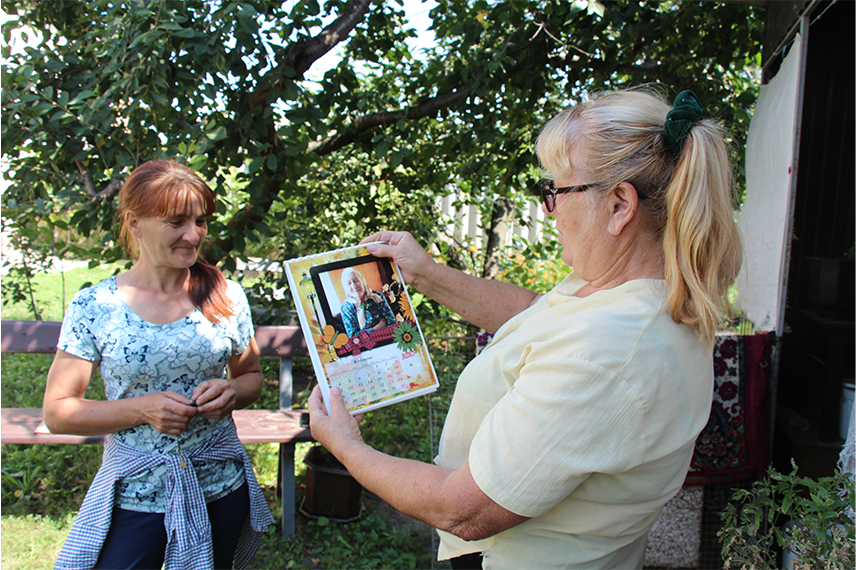
The woman brings out a calendar with a portrait of her late mother, Oleksandra Alistratenko, from the house. “My mother had a very difficult fate. She was the eldest of six children,” recalls Natalia. “Her father was taken to the war, and they wanted to send her mother along with the children to some punitive squad. To save the children, my grandmother hanged herself. And my mom, she was 20 years old in ’41, raised her sisters and brothers. She didn’t marry until she had married them all off. She was 29 when she met my father, a widower with three children. And so she raised them, too, and then three more of us were born to our parents.”
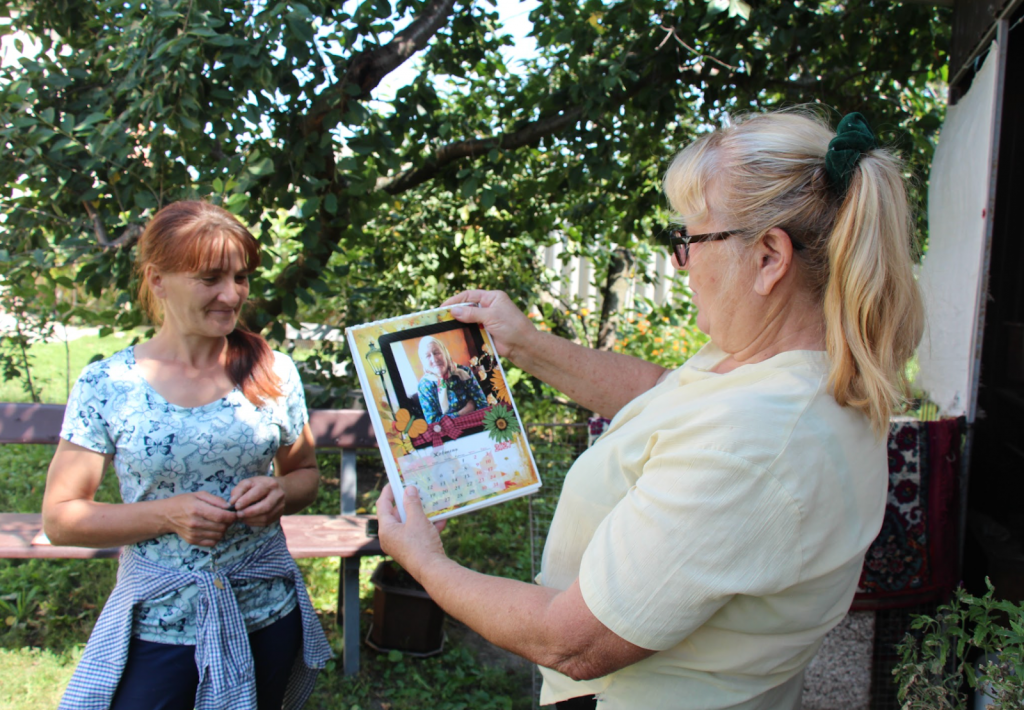
“Oleksandra was amazing, until her last day, she looked 80 at most. And look what a beauty our dear Natalia is, too!” adds Olha.
After two hours of work in Natalia’s garden, Olha finally gets on her bicycle and rides home, where her daughter and son are waiting for her.
See all photos in the carousel.
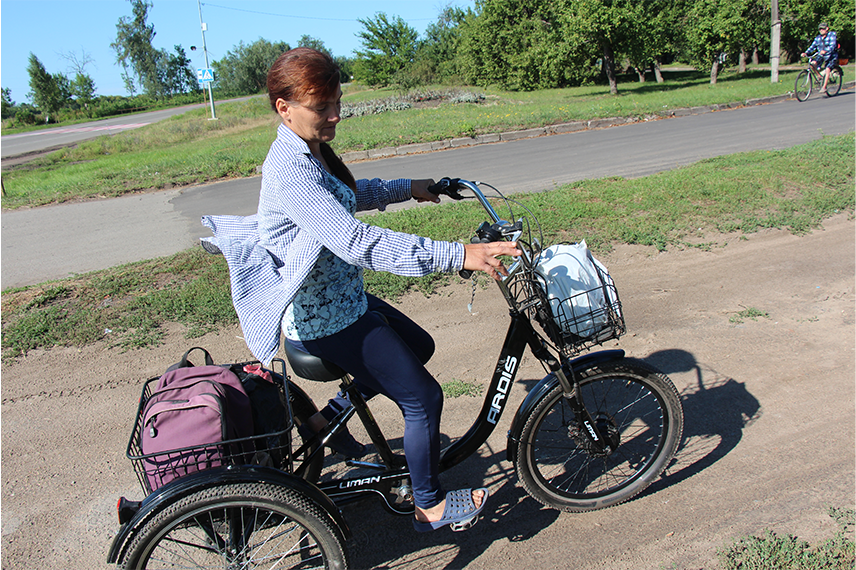
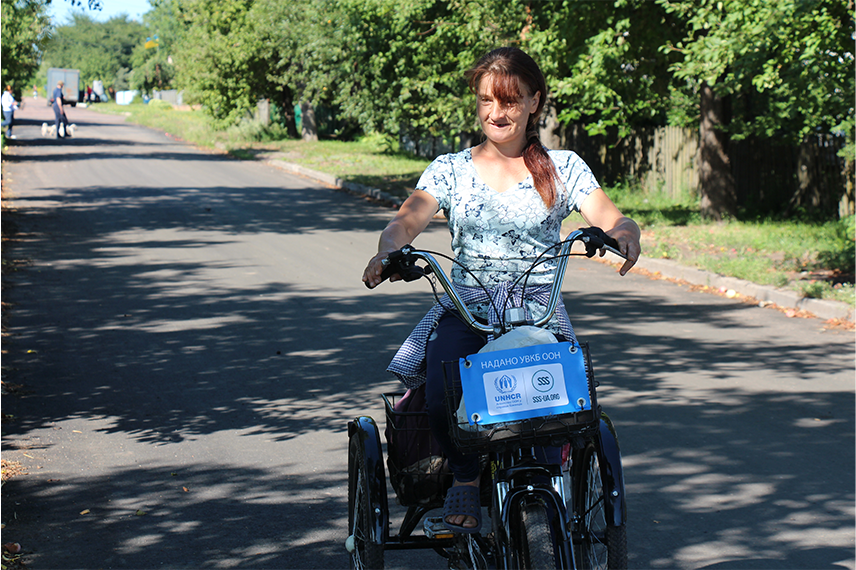
In total, this year, we handed over 223 two-wheeled and three-wheeled electric and mechanical bicycles to 72 social protection institutions in 23 oblasts. We are implementing this initiative within the framework of the Support to the Capacity of Government Institutions and Local Communities to Strengthen Social Protection Systems in Ukraine project, which is being implemented with the support of UNHCR, the UN Refugee Agency in Ukraine.