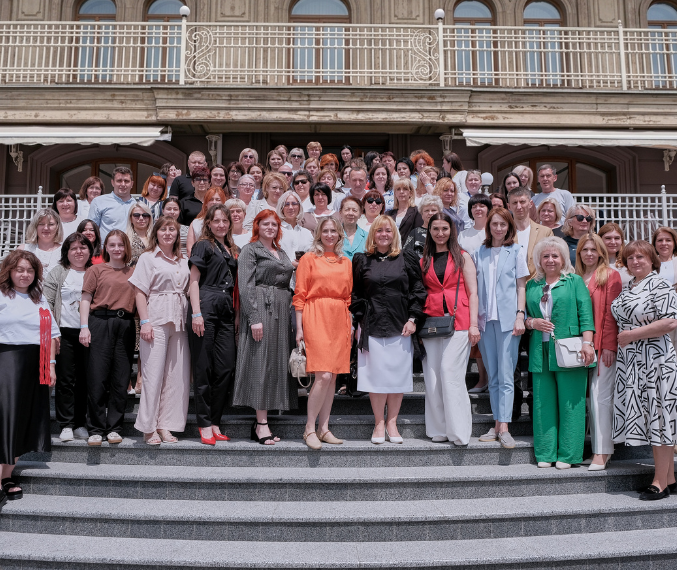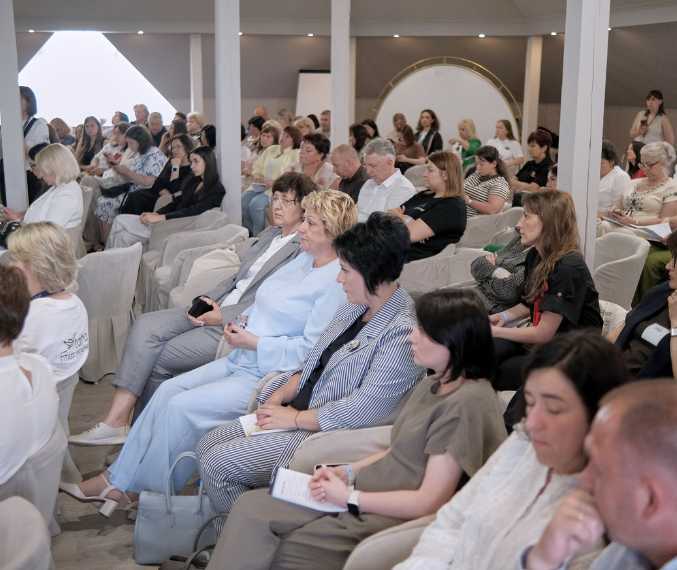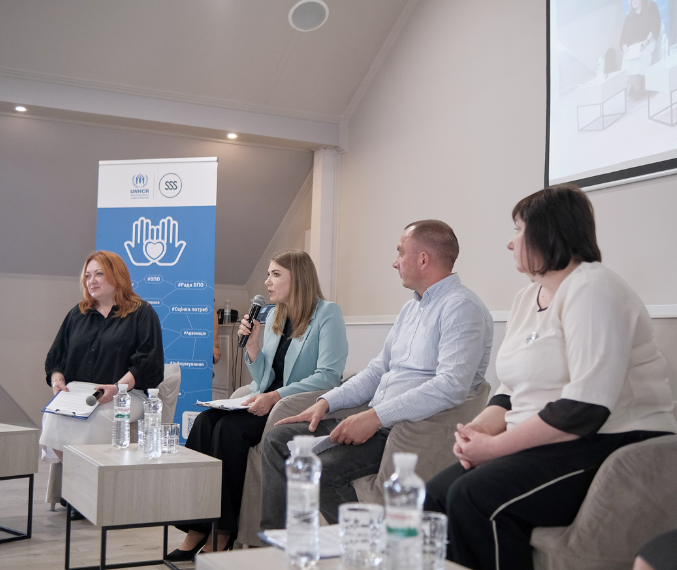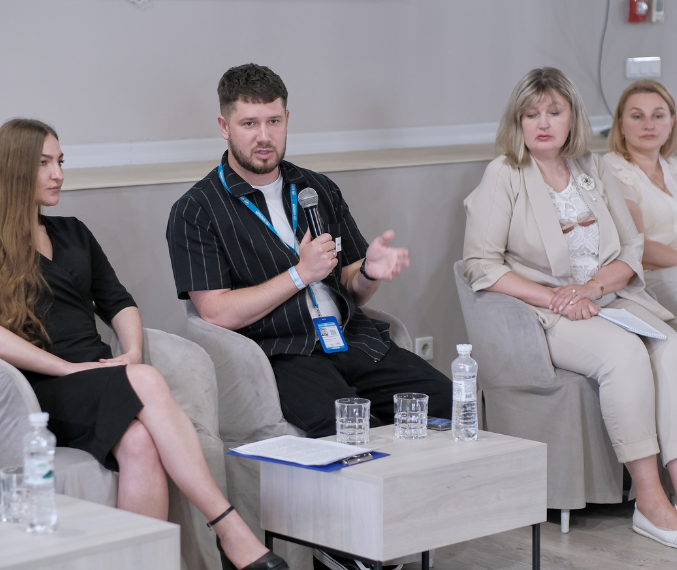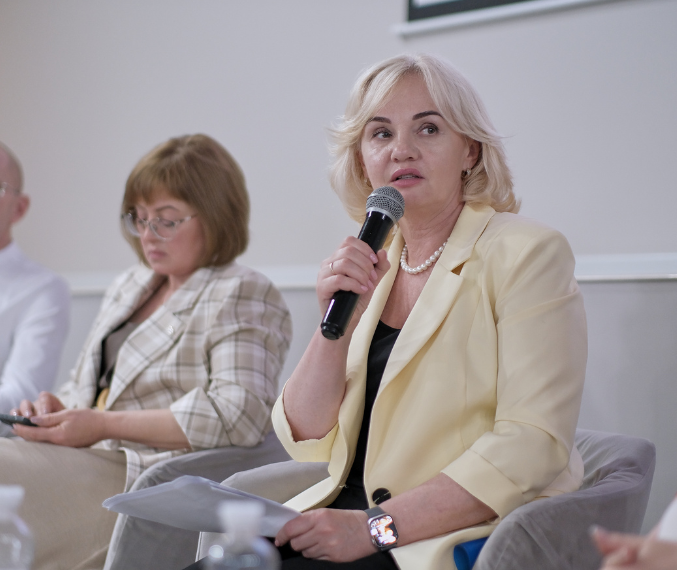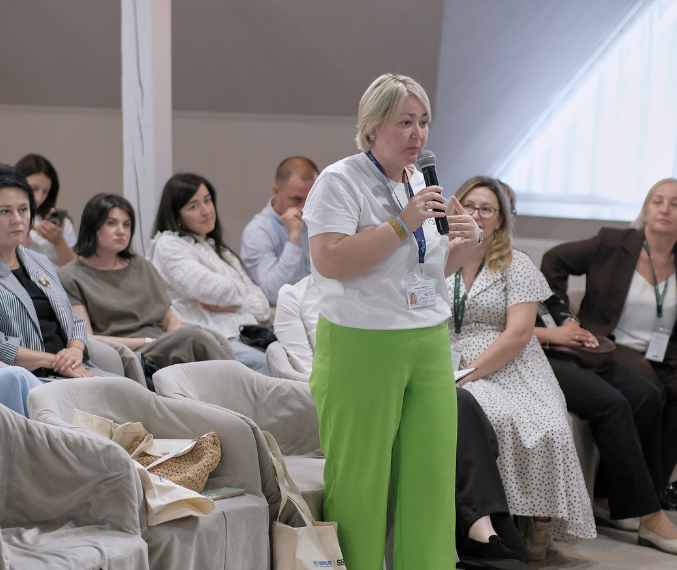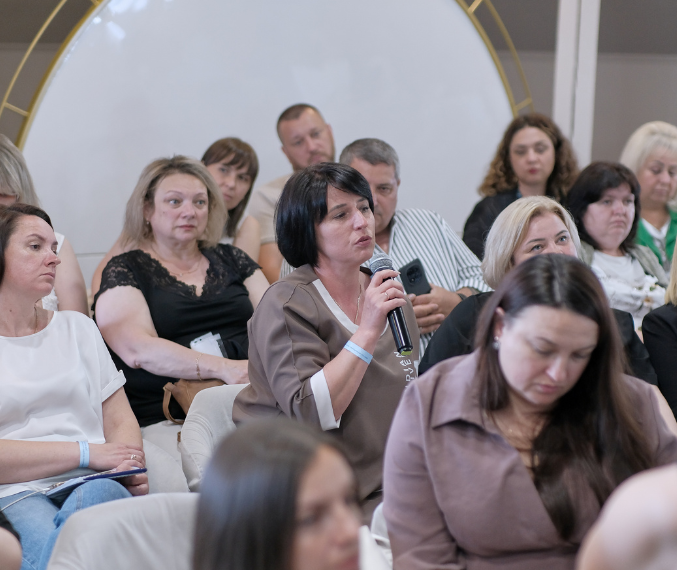
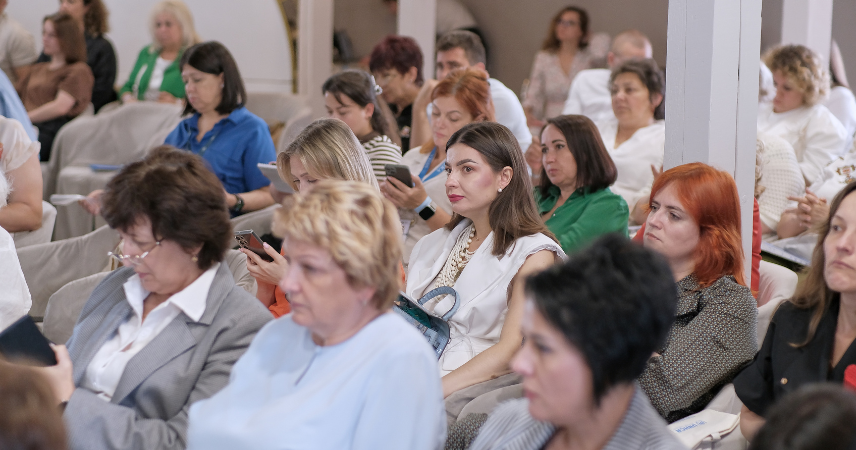
On June 11, the Chernivtsi region hosted the interregional “Forum on Social Change: Ways to Support Older Adults from Displacement to Integration.” The event brought together more than 100 representatives from social protection agencies, local government bodies, and the civil society sector from eight regions of Ukraine.
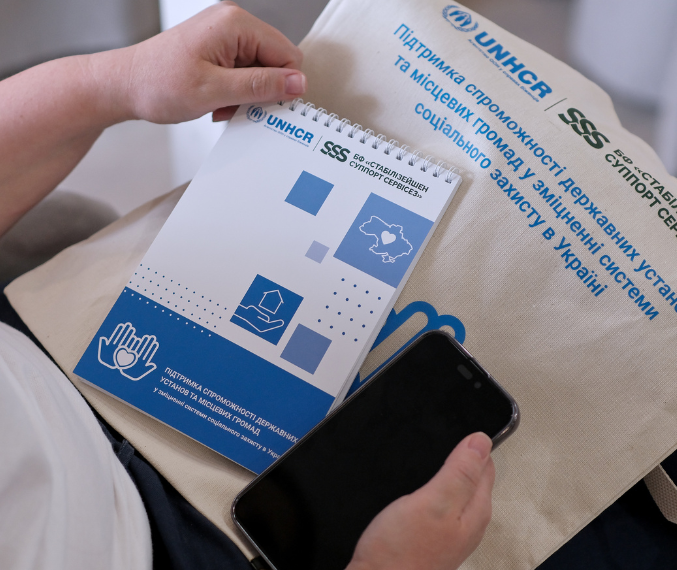
The forum served as a platform for sharing experiences and developing concrete solutions for the adaptation and integration of internally displaced persons, particularly the elderly and those with limited mobility. The event was organized by the “Stabilization Support Services” Charitable Foundation as part of a project to strengthen the capacity of the social protection system, implemented with the support of the United Nations High Commissioner for Refugees in Ukraine (UNHCR).
Forum Participants noted that, in the context of protracted internal displacement, communities must change their approach to supporting IDPs: shifting from responding to crisis needs to implementing comprehensive, long-term solutions. The most vulnerable groups—the elderly, people with limited mobility, and people with disabilities—require special attention. During the forum, successful practices in providing social services at the community level were presented, along with models of cross-sectoral collaboration and examples of effective partnerships between local governments, state agencies, civil society organizations, and international organizations.
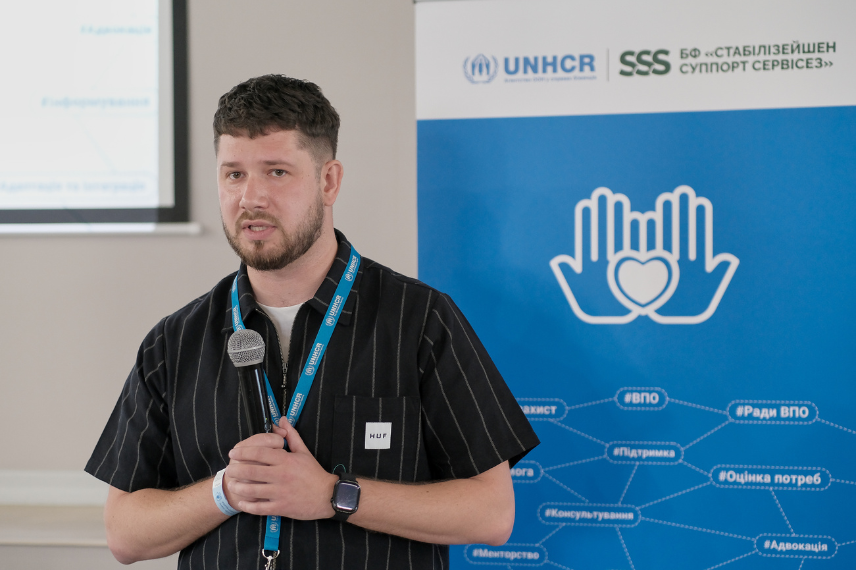
Andriy Bezpalyuk, a specialist in long-term solutions at the UNHCR office in Lviv, called on his colleagues to engage in a sincere exchange of experiences: “We have gathered here to be on the same page when it comes to supporting older people among the IDPs. During a full-scale invasion, the social protection and service delivery system is undergoing a massive overhaul. That’s why it’s important not only to talk about what’s working for you, but also to share more about what isn’t working, what the pain points are, and where certain initiatives aren’t being implemented.”
Oksana Simak, deputy head of the Chernivtsi Regional Military Administration, highlighted the region’s role in launching new social initiatives: “The Chernivtsi region has effectively become one of the pilot regions; it has opened a social shelter and is working directly with transit points to receive older people. Of course, many questions arise, particularly regarding whether the pilot project will continue. We need to help people adapt here. At the national level, certain laws and regulations adopted at the start of the war are being reviewed. Conditions have changed, and it’s important to talk about this.”
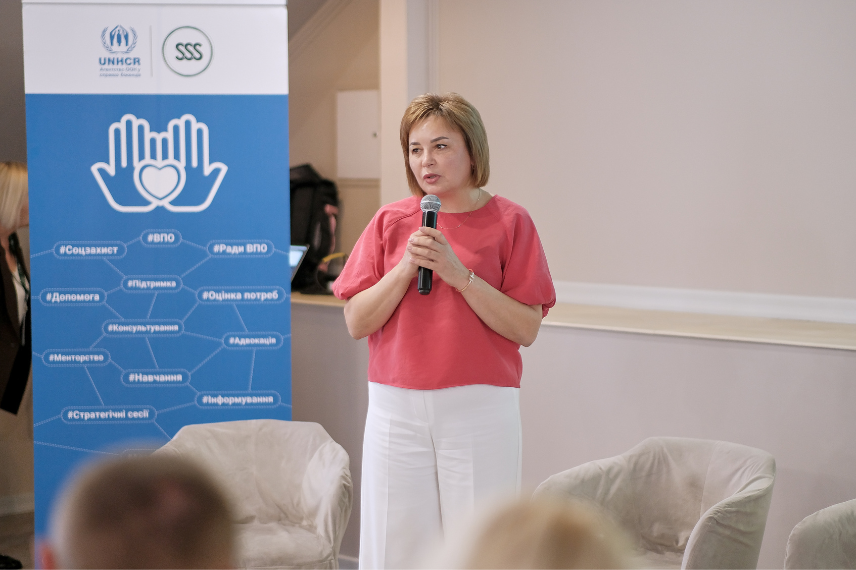
Olga Dzerzhinska, project manager at the CF “Stabilization Support Services Charitable Foundation,” emphasized the importance of open dialogue on pressing issues: “Every social welfare worker is a hero or heroine of our time. We must change our approaches and remain the driving force we are today. The main thing is to never give up. The issue of helping older adults, and especially internally displaced persons, adapt is indeed very complex. But who, if not us, will move this country forward and work toward victory?”
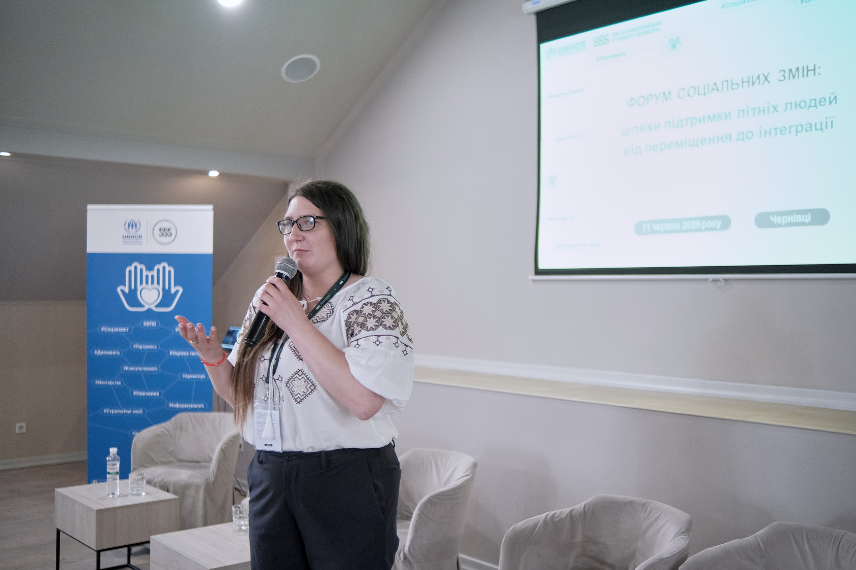
Iryna Isopenko, a representative of the Ukrainian Parliament Commissioner for Human Rights in the Chernivtsi region, emphasized the need for an individualized approach to the needs of older adults: “Our primary mandate is to exercise parliamentary oversight over the observance of human and civil rights and freedoms, particularly the rights of those affected by the Russian Federation’s armed aggression against Ukraine. What concerns me most as an official is the well-being and care of older adults in temporary housing. Social integration into the community must be achieved by addressing specific challenges. Older adults certainly need social support and community assistance today. These people must be surrounded by our care, support, and attention.”
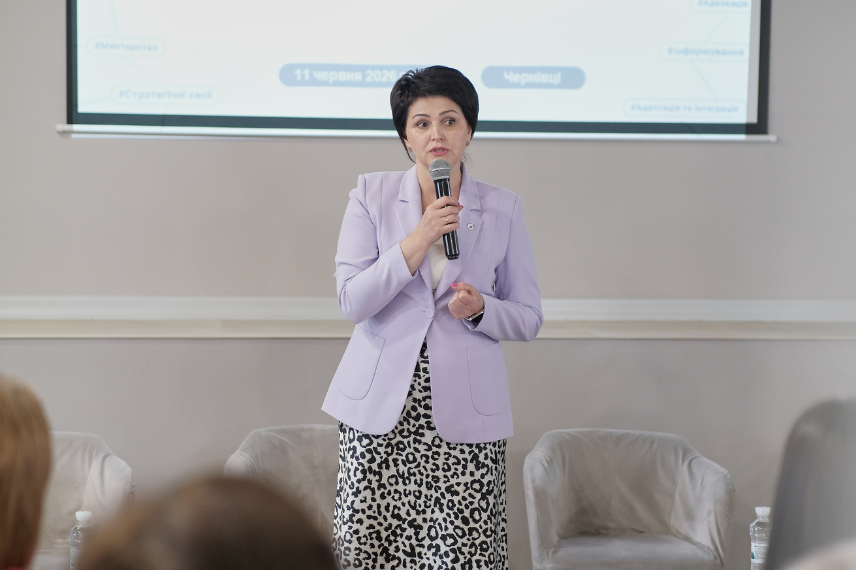
Oksana Boiko, head of the Division for Affairs of War Veterans, Families of the Fallen, and Internally Displaced Persons within the Department of Social Policy of the Ivano-Frankivsk City Council Executive Committee, added: “Surely every social worker has, at some point in their career, experienced a sense of helplessness after trying many different approaches and methods, but still failed to achieve the desired result. Forums like this show us that we must never give up. We need to keep trying again and again, return to the community, and look for new opportunities and new, accessible methods—and ultimately implement our plans and achieve our goals.”
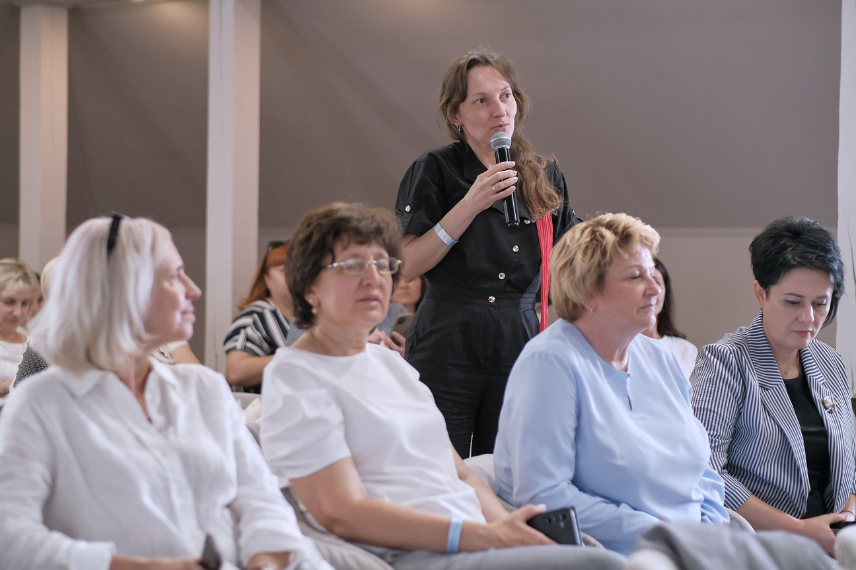
Based on the event results, a list of best practices was compiled and is recommended for implementation in communities to develop social services. Proven models of collaboration between local governments, social protection agencies, social service providers, nongovernmental organizations, and international partners were identified. A list of actionable ideas for the effective implementation of social support for older IDPs was compiled and can be adapted by participants for use in their own communities. A contact database of participants was created to facilitate future coordination and professional collaboration. Key priorities remain the promotion of supported living practices, the strengthening of cross-sectoral cooperation, and the continuation of dialogue on the development of long-term housing and social solutions. The forum also served as an important platform for establishing professional contacts and fostering further interregional cooperation.