
What is required for social services in a community to truly meet the needs of its residents? A clear understanding of the situation and a strategic approach. This is precisely why communities create social passports.
A social passport is a document that contains information about the resources and societal features of a community, helping to determine its potential (read more).
Throughout the year, we helped develop social passports for 35 target communities in 14 oblasts. The final document is published on the community’s official website. Anyone can view it and obtain comprehensive information about the community, including its social sector development, availability of banking, postal, and administrative services, as well as medical, educational, cultural, and sports facilities, among other details.
Yuliana Hasanbekova, CF SSS Coordinator on the Development of Social Passports, said, “The information provided in an organized form in the social passport allows you to quickly and fully familiarize yourself with the community. At the same time, this data helps the community make management decisions regarding the effective use of resources and attracting additional investments.”
Based on data from the social passport, our regional teams develop recommendations for the local development of the social protection system, as well as short-term plans for its advancement.
Among the communities we are working with this year is the Vyhoda community in Odeska Oblast. The development of a social passport was a key step towards modernizing the social sphere. In particular, the community introduced an early intervention service — a priority medical and social service for young children at risk of developmental disorders. Let’s take a closer look at this case.
Development of the Social Passport of the Vyhoda Community
The Vyhoda village community is located in Odeskyi Raion and comprises 16 villages with a total population of approximately 13,618 people. After the start of the full-scale invasion, the community became a refuge for internally displaced persons, including families with children, people with disabilities, and people in need of social, rehabilitation, and medical and psychological services.
“At the beginning of the cooperation, the community had a basic social protection structure, but it did not have a social passport that would structure the needs, resources, and directions for the development of social services. It had limited human resources in the social sphere, faced challenges in integrating IDPs, and needed to modernize services for children and families. At the same time, the community demonstrated a willingness to engage in partnerships and implement innovative models. The development of a social passport became a key step for it in updating the social sphere of the community,” notes Viktoriia Pleshko, regional social specialist for the project in Odeska Oblast.
The regional project team consistently provided the community with advisory support for the comprehensive collection of data for the social passport. The community conducted a demographic analysis, created a list of vulnerable population groups, and a map of available social services. It assessed the need for new services and analyzed social sector resources and infrastructure. The collected data were entered into the social passport and served as the basis for further strategic planning to develop the social protection system at the local level.
Preparing Recommendations for the Development of the Social Protection System and Development Plan
Based on the data from the social passport, we prepared a series of recommendations for the community on how to improve access to services, develop infrastructure, and enhance interagency cooperation. We also provided suggestions on potential partnerships, participation in state pilot projects, and the financial sustainability of social programs. In the future, training on the development of the social protection system is planned for community leaders and specialists; however, the community has already used the recommendations as a basis for further work.
Additionally, our team in Odeska Oblast has developed a medium-term plan for the local social protection system’s development from 2025 to 2027, tailored to the community’s needs.
The development plan includes:
- Strategic goals for improving the social sphere;
- Introduction of new services;
- Creation of a mobile multidisciplinary team;
- Integration of IDPs;
- Development of partnerships with non-governmental organizations and medical institutions;
- A roadmap for the development of the social protection system.
The plan was officially presented to the community leadership and social workers.
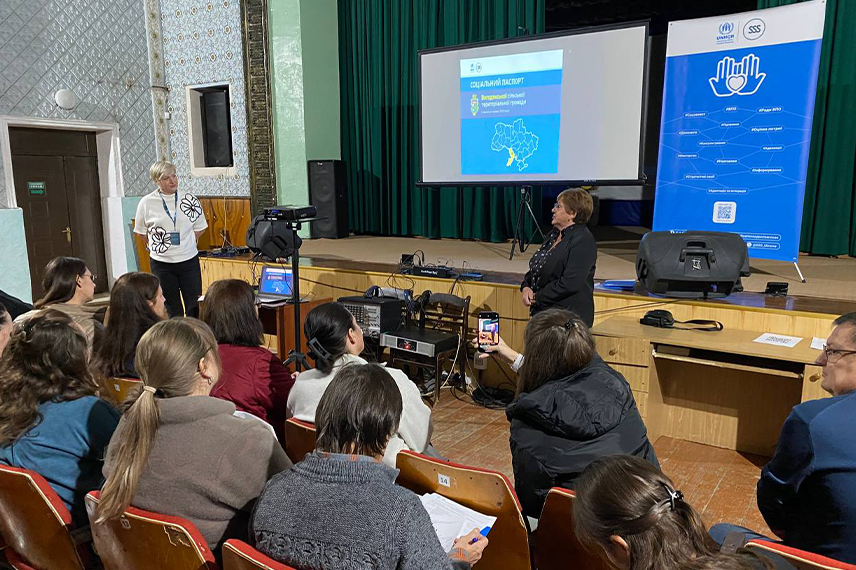
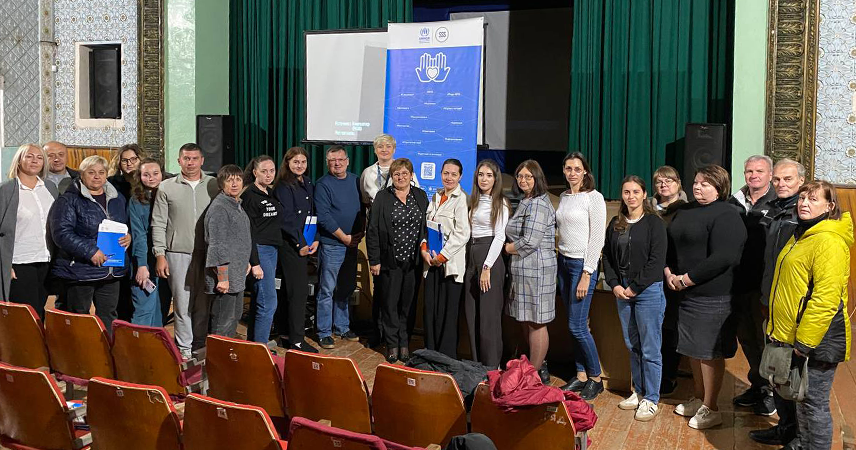
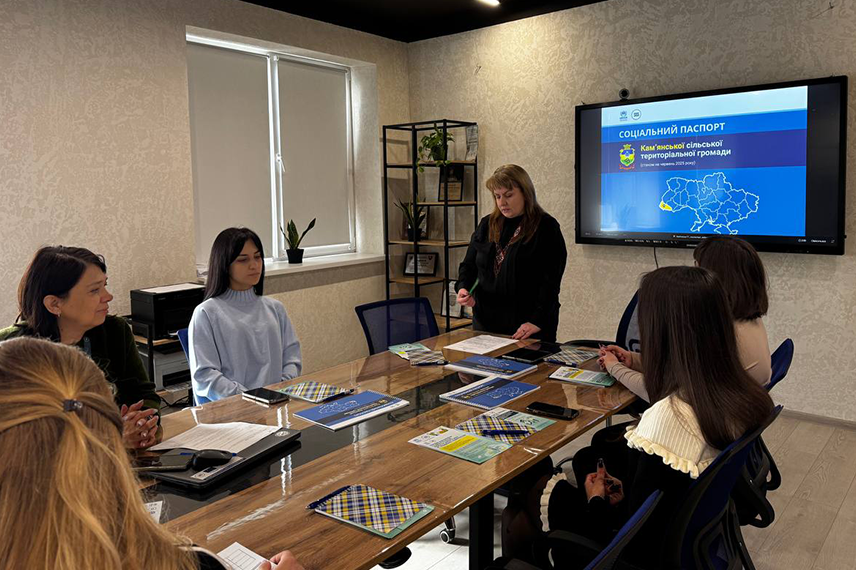
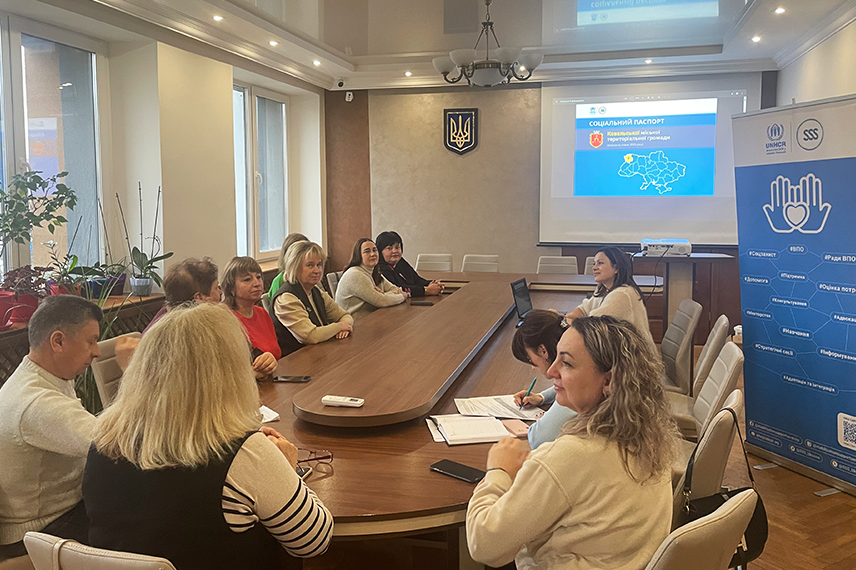
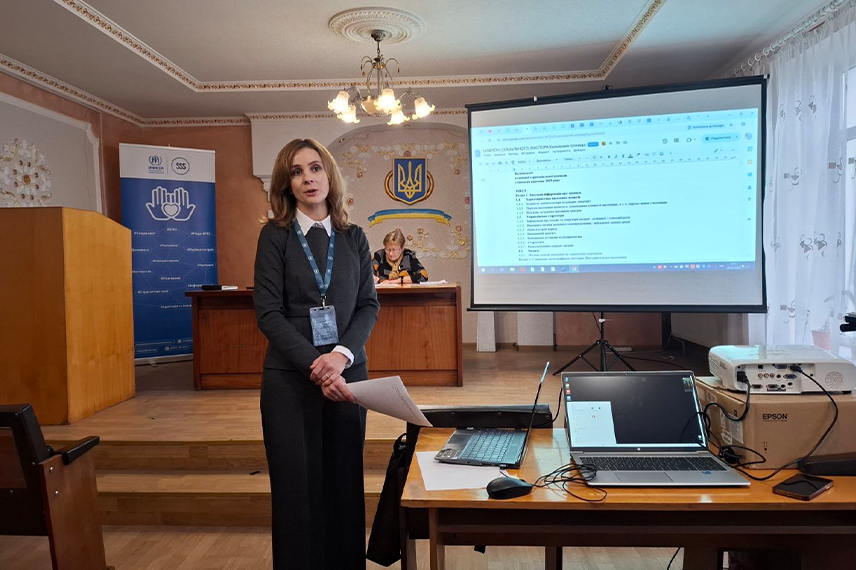
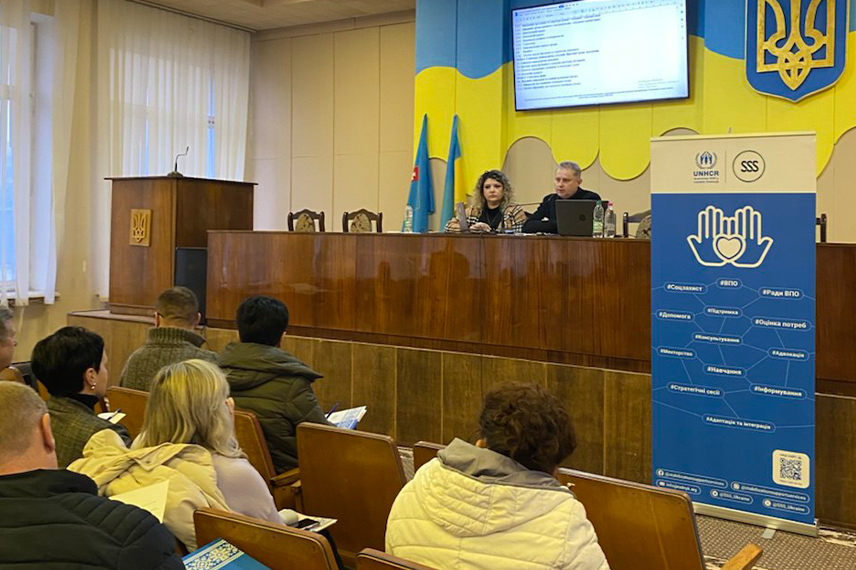
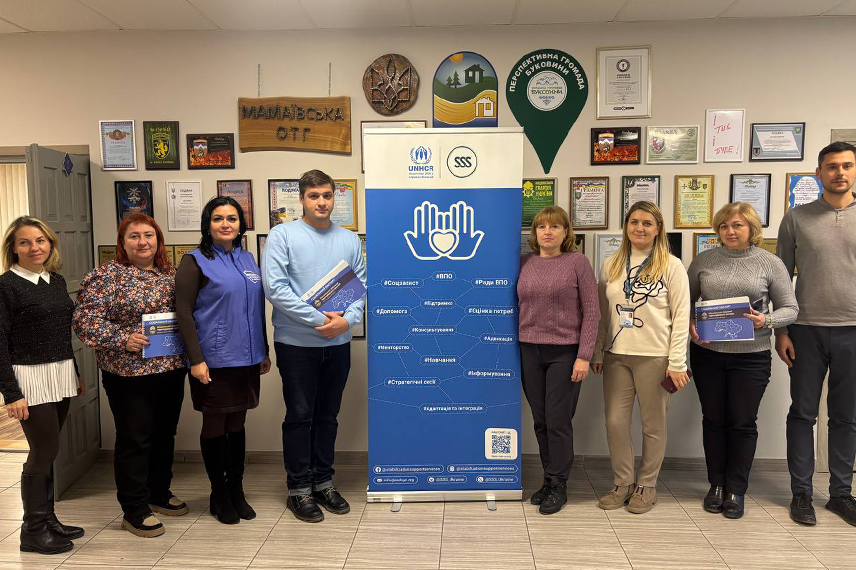
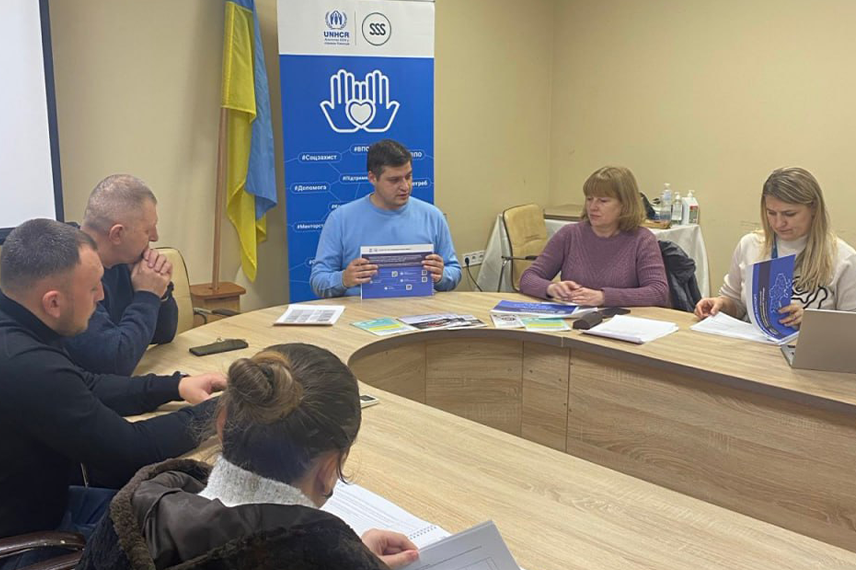
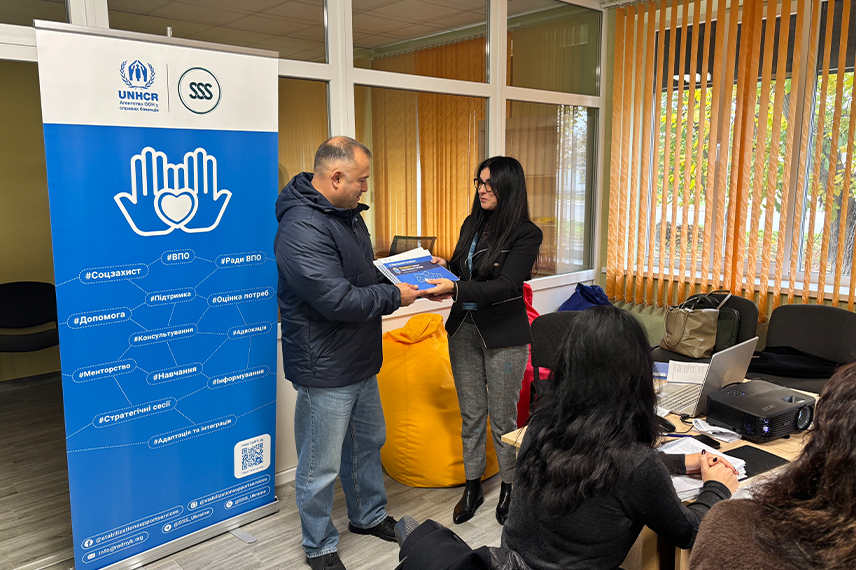
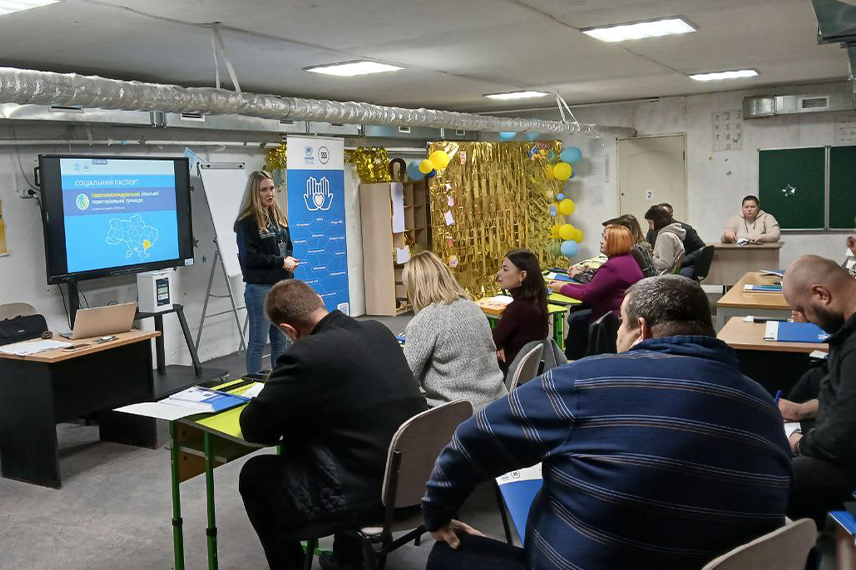
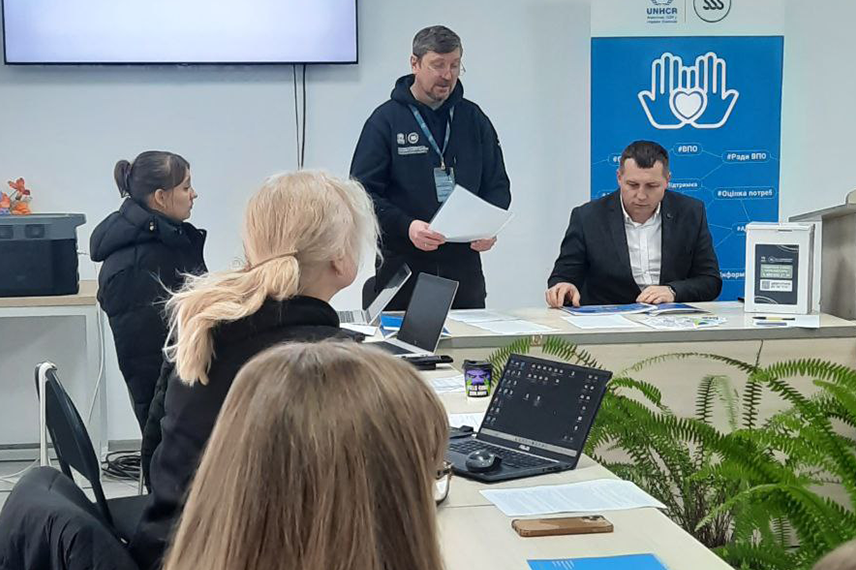
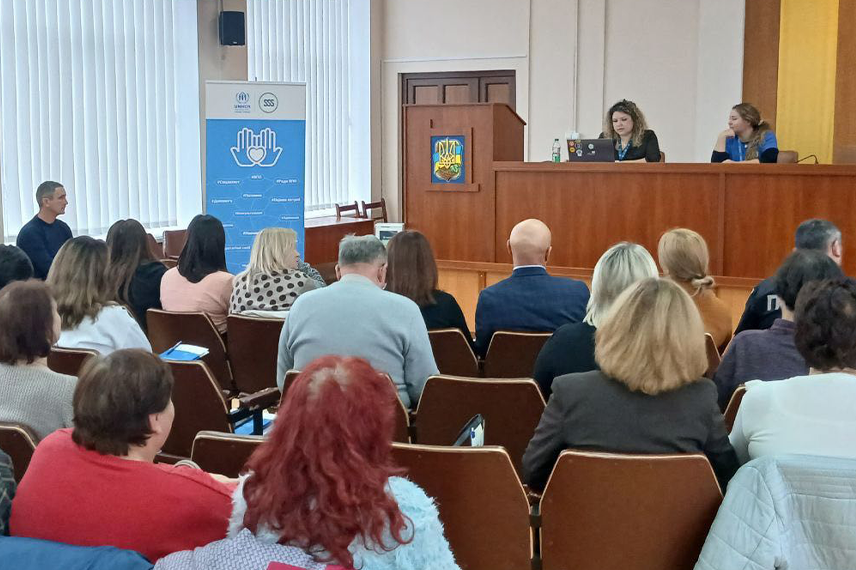
Public presentation of the social passport and development plan for the social protection system of the Vyhoda community
Introduction of a New Social Service for Early Intervention
One of the key results achieved by the Vyhoda community through joint efforts and the development of documents is the introduction of early intervention services. These are priority medical and social services for young children at risk of developmental disorders.
“Due to a lack of human resources in the community, we proposed an innovative option: to introduce the service through a partnership with the Ukrainian Medical Center for Mother and Child Rehabilitation of the Ministry of Health of Ukraine. This approach was fully in line with the recommendations and enabled the community to launch the service quickly,” says Viktoriia Pleshko.
The Ukrainian Medical Center for Mother and Child Rehabilitation, under the Ministry of Health of Ukraine, and the Vyhoda community have signed a memorandum that opens up opportunities for medical and social support for mothers and children, the provision of rehabilitation services, and the development of an early intervention system within the community. Additionally, such a partnership enables the joint development of projects and the exchange of experiences.
The community is already actively implementing the new service:
- Providing family care paths (providing step-by-step plans and other systemic support to families in need of early intervention services);
- Ensuring the availability of services for young children;
- Coordinating interaction between social protection institutions, healthcare facilities, and the Center;
- Preparing internal documentation to expand the model.
Results of Cooperation: From Developing a Social Passport to Building Partnerships
The example of the Vyhoda community clearly demonstrates how, even with limited resources, a motivated community can expand the range of social services and strengthen its capacity to provide basic support to residents who need it.
Results achieved by the community through cooperation with the Foundation:
- A social passport has been created. For the first time, the community has received a comprehensive tool for planning and managing the social sphere.
- A new social service has been introduced. An early intervention service has been launched through a partnership with a state medical center, exemplifying an innovative management model.
- Partnerships have been developed. The signing of the memorandum marked a significant step forward in cross-sectoral cooperation.
- Management capacity has been enhanced. Although training for village heads and social sector specialists is still ahead, the community is already using the recommendations and development plan in its work.
- Accessibility of social services has been improved. The recommendations have become the basis for the further launch of a mobile brigade, working with IDPs, creating public spaces, and participating in state pilot projects.
The social passport has become a key tool for the Vyhoda community to organize information, identify priorities for social protection development, and effectively engage partners in joint work.
“Thanks to you, we have created a social passport and introduced an early intervention service, which has been an important step in improving the quality of social services for our community. Thank you for your professional and informative advice, as well as the useful explanations of changes in legislation and innovations in the field of social protection. We wish your team inspiration, development, and the realization of all your ideas! May your activities continue to bring support to those who need it most,” said Natalia Saakian, director of the social protection and health department of the Vyhoda Village Council.
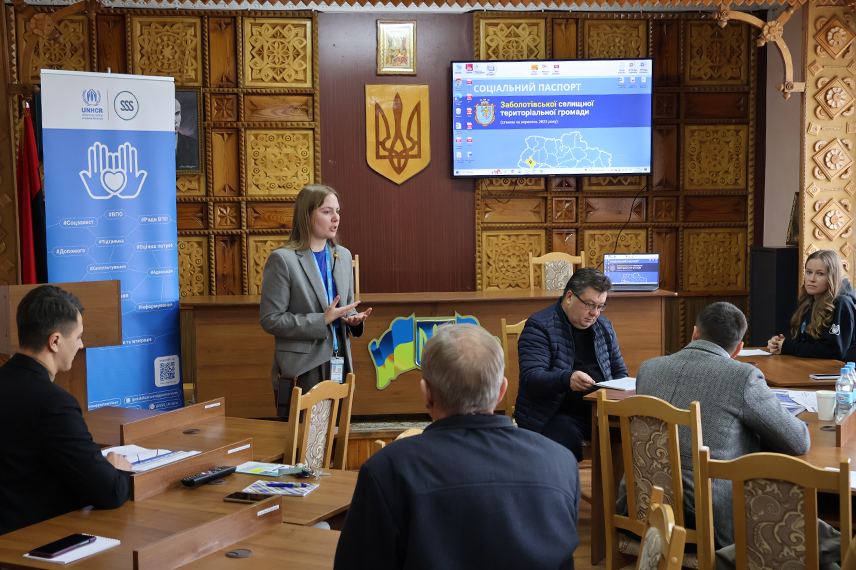
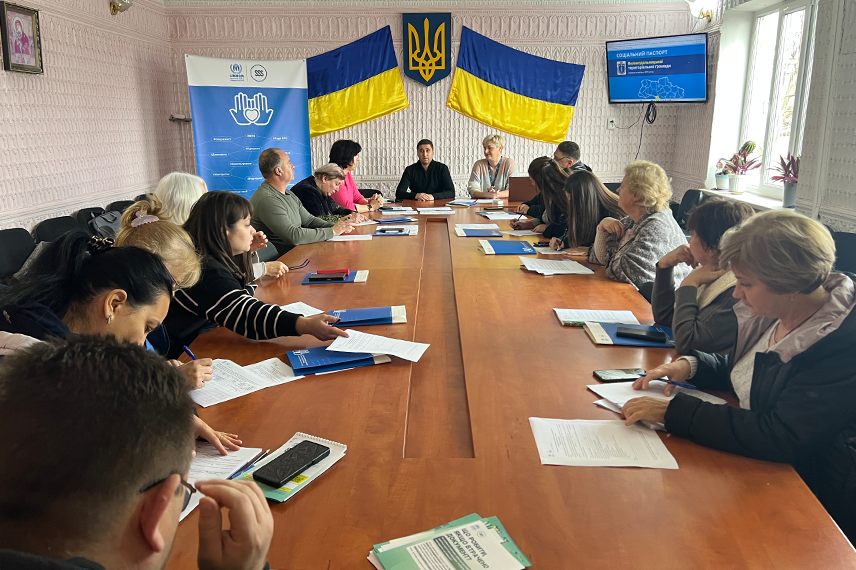
The photo shows public presentations of the social passport and draft medium-term plans for developing the social protection system.
View the social passports we helped update during the 2023–2024 period.
We are helping communities develop social passports through the Support to the Capacity of Government Institutions and Local Communities to Strengthen Social Protection Systems in Ukraine project, implemented with the support of UNHCR, the UN Refugee Agency in Ukraine.